
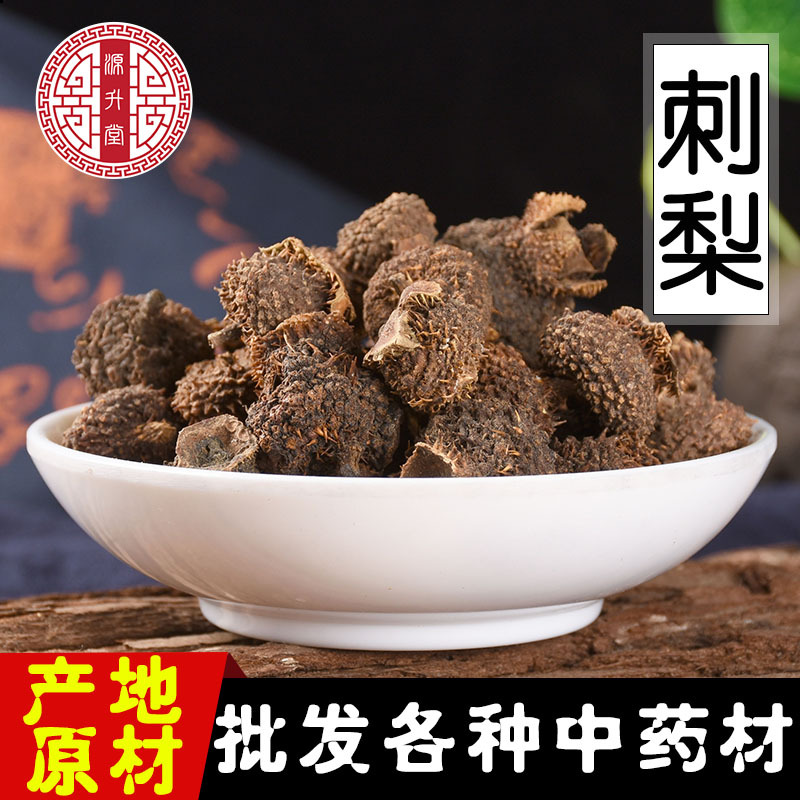
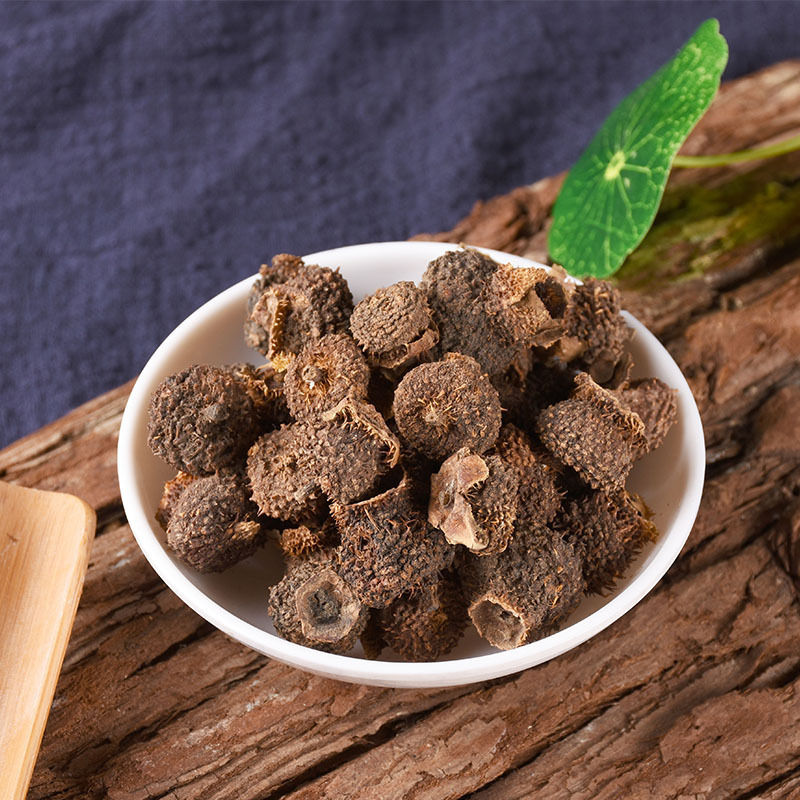
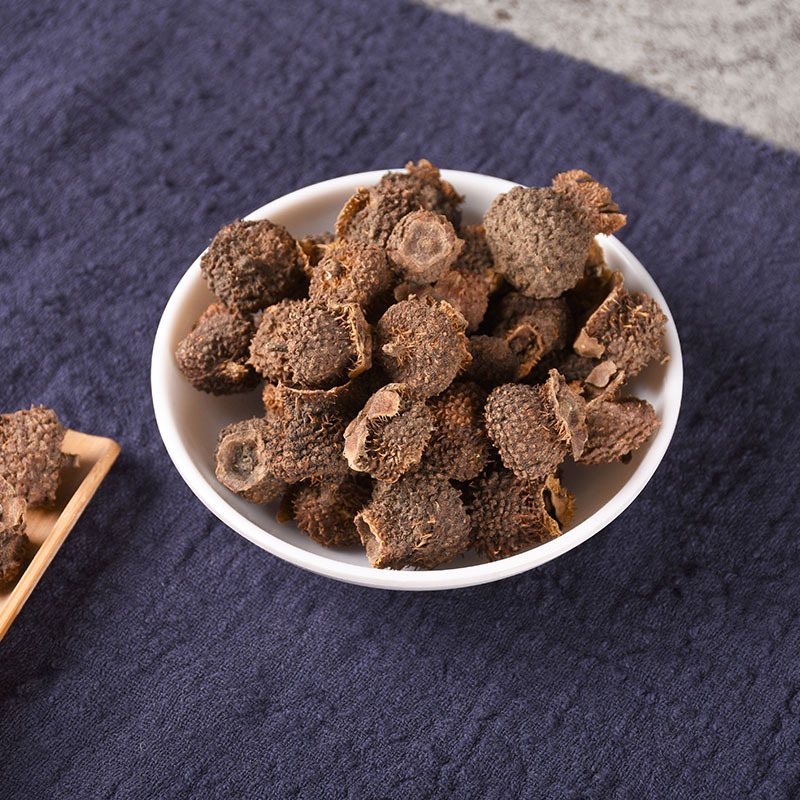
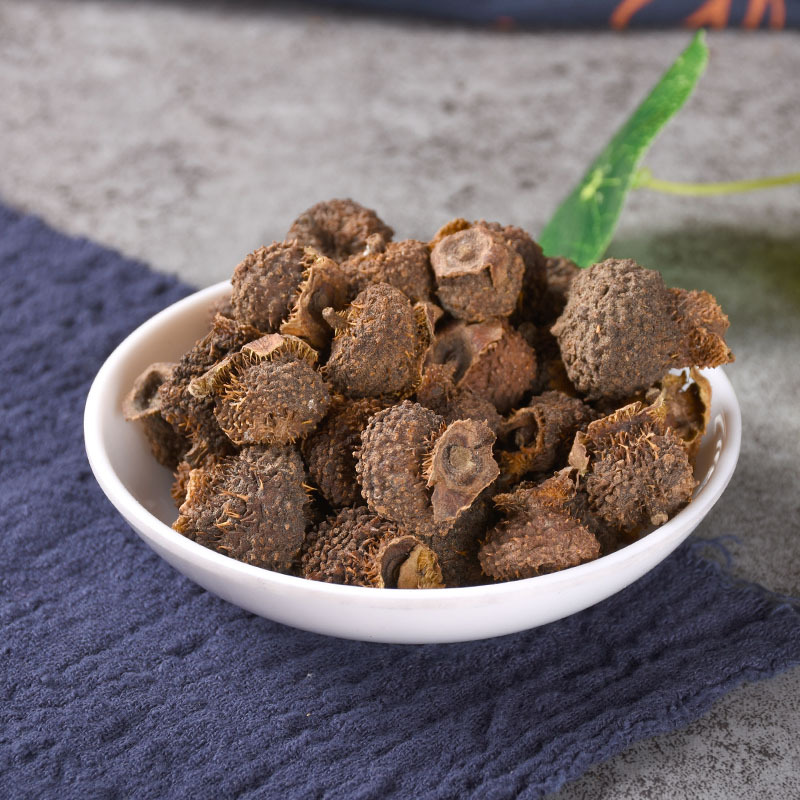
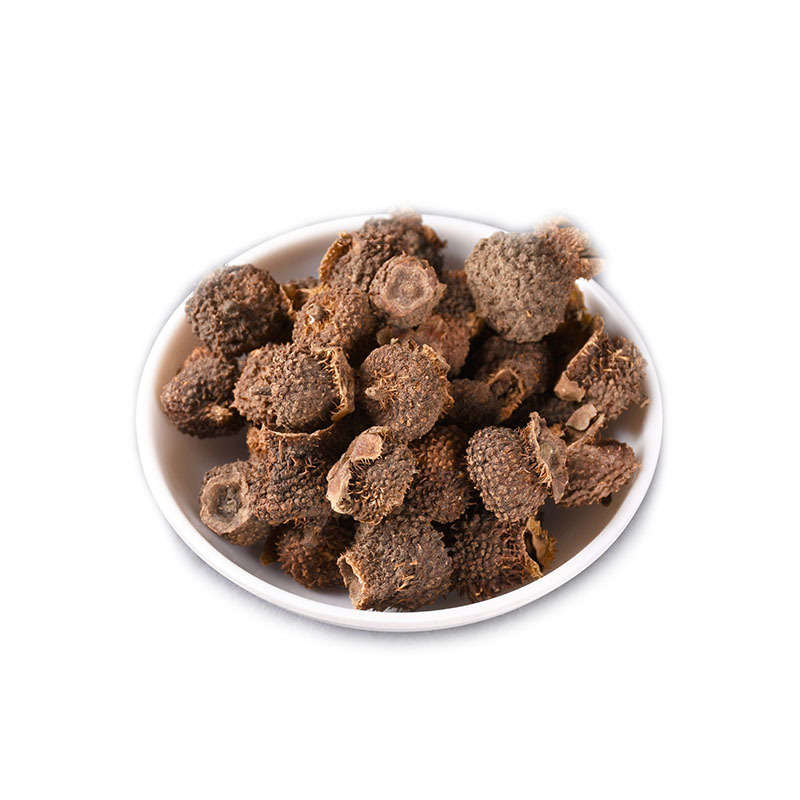
Ci Li Fruit (Rosa roxburghii) — Dried Guizhou Thorny Rose Fruit, Food-Herb Botanical
Price range: $4.04 through $5.24
Description
Ci Li Fruit (Rosa roxburghii), known in Traditional Chinese Medicine (TCM) as Cì Lí (刺梨), is the dried fruit of the thorny wild rose native to the mountainous regions of Guizhou, China. Also called the Thorny Rose Fruit or Roxburgh Rose, Ci Li has long been prized as a sour, astringent food-herb used to support digestion, harmonize the stomach, and invigorate the spleen. Its nature is sweet and sour, slightly astringent, and cooling, making it a refreshing botanical for daily food-therapy use.




Key Selling Points
- Dried Ci Li fruit from Guizhou origin
- Traditional food-herb (药食同源) botanical
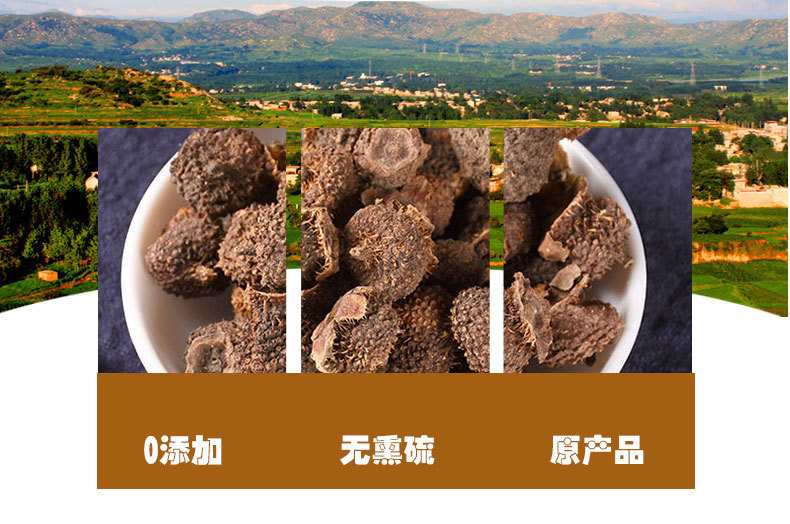
- Sulfur-free, clean new-crop quality
- Suitable for tea, decoction, and powder
- Available in whole fruit or ground form
Quality & Sensory
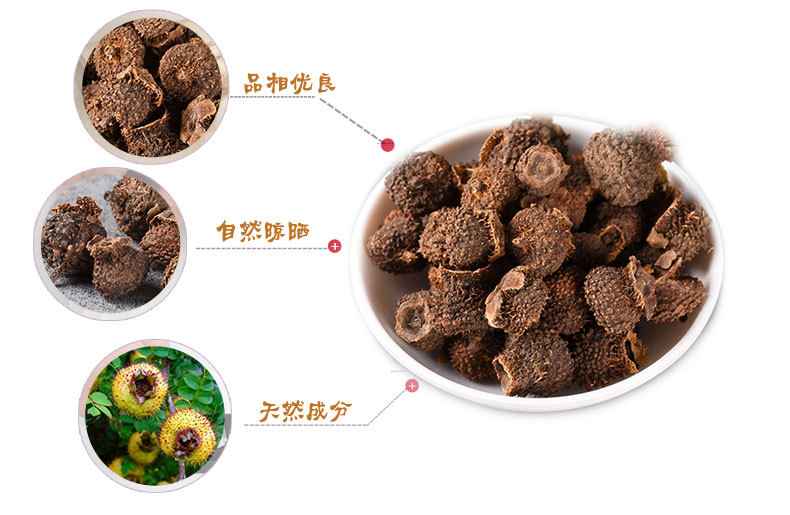
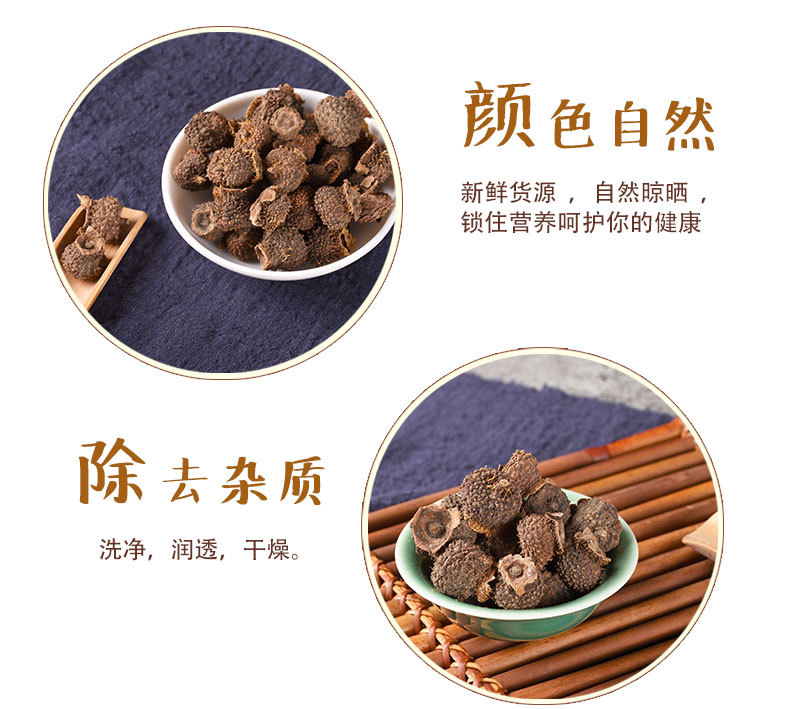
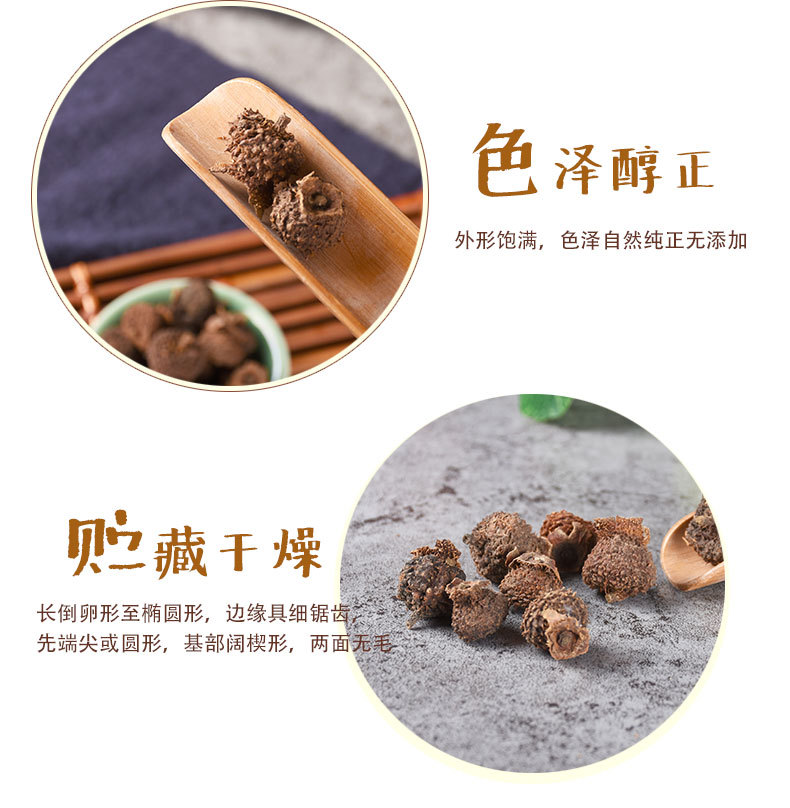
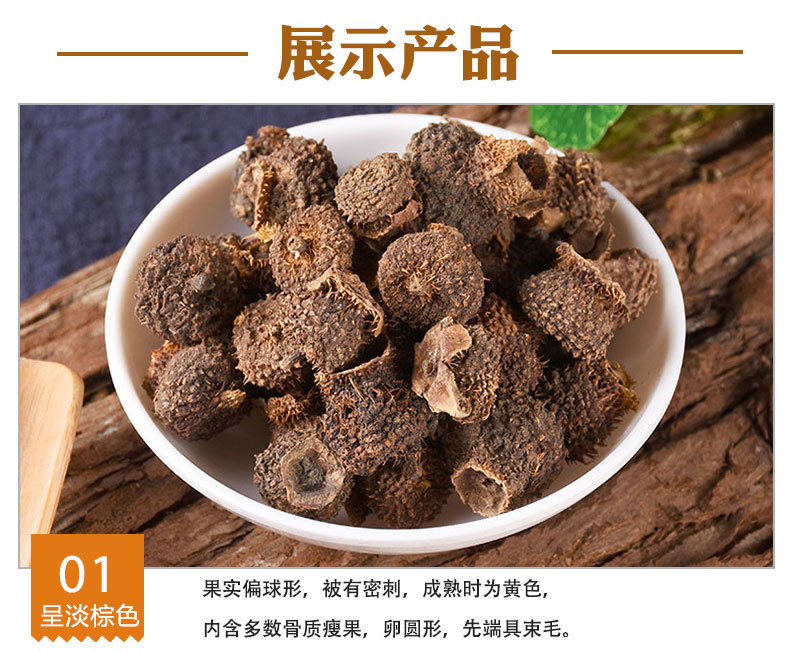
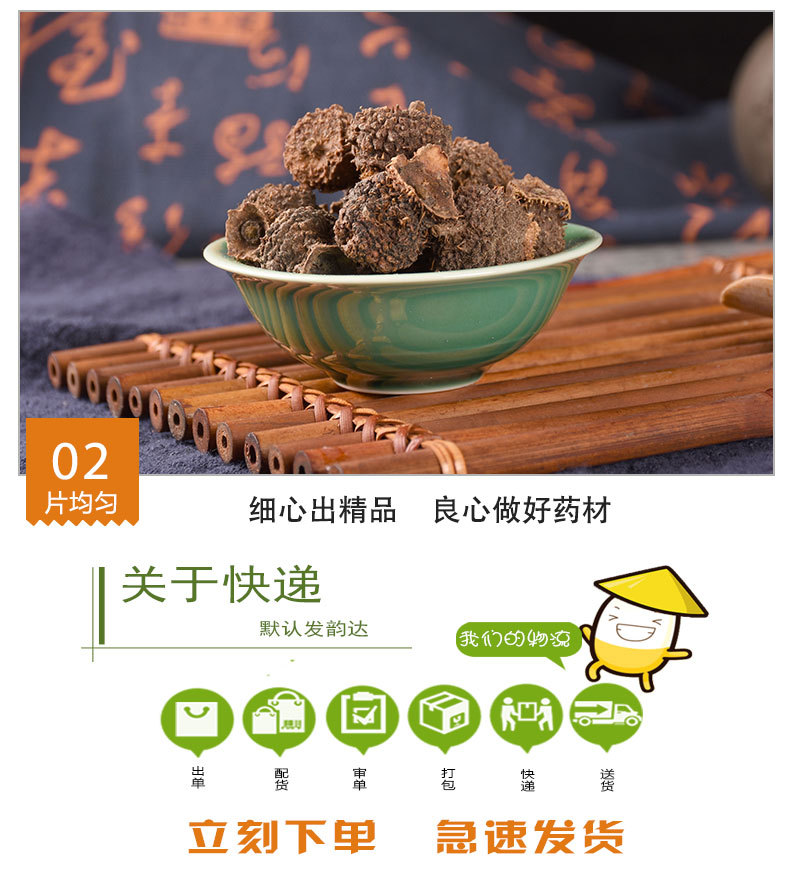
Each batch is carefully dried to preserve the fruit's golden-yellow to amber color, wrinkled texture, and light fruity aroma. When decocted or steeped, Ci Li yields a bright, tart infusion with a pleasant sour-sweet taste and a clean, refreshing finish, leaving a gentle astringent note on the palate.
Technical Specifications
| Product Type | Dried Fruit |
|---|---|
| Common Name | Ci Li |
| Botanical Name | Rosa roxburghii |
| Origin | Guizhou, China |
| Form | Whole Dried Fruit or Powder |
| Shelf Life | 24 Months |


Usage Scenarios
- Herbal tea and daily infusion
- Decoction with other food herbs
- Fruit powder for drinks and blends
- Seasonal food-therapy congee
- Soup and tonic ingredient


Traditional Uses
In folk herbal practice, Ci Li is decocted into teas, soups, and congee to support digestion and harmonize the stomach. It is often paired with ingredients like hawthorn, jujube, and goji berry in daily food-therapy formulas. As a tea, it is brewed alone or blended with other botanicals for a tart, refreshing infusion enjoyed during warm seasons.



FAQ Q&A
Q: What is Ci Li Fruit?
A: Ci Li Fruit is the dried fruit of Rosa roxburghii, a thorny wild rose native to Guizhou, China. It is a traditional food-herb used in teas, decoctions, and soups.
Q: What is the traditional wellness value of Ci Li?
A: In traditional Chinese food wellness culture, Ci Li is associated with supporting digestion, harmonizing the stomach, and invigorating the spleen. It is often used in daily teas and food-therapy recipes.
Q: How do I use dried Ci Li Fruit?
A: Rinse the fruit and simmer it in water for a tea or decoction, or add it to soups and congee. It can also be ground into powder for drinks and blends. Adjust the quantity to your recipe and taste preference.
Additional information
| Weight | N/A |
|---|---|
| Dimensions | N/A |
| Packaging specifications | Prickly pear 0 5kg piece, 250g prickly pear, 100 grams of prickly pear |
Related products
-
Tian Ma Slices (Gastrodia elata) — Yunnan Zhaotong Wu Tian Ma, 500g Dried Herb
Price range: $14.81 through $22.92 -
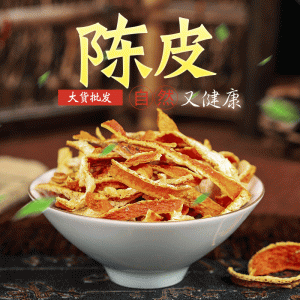
Chen Pi Shreds (Citrus reticulata) — Aged Dried Tangerine Peel, Unsulfured, 500g
$4.93 -
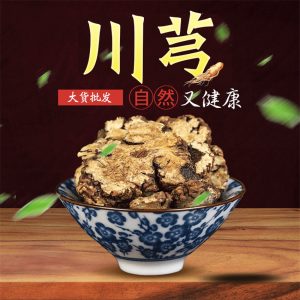
Chuan Xiong Slices (Ligusticum chuanxiong) — Sichuan Sun-Dried Rhizome Pieces, 500g
Price range: $4.44 through $6.06 -
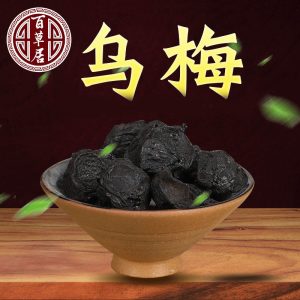
Wu Mei Dried Plum (Prunus mume) — Unsulfured Smoked-Free Food Herb for Sour Plum Drink & Tea
Price range: $4.44 through $10.93
Reviews
There are no reviews yet.