
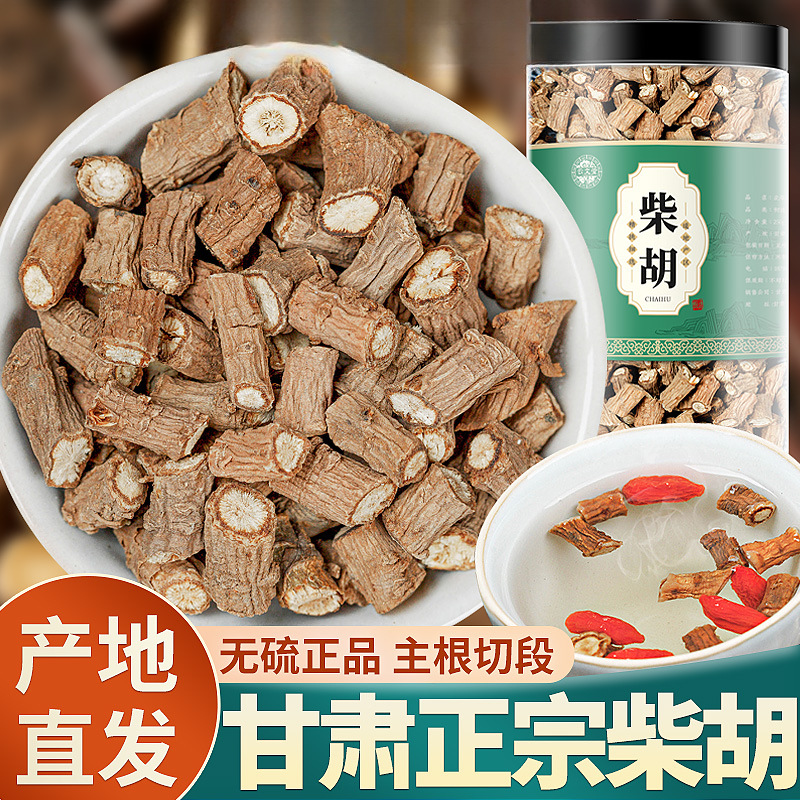
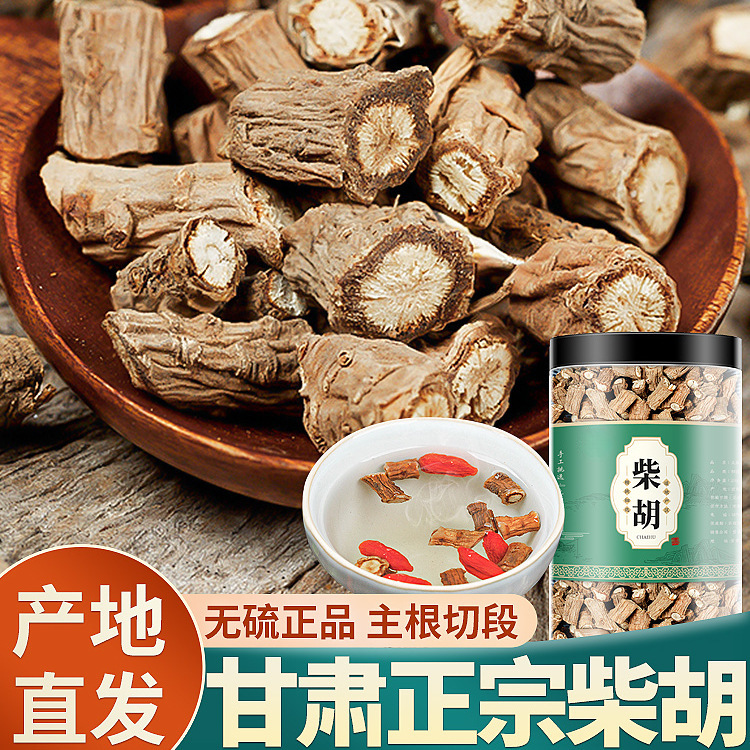
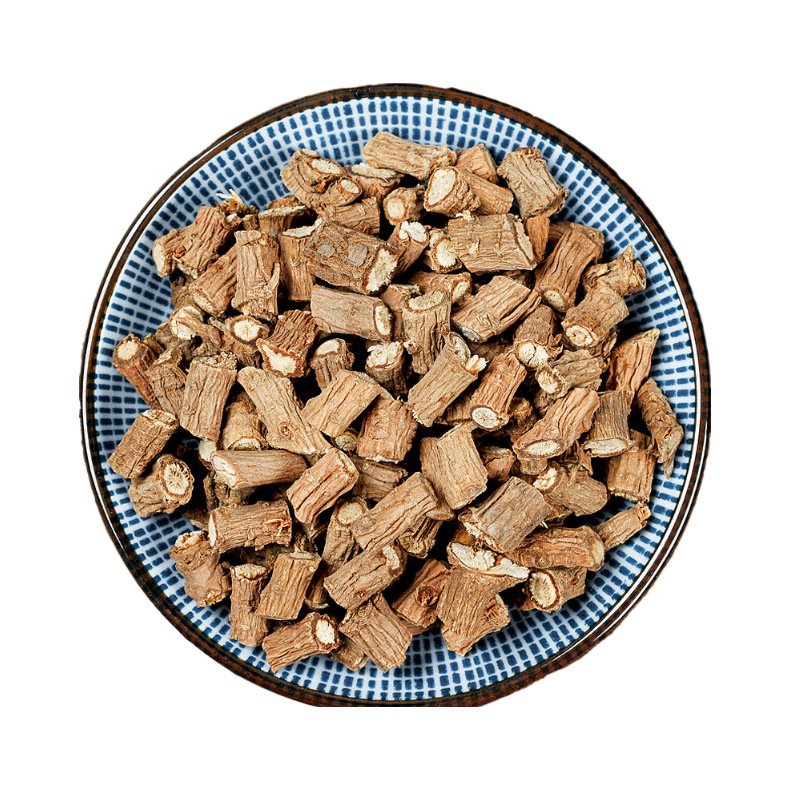
Chai Hu Dried Bupleurum Root Slices 500g Wild North China Chaihu for Traditional Decoctions
Price range: $9.83 through $18.16
Description
Chai Hu (柴胡), also called Bei Chai Hu, is the dried root of Bupleurum chinense, supplied as sliced raw herb in a 500g canister. In TCM theory it is acrid and slightly cold and is traditionally associated with soothing the liver, resolving constraint, and lifting yang qi. Traditionally used in classic formulas such as Xiao Chai Hu Tang and Gui Zhi Tang variations. Store in a cool dry place.
Key Selling Points
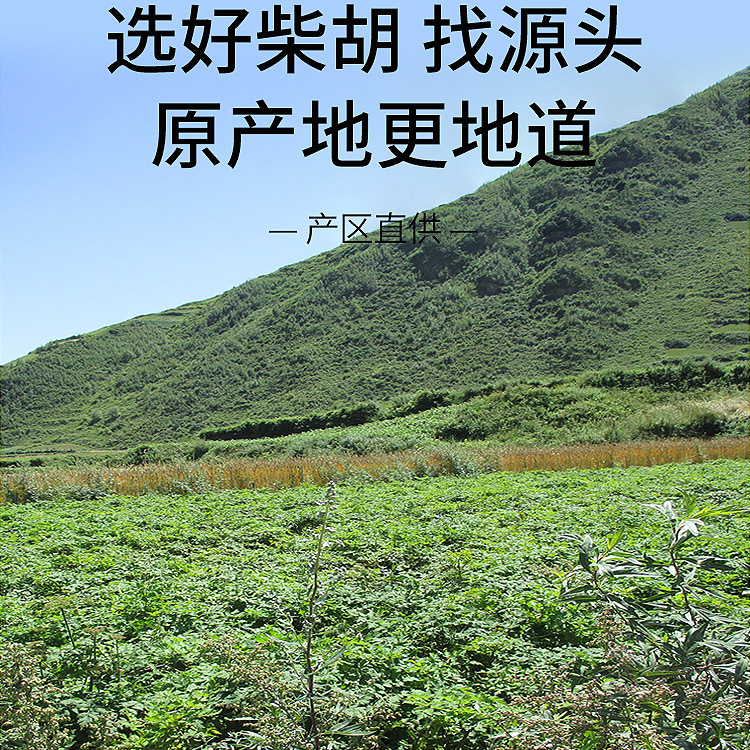
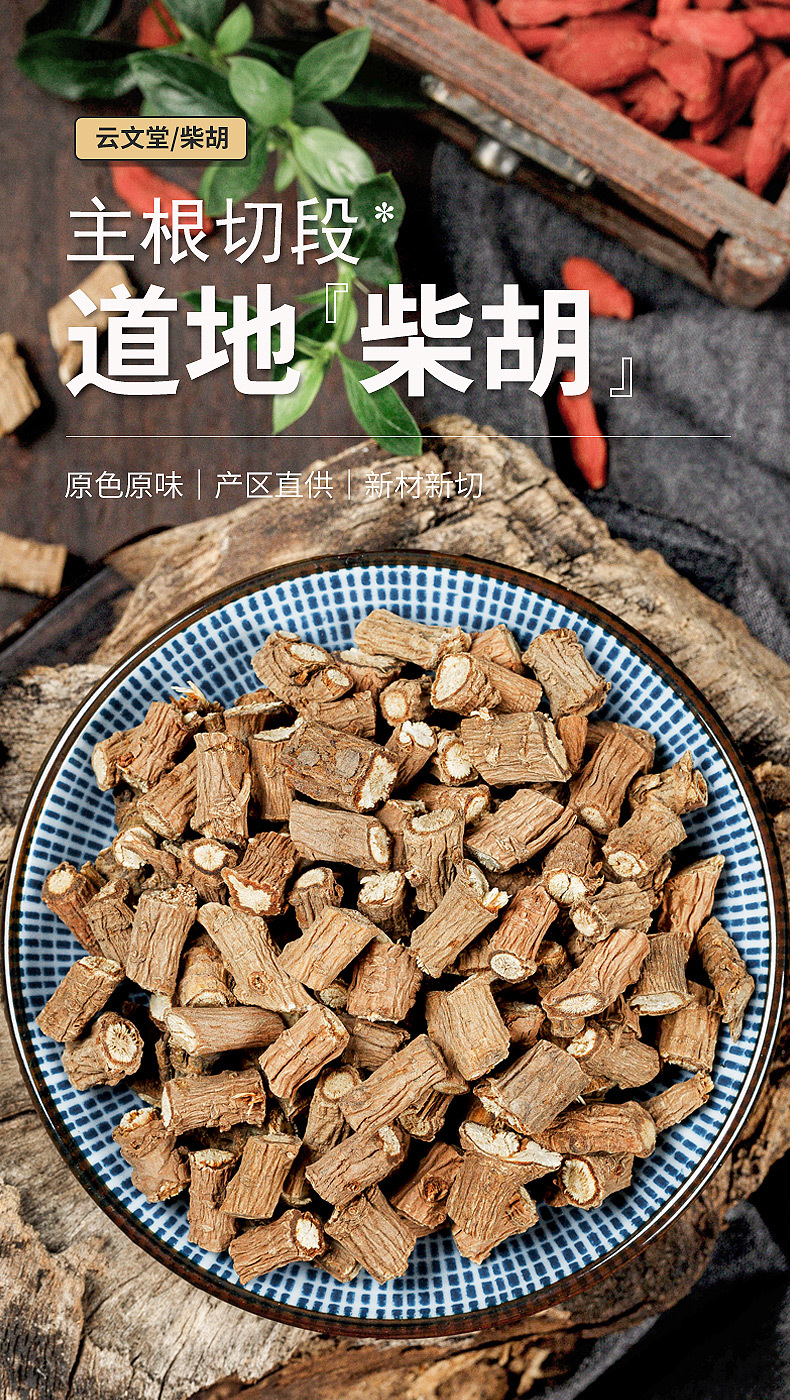
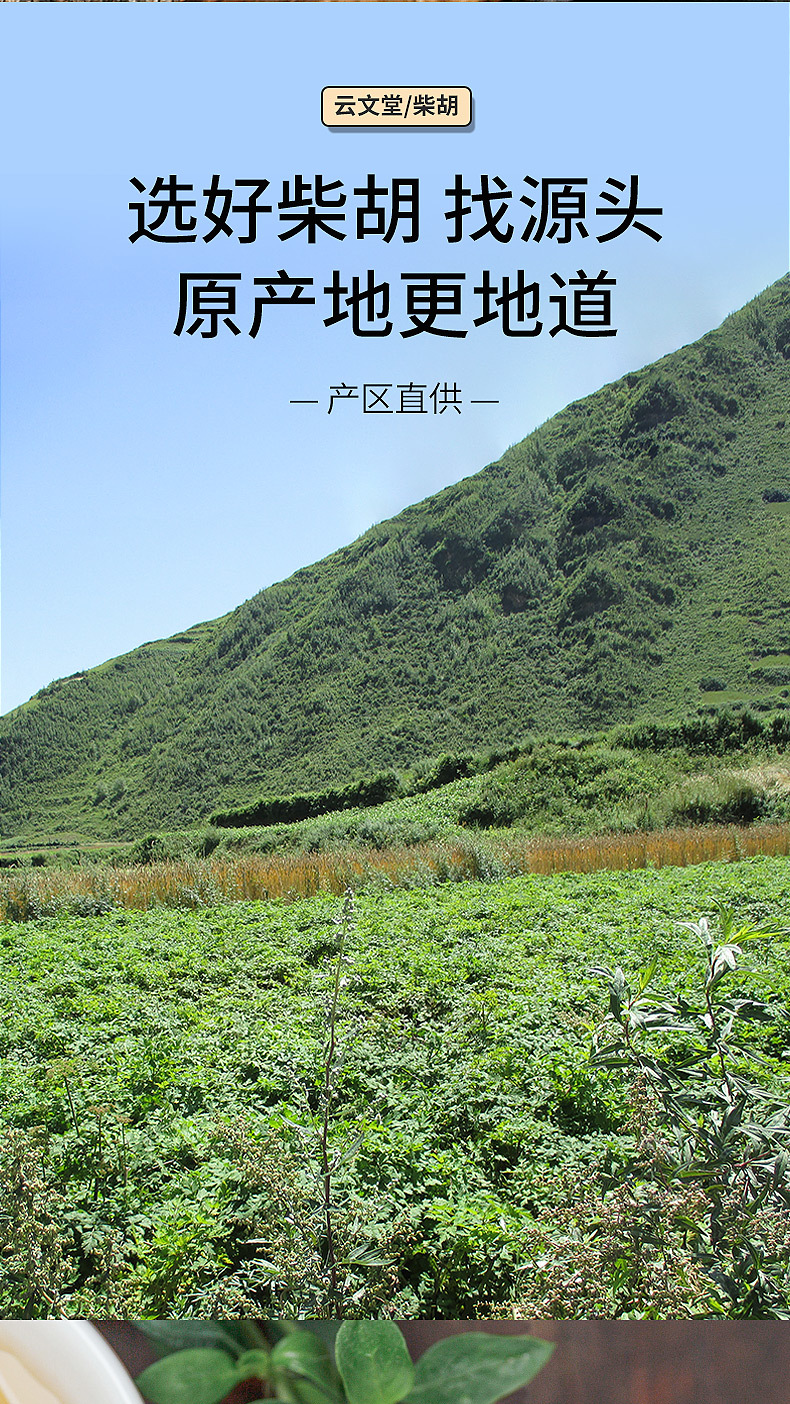
- Dried Chai Hu (柴胡) root slices from wild North China Bupleurum chinense
- Known in TCM as Chai Hu, a key herb for harmonizing and resolving liver constraint
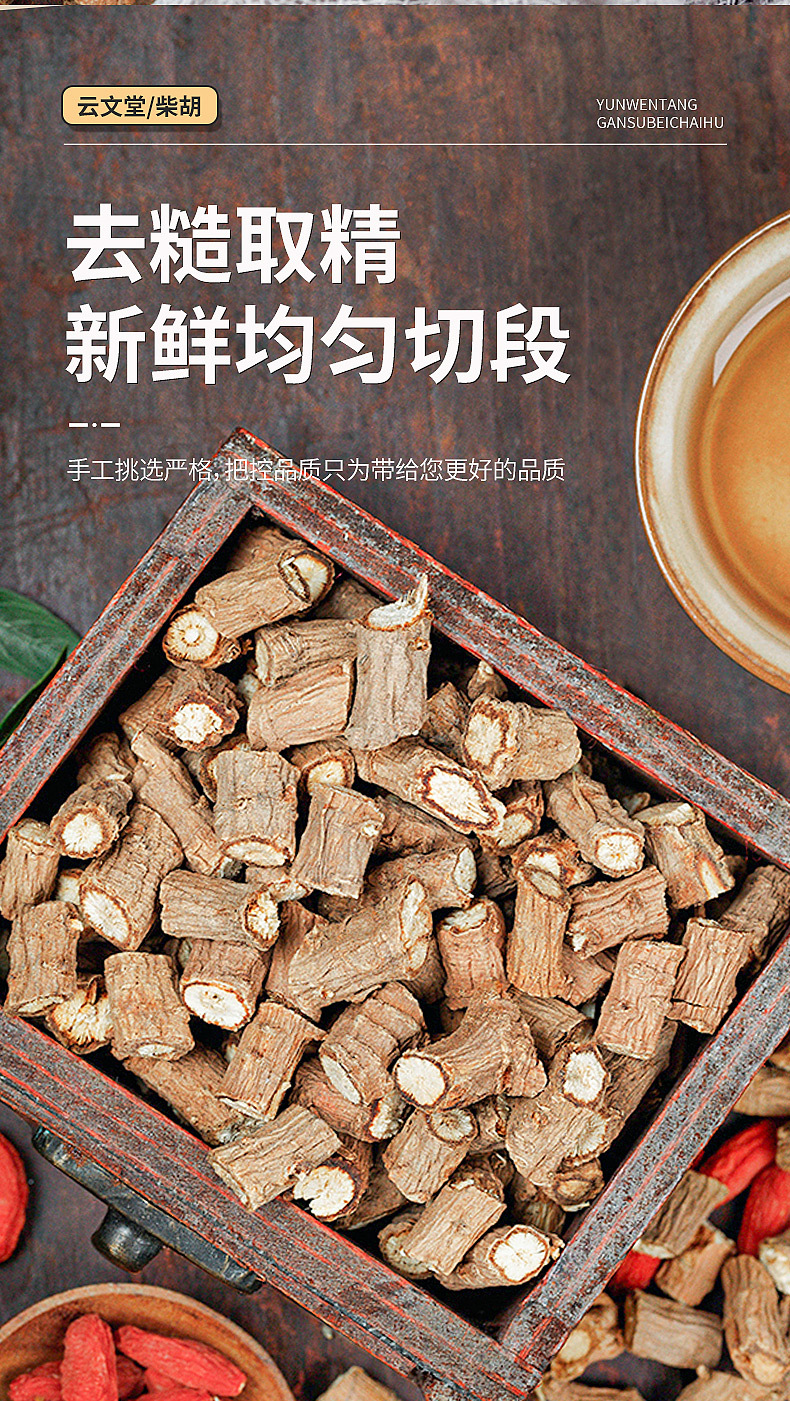
- Sliced form is convenient for decoctions, teas, and formula blending
- Traditionally featured in classic formulas such as Xiao Chai Hu Tang
- 500g canned pack suitable for regular home herbal preparation
Quality & Sensory
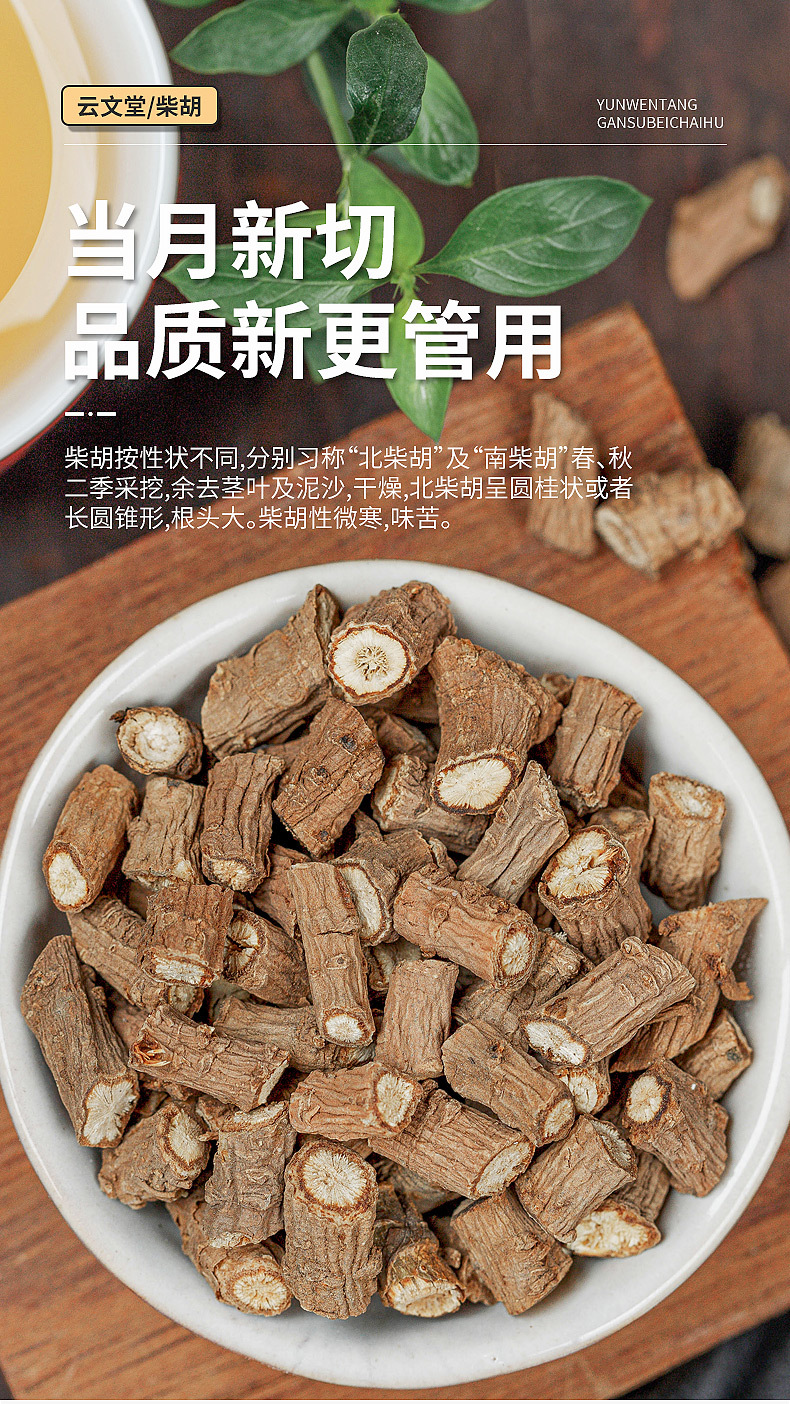
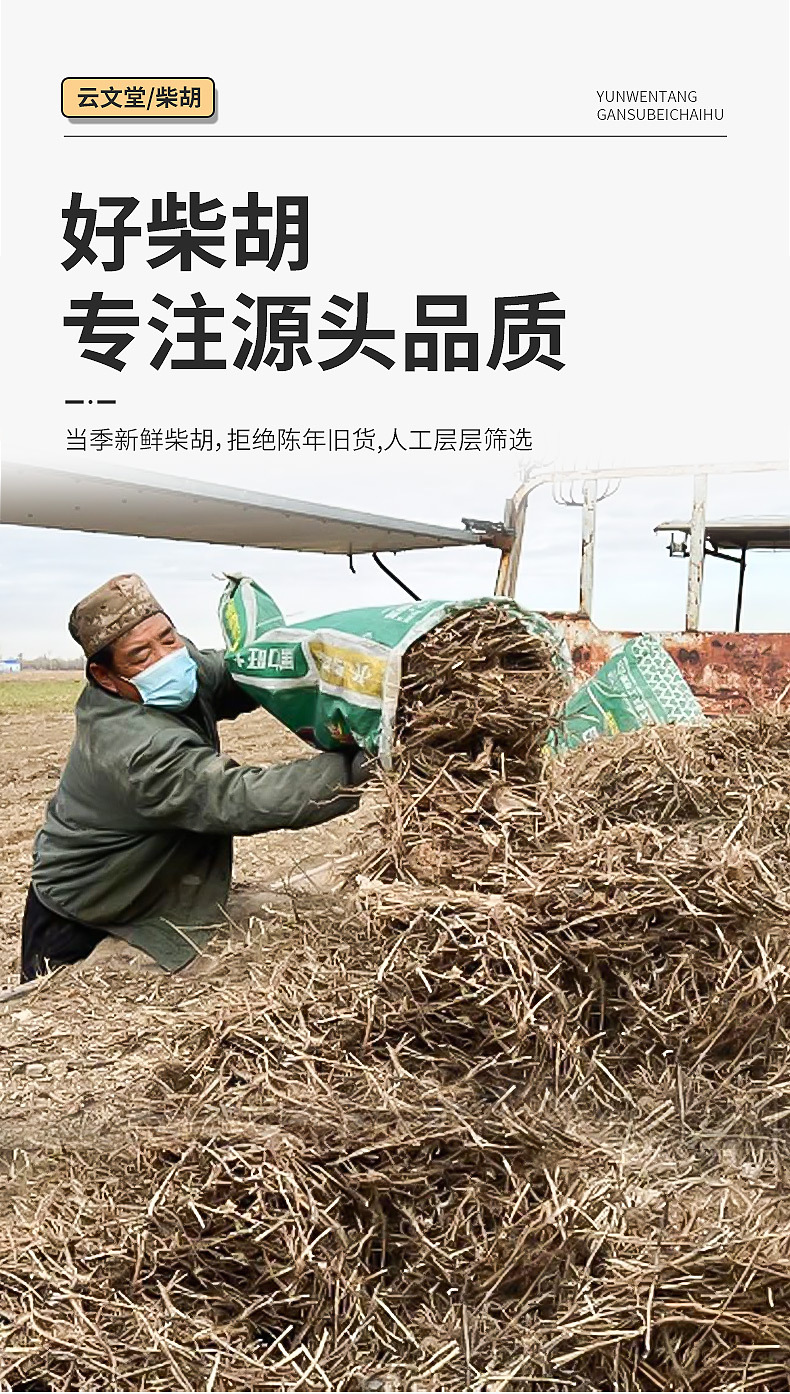
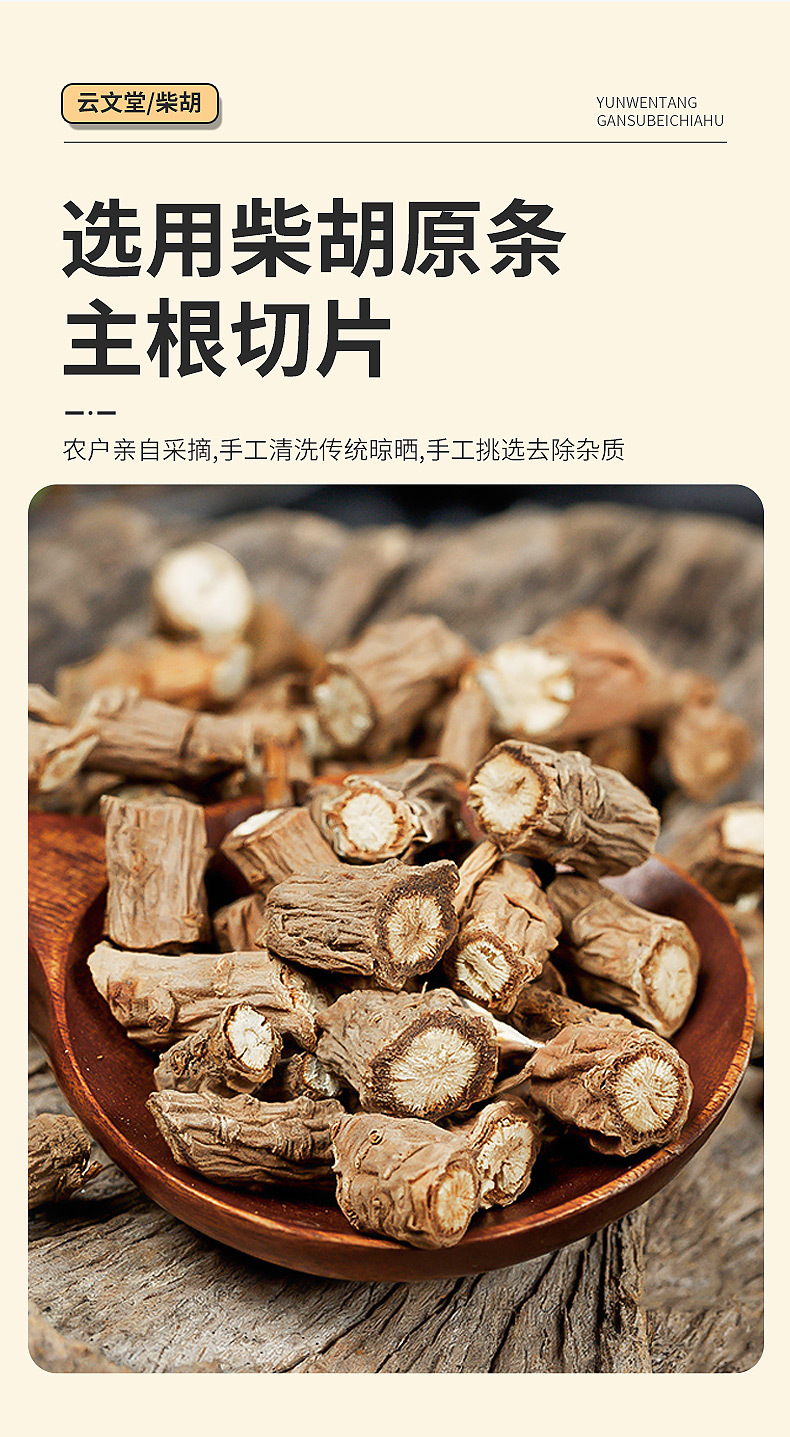
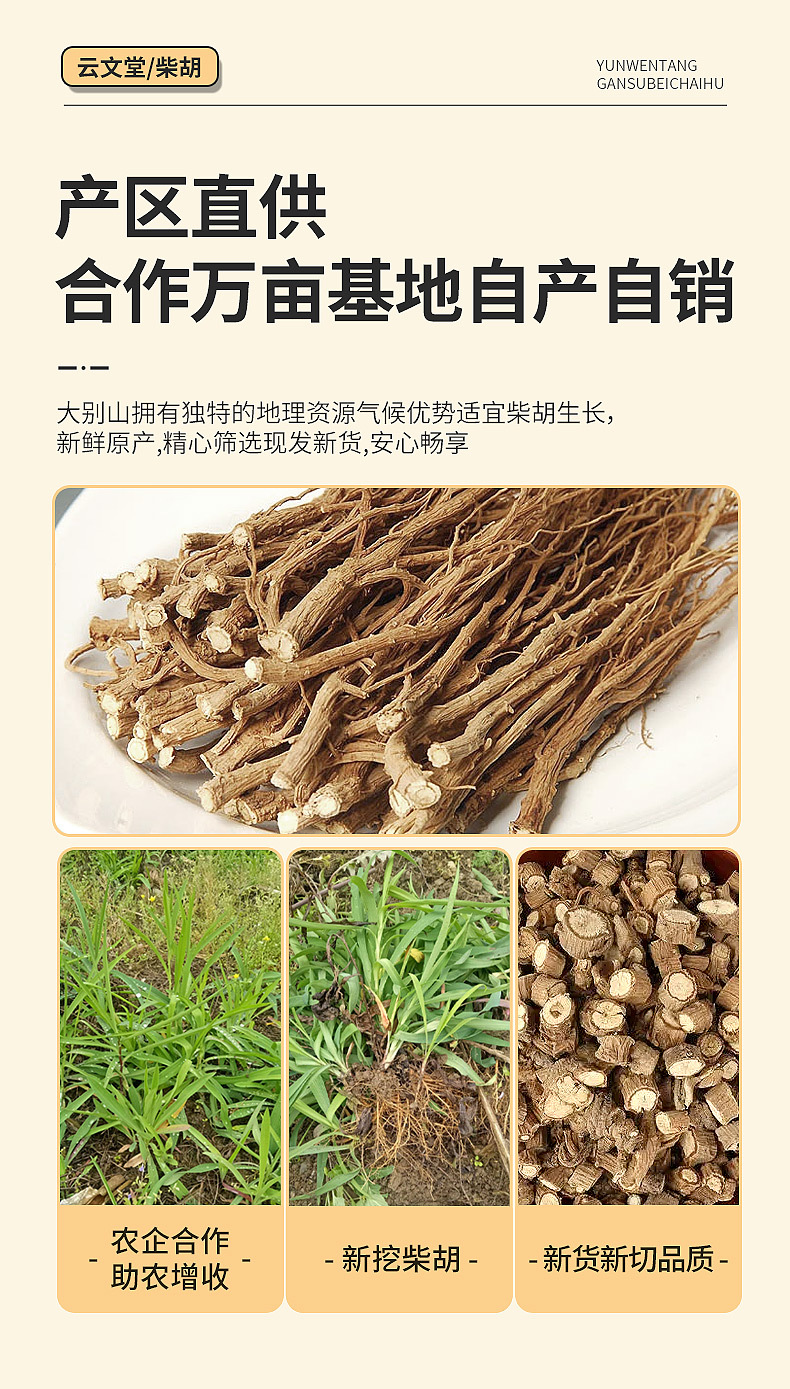
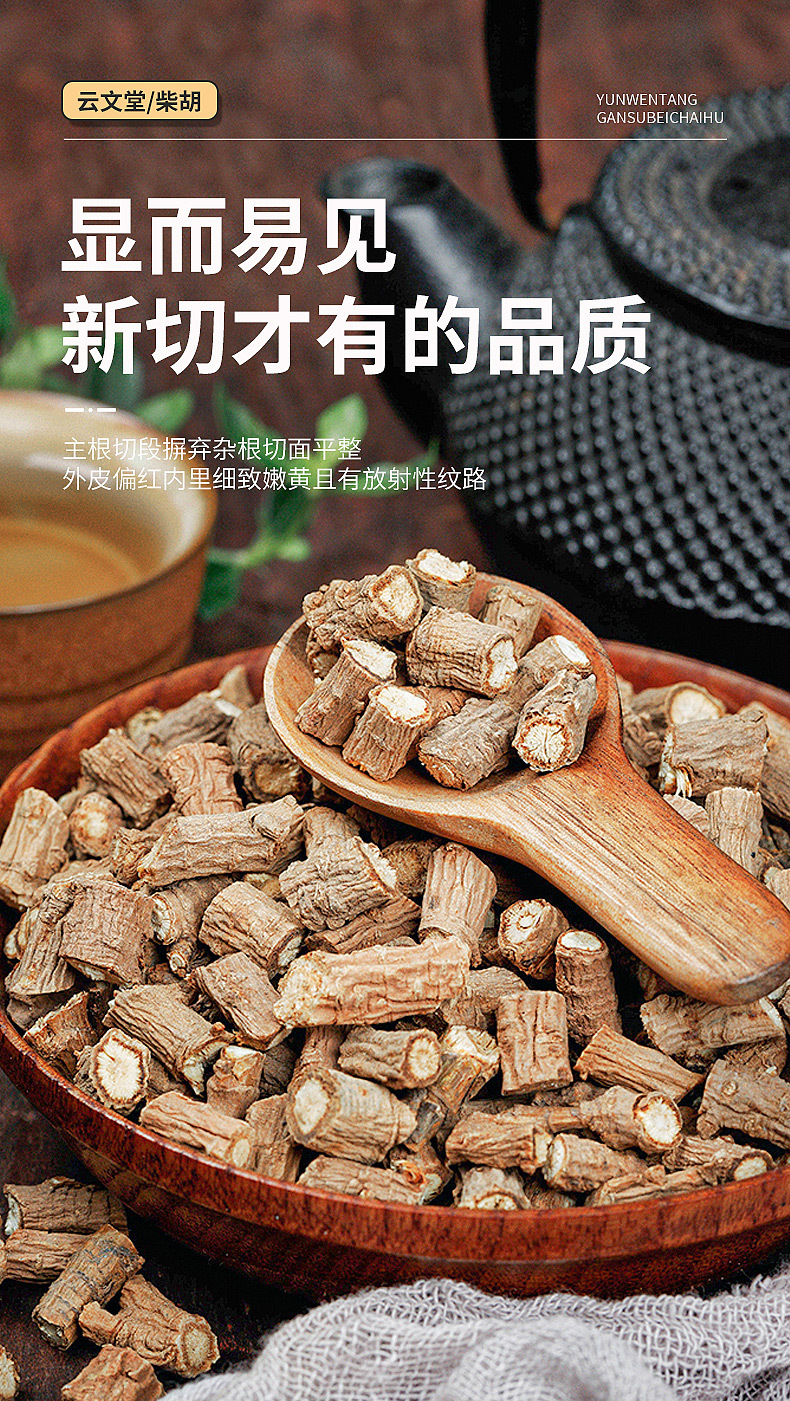
Slices typically show a light yellowish-brown to grayish color with a firm, fibrous texture and a faint aromatic, slightly bitter aroma. When decocted, the liquor typically carries a mild bitter, earthy taste characteristic of bupleurum root.
Technical Specifications
| Product Type | Raw herb decoction slices |
|---|---|
| Chinese Name | 柴胡 |
| Pinyin | Chai Hu |
| Botanical Name | Bupleurum chinense |
| Plant Part | Root |
| Net Weight | 500g canned |
Usage Scenarios
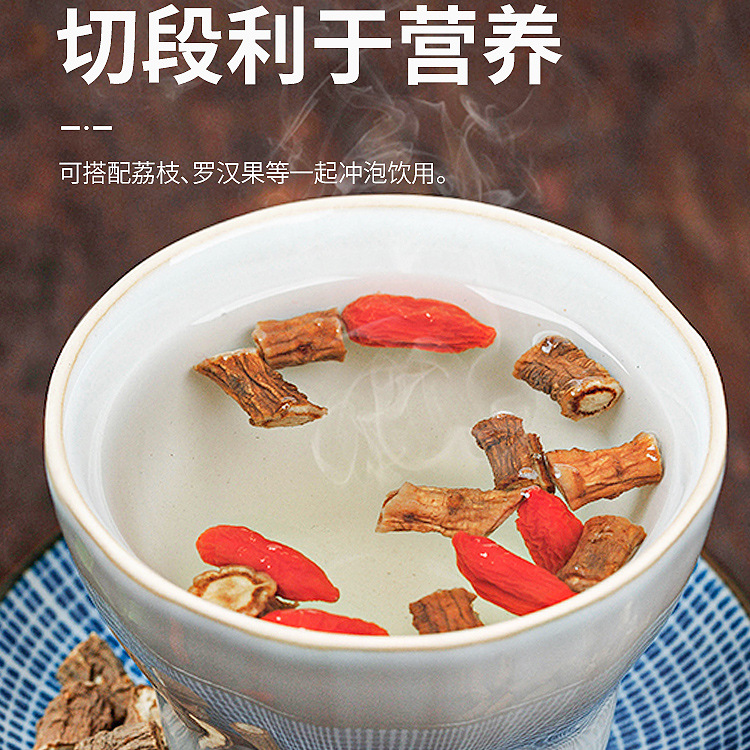
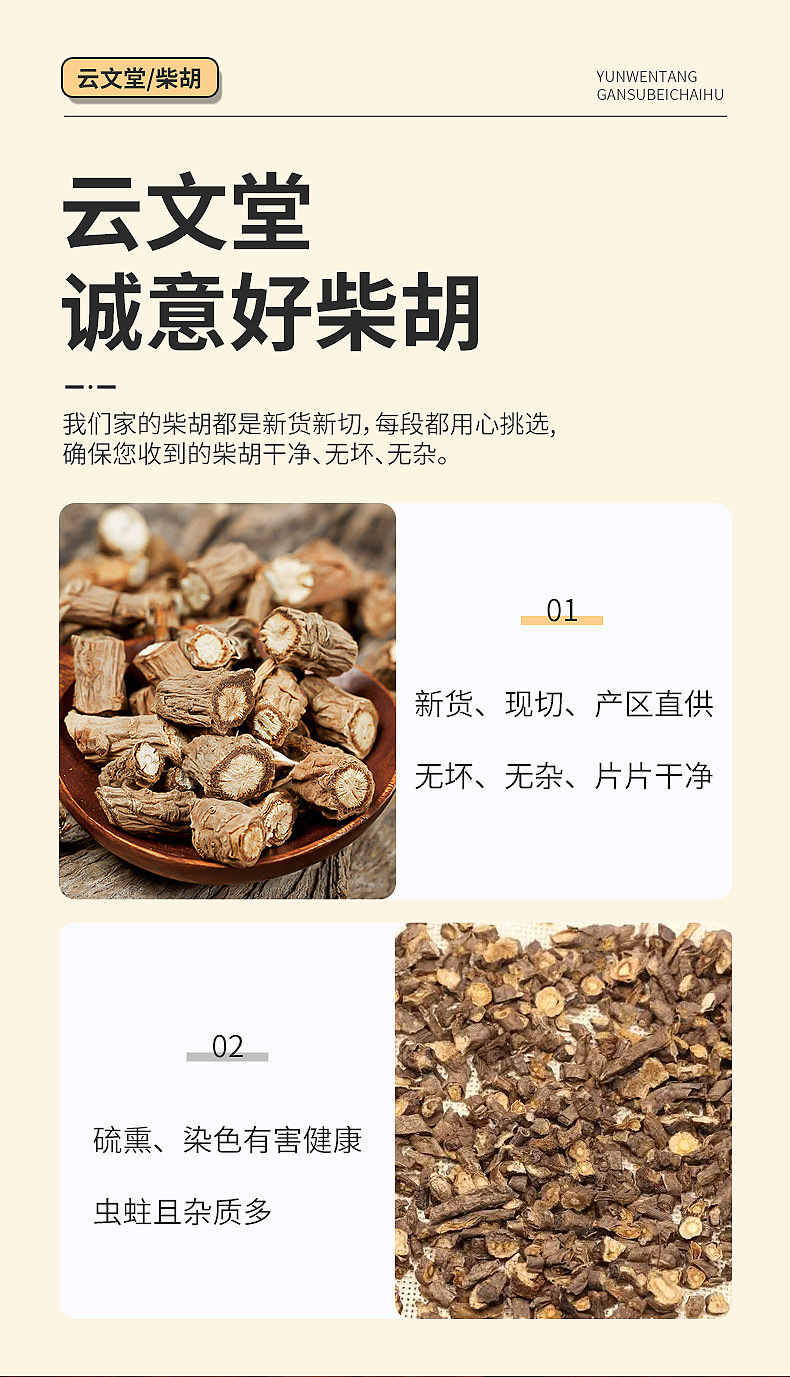
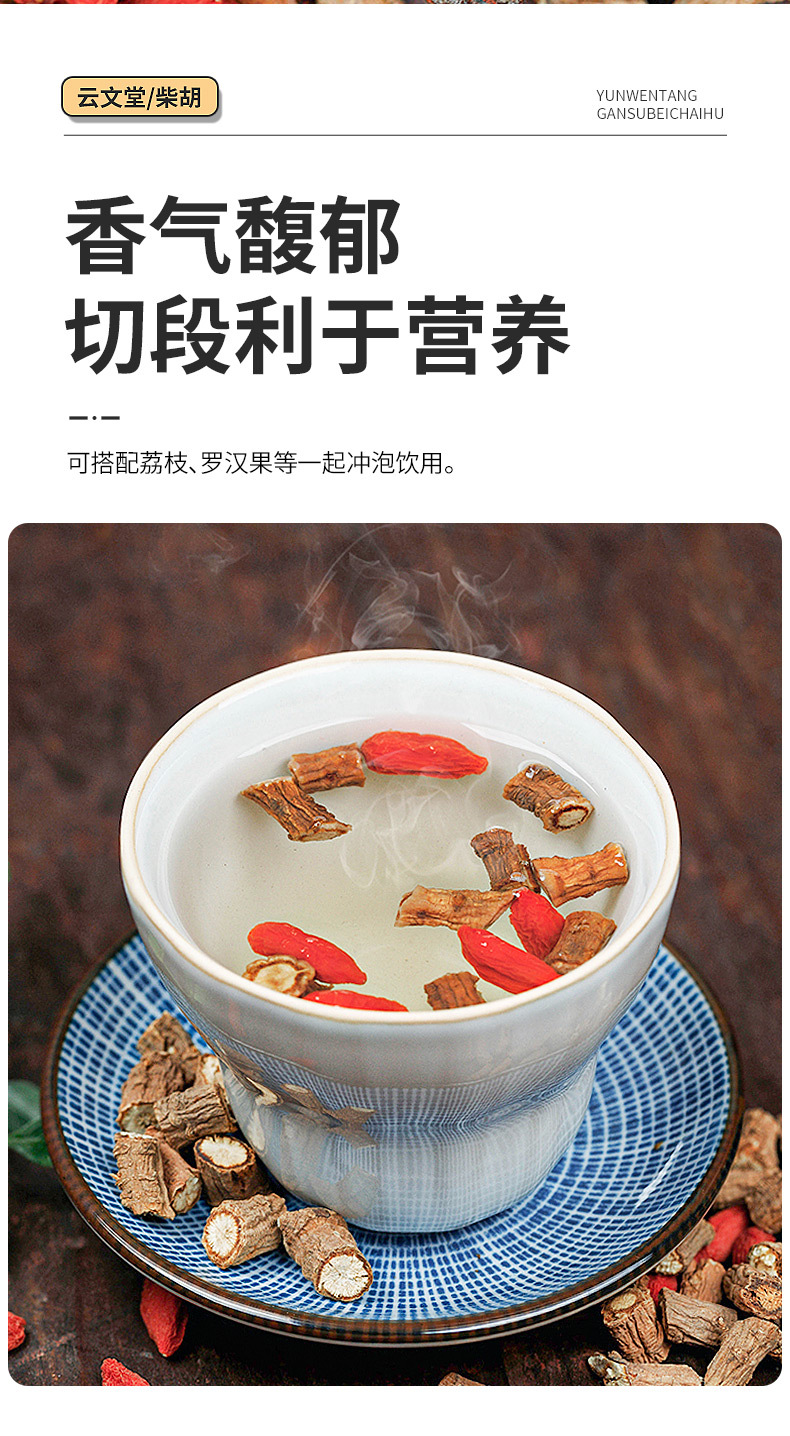
- Simmer into traditional decoctions or herbal teas
- Combine with other herbs in classic formula preparations
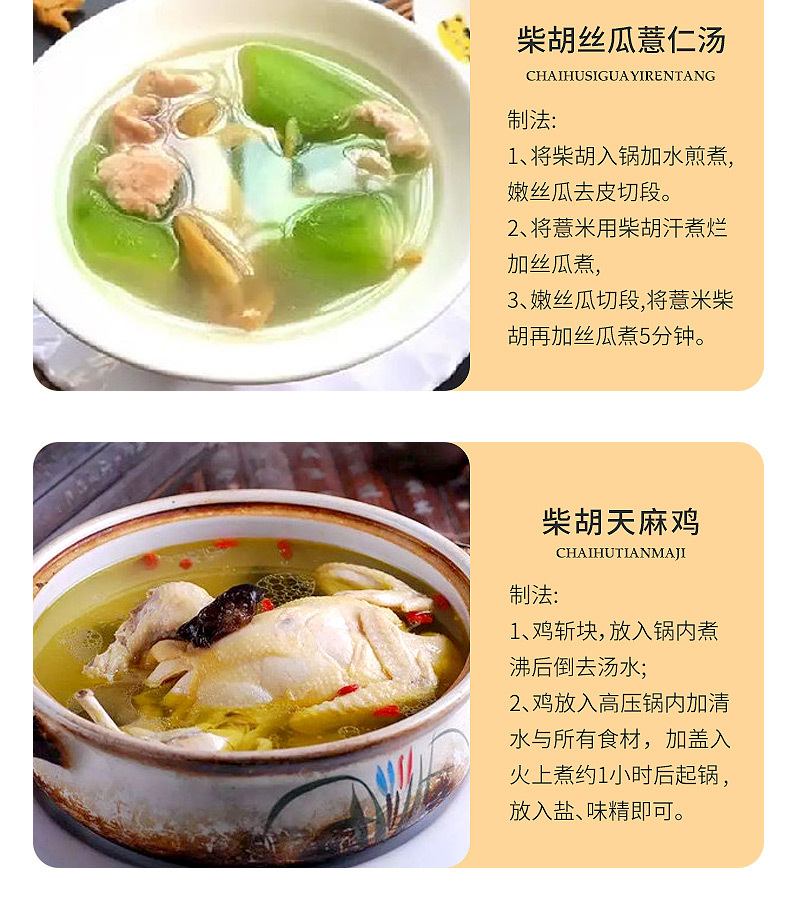
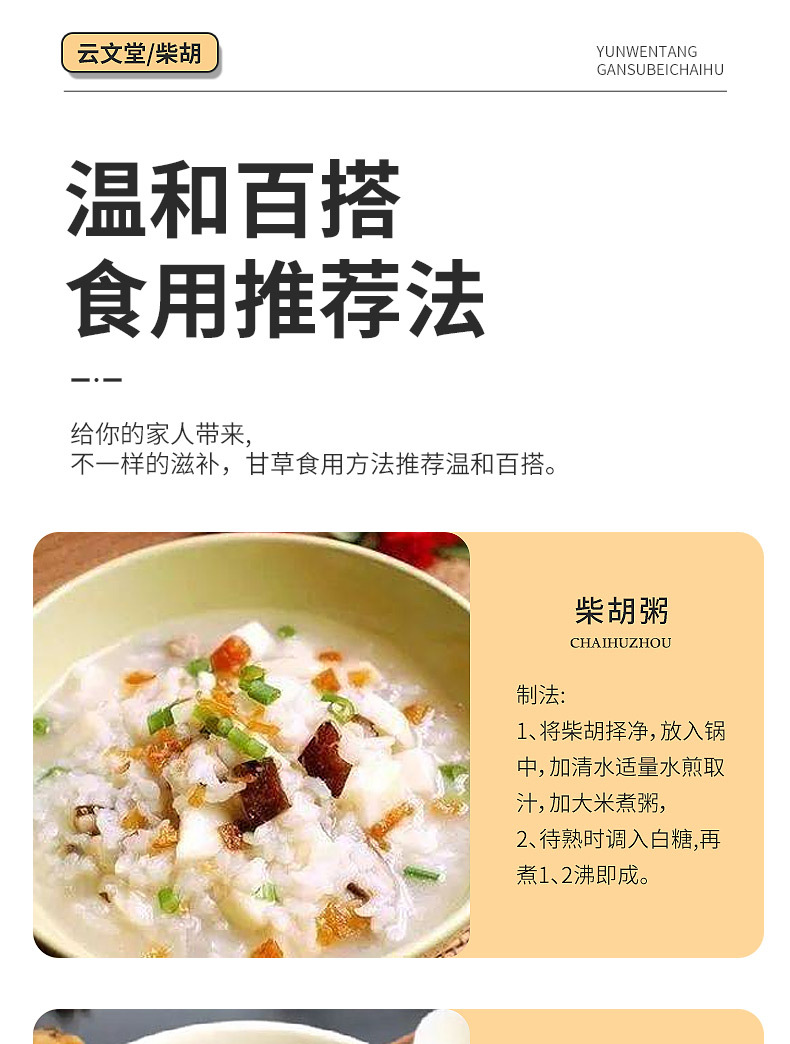
- Use in seasonal wellness soup or congee recipes
- Blend into custom herbal formulas at home
Traditional Uses
In TCM practice, Chai Hu is traditionally used to harmonize shaoyang, soothe the liver, and lift sinking yang qi. It is a core ingredient in classic formulas such as Xiao Chai Hu Tang, Chai Hu Shu Gan San, and Bupleurum combinations with Gui Zhi and Zhi Gan Cao. Commonly decocted with scutellaria, pinellia, or peony root, it is also used in daily herbal teas during seasonal transitions.
FAQ Q&A
Q: What is this product?
A: This is 500g of dried Chai Hu (柴胡) root slices from wild North China bupleurum, supplied as a raw Chinese herbal ingredient.
Q: What is it traditionally used for?
A: In TCM theory Chai Hu is acrid and slightly cold and is traditionally associated with soothing the liver, resolving constraint, and harmonizing the shaoyang. It appears in many classic formulas.
Q: How is it commonly prepared?
A: The slices are typically simmered in water for decoctions or added to herbal formulas and teas. Follow guidance from a qualified practitioner for preparation amounts.
Additional information
| Weight | N/A |
|---|---|
| Dimensions | N/A |
| Packaging specifications | 100g bag, 250g bag, 500g bag, 250g can, 500g can |
Related products
-
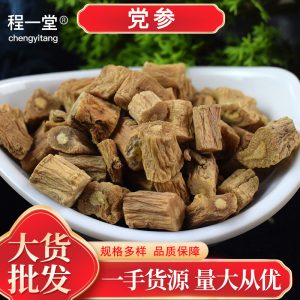
Dried Codonopsis Root Slices Dang Shen 500g Bulk Supply for Soups and Herbal Decoctions
Price range: $10.28 through $18.06 -
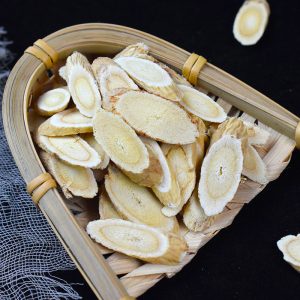
Astragalus Root Slices Huang Qi 500g Dried Herb for Soups and Teas
Price range: $7.36 through $22.11 -
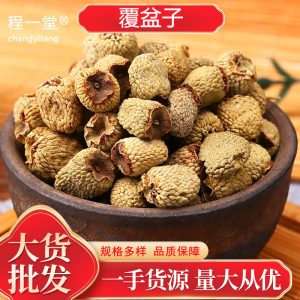
Dried Raspberry Fruit Fu Pen Zi 500g Whole Berries for Herbal Tea and Wine Infusion
Price range: $14.00 through $16.44 -
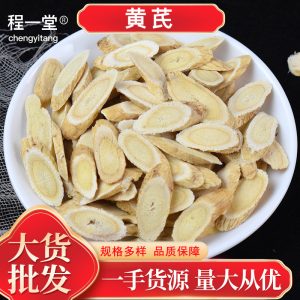
Astragalus Root Slices Huang Qi 斜片 Dried Herb for Decoction Soup and Tea 500g
Price range: $6.06 through $19.51
Reviews
There are no reviews yet.