
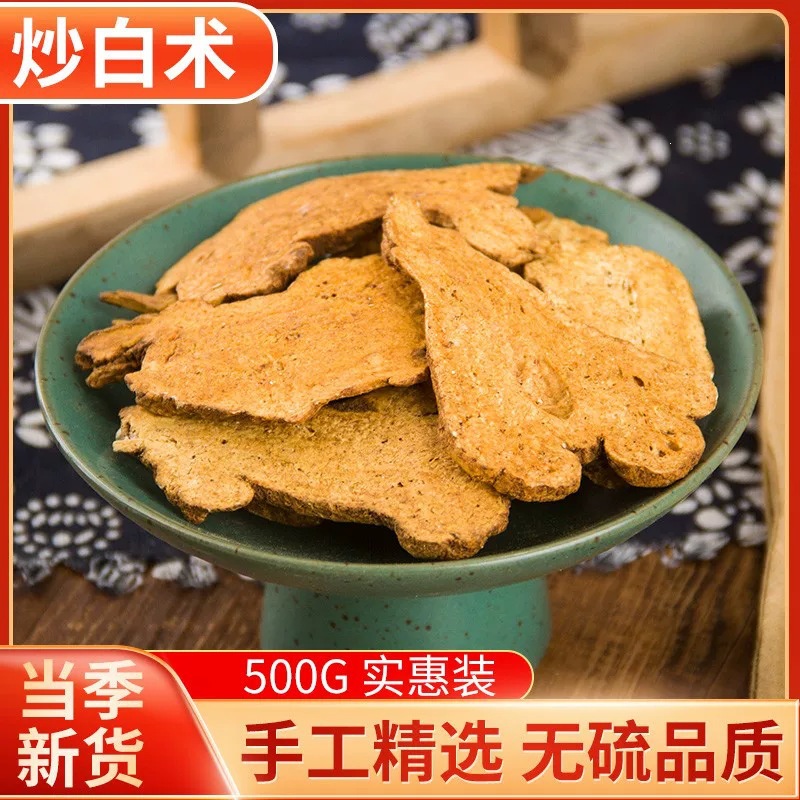
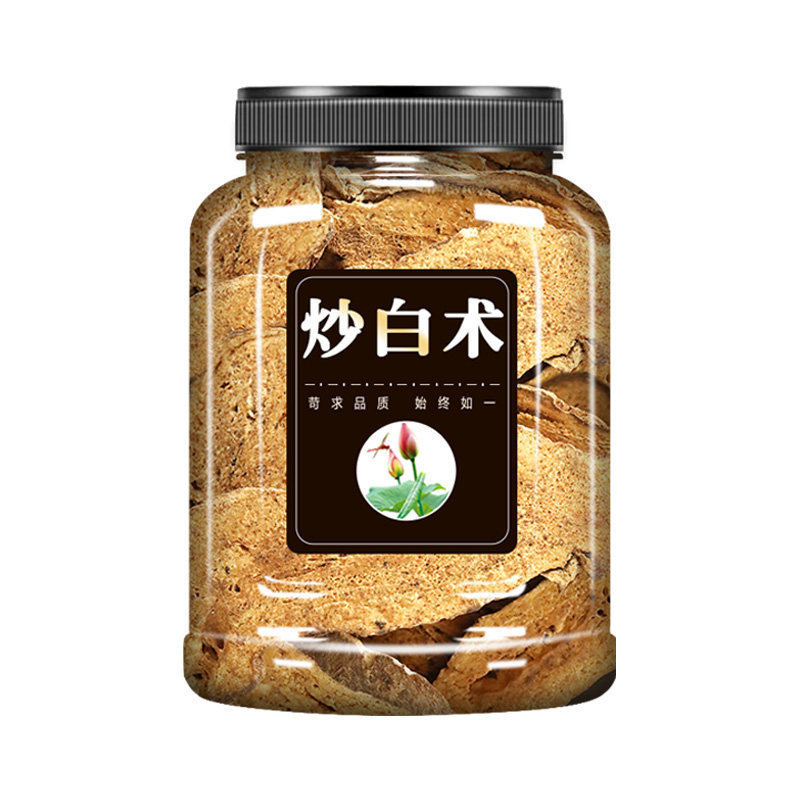
Bran-Fried Bai Zhu Slices Sulfur-Free Atractylodes Macrocephala Root for Herbal Tea and Soup 500g
Description
Bran-fried Bai Zhu slices, known in TCM as Bai Zhu (白术), from Atractylodes macrocephala rhizome. This sulfur-free processed herb is traditionally used in Chinese herbal practice to support digestive wellness and gently dry dampness. In TCM theory it is warm and slightly bitter-sweet, entering the Spleen and Stomach channels. The bran-frying method softens its character, making it suitable for daily teas, soups, and congee.

Key Selling Points
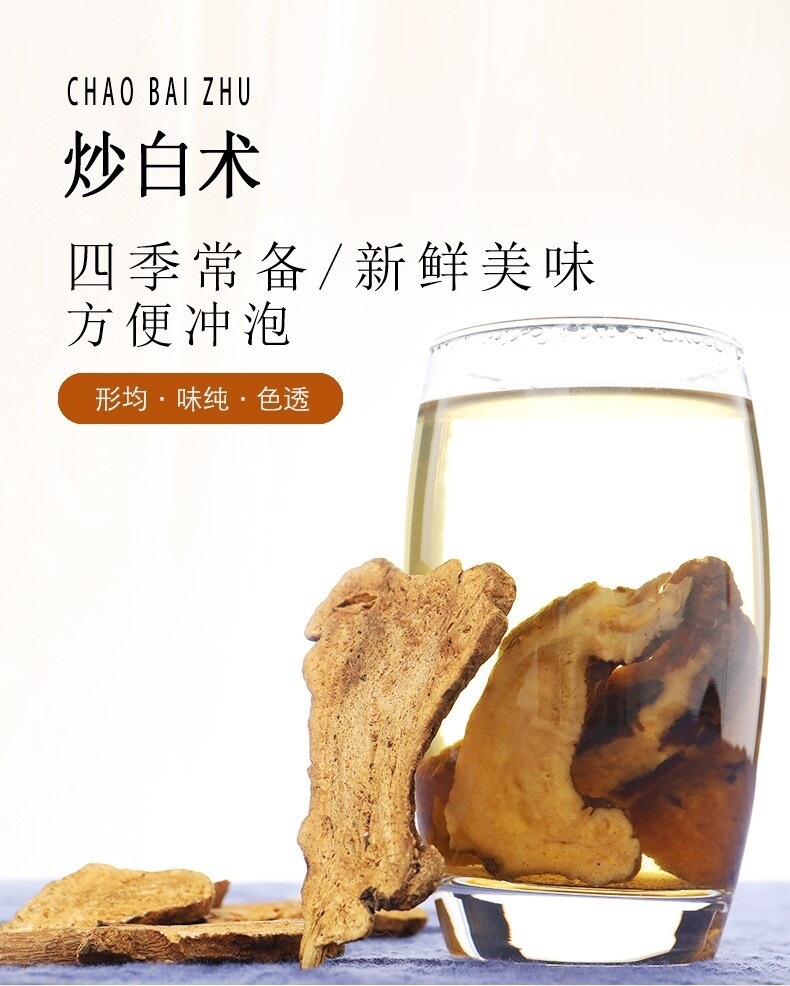
- Sulfur-free bran-fried Bai Zhu rhizome slices from Sichuan origin
- Traditional TCM herb associated with Spleen and Stomach support
- Bran-frying reduces harshness and improves aroma for daily use
- Versatile form for teas, soups, congee, and herbal decoctions
- 250g per can with 2-can pack option for regular home use

Quality & Sensory
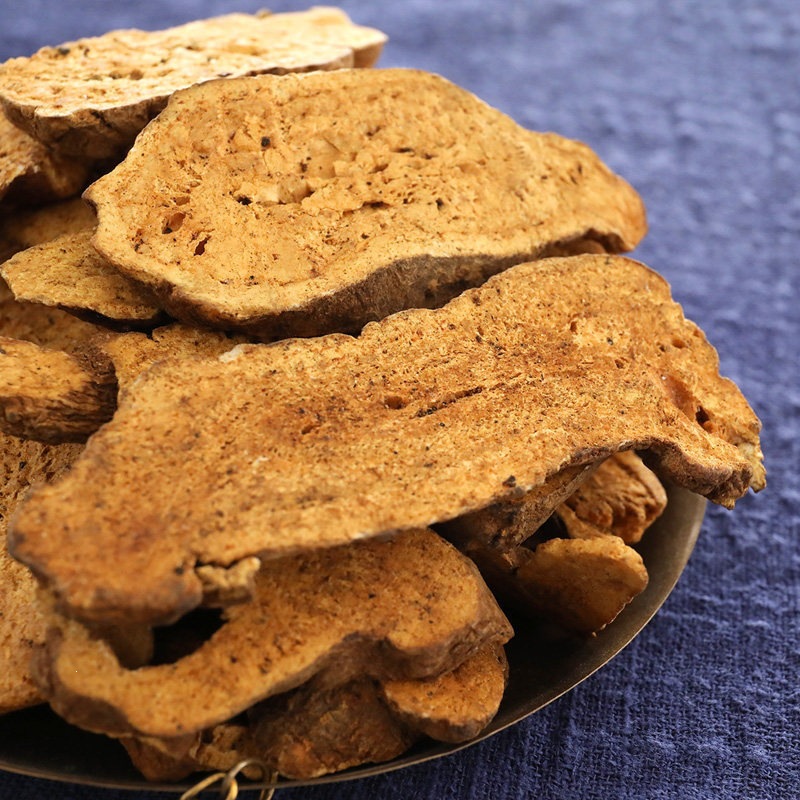
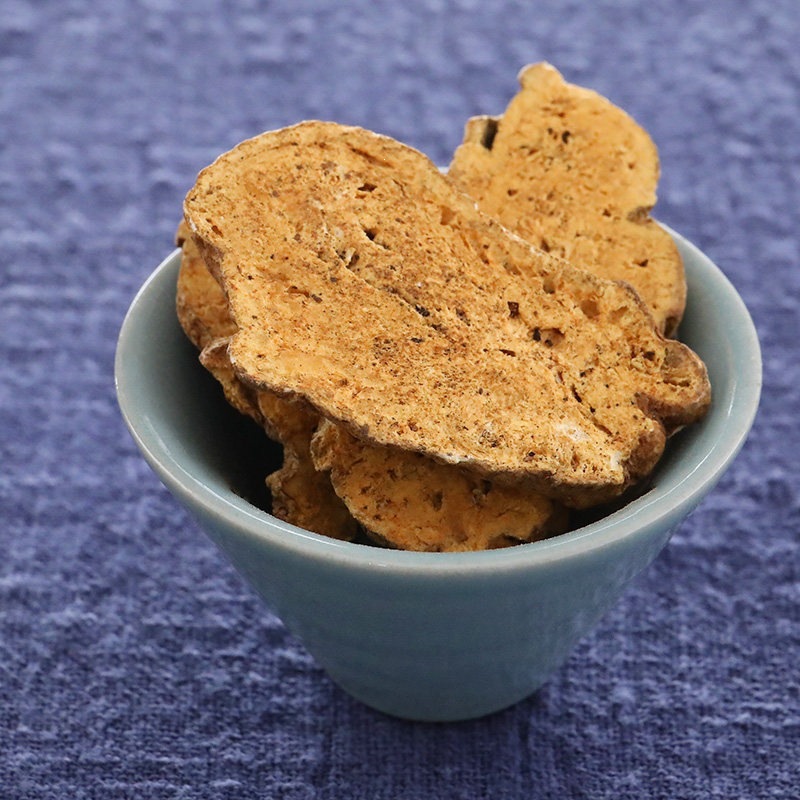
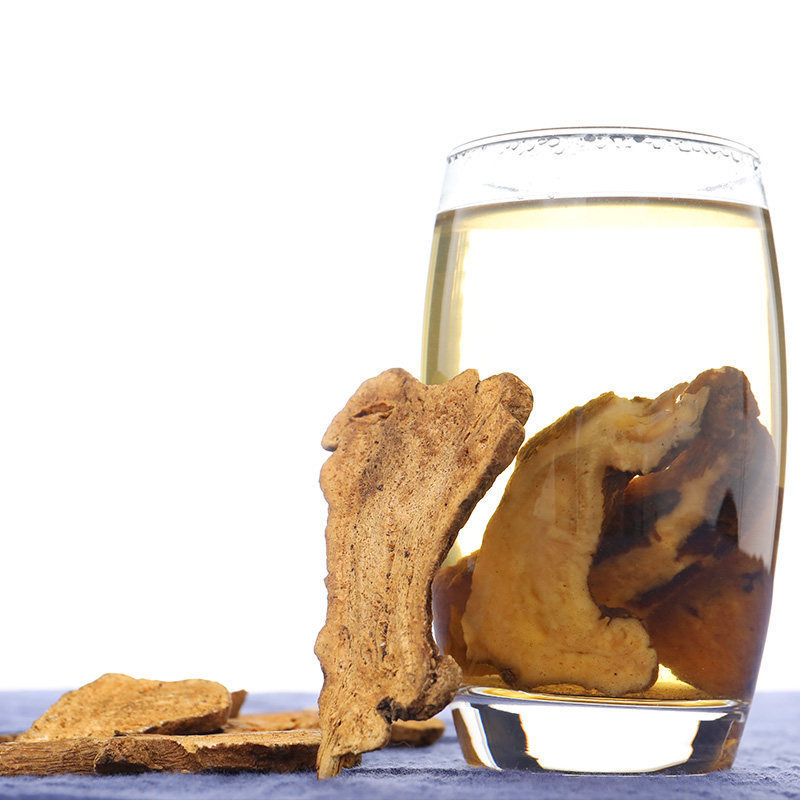
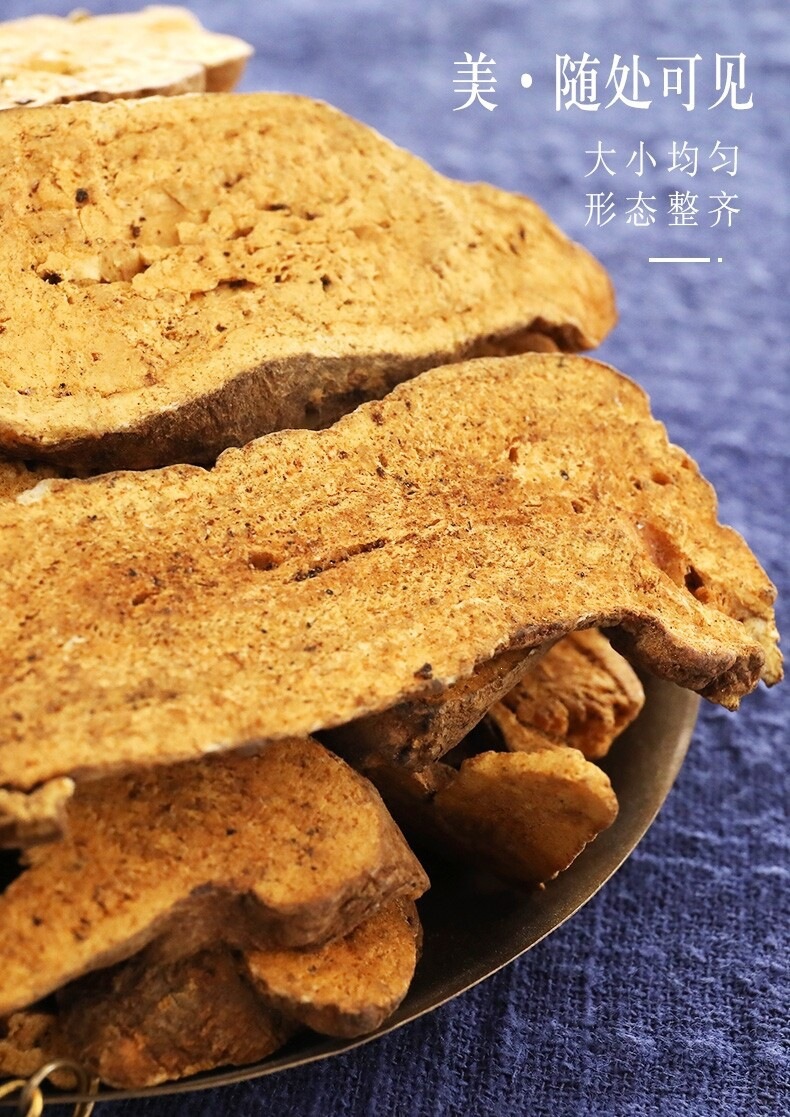
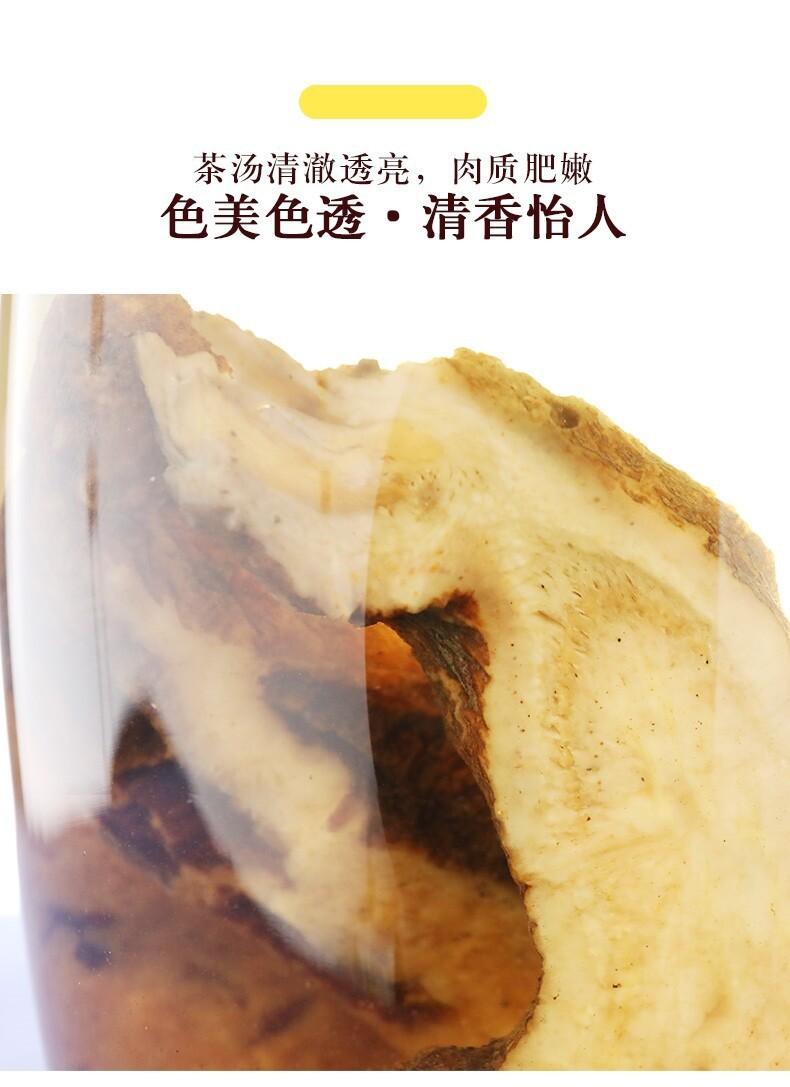
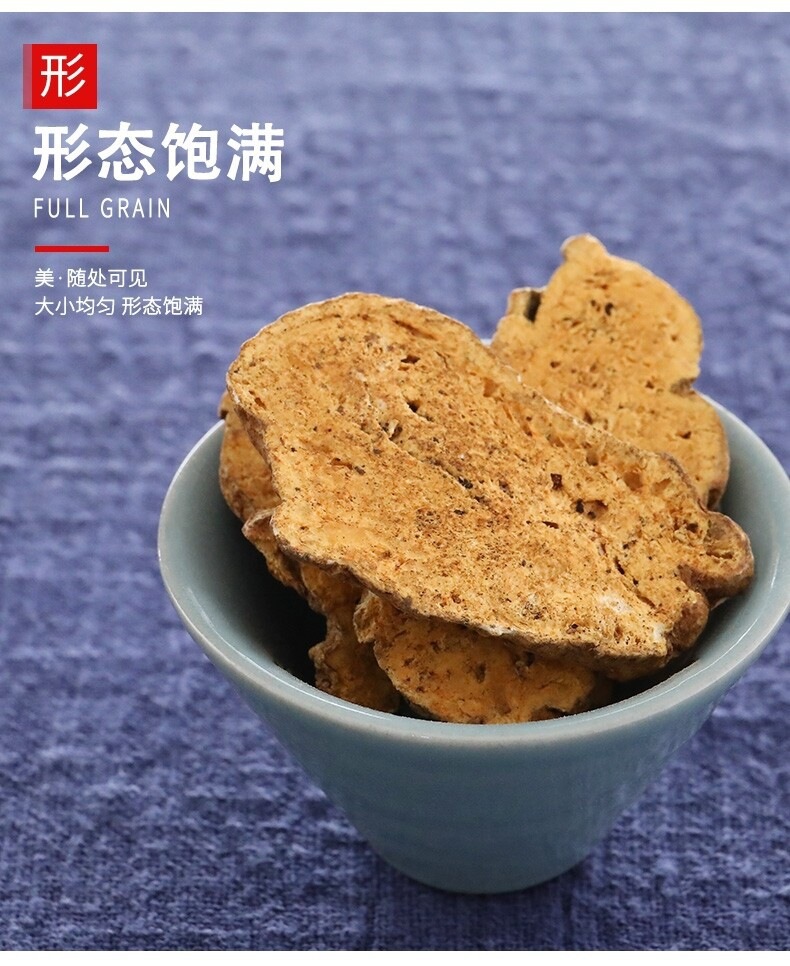
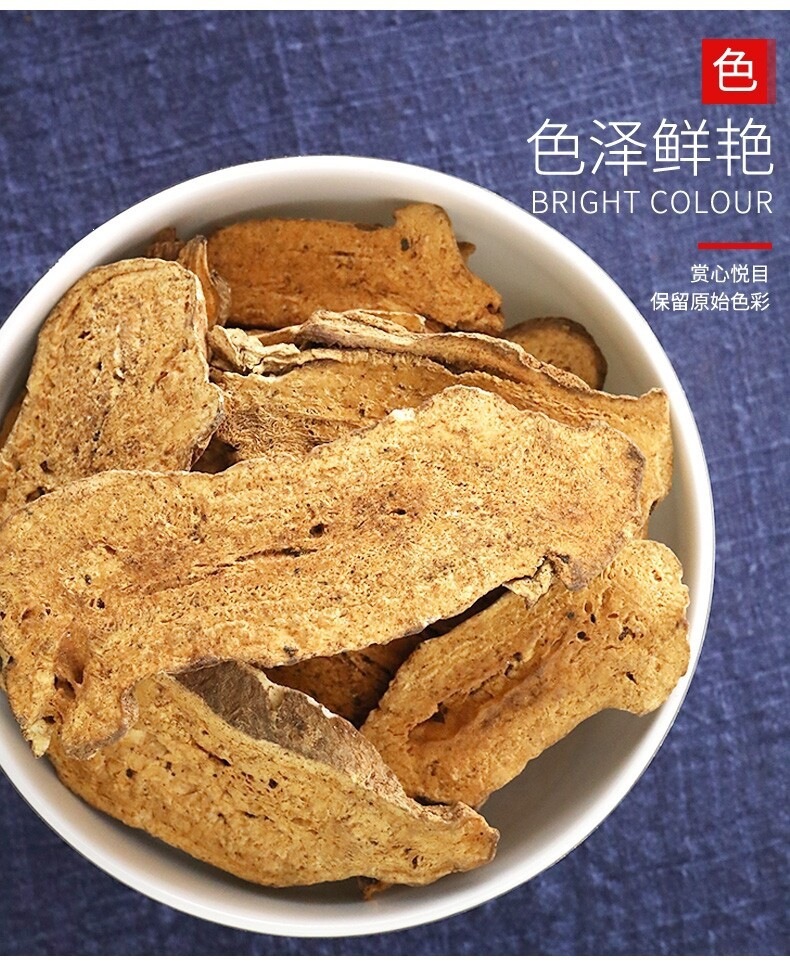
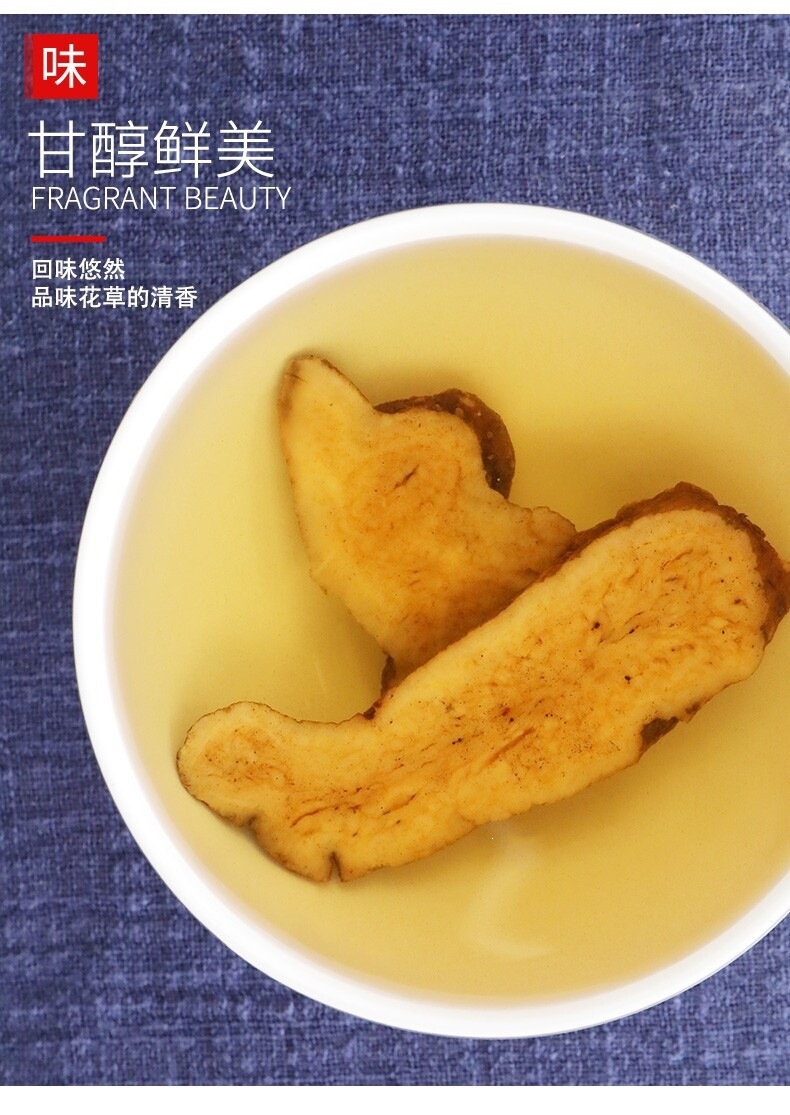
The slices are typically off-white to pale yellowish with a dry, slightly fibrous texture. Bran-frying gives a warm toasted grain aroma. When brewed or decocted, the liquid is mild, gently earthy, and slightly sweet with a soft bitter finish.
Technical Specifications
| Product Type | Dried herbal decoction pieces |
|---|---|
| Chinese Name | 炒白术 |
| Pinyin | Chao Bai Zhu |
| Botanical Name | Atractylodes macrocephala |
| Plant Part | Rhizome |
| Net Weight | 250g per can |
Usage Scenarios
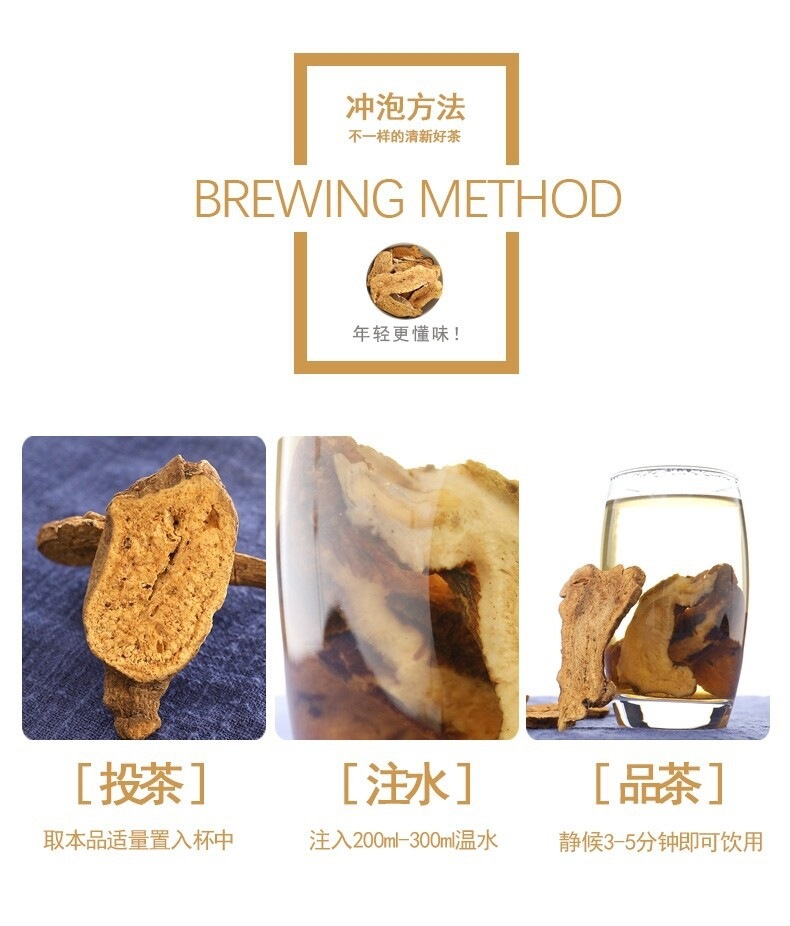
- Brewed as a daily herbal tea
- Simmered in soups and broths
- Cooked into congee
- Combined in traditional decoctions
Traditional Uses
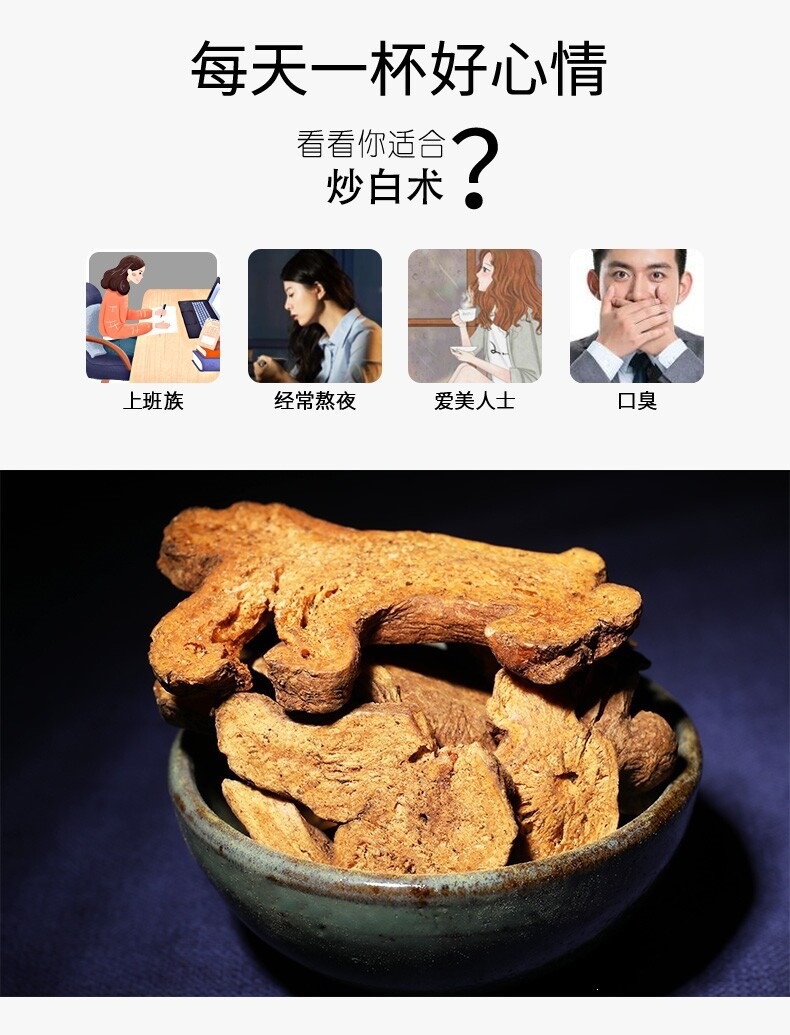
In TCM theory, Bai Zhu is traditionally used to support the Spleen and Stomach, dry dampness, and promote healthy digestion. Bran-fried Bai Zhu is often chosen when a gentler, warmer action is desired. It is commonly simmered in decoctions, added to soups, or cooked with rice in congee, sometimes paired with herbs such as Fu Ling or Dang Shen.
FAQ Q&A
Q: What is bran-fried Bai Zhu?
A: It is the rhizome of Atractylodes macrocephala, stir-fried with bran to modify its traditional character. It is a common processed herb in Chinese herbal practice.
Q: What is it traditionally used for?
A: In TCM theory it is associated with supporting the Spleen and Stomach and drying dampness. It is traditionally used in formulas for digestive wellness.
Q: How is it commonly prepared?
A: It is typically simmered in water as a decoction, added to soups, or cooked into congee. It can also be brewed as a simple herbal tea.
Additional information
| Model | 1袋 炒白术100g 1袋, 1罐 炒白术500g 1罐, 2罐 炒白术500g 2罐 |
|---|
Related products
-

Cabinda Bark Dried Herb 500g Traditional Herbal Infusion Ingredient
Price range: $12.38 through $37.50 -
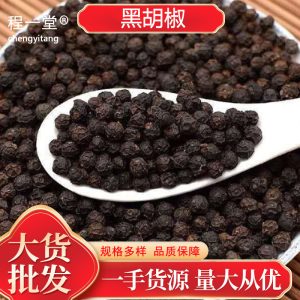
Black Pepper Whole Peppercorns Hu Jiao 500g Bulk Culinary Spice for Cooking and Seasoning
Price range: $8.33 through $9.14 -

Fritillaria Bulb Chuan Bei Mu Dried Chinese Herbal Bulbs for Decoction and Traditional Use 500g
Price range: $18.06 through $94.21 -
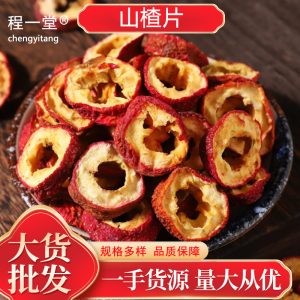
Dried Hawthorn Slices Shan Zha 500g Seedless Hollow Rings Freeze Dried Hawthorn for Tea and Culinary Use
Price range: $4.44 through $7.04
Reviews
There are no reviews yet.