
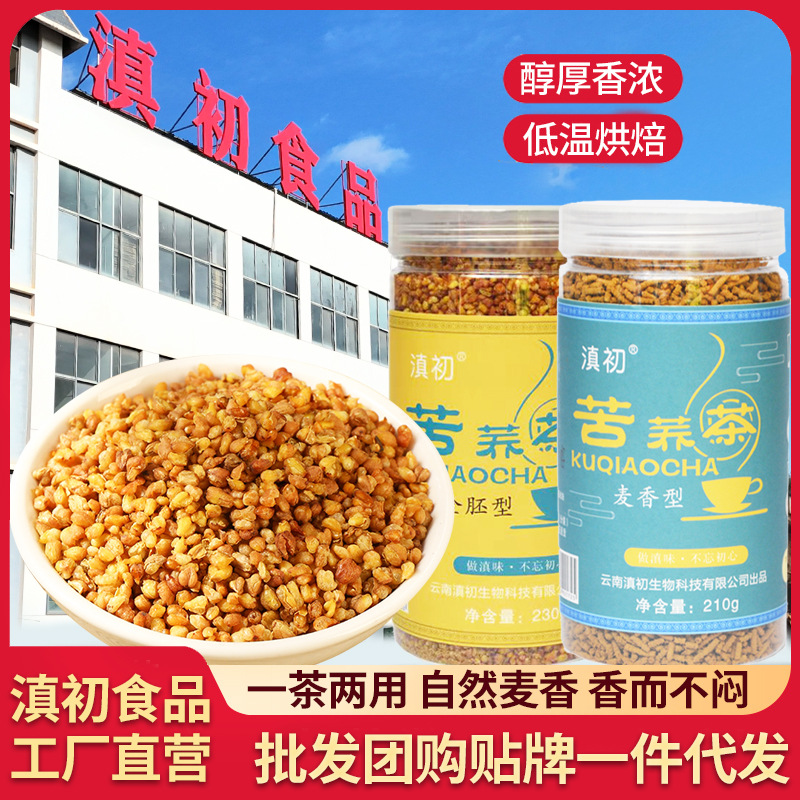
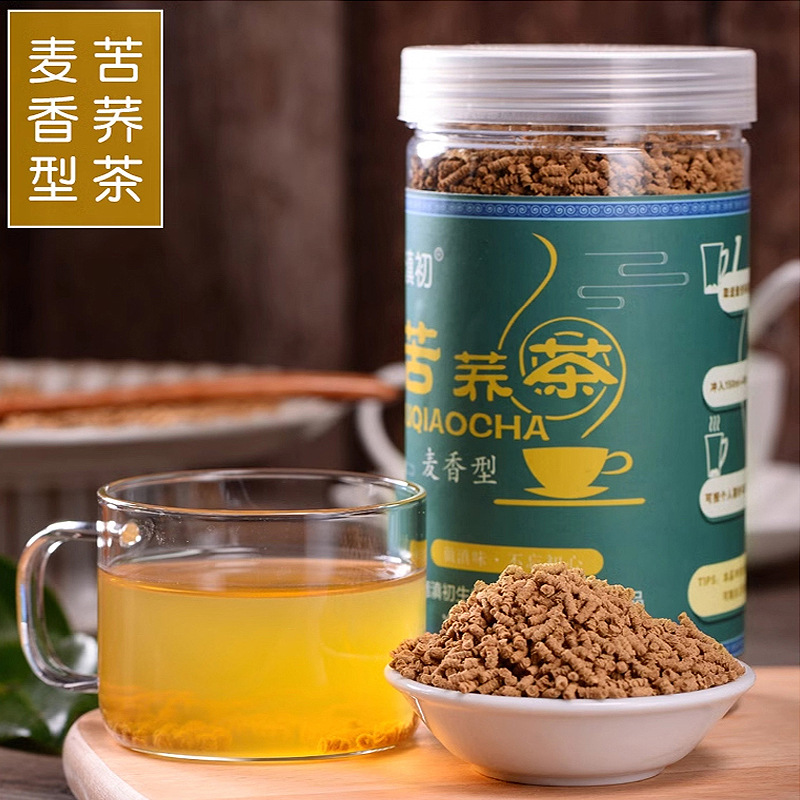
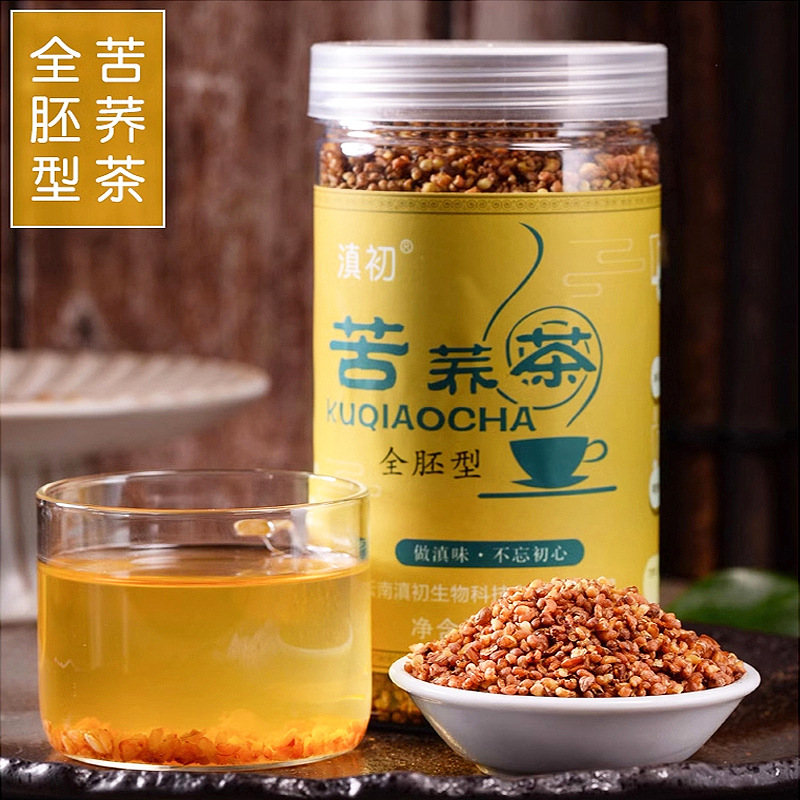
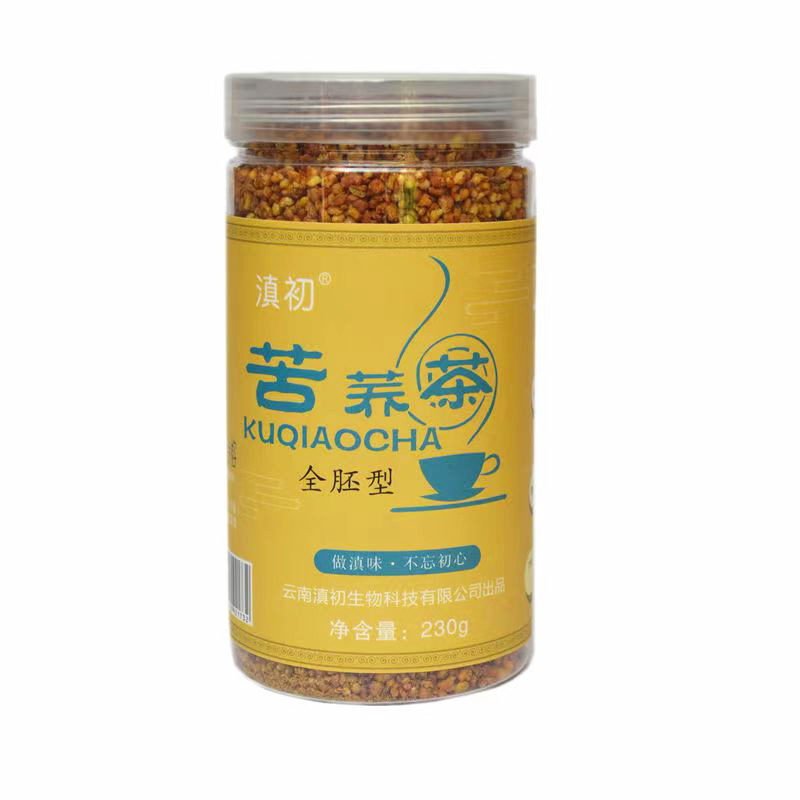
Yunnan Whole Embryo Tartary Buckwheat Tea Malty Roasted Herbal Tea 210g
$6.24
Description
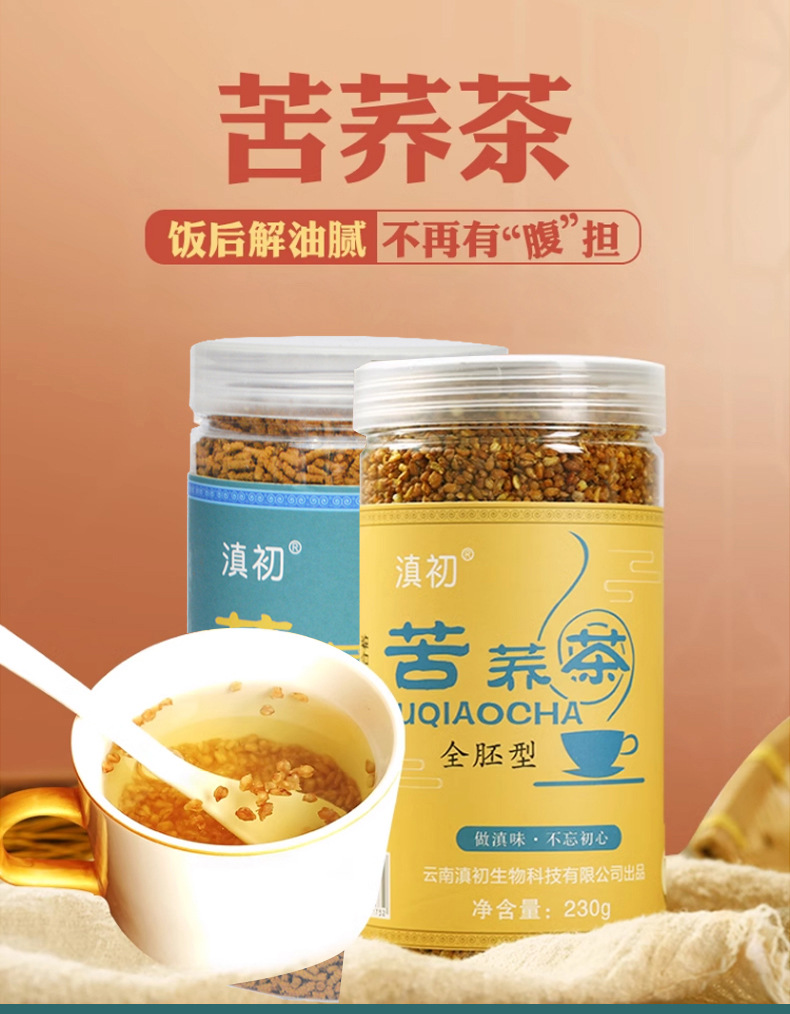
Yunnan Whole Embryo Tartary Buckwheat Tea, known in TCM as Ku Qiao (苦荞), from Fagopyrum tataricum. This roasted whole-grain tea is made from the embryo-rich seeds of tartary buckwheat grown in Yunnan. In TCM theory it is considered mildly cooling with a sweet and slightly bitter flavor, traditionally associated with supporting digestion and everyday wellness. Enjoy as a caffeine-free daily beverage, cold-brewed or hot-infused.

Key Selling Points
- Made from whole embryo tartary buckwheat seeds
- Sourced from Yunnan, China
- Roasted malty flavor, caffeine-free
- Traditional TCM grain tea for daily wellness
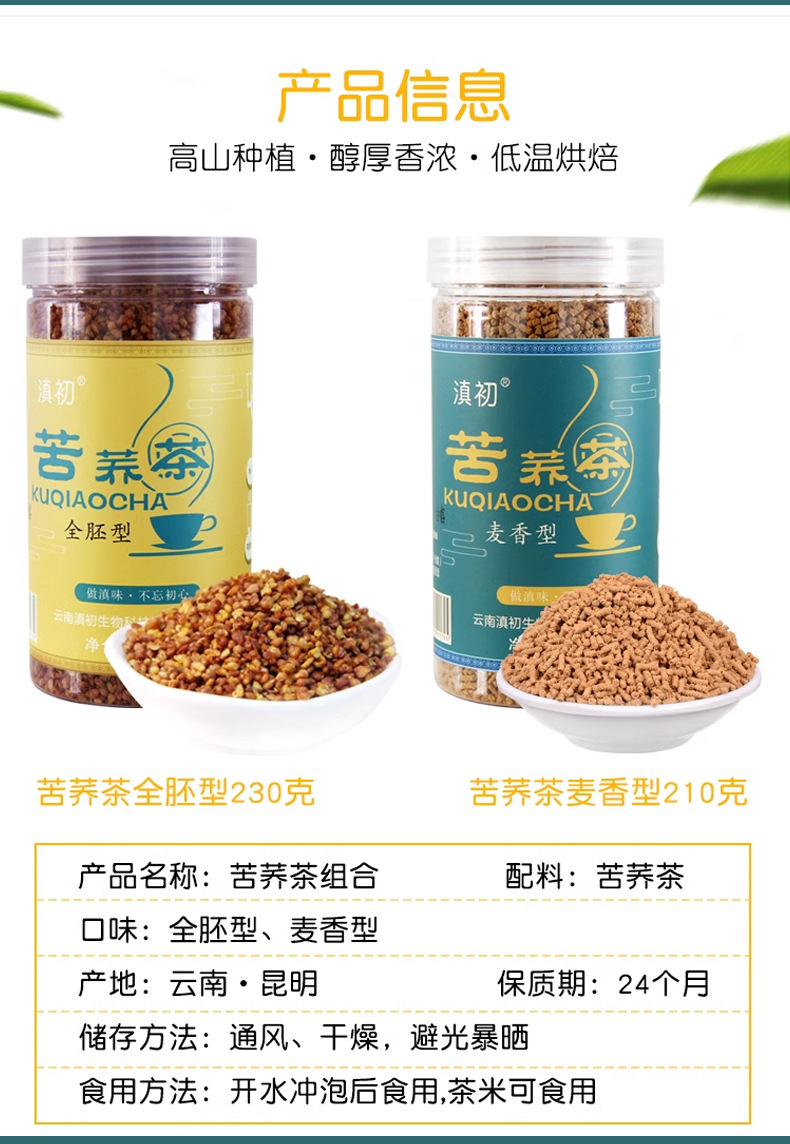
- 210g resealable pack, 2-year shelf life
Quality & Sensory
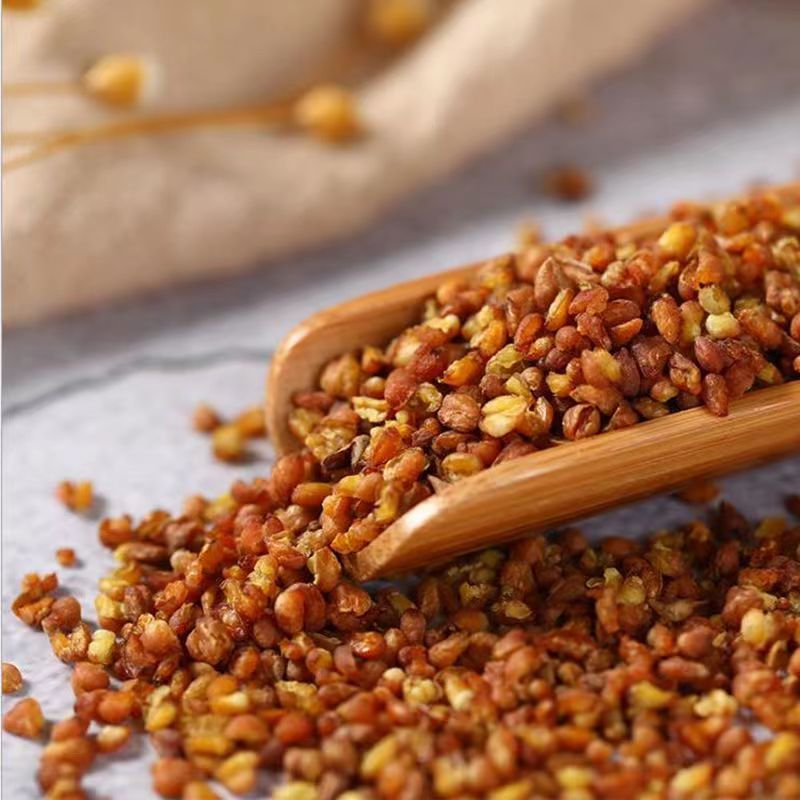
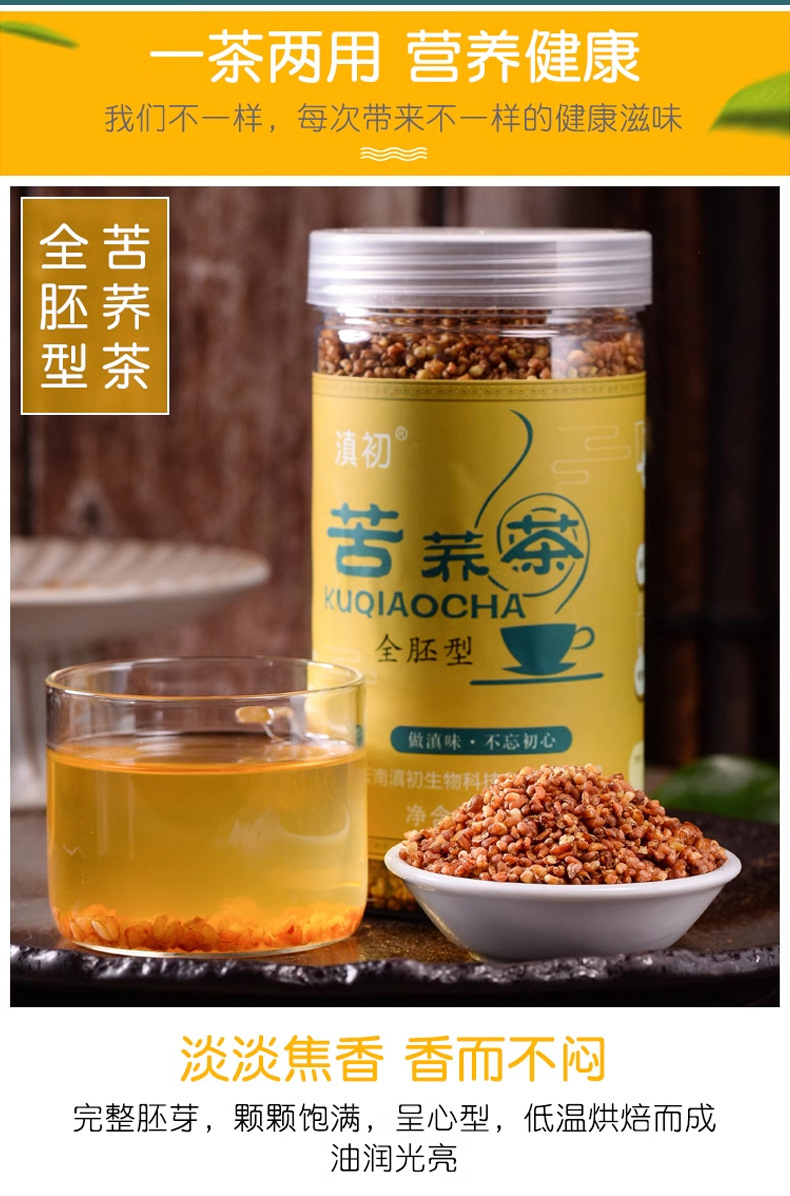
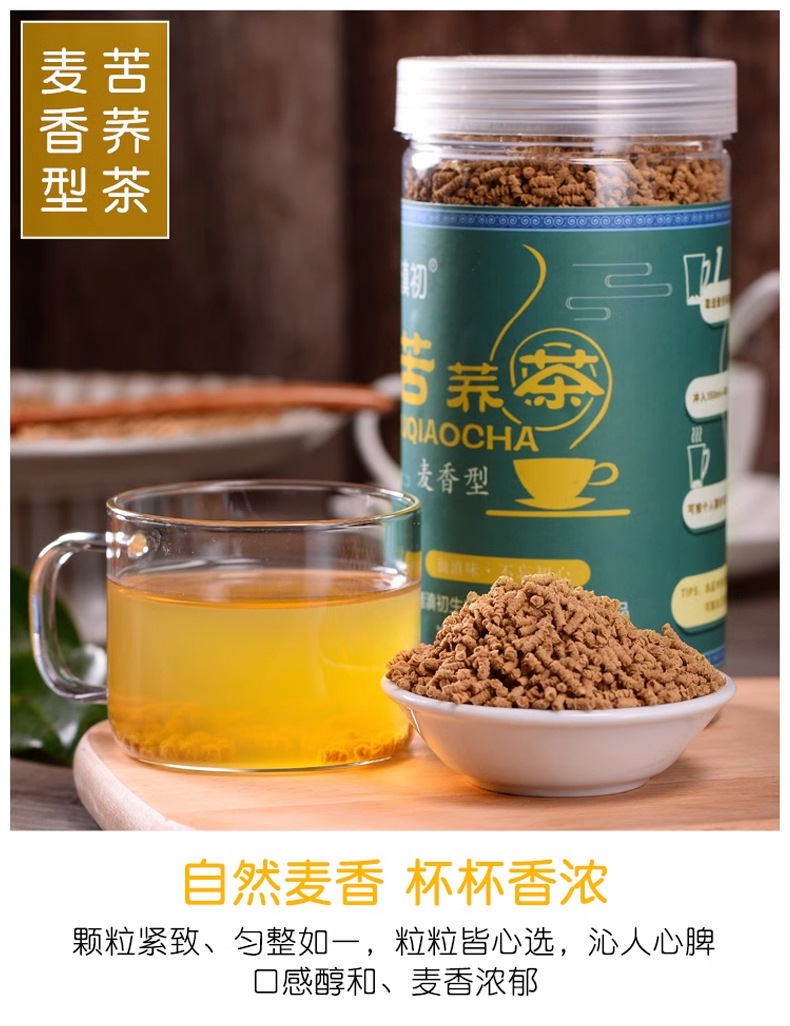
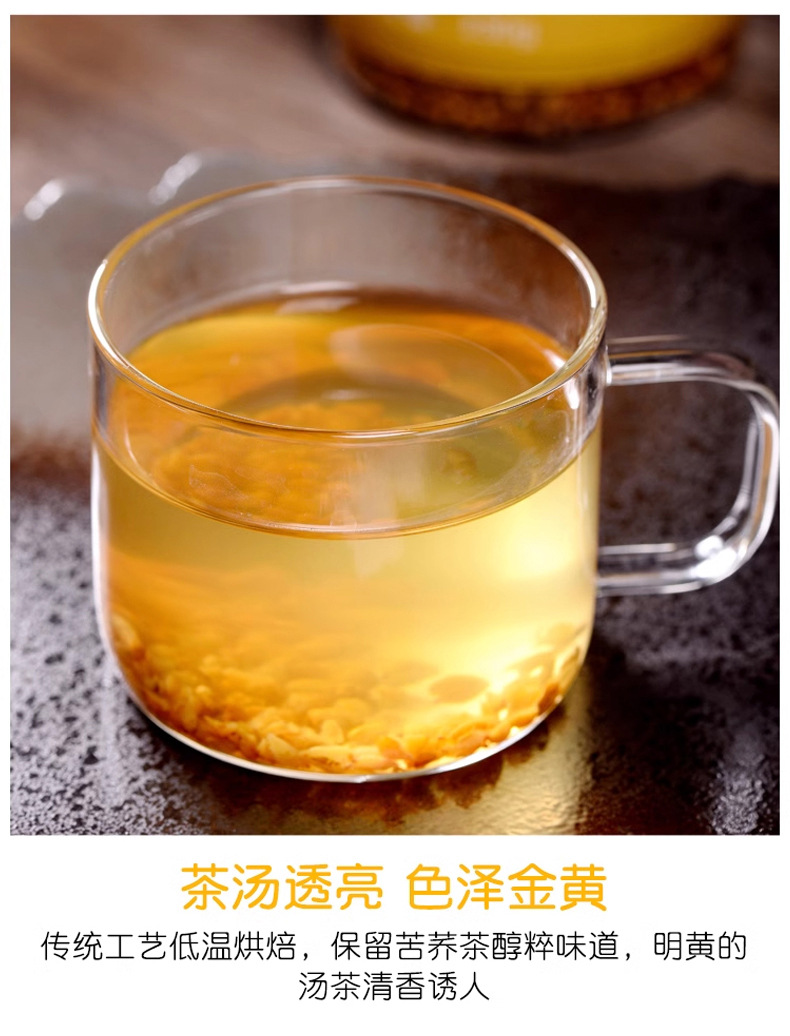
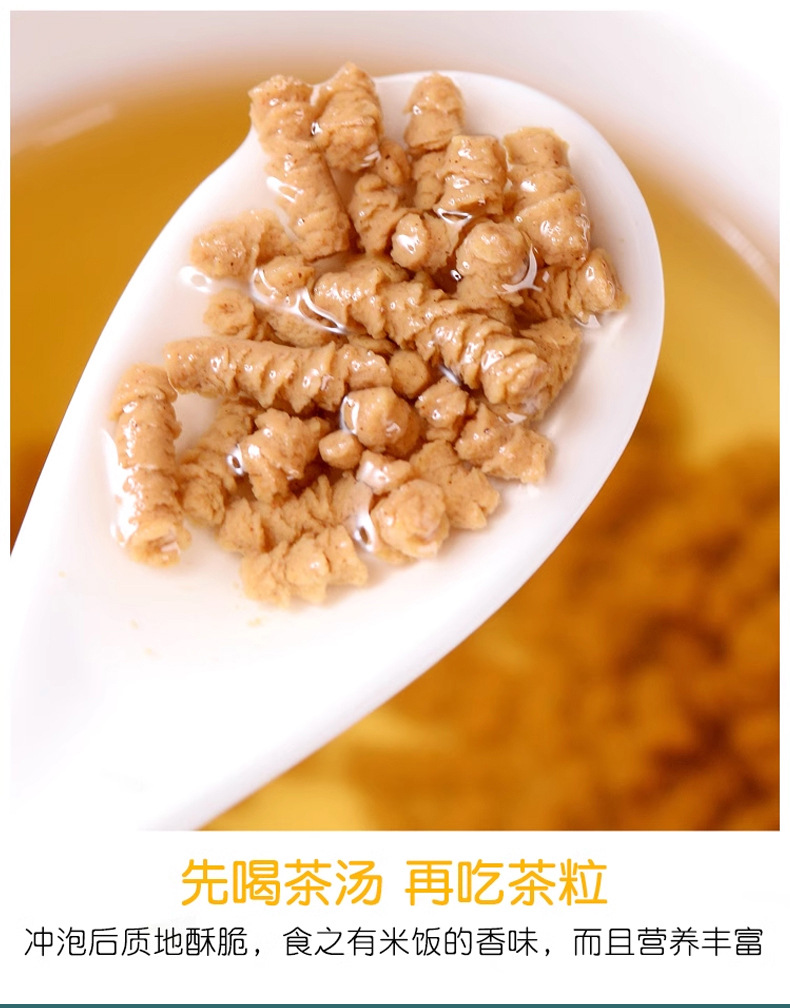
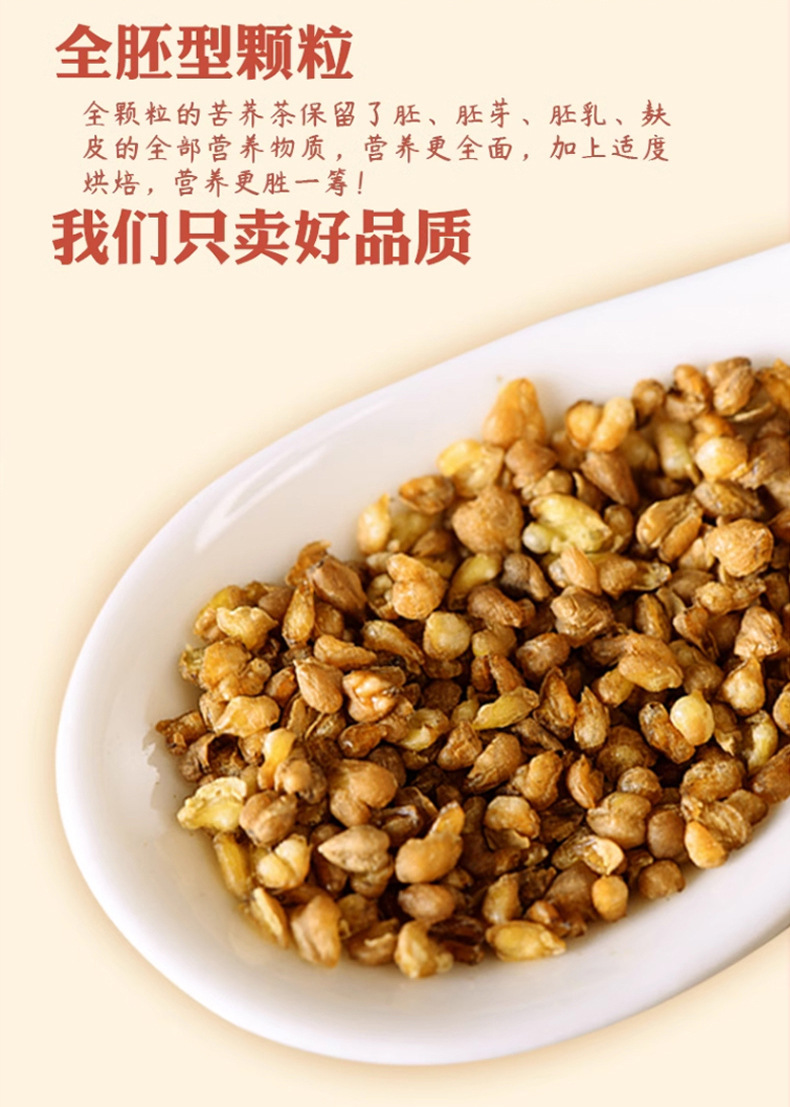
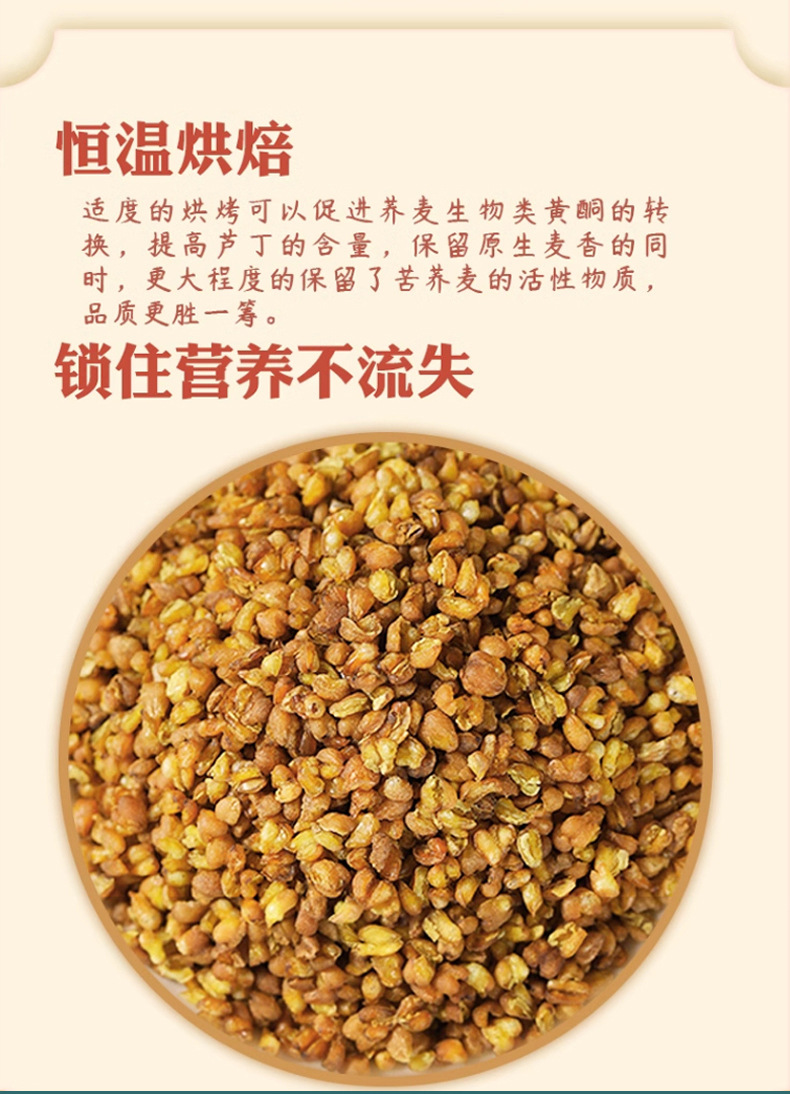
The tea typically presents as small golden-brown roasted grains with a crisp, dry texture and a warm toasted, malty aroma. When brewed, the liquor is light amber with a smooth, nutty, mildly sweet taste and a gentle roasted finish. Cold-brewing yields a lighter, refreshing cup.

Technical Specifications
| Product Type | Roasted grain tea |
|---|---|
| Chinese Name | 苦荞茶 |
| Pinyin | Ku Qiao Cha |
| Botanical Name | Fagopyrum tataricum |
| Plant Part | Whole embryo seed |
| Net Weight | 210g |
Usage Scenarios
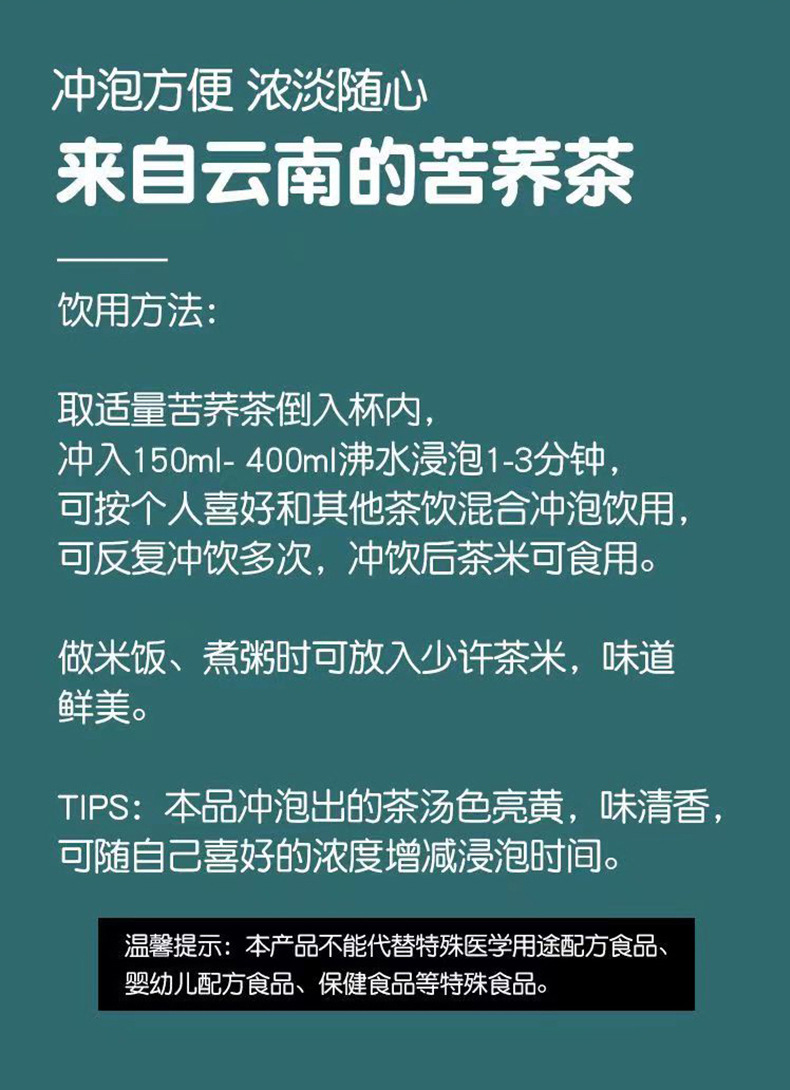
- Hot infusion as a daily caffeine-free tea
- Cold brew for refreshing summer drinks
- Paired with meals as a digestive grain tea
- Blended with other herbal teas for flavor
- Used in traditional congee or grain porridge

Traditional Uses
In TCM and folk practice, tartary buckwheat tea is traditionally used as a gentle grain-based beverage to support digestion and daily balance. It is commonly simmered or steeped alone, or combined with herbs such as chrysanthemum or hawthorn. In some regions it is added to congee or soups for its mild, nourishing character.
FAQ Q&A
Q: What is Yunnan Whole Embryo Tartary Buckwheat Tea?
A: It is a roasted grain tea made from the whole embryo seeds of tartary buckwheat (Fagopyrum tataricum), known in TCM as Ku Qiao (苦荞).
Q: What is its traditional value?
A: In TCM theory it is considered mildly cooling with a sweet and slightly bitter flavor, traditionally associated with supporting digestion and everyday wellness.
Q: How is it commonly prepared?
A: It can be steeped in hot water or cold-brewed. It is also sometimes simmered in congee or soups for a mild grain flavor.
Additional information
| Weight | N/A |
|---|---|
| Dimensions | N/A |
| Model | 麦香型苦荞茶210g, 全胚型苦荞茶230g |
Related products
-
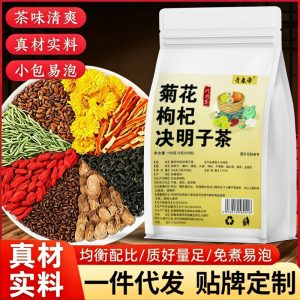
Chrysanthemum Goji Cassia Seed Tea 30 Bags Sugar Free Herbal Flower Tea Blend Hot Brew Wellness Tea
$4.30 -
Ginseng Flower Tea 500g Ren Shen Hua Dried Buds from Changbai Mountain Northeast China New Harvest
$23.73 -
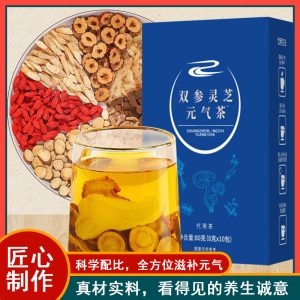
Shuang Shen Ling Zhi Vitality Tea 8g x 10 Bags American Ginseng Jujube Codonopsis Astragalus Goji Herbal Tea
$4.17 -
Bamboo Leaf Tea Zhu Ye Loose Herbal Tea 500g Dried Leaves for Daily Brewing
$10.76
Reviews
There are no reviews yet.