
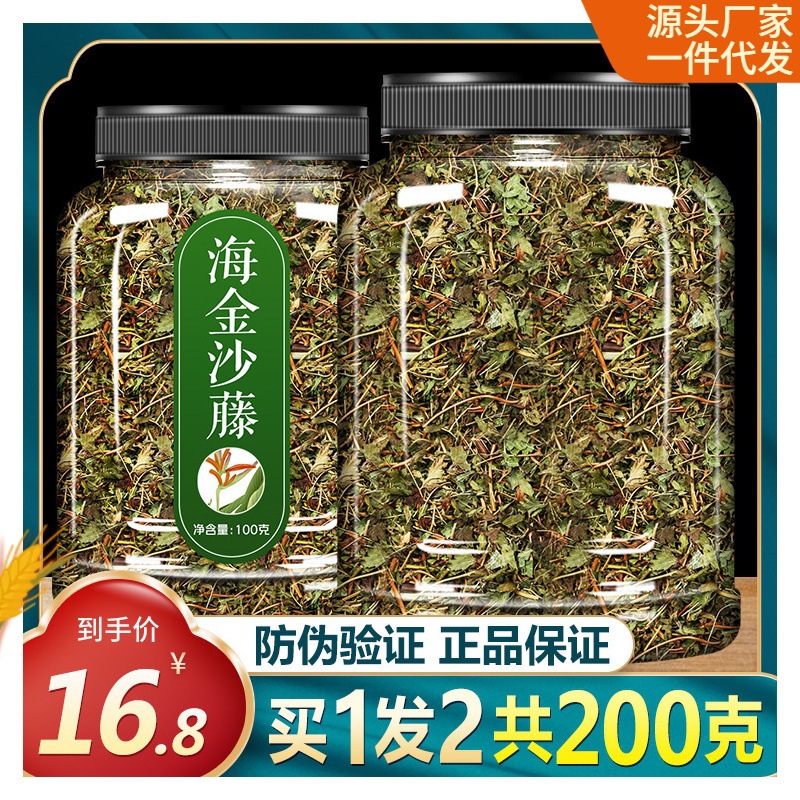
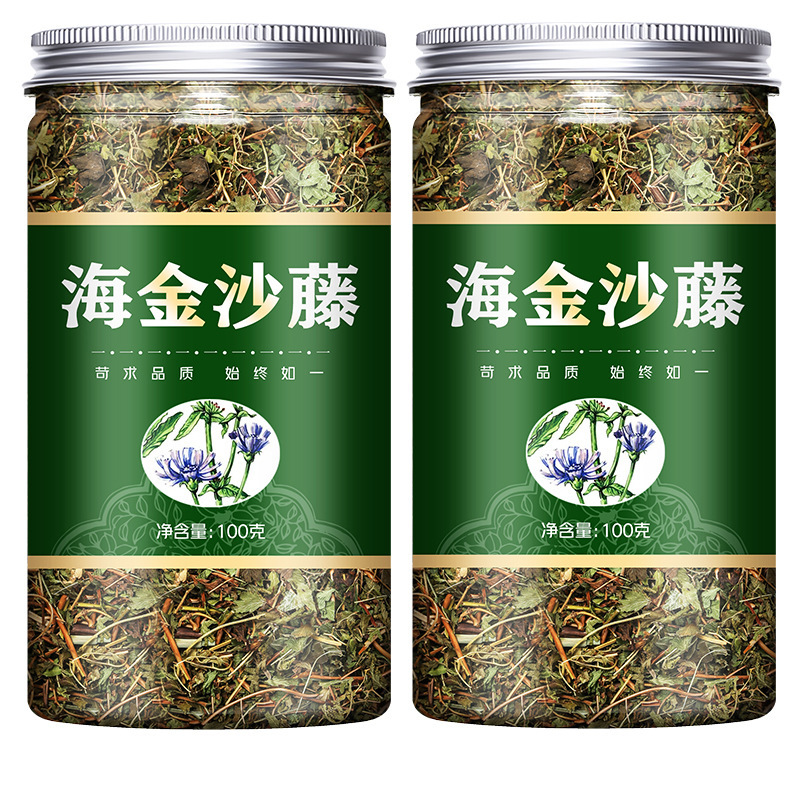
Wild Lygodium Vine Hai Jin Sha Teng Dried Herbal Tea 500g Sun Dried Loose Herb
$6.28
2199 in stock
Description
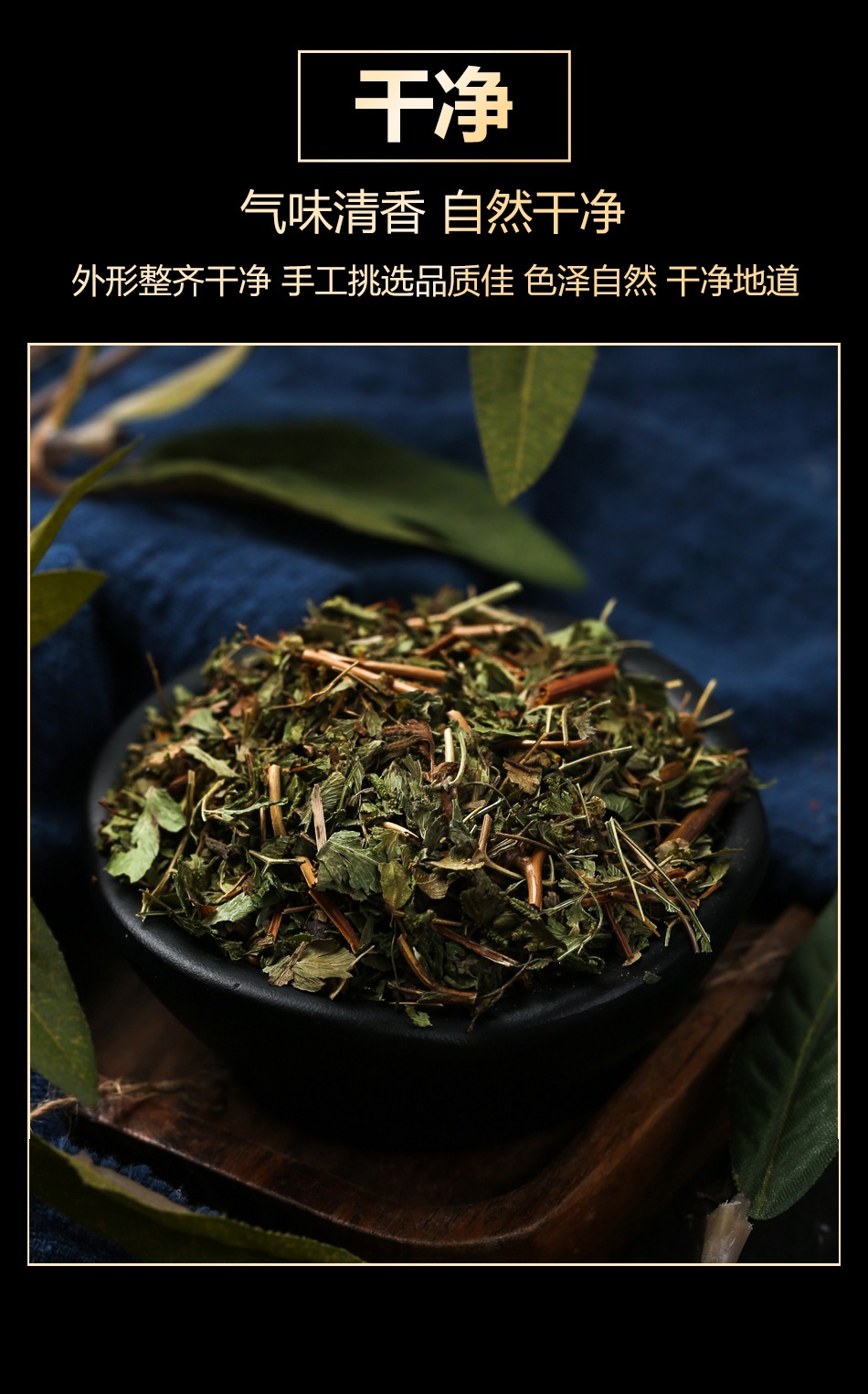
Wild Lygodium Vine, known in TCM as Hai Jin Sha Teng (海金沙藤), is the dried climbing stem and leaf of Lygodium japonicum. This loose raw herb is freshly sun dried and traditionally valued in Chinese herbal practice. In TCM theory it is considered sweet in flavor and cold in nature, associated with clearing and draining. Commonly simmered as a decoction or steeped as a daily herbal tea.
Key Selling Points
- Wild harvested Lygodium vine stems and leaves, a classic TCM raw herb
- Known as Hai Jin Sha Teng (海金沙藤), from Lygodium japonicum
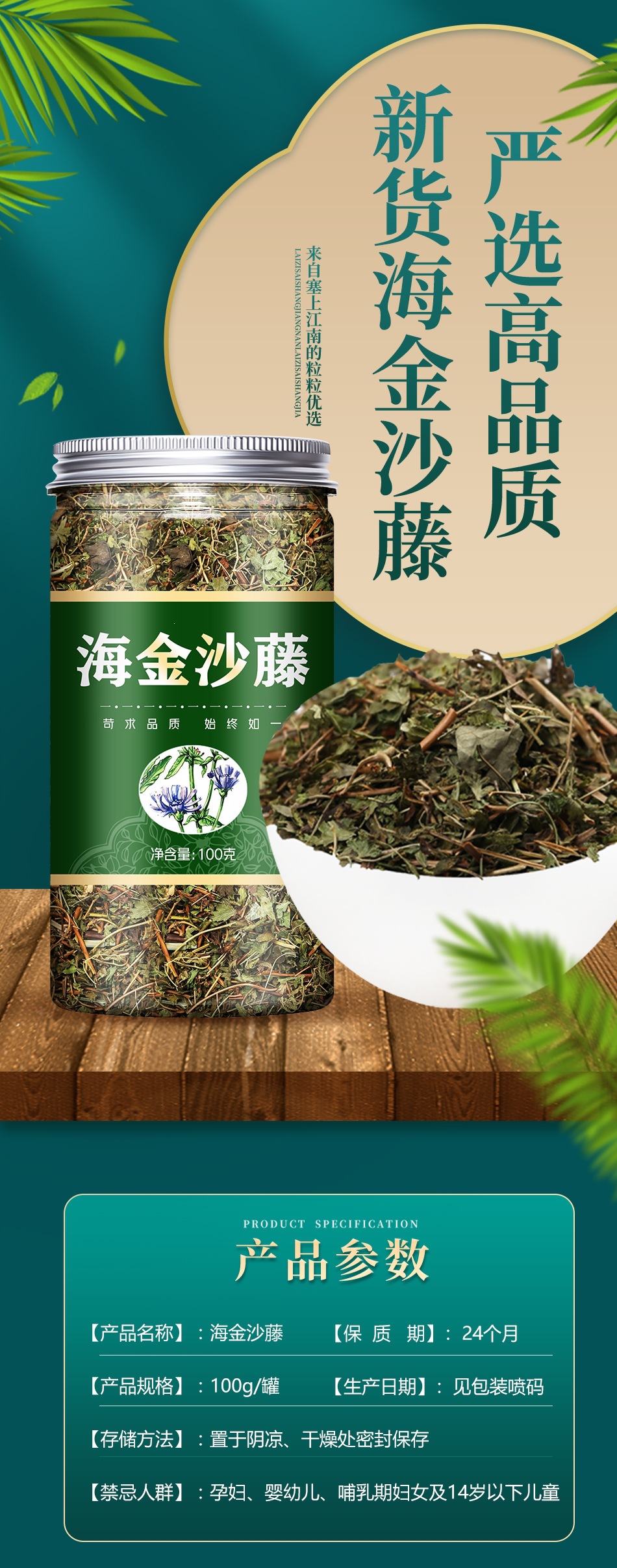
- Freshly sun dried using traditional晾晒 processing to preserve natural character
- Loose bulk form suitable for decoctions and herbal teas
- Traditionally associated with supporting urinary comfort in TCM practice
Quality & Sensory
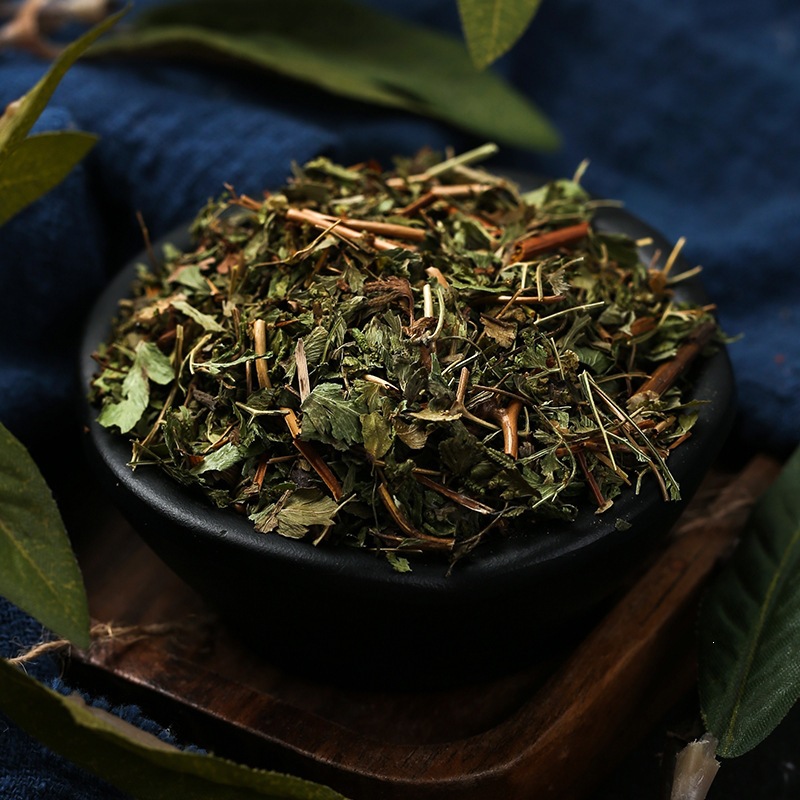
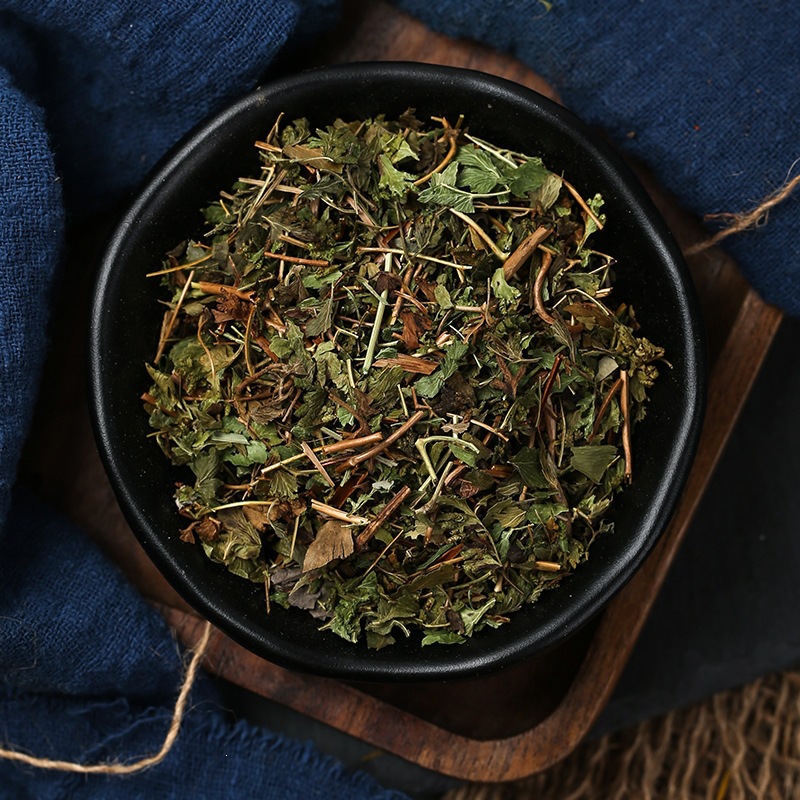
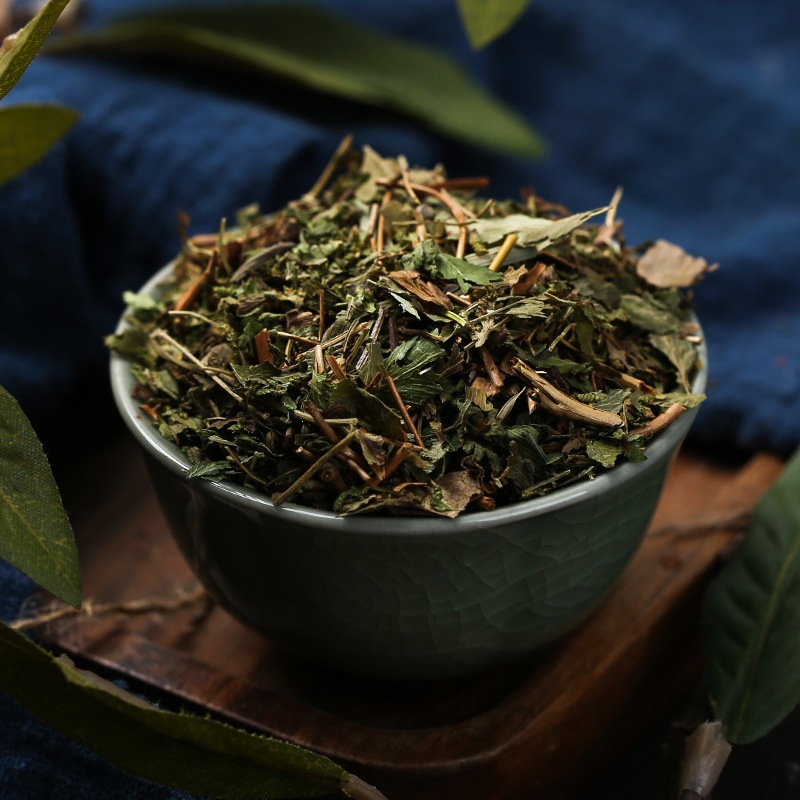
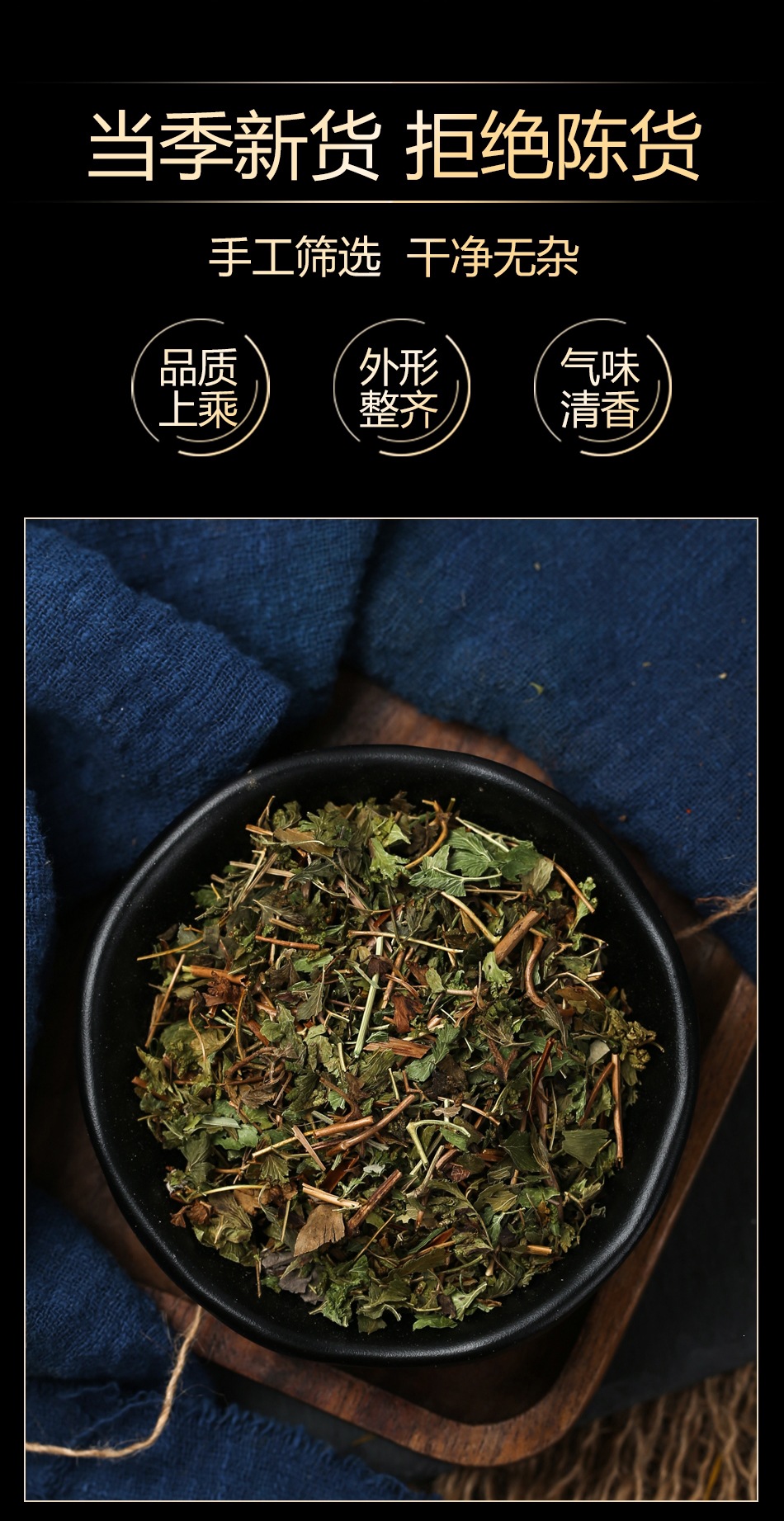
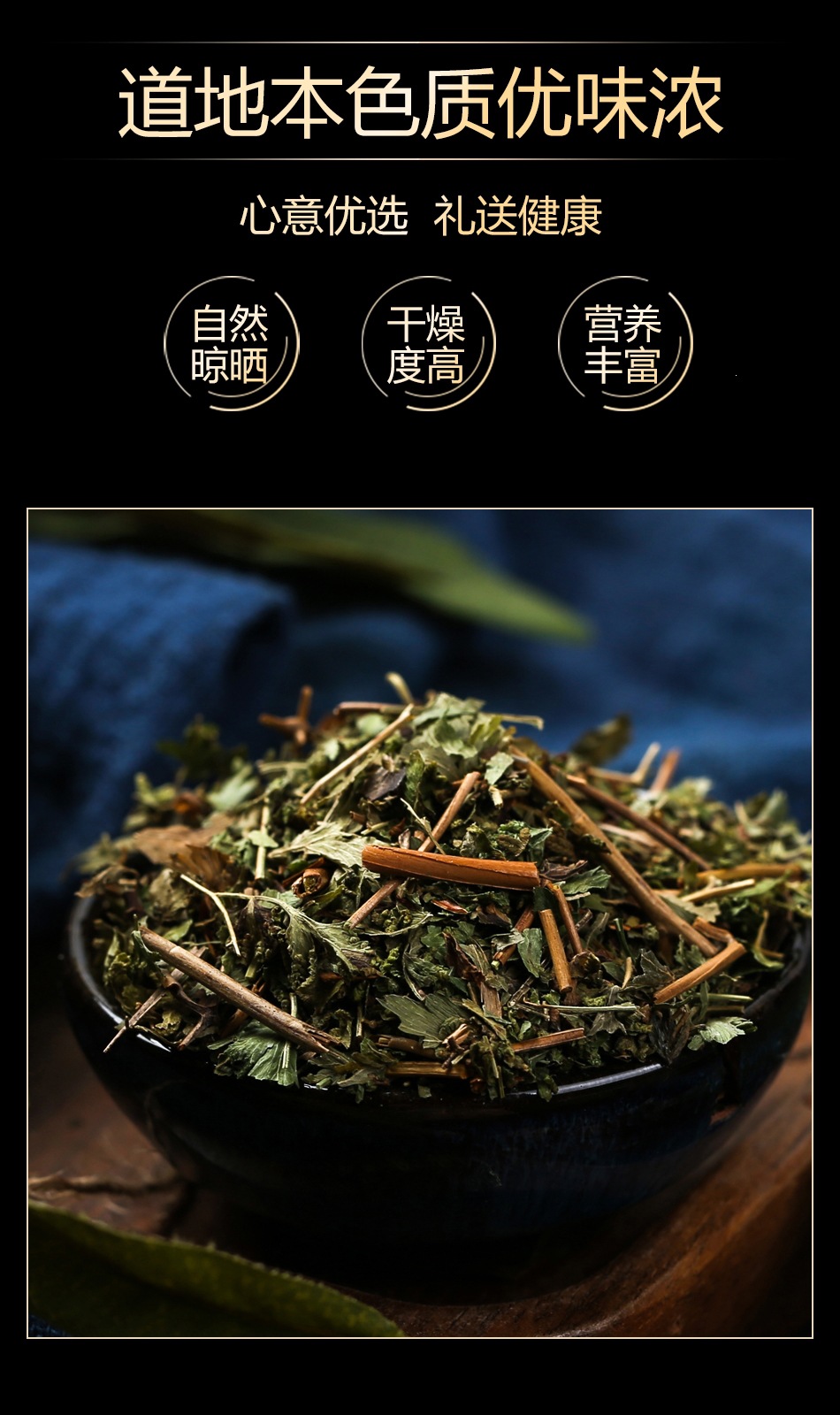
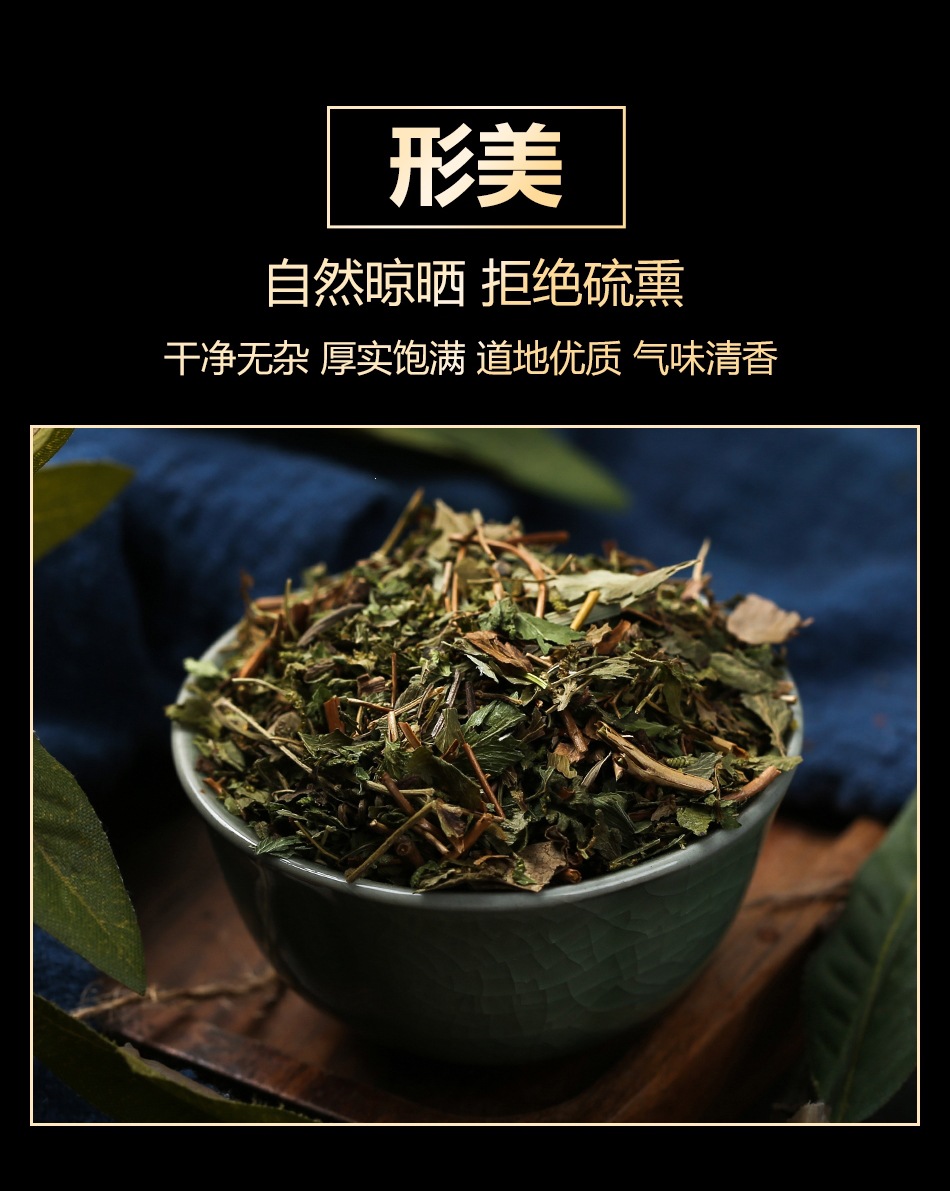
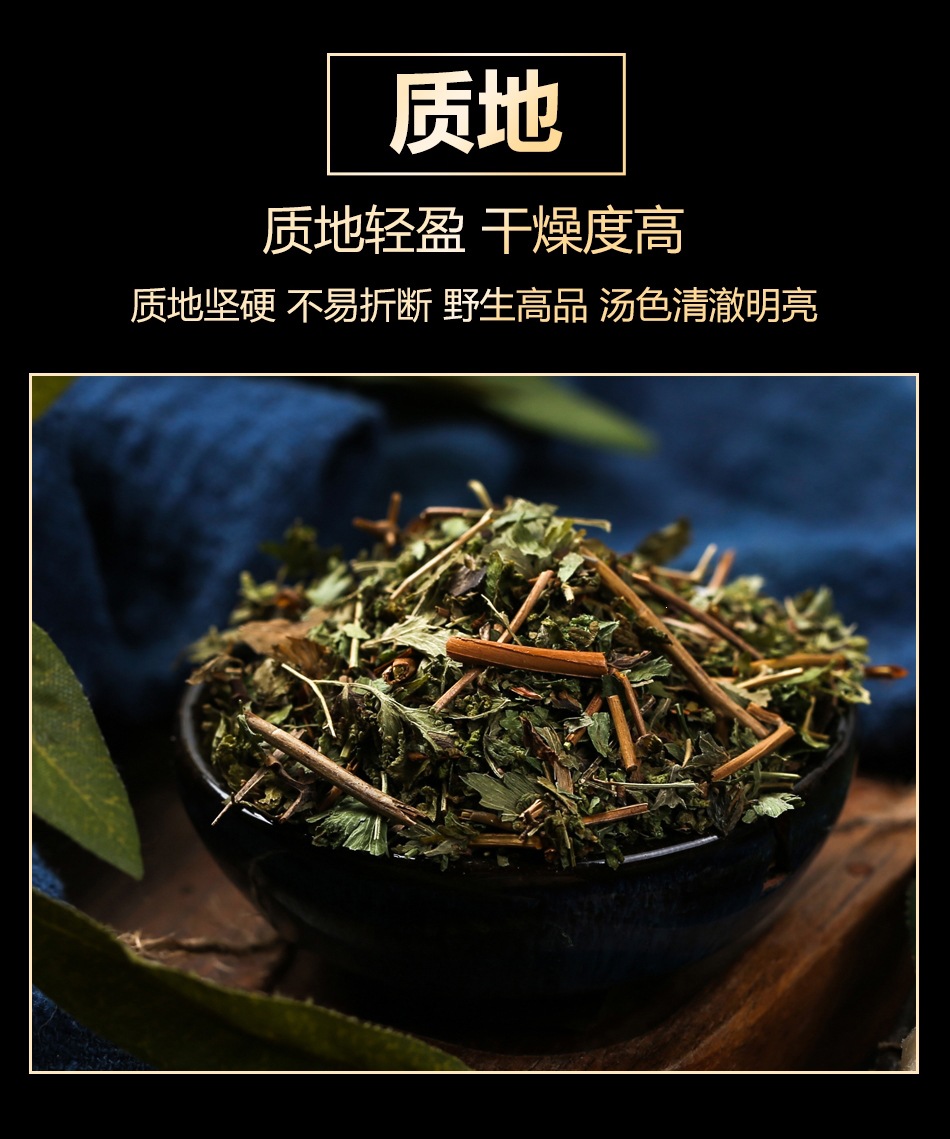
Typically the dried vine pieces show a grayish-green to brownish color with slender wiry stems and small leaflets. The aroma is mild and grassy, and a simmered infusion typically tastes light, slightly sweet, and gently astringent.
Technical Specifications
| Product Type | Dried raw herb |
|---|---|
| Chinese Name | 海金沙藤 |
| Pinyin | Hai Jin Sha Teng |
| Botanical Name | Lygodium japonicum |
| Plant Part | Stem and leaf |
| Net Weight | 500 g |
Usage Scenarios
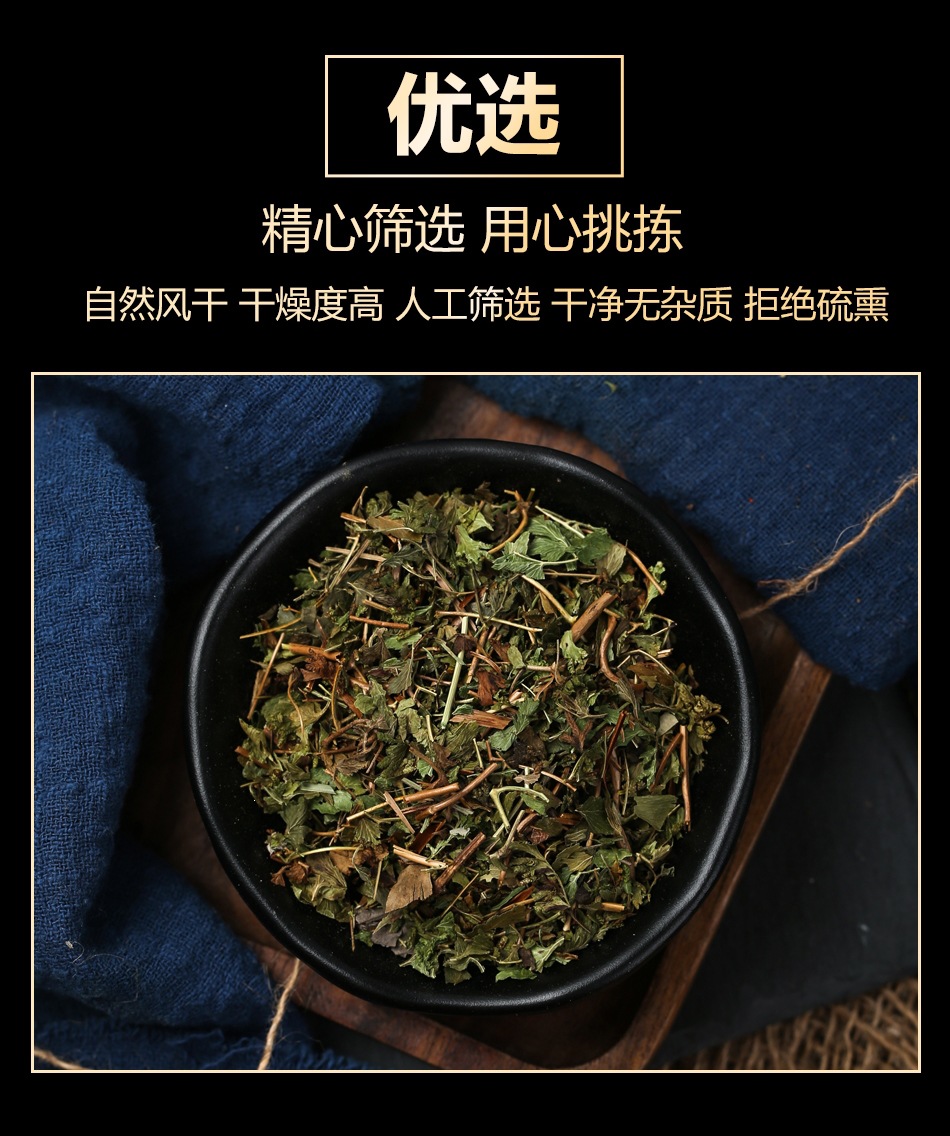
- Simmer as a traditional herbal decoction
- Steep as a mild daily herbal tea
- Blend with other TCM herbs in formulas
- Use in seasonal wellness routines
Traditional Uses
In TCM practice, Hai Jin Sha Teng is traditionally associated with clearing damp-heat and supporting urinary tract comfort, and the related spores are a classic remedy for painful urination. The vine is commonly decocted alone or paired with herbs such as Jin Qian Cao and Che Qian Cao. It is often prepared as a light daily tea during warm seasons.
FAQ Q&A
Q: What is this product?
A: It is 500 g of wild harvested and sun dried Lygodium vine, known in TCM as Hai Jin Sha Teng (海金沙藤), from Lygodium japonicum.
Q: What is it traditionally used for?
A: In TCM theory it is sweet and cold and traditionally associated with clearing damp-heat and supporting urinary comfort. It is a traditional herb, not a substitute for medicine.
Q: How is it commonly prepared?
A: It is typically simmered in water as a decoction or steeped as a light herbal tea, often combined with other TCM herbs.
Additional information
| Weight | 0.6 kg |
|---|---|
| Dimensions | 25 × 18 × 8 cm |
Related products
-
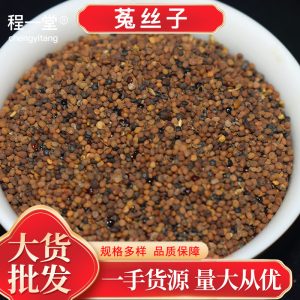
Dried Dodder Seed Tu Si Zi Whole Herb 500g Bulk Chinese Herbal Ingredient
Price range: $7.04 through $7.52 -
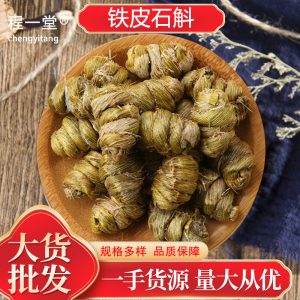
Tie Pi Shi Hu Dried Dendrobium Stems 500g Huoshan Fengdou for Soup and Tea
Price range: $35.88 through $108.80 -
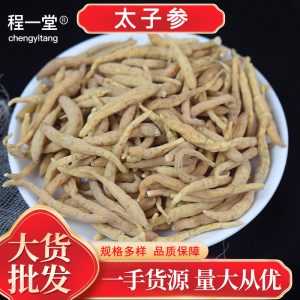
Taizishen Dried Pseudostellaria Root TCM Herbal Tea and Soup Ingredient 500g Bulk Pack
Price range: $10.28 through $15.63 -
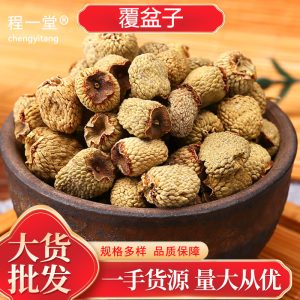
Dried Raspberry Fruit Fu Pen Zi Whole Berries for Herbal Tea and Wine Infusion 500g
Price range: $15.63 through $18.06
Reviews
There are no reviews yet.