
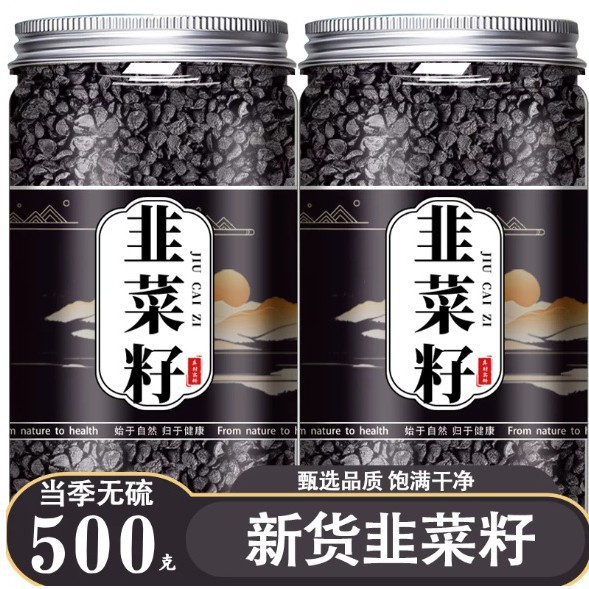
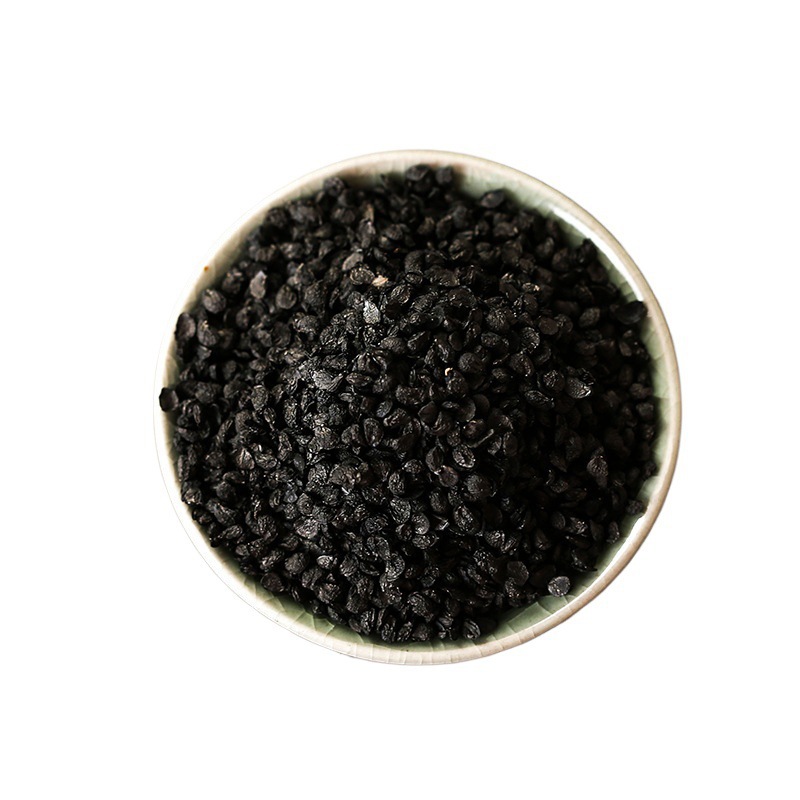
Roasted Wild Chinese Chive Seeds Jiu Cai Zi 125g Loose Dried Herb for Tea and Soup
Price range: $6.46 through $12.99
Description
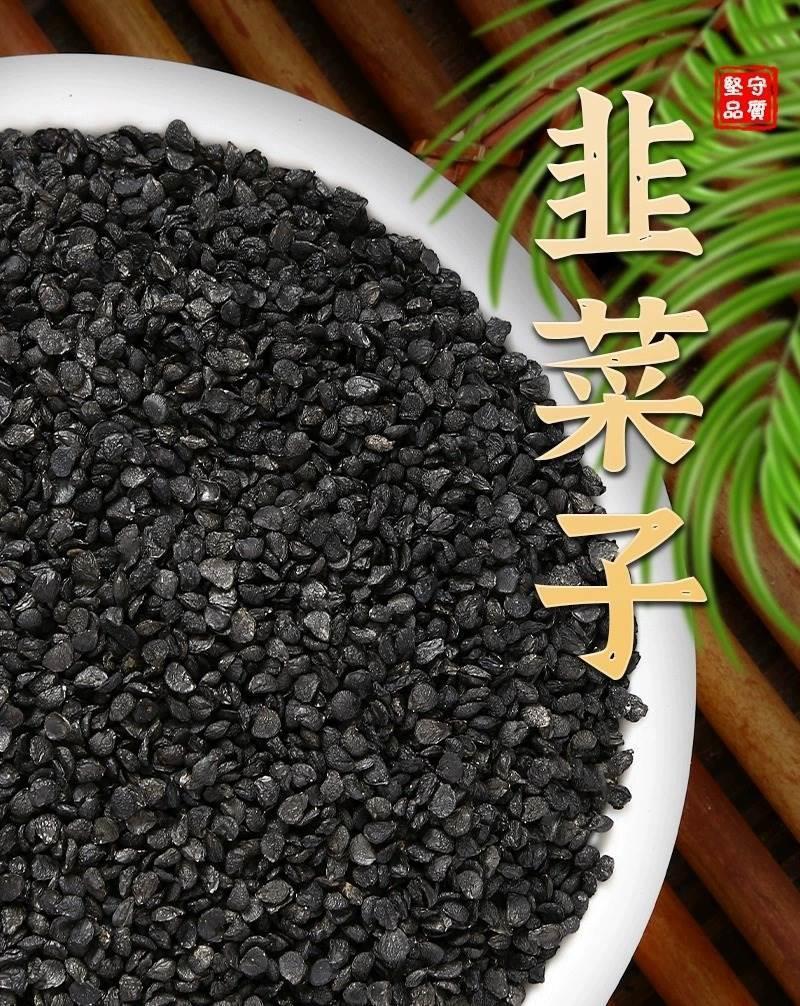
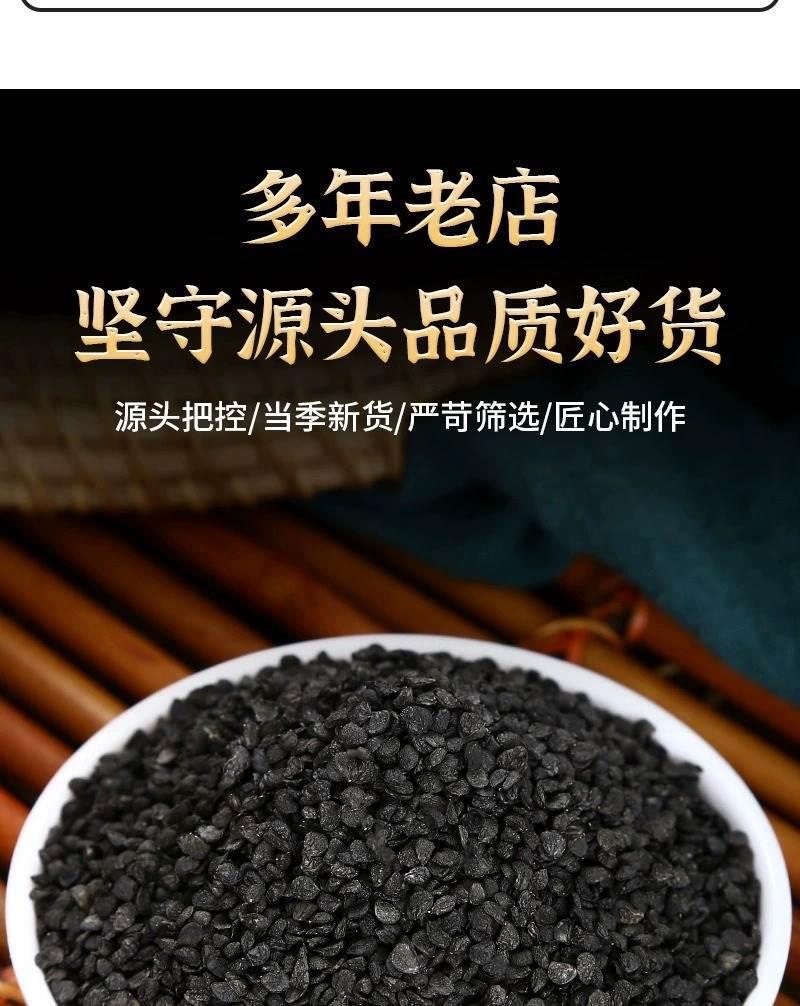
Roasted Wild Chinese Chive Seeds, known in TCM as Jiu Cai Zi (韭菜籽), from Allium tuberosum. These dried, pan-roasted seeds are a traditional Chinese herbal ingredient valued in TCM theory for warming the kidney and supporting yang. With a warm, pungent nature, they are commonly used in decoctions, teas, and congee. This 125g loose bulk pack offers a convenient supply for daily traditional preparation.
Key Selling Points
- Identified as Jiu Cai Zi (韭菜籽), the dried ripe seeds of Allium tuberosum
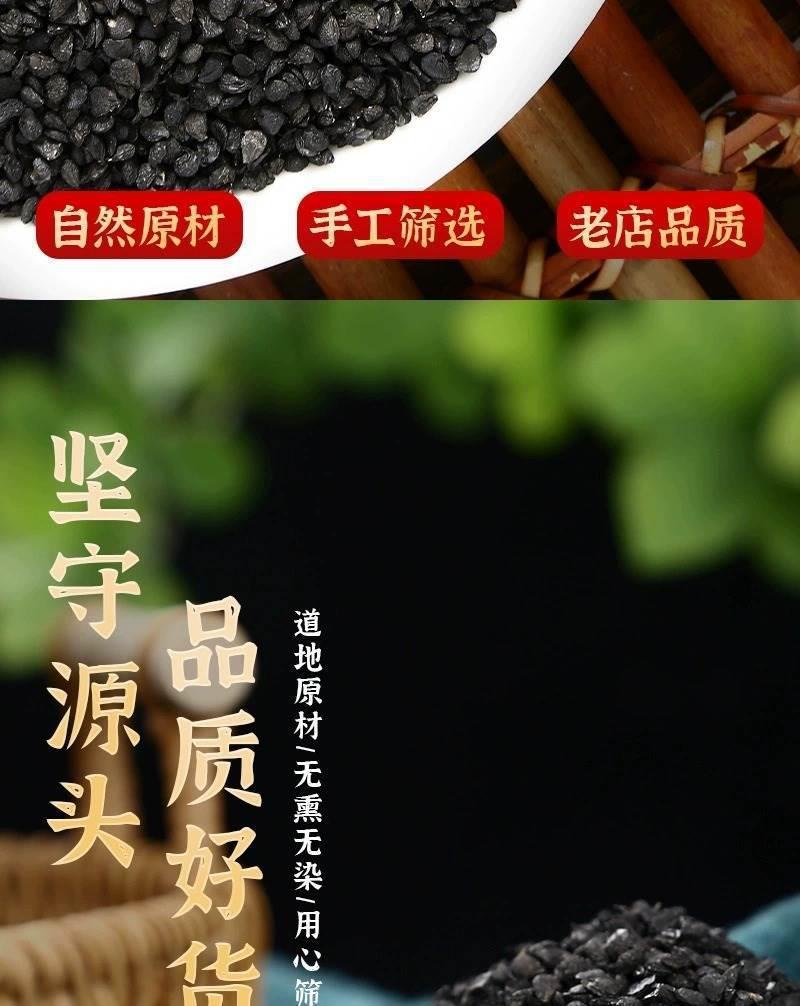
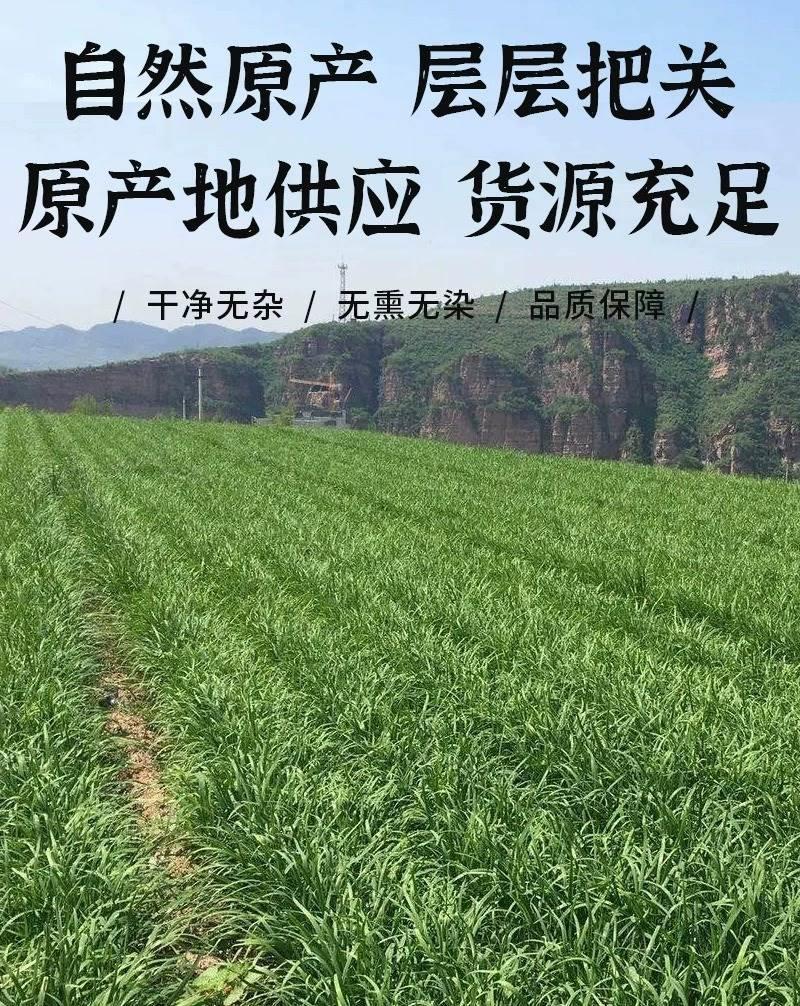
- Wild-harvested from Inner Mongolia and gently pan-roasted for traditional use
- Warm, pungent nature associated with kidney and liver channels in TCM theory
- Versatile form suitable for teas, decoctions, soups, and congee
- 125g loose bulk pack for regular home herbal preparation
Quality & Sensory
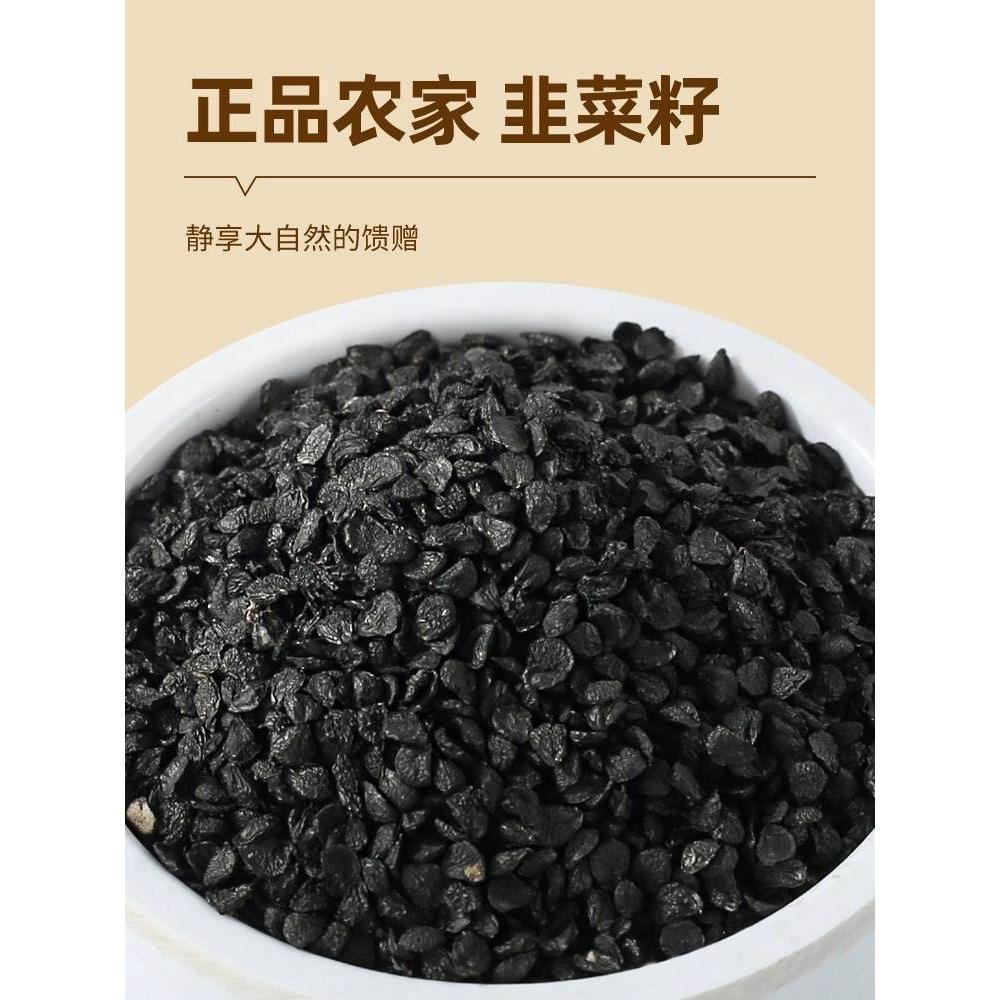
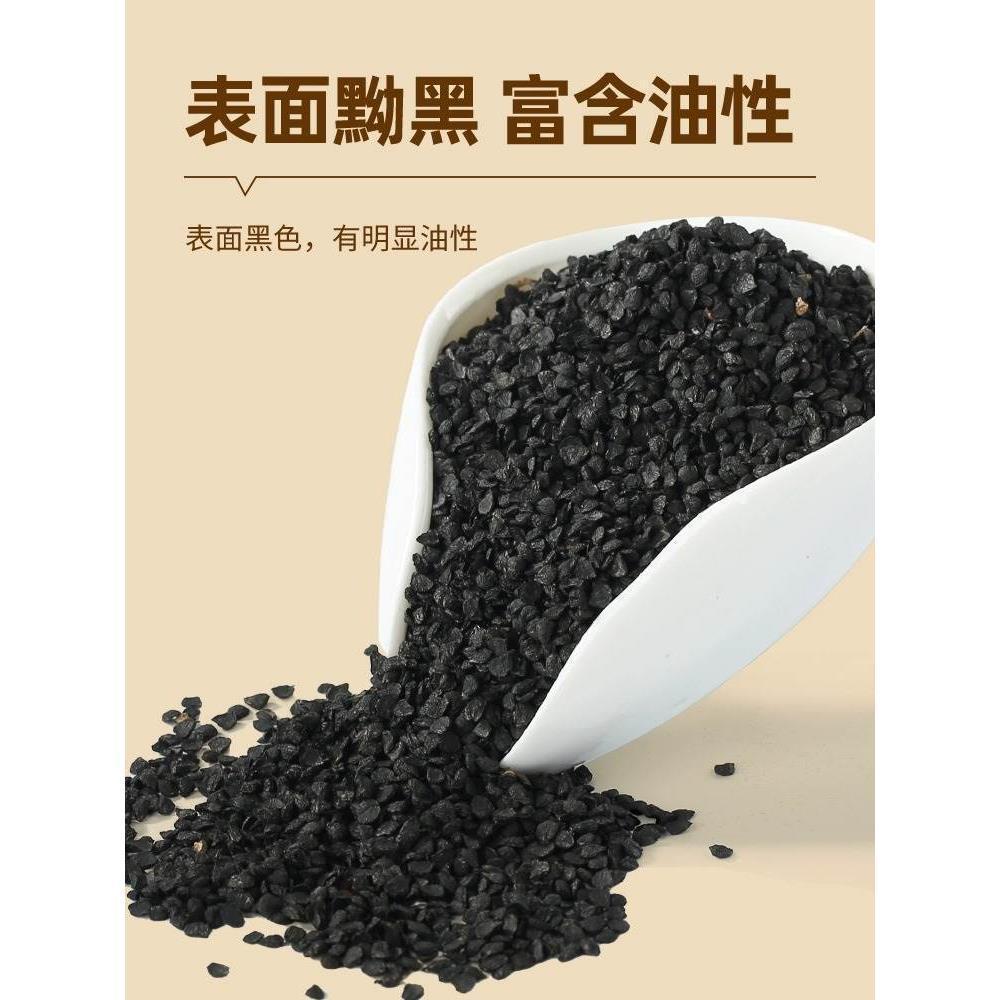
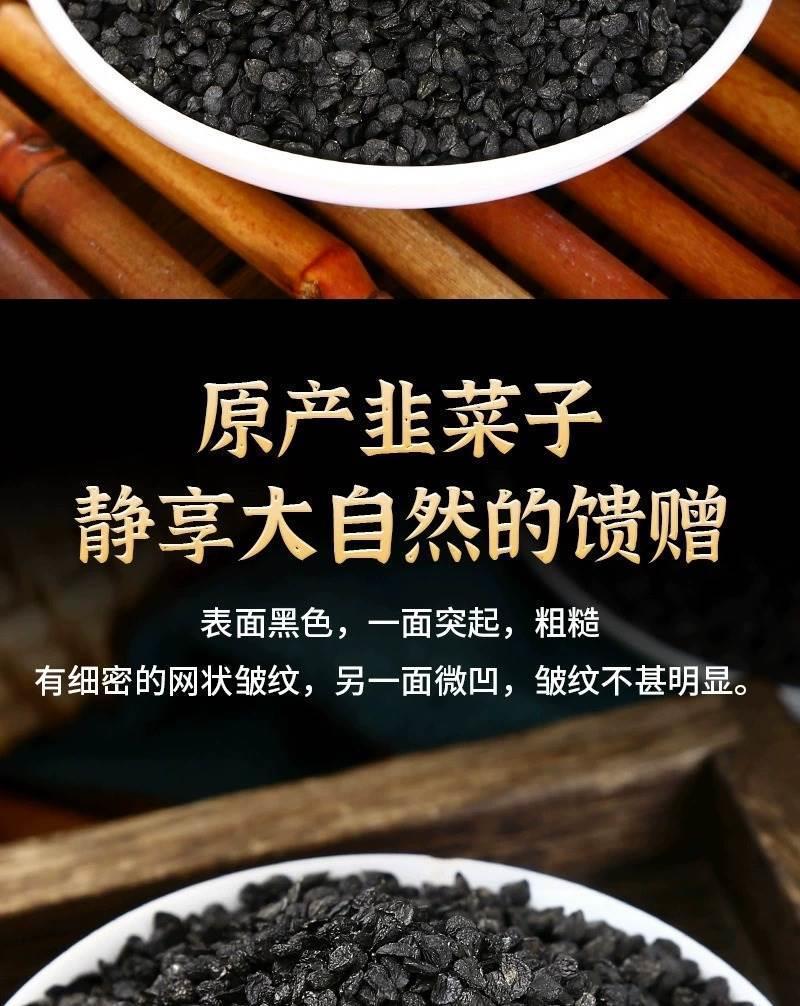
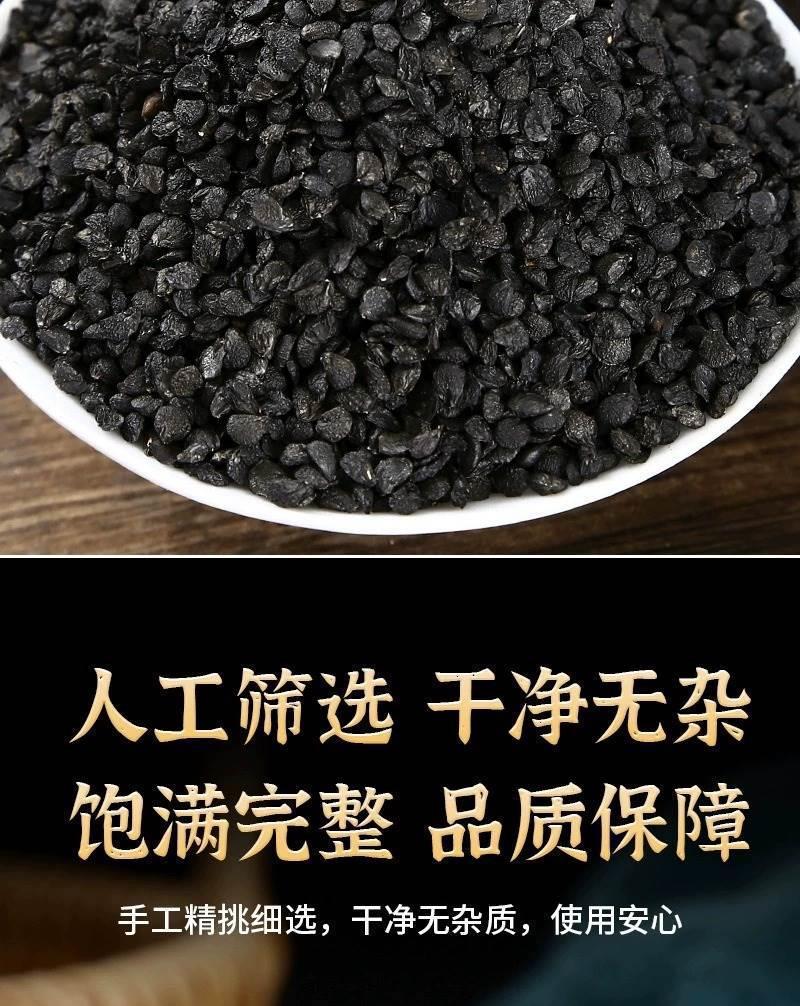
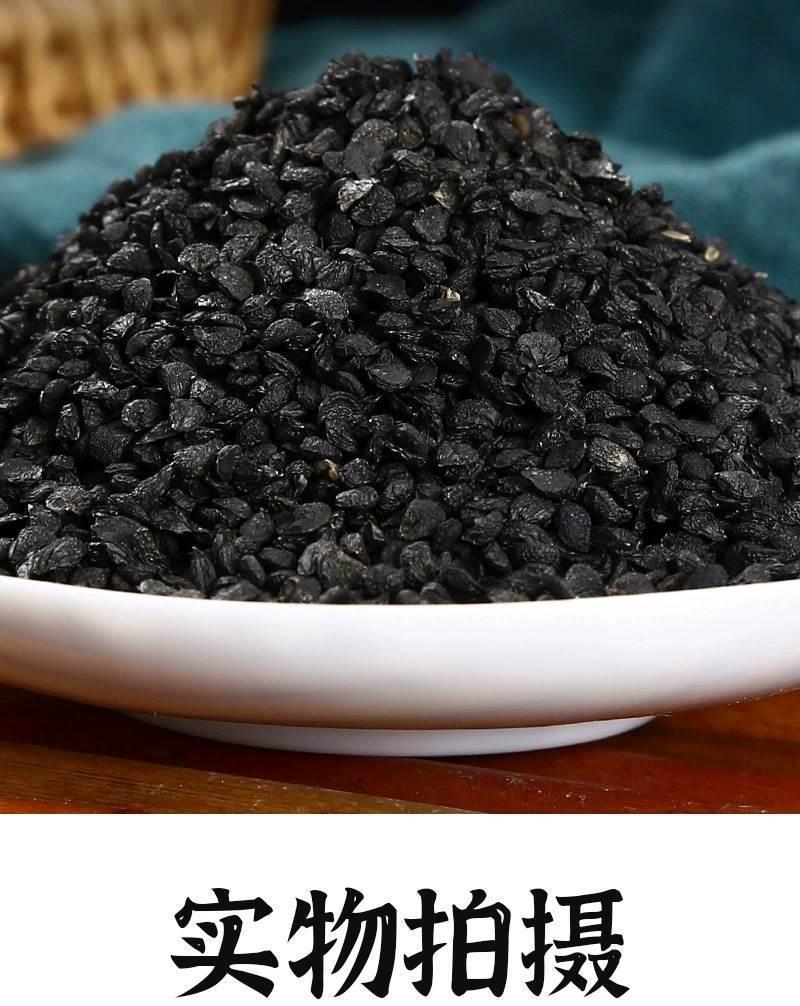
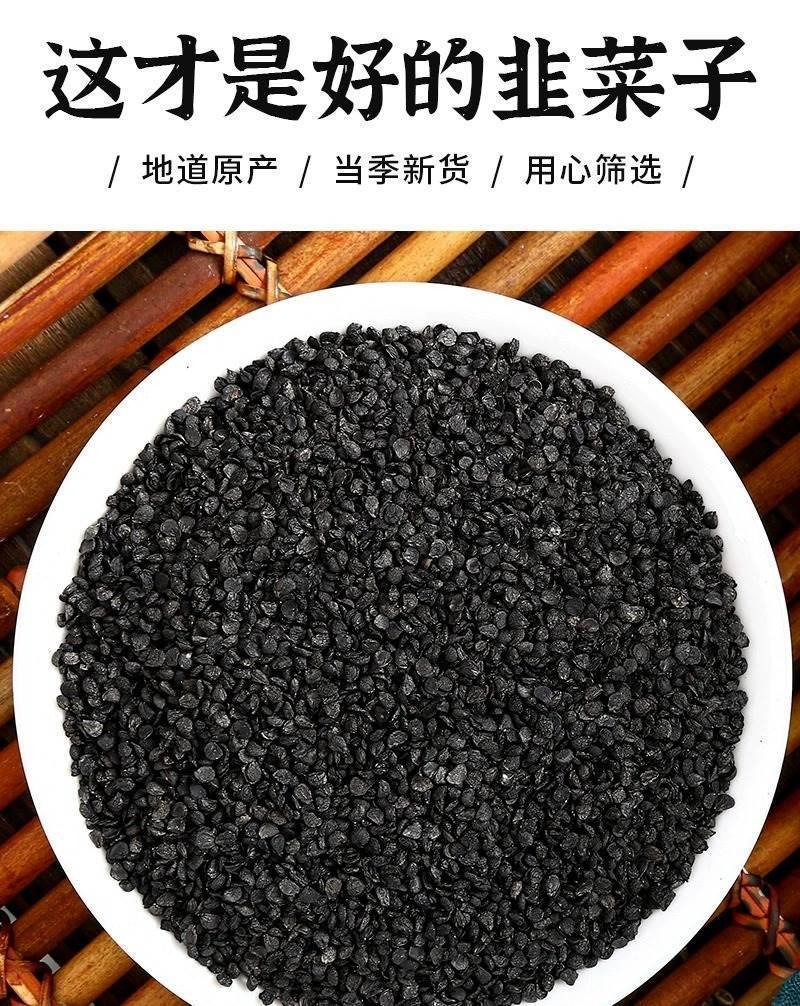
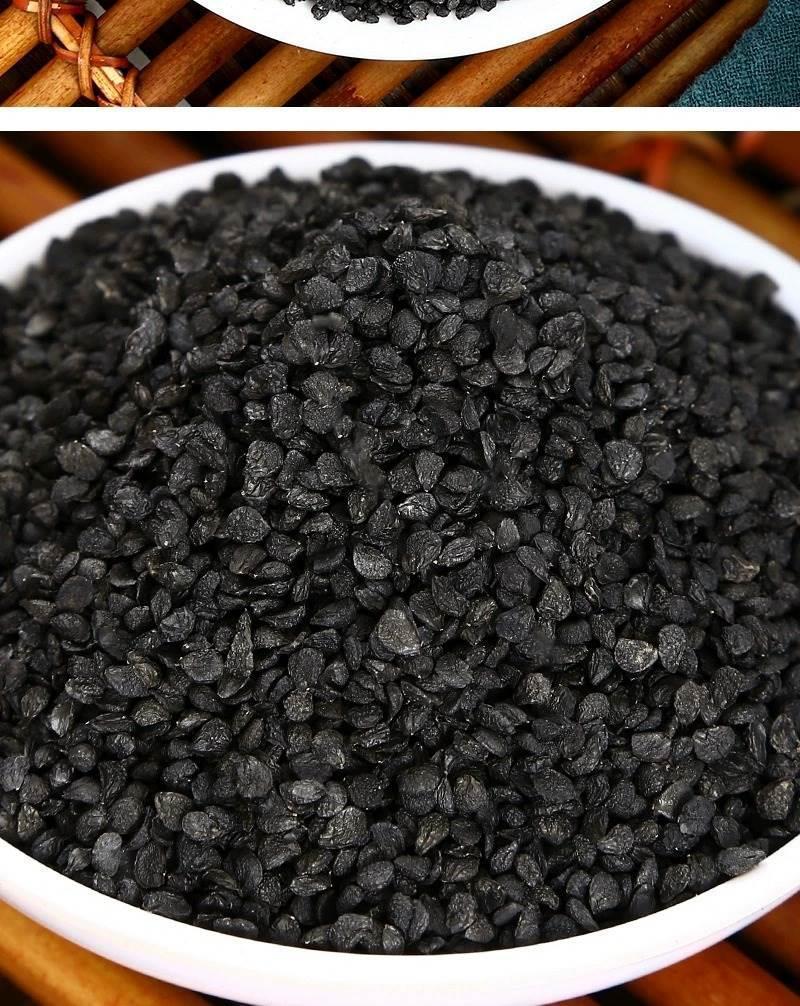
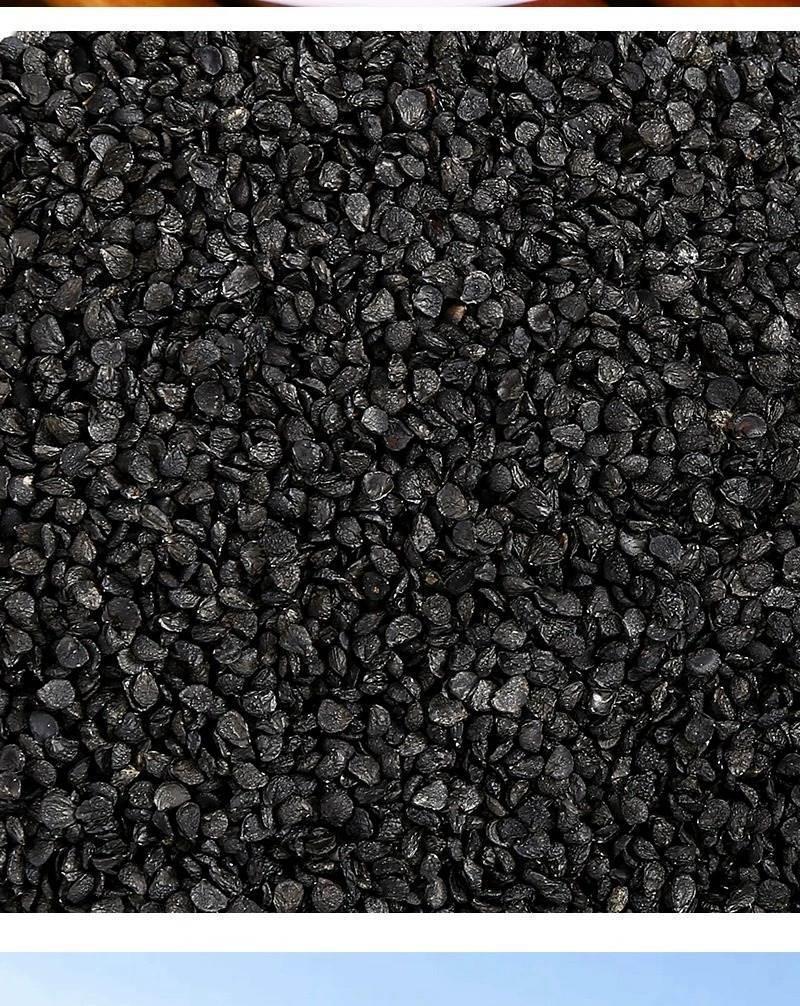
The roasted seeds are typically small, dark brown to black, with a dry, slightly brittle texture. They carry a warm, nutty, and mildly pungent aroma. When decocted or brewed, the liquid is typically light amber with a subtle roasted, earthy taste.
Technical Specifications
| Product Type | Dried roasted herb seeds |
|---|---|
| Chinese Name | 韭菜籽 |
| Pinyin | Jiu Cai Zi |
| Botanical Name | Allium tuberosum |
| Plant Part | Seed |
| Net Weight | 125g |

Usage Scenarios
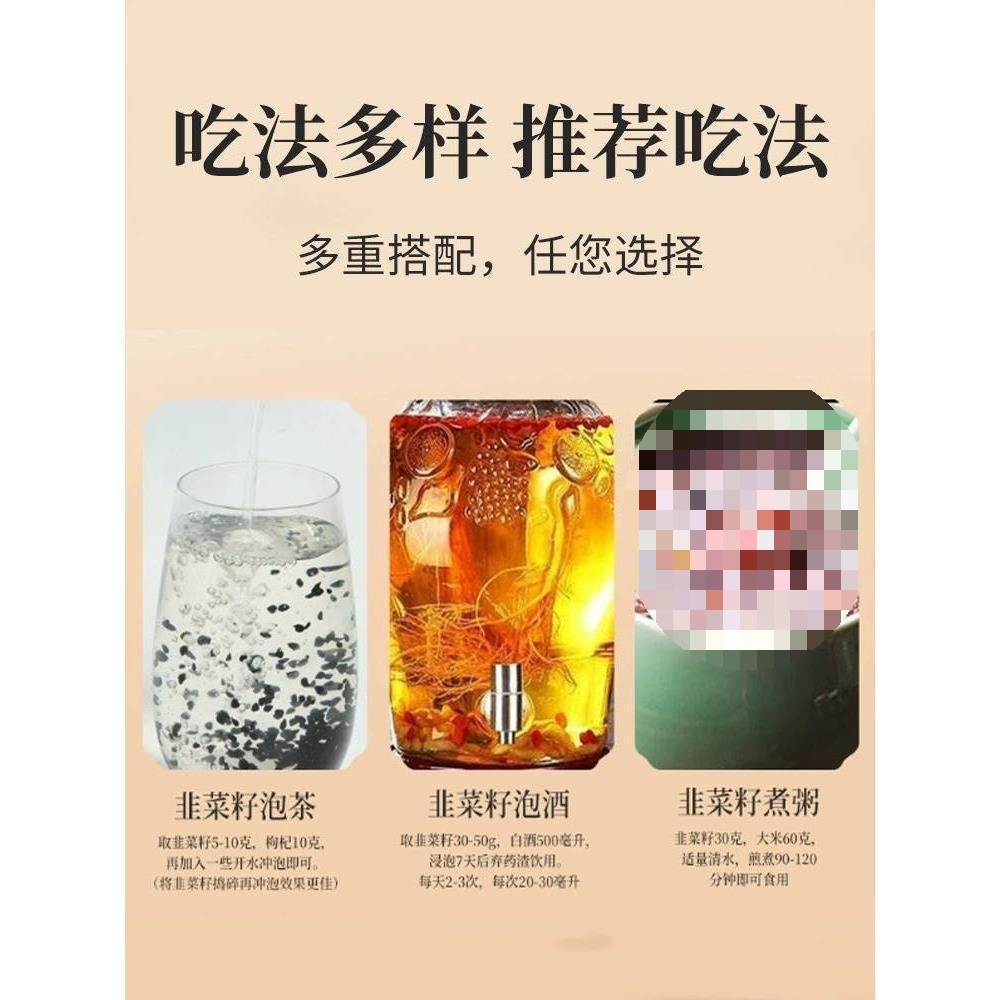
- Simmered as a solo decoction or tea
- Combined with goji berries in a traditional tea
- Added to congee or soup during cooking
- Used in homemade herbal foot soak blends
Traditional Uses
In TCM theory, Jiu Cai Zi is traditionally used to warm the kidney and support yang. It is often decocted alone or paired with herbs such as goji berries (Gou Qi Zi) or dodder seed (Tu Si Zi) in teas and soups. Folk practice includes adding the roasted seeds to congee for a warming morning meal.
FAQ Q&A
Q: What are these seeds?
A: They are the dried, roasted ripe seeds of the Chinese chive plant, known in TCM as Jiu Cai Zi (韭菜籽).
Q: What is their traditional value?
A: In TCM theory, they are considered warm and pungent and are traditionally associated with warming the kidney and supporting yang.
Q: How are they commonly prepared?
A: They are typically simmered in water to make a decoction or tea, or added to congee and soups during cooking.
Additional information
| Weight | N/A |
|---|---|
| Dimensions | N/A |
| Model | 1罐 生韭菜籽150克, 1罐 生韭菜籽250克, 2罐 生韭菜籽500克, 1罐 沙苑子250克, 2罐 沙苑子500克, 1罐 菟丝子250克, 1罐 菟丝子500克, 1罐 沙苑子100克 |
Related products
-
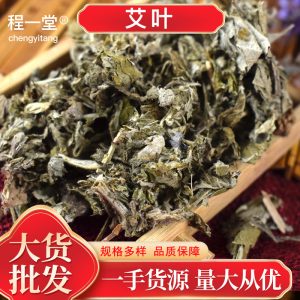
Dried Mugwort Leaf Ai Ye 500g Chinese Herbal Bath Foot Soak and Smoke Cleansing Herb
Price range: $4.77 through $5.25 -
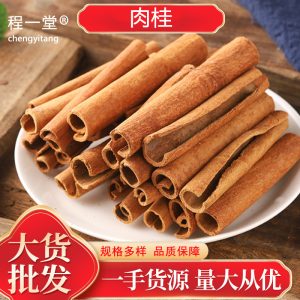
Dried Cinnamon Bark Rou Gui 500g Whole Peeling Culinary Spice and Traditional Herbal Ingredient
Price range: $5.58 through $8.33 -

Dried Raspberry Fruit Fu Pen Zi Whole Berries for Herbal Tea and Wine Infusion 500g
Price range: $15.63 through $18.06 -
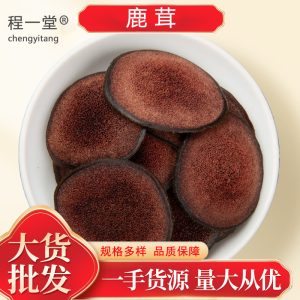
Deer Antler Slices Lu Rong 鹿茸片 Dried Slices for Wine Infusion and Soup 100g Wax Slices Pack
Price range: $68.29 through $92.59
Reviews
There are no reviews yet.