
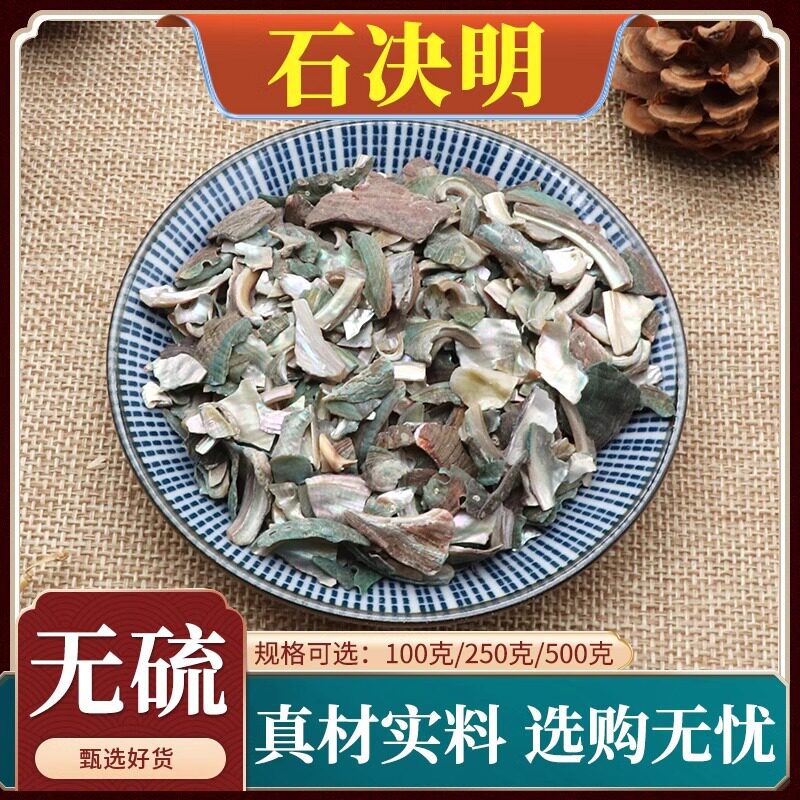
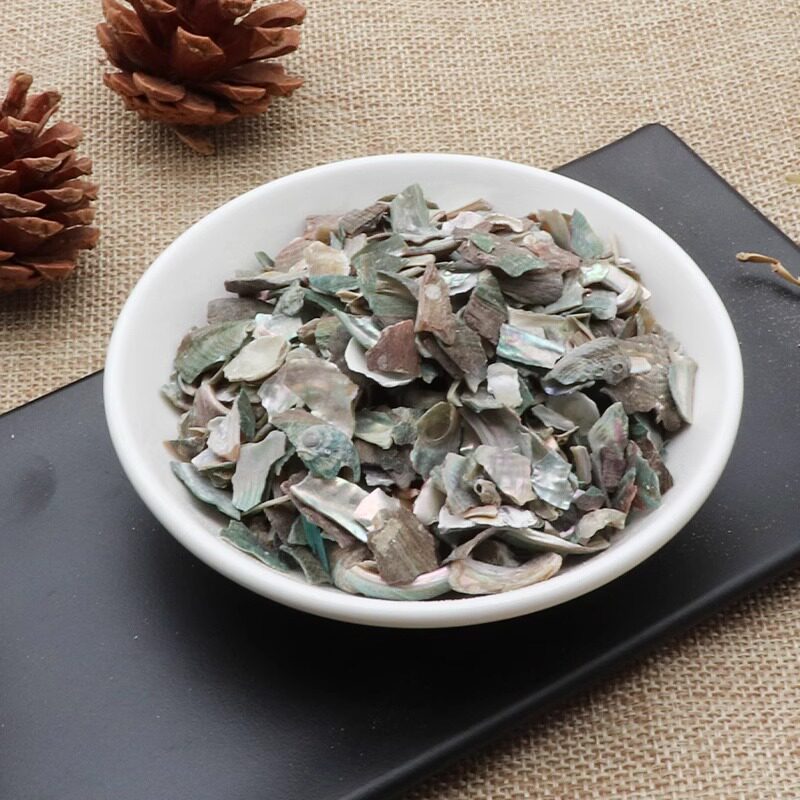
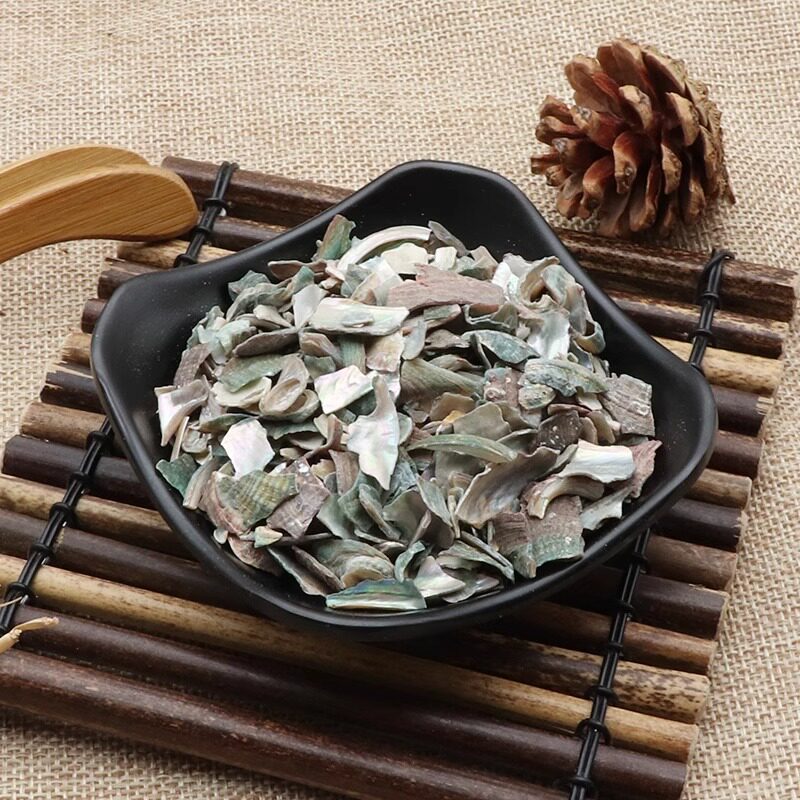
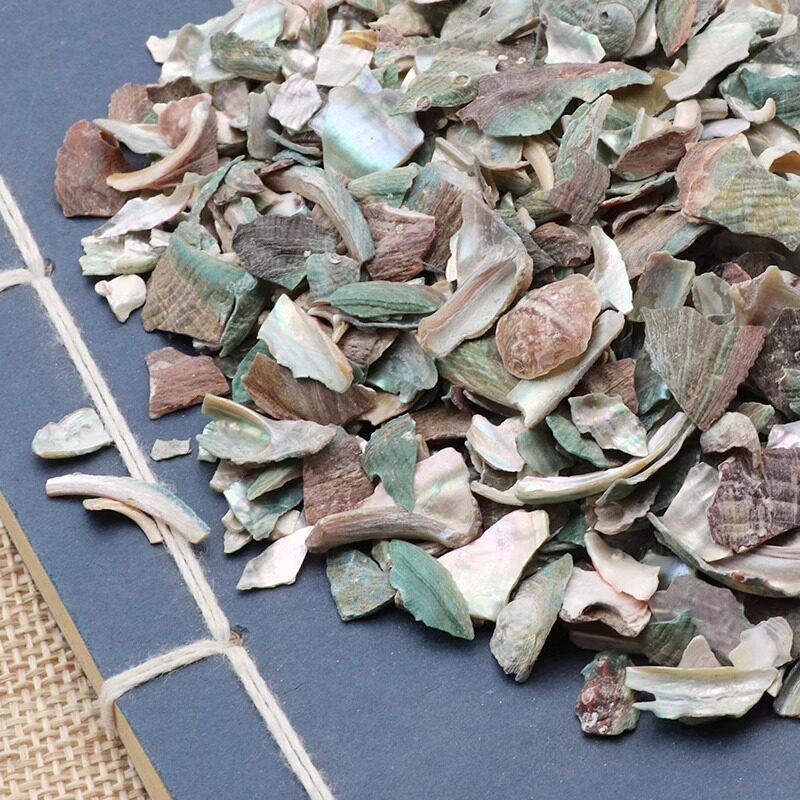
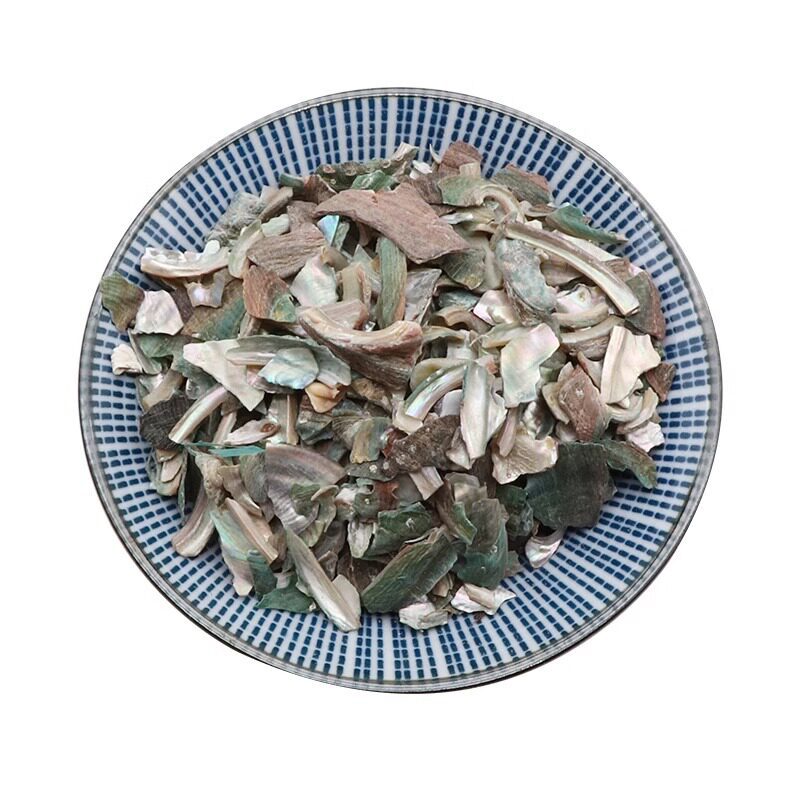
Raw Sea Abalone Shell Slices Shi Jue Ming Concha Haliotidis 500g TCM Decoction Herb
Price range: $6.76 through $7.13
Description
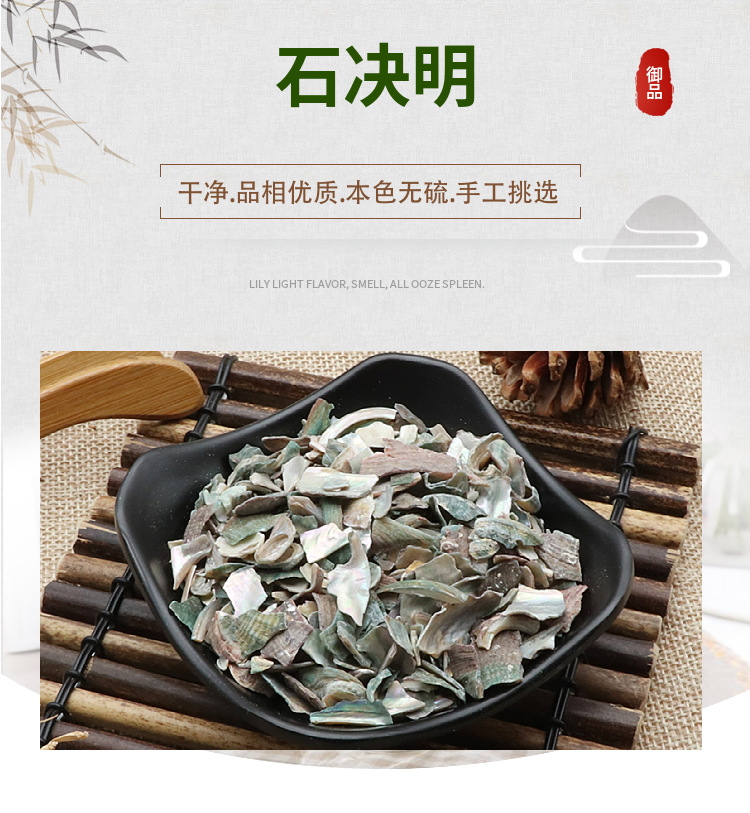
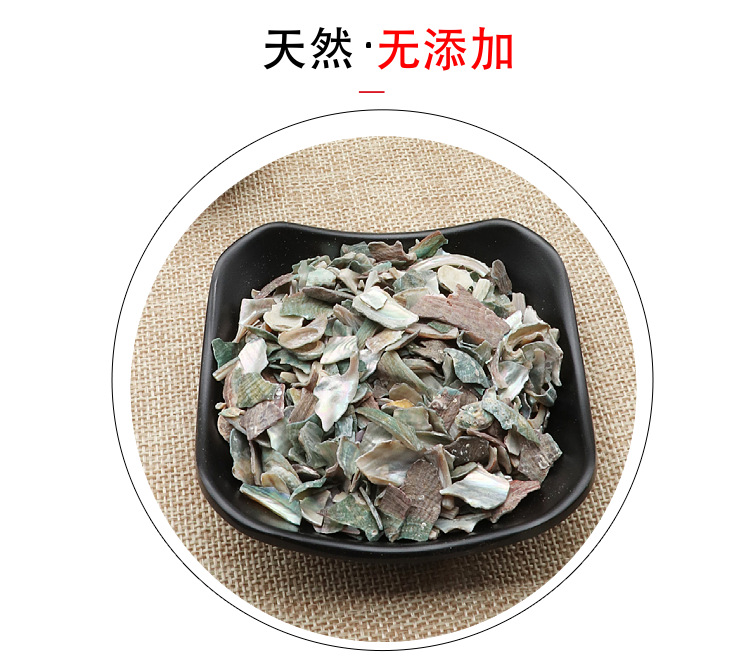
Raw Sea Abalone Shell Slices, known in TCM as Shi Jue Ming (石决明), from Haliotis diversicolor and related abalone species, shell pieces prepared for decoction use. In TCM theory this mineral-shell material is salty and cold in nature and traditionally associated with the liver channel. Traditionally used in herbal formulas, it is commonly decocted for an extended time. Store sealed in a cool dry place.
Key Selling Points
- Dried abalone shell slices supplied as raw TCM decoction material
- Botanical source is Concha Haliotis from abalone shell
- Known in TCM as Shi Jue Ming with a salty cold nature
- Prepared by cleaning and drying for convenient decoction pieces
- Traditionally used in liver-related herbal formulas and decoctions
Quality & Sensory
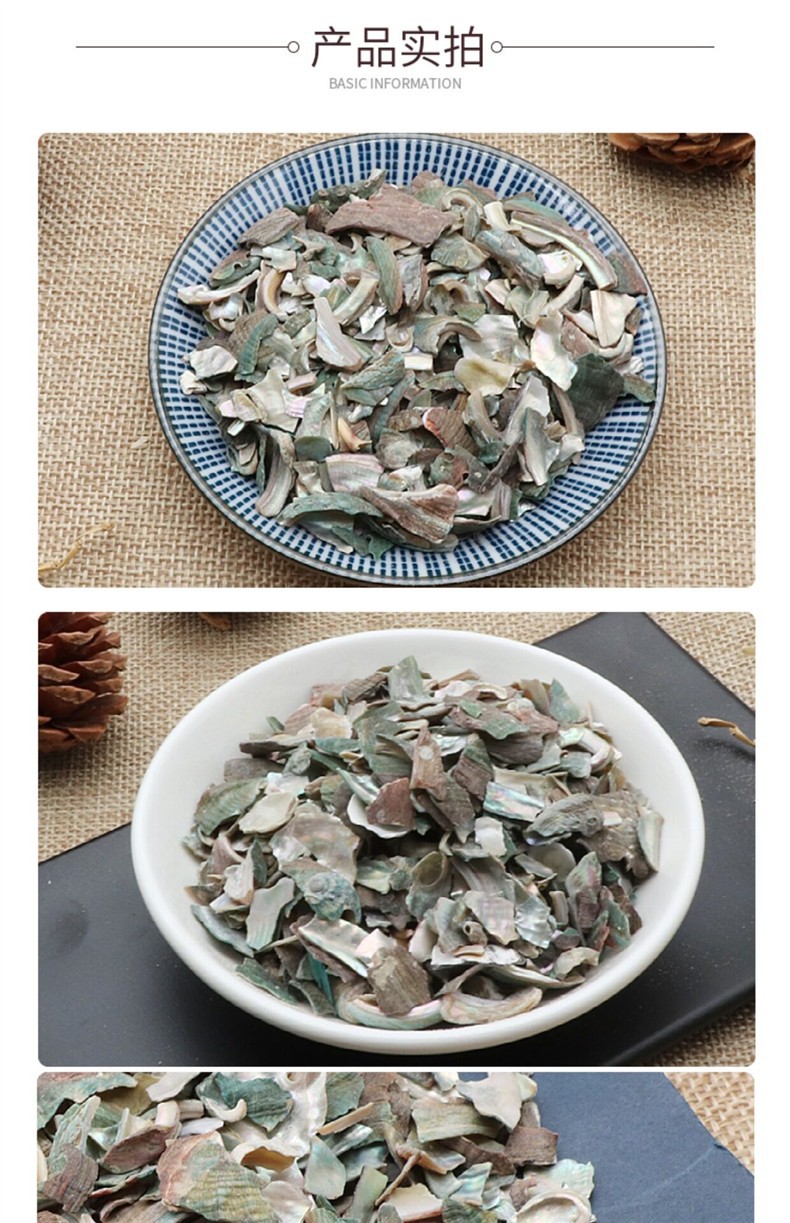
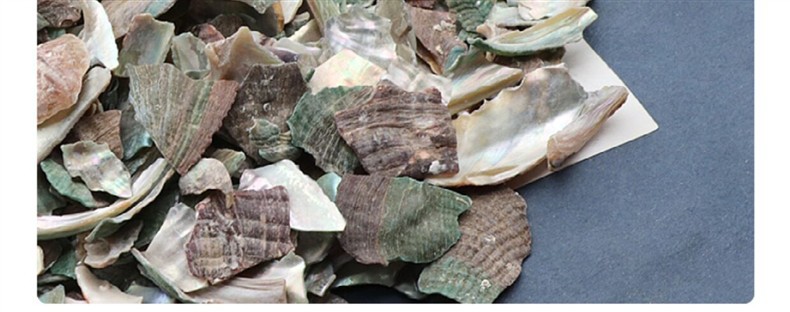
Typically pale grayish-white to off-white pieces with a hard, dense texture and slightly rough surface. The shell material has little to no aroma, and decoction liquid is typically neutral to mildly mineral in taste.
Technical Specifications
| Product Type | Raw TCM decoction herb |
|---|---|
| Chinese Name | 石决明 |
| Pinyin | Shi Jue Ming |
| Botanical Name | Haliotis diversicolor |
| Plant Part | Shell |
| Net Weight | 500 g |
Usage Scenarios
- Long-simmered herbal decoctions
- Traditional TCM formula preparation
- Combined with other herbs in soup-style decoction
- Herbal practice and apothecary use
Traditional Uses
In TCM practice, Shi Jue Ming is traditionally associated with clearing liver heat and calming the liver yang, and it is traditionally used in formulas for eye-related and liver-yang patterns. It is typically decocted first or simmered longer than leafy herbs, often paired with herbs such as Jue Ming Zi or Gou Teng in classical decoctions.
FAQ Q&A
Q: What is this product?
A: It is dried abalone shell slices known in TCM as Shi Jue Ming, supplied as raw decoction material.
Q: What is its traditional value?
A: In TCM theory it is salty and cold and traditionally associated with the liver channel, used in classical formulas for liver heat and liver yang patterns.
Q: How is it commonly prepared?
A: It is typically broken or sliced and simmered in a decoction for an extended time, often before adding other herbs.
Additional information
| Weight | N/A |
|---|---|
| Dimensions | N/A |
| Packaging specifications | Cassia 100g, Cassia 500g, Cassia powder 100g, Cassia powder 500g, Forged cassia 100g, Forged cassia 500g |
Related products
-
Dried Angelica Sinensis Slices Dang Gui 当归 500g Gansu Raw Herb for Decoction Soup and Tea
Price range: $16.44 through $35.88 -
Astragalus Root Slices Huang Qi 500g Dried Herb for Soups and Teas
Price range: $7.36 through $22.11 -
Dried Dodder Seed Tu Si Zi Whole Herb 500g Bulk Chinese Herbal Ingredient
Price range: $7.04 through $7.52 -
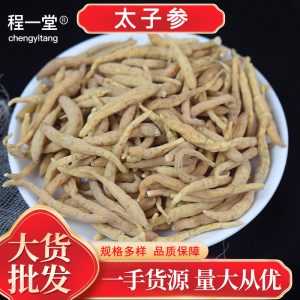
Taizishen Dried Pseudostellaria Root TCM Herbal Tea and Soup Ingredient 500g Bulk Pack
Price range: $10.28 through $15.63
Reviews
There are no reviews yet.