
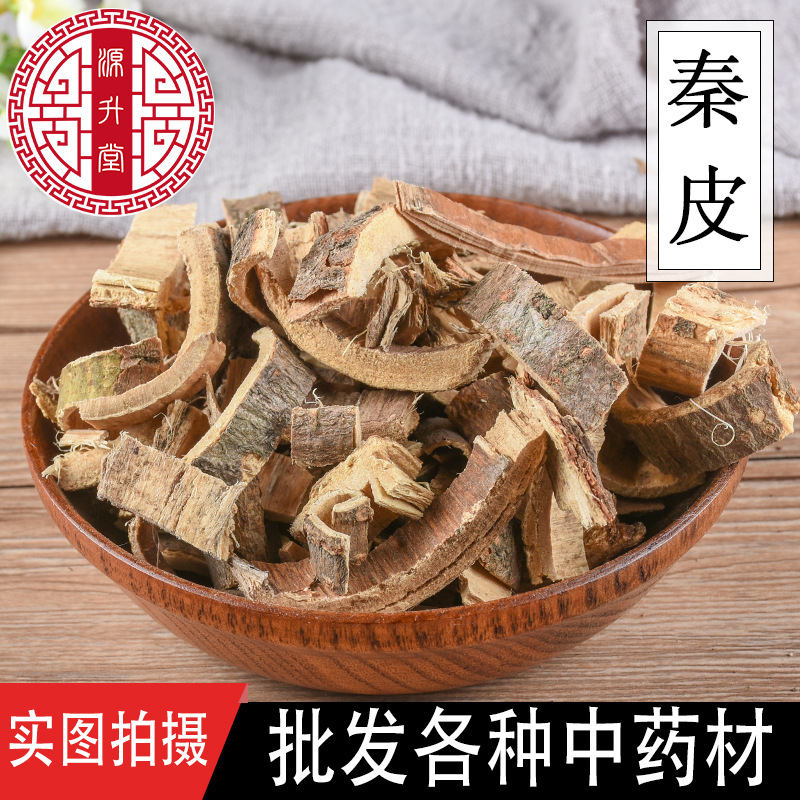
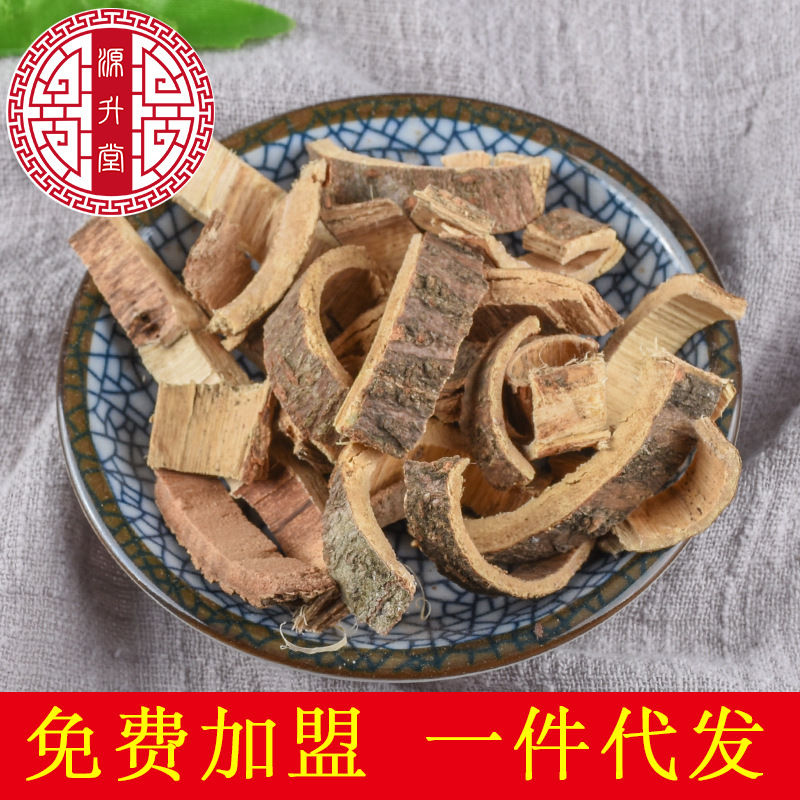
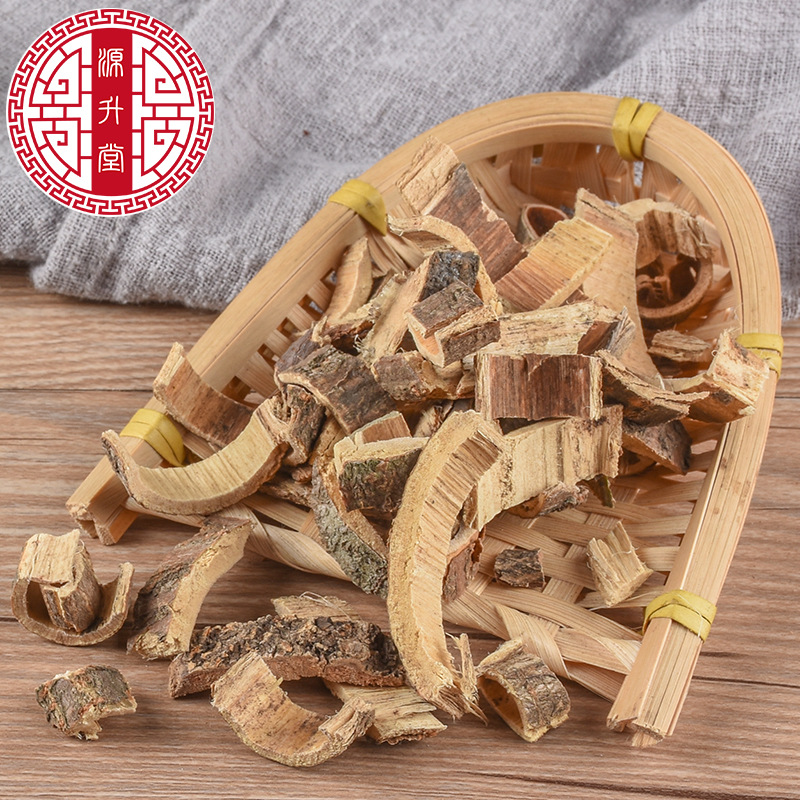
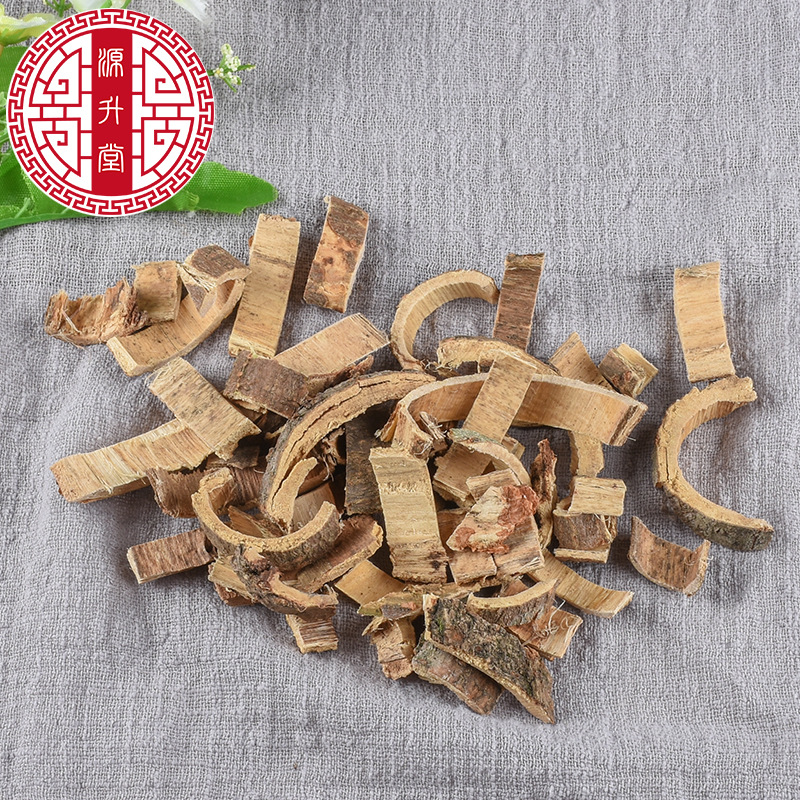
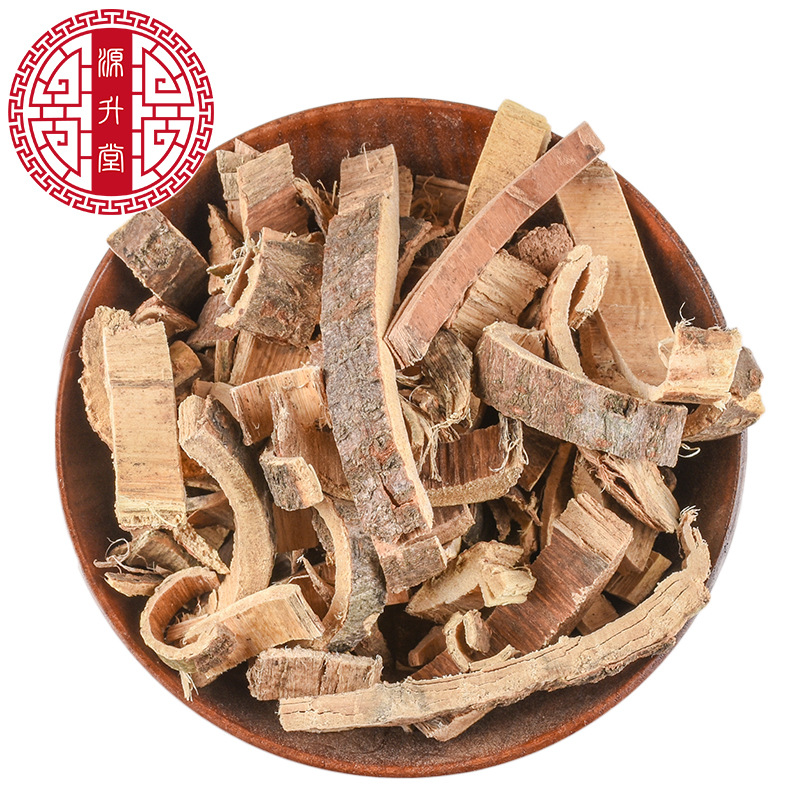
Qin Pi (Fraxinus rhynchophylla) — Dried Food-Herb Bark, 500g Bulk Pack
$4.77
99999630 in stock
Description
Qin Pi (Fraxinus rhynchophylla) is the dried bark of a traditional food herb known in Traditional Chinese Medicine (TCM) as Qín Pí (秦皮). Also called Ash Bark, Qin Pi has been prized for centuries as a bitter, cooling herb used to clear damp-heat, soothe the eyes, and support astringent, drying actions. Its nature is bitter, astringent, and cold, making it a focused yet traditional herb for harmonizing the Liver and Gallbladder channels.




Key Selling Points
- Traditional bitter-cooling food herb
- Dried Qin Pi bark, thick-cut quality
- Fraxinus rhynchophylla
- Sourced from Shaanxi origin
- 500g bulk pack for daily decoction

Quality & Sensory
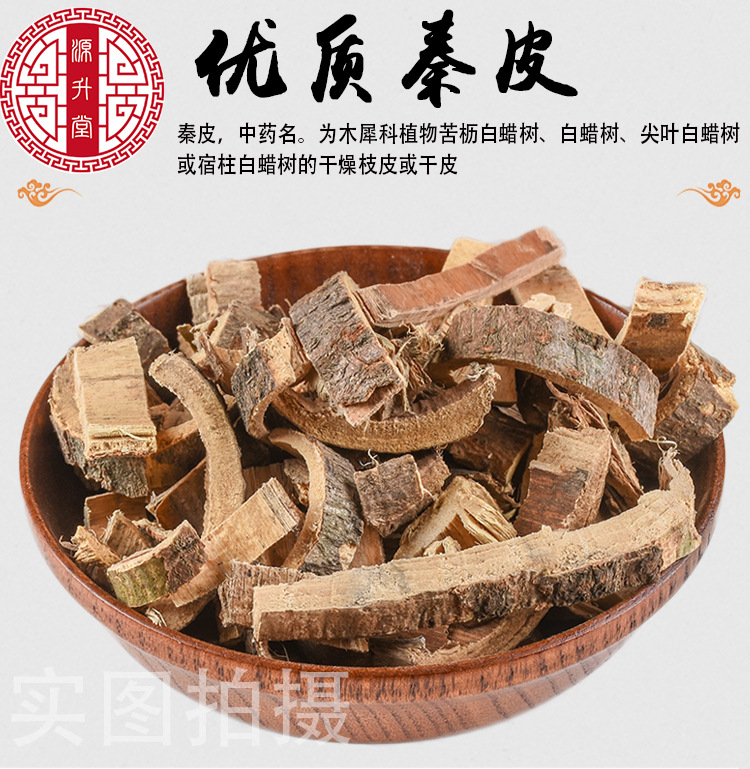
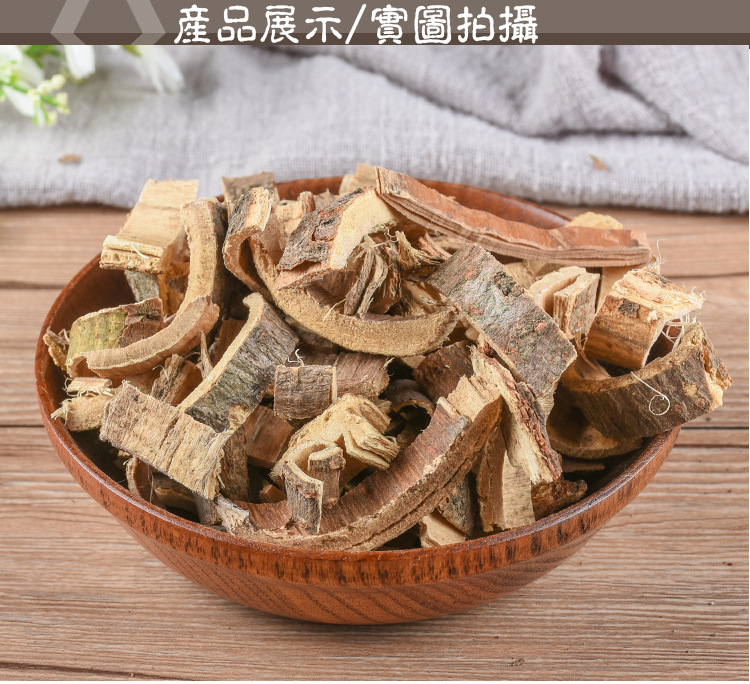
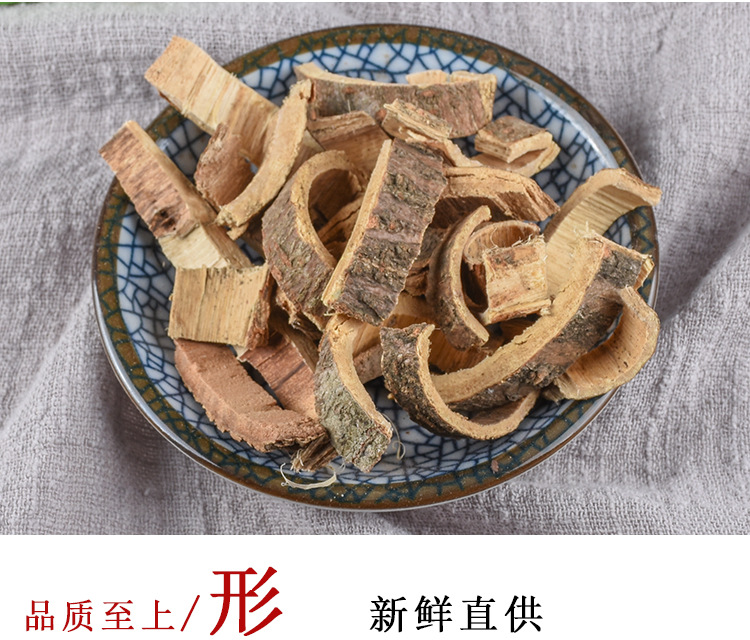
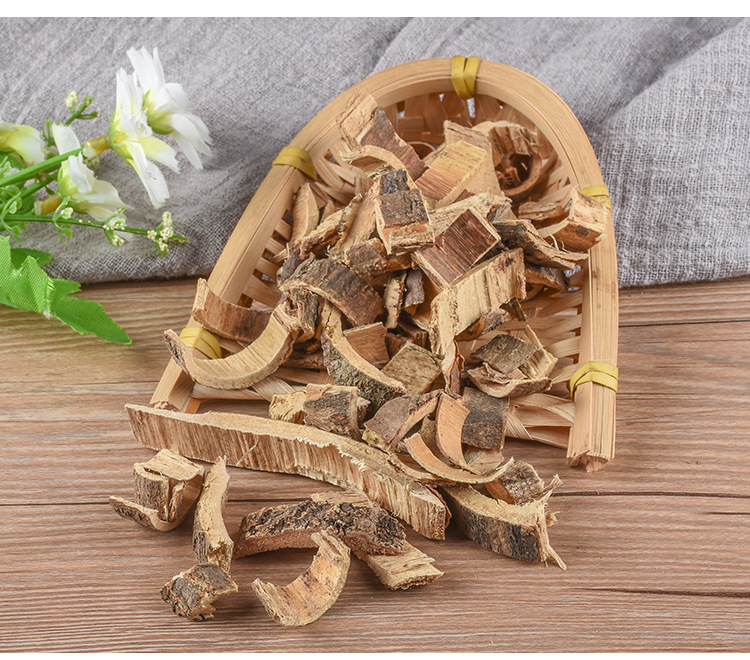
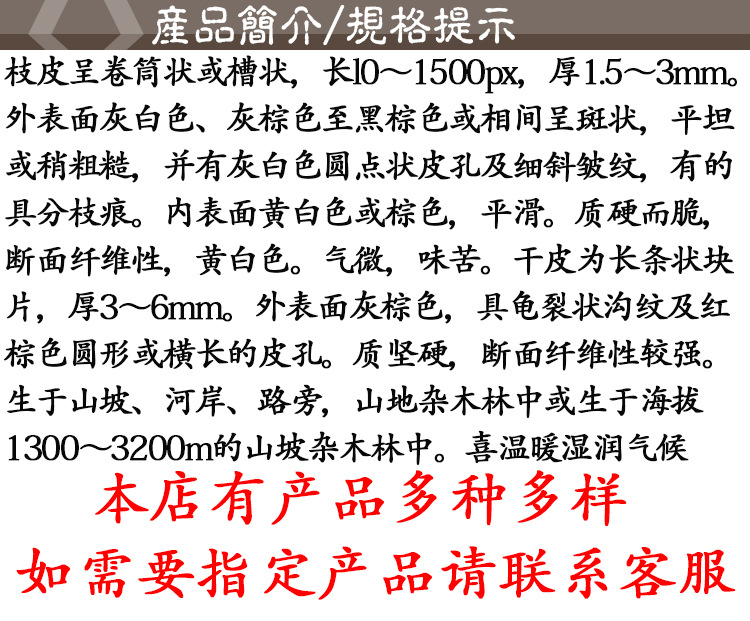
Each batch is carefully dried to preserve its grayish-brown outer surface, layered texture, and mild woody aroma. When decocted, the bark yields a deep amber infusion with a distinctly bitter, astringent taste and a clean, dry finish, characteristic of a well-aged, thick-cut Qin Pi.

Technical Specifications
| Product Type | Dried Herb Bark |
|---|---|
| Common Name | Qin Pi |
| Botanical Name | Fraxinus rhynchophylla |
| Form | Dried Bark Pieces |
| Origin | Shaanxi, China |
| Net Weight | 500g |

Usage Scenarios
- Traditional herbal decoction
- Herbal tea blends
- Medicinal food soup packs
- Seasonal damp-heat nourishment
- Bulk herbal pantry staple


Traditional Uses
In folk herbal practice, Qin Pi is decocted into soups and teas to support the body during damp, humid seasons. It is a common ingredient in traditional formulas where it pairs with ingredients like Phellodendron, Gentiana, and Plantago seed. As a daily tea, it is brewed alone or blended with other cooling herbs for a bitter, astringent infusion.


FAQ Q&A
Q: What is Qin Pi?
A: Qin Pi is the common Chinese name for dried bark of Fraxinus rhynchophylla, also called Ash Bark. It is a traditional food herb used in decoctions and teas.
Q: What is the traditional wellness value of Qin Pi?
A: In traditional Chinese food wellness culture, Qin Pi is associated with clearing damp-heat, soothing the eyes, and supporting astringent, drying actions. It is often used in decoctions for daily seasonal nourishment.
Q: How do I use dried Qin Pi bark?
A: Rinse the bark pieces and simmer them in water as part of a decoction, or brew them in hot water as part of a tea blend. Adjust the quantity to your recipe and taste preference.



Additional information
| Weight | 1 kg |
|---|---|
| Dimensions | 25 × 18 × 8 cm |
Related products
-
Huai Shan Yao Dried Slices (Dioscorea opposita) — Iron Stick Yam from Jiaozuo, Henan
Price range: $4.61 through $9.14 -
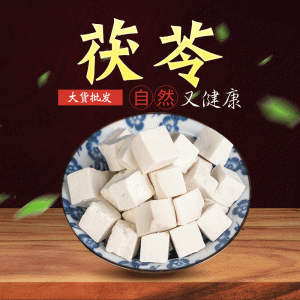
Fu Ling Blocks (Poria cocos) — Sulfur-Free Yuexi White Poria Diced Cubes, 500g
Price range: $5.58 through $6.88 -
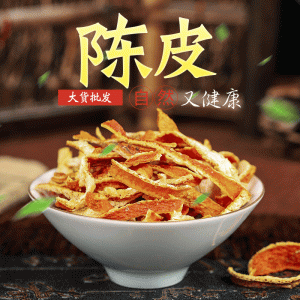
Chen Pi Shreds (Citrus reticulata) — Aged Dried Tangerine Peel, Unsulfured, 500g
$4.93 -
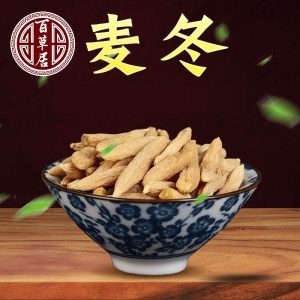
Mai Dong (Ophiopogon japonicus) Dried Root — Unsulfured Food Herb for Tea & Soup
Price range: $5.58 through $14.00
Reviews
There are no reviews yet.