
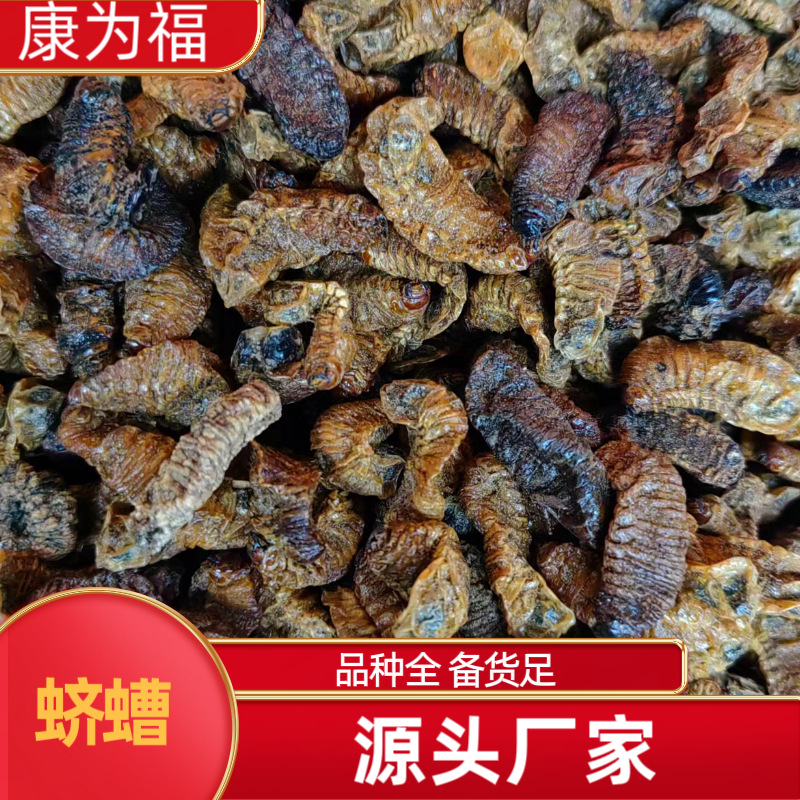
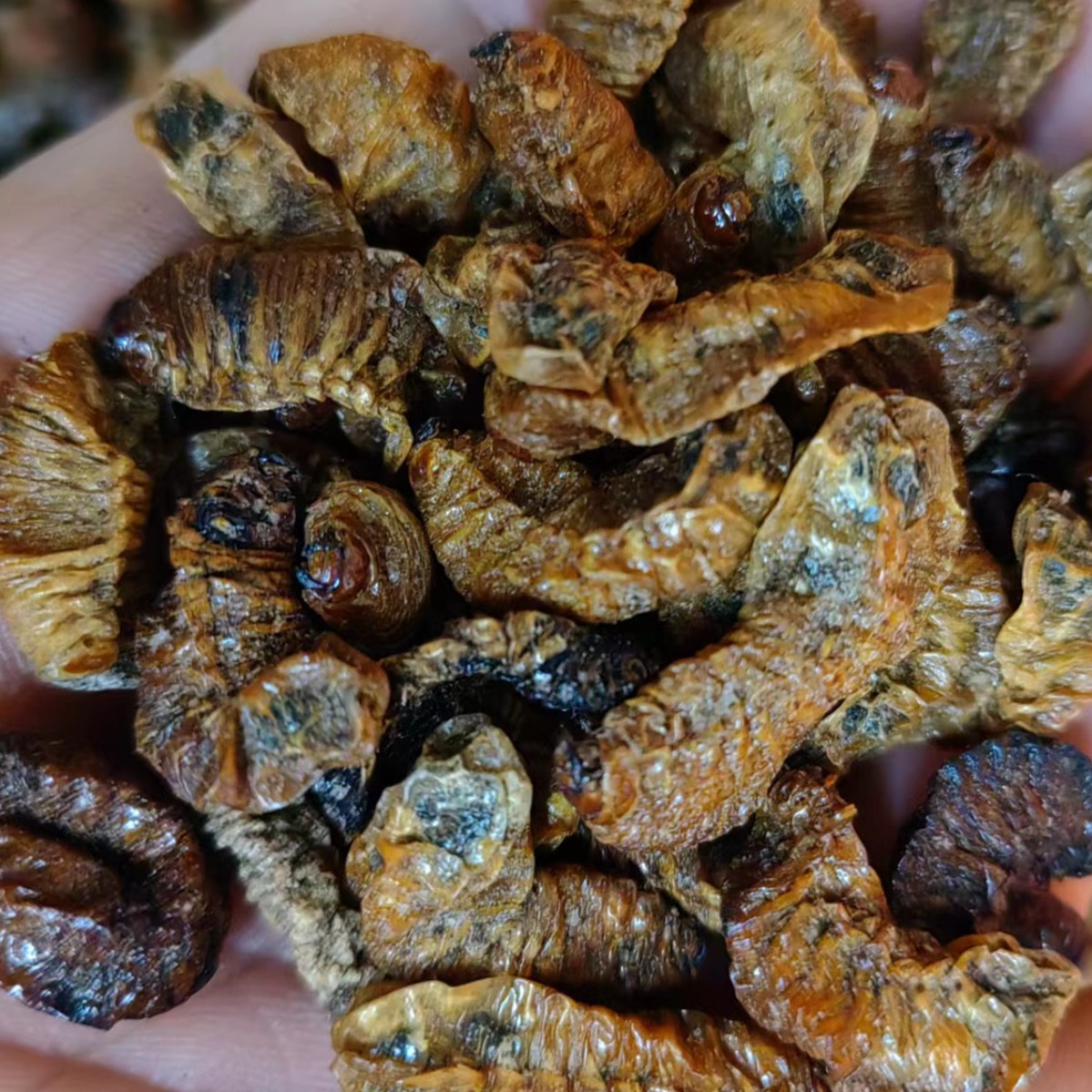
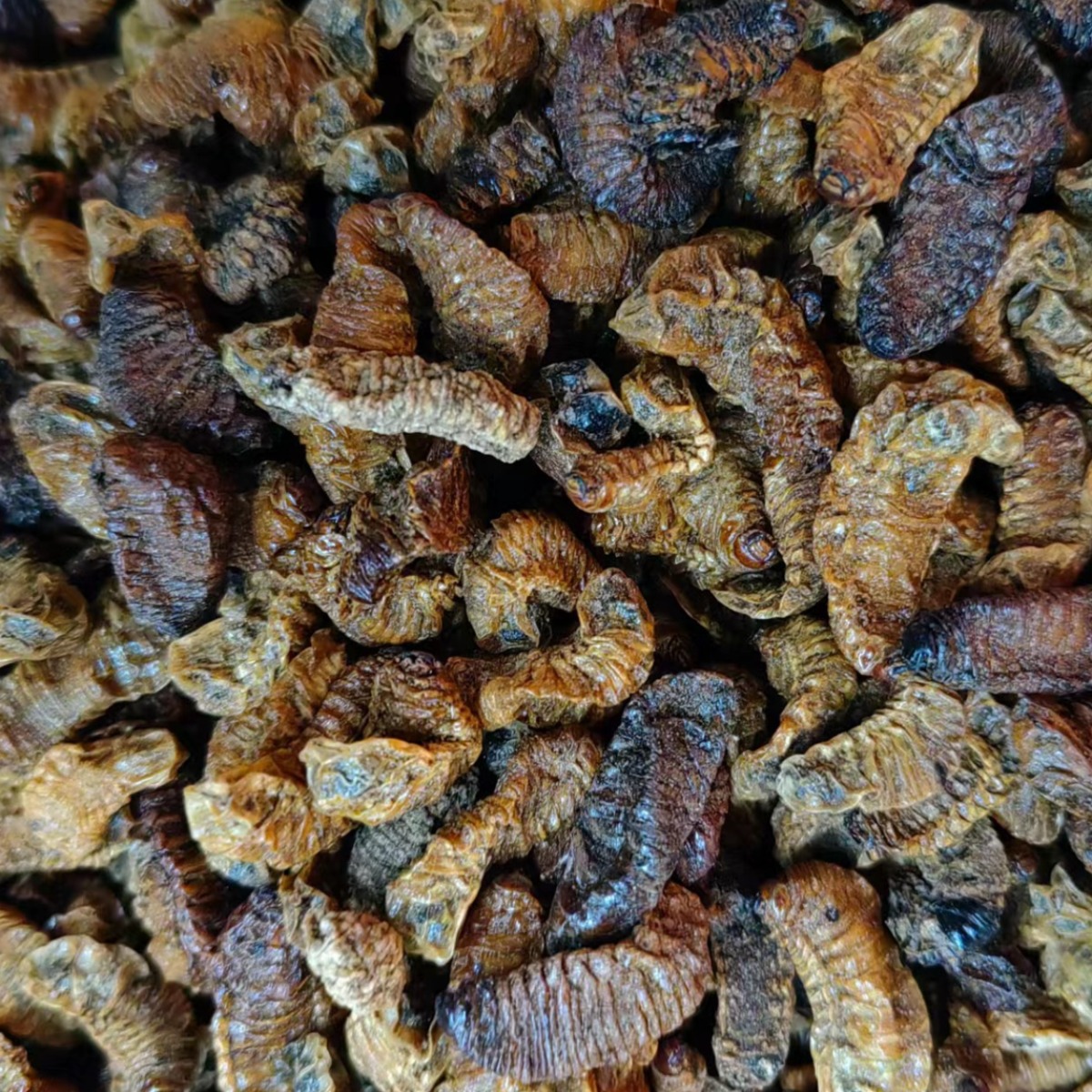
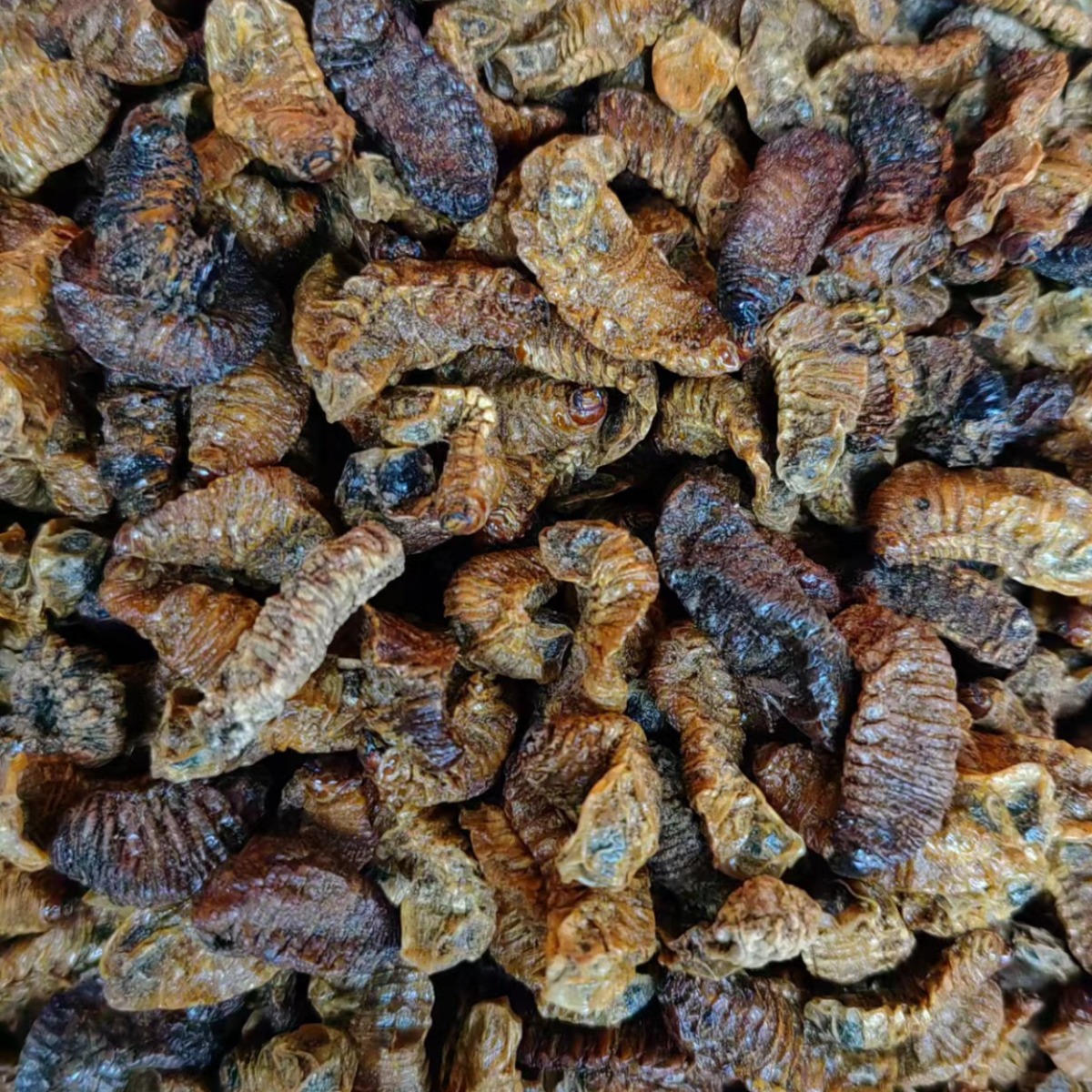
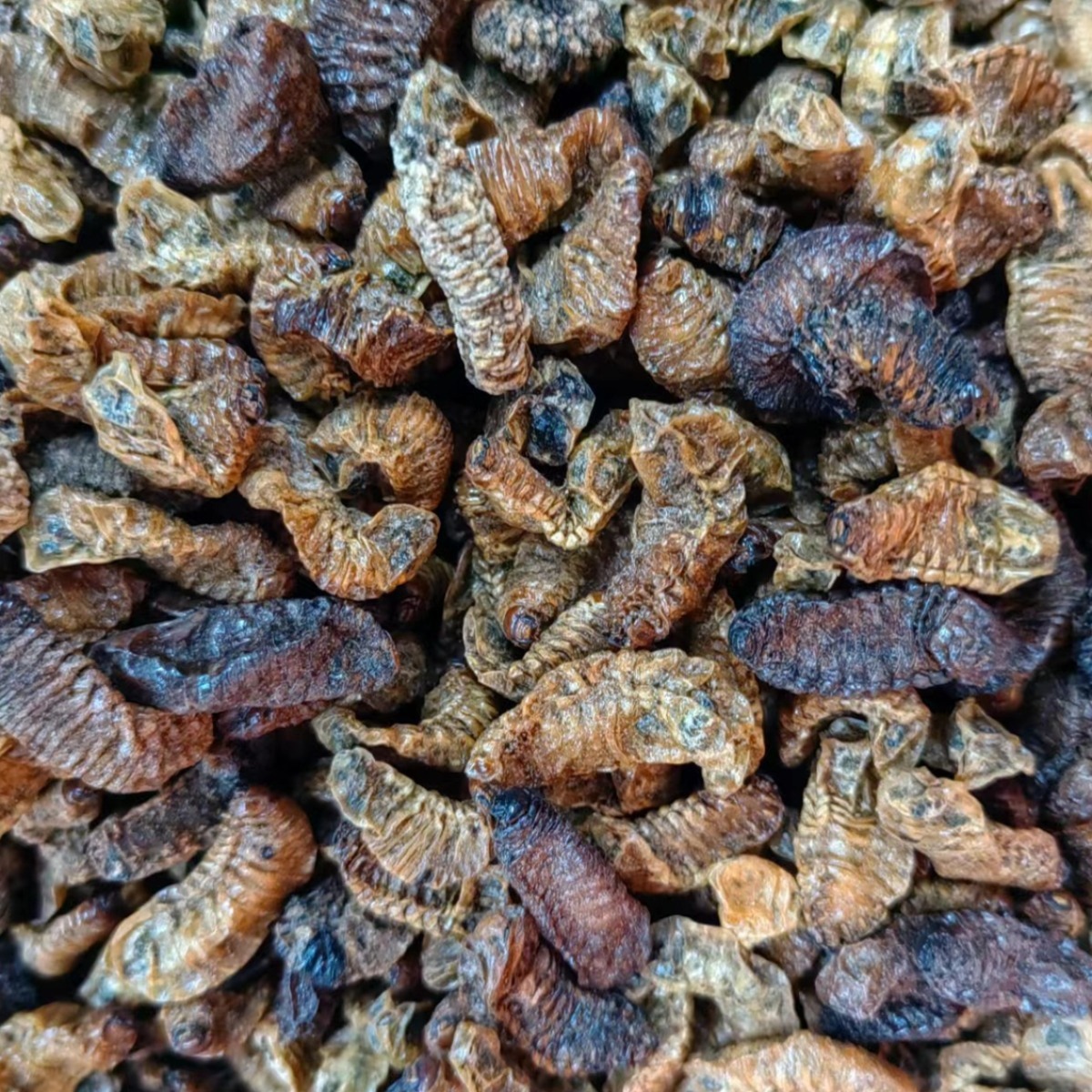
Qi Cao (Holotrichia diomphalia Larva) — Dried Insect Herb, 500g
Price range: $12.04 through $13.02
Description
Qi Cao (蛴螬), also known as Di Can, Bai Tu Can, Lao Mu Chong, or He Tao Chong, is the dried larva of the scarab beetle Holotrichia diomphalia, a traditional insect-based herb used in Chinese medicine. In TCM it is known as Qí Cáo (蛴螬) and has been prized as a blood-quickening, stasis-dispelling, and wind-extinguishing insect herb. Its nature is slightly warm and its flavor is salty, giving it a focused, penetrating character traditionally used to break stagnation and soothe the Liver.

Key Selling Points
- Traditional insect-based Chinese herb
- Dried Holotrichia diomphalia larva
- Known as Qi Cao, Di Can, Bai Tu Can
- 500g bulk food-herb grade
- Clean, dried, ready for decoction
Quality & Sensory
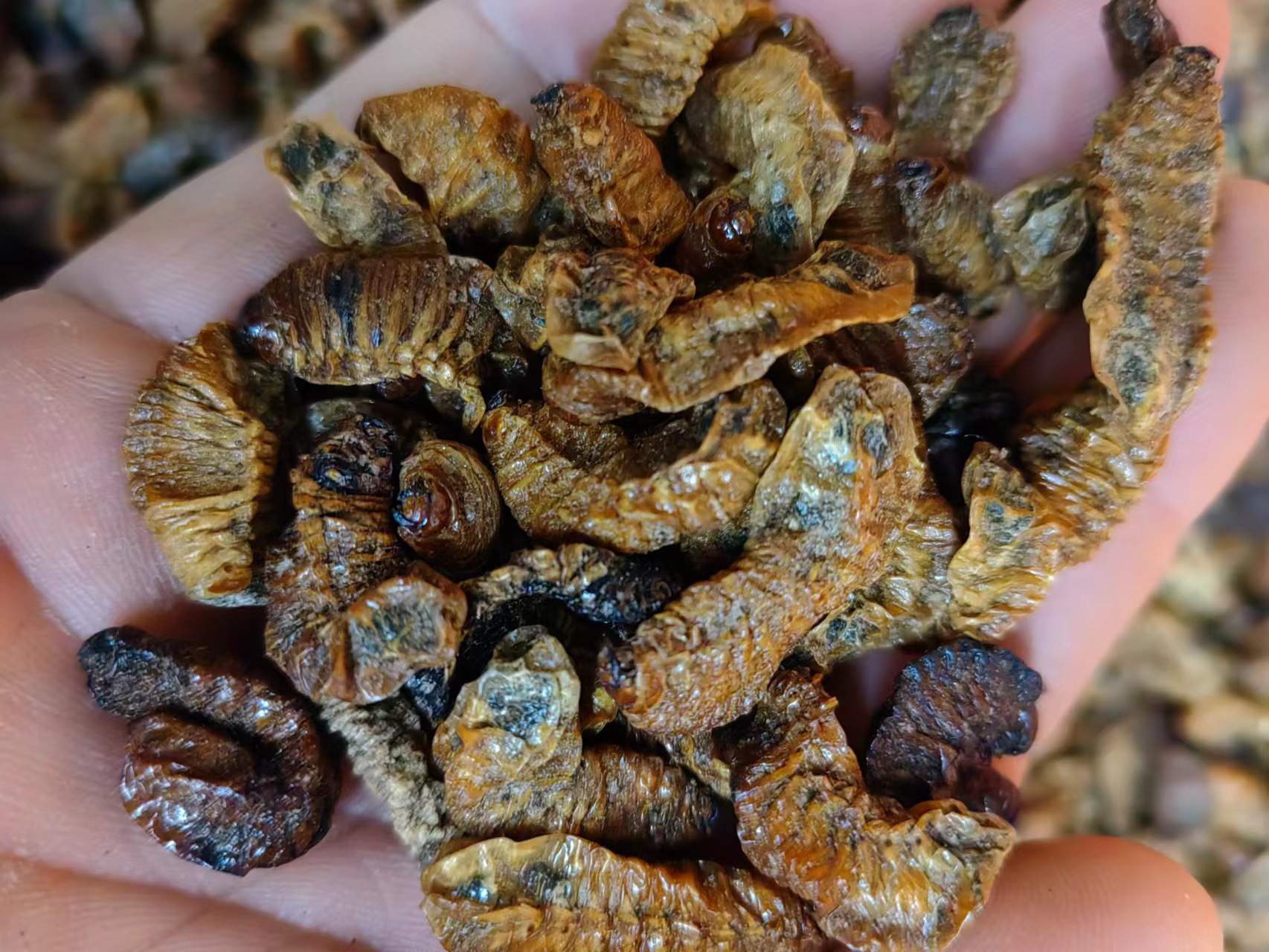
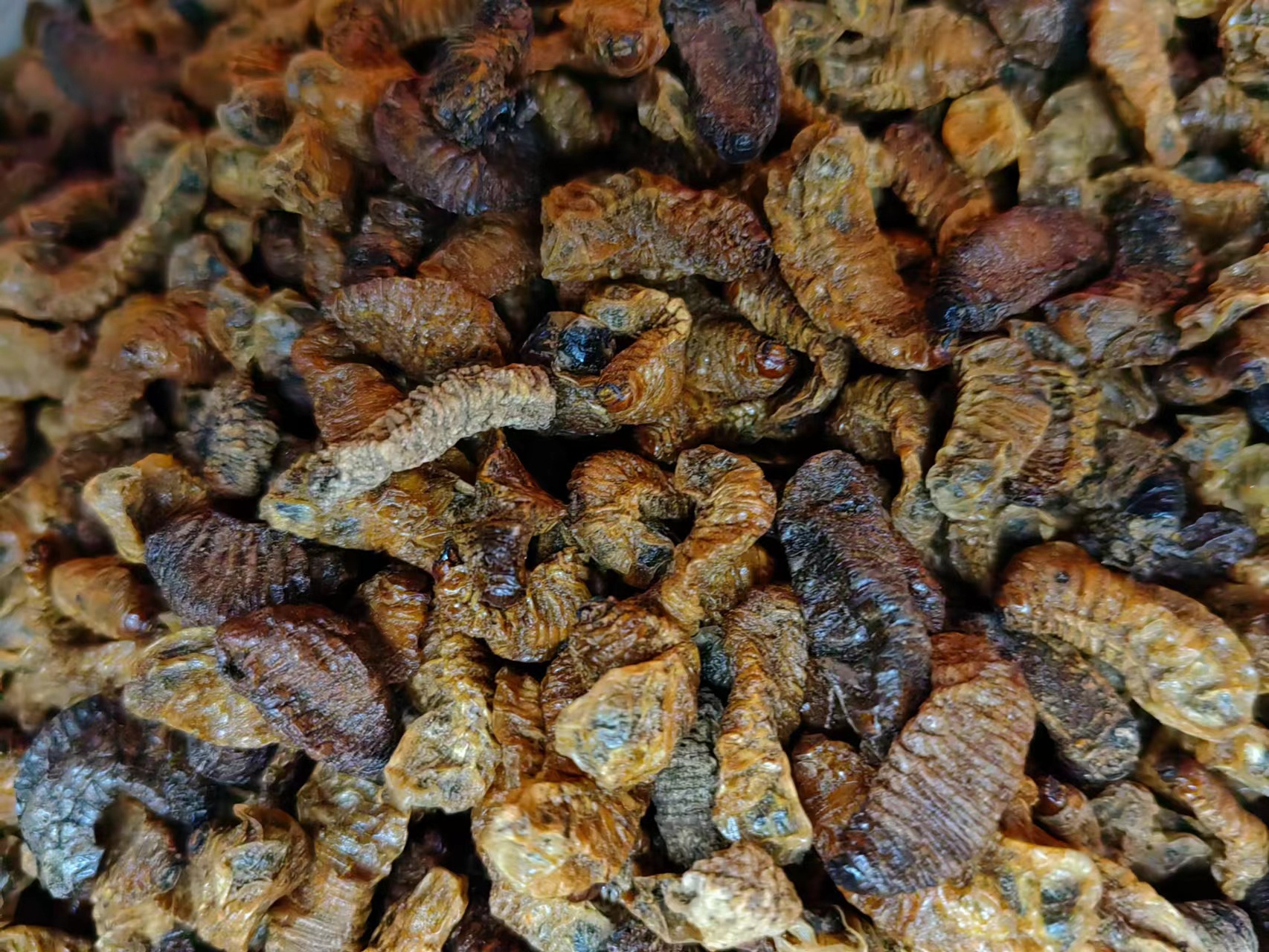
Each batch is carefully dried to preserve its pale yellowish-brown to tan color, firm segmented body, and mild earthy aroma. When decocted, it yields a subtly salty, earthy infusion with a faint insect note, typical of traditional insect herbs.
Technical Specifications
| Product Type | Dried Insect Herb |
|---|---|
| Common Name | Qi Cao |
| Botanical Name | Holotrichia diomphalia |
| Form | Dried Whole Larvae |
| Net Weight | 500 g |
| Processing | Dried Agricultural Product |
Usage Scenarios
- Traditional herbal decoction
- Herbal formula ingredient
- Medicinal soup packs
- TCM practitioner blends
- Bulk herb storage
Traditional Uses
In folk herbal practice, Qi Cao is decocted into soups and formulas to invigorate blood, dispel stasis, and calm internal wind. It is traditionally paired with herbs like Dang Gui, Chuan Xiong, and Bai Shao in blood-moving formulas, and with Tian Ma and Quan Xie in wind-calming preparations. As a daily decoction, it is simmered alone or blended into larger TCM prescriptions.
FAQ Q&A
Q: What is Qi Cao?
A: Qi Cao is the common Chinese name for the dried larva of Holotrichia diomphalia, also called Di Can, Bai Tu Can, Lao Mu Chong, or He Tao Chong. It is a traditional insect-based herb used in Chinese medicine.
Q: What is the traditional wellness value of Qi Cao?
A: In traditional Chinese medicine, Qi Cao is associated with invigorating blood, dispelling stasis, and calming internal wind. It is often used in formulas for blood stagnation and wind-related patterns.
Q: How do I use dried Qi Cao?
A: Rinse the dried larvae and simmer them in water as part of a decoction or herbal formula. Adjust the quantity according to your recipe or TCM practitioner's guidance.
Additional information
| Weight | N/A |
|---|---|
| Dimensions | N/A |
| Packaging specifications | 500g uniform packaging, 500g optional |
Related products
-
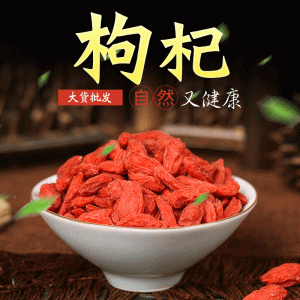
Goji Berries (Lycium barbarum) — Ningxia Zhongning Dried Red Goji, Sulfur-Free First Harvest
Price range: $7.52 through $8.66 -
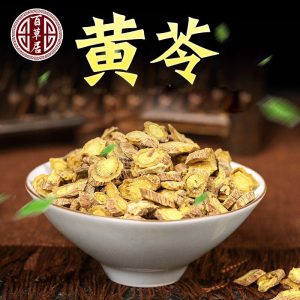
Huang Qin Slices (Scutellaria baicalensis) — Dried Chinese Skullcap Root, Unsulfured 500g
$6.23 -
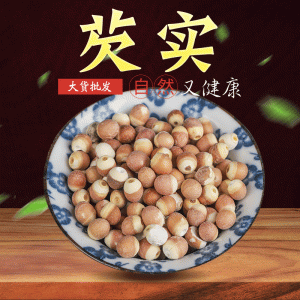
Qian Shi (Euryale ferox) — Dried Gorgon Nut Seeds, Zhaoqing Guangdong, 500g
Price range: $6.88 through $8.01 -
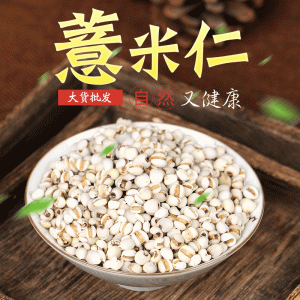
Yi Mi Ren (Coix Seed / Job’s Tears) — Guizhou Roasted Coix lacryma-jobi for Soup & Tea
Price range: $4.61 through $4.77
Reviews
There are no reviews yet.