
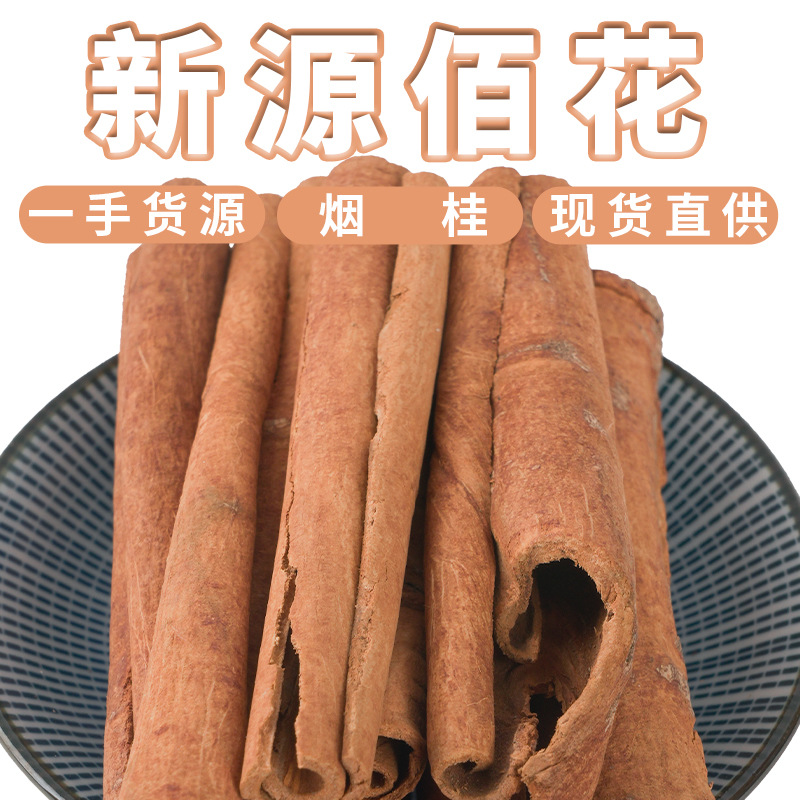
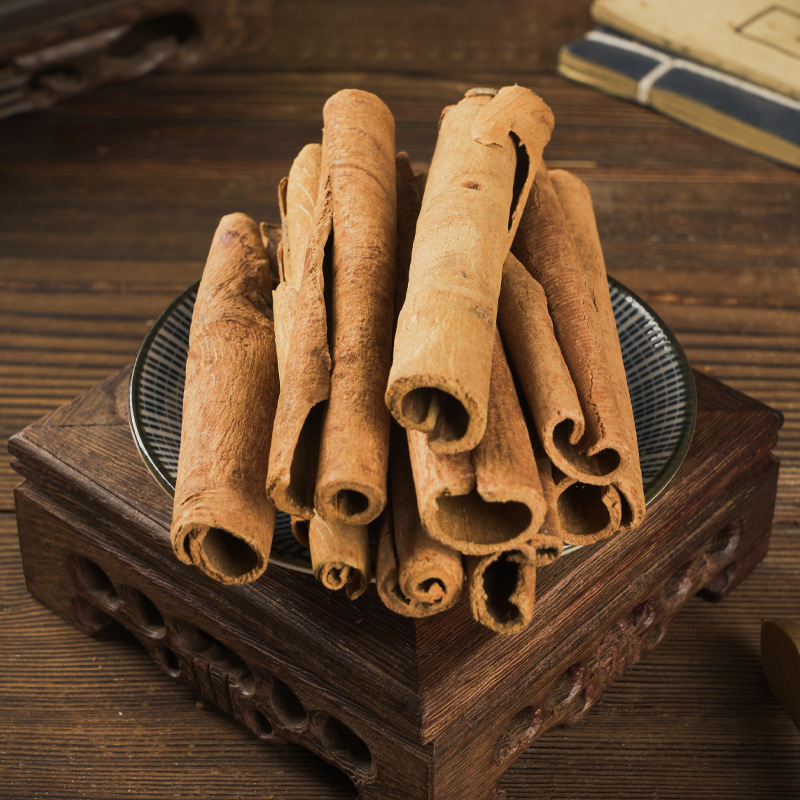
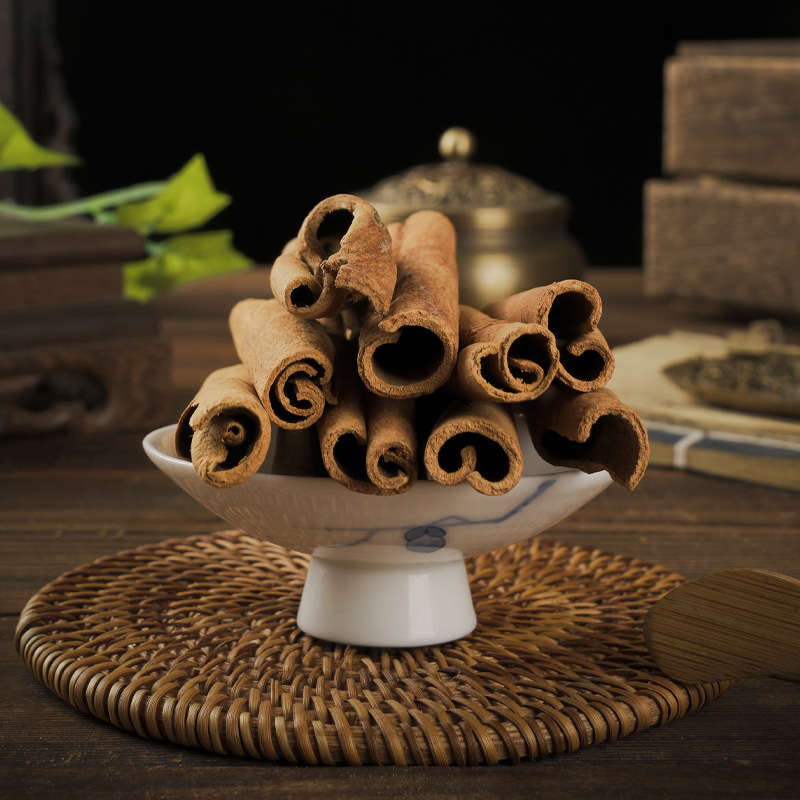
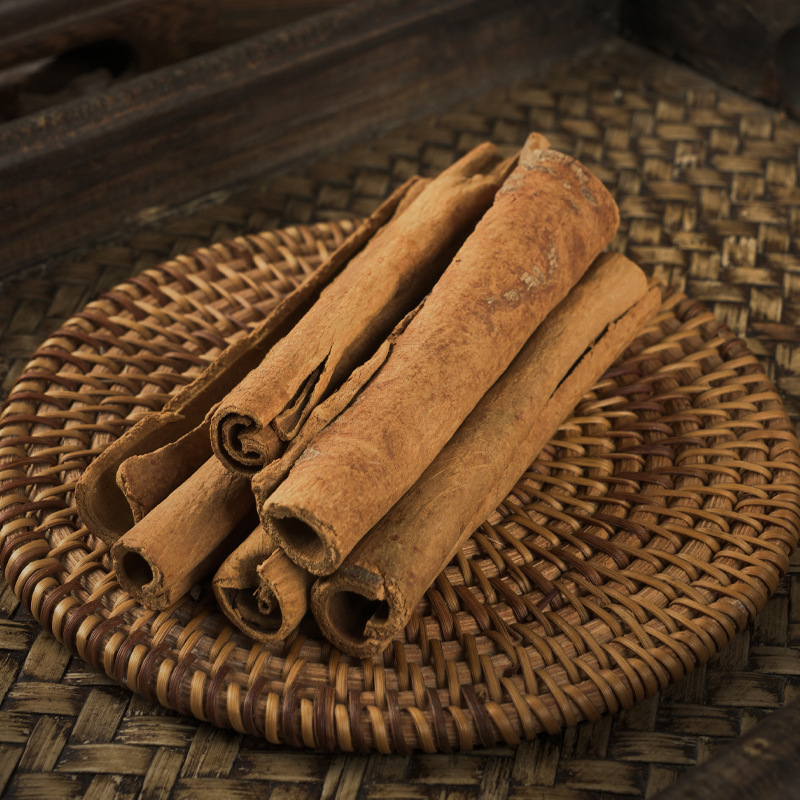
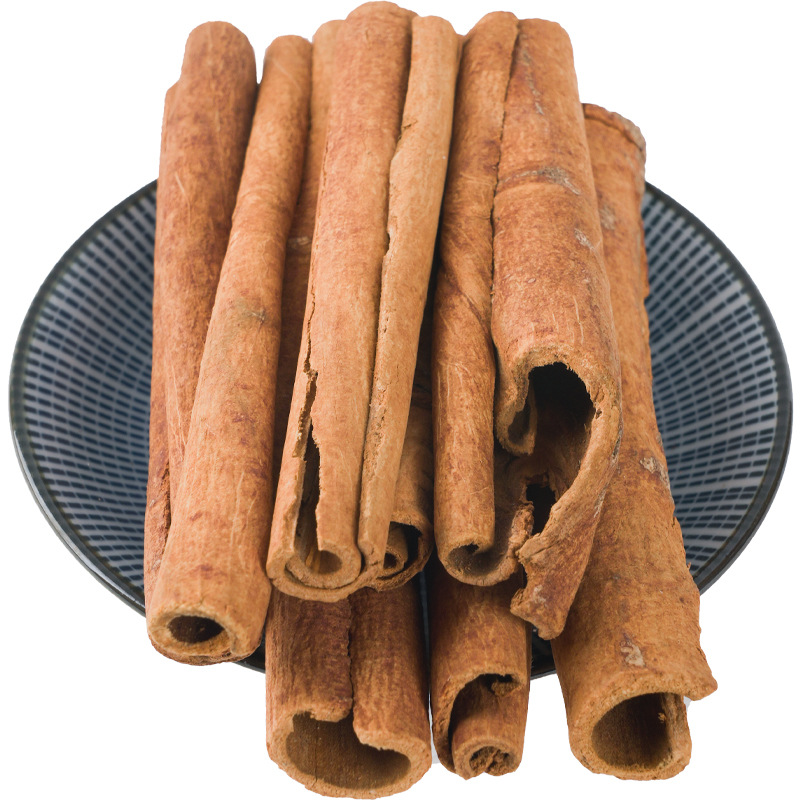
Peeled Yan Gui Cinnamon Bark Guangxi Old Tree Cassia Bark Spice Dried 500g
Price range: $5.40 through $9.05
Description
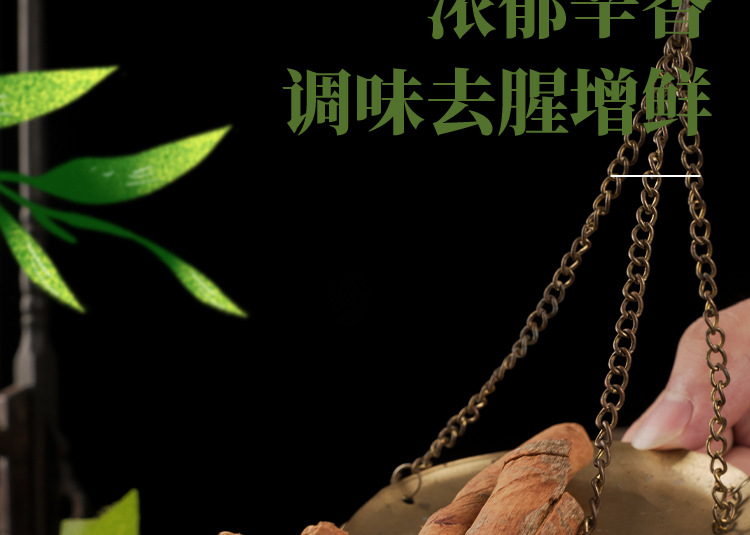
Peeled Yan Gui Cinnamon Bark, known in TCM as Rou Gui (肉桂), from Cinnamomum cassia, is the peeled inner bark of old Guangxi trees. In TCM theory it is considered acrid, sweet, and hot, entering the kidney, spleen, heart, and liver channels. Traditionally associated with warming the interior and supporting yang, it is a common culinary and decoction herb. Store refrigerated and use in small amounts.

Key Selling Points
- Peeled inner bark of old Guangxi cassia trees
- Known in TCM as Rou Gui (肉桂) with warming properties
- A+ grade dried spice with 12-month shelf life
- Sold as 50g bags within a 500g bulk pack
- Dual use as culinary spice and traditional decoction herb

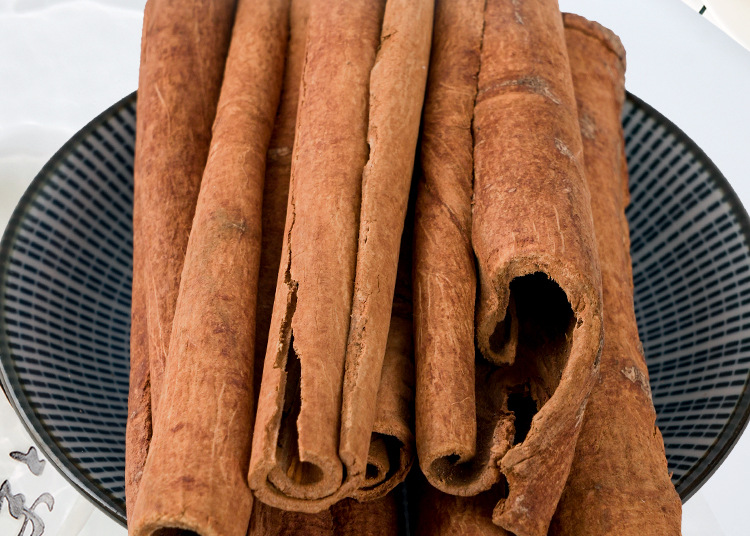
Quality & Sensory
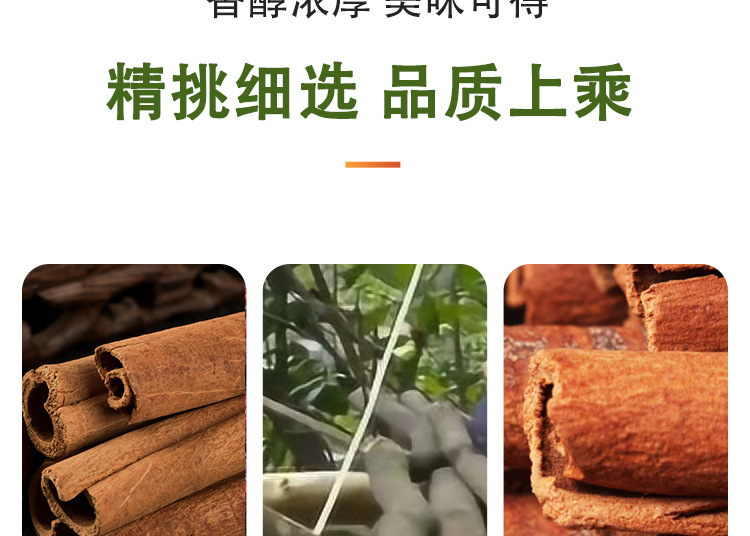
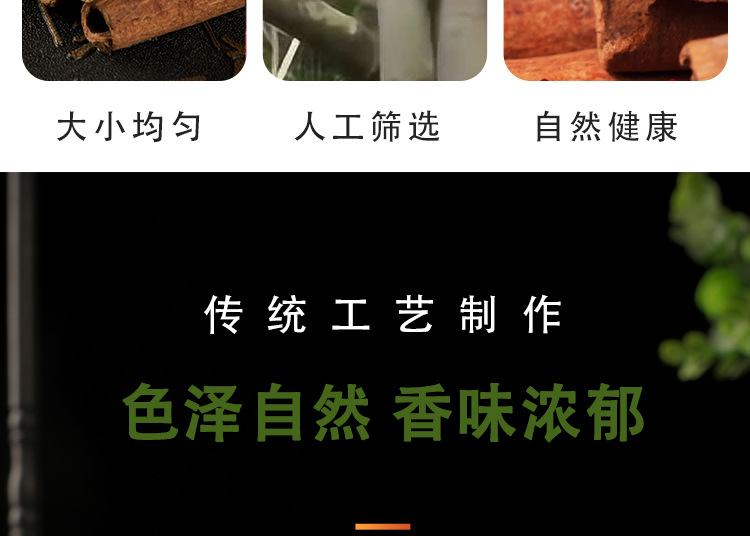
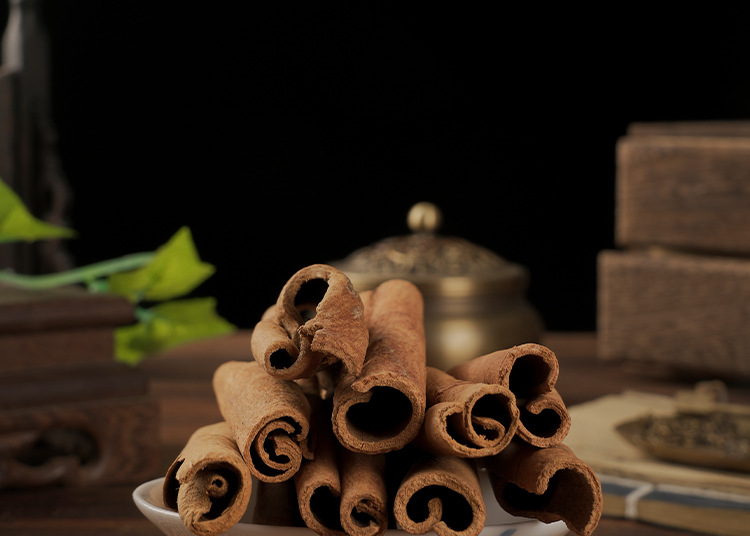
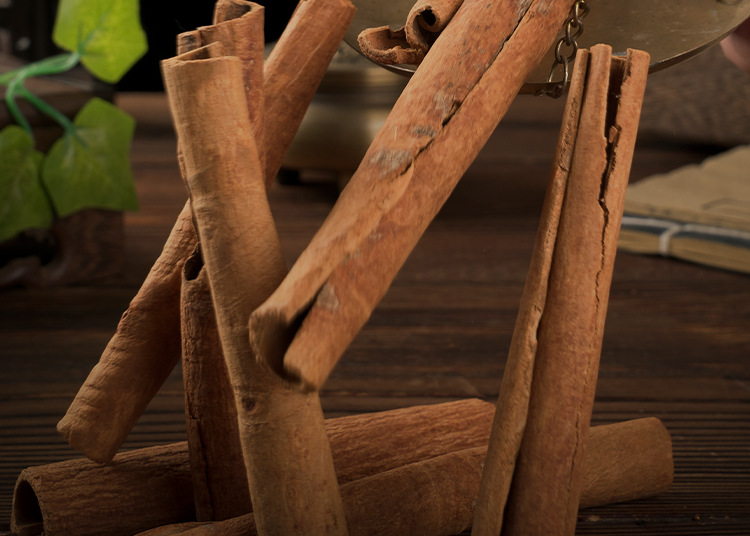
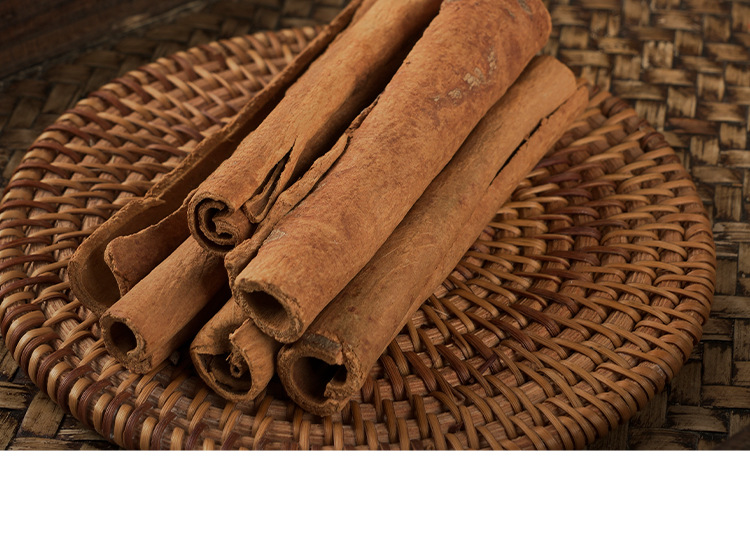
The bark is typically reddish-brown to dark brown with a rough, dry texture and a strong sweet-spicy aroma. When decocted or simmered it yields a warm, pungent, slightly sweet taste. Color and thickness may vary slightly between batches.
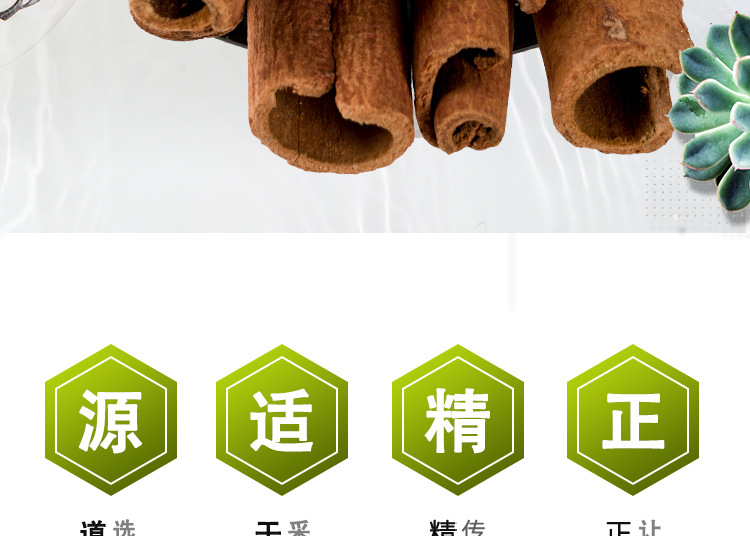
Technical Specifications
| Product Type | Dried peeled cinnamon bark |
|---|---|
| Chinese Name | 肉桂 |
| Pinyin | Rou Gui |
| Botanical Name | Cinnamomum cassia |
| Plant Part | Inner bark |
| Net Weight | 500g |


Usage Scenarios
- Added to soups and braised dishes as a warming spice
- Simmered in traditional decoctions with other herbs
- Used in congee or seasonal food preparations
- Brewed as a simple warming tea in small amounts
Traditional Uses
In TCM theory Rou Gui is traditionally used to warm the interior, support yang, and dispel cold. It is commonly paired with herbs such as Dang Gui or Fu Zi in classic decoctions. In folk practice it is added to soups, congee, and warming teas, especially during cold seasons. It is also a familiar culinary spice in Chinese cooking.
FAQ Q&A
Q: What is this product?
A: It is peeled dried inner bark of Cinnamomum cassia, known in TCM as Rou Gui (肉桂), sold in 50g bags within a 500g bulk pack.
Q: What are its traditional characteristics?
A: In TCM theory it is considered acrid, sweet, and hot, entering the kidney, spleen, heart, and liver channels, and is traditionally associated with warming the interior and supporting yang.
Q: How is it commonly used?
A: It is typically added in small amounts to soups, braised dishes, congee, or traditional decoctions, and can also be brewed as a warming tea.


Additional information
| Weight | N/A |
|---|---|
| Dimensions | N/A |
| Model | 桂皮500克, 桂皮50g 袋 |
Related products
-
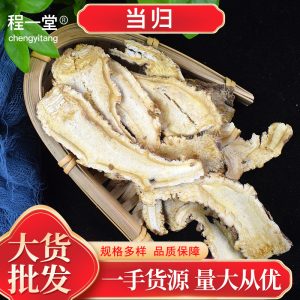
Dried Angelica Sinensis Slices Dang Gui 当归 500g Gansu Raw Herb for Decoction Soup and Tea
Price range: $16.44 through $35.88 -
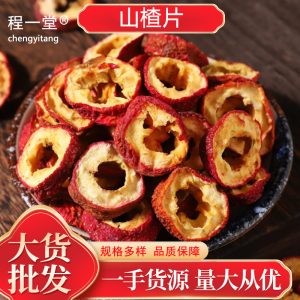
Dried Hawthorn Slices Shan Zha 500g Seedless Hollow Rings Freeze Dried Hawthorn for Tea and Culinary Use
Price range: $4.44 through $7.04 -
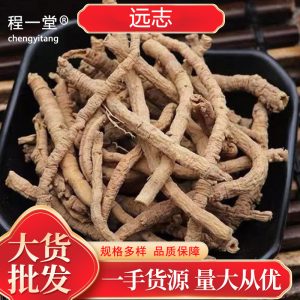
Dried Polygala Root Yuan Zhi 500g Traditional Chinese Herb for Decoction
Price range: $18.87 through $24.54 -

Dried Raspberry Fruit Fu Pen Zi Whole Berries for Herbal Tea and Wine Infusion 500g
Price range: $15.63 through $18.06
Reviews
There are no reviews yet.