
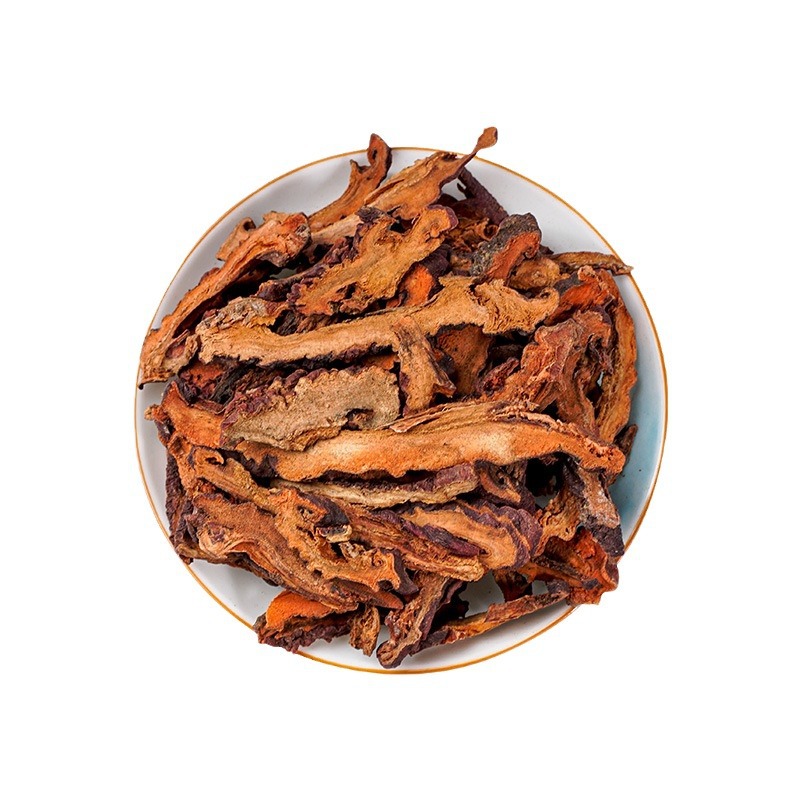
Mu Gua Slices (Chaenomeles speciosa) — Dried Chinese Quince Food Herb for Tea & Soup
Price range: $4.61 through $6.23
Description
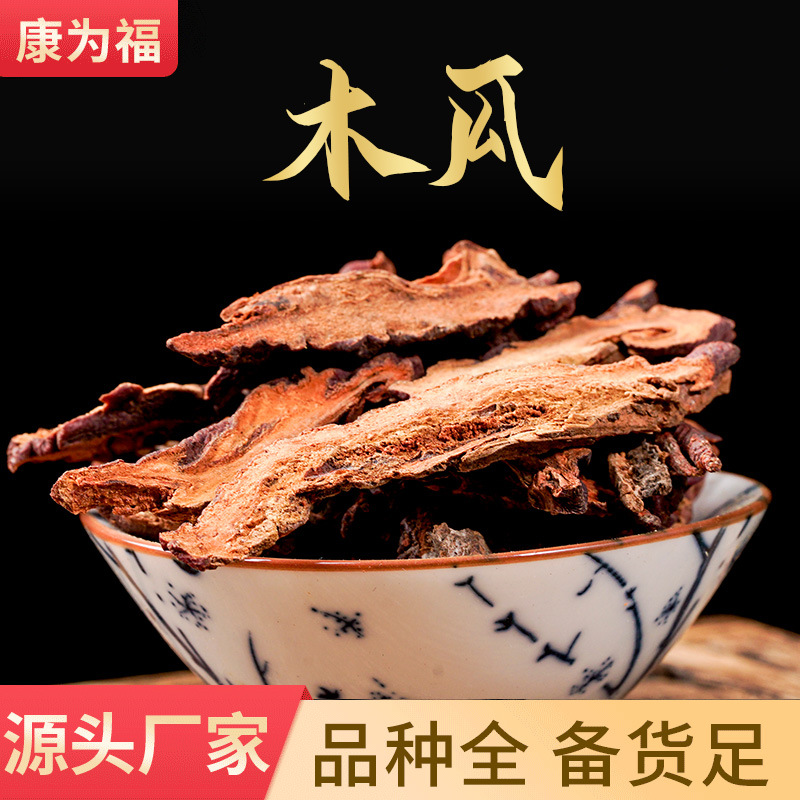
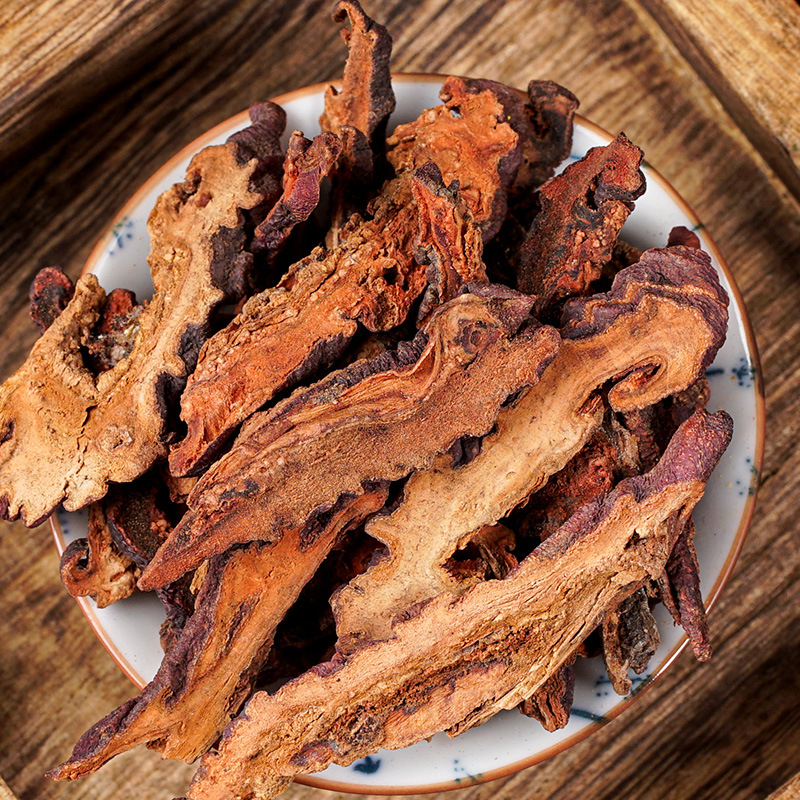
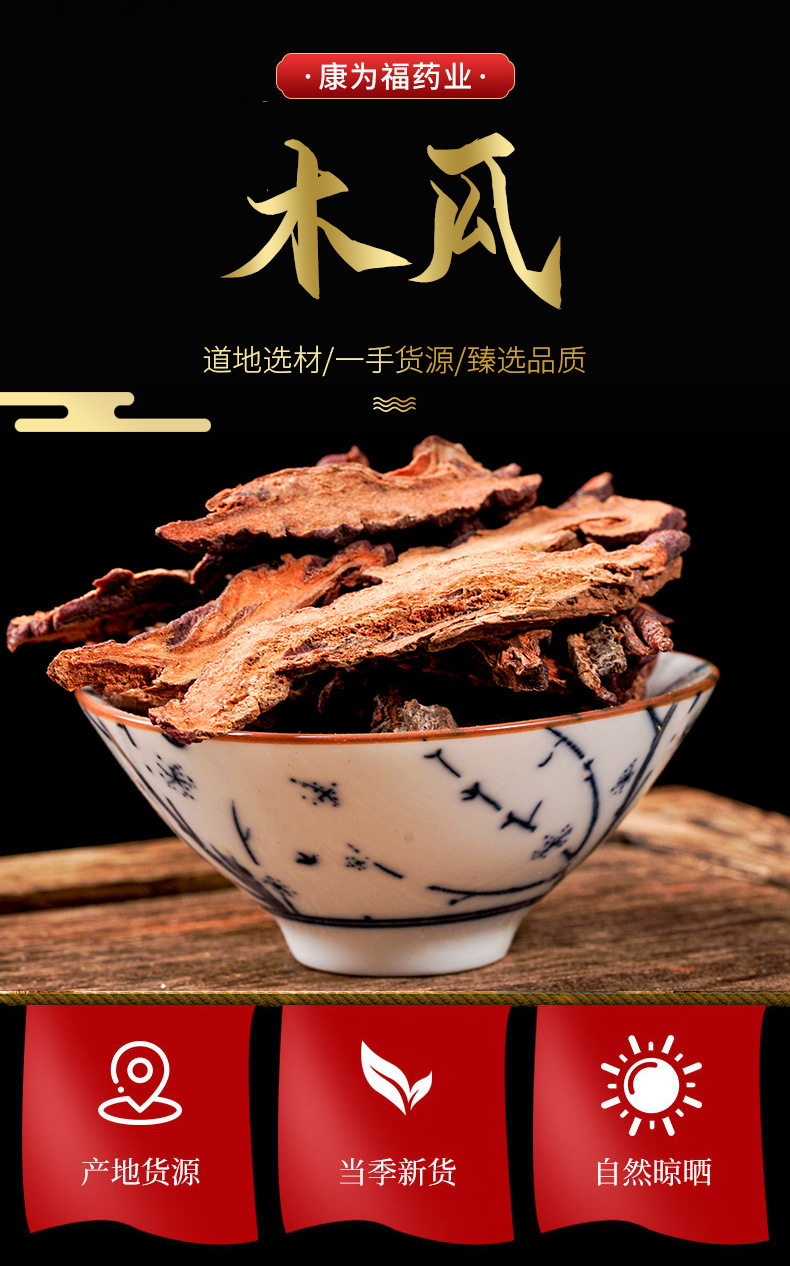
Mu Gua Slices (Chaenomeles speciosa) are the dried fruit slices of a traditional food herb known in Traditional Chinese Medicine (TCM) as Mù Guā (木瓜). Also called Chinese Quince, Mu Gua has been prized for centuries as a sour, warming herb used to relax the sinews, harmonize the stomach, and transform dampness. Its nature is sour and warm, making it a gentle yet effective herb for soothing the body and supporting comfortable movement.


Key Selling Points
- Traditional food herb for sinew and stomach support
- Dried Mu Gua fruit slices
- Chaenomeles speciosa
- Suitable for tea, soup, and decoction
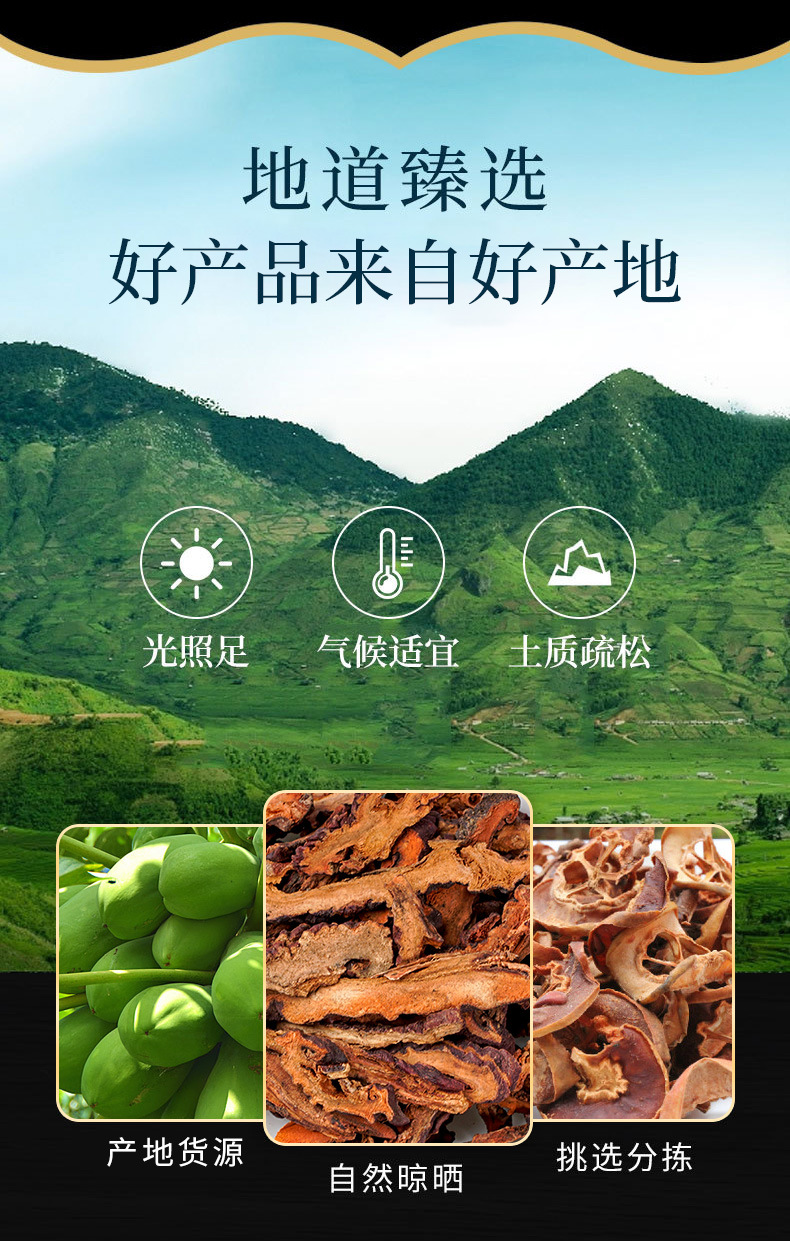
- New-crop, origin-sourced from Hubei
Quality & Sensory
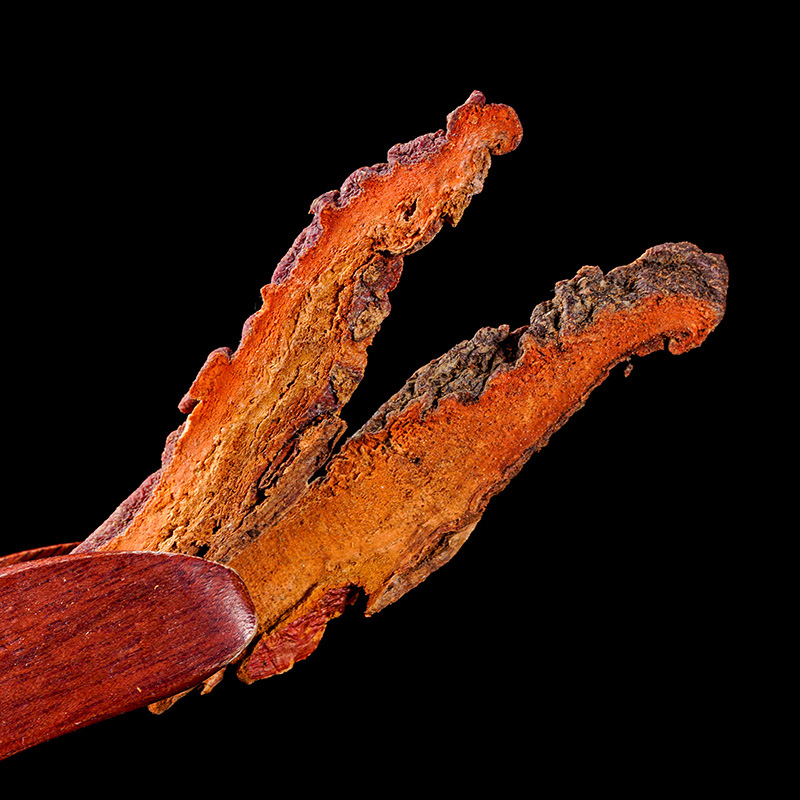
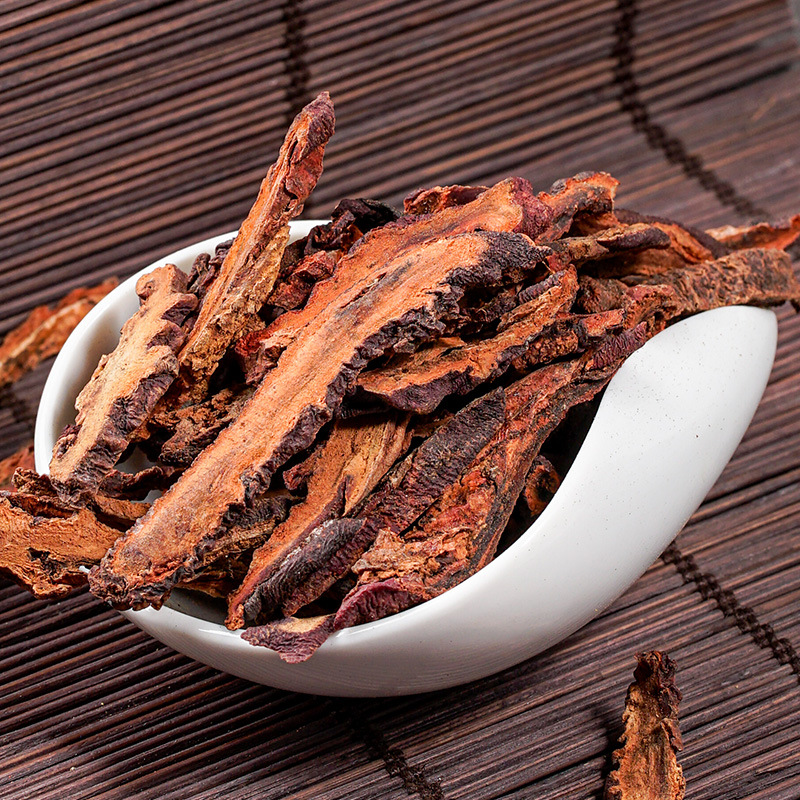
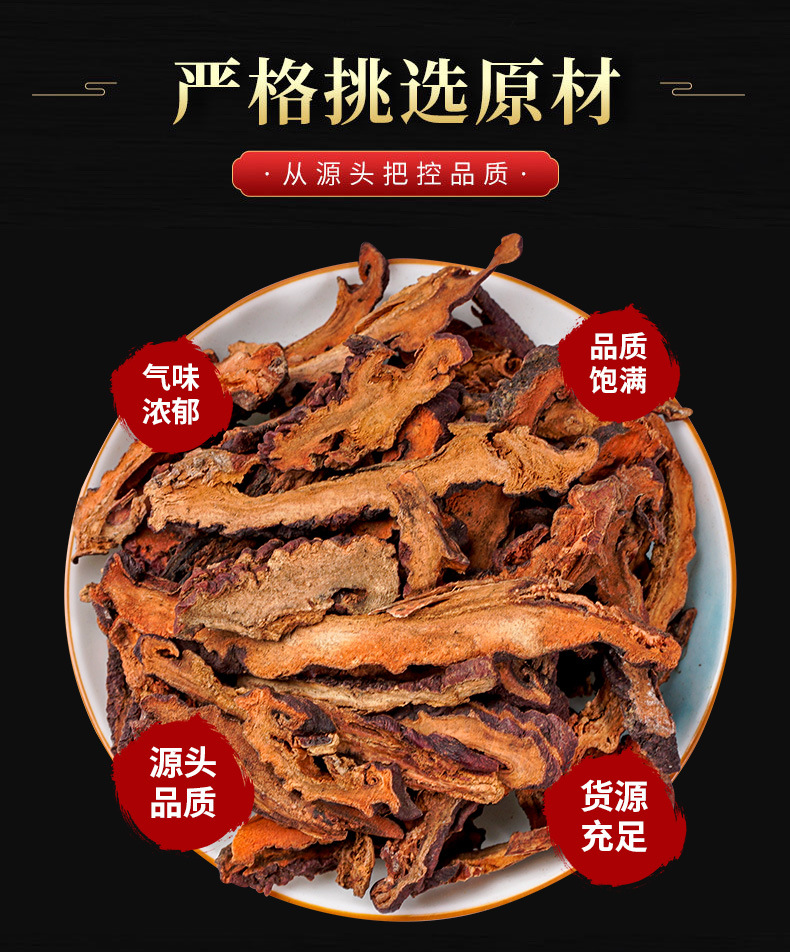
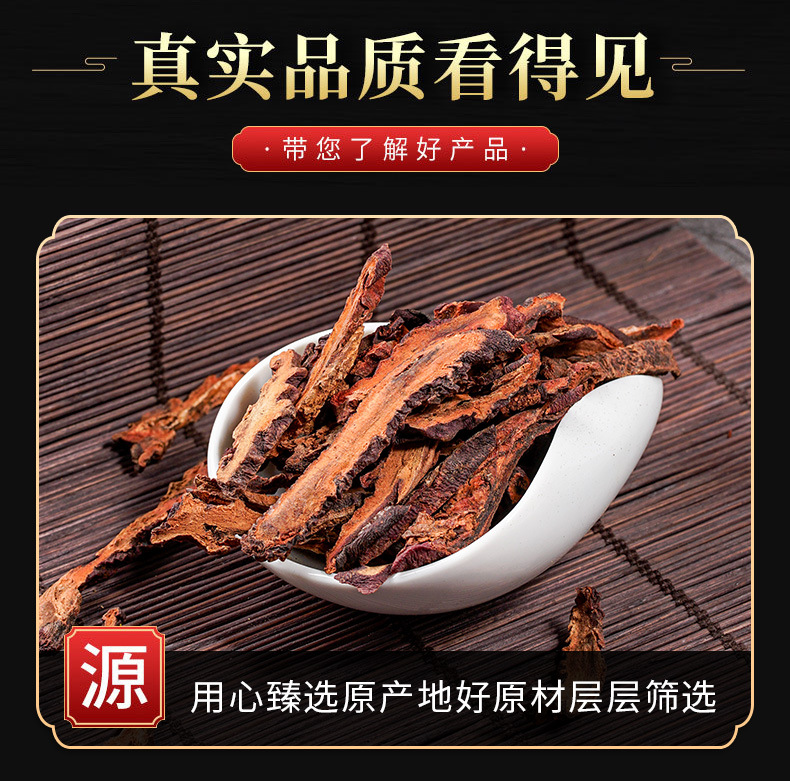
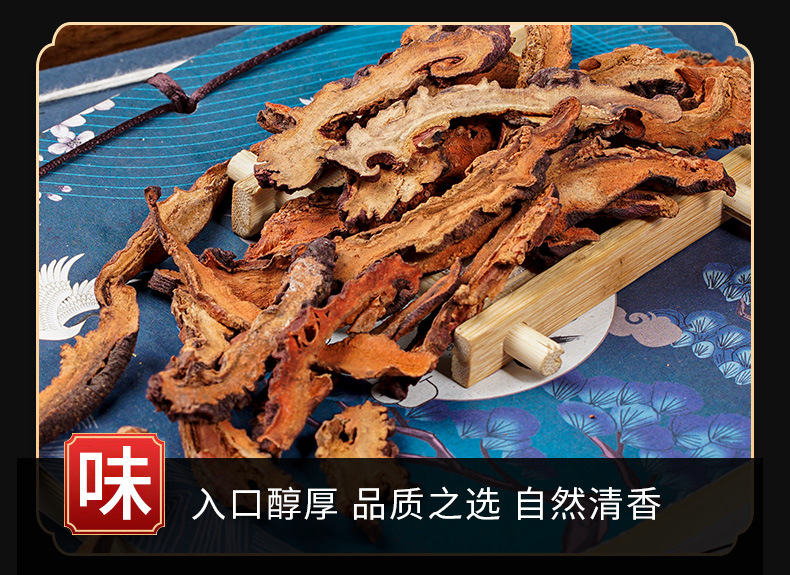
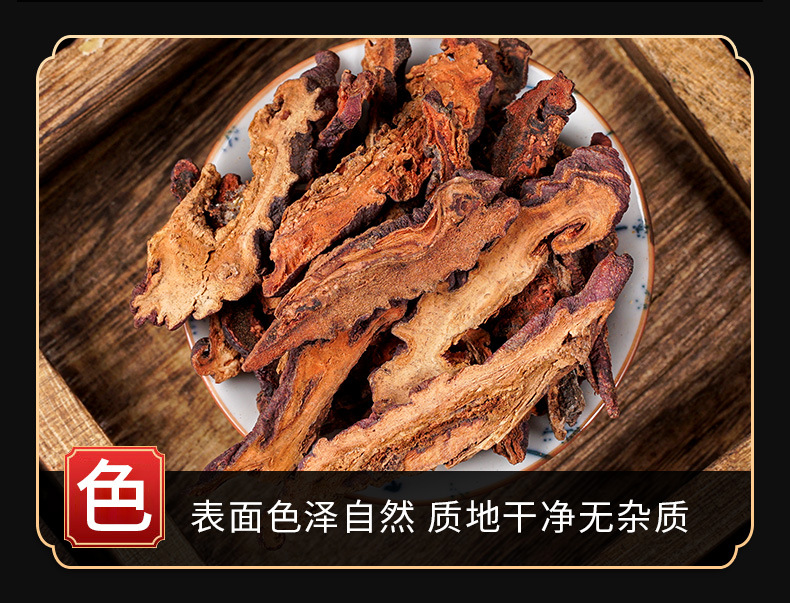
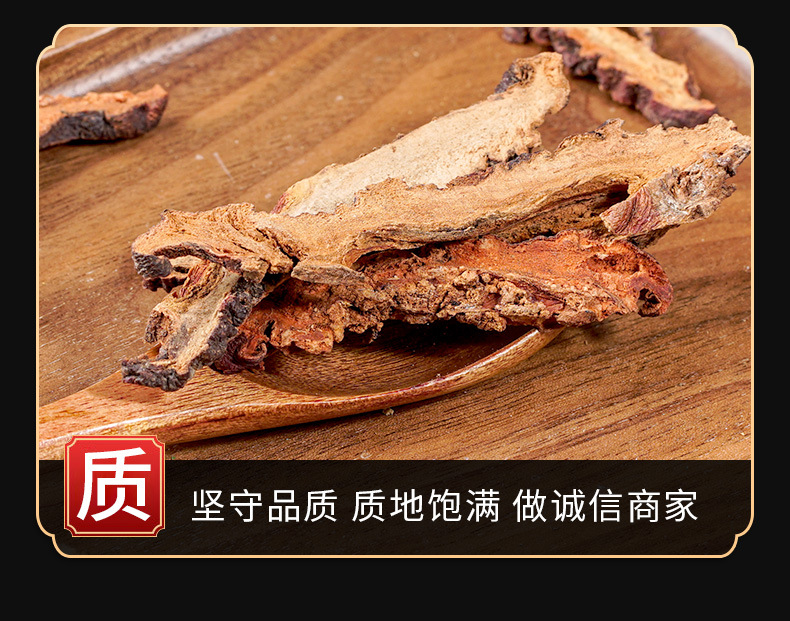
Each batch is carefully sliced and dried to preserve its pale yellowish-brown color, firm texture, and mild fruity aroma. When decocted or simmered, the slices soften and release a gentle, pleasantly sour flavor with a subtle sweetness, adding depth to broths and teas without overpowering other ingredients.
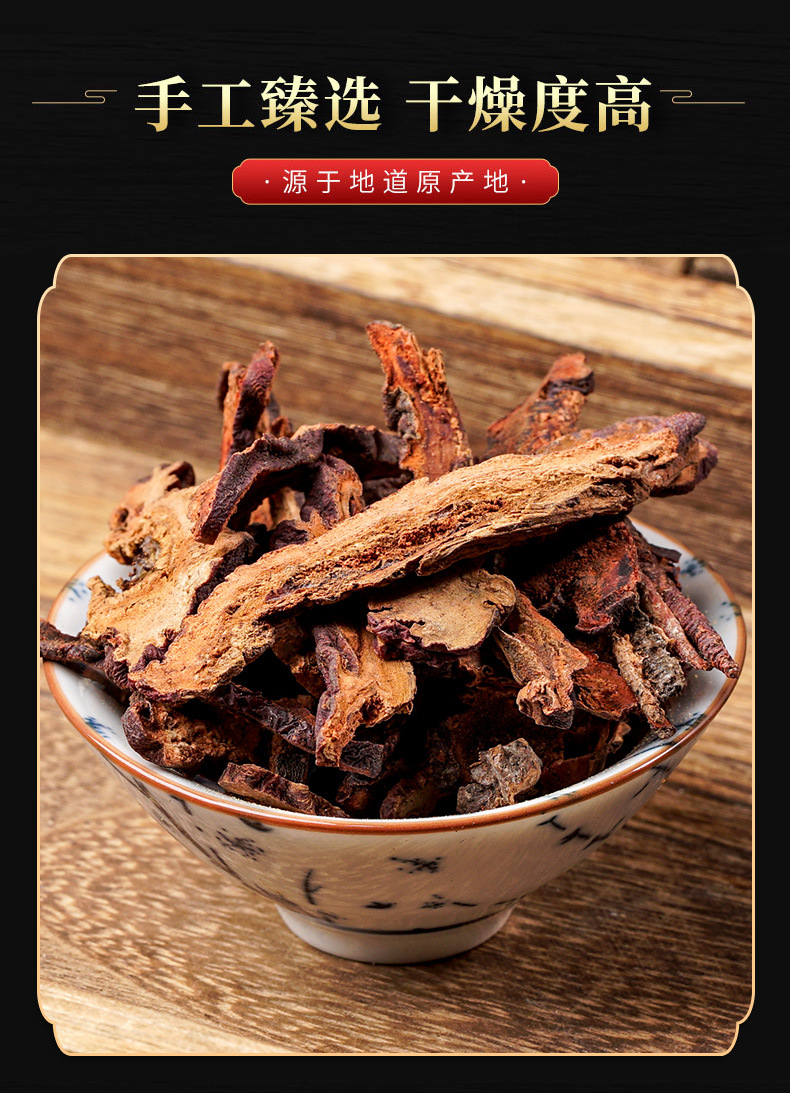


Technical Specifications
| Product Type | Dried Fruit Slices |
|---|---|
| Common Name | Mu Gua |
| Botanical Name | Chaenomeles speciosa |
| Form | Dried Slices |
| Origin | Hubei, China |
| Net Weight | 500g |


Usage Scenarios
- Chinese-style soup and broth
- Herbal tea blends
- Traditional decoctions
- Seasonal slow-cooking
- Soup-pack ingredient


Traditional Uses
In folk herbal practice, Mu Gua is decocted into soups, teas, and gentle tonics to support comfortable movement and digestive ease. It is a common ingredient in medicinal food soups, where it pairs with ingredients like ginger, jujube, and licorice. As a tea, it is brewed alone or blended with other herbs for a light, mildly sour infusion.



FAQ Q&A
Q: What is Mu Gua?
A: Mu Gua is the common Chinese name for dried fruit slices of Chaenomeles speciosa, also called Chinese Quince. It is a traditional food herb used in tea and soup.
Q: What is the traditional wellness value of Mu Gua?
A: In traditional Chinese food wellness culture, Mu Gua is associated with relaxing the sinews, harmonizing the stomach, and transforming dampness. It is often used in soups and teas for daily seasonal nourishment.
Q: How do I use dried Mu Gua slices?
A: Rinse the slices and simmer them with soup ingredients, or brew them in hot water as part of a tea blend. Adjust the quantity to your recipe and taste preference.
Additional information
| Weight | N/A |
|---|---|
| Dimensions | N/A |
| Packaging specifications | Hubei unified packaging 500g, Hubei optional 500g, Sichuan papaya 500g, Smooth papaya 500g, Papaya seeds 500g, Papaya powder 500g |
Related products
-
Huang Qi Slices (Astragalus membranaceus) — Dried Nail-Grade Root Slices for Tea & Soup
Price range: $5.74 through $12.06 -
Goji Berries (Lycium barbarum) — Ningxia Zhongning Dried Red Goji, Sulfur-Free First Harvest
Price range: $7.52 through $8.66 -
Shan Zha Slices (Crataegus pinnatifida) — Pitted Dried Hawthorn for Sour Plum Soup & Tea
Price range: $4.12 through $5.74 -
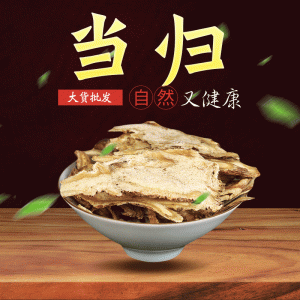
Dang Gui Slices (Angelica sinensis) — Gansu Minxian Dried Root Slices for Cooking & Tea
Price range: $4.44 through $20.49
Reviews
There are no reviews yet.