
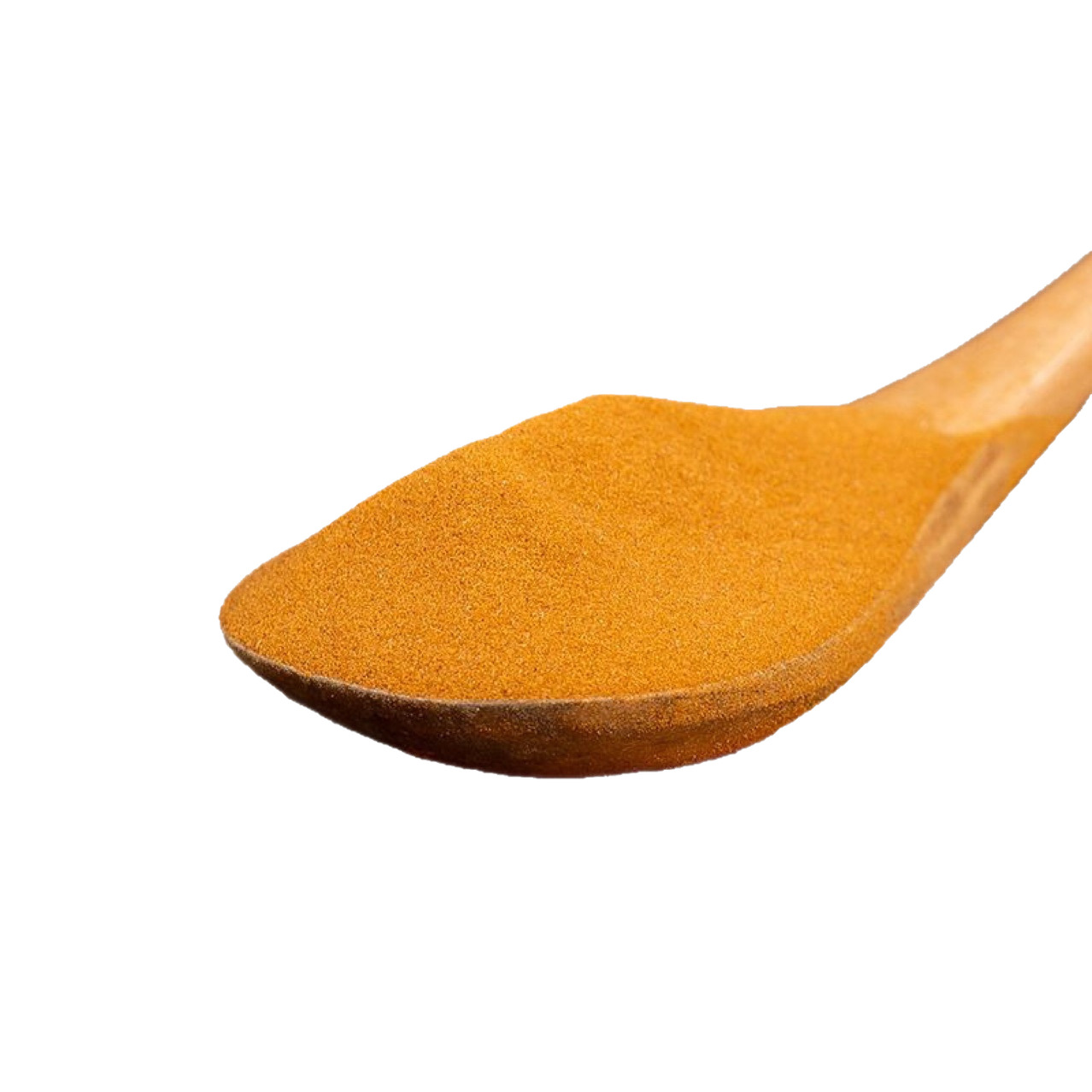
Hai Jin Sha Spore Powder Chinese Herbal Lygodium Spore for Traditional Decoction
Price range: $12.38 through $31.55
Description
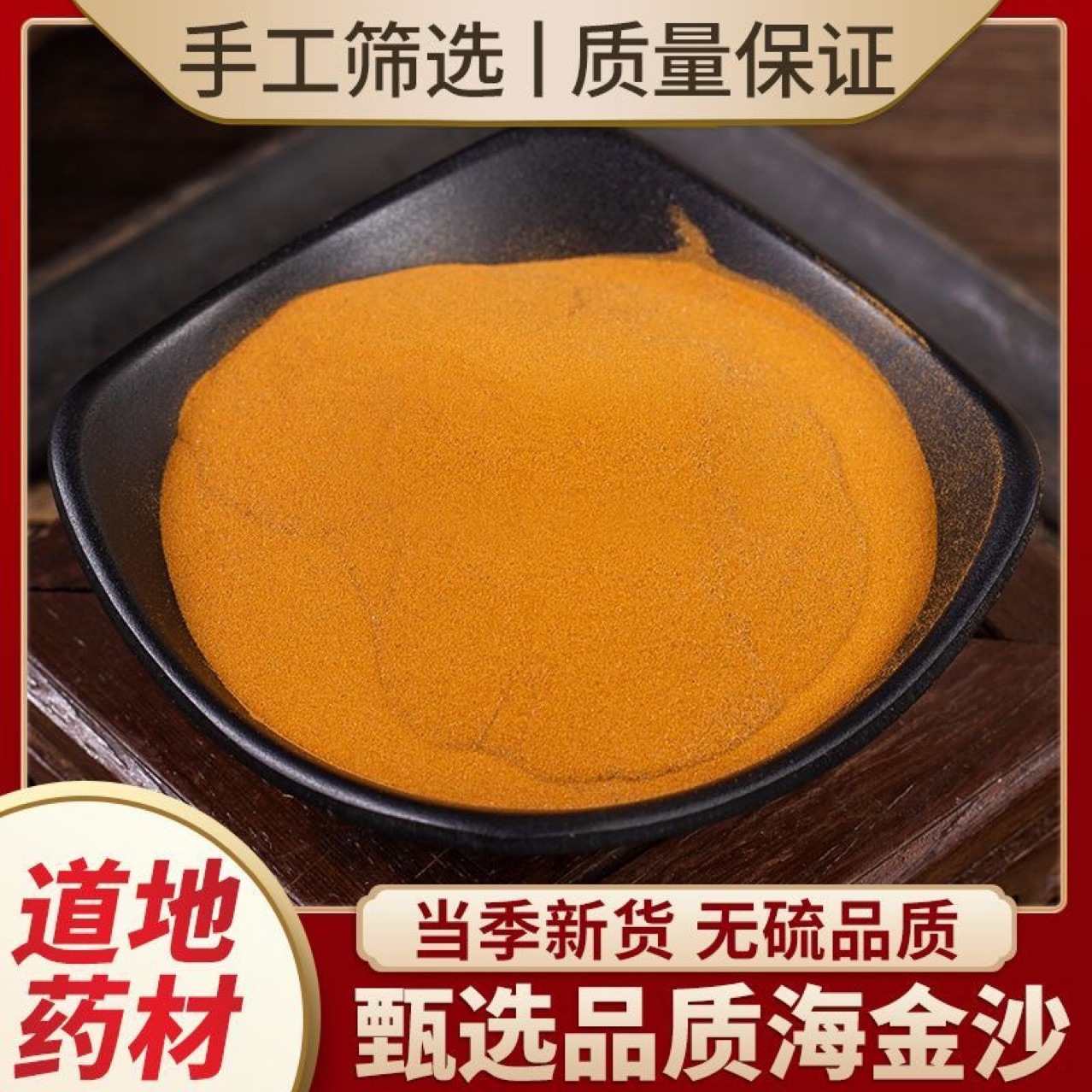
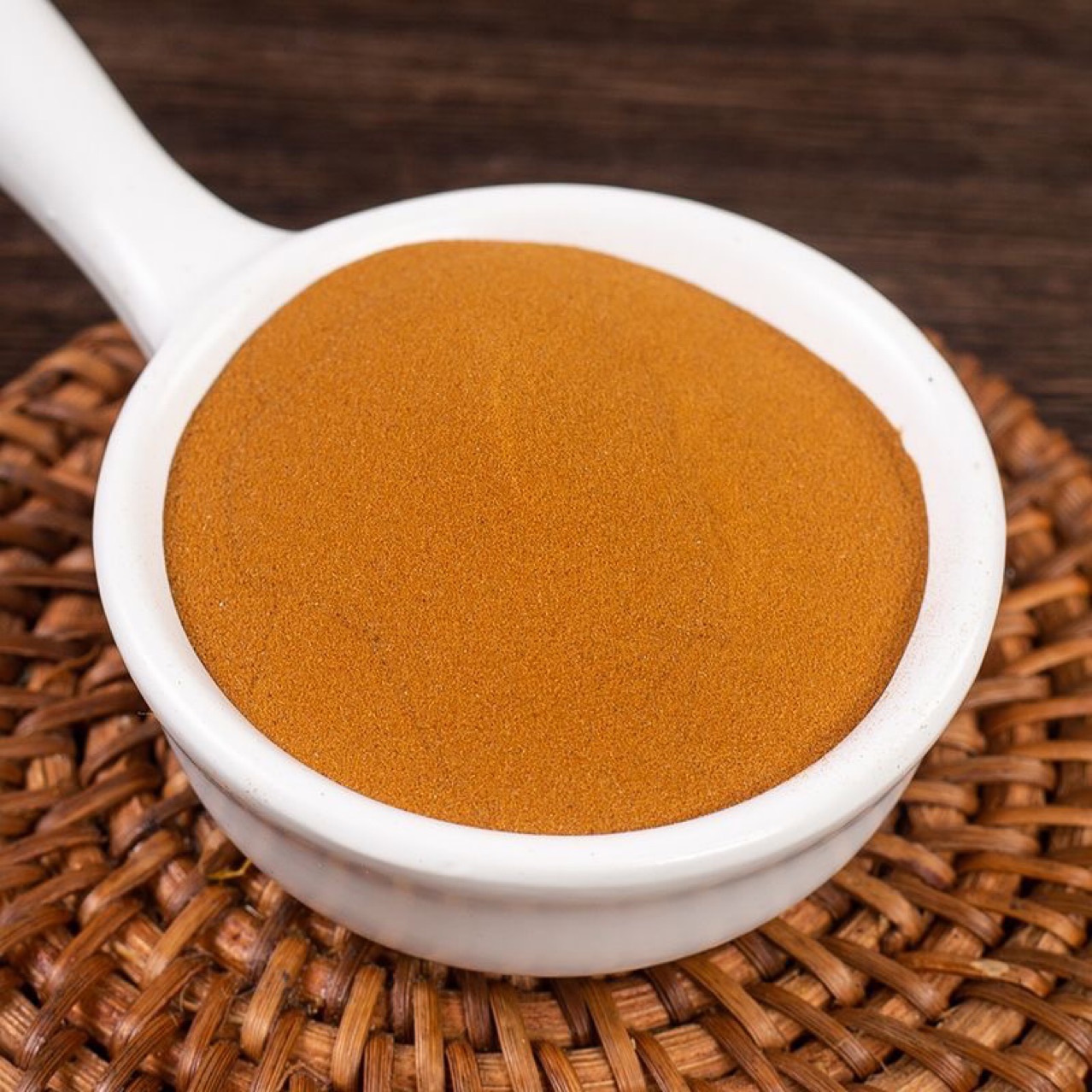
Hai Jin Sha (海金沙), botanically Lygodium japonicum, is the dried mature spore of the climbing fern, offered here as a fine powder. In TCM theory it is sweet and bland, entering the Bladder and Small Intestine channels, and is traditionally associated with clearing heat and promoting urination. It is commonly used in decoctions and herbal formulas under traditional guidance.
Key Selling Points
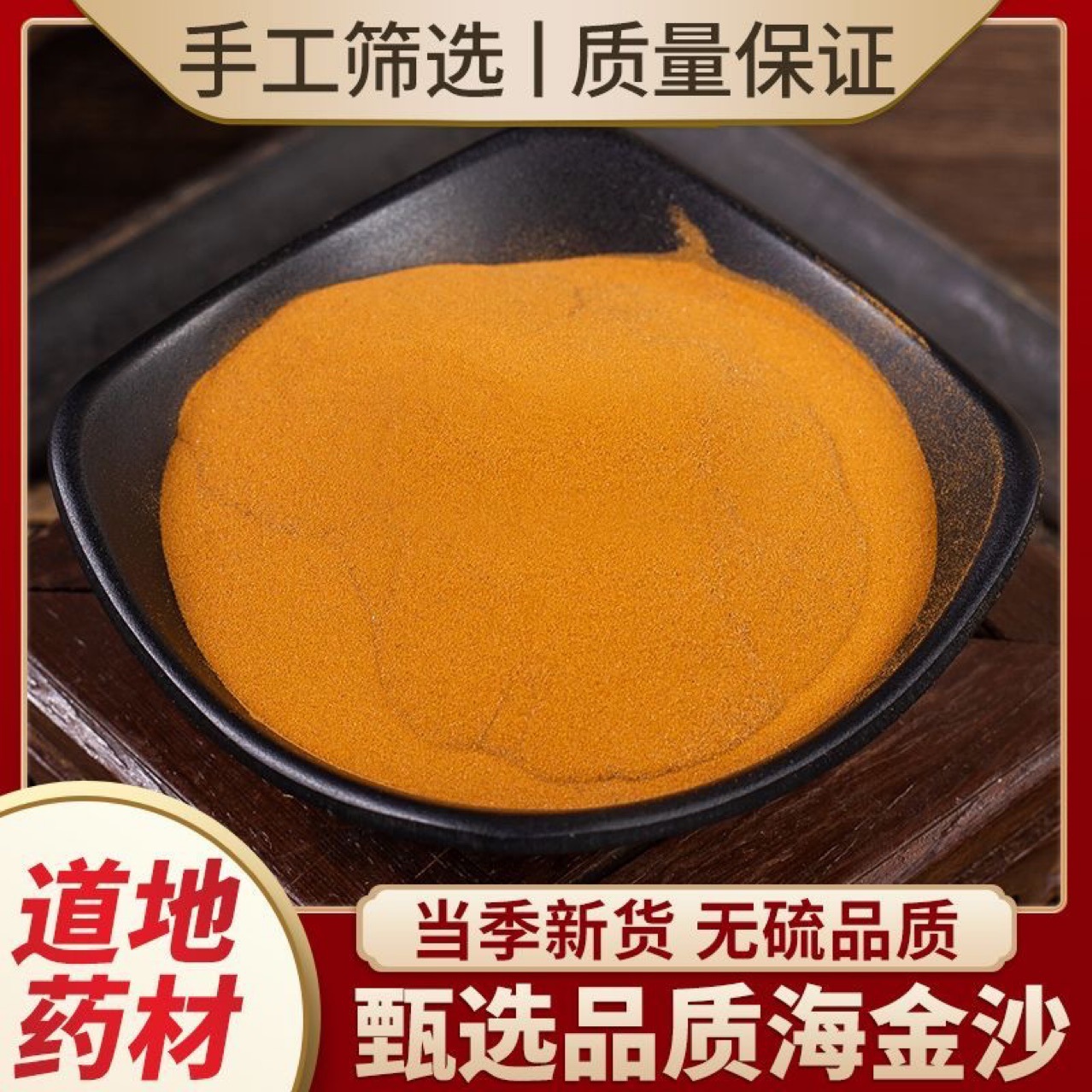
- Dried mature spores of Lygodium japonicum, known in TCM as Hai Jin Sha (海金沙)
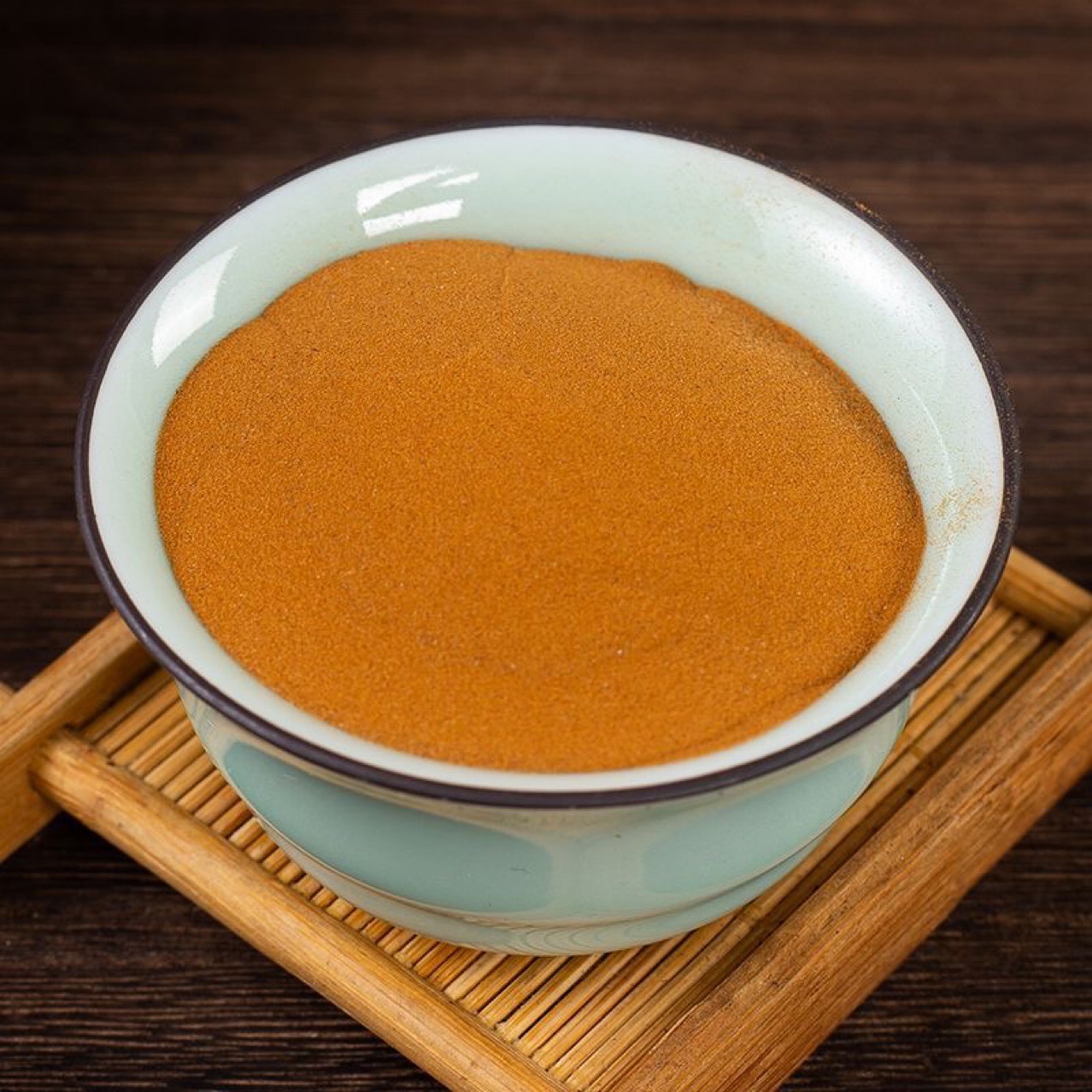
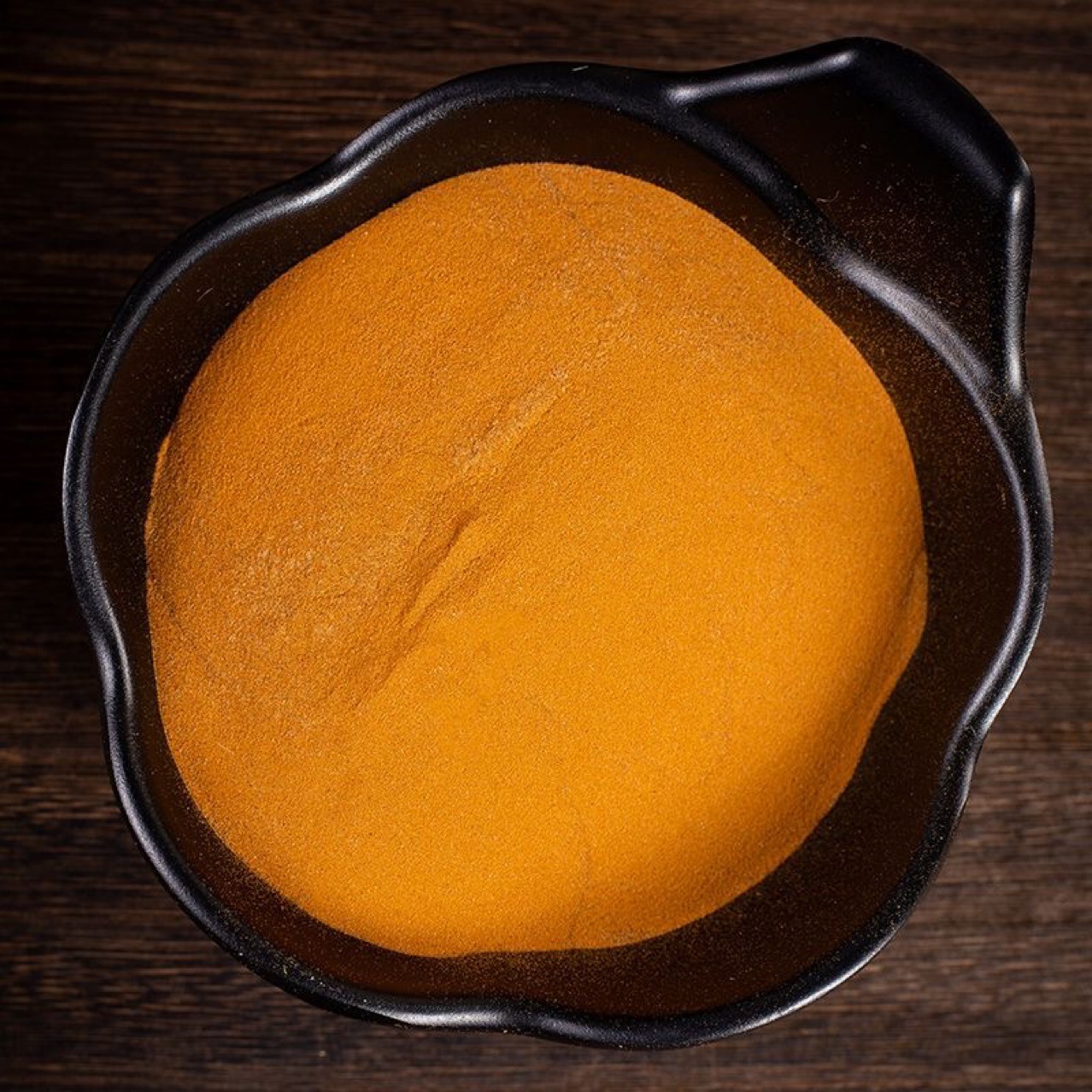
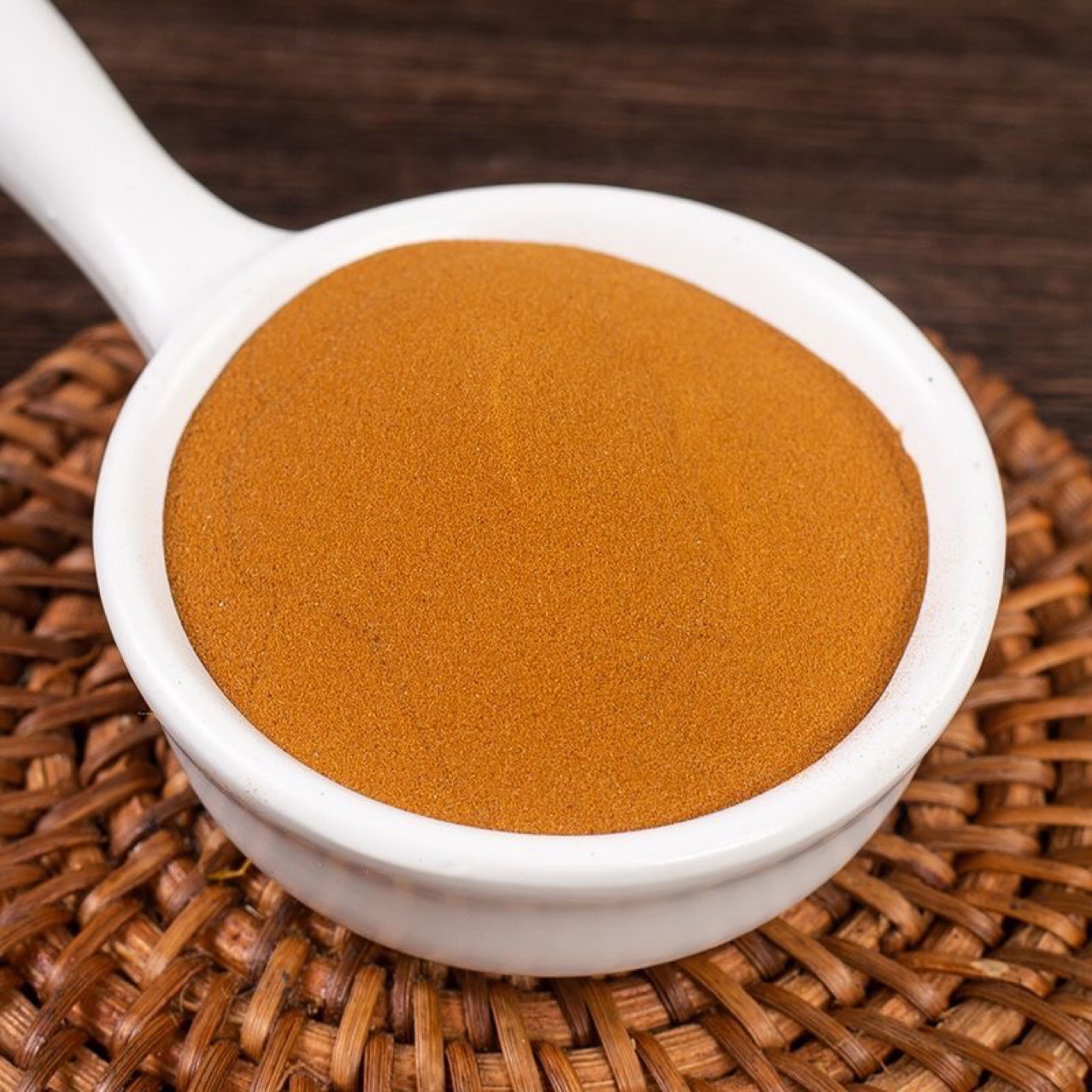
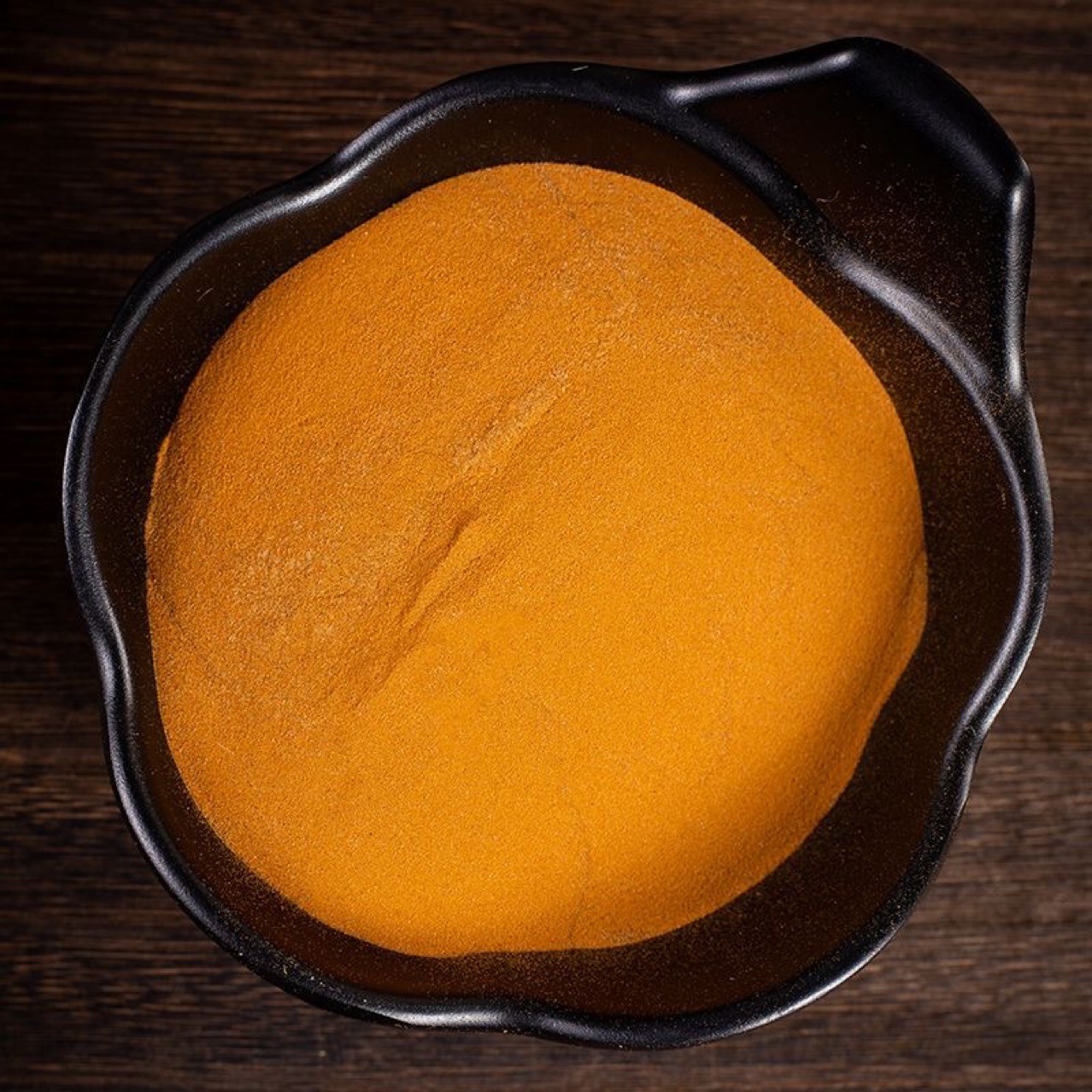
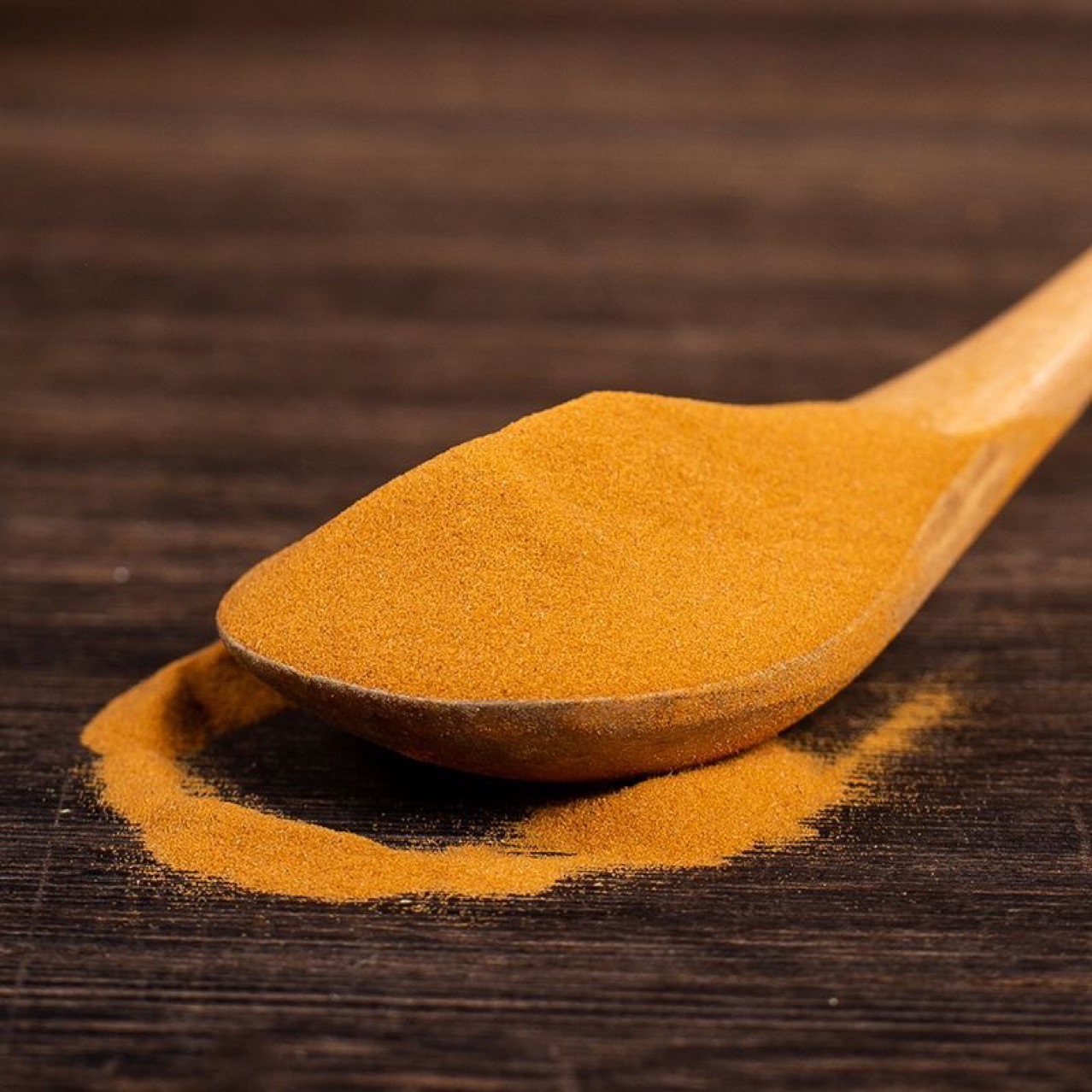
- Fine golden-yellow powder form, hand-selected and cleaned
- Sweet and bland in TCM nature, entering the Bladder and Small Intestine channels
- Traditionally used in decoctions and herbal formulas
- 500g net weight, sourced from Anhui, China
Quality & Sensory
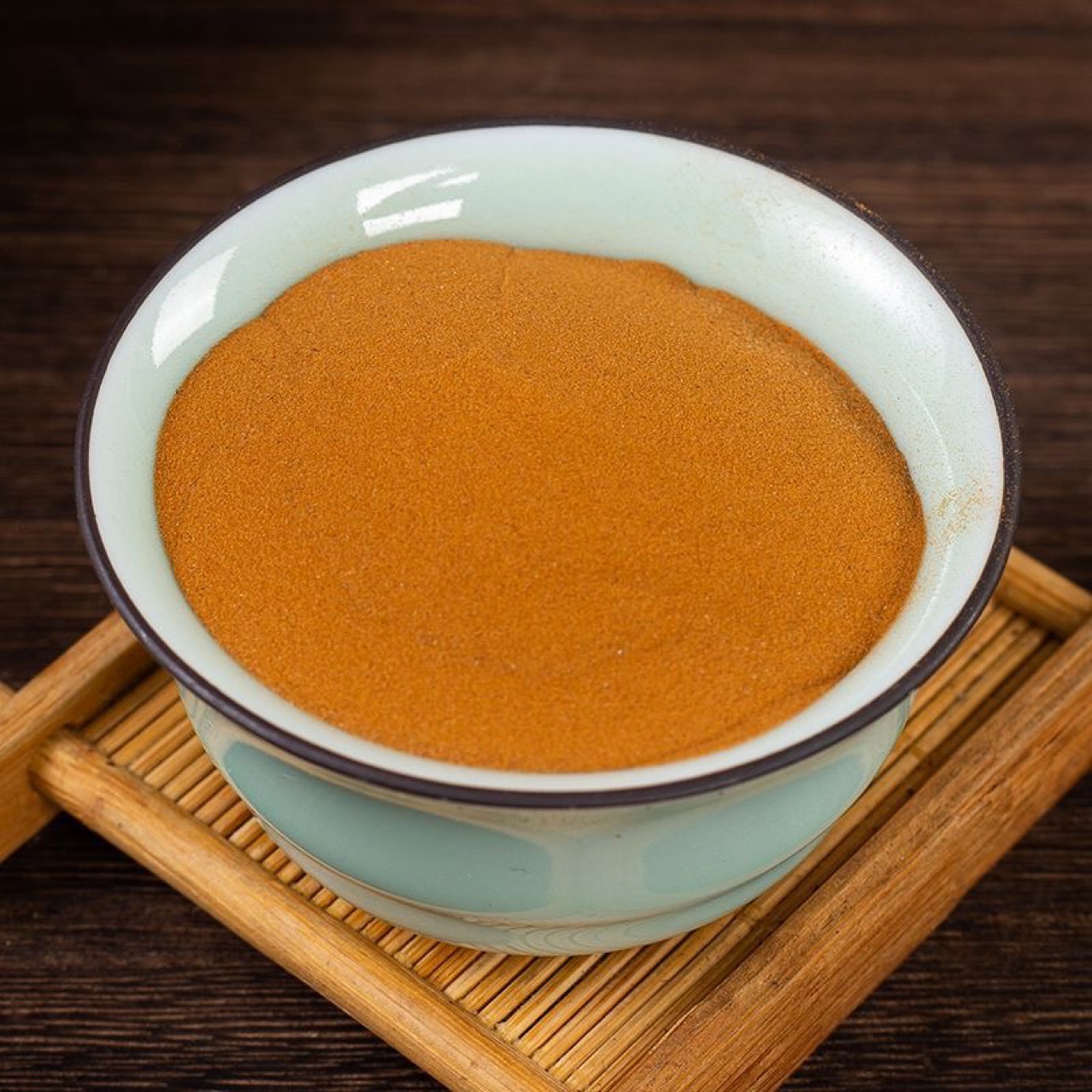
The powder is typically a fine, light golden-yellow to yellowish-brown spore powder with a dry, loose texture and a mild, neutral aroma. When decocted it is usually taken in filtered form, as the fine spores are not consumed directly. Taste is typically bland and slightly sweet.
Technical Specifications
| Product Type | Dried herbal spore powder |
|---|---|
| Chinese Name | 海金沙 |
| Pinyin | Hai Jin Sha |
| Botanical Name | Lygodium japonicum |
| Plant Part | Mature spore |
| Net Weight | 500g |
Usage Scenarios
- Traditional herbal decoction
- Blended with other herbs in TCM formulas
- Strained tea preparation under traditional guidance
Traditional Uses
In TCM theory, Hai Jin Sha is traditionally used in decoctions to clear heat and promote urination, often paired with herbs such as Ze Xie or Fu Ling. Because the spores are extremely fine, traditional preparation usually involves wrapping or straining the powder before drinking. It is also found in classic formulas addressing damp-heat patterns of the lower burner.
FAQ Q&A
Q: What is Hai Jin Sha?
A: Hai Jin Sha (海金沙) is the dried mature spore of the Lygodium japonicum fern, used in Traditional Chinese Medicine.
Q: What is its traditional value?
A: In TCM theory it is sweet and bland, entering the Bladder and Small Intestine channels, and is traditionally associated with clearing heat and promoting urination.
Q: How is it commonly prepared?
A: It is typically decocted with other herbs and strained before drinking, since the fine spores are not consumed directly.
Additional information
| Weight | N/A |
|---|---|
| Dimensions | N/A |
| Model | 海金沙250克, 海金沙500克, 海金沙1000克 |
Related products
-
Chai Hu Bupleurum Root Dried Herb 500g Traditional TCM Decoction Herb
Price range: $9.14 through $16.44 -
Deer Antler Slices Lu Rong 鹿茸片 Dried Slices for Wine Infusion and Soup 100g Wax Slices Pack
Price range: $68.29 through $92.59 -
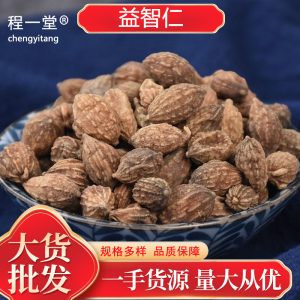
Yi Zhi Ren Dried Alpinia Oxyphylla Fruit 500g Traditional Herbal Tea and Decoction Ingredient
Price range: $11.74 through $13.36 -
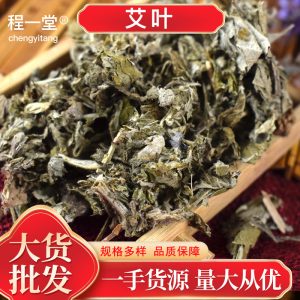
Dried Mugwort Leaf Ai Ye 500g Chinese Herbal Bath Foot Soak and Smoke Cleansing Herb
Price range: $4.77 through $5.25
Reviews
There are no reviews yet.