
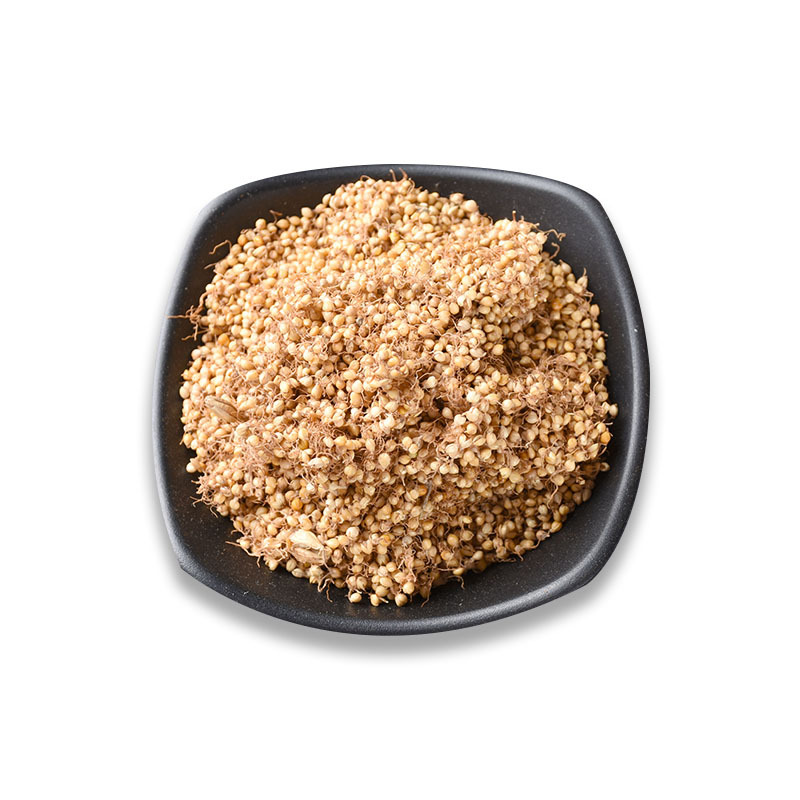
Gu Ya (Setaria italica Sprouted Grain) — Dried Food Herb for Tea & Congee
$4.57
888885788 in stock
Description
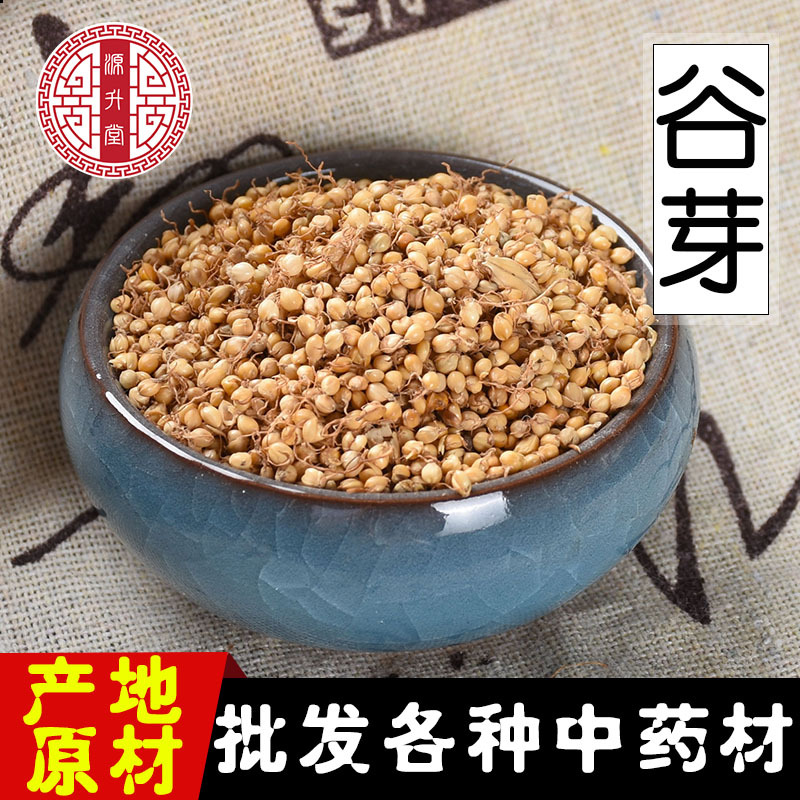
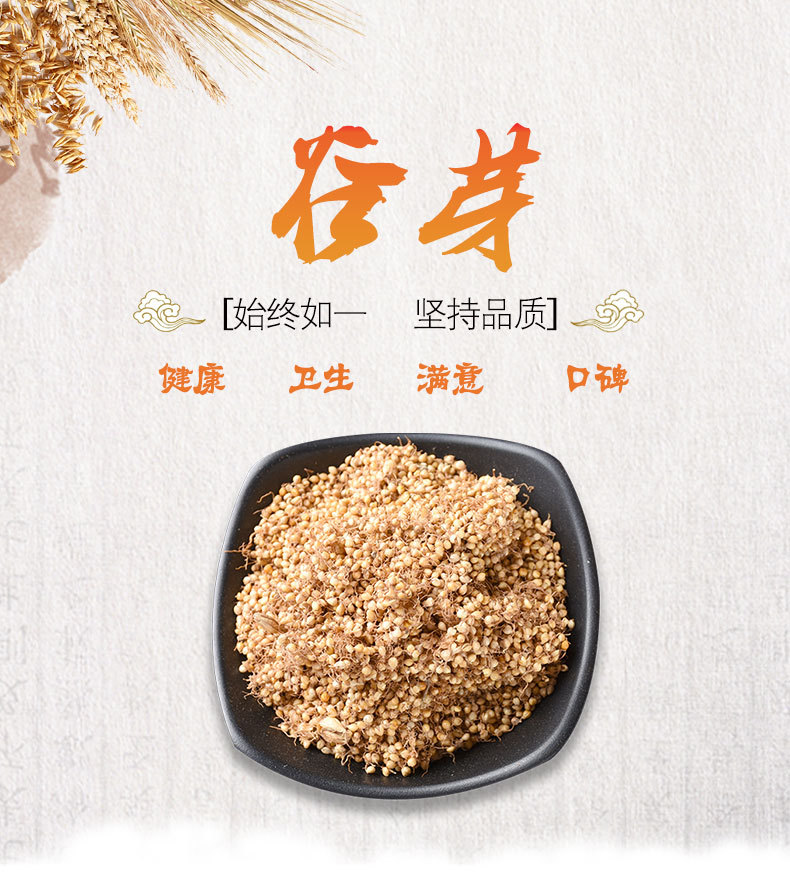
Gu Ya (Setaria italica) is the dried sprouted grain of foxtail millet, known in Traditional Chinese Medicine (TCM) as Gǔ Yá (谷芽). Also called Sprouted Millet or Millet Sprout, Gu Ya has been prized for centuries as a gentle, digestion-supporting food herb used in teas, congees, and daily nourishment. Its nature is sweet and neutral, making it a mild yet effective herb for harmonizing the middle burner and supporting the spleen and stomach.



Key Selling Points
- Traditional digestion-supporting food herb
- Dried sprouted foxtail millet grain
- Setaria italica
- Suitable for tea, congee, and soup
- Clean, food-grade quality
Quality & Sensory
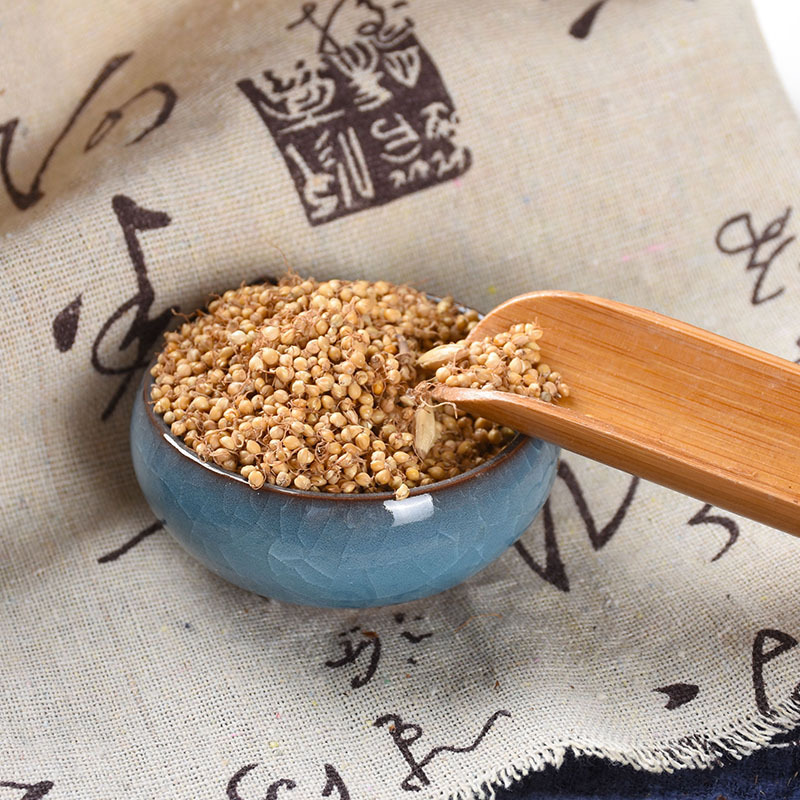
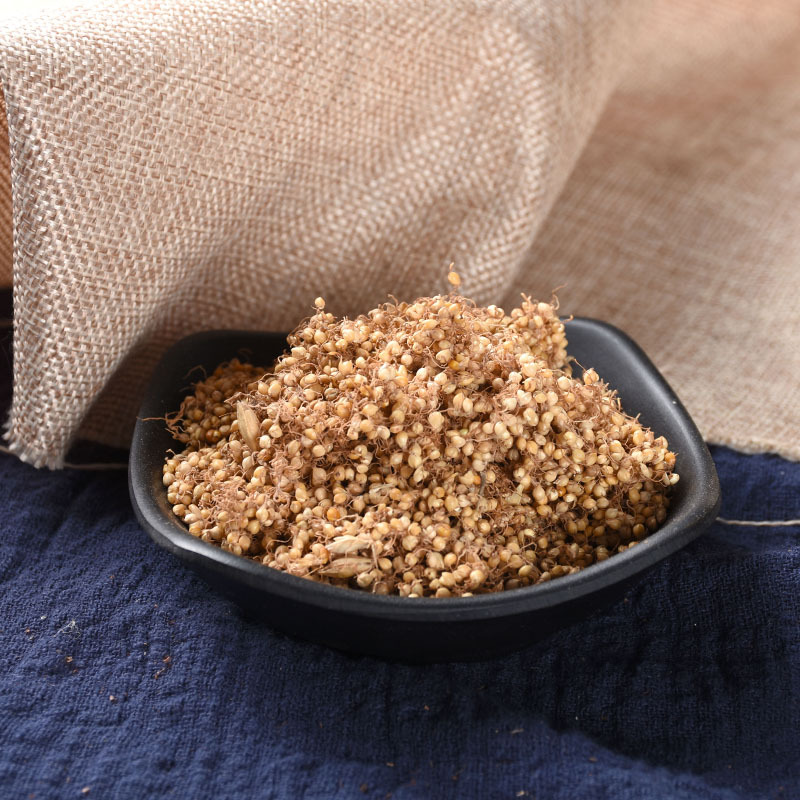
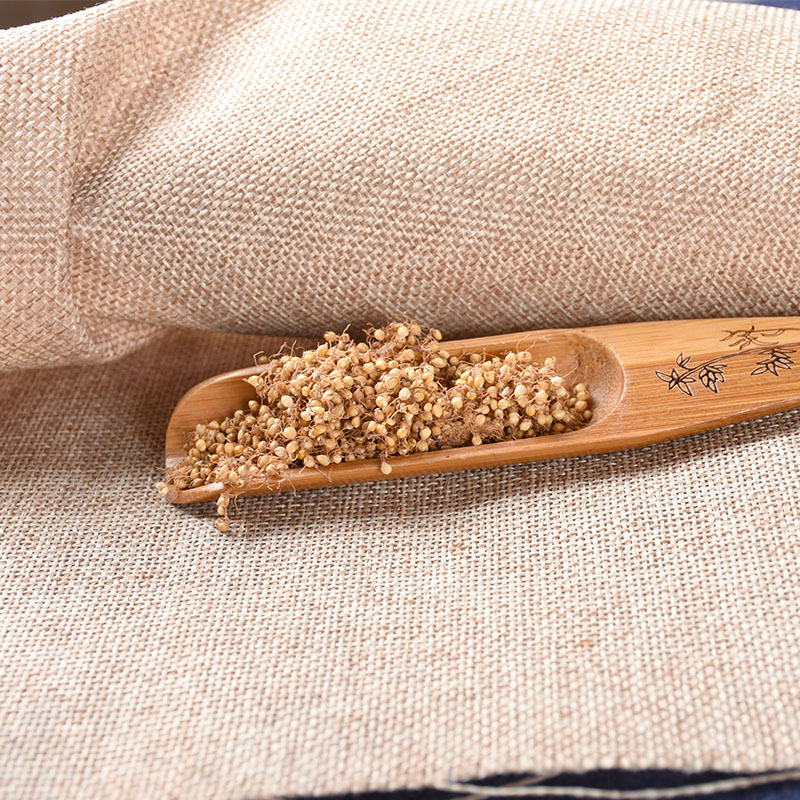
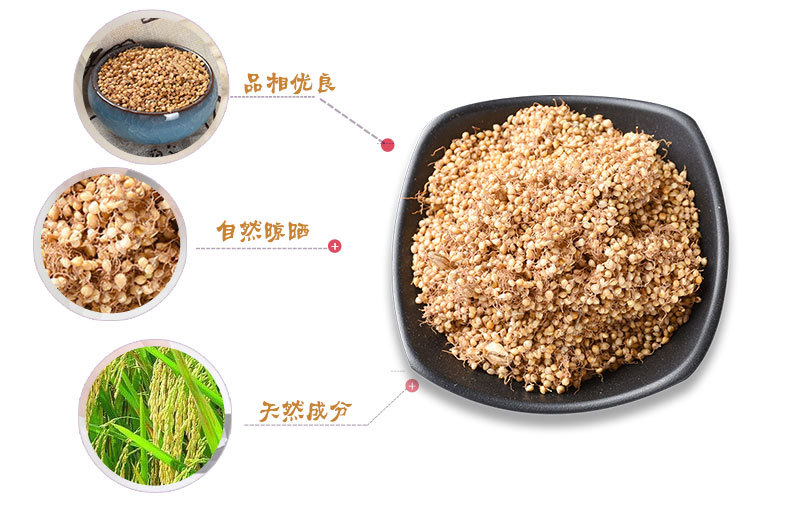
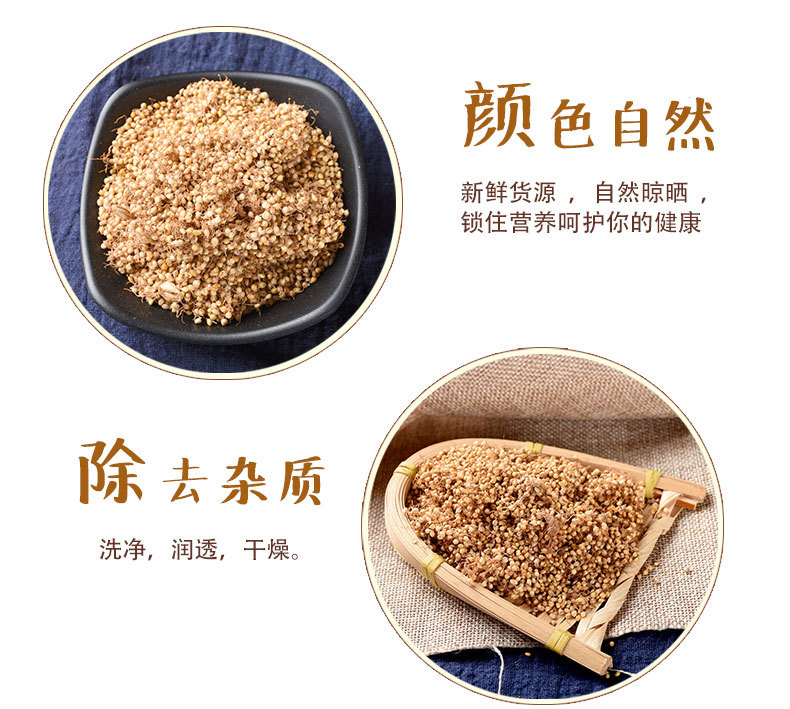
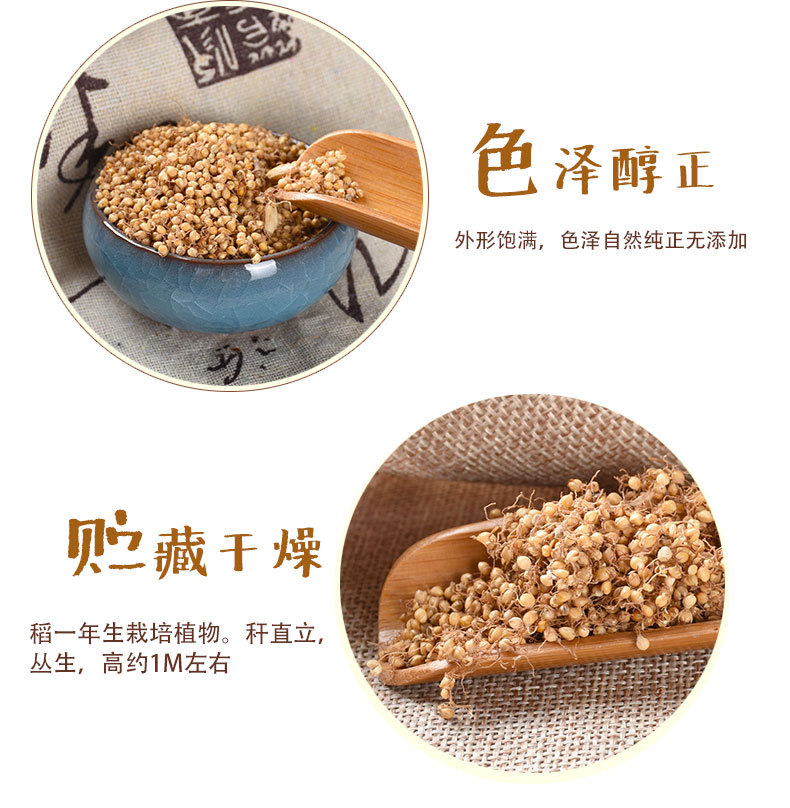
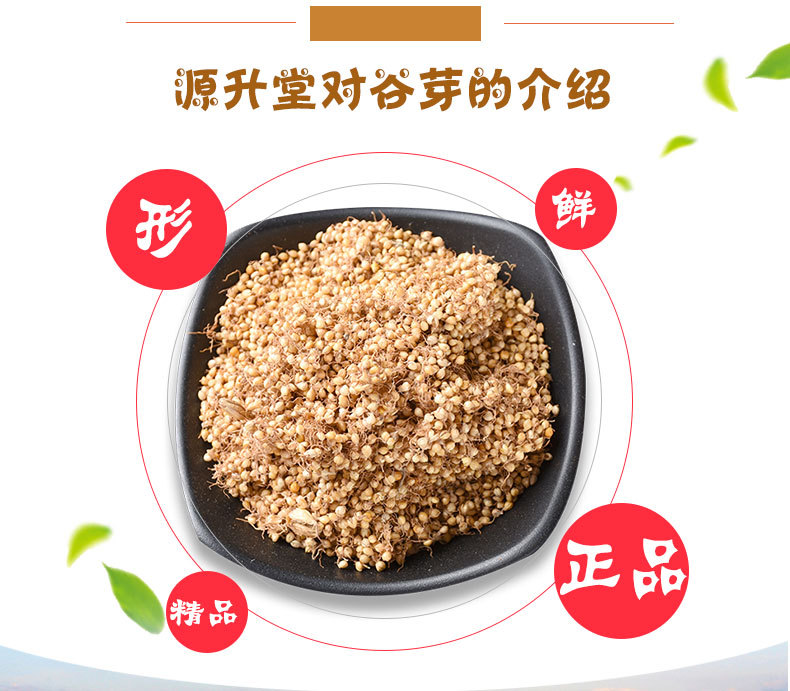
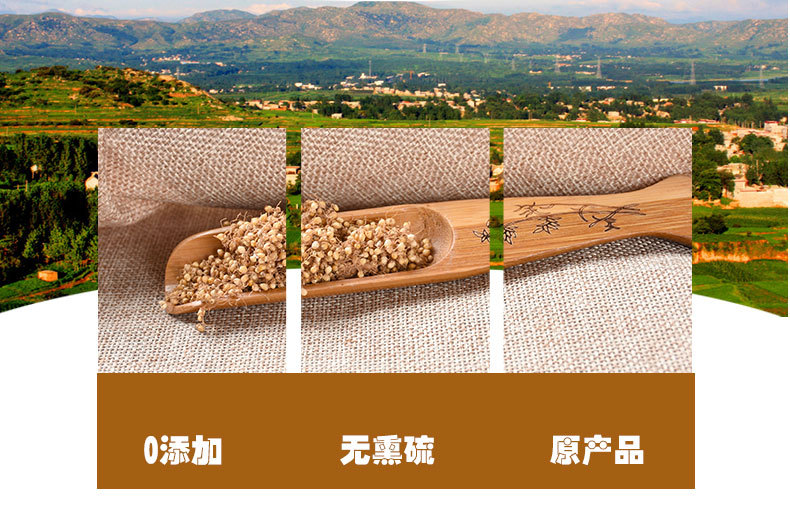
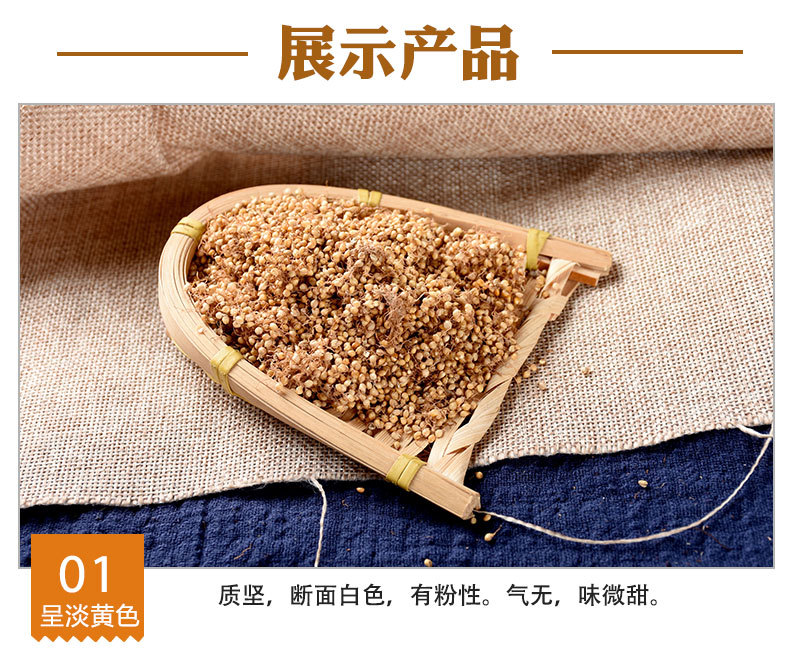
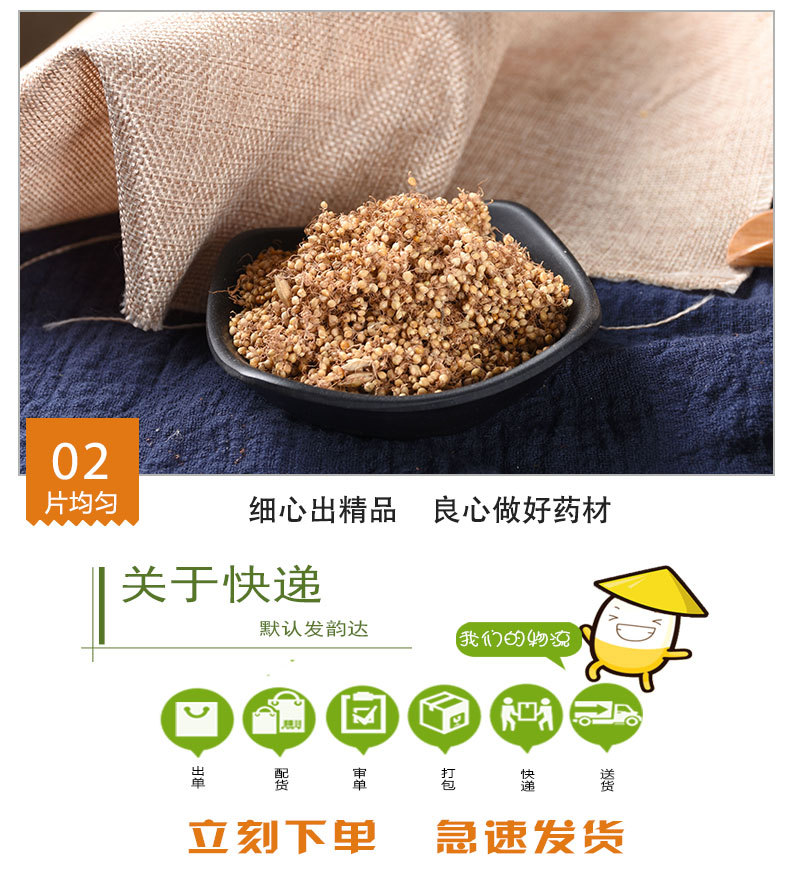
Each batch is carefully dried to preserve its golden-yellow color, light crisp texture, and mild toasted grain aroma. When simmered or brewed, the grains soften and release a gentle, subtly sweet and nutty flavor, adding a warm, comforting body to teas and congees without overpowering other ingredients.
Technical Specifications
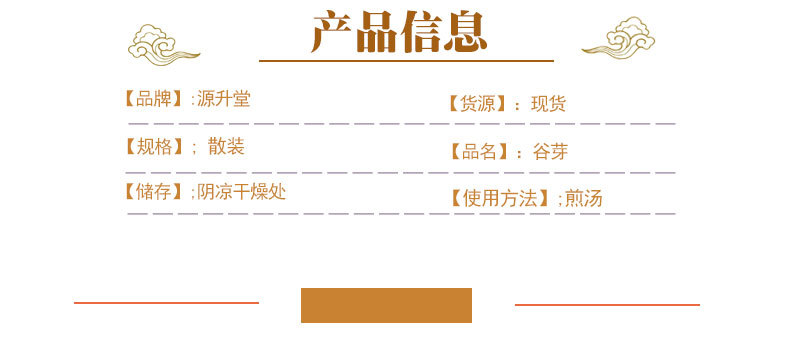
| Product Type | Dried Sprouted Grain |
|---|---|
| Common Name | Gu Ya |
| Botanical Name | Setaria italica |
| Form | Dried Sprouted Grains |
| Primary Use | Herbal Tea and Congee Ingredient |
| Processing | Sprouted and Dried |

Usage Scenarios
- Herbal tea blends
- Congee and grain porridge
- Chinese-style soup and broth
- Daily grain-based nourishment
- Soup-pack ingredient


Traditional Uses
In folk herbal practice, Gu Ya is decocted into teas, congees, and gentle tonics to support daily digestion and spleen-stomach harmony. It is a common ingredient in medicinal food congees, where it pairs with ingredients like hawthorn, barley, and jujube. As a tea, it is brewed alone or blended with other gentle grains for a light, mildly sweet infusion.



FAQ Q&A
Q: What is Gu Ya?
A: Gu Ya is the common Chinese name for dried sprouted grains of Setaria italica, also called foxtail millet sprout. It is a traditional food herb used in tea and congee.
Q: What is the traditional wellness value of Gu Ya?
A: In traditional Chinese food wellness culture, Gu Ya is associated with supporting digestion, harmonizing the middle burner, and strengthening the spleen and stomach. It is often used in congees and teas for daily nourishment.
Q: How do I use dried Gu Ya?
A: Rinse the grains and simmer them with congee or soup ingredients, or brew them in hot water as part of a tea blend. Adjust the quantity to your recipe and taste preference.
Additional information
| Weight | 1 kg |
|---|---|
| Dimensions | 25 × 18 × 8 cm |
Related products
-
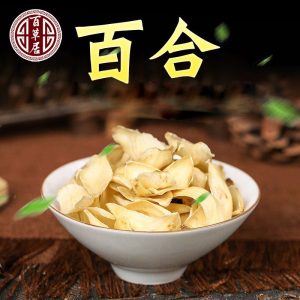
Bai He Dried Lily Bulb (Lilium lancifolium) — Sulfur-Free Hunan Lily for Tea, Soup & Congee
$11.25 -
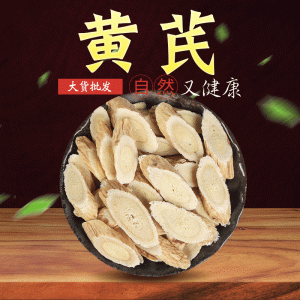
Huang Qi Slices (Astragalus membranaceus) — Dried Nail-Grade Root Slices for Tea & Soup
Price range: $5.74 through $12.06 -
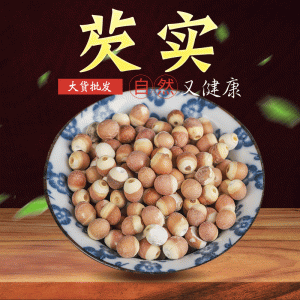
Qian Shi (Euryale ferox) — Dried Gorgon Nut Seeds, Zhaoqing Guangdong, 500g
Price range: $6.88 through $8.01 -
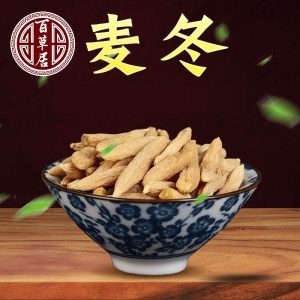
Mai Dong (Ophiopogon japonicus) Dried Root — Unsulfured Food Herb for Tea & Soup
Price range: $5.58 through $14.00
Reviews
There are no reviews yet.