
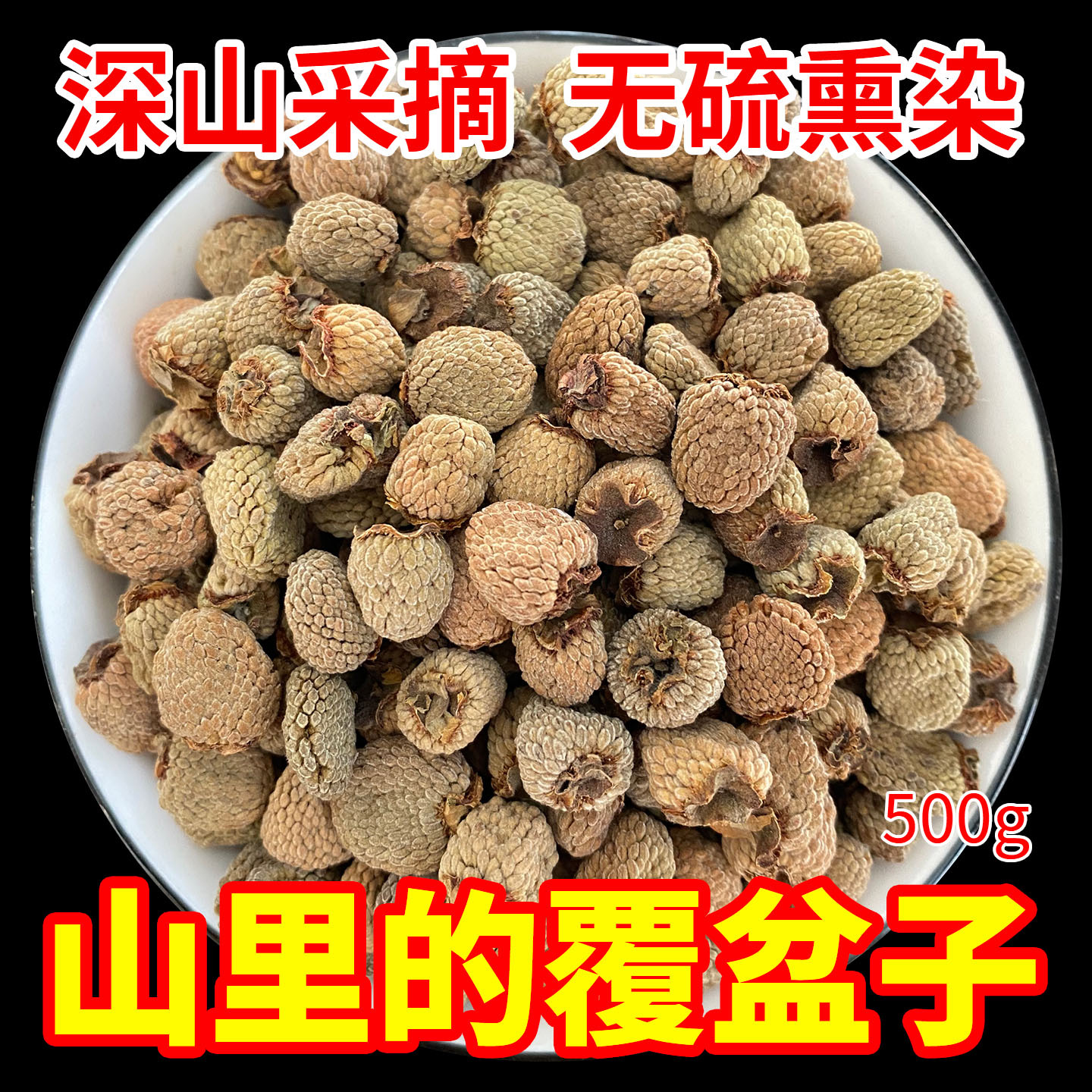
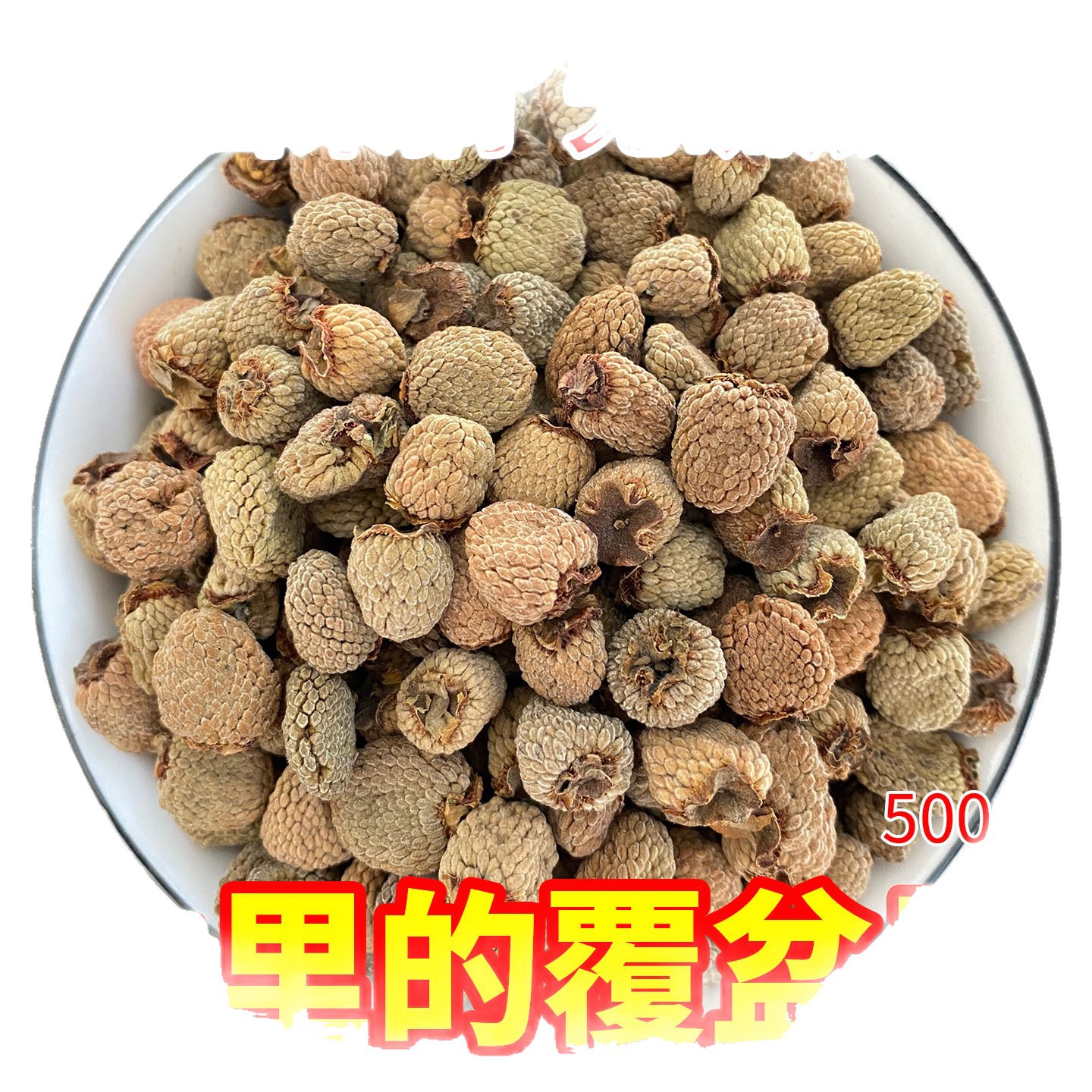
Fu Pen Zi Raspberry Dried Fruit Tea 100g Can Natural Sun Dried Chinese Herbal Tea
Price range: $6.52 through $15.93
Description
Fu Pen Zi (覆盆子), the dried fruit of Rubus chingii, is a classic Chinese herbal tea ingredient traditionally used in TCM. In TCM theory it is sweet and slightly warm and is associated with the kidney and bladder channels. These whole dried aggregate fruits are naturally sun dried and suitable for daily herbal infusions and traditional wellness routines.
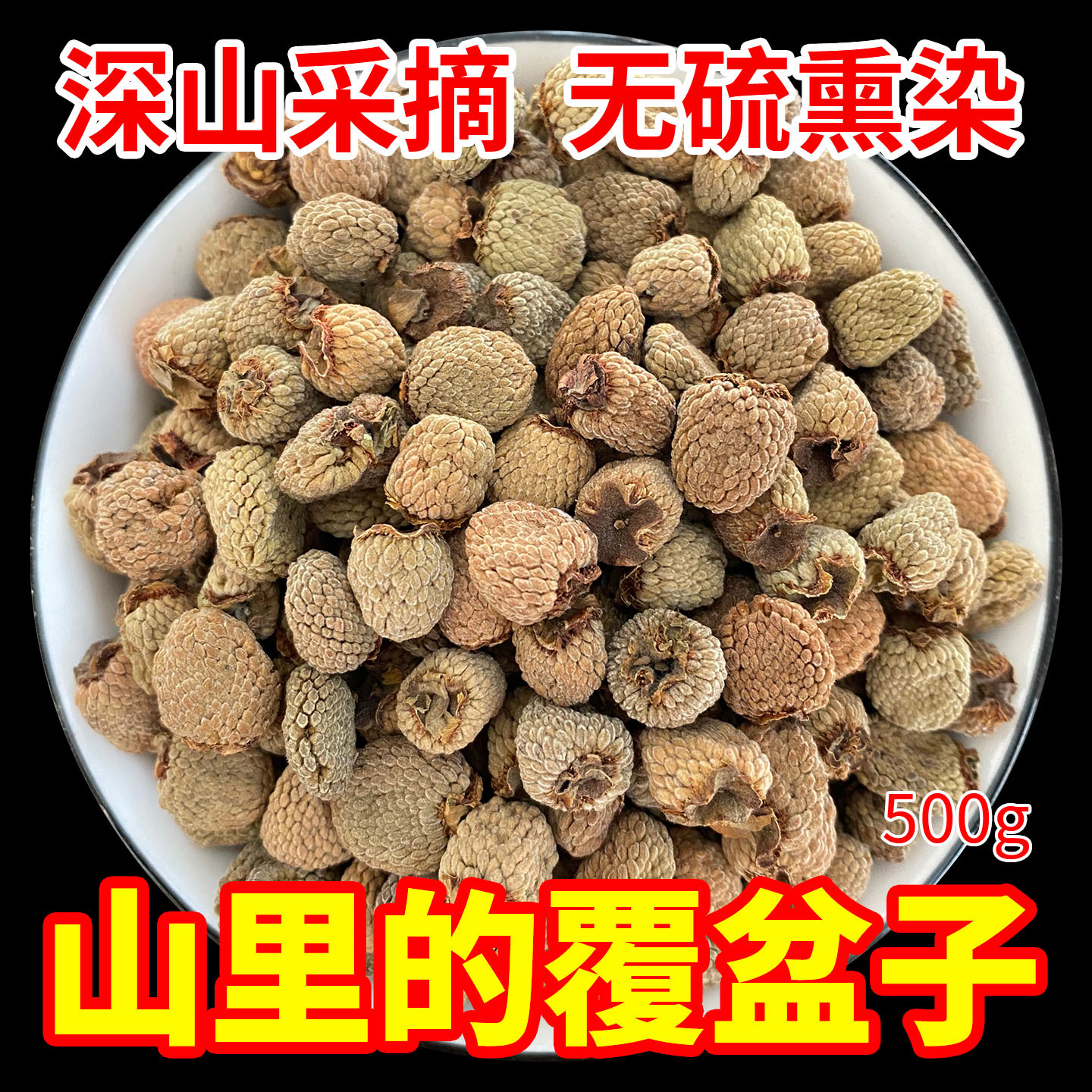
Key Selling Points
- Authentic Fu Pen Zi (覆盆子) dried Chinese raspberry fruit from Anhui
- Botanical source Rubus chingii, palmate leaf raspberry used in TCM
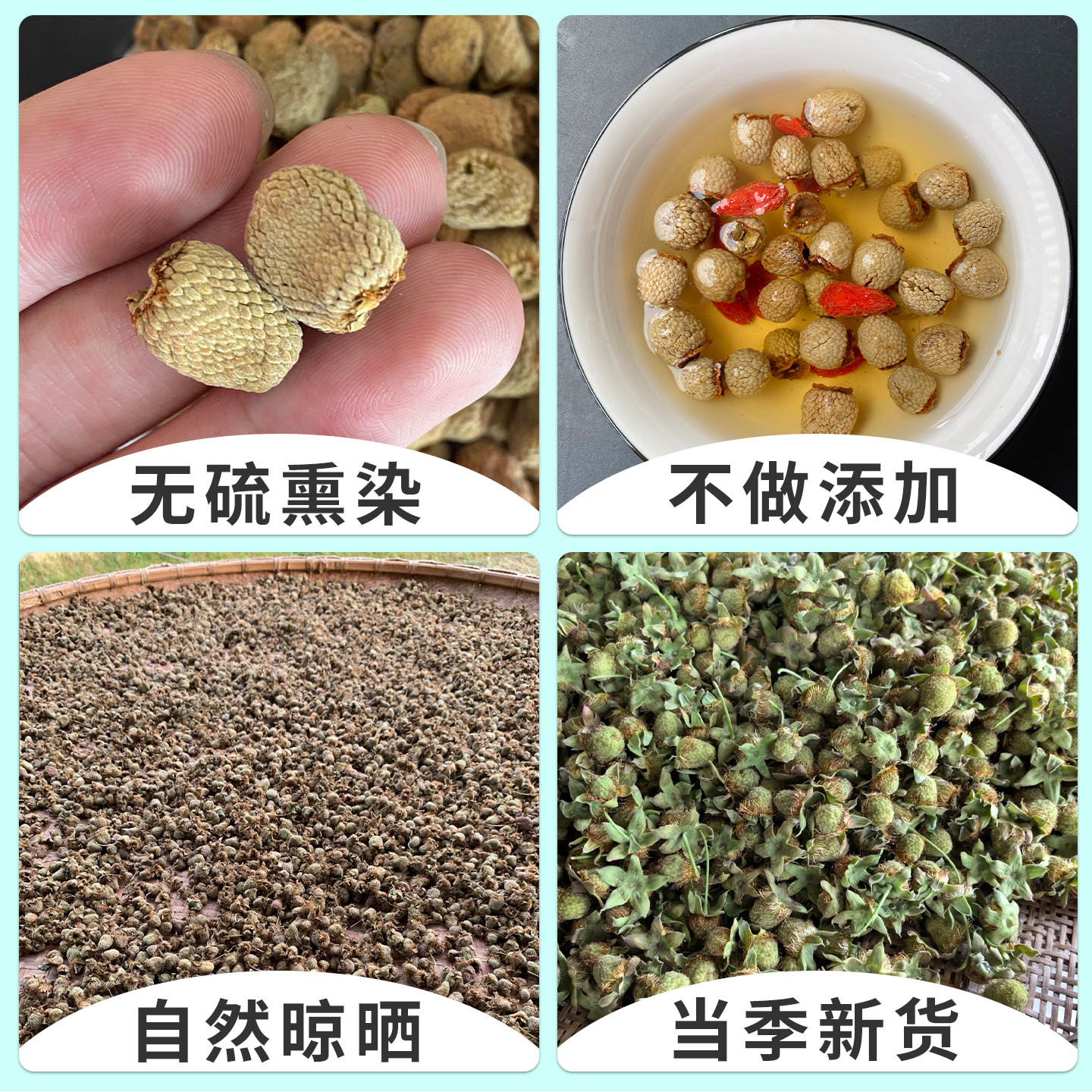
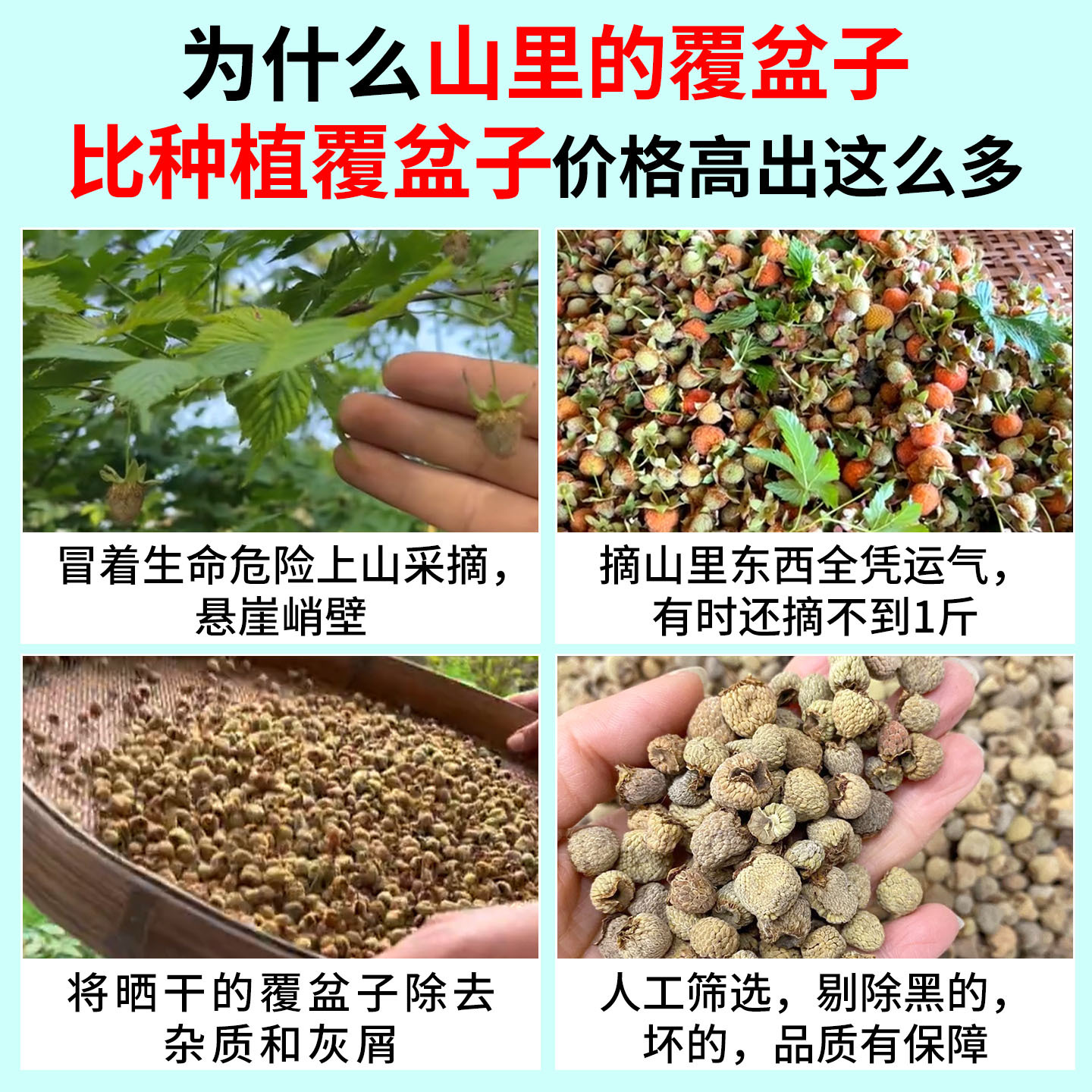
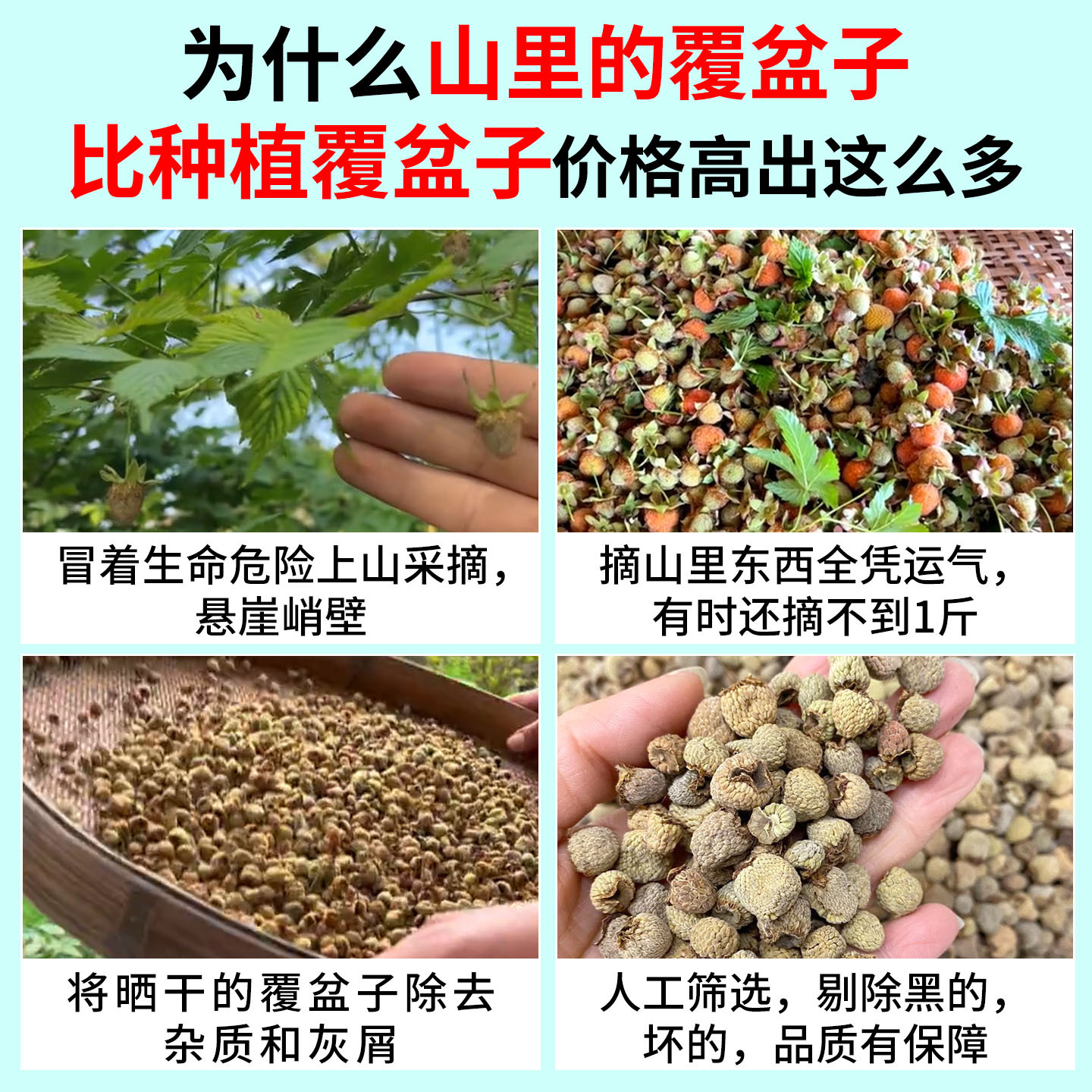
- Naturally sun dried whole aggregate fruits with no further processing
- Traditionally associated with kidney and bladder channels in TCM theory
- Convenient 100g can ideal for herbal tea infusions at home
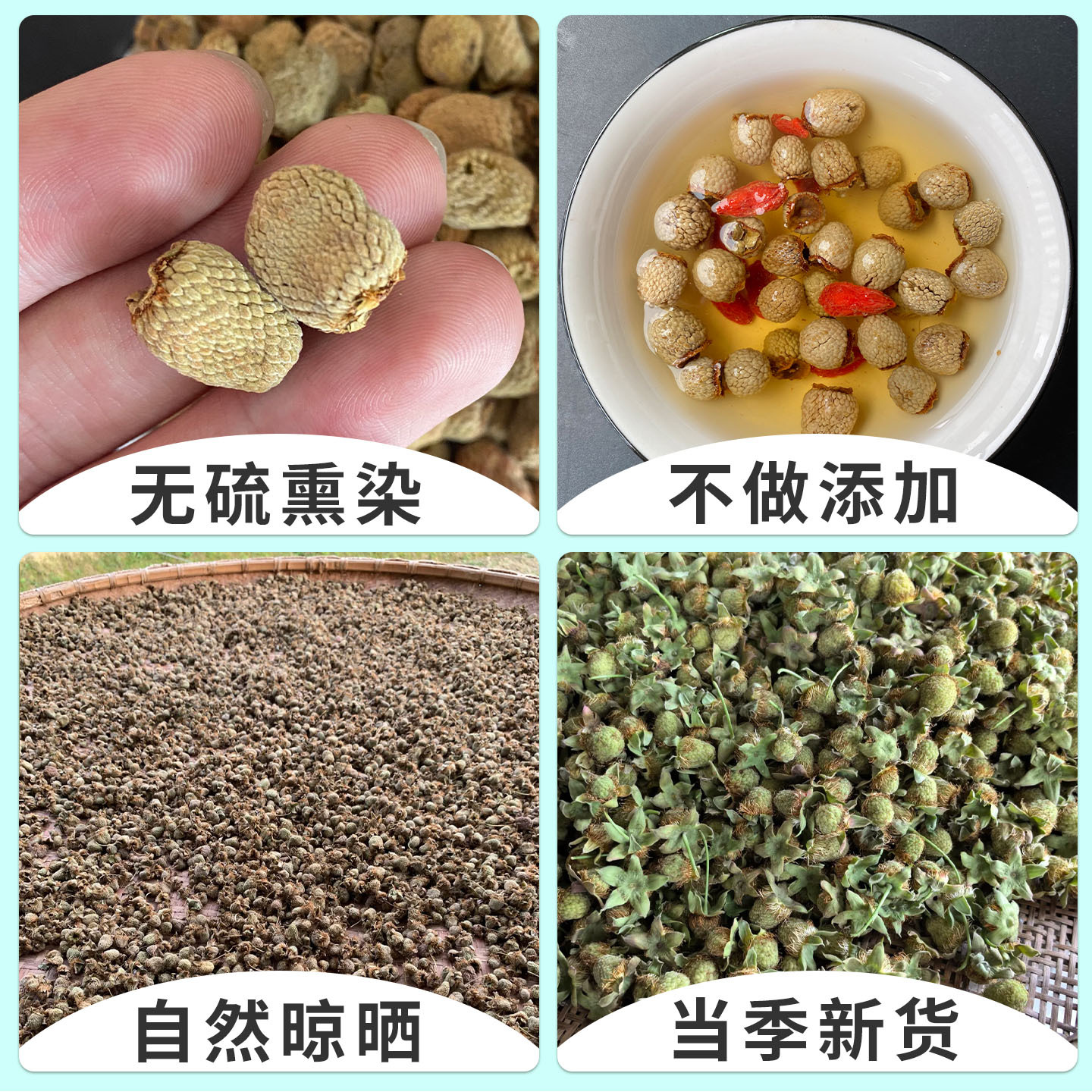
Quality & Sensory
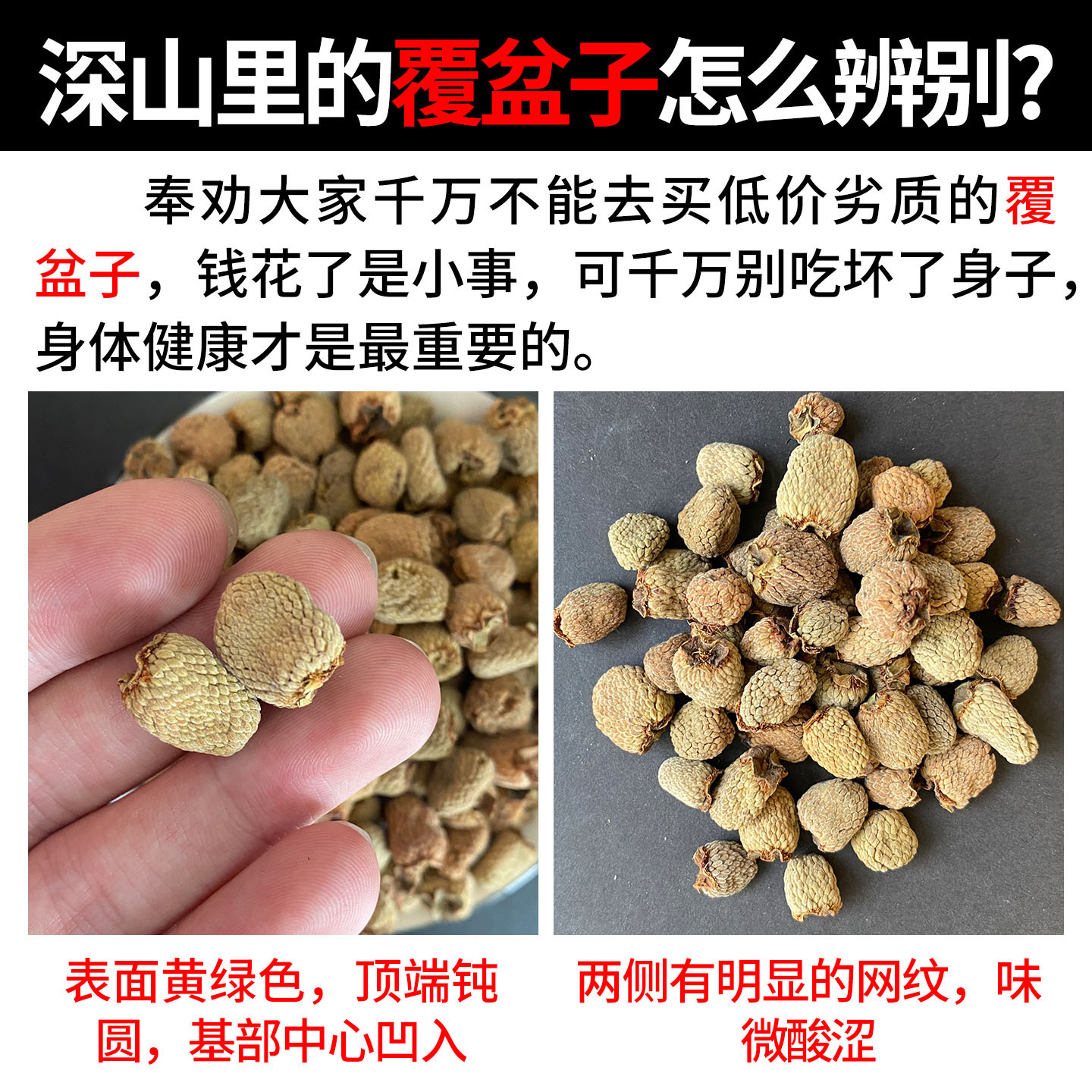
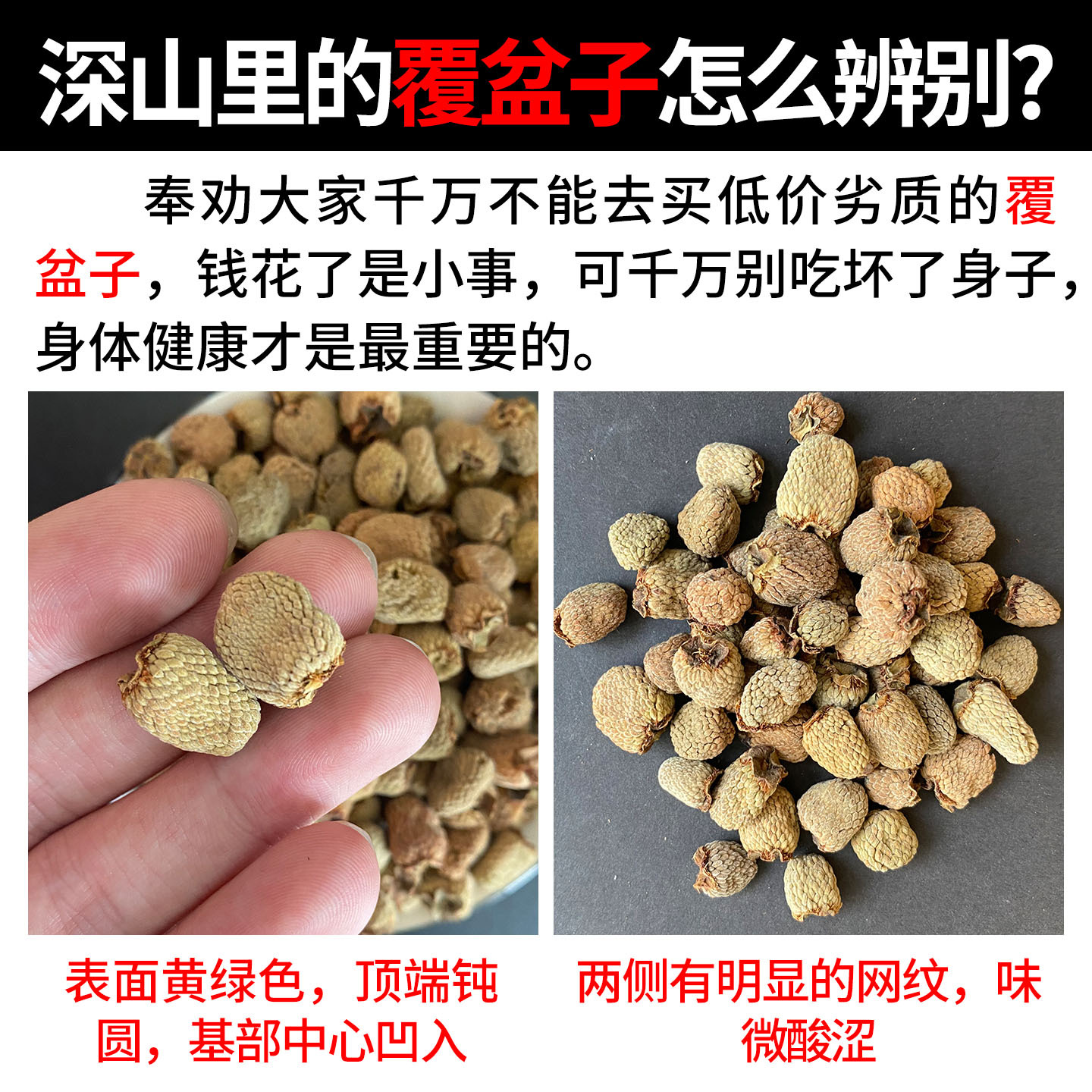
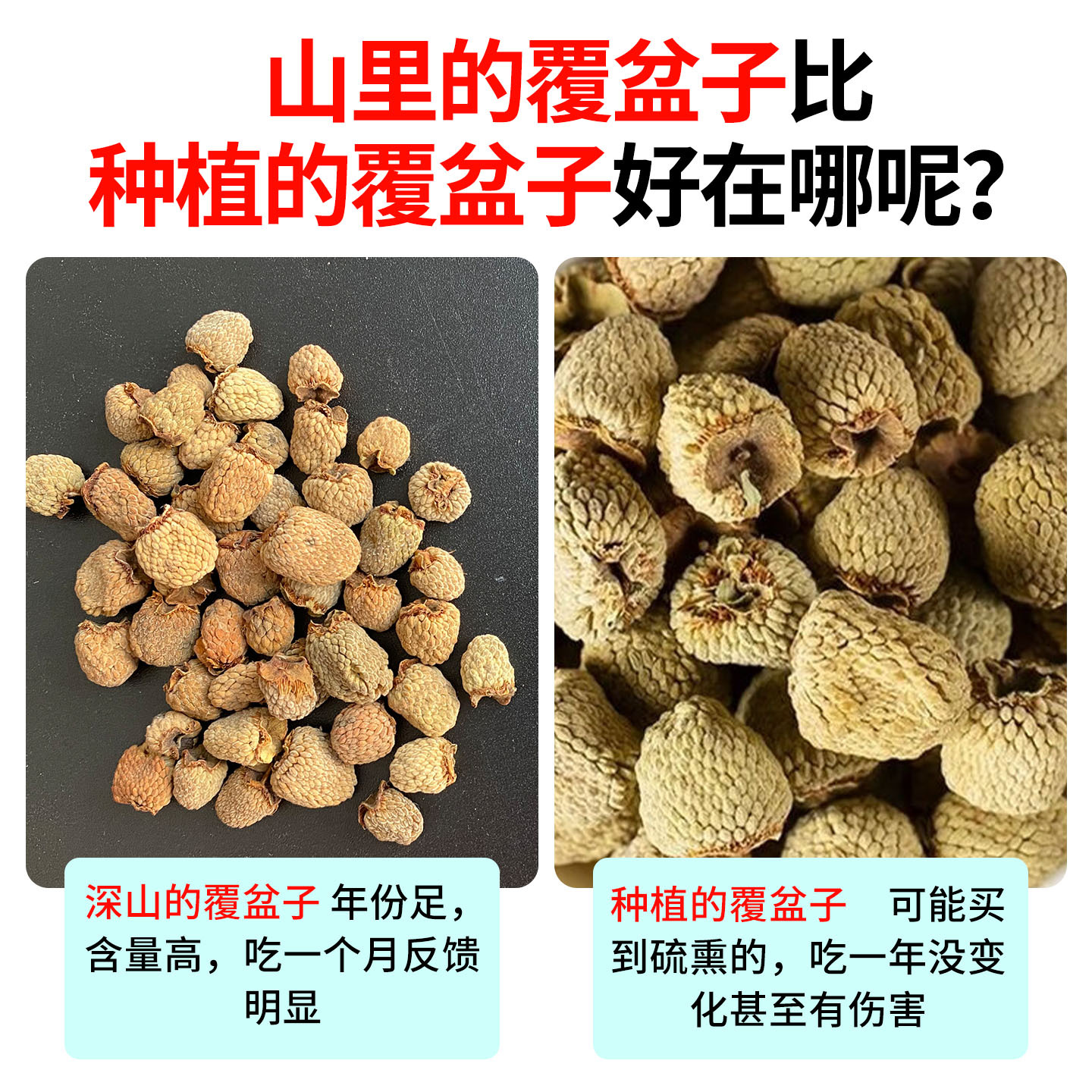
Typically small clustered drupelets in yellowish-brown to reddish-brown tones with a dry, slightly sticky texture and a mild sweet-tart aroma. When steeped, the infusion typically shows a light amber hue with a gently sweet and faintly sour taste.
Technical Specifications
| Product Type | Dried herbal fruit for tea |
|---|---|
| Chinese Name | 覆盆子 |
| Pinyin | Fu Pen Zi |
| Botanical Name | Rubus chingii |
| Plant Part | Dried fruit |
| Net Weight | 100g per can |
Usage Scenarios
- Steep as a daily herbal tea infusion
- Simmer in traditional herbal decoctions
- Combine with goji berries or mulberry in wellness blends
- Add to seasonal tonic soups in small amounts
Traditional Uses
In TCM practice, Fu Pen Zi is traditionally used in kidney-tonifying formulas and is often paired with herbs such as Shan Zhu Yu, Sang Shen, and Sha Yuan Zi. It is commonly prepared as a simple infusion or added to decoctions, especially in autumn and winter wellness routines.
FAQ Q&A
Q: What is this product?
A: It is dried Fu Pen Zi (覆盆子), the fruit of Rubus chingii, naturally sun dried and packed in 100g cans.
Q: What is its traditional value?
A: In TCM theory it is sweet and slightly warm and is traditionally associated with the kidney and bladder channels.
Q: How is it commonly used?
A: It is typically steeped as an herbal tea or simmered in decoctions, often combined with other tonic herbs.
Additional information
| Weight | N/A |
|---|---|
| Dimensions | N/A |
| Packaging specifications | Selected Origin Raspberry 100g can 1 can, Selected Origin Raspberry 100g can 2 cans, Selected Origin Raspberry 100g can 3 cans, Selected Origin Raspberry 100g can 5 cans |
Related products
-
Xinhui Chenpi Dried Tangerine Peel 500g Sun Dried Aged Peel for Soup and Tea
Price range: $60.19 through $116.90 -
Dried Cinnamon Bark Rou Gui 500g Whole Peeling Culinary Spice and Traditional Herbal Ingredient
Price range: $5.58 through $8.33 -
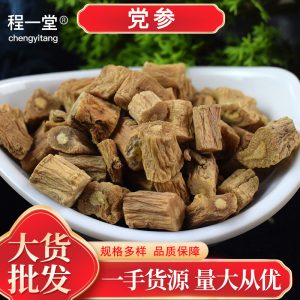
Dried Codonopsis Root Slices Dang Shen 500g Bulk Supply for Soups and Herbal Decoctions
Price range: $10.28 through $18.06 -

Cabinda Bark Dried Herb 500g Traditional Herbal Infusion Ingredient
Price range: $12.38 through $37.50
Reviews
There are no reviews yet.