
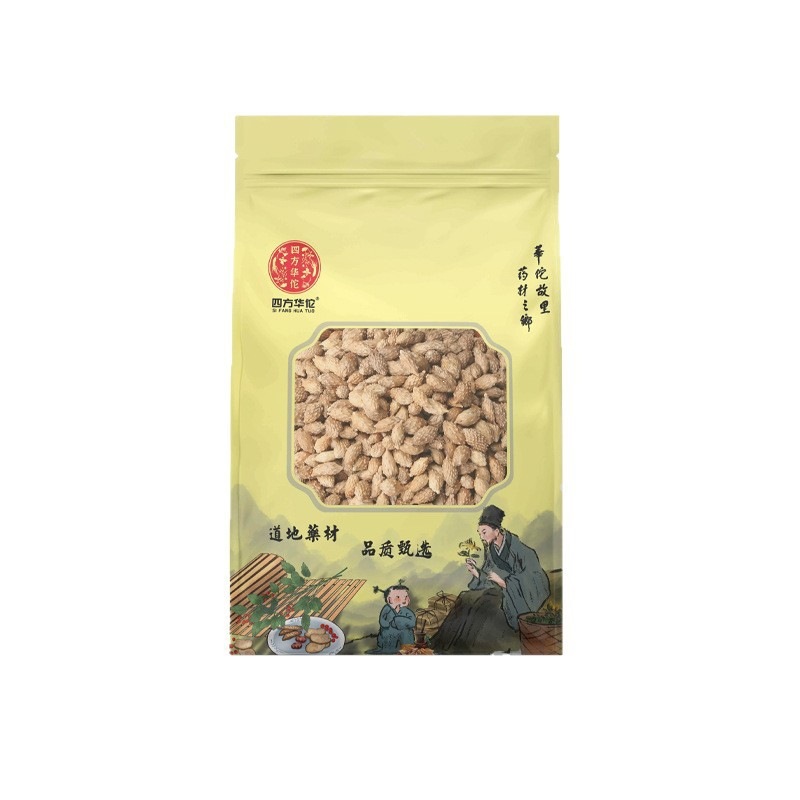
Fried Cocklebur Fruit Xanthium Slices De-Spined Dried Herb for Traditional Herbal Decoction 250g
Price range: $5.07 through $9.19
Description
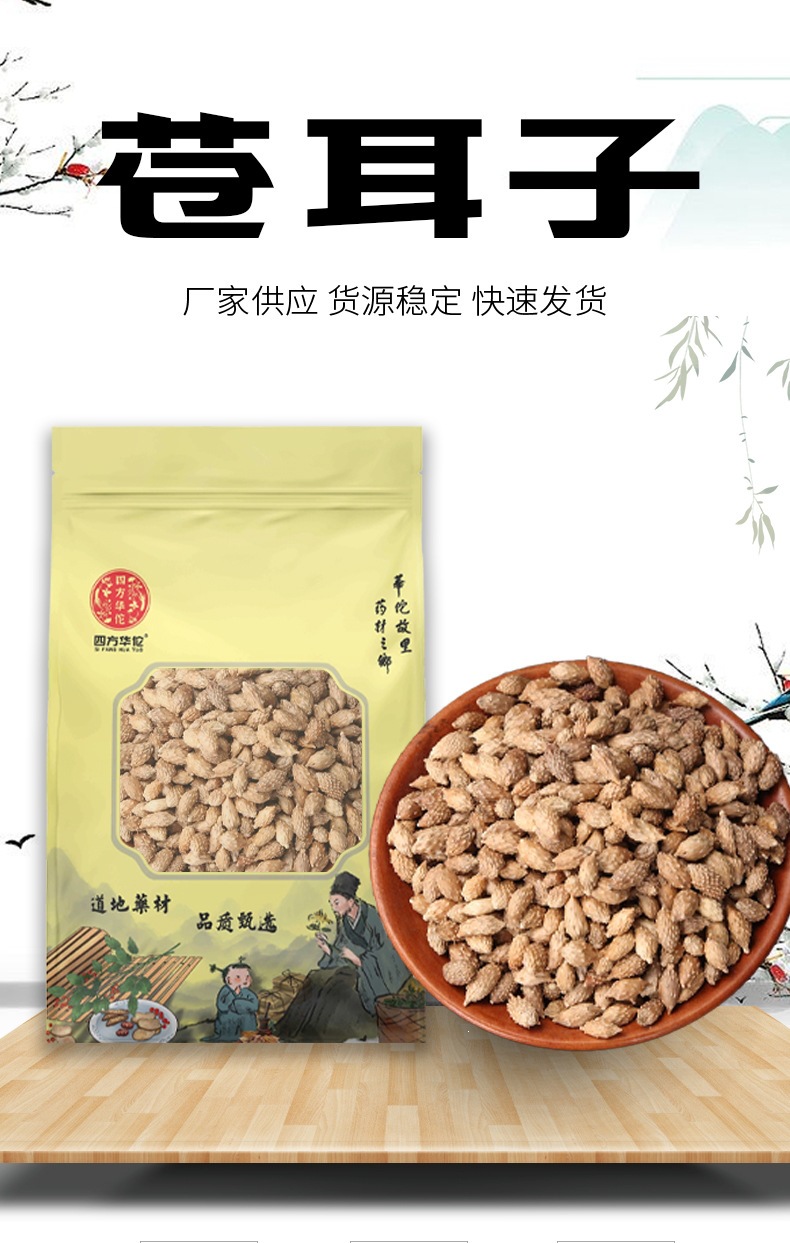
Dried Fried Cocklebur Fruit, known in TCM as Cang Er Zi (苍耳子), from Xanthium sibiricum. These de-spined, stir-fried seed fruits are a classic Chinese herbal decoction piece. In TCM theory, Cang Er Zi is warm, sweet and bitter, entering the Lung channel, and is traditionally associated with dispersing wind and opening the nasal passages. Commonly prepared as a decoction with other herbs, it is used in traditional formulas rather than as a daily tea.
Key Selling Points
- Identified as Cang Er Zi (苍耳子), the dried fruit of Xanthium sibiricum
- Stir-fried and de-spined form for traditional decoction use
- Warm, sweet-bitter TCM nature entering the Lung channel
- Traditionally used in wind-dispelling and nasal-opening formulas
- Sold as a 250g raw herb decoction piece
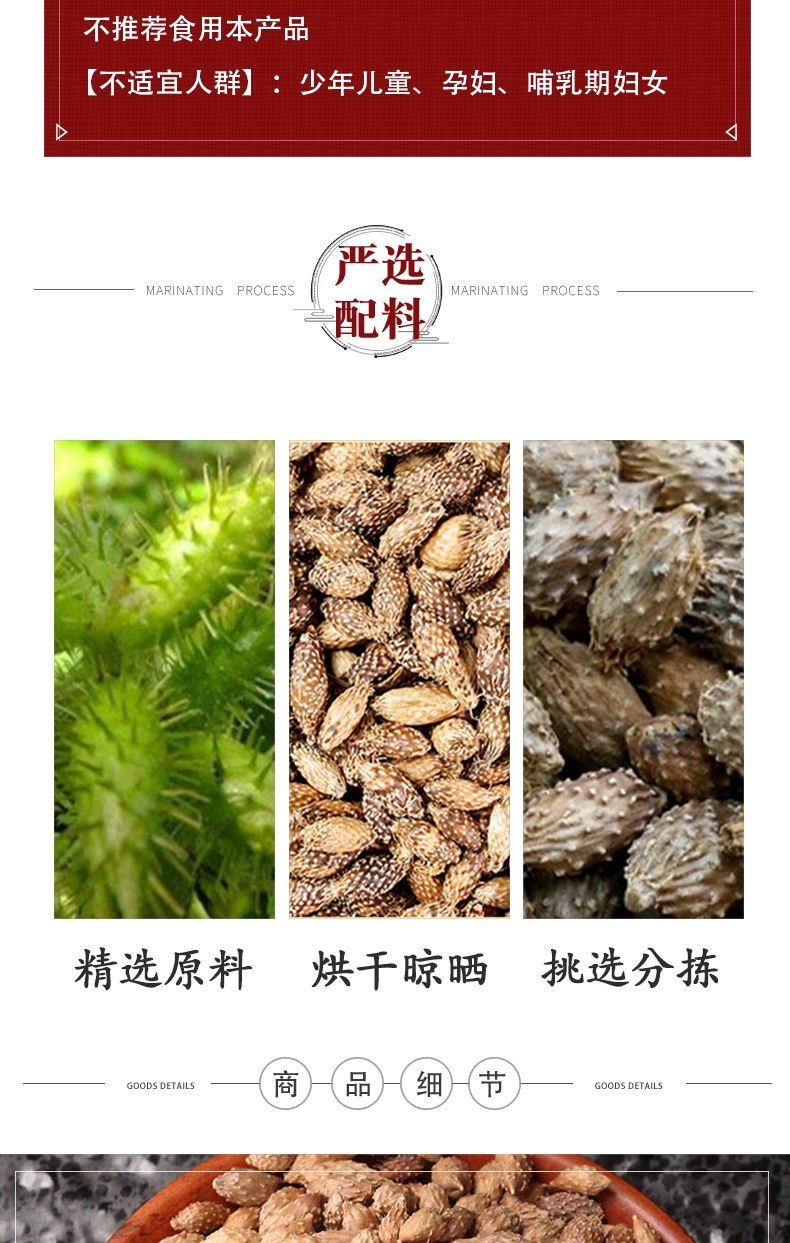
Quality & Sensory
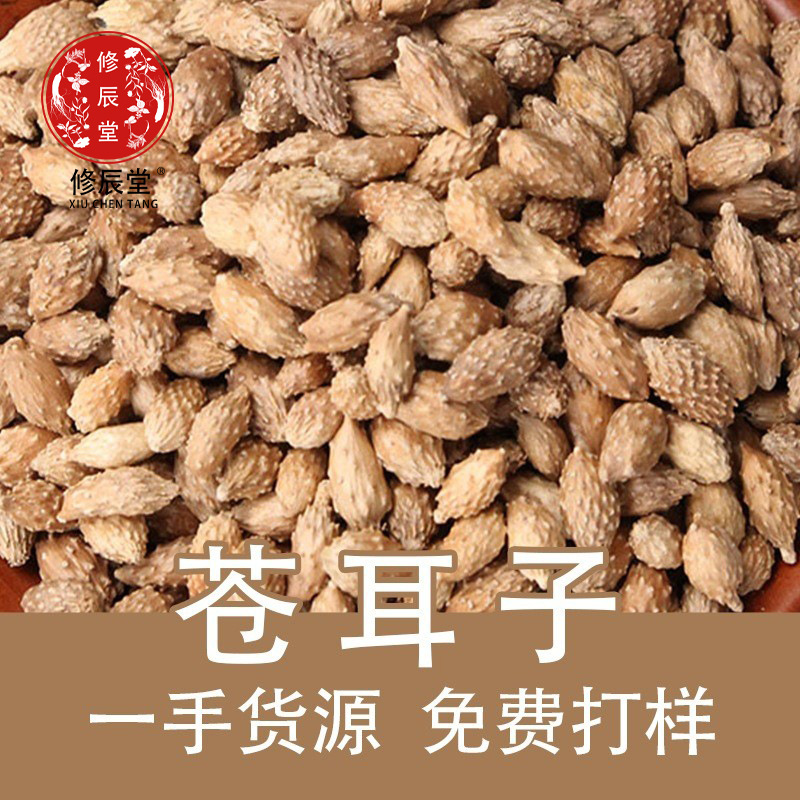
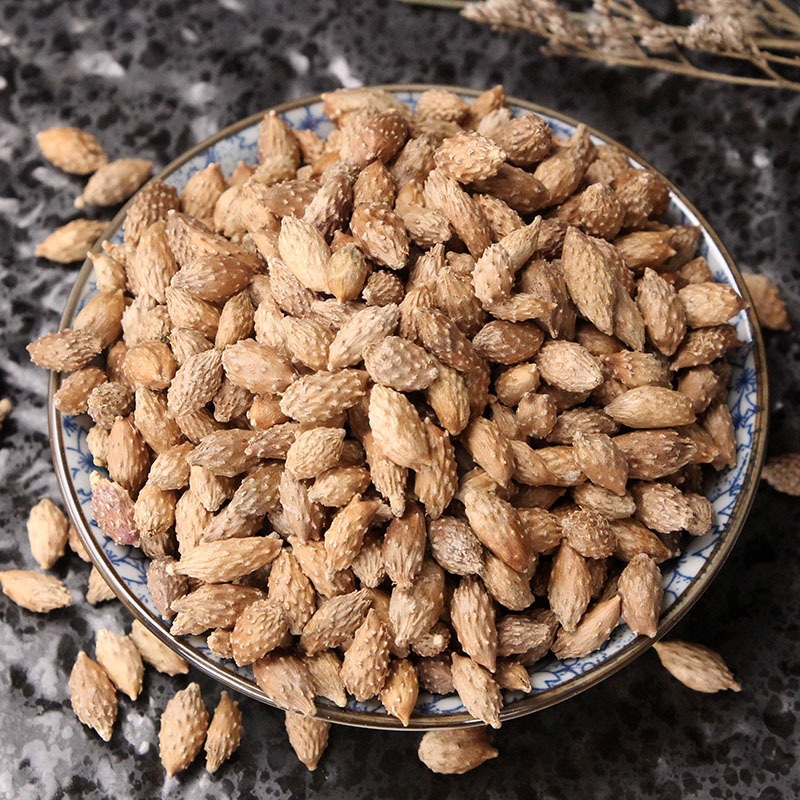
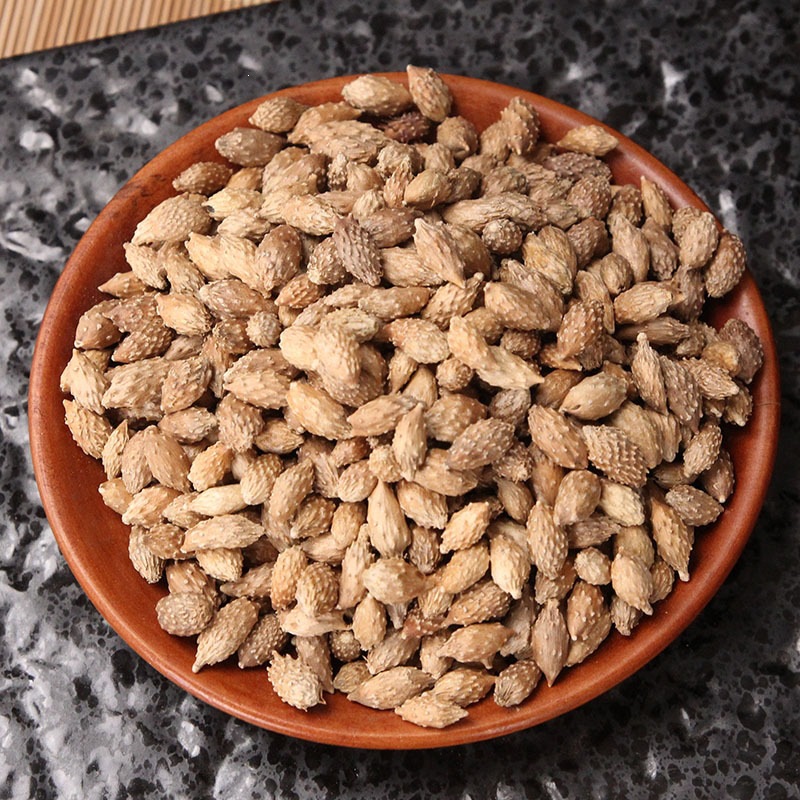
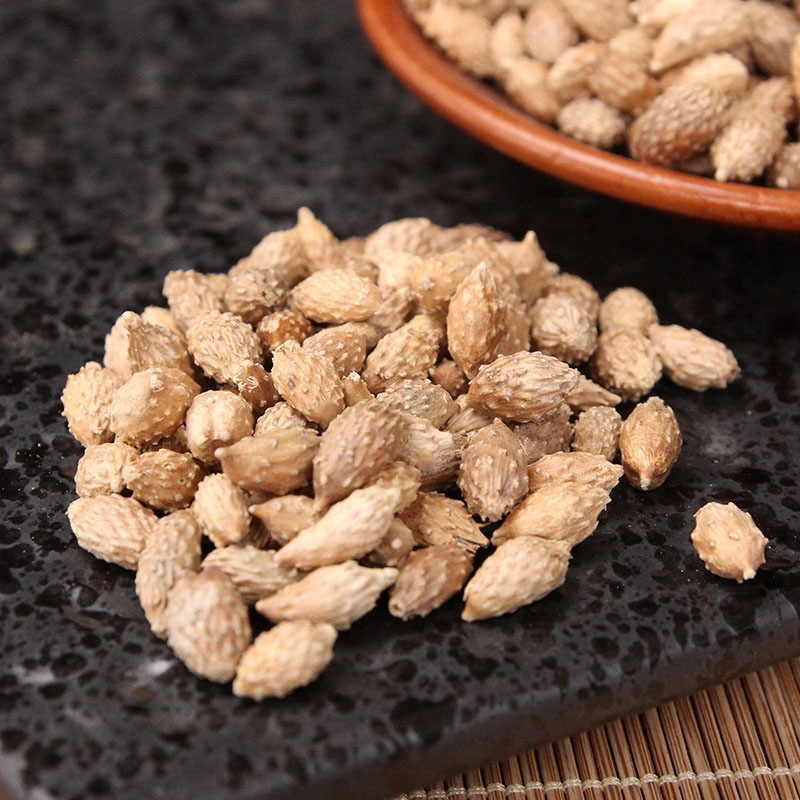
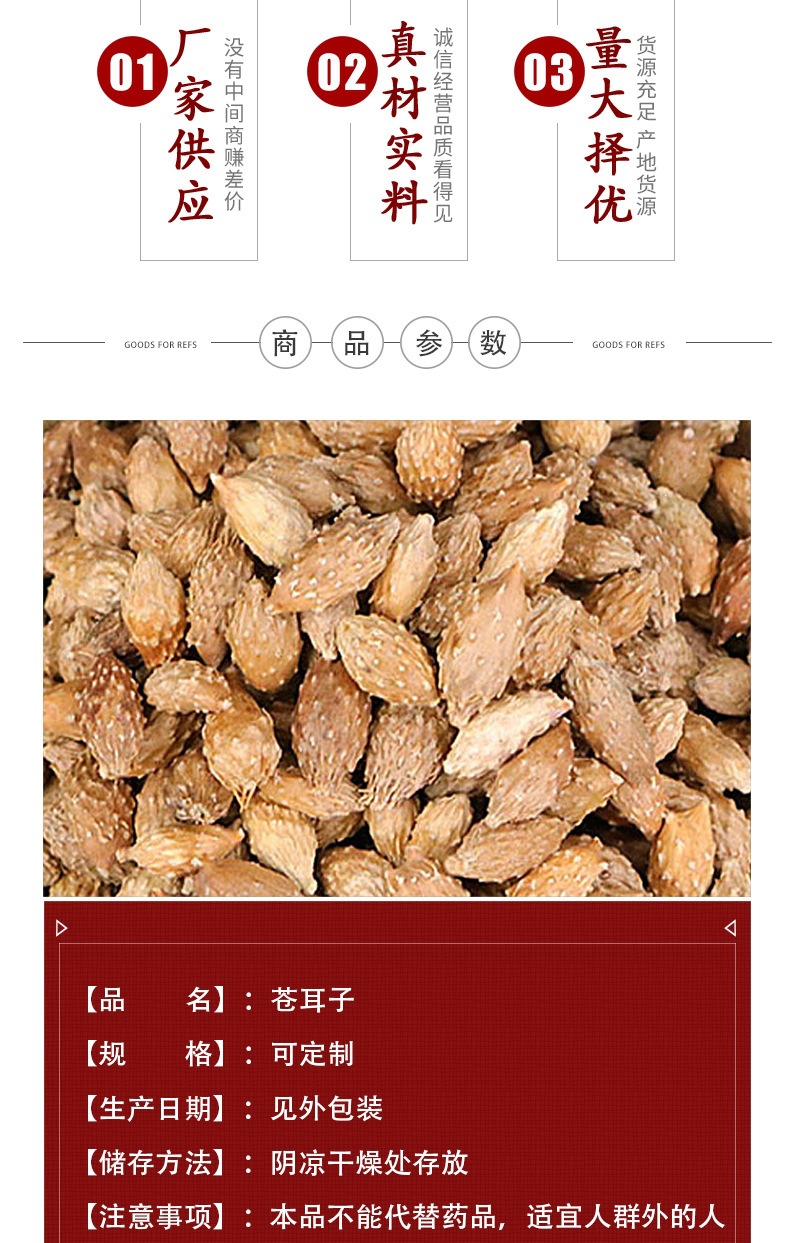
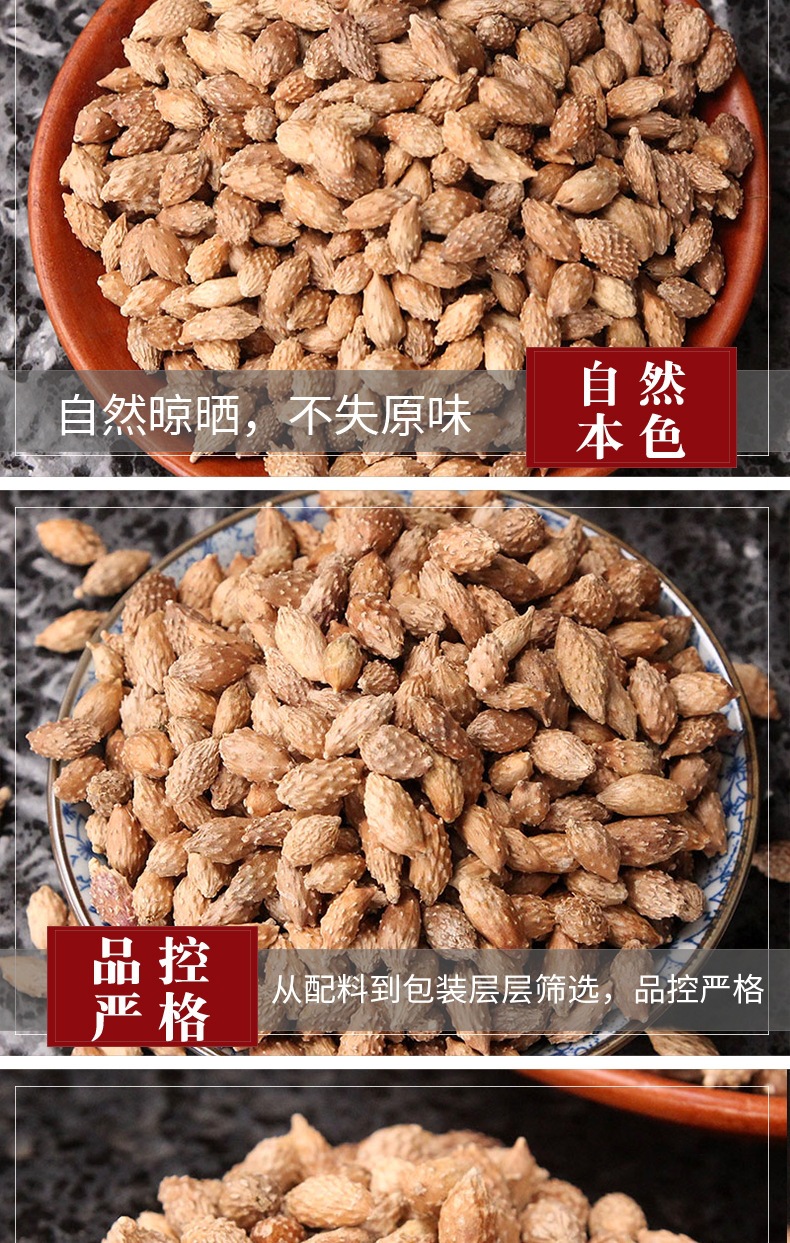
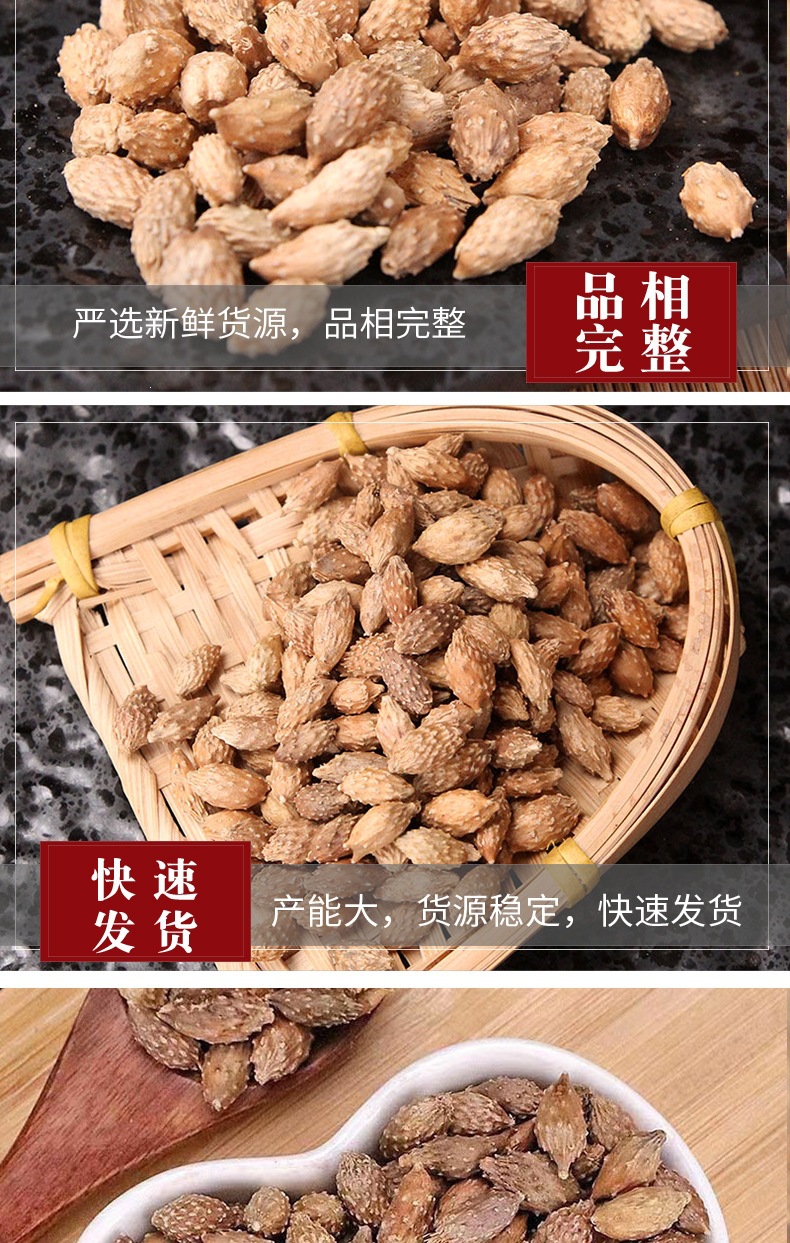
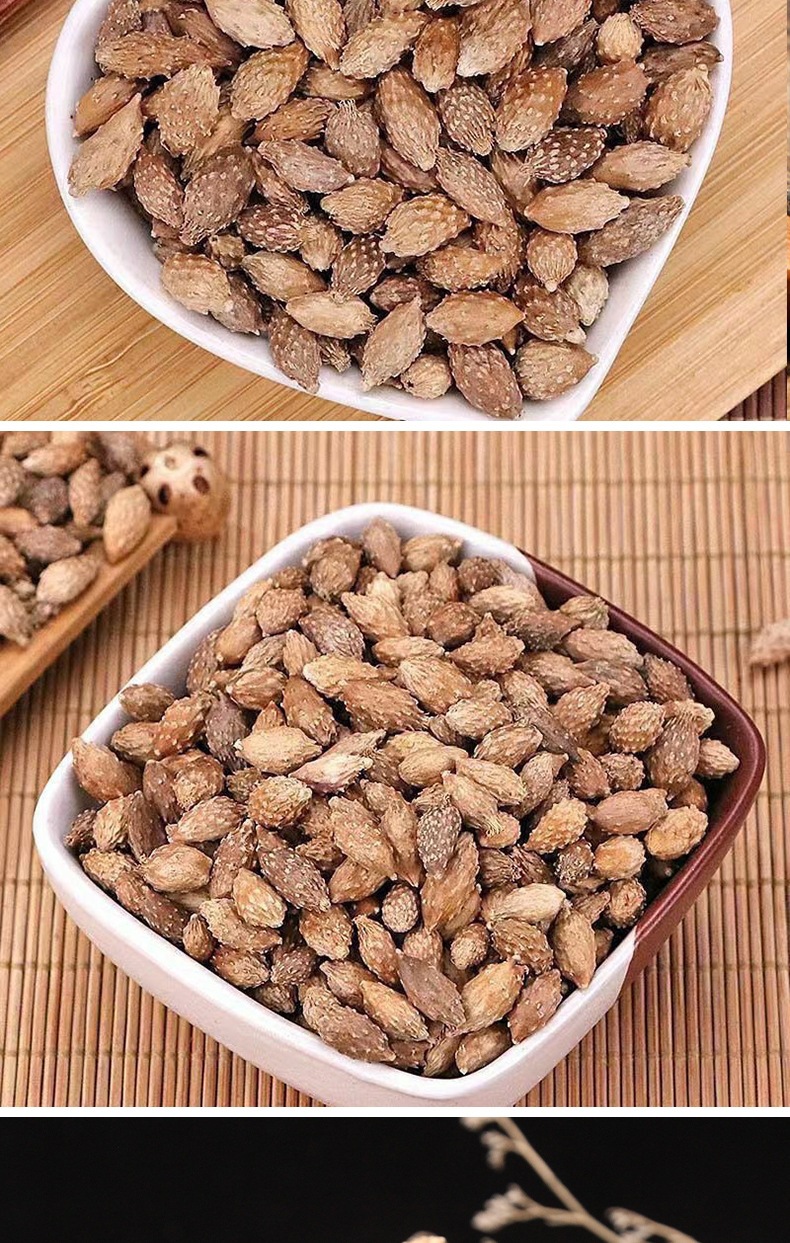
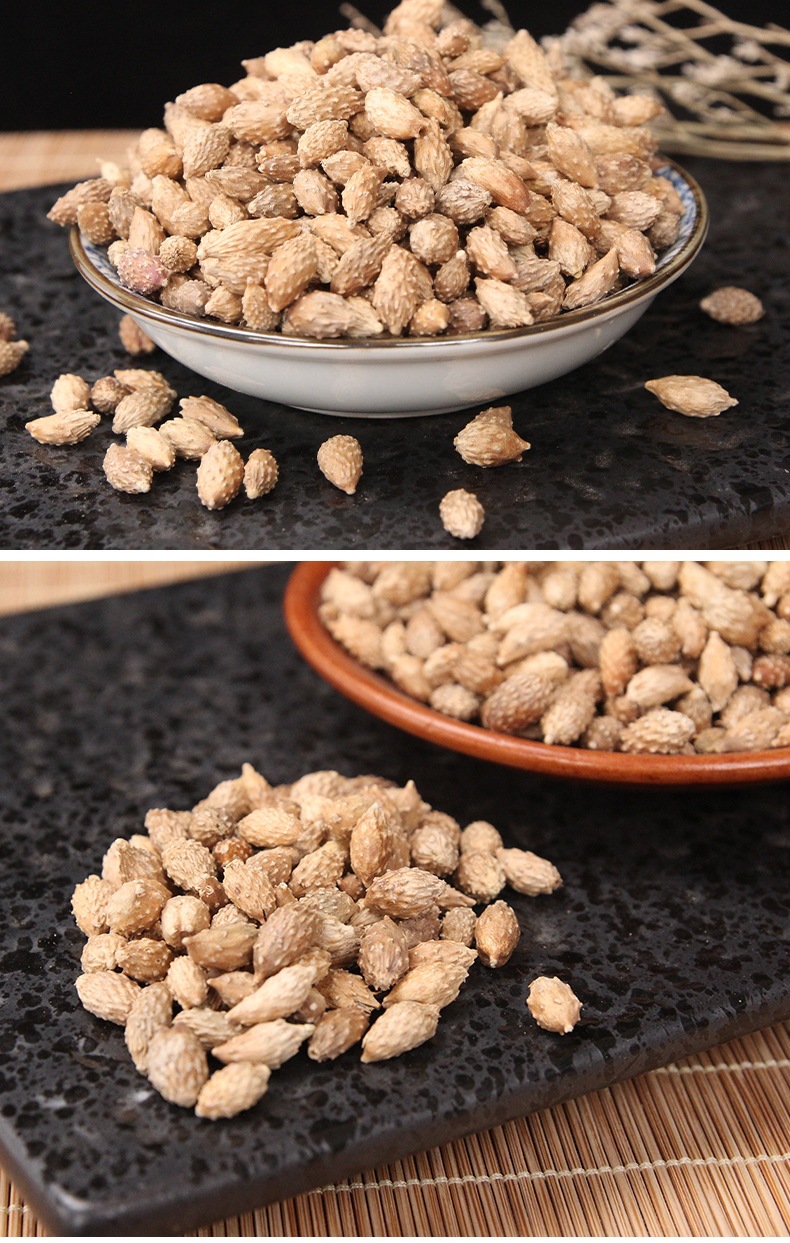
The fruits are typically small, oval, and grayish-brown to dark brown, with a hard, fibrous texture and a faint, earthy, slightly acrid aroma. After de-spining and stir-frying, they appear slightly darker and less prickly. In decoction, the liquid is typically dark and mildly bitter with an earthy taste.
Technical Specifications
| Product Type | Dried herbal decoction piece |
|---|---|
| Chinese Name | 苍耳子 |
| Pinyin | Cang Er Zi |
| Botanical Name | Xanthium sibiricum |
| Plant Part | Fruit |
| Form | De-spined stir-fried fruit |
Usage Scenarios
- Traditional herbal decoction with other herbs
- Included in classic wind-dispelling formulas
- Used in herbal soup or congee preparations
- External foot soak in traditional practice
Traditional Uses
In TCM theory, Cang Er Zi is traditionally used to disperse wind and open the nasal passages, often paired with herbs such as Bai Zhi, Xin Yi Hua, or Bo He in decoctions. It is also used in folk practice for wind-damp joint discomfort and in external washes or foot soaks. Because the raw fruit is prickly and potentially irritating, it is typically stir-fried and de-spined before use.
FAQ Q&A
Q: What is this product?
A: It is dried, stir-fried, de-spined Cocklebur fruit, known in TCM as Cang Er Zi (苍耳子), from Xanthium sibiricum.
Q: What is its traditional value?
A: In TCM theory, it is warm and enters the Lung channel, traditionally associated with dispersing wind and opening the nasal passages.
Q: How is it commonly prepared?
A: It is usually simmered in a decoction with other herbs, or used in herbal soups and external foot soaks in traditional practice.
Additional information
| Weight | N/A |
|---|---|
| Dimensions | N/A |
| Model | 选装苍耳子100克, 选装苍耳250克, 选装苍耳500克, 选装苍耳1000克, 选装苍耳2000克 |
Related products
-
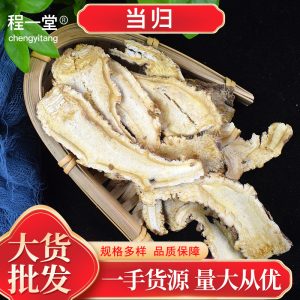
Dried Angelica Sinensis Slices Dang Gui 当归 500g Gansu Raw Herb for Decoction Soup and Tea
Price range: $16.44 through $35.88 -

Dried Huang Jing Slices Polygonatum Rhizome Chicken Head Huang Jing 500g Bulk Herbal Tea and Soup Ingredient
Price range: $9.14 through $18.87 -
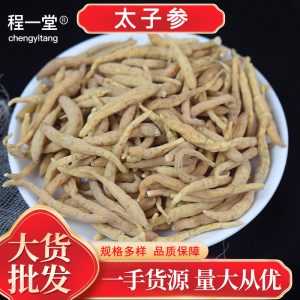
Taizishen Dried Pseudostellaria Root TCM Herbal Tea and Soup Ingredient 500g Bulk Pack
Price range: $10.28 through $15.63 -
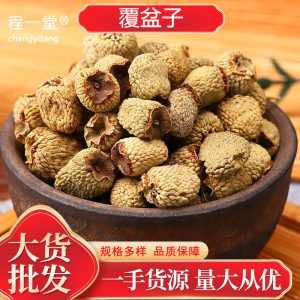
Dried Raspberry Fruit Fu Pen Zi Whole Berries for Herbal Tea and Wine Infusion 500g
Price range: $15.63 through $18.06
Reviews
There are no reviews yet.