
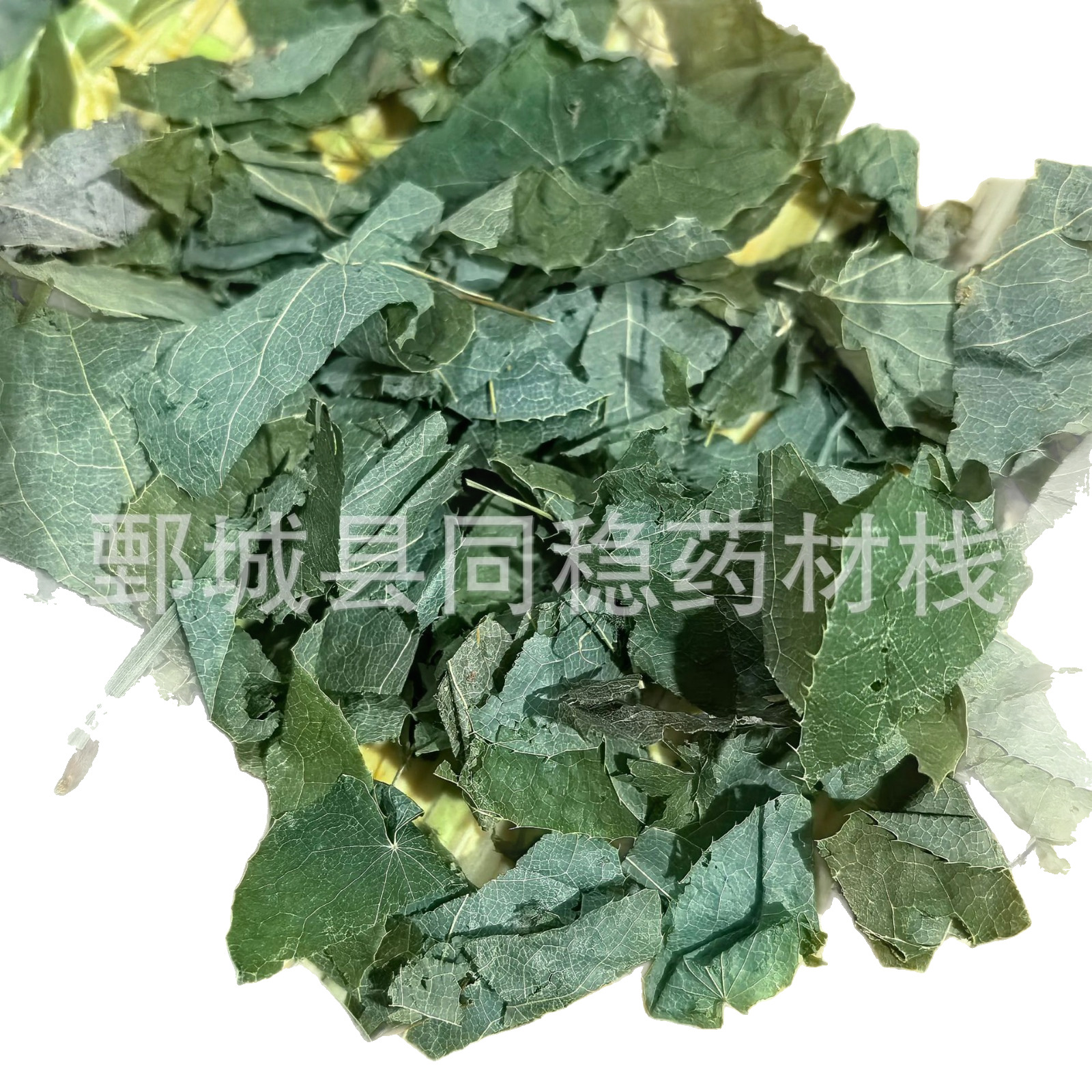
Epimedium Yin Yang Huo Dried Herb Traditional TCM Botanical Gansu Origin
$10.76
1497 in stock
Description
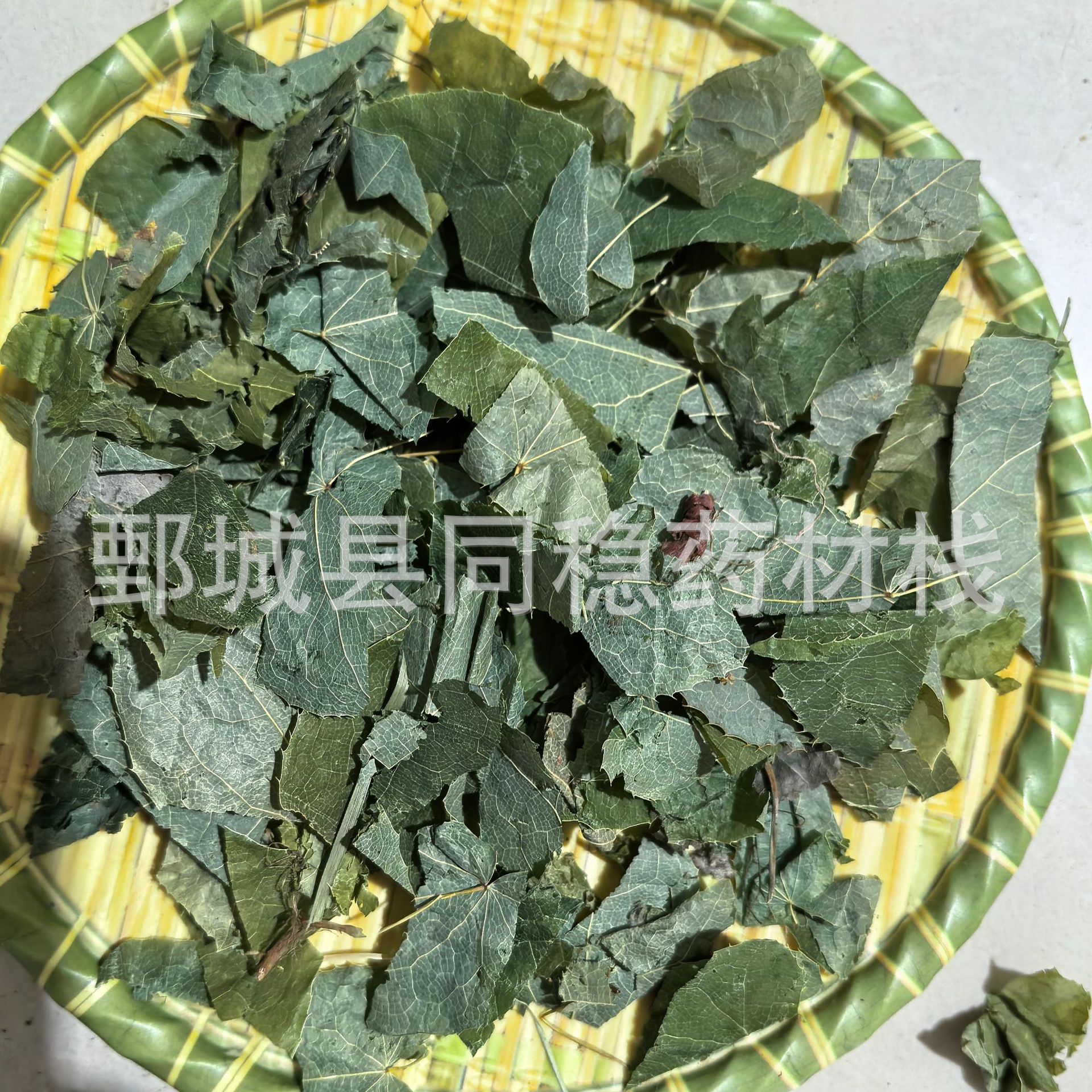
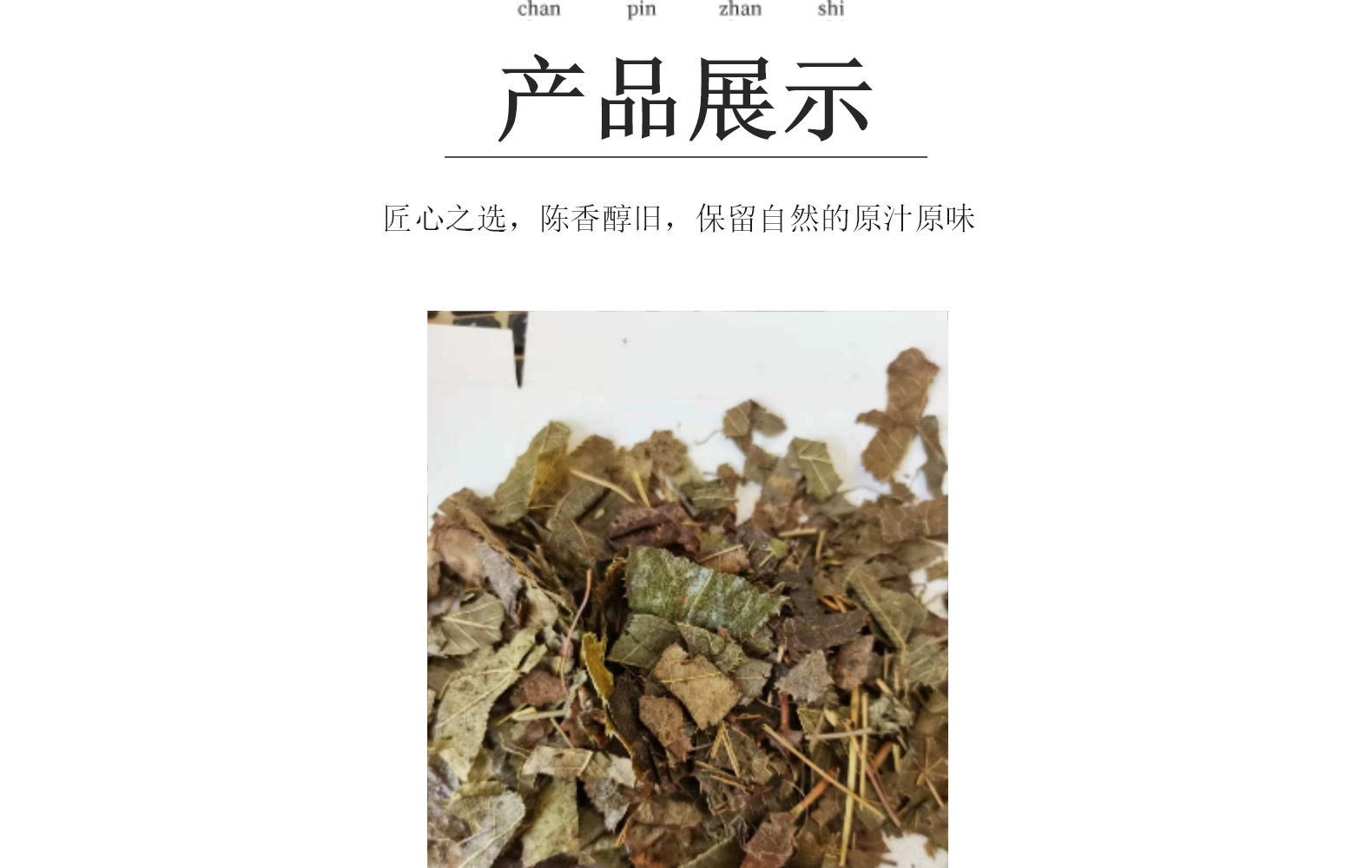
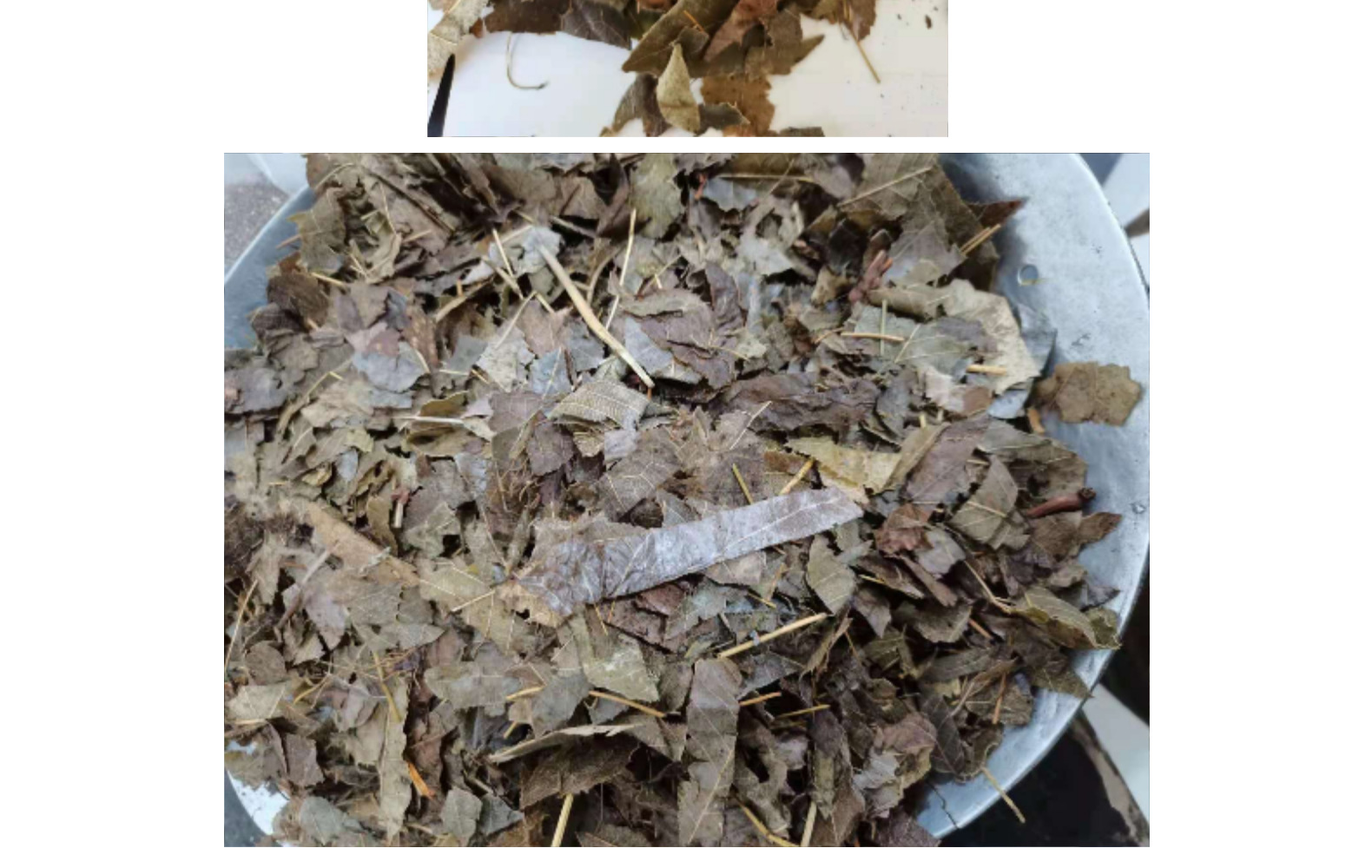
Epimedium, known in TCM as Yin Yang Huo (淫羊藿) and also called Yang Huo Ye (洋火叶), is the dried aerial part of Epimedium brevicornu and related species. Traditionally associated with supporting kidney yang and strengthening sinews and bones, it is a warm, pungent-sweet herb entering the liver and kidney channels. This dried botanical is suitable for decoction, wine infusion, or formula use under professional guidance.
Key Selling Points
- Classic TCM kidney-yang tonic herb with long traditional use
- Botanical source Epimedium brevicornu and related Epimedium species
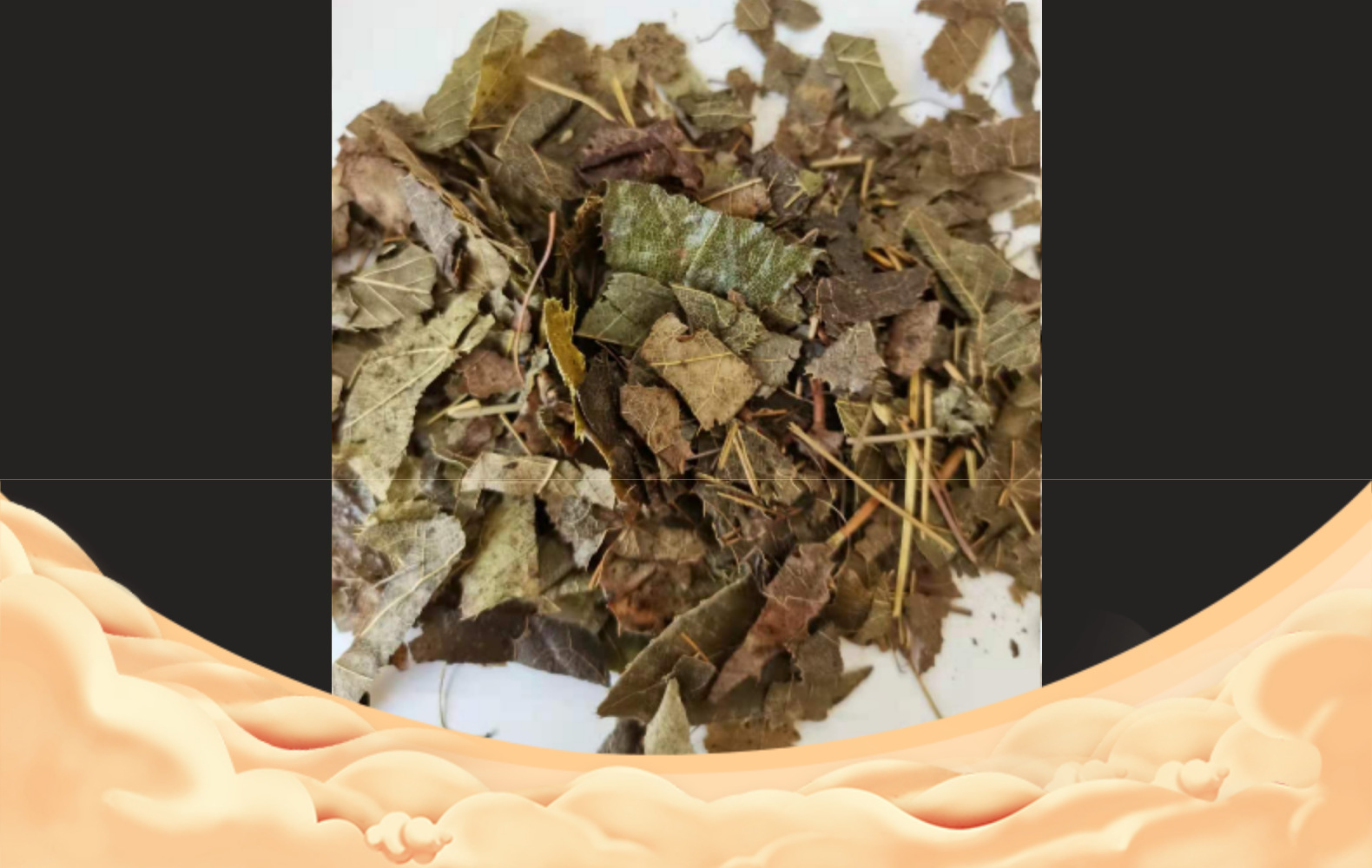
- Dried whole aerial herb, cut and dried for convenient decoction
- Sourced from Gansu province, a recognized production region
- Versatile for decoctions, herbal wine, and traditional formulas

Quality & Sensory
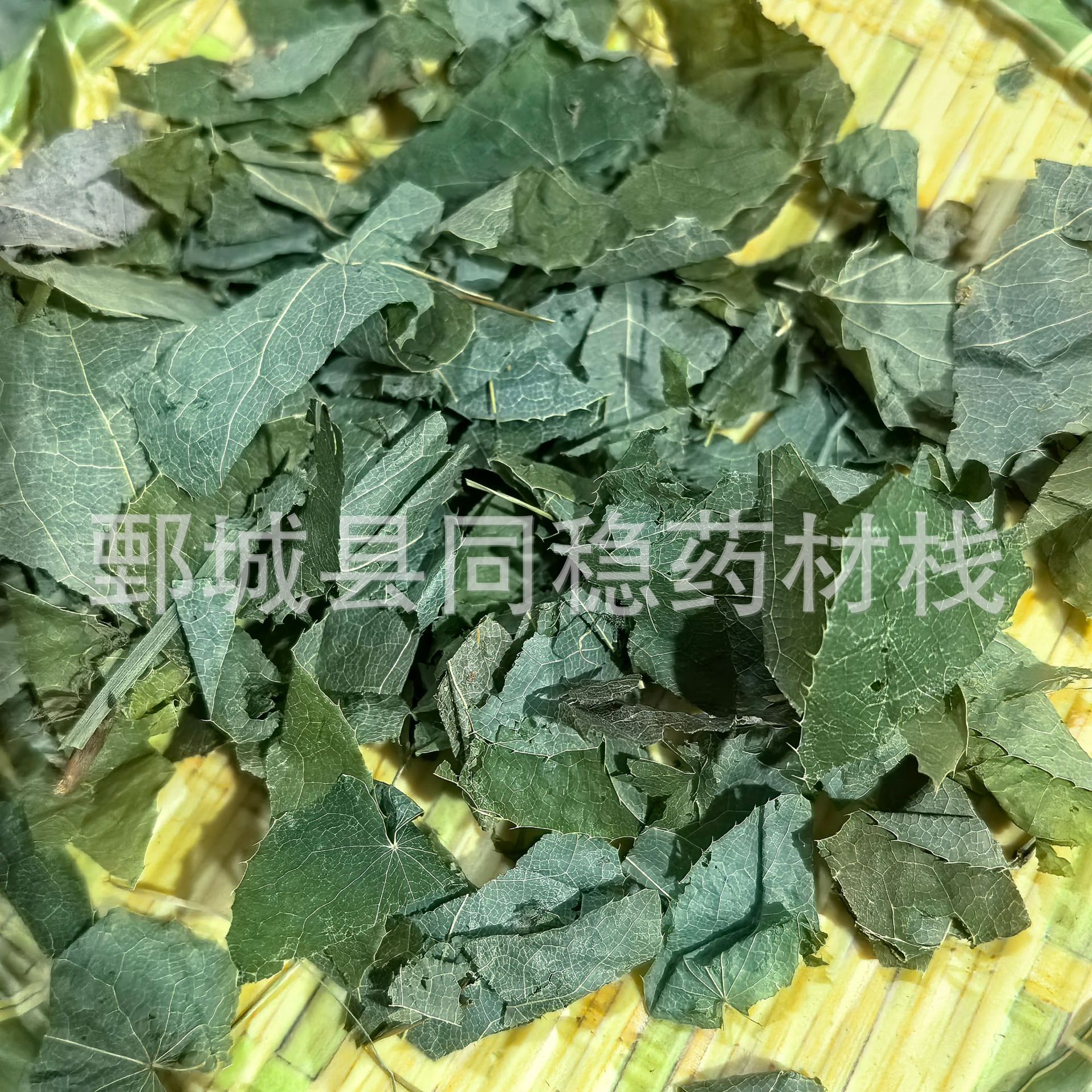
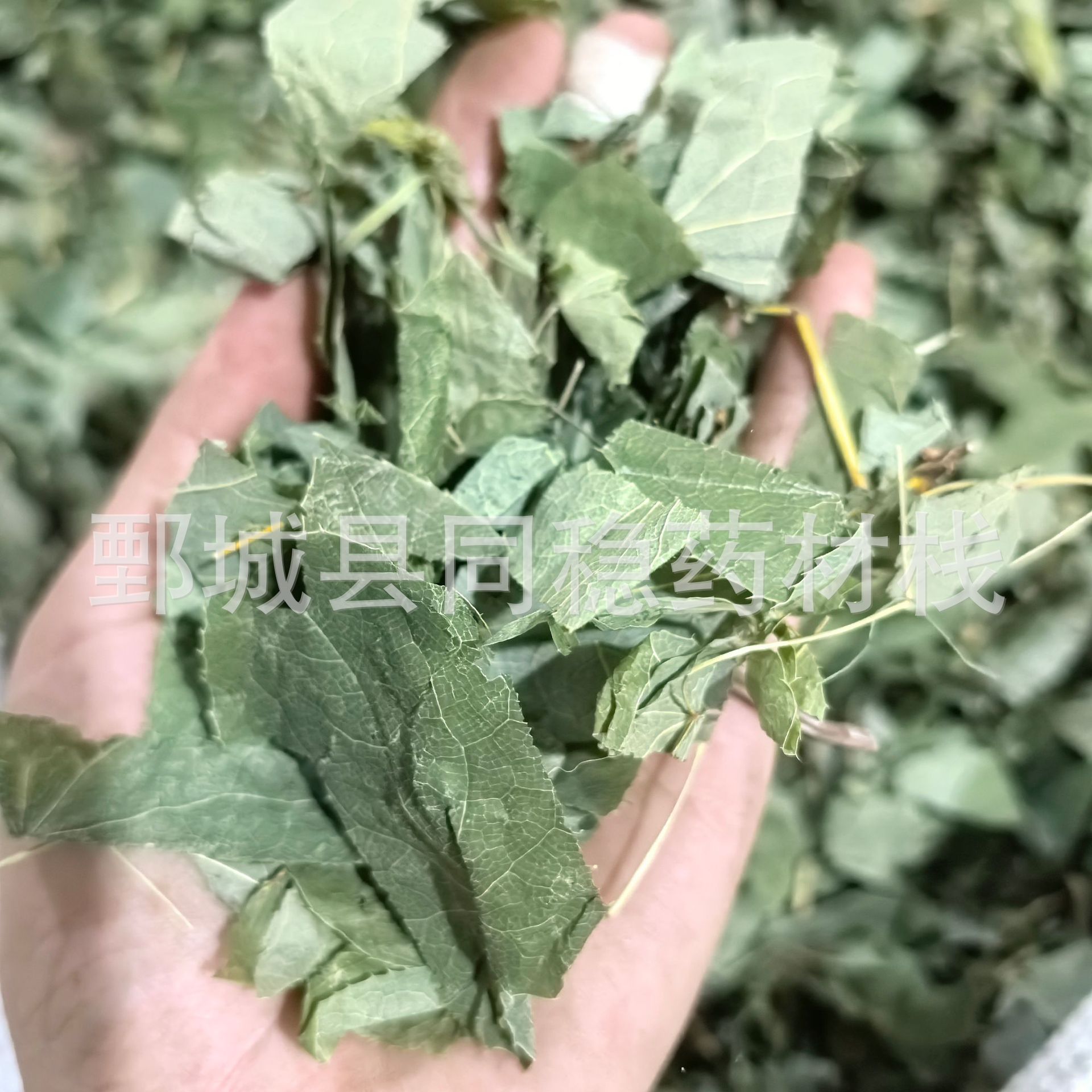
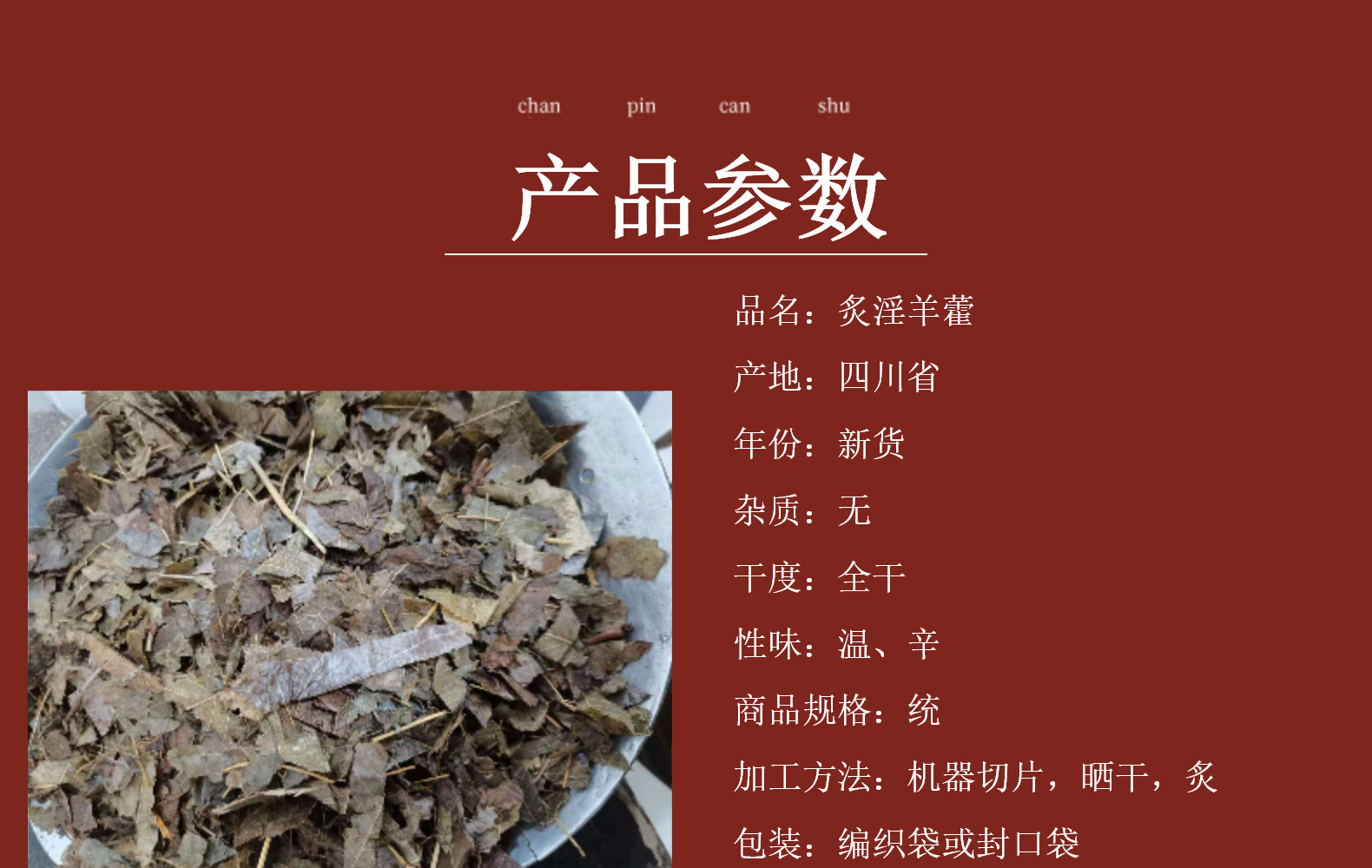
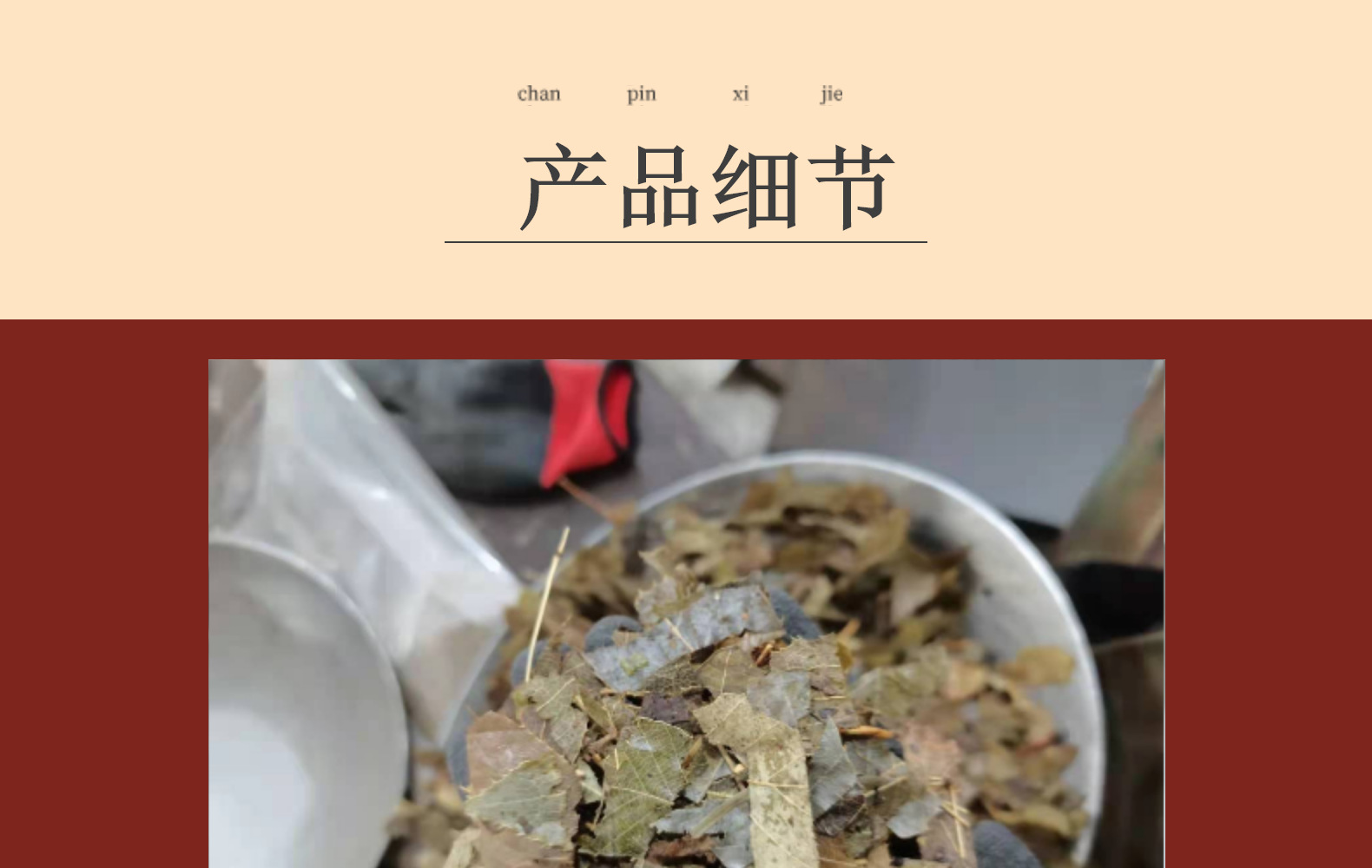
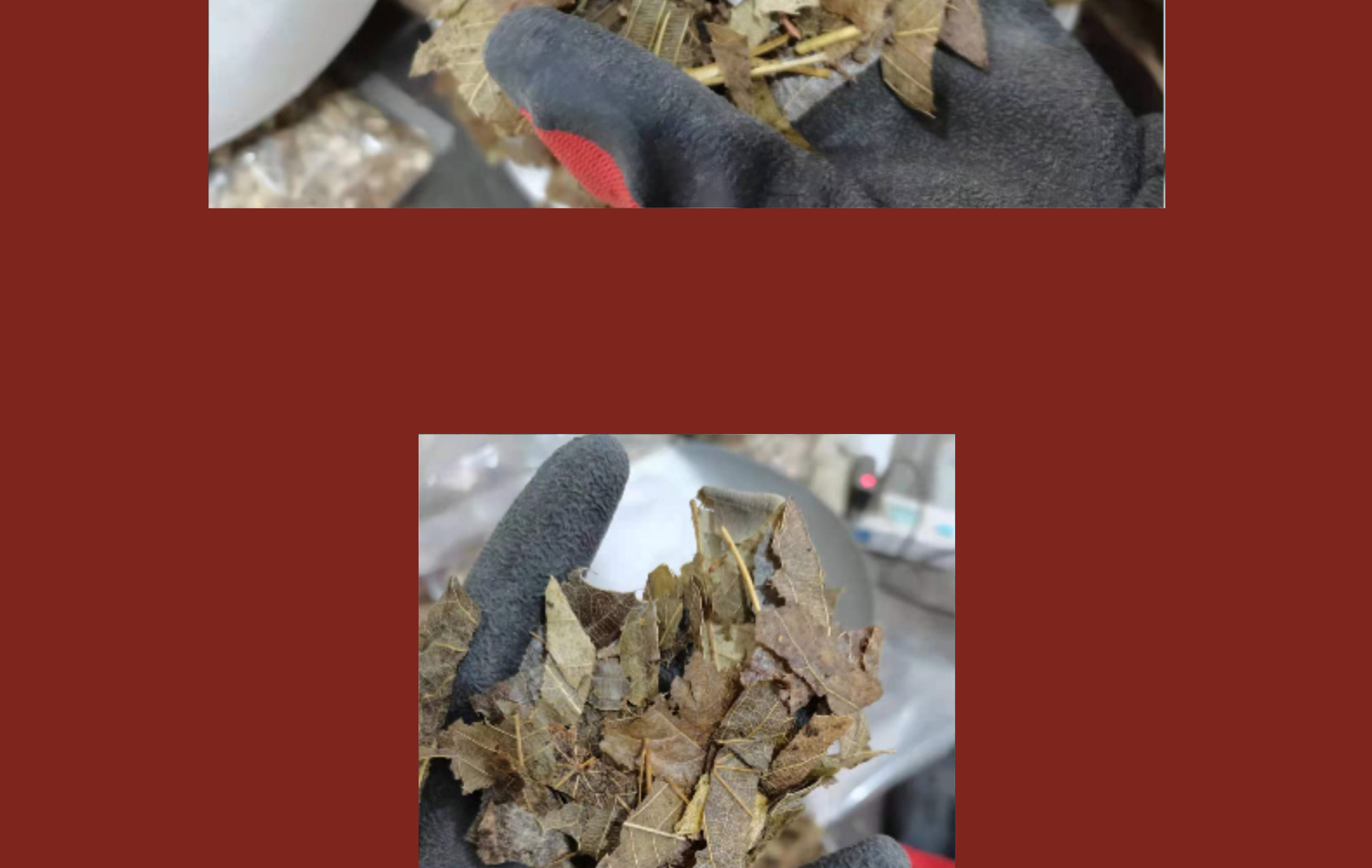
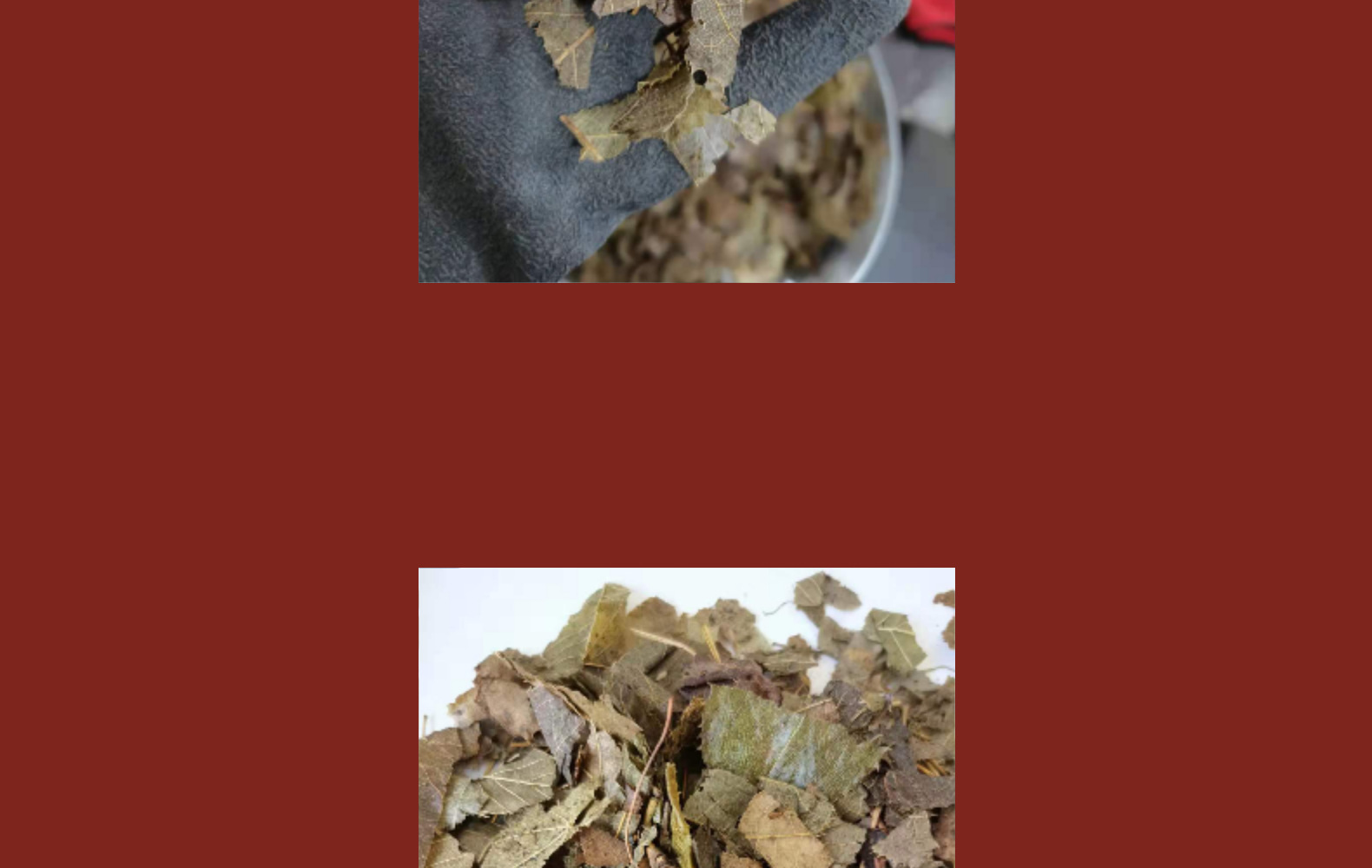
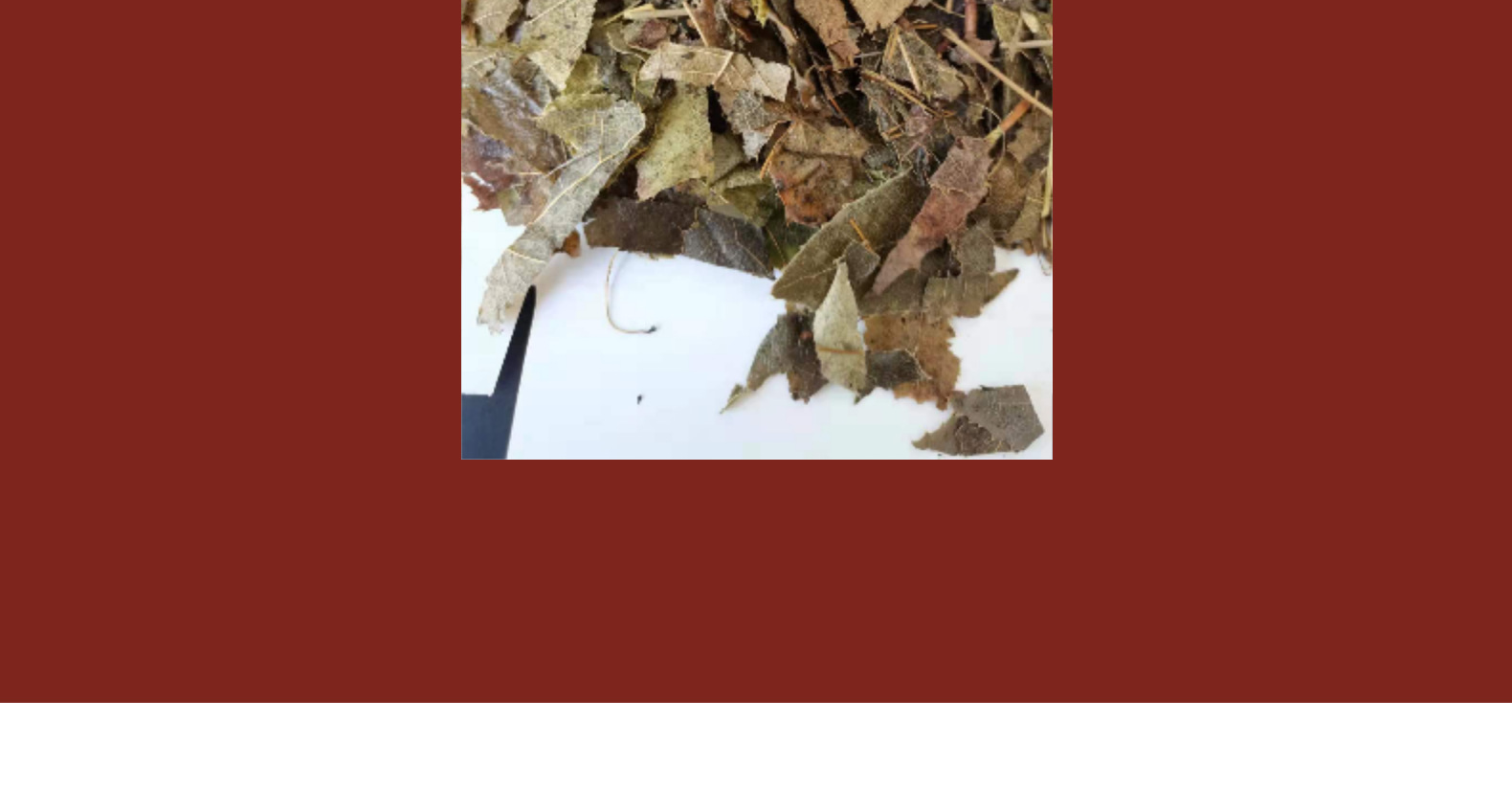
Typically the dried herb shows slender stems with finely serrated leaflets in green to yellow-green tones. It has a faint grassy aroma and a slightly bitter, pungent taste when decocted.

Technical Specifications
| Product Type | Dried TCM botanical |
|---|---|
| Chinese Name | 淫羊藿 |
| Pinyin | Yin Yang Huo |
| Botanical Name | Epimedium brevicornu |
| Plant Part | Aerial parts with leaves |
| Origin | Gansu, China |
Usage Scenarios
- Simmered in traditional herbal decoctions
- Infused into herbal wine following traditional practice
- Blended into classical TCM formulas
- Used in seasonal tonic soups under professional guidance
Traditional Uses
In TCM theory, Yin Yang Huo is traditionally used to tonify kidney yang, strengthen sinews and bones, and dispel wind-dampness. It commonly appears in classical formulas and is often paired with herbs such as Cistanche, Eucommia bark, or Goji berry. Traditionally prepared by decoction or steeped in wine, it is a familiar ingredient in men's tonic blends and winter wellness practices.

FAQ Q&A
Q: What is this product?
A: It is dried Epimedium aerial parts, known in TCM as Yin Yang Huo (淫羊藿), sourced from Gansu and sold as a raw herbal ingredient.
Q: What is it traditionally used for?
A: In TCM it is traditionally associated with tonifying kidney yang, strengthening sinews and bones, and dispelling wind-dampness.
Q: How is it commonly prepared?
A: It is typically simmered in decoctions, steeped in herbal wine, or used within traditional formulas. Consult a qualified practitioner for guidance.
Additional information
| Weight | 0.72 kg |
|---|---|
| Dimensions | 25 × 18 × 8 cm |
Related products
-

Ningxia Goji Berries Gou Qi Zi 500g Dried Red Wolfberry for Tea Soup and Snacking
Price range: $7.20 through $16.44 -
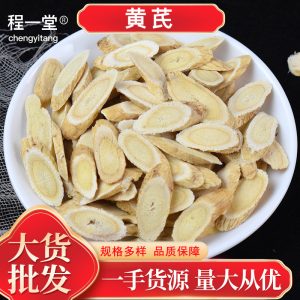
Astragalus Root Slices Huang Qi 斜片 Dried Herb for Decoction Soup and Tea 500g
Price range: $6.06 through $19.51 -

Fritillaria Bulb Chuan Bei Mu Dried Chinese Herbal Bulbs for Decoction and Traditional Use 500g
Price range: $18.06 through $94.21 -
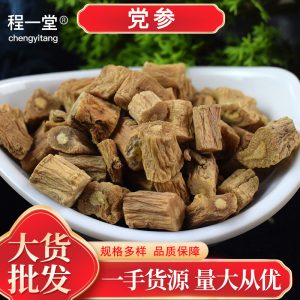
Dried Codonopsis Root Slices Dang Shen 500g Bulk Supply for Soups and Herbal Decoctions
Price range: $10.28 through $18.06
Reviews
There are no reviews yet.