
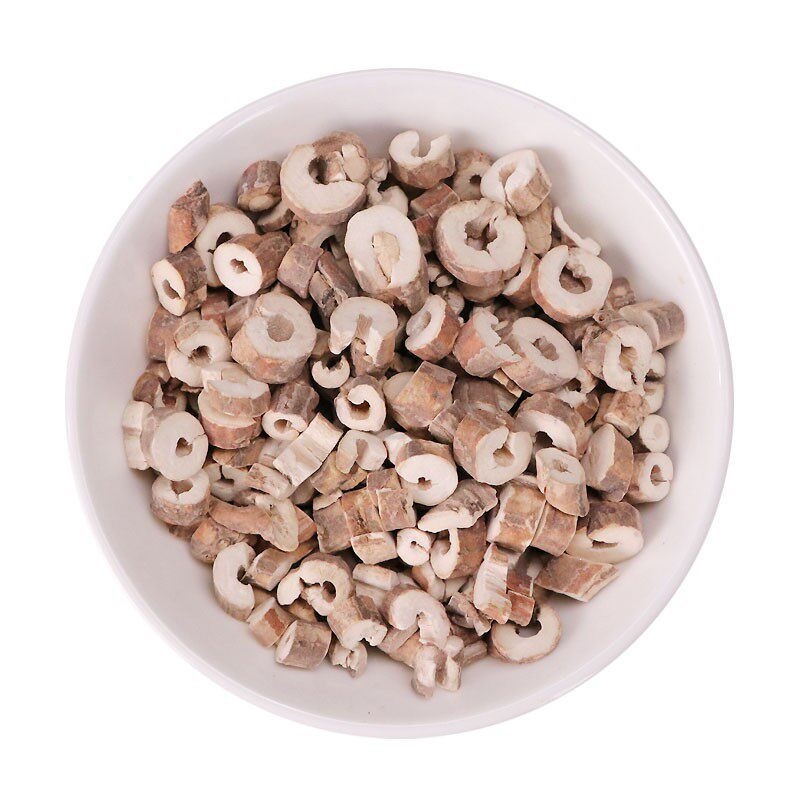
Dried Tree Peony Bark Mu Dan Pi Root Slices for Herbal Tea and Soup 500g 2 Jars
Description
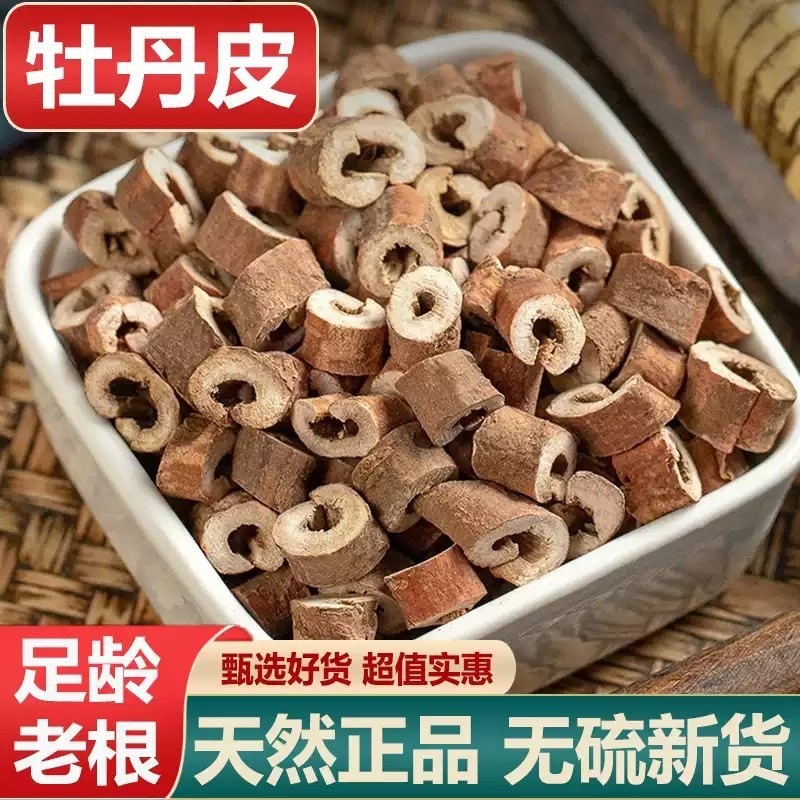
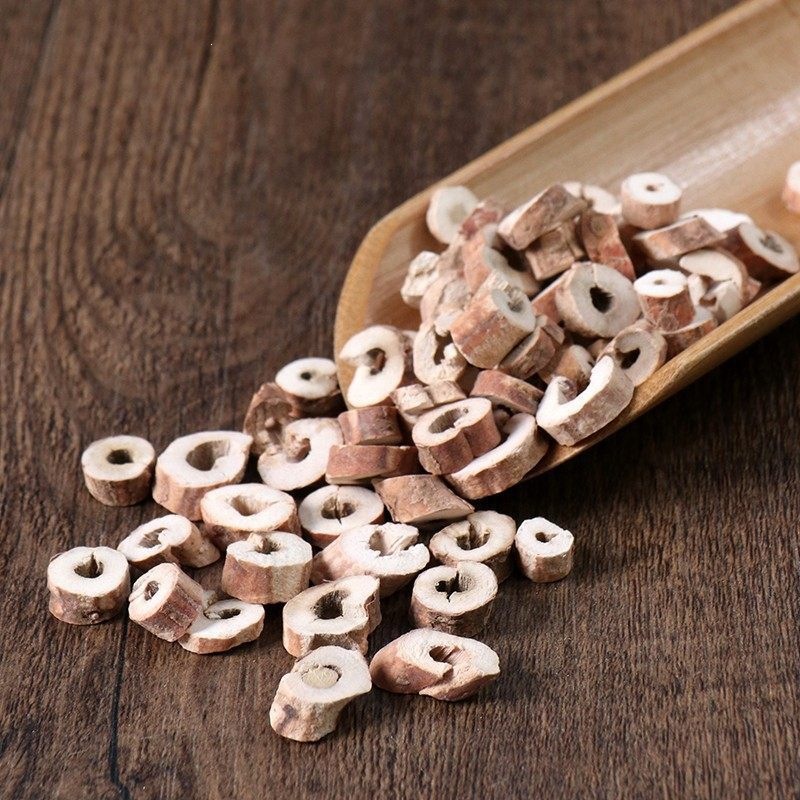
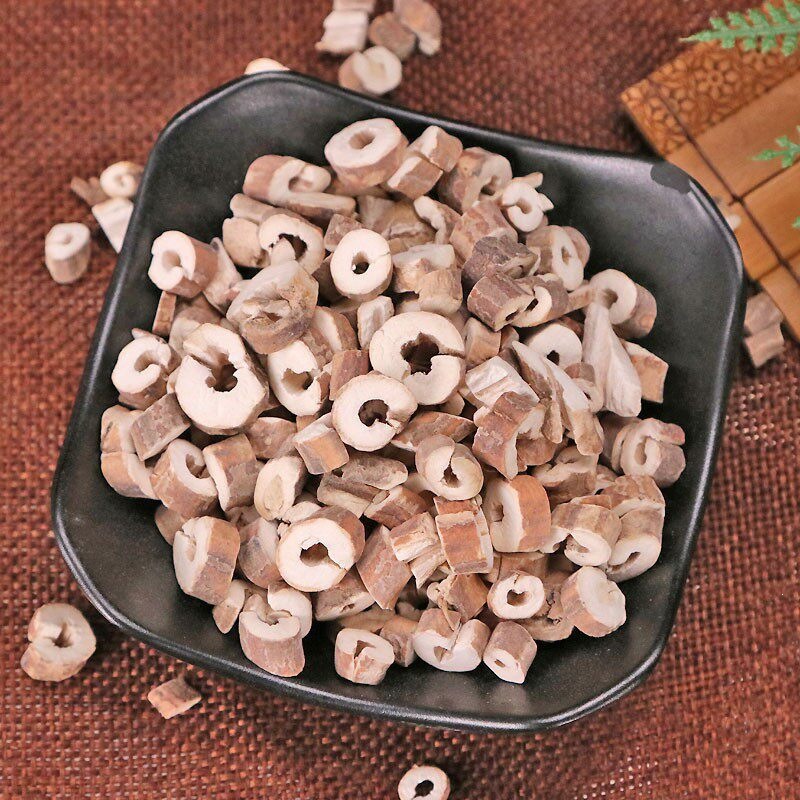
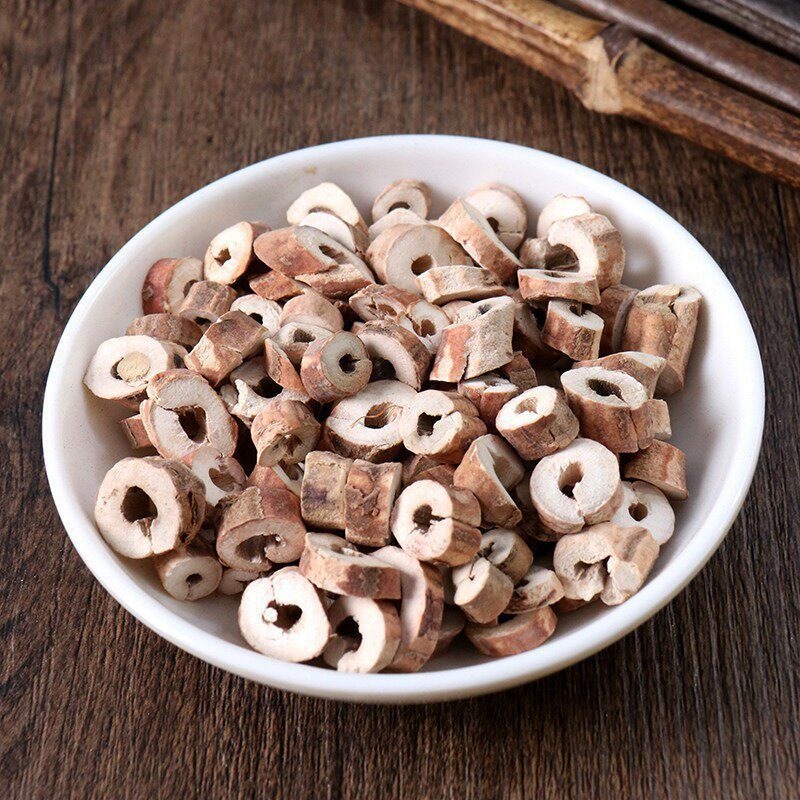
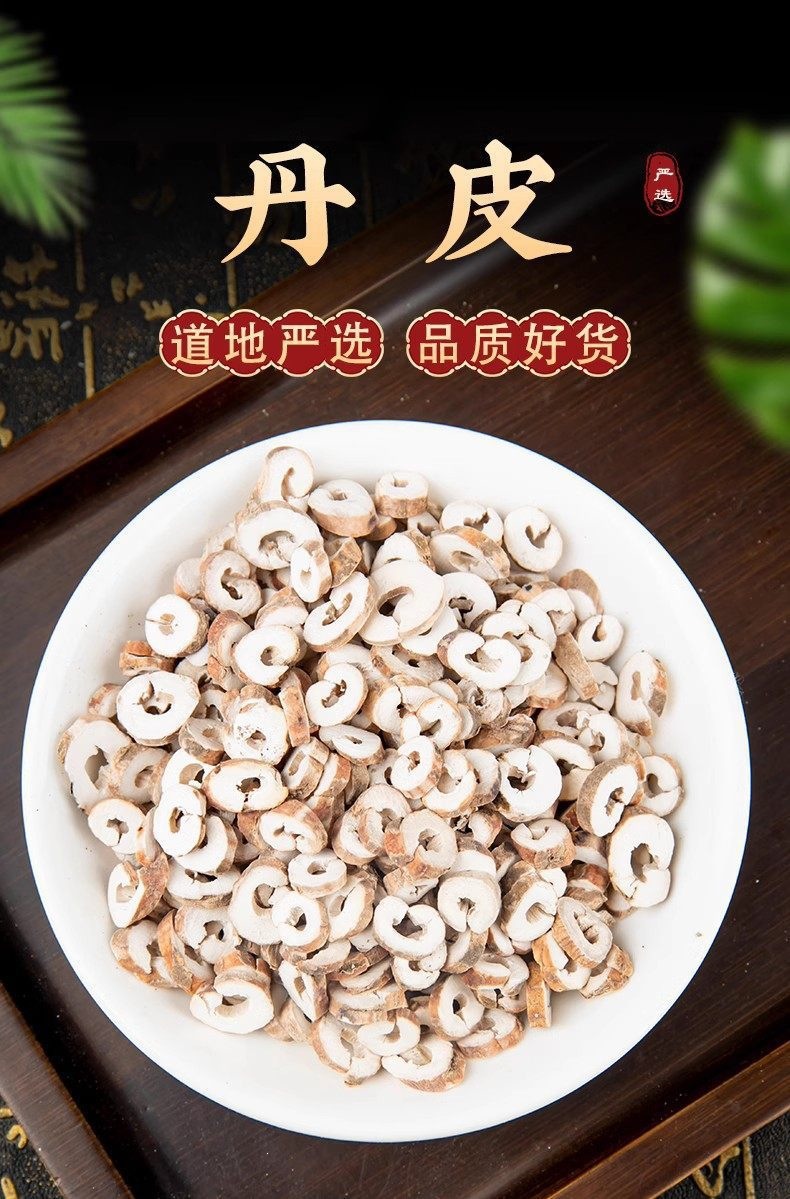
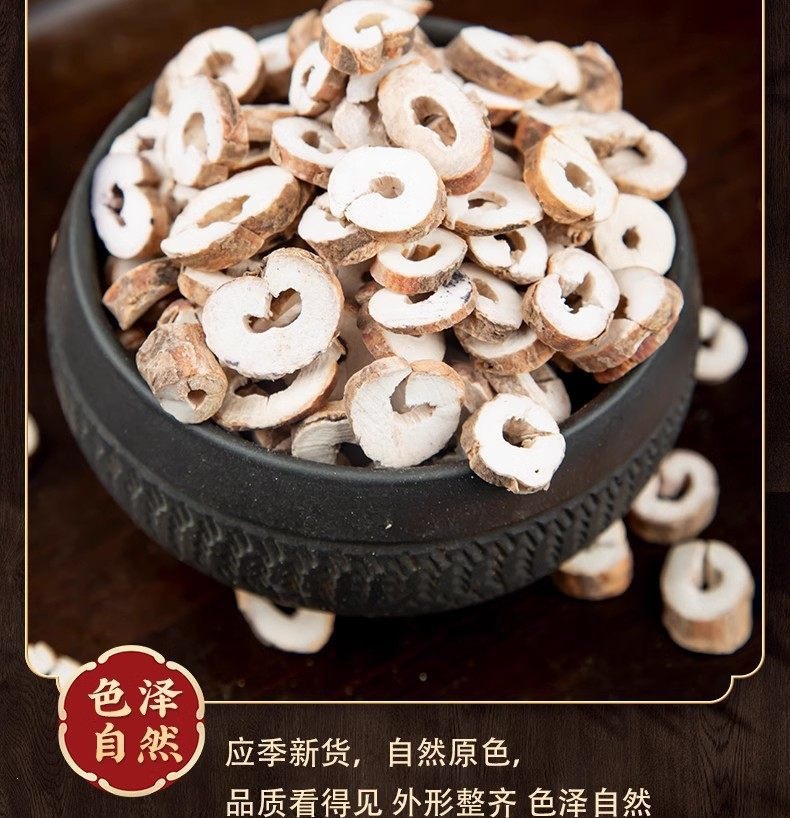
Dried Tree Peony Bark root slices, known in TCM as Mu Dan Pi (牡丹皮), from Paeonia suffruticosa. This traditional decoction piece is the stripped root bark, valued in TCM theory for its cool nature and bitter, pungent flavor entering the Heart, Liver, and Kidney channels. Traditionally used in herbal teas, soups, and classic formulas. Store sealed in a cool, dry place and keep away from pregnant or nursing women.
Key Selling Points
- Traditional Chinese herb Mu Dan Pi (牡丹皮) from Paeonia suffruticosa root bark
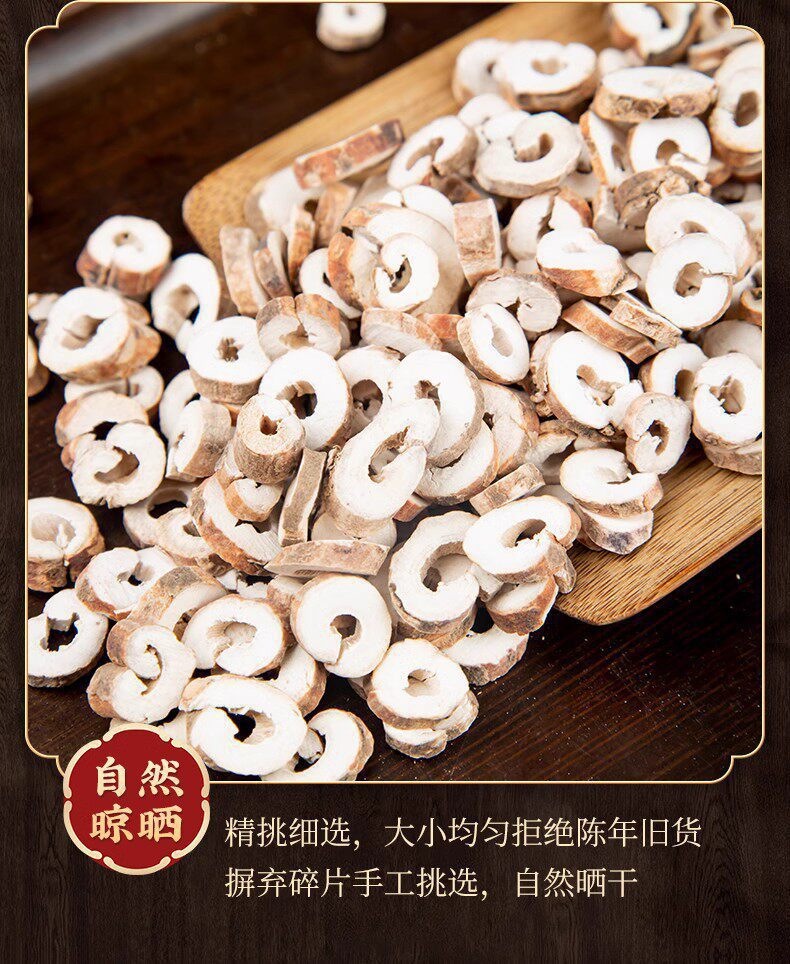
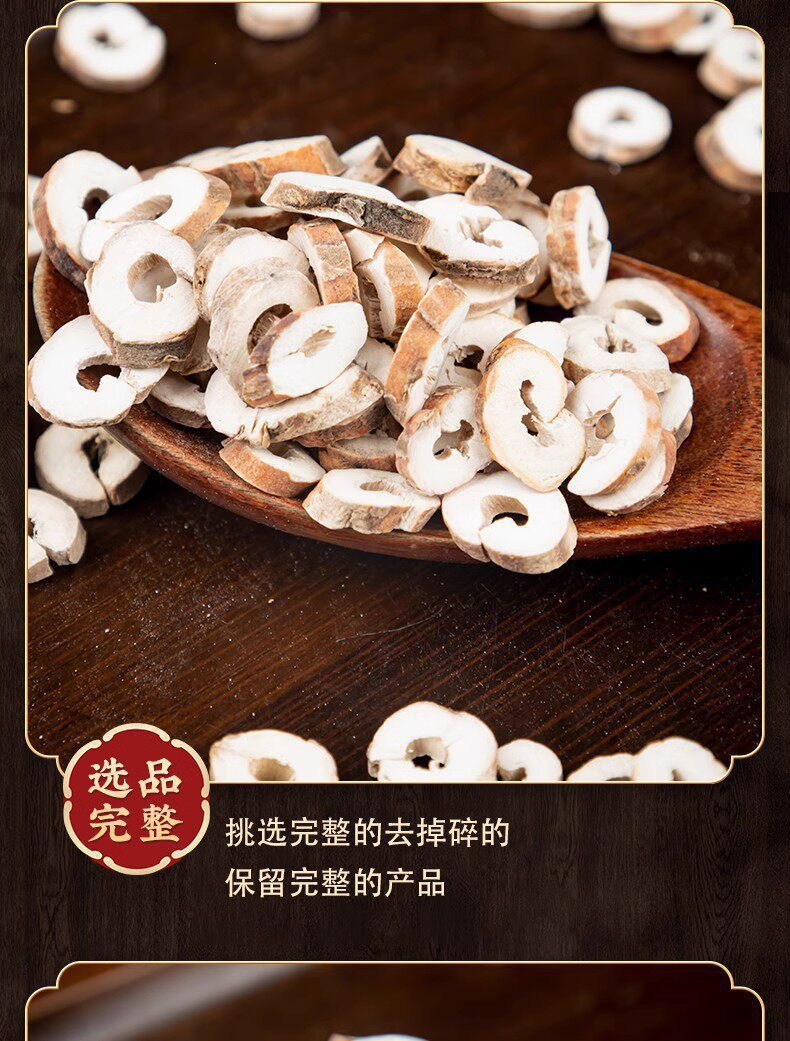
- Old-root core-removed slices for clean, uniform decoction pieces
- Cool, bitter, pungent nature in TCM theory entering Heart, Liver, and Kidney channels
- Suitable for brewing as herbal tea or adding to soups and decoctions
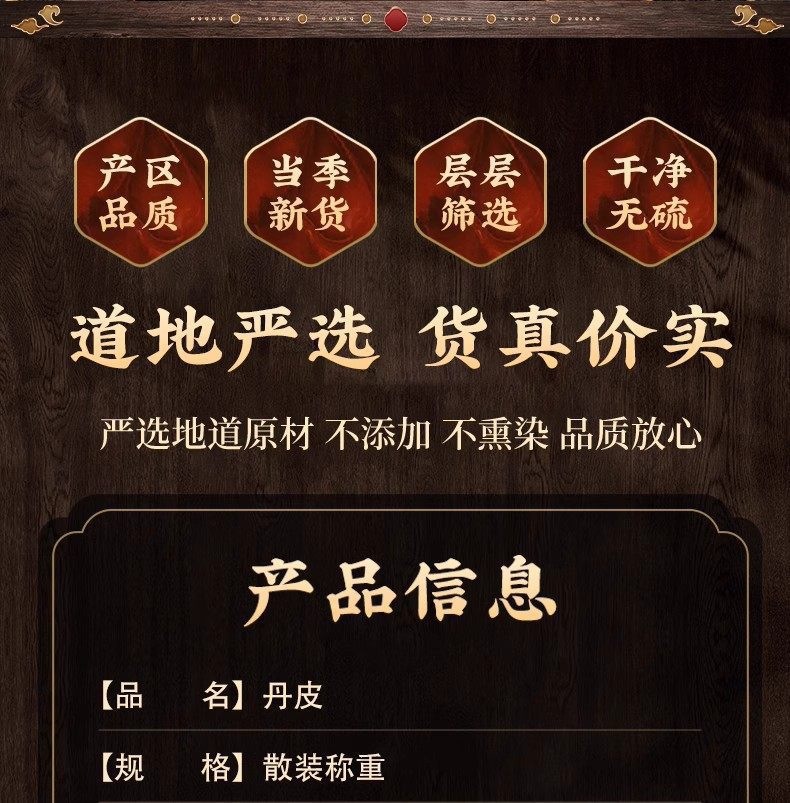
- Two 500g jars sealed for freshness in a cool, dry place
Quality & Sensory
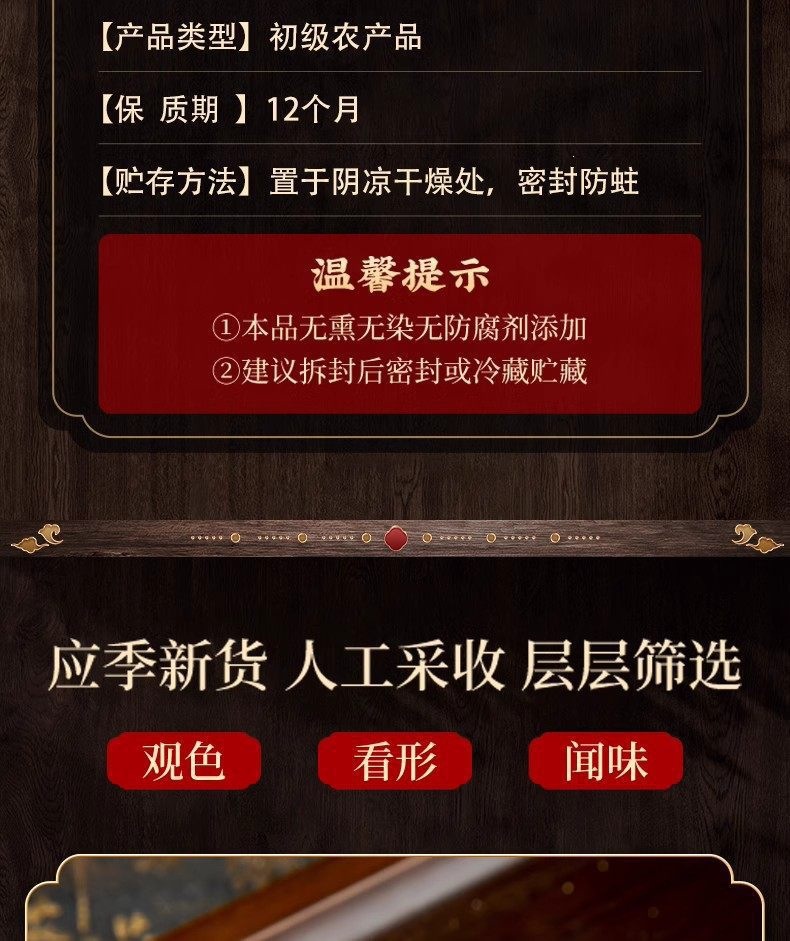
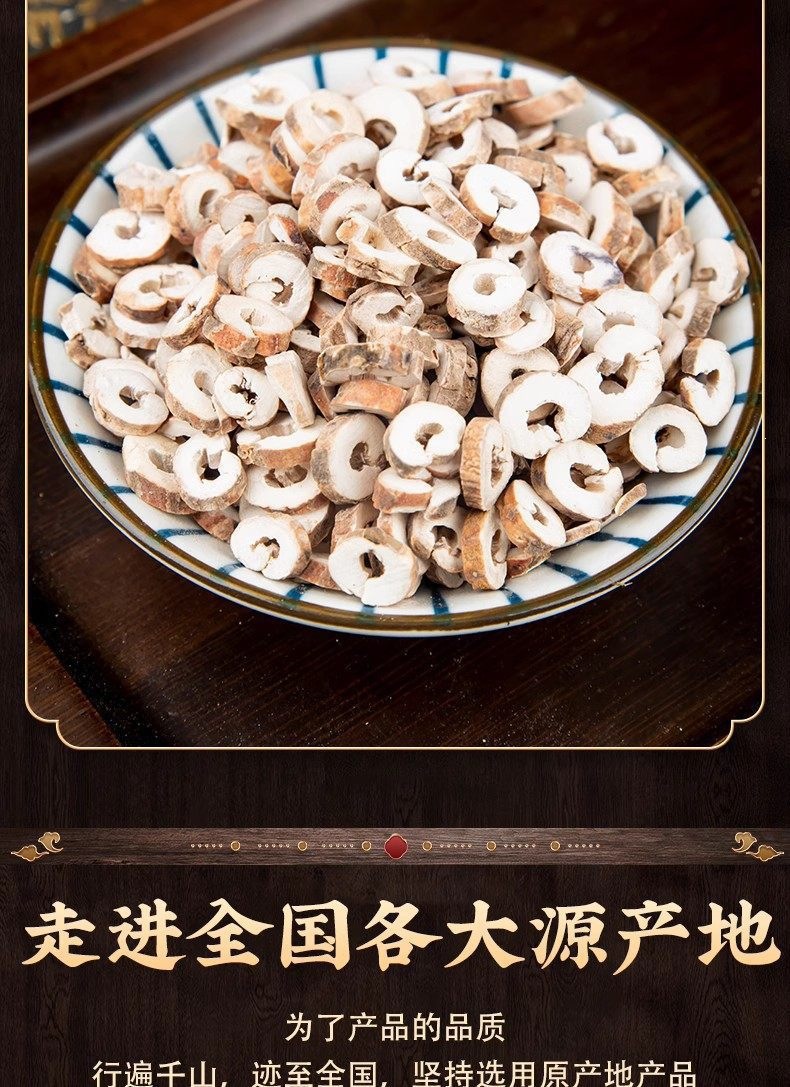
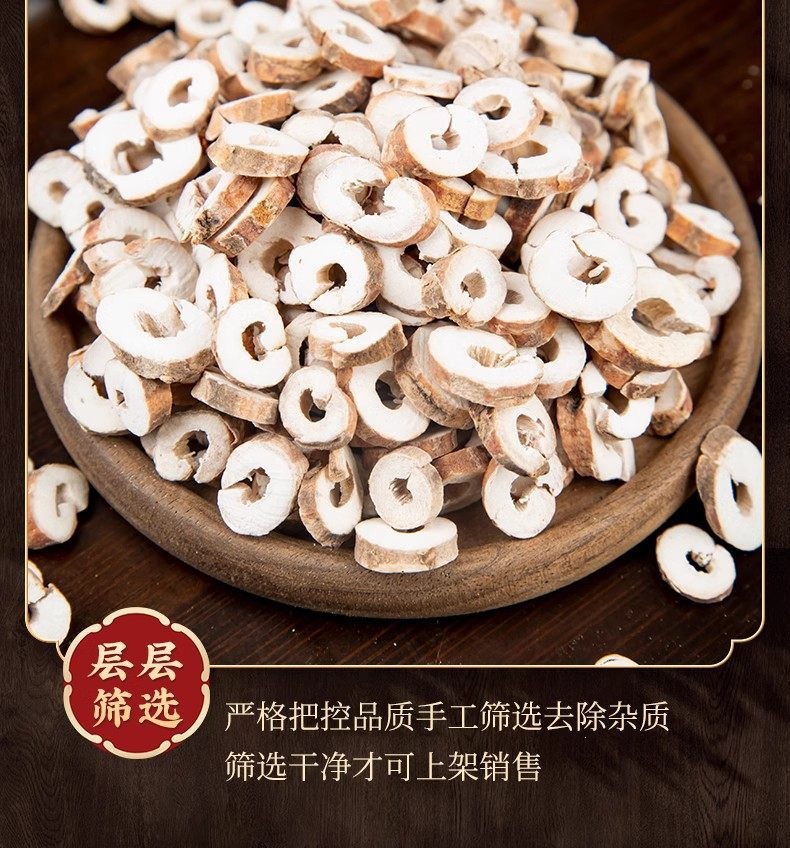
The slices are typically light brown to greyish-brown with a slightly fibrous, woody texture and a faint earthy, bitter aroma. When brewed or decocted, the liquid is typically pale amber with a mild bitter and slightly pungent taste. Color and aroma may vary slightly by batch.

Technical Specifications
| Product Type | Dried herbal decoction pieces |
|---|---|
| Chinese Name | 牡丹皮 |
| Pinyin | Mu Dan Pi |
| Botanical Name | Paeonia suffruticosa |
| Plant Part | Root bark |
| Net Weight | 500g x 2 jars |
Usage Scenarios
- Brewed alone or with other herbs as a daily herbal tea
- Added to soups and broths during cooking
- Combined in traditional decoctions such as Mu Dan Pi Tang
- Used in congee or grain porridge
- Included in seasonal herbal food preparations
Traditional Uses
In TCM theory, Mu Dan Pi is traditionally used in decoctions and teas, often paired with herbs such as Huang Qi or Hong Hua. It is commonly added to soups and congee for its cool, bitter properties. Traditional formulas like Mu Dan Pi Tang combine it with other herbs. It is not recommended for pregnant or nursing women.
FAQ Q&A
Q: What is this product?
A: It is dried Tree Peony Bark root slices, known in TCM as Mu Dan Pi (牡丹皮), from Paeonia suffruticosa, sold as two 500g jars.
Q: What is its traditional value?
A: In TCM theory, Mu Dan Pi has a cool nature with bitter and pungent flavors, traditionally associated with the Heart, Liver, and Kidney channels.
Q: How is it commonly prepared?
A: It is typically brewed as a herbal tea, added to soups, or simmered in traditional decoctions. It should be stored sealed in a cool, dry place.
Additional information
| Model | 老根抽芯 牡丹皮100g 1罐, 老根抽芯 牡丹皮250g 1罐, 老根抽芯 牡丹皮500g 1罐, 老根抽芯 牡丹皮500g 2罐 |
|---|
Related products
-

Cabinda Bark Dried Herb 500g Traditional Herbal Infusion Ingredient
Price range: $12.38 through $37.50 -
Tie Pi Shi Hu Dried Dendrobium Stems 500g Huoshan Fengdou for Soup and Tea
Price range: $35.88 through $108.80 -

Dried Raspberry Fruit Fu Pen Zi Whole Berries for Herbal Tea and Wine Infusion 500g
Price range: $15.63 through $18.06 -
Astragalus Root Slices Huang Qi 斜片 Dried Herb for Decoction Soup and Tea 500g
Price range: $6.06 through $19.51
Reviews
There are no reviews yet.