
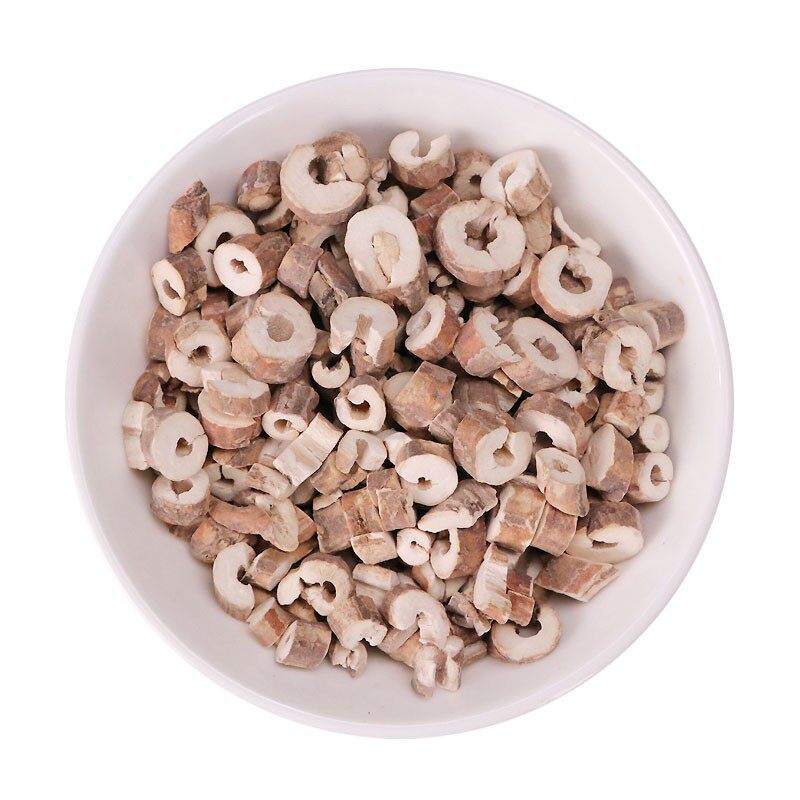
Dried Tree Peony Bark Mu Dan Pi Root Bark Slices for Herbal Decoction and Cooking
Description
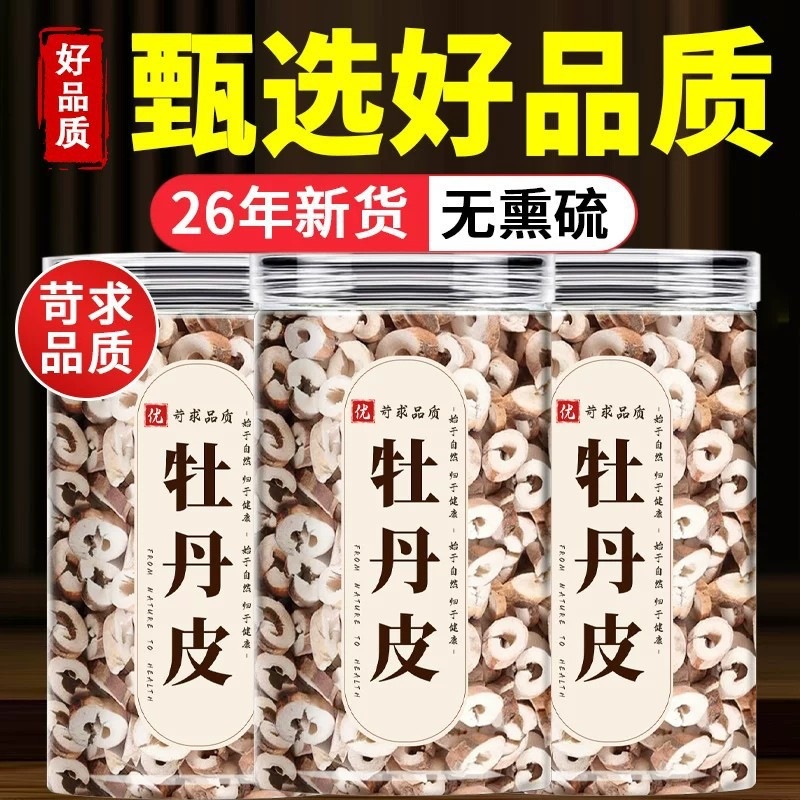
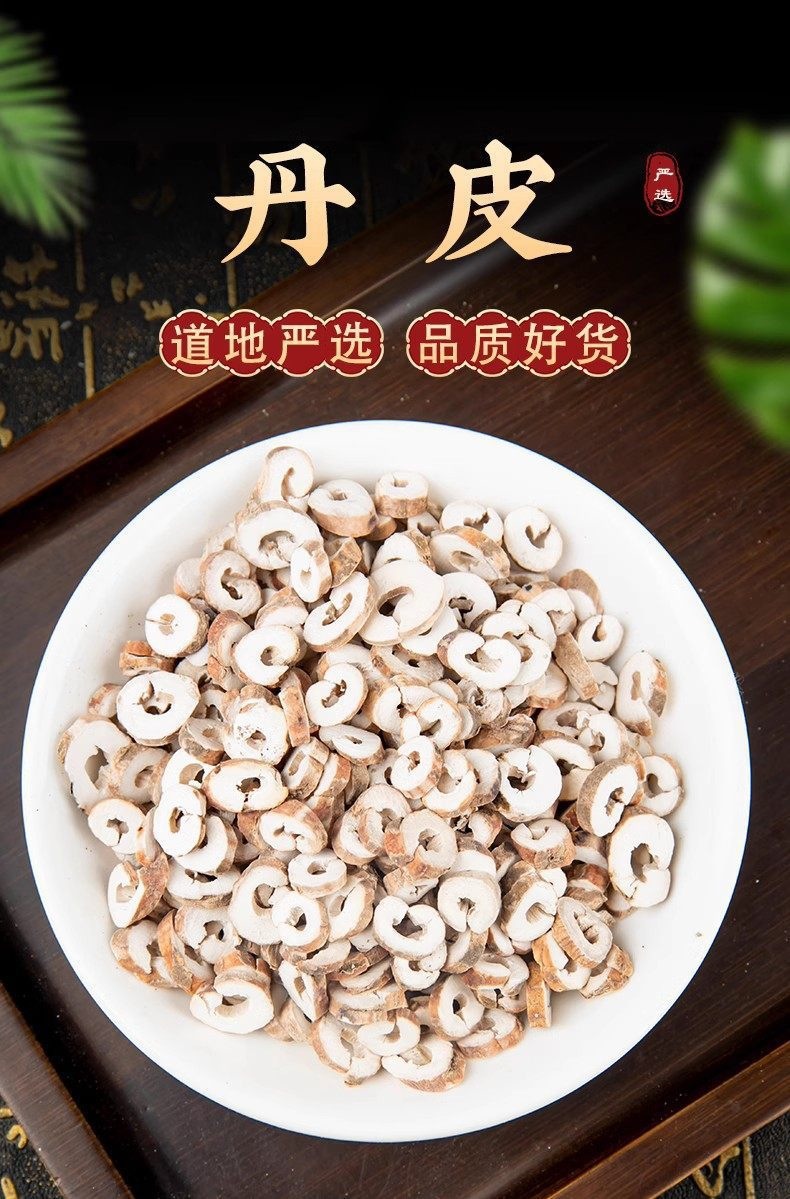
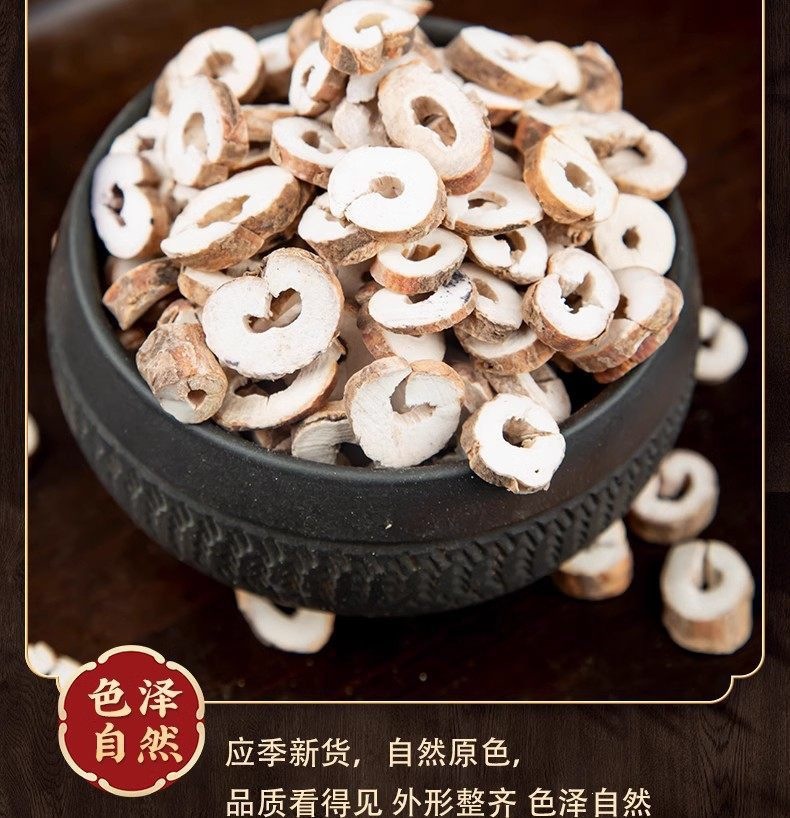
Dried Tree Peony Bark, known in TCM as Mu Dan Pi (牡丹皮), from Paeonia suffruticosa root bark. This cored old-root bark is a traditional Chinese herbal decoction piece used in cooking and herbal preparations. In TCM theory it is associated with a slightly cold nature, bitter and pungent flavors, and the Heart, Liver, and Kidney channels. Traditionally used in decoctions and soups.
Key Selling Points
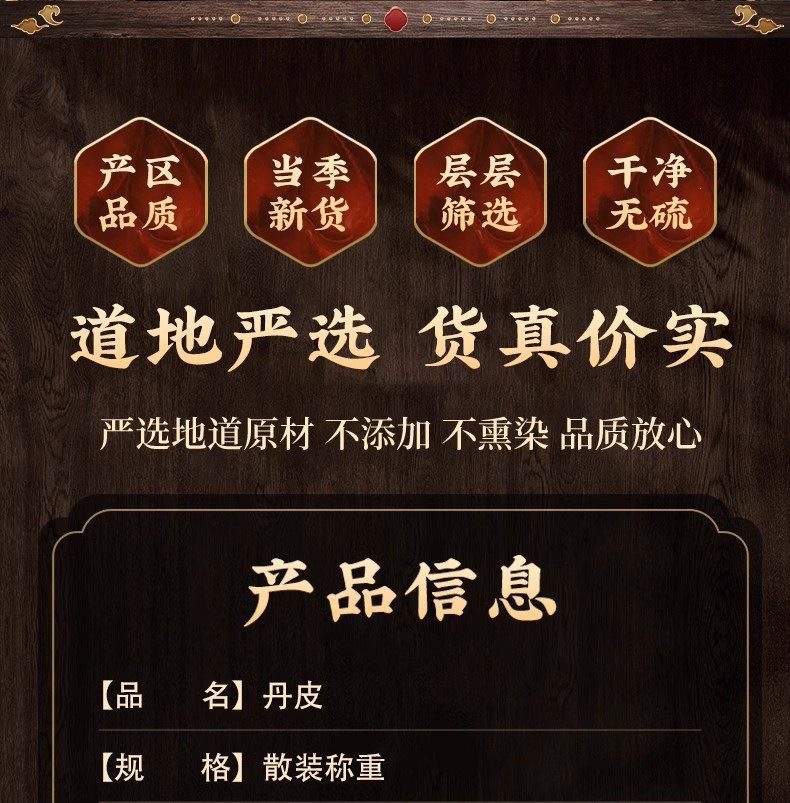
- Identified as Mu Dan Pi (牡丹皮), the root bark of Paeonia suffruticosa
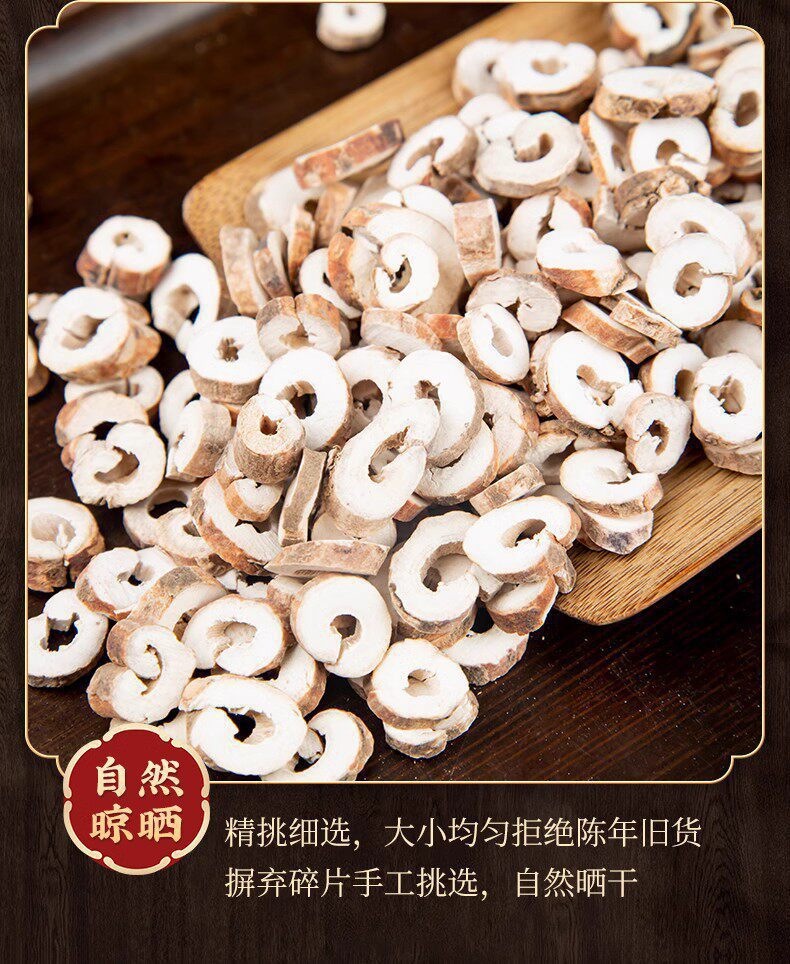
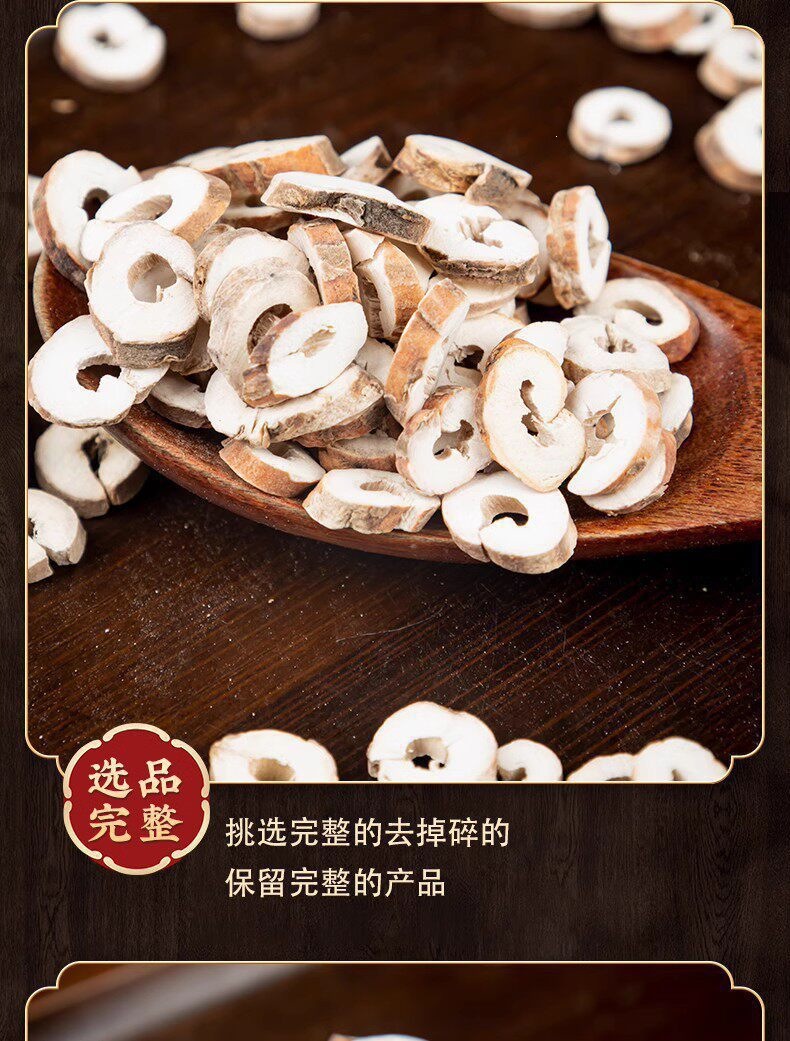
- Cored old-root bark selected for clean, uniform decoction pieces
- Traditional Chinese herbal ingredient used in decoctions and soups
- Dried raw herb form suited to cooking and home herbal preparation
- Sealed storage keeps pieces dry and aromatic in a cool dark place
Quality & Sensory
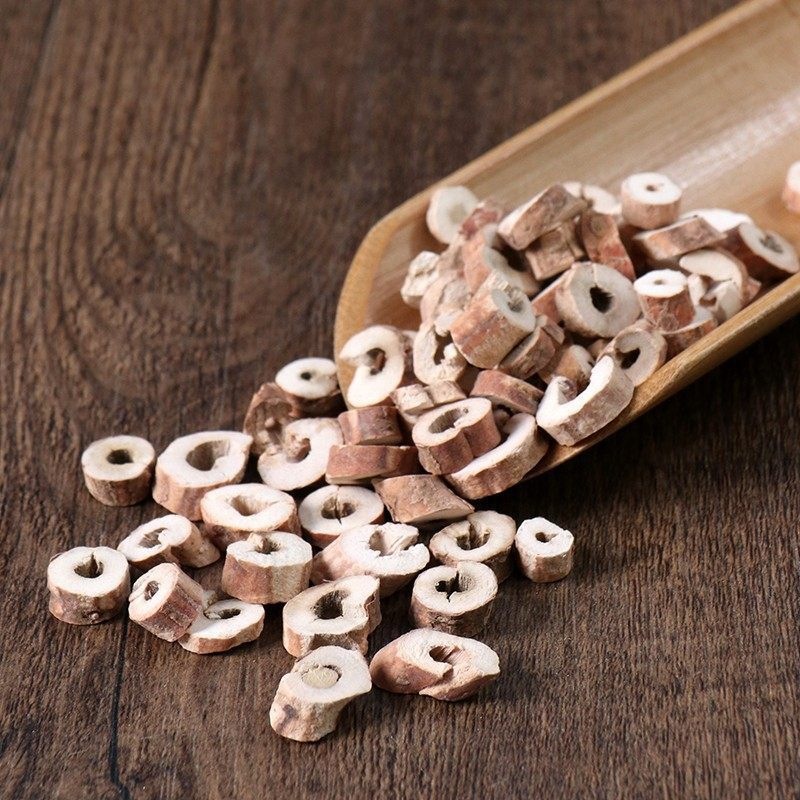
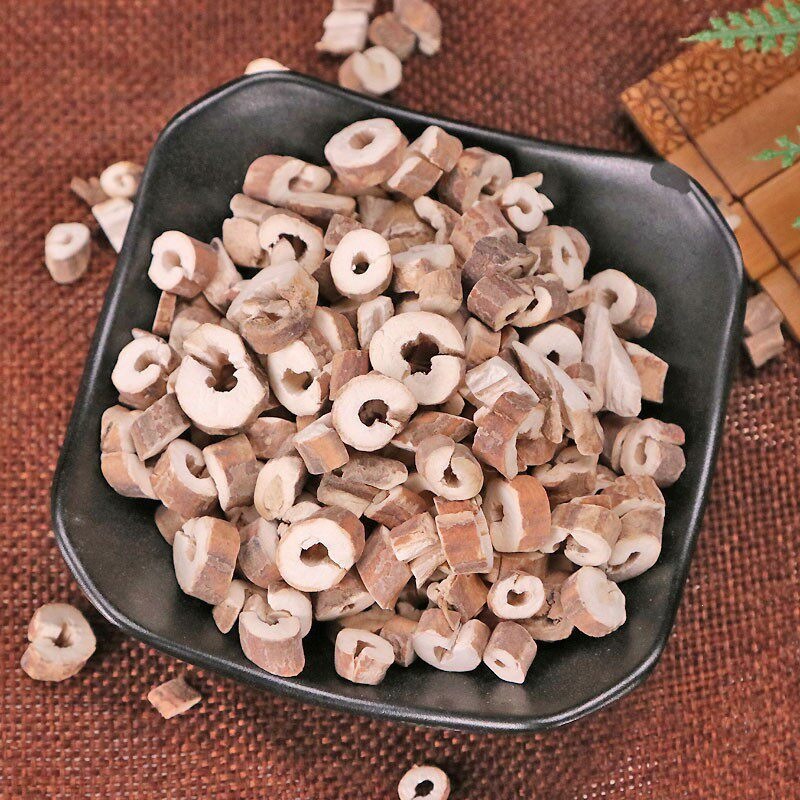
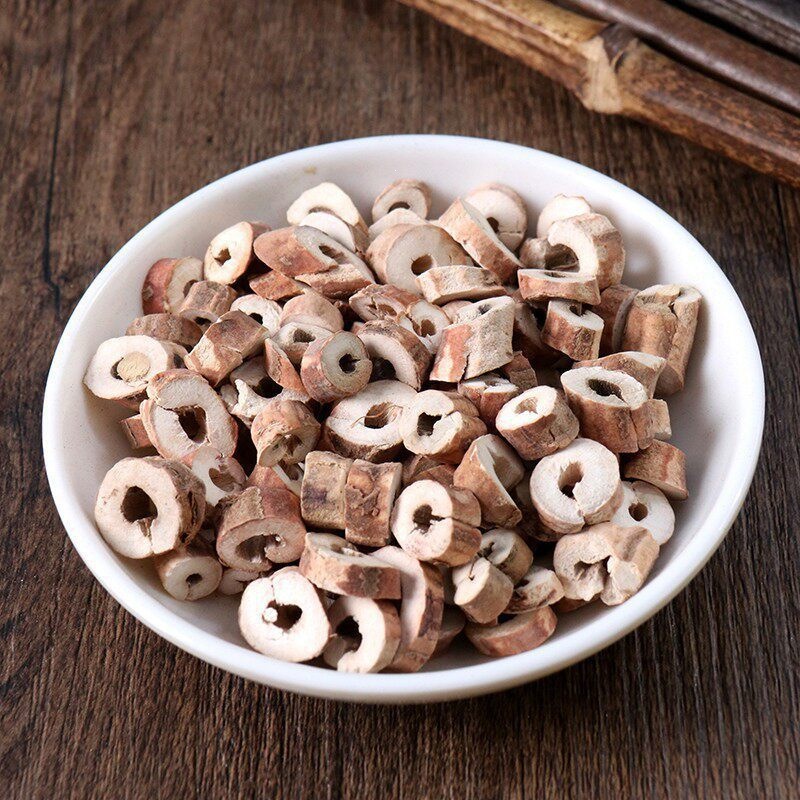
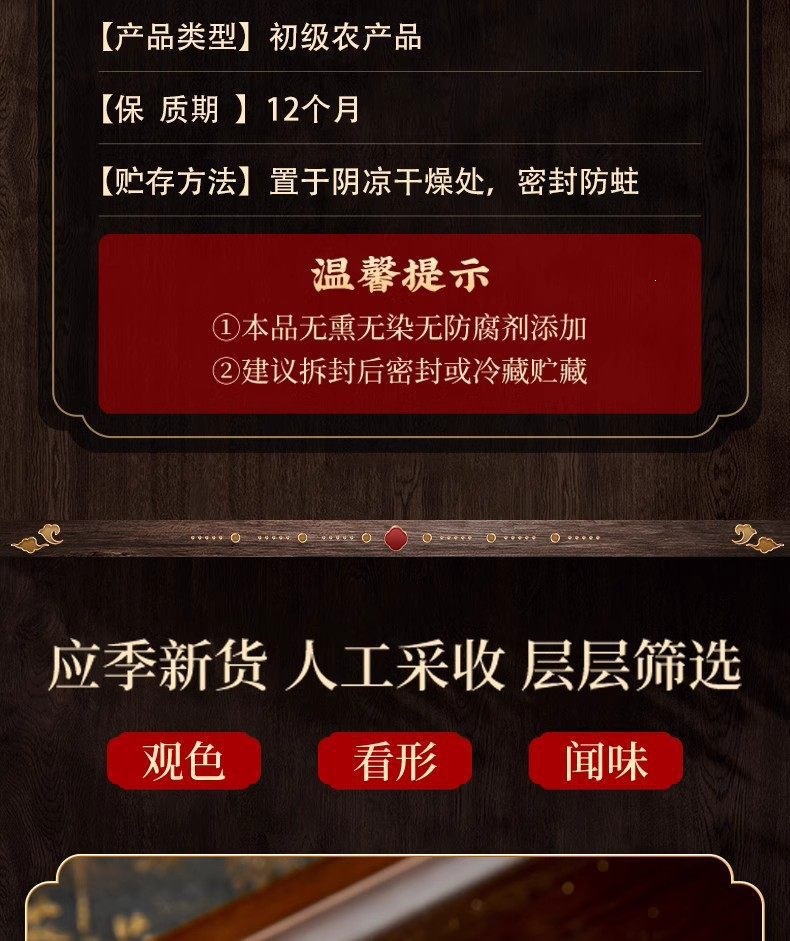
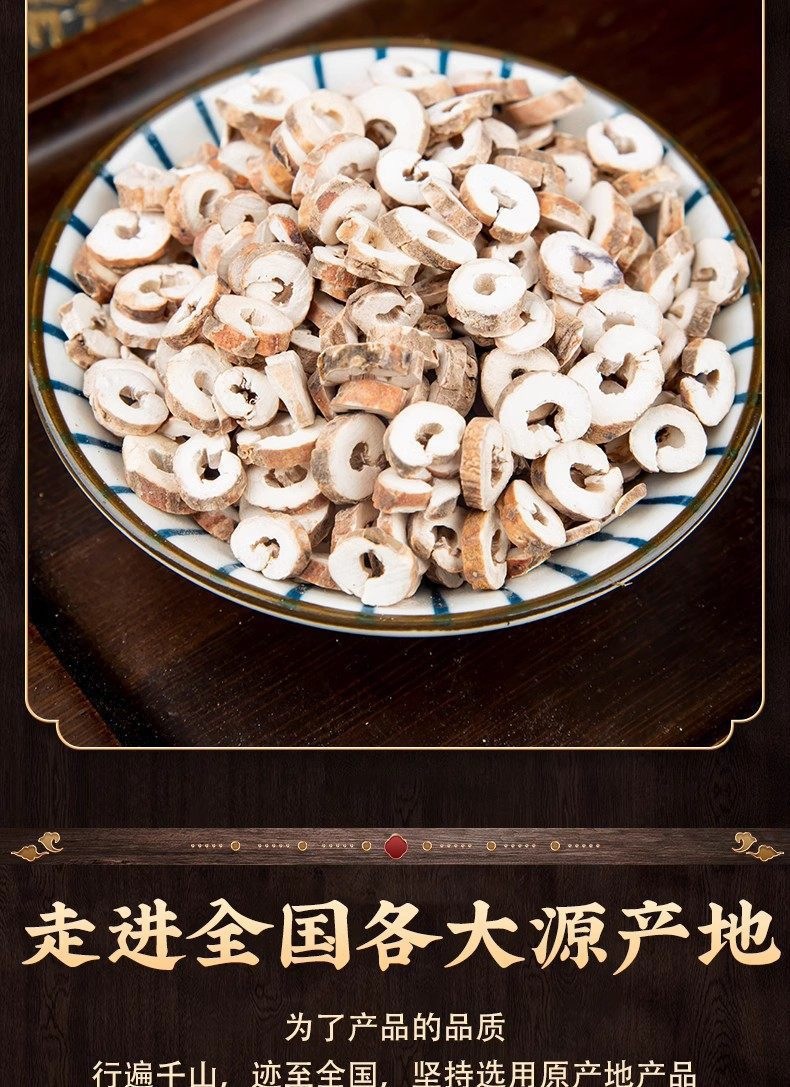
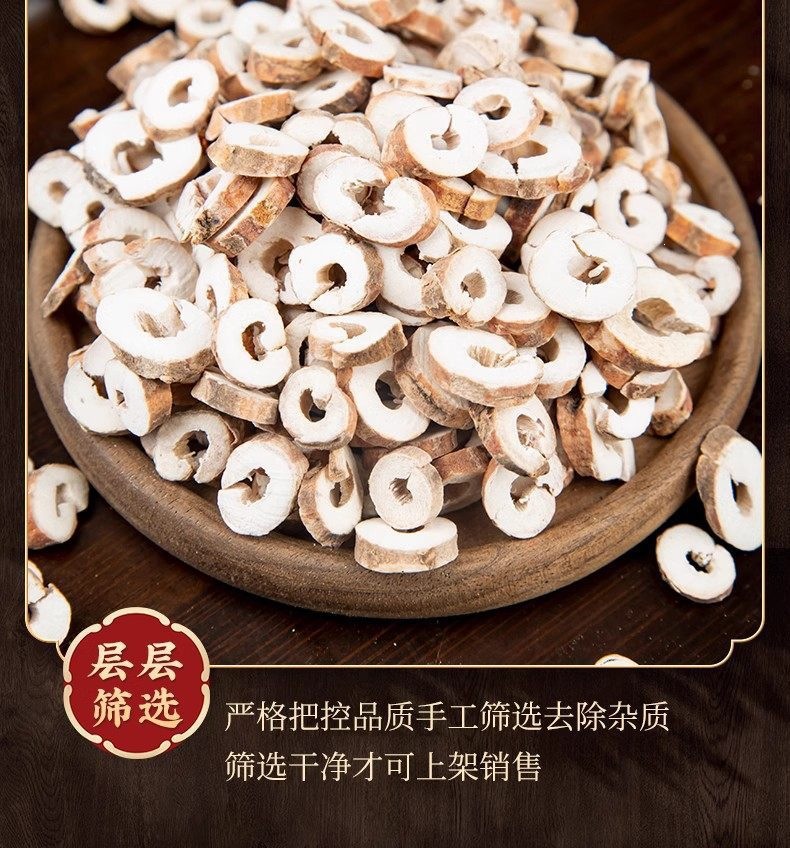
The bark pieces are typically grayish-brown to dark brown on the outside with a paler inner surface, firm and slightly fibrous in texture. They have a mild earthy, woody aroma. After decocting or simmering, the liquid is typically light amber with a subtle bitter, slightly pungent taste.

Technical Specifications
| Product Type | Dried herbal decoction pieces |
|---|---|
| Chinese Name | 牡丹皮 |
| Pinyin | Mu Dan Pi |
| Botanical Name | Paeonia suffruticosa |
| Plant Part | Root bark |
| Net Weight | 500g x 2 jars |
Usage Scenarios
- Simmered in traditional herbal decoctions
- Added to soups and broths during cooking
- Used in congee or grain porridge preparations
- Combined with other herbs in seasonal tonic cooking
Traditional Uses
In TCM theory, Mu Dan Pi is traditionally used in decoctions and herbal formulas, often paired with herbs such as Sheng Di Huang or Chi Shao. It is also added to soups and congee in folk cooking. Traditional preparations typically involve simmering the bark pieces with other ingredients.
FAQ Q&A
Q: What is this product?
A: It is dried root bark of the tree peony, known in TCM as Mu Dan Pi (牡丹皮), sold as cored old-root decoction pieces.
Q: What is its traditional value?
A: In TCM theory it is associated with a slightly cold nature and bitter, pungent flavors, and is traditionally used in herbal decoctions and cooking.
Q: How is it commonly prepared?
A: It is typically simmered in water with other herbs or added to soups and congee during cooking.
Additional information
| Model | 老根抽芯 牡丹皮100g 1罐, 老根抽芯 牡丹皮250g 1罐, 老根抽芯 牡丹皮500g 1罐, 老根抽芯 牡丹皮500g 2罐 |
|---|
Related products
-

Dried Raspberry Fruit Fu Pen Zi Whole Berries for Herbal Tea and Wine Infusion 500g
Price range: $15.63 through $18.06 -
Fritillaria Bulb Chuan Bei Mu Dried Chinese Herbal Bulbs for Decoction and Traditional Use 500g
Price range: $18.06 through $94.21 -
Yi Zhi Ren Dried Alpinia Oxyphylla Fruit 500g Traditional Herbal Tea and Decoction Ingredient
Price range: $11.74 through $13.36 -
Dried Mugwort Leaf Ai Ye 500g Chinese Herbal Bath Foot Soak and Smoke Cleansing Herb
Price range: $4.77 through $5.25
Reviews
There are no reviews yet.