
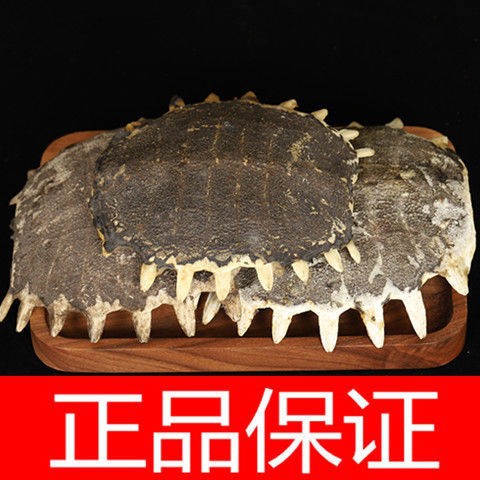
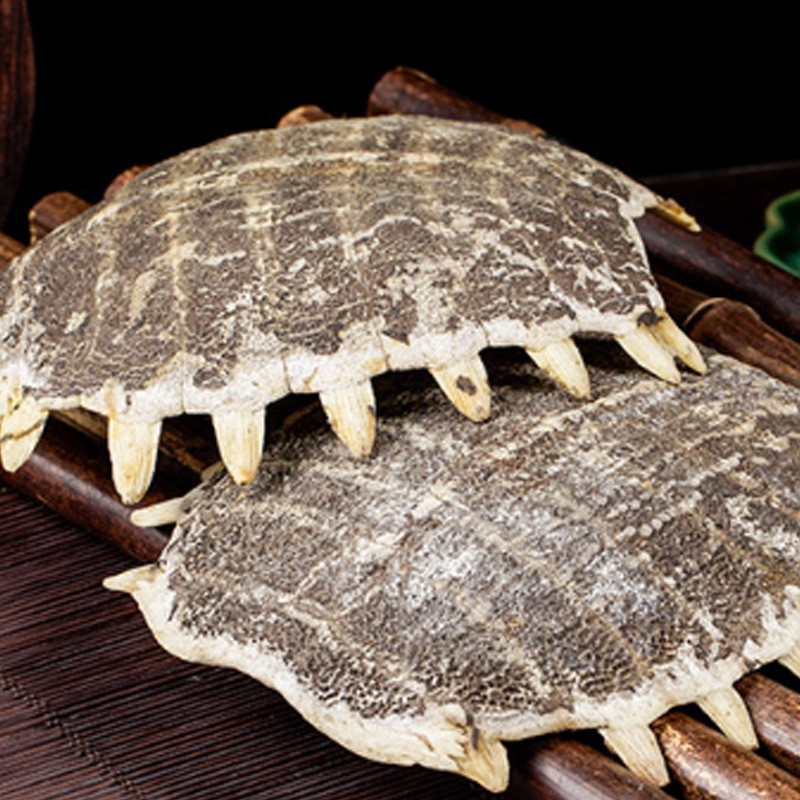
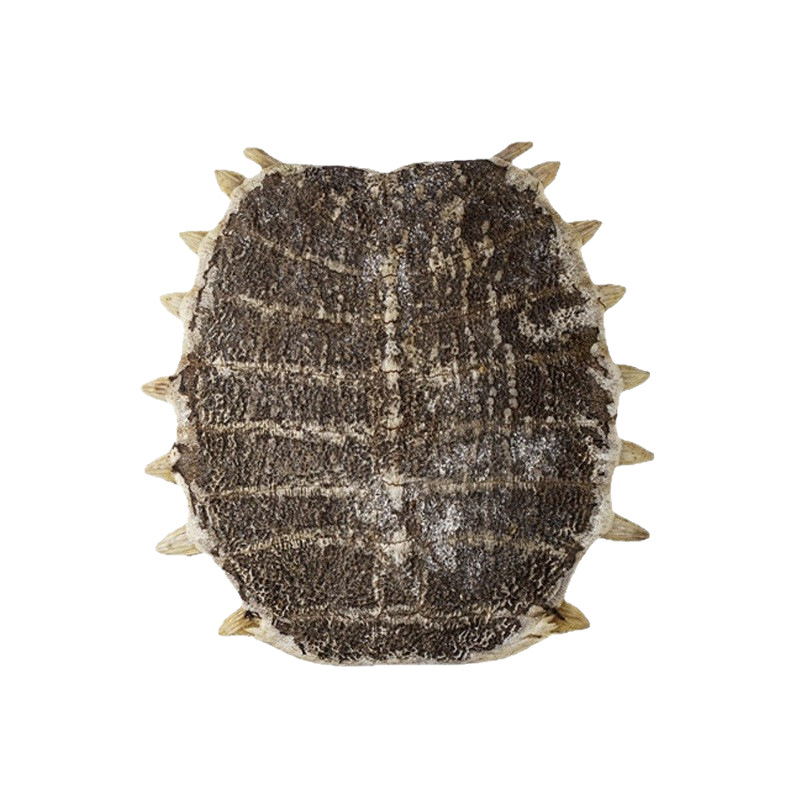
Dried Soft-Shell Turtle Shell Bie Jia Traditional Chinese Herb for Decoction 250g
Price range: $10.30 through $206.55
Description
Dried Soft-Shell Turtle Shell, known in TCM as Bie Jia (鳖甲), from Trionyx sinensis, is the sun-dried dorsal shell of the soft-shelled turtle. In TCM theory it is classified as sweet and salty with a slightly cold nature, traditionally associated with the Liver and Kidney channels. It is commonly prepared in decoctions and long-simmered soups as a traditional herbal ingredient.
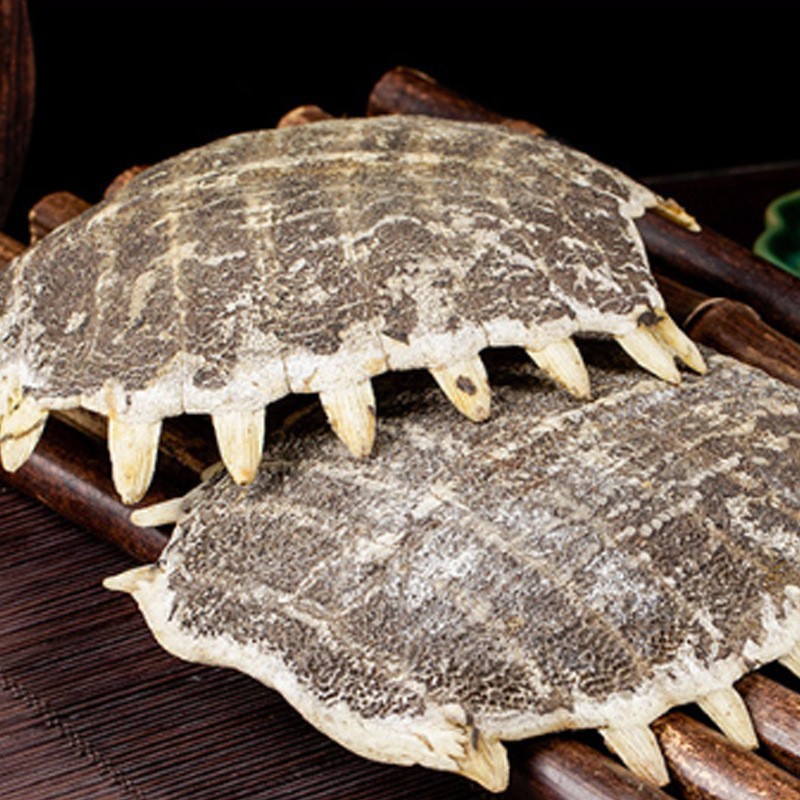
Key Selling Points
- Traditional Chinese herb known as Bie Jia (鳖甲)
- Sun-dried dorsal shell of the soft-shelled turtle
- Sourced from Anhui province, China
- Sweet and salty flavor with slightly cold TCM nature
- Commonly used in decoctions and long-simmered soups
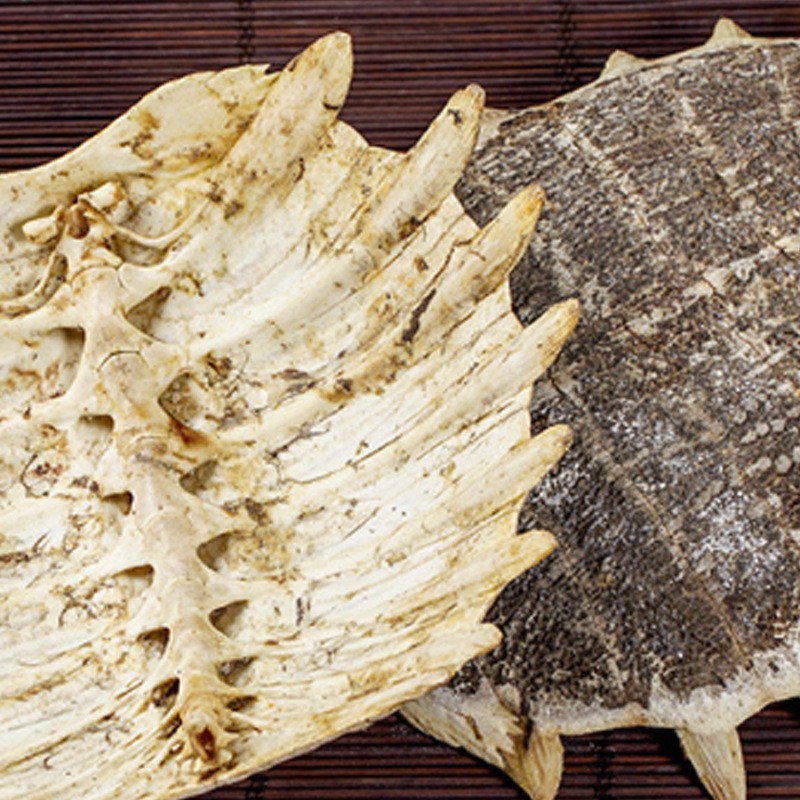
Quality & Sensory
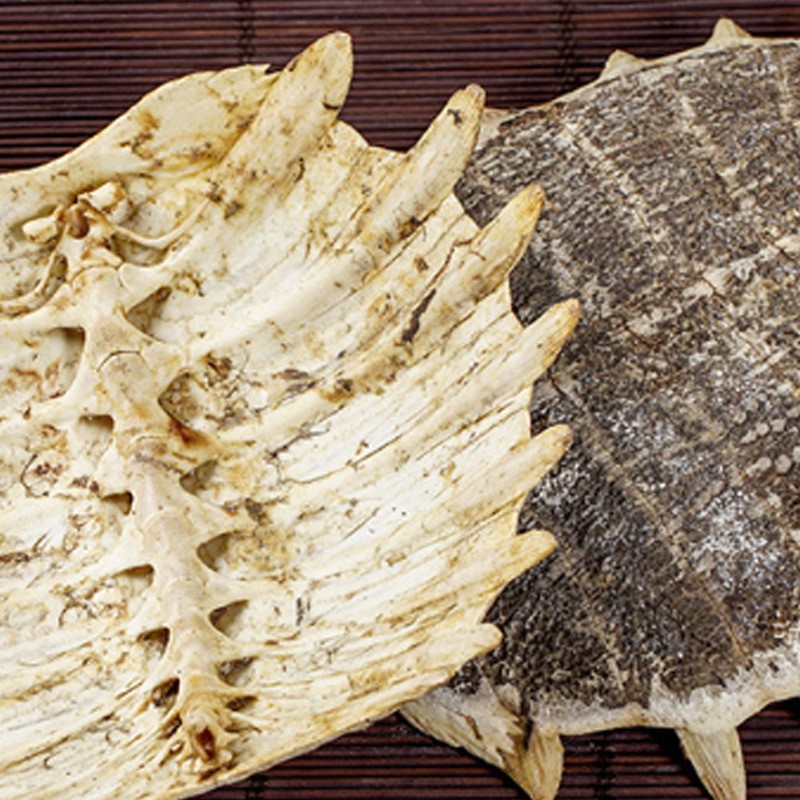
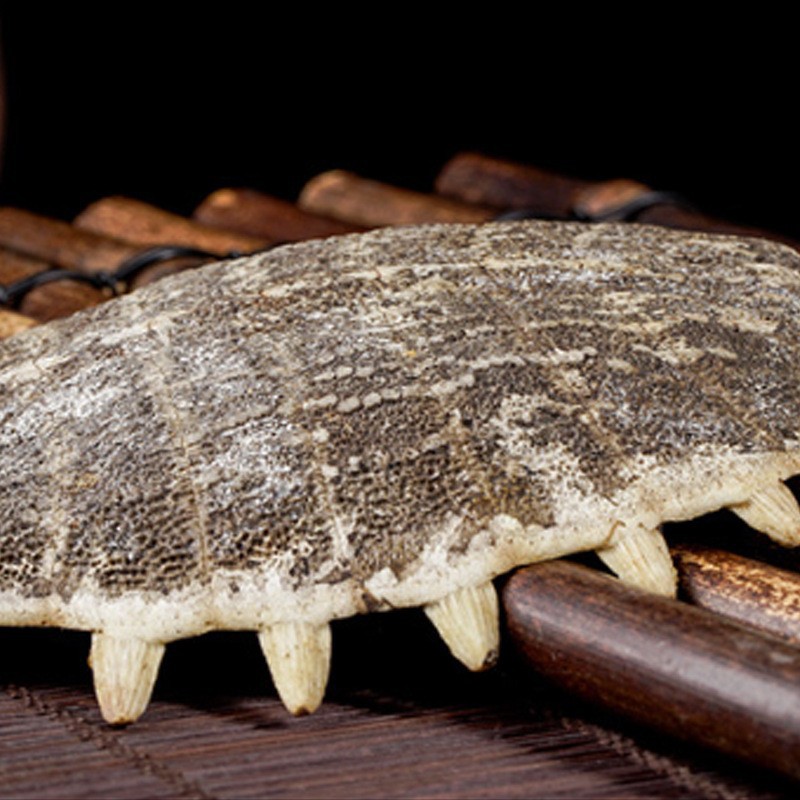
The dried shell pieces are typically hard, dense, and slightly translucent with a pale yellowish to greyish-brown tone. They have a faint marine aroma and no distinct taste on their own. After prolonged decoction the pieces soften slightly and release a mild, neutral broth.
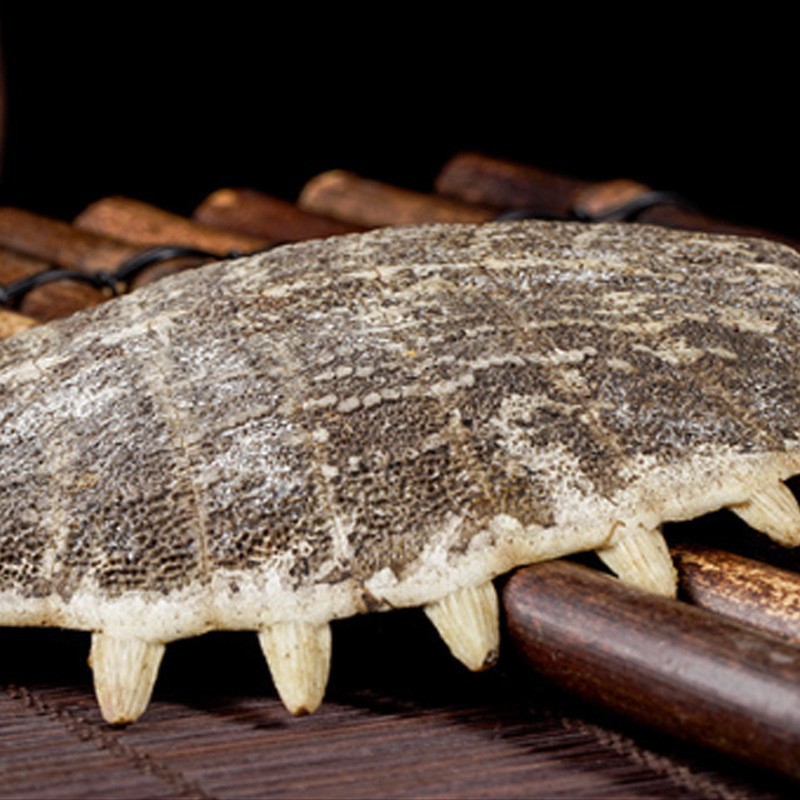
Technical Specifications
| Product Type | Dried herbal decoction pieces |
|---|---|
| Chinese Name | 鳖甲 |
| Pinyin | Bie Jia |
| Botanical Name | Trionyx sinensis |
| Plant Part | Dorsal shell |
| Net Weight | 250g |
Usage Scenarios
- Simmered in traditional herbal decoctions
- Added to long-cooked soups
- Used in congee preparations
- Combined with other herbs in seasonal tonic formulas
Traditional Uses
In TCM theory, Bie Jia is traditionally used in decoctions and long-simmered soups, often paired with herbs such as Sheng Di Huang or Mu Dan Pi. It is commonly included in traditional formulas associated with nourishing Yin and clearing deficiency heat. Preparation typically involves prolonged simmering to soften the shell and release its properties.
FAQ Q&A
Q: What is this product?
A: It is the sun-dried dorsal shell of the soft-shelled turtle, known in TCM as Bie Jia (鳖甲).
Q: What is its traditional value?
A: In TCM theory it is considered sweet and salty with a slightly cold nature, traditionally associated with the Liver and Kidney channels.
Q: How is it commonly prepared?
A: It is typically simmered for a long time in decoctions or soups, often combined with other herbs.
Additional information
| Weight | N/A |
|---|---|
| Dimensions | N/A |
| Model | 鳖甲250克, 鳖甲500克, 鳖甲1000克, 鳖甲10公斤 |
Related products
-

Dried Raspberry Fruit Fu Pen Zi Whole Berries for Herbal Tea and Wine Infusion 500g
Price range: $15.63 through $18.06 -
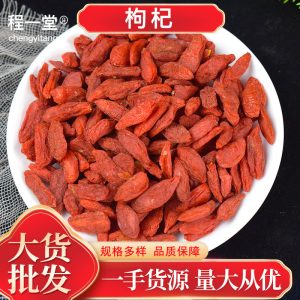
Ningxia Goji Berries Gou Qi Zi 500g Dried Red Wolfberry for Tea Soup and Snacking
Price range: $7.20 through $16.44 -
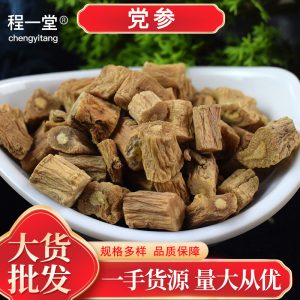
Dried Codonopsis Root Slices Dang Shen 500g Bulk Supply for Soups and Herbal Decoctions
Price range: $10.28 through $18.06 -
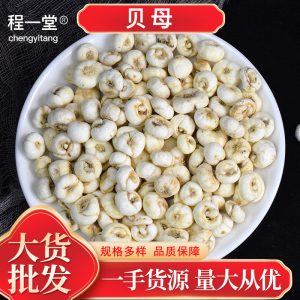
Fritillaria Bulb Chuan Bei Mu Dried Chinese Herbal Bulbs for Decoction and Traditional Use 500g
Price range: $18.06 through $94.21
Reviews
There are no reviews yet.