
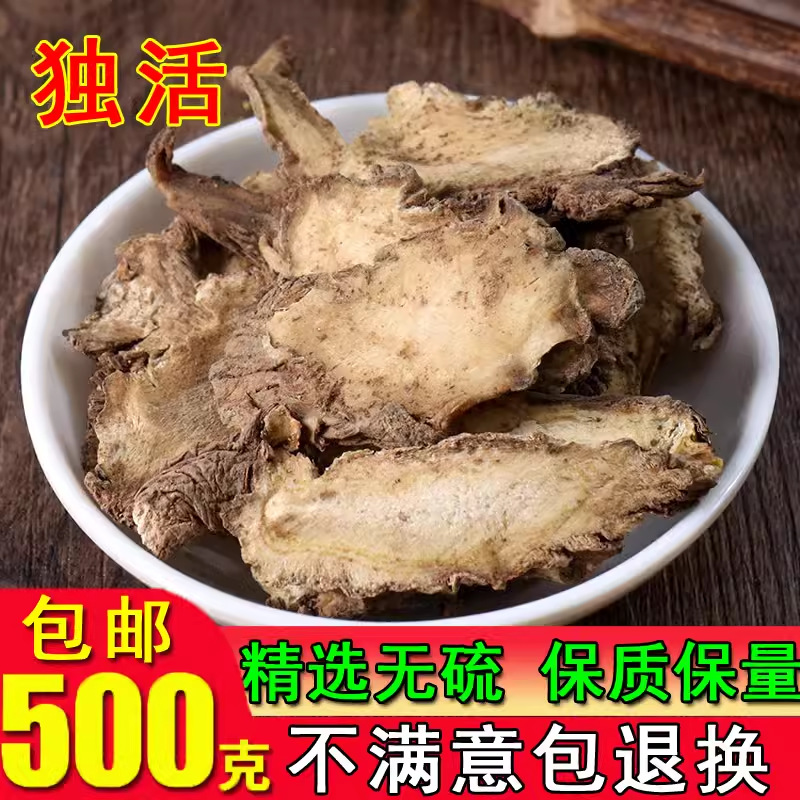
Dried Pubescent Angelica Root Slices Du Huo Traditional Chinese Herb for Decoction and Soup
Price range: $6.96 through $83.63
Description
Dried Pubescent Angelica Root Slices, known in TCM as Du Huo (独活), from Angelica pubescens. This raw herb is sliced from the root and sun-dried, a classic decoction piece in Chinese herbal practice. In TCM theory it is warm, acrid, and bitter, entering the Kidney and Bladder channels. Traditionally used in decoctions and soups, often paired with Sang Ji Sheng or Niu Xi. Store in a cool, dry place.
Key Selling Points
- Identified as Du Huo (独活), the root of Angelica pubescens
- Sun-dried root slices, a traditional decoction piece
- Warm, acrid, bitter nature in TCM theory
- Traditionally paired with Sang Ji Sheng and Niu Xi
- Current-season new stock from Anhui, China
Quality & Sensory
Slices are typically light yellowish-brown to greyish-brown with a fibrous, woody texture. Aroma is mild and characteristic, with a slightly bitter and acrid taste after decoction. Color and texture may vary slightly between batches.
Technical Specifications
| Product Type | Dried root slices |
|---|---|
| Chinese Name | 独活 |
| Pinyin | Du Huo |
| Botanical Name | Angelica pubescens |
| Plant Part | Root |
| Origin | Anhui, China |
Usage Scenarios
- Added to traditional herbal decoctions
- Simmered in herbal soups
- Combined with Sang Ji Sheng or Niu Xi in formulas
- Used in seasonal warming broths
Traditional Uses
In TCM theory, Du Huo is traditionally used in decoctions for wind-damp patterns, especially of the lower body. It is commonly paired with Sang Ji Sheng and Niu Xi in classic formulas. Folk practice also simmers it in soups and broths for seasonal support. Preparation typically involves boiling with other herbs.
FAQ Q&A
Q: What is this product?
A: It is dried root slices of Du Huo (独活), botanically Angelica pubescens, a traditional Chinese herbal decoction piece.
Q: What is its traditional value?
A: In TCM theory it is warm, acrid, and bitter, entering the Kidney and Bladder channels, and is traditionally associated with wind-damp patterns.
Q: How is it commonly prepared?
A: It is typically simmered in water with other herbs as a decoction, or added to herbal soups and broths.
Additional information
| Weight | N/A |
|---|---|
| Dimensions | N/A |
| Model | 独活250克, 独活500克, 独活1000克, 独活10公斤 |
Related products
-
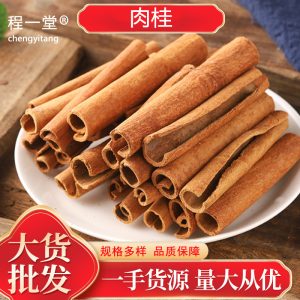
Dried Cinnamon Bark Rou Gui 500g Whole Peeling Culinary Spice and Traditional Herbal Ingredient
Price range: $5.58 through $8.33 -
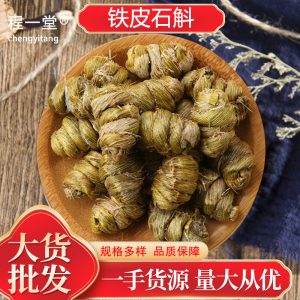
Tie Pi Shi Hu Dried Dendrobium Stems 500g Huoshan Fengdou for Soup and Tea
Price range: $35.88 through $108.80 -

Yi Zhi Ren Dried Alpinia Oxyphylla Fruit 500g Traditional Herbal Tea and Decoction Ingredient
Price range: $11.74 through $13.36 -

Cabinda Bark Dried Herb 500g Traditional Herbal Infusion Ingredient
Price range: $12.38 through $37.50
Reviews
There are no reviews yet.