
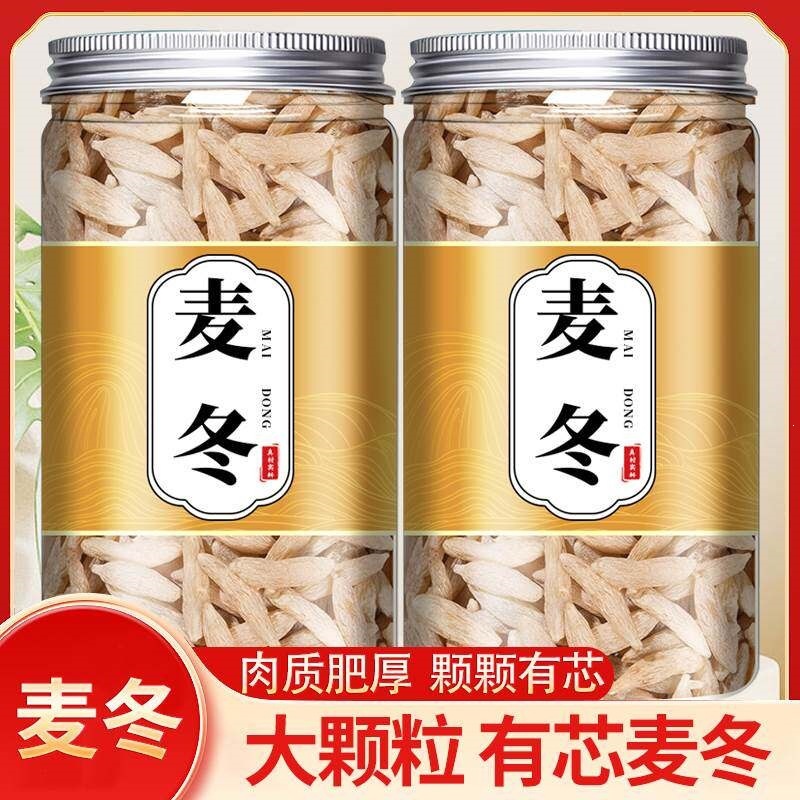
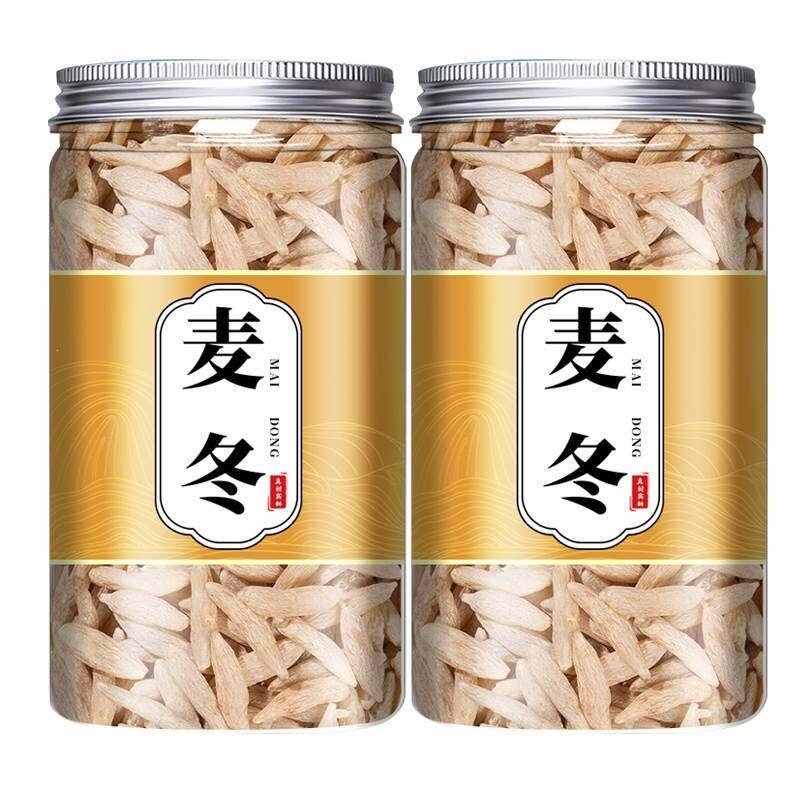
Dried Ophiopogon Root 500g Sichuan Maidong for Herbal Tea and Soup
Price range: $5.88 through $16.76
Description
Dried Ophiopogon Root, known in TCM as Maidong (麦冬) and botanically as Ophiopogon japonicus, is the dried tuberous root of a perennial plant. In TCM theory it is sweet and slightly bitter with a slightly cold nature, entering the Heart, Lung, and Stomach channels. Traditionally used to nourish Yin and moisten dryness, it is commonly simmered in water, soups, or congee as a gentle daily herbal ingredient.
Key Selling Points
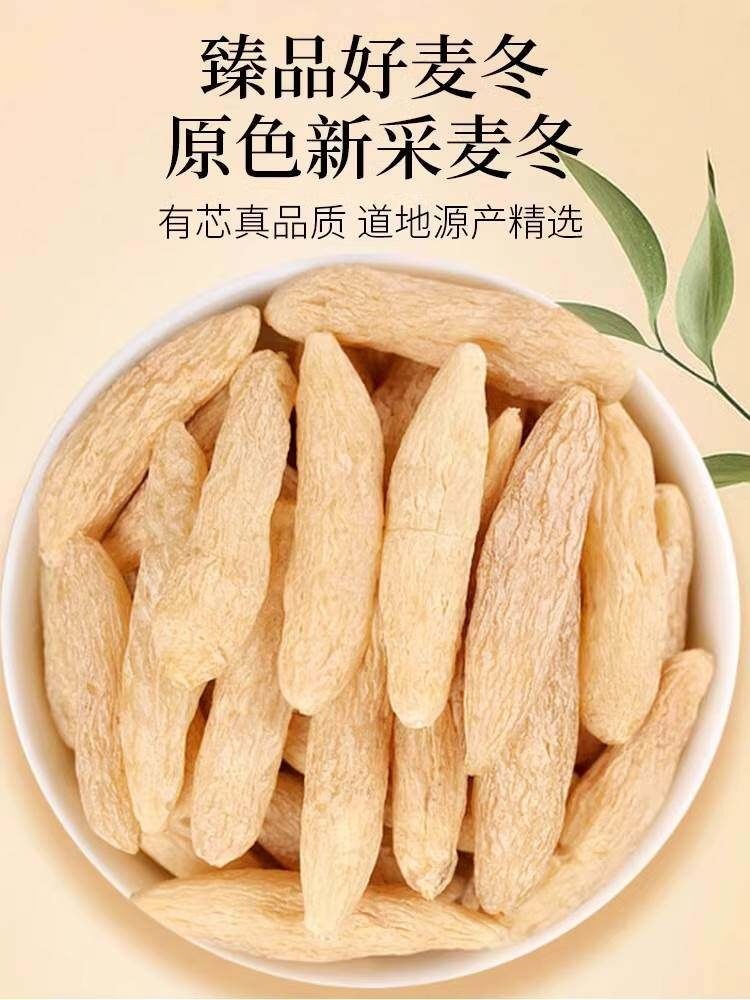
- Dried tuberous root of Ophiopogon japonicus, a classic TCM herb
- Known in TCM as Maidong (麦冬), sweet and slightly cold in nature
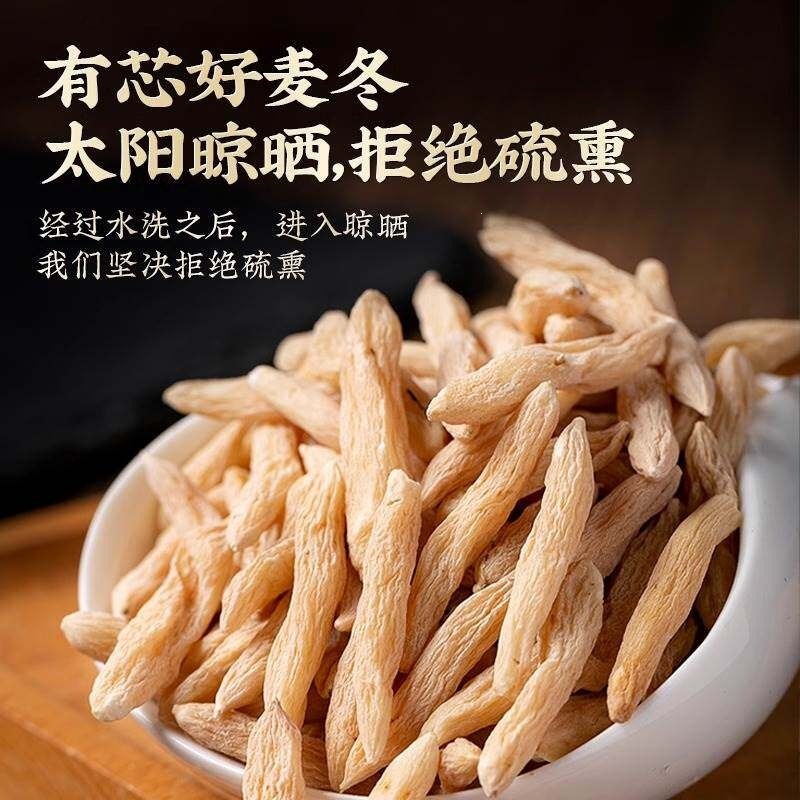
- Sun-dried processing preserves natural texture and mild aroma
- Traditionally used to nourish Yin and moisten dryness in TCM theory
- Versatile for teas, soups, congee, and daily herbal cooking

Quality & Sensory
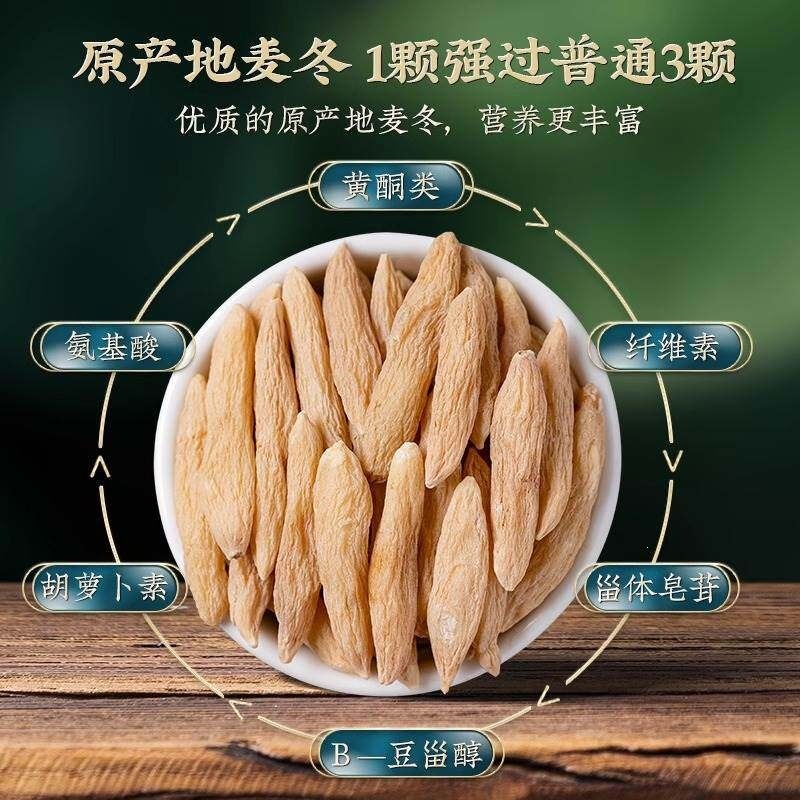
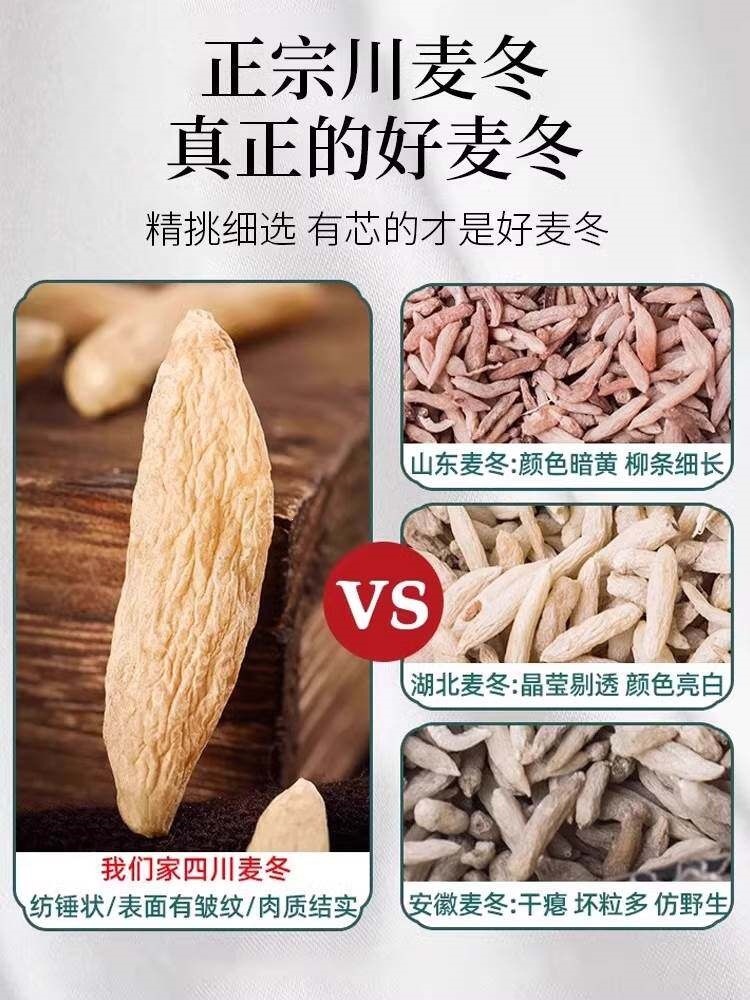
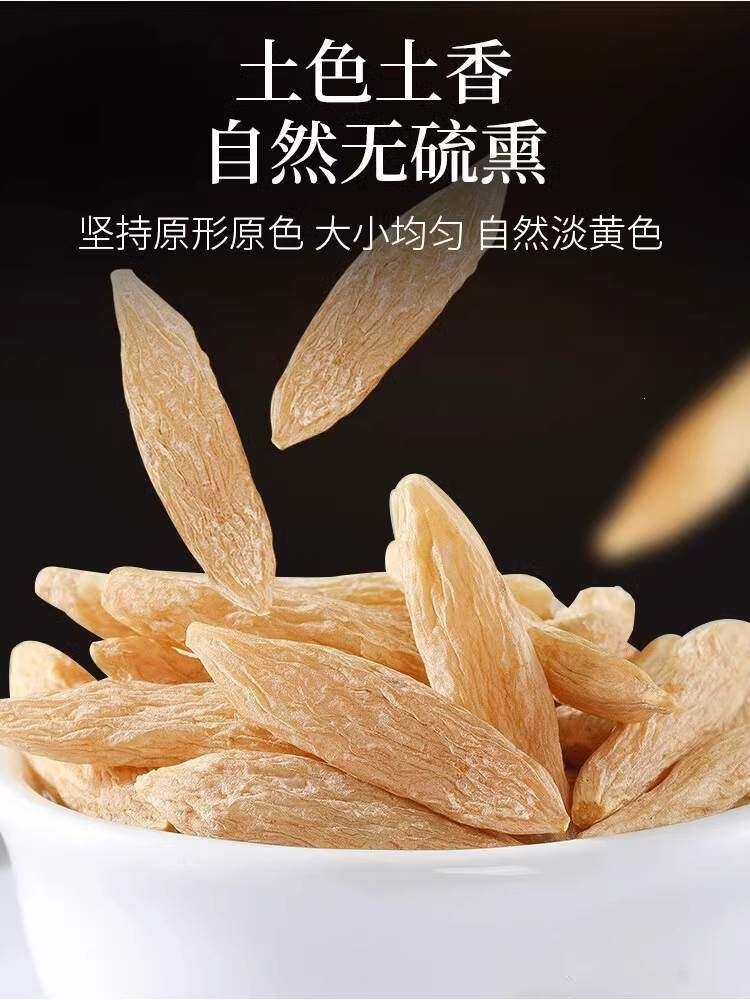
The dried roots are typically pale yellowish-brown to light tan, firm and slightly fibrous in texture, with a mild earthy aroma. When simmered or brewed, the liquid is typically light amber with a subtly sweet and faintly bitter taste. Actual batch color and flavor may vary slightly by harvest.
Technical Specifications
| Product Type | Dried herbal root |
|---|---|
| Chinese Name | 麦冬 |
| Pinyin | Maidong |
| Botanical Name | Ophiopogon japonicus |
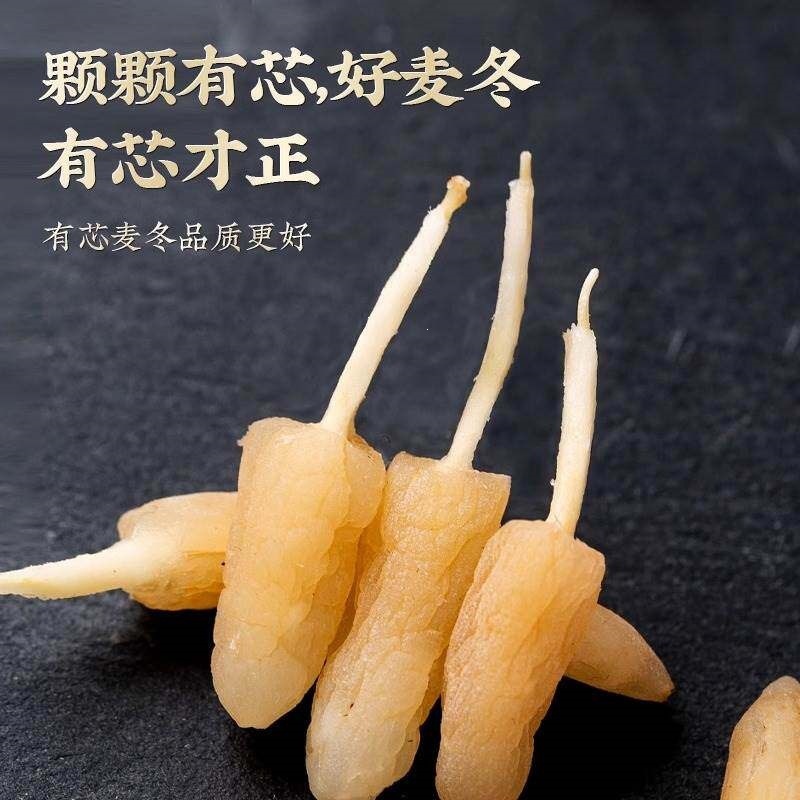
| Plant Part | Tuberous root |
| Net Weight | 500g |
Usage Scenarios
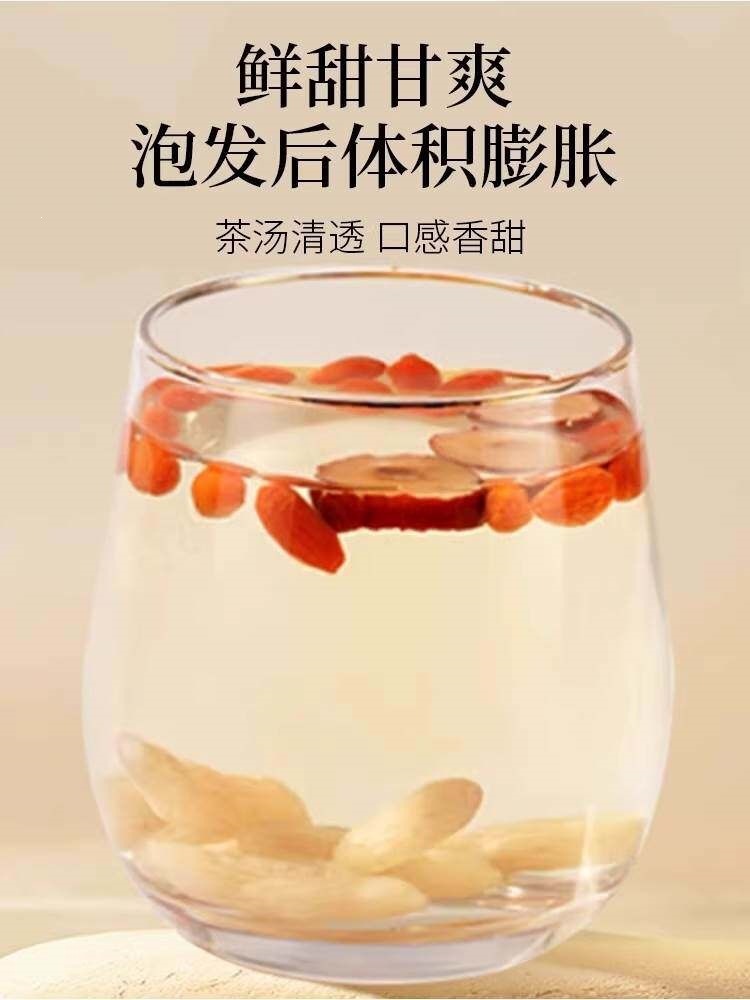
- Simmered as a daily herbal tea
- Added to soups and broths
- Cooked into congee
- Combined with other herbs in decoctions
- Used in seasonal home cooking
Traditional Uses
In TCM theory, Maidong is traditionally used to nourish Yin and moisten dryness, and is often paired with herbs such as American ginseng or goji berry in decoctions. It is commonly simmered in water, added to soups, or cooked into congee. Folk practice also uses it in seasonal cooling teas and restorative broths.
FAQ Q&A
Q: What is this product?
A: It is dried Ophiopogon root, known in TCM as Maidong (麦冬), from Ophiopogon japonicus.
Q: What is its traditional value?
A: In TCM theory it is considered sweet and slightly cold, traditionally used to nourish Yin and moisten dryness.
Q: How is it commonly prepared?
A: It is typically simmered in water as a tea, added to soups, or cooked into congee.
Additional information
| Weight | N/A |
|---|---|
| Dimensions | N/A |
| Model | 罐装 麦冬30g, 3罐 党参125g 黄芪125g 麦冬100g, 3罐 西洋参50g 黄芪125g 麦冬100g, 买1发4 共4罐 西洋参50g 黄芪125g 麦冬100g 党参150g, 罐装 麦冬250g, 罐装 麦冬1000g, 罐装 麦冬100g, 罐装 麦冬100g 党参125g, 罐装 麦冬100g 枸杞150g, 罐装 麦冬100g 玉竹125g, 罐装 麦冬100g 甘草125g, 罐装 麦冬100g 百合125g, 罐装 麦冬100g 西洋参50g |
Related products
-
Deer Antler Slices Lu Rong 鹿茸片 Dried Slices for Wine Infusion and Soup 100g Wax Slices Pack
Price range: $68.29 through $92.59 -

Dried Raspberry Fruit Fu Pen Zi Whole Berries for Herbal Tea and Wine Infusion 500g
Price range: $15.63 through $18.06 -
Fritillaria Bulb Chuan Bei Mu Dried Chinese Herbal Bulbs for Decoction and Traditional Use 500g
Price range: $18.06 through $94.21 -

Dried Huang Jing Slices Polygonatum Rhizome Chicken Head Huang Jing 500g Bulk Herbal Tea and Soup Ingredient
Price range: $9.14 through $18.87
Reviews
There are no reviews yet.