
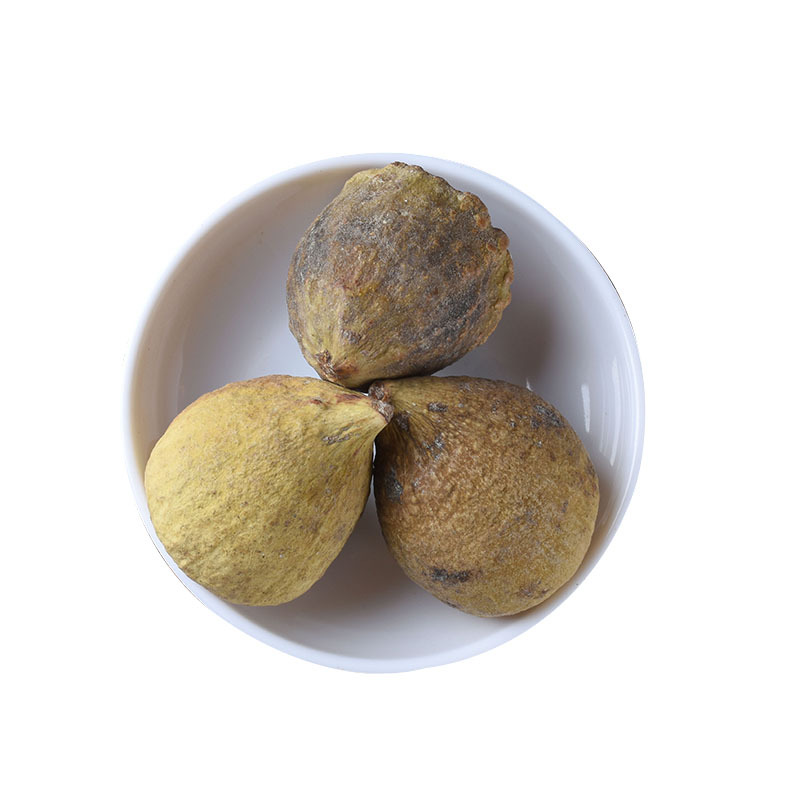
Dried Mu Mantou Fruit Chinese Herbal Mu Lian Guo for Traditional Decoction and Soup 500g
$7.76
548 in stock
Description
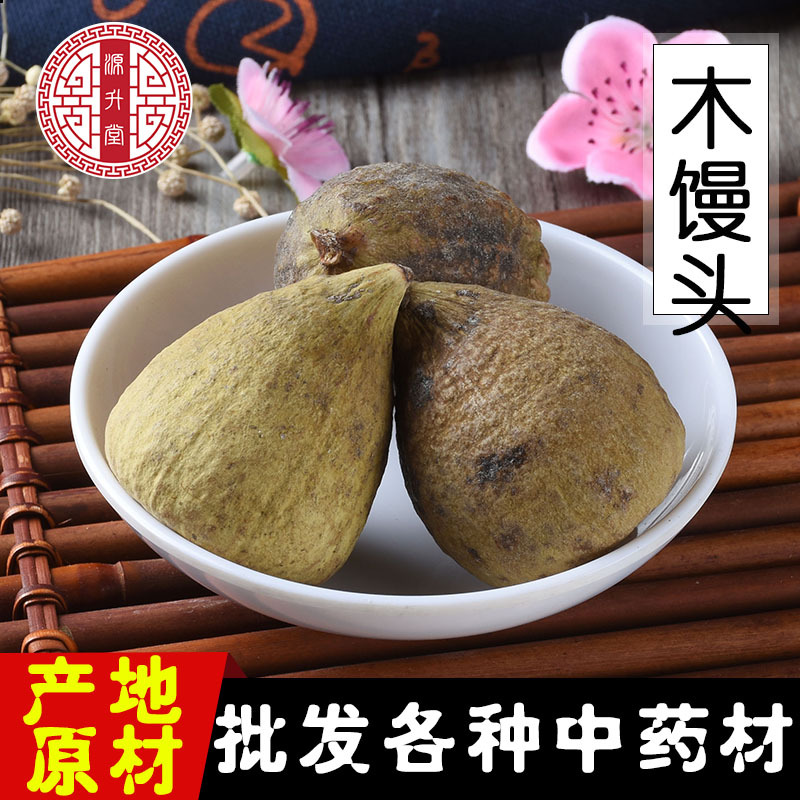
Dried Mu Mantou (木馒头, Mu Mantou), also known as Mu Lian Guo (木莲果), is the dried fruit of Ficus pumila L. In TCM theory it is traditionally associated with sweet and neutral properties and the kidney, liver, and spleen channels. Traditionally used in decoctions and soups, it is a raw herb valued in folk wellness practice. This food-grade agricultural product is not a medicine and cannot replace medication.


Key Selling Points
- Identified as Mu Mantou (木馒头), the dried fruit of Ficus pumila L.
- Also known as Mu Lian Guo (木莲果) and Nai Mu Guo (奶母果) in regional herbal trade.
- Unsulfured new-crop stock sourced from Yunnan, China.
- Food-grade agricultural product sold as a raw herb for traditional preparation.
- 500g per pack, suitable for decoctions, soups, and congee.
Quality & Sensory
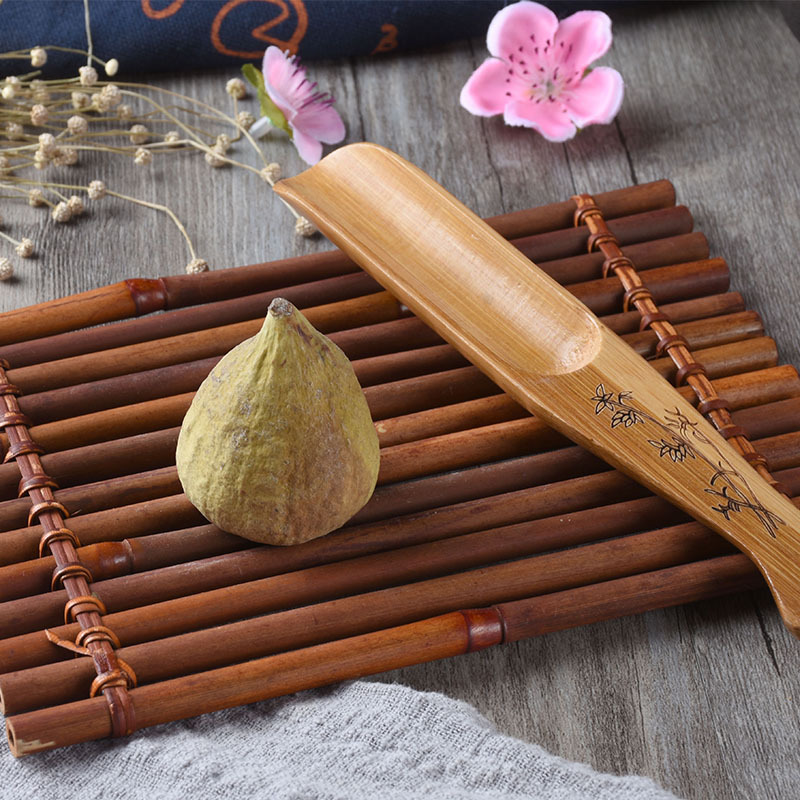
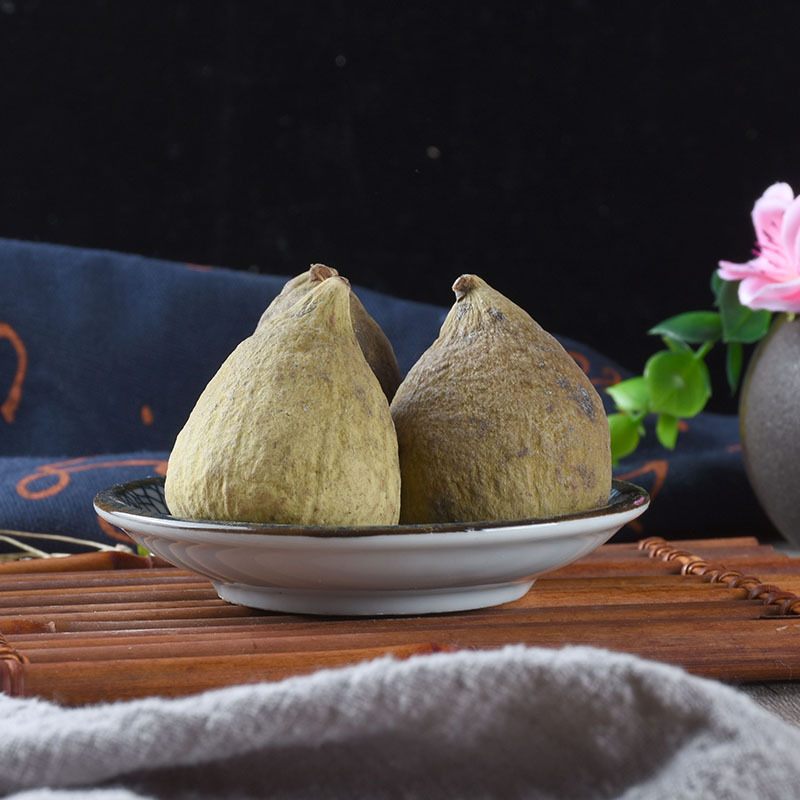
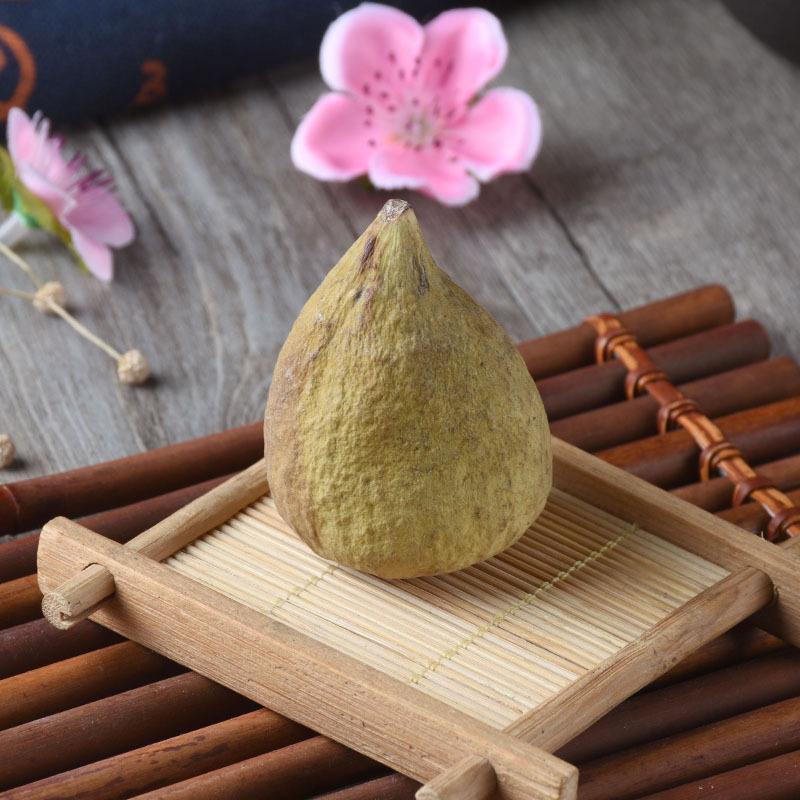
The dried fruit is typically brownish-green to dark brown, firm and slightly wrinkled, with a mild earthy herbal aroma. When decocted or simmered, it yields a lightly sweet, bland, and mildly astringent taste. Actual color and texture may vary by batch and storage conditions.
Technical Specifications
| Product Type | Dried raw herb |
|---|---|
| Chinese Name | 木馒头 |
| Pinyin | Mu Mantou |
| Botanical Name | Ficus pumila L. |
| Plant Part | Dried fruit |
| Net Weight | 500g |


Usage Scenarios
- Simmered in traditional herbal decoctions
- Added to soups and broths
- Cooked into congee
- Used in seasonal folk food preparations


Traditional Uses
In TCM theory, Mu Mantou (木馒头) is traditionally used in decoctions for its sweet, neutral nature and its association with the kidney, liver, and spleen channels. Folk practice often simmers it alone or with other herbs in soups and congee. It is sometimes paired with ingredients such as wolfberry or red dates in daily wellness preparations.


FAQ Q&A
Q: What is Mu Mantou?
A: Mu Mantou (木馒头) is the dried fruit of Ficus pumila L., also known as Mu Lian Guo (木莲果) in Chinese herbal trade.
Q: What is its traditional value?
A: In TCM theory it is traditionally associated with sweet and neutral properties and the kidney, liver, and spleen channels.
Q: How is it commonly prepared?
A: It is typically simmered in decoctions, soups, or congee according to traditional preparation methods.


Additional information
| Weight | 0.6 kg |
|---|---|
| Dimensions | 20 × 15 × 10 cm |
Related products
-
Dried Raspberry Fruit Fu Pen Zi Whole Berries for Herbal Tea and Wine Infusion 500g
Price range: $15.63 through $18.06 -

Yi Zhi Ren Dried Alpinia Oxyphylla Fruit 500g Traditional Herbal Tea and Decoction Ingredient
Price range: $11.74 through $13.36 -
Xinhui Chenpi Dried Tangerine Peel 500g Sun Dried Aged Peel for Soup and Tea
Price range: $60.19 through $116.90 -

Cabinda Bark Dried Herb 500g Traditional Herbal Infusion Ingredient
Price range: $12.38 through $37.50
Reviews
There are no reviews yet.