
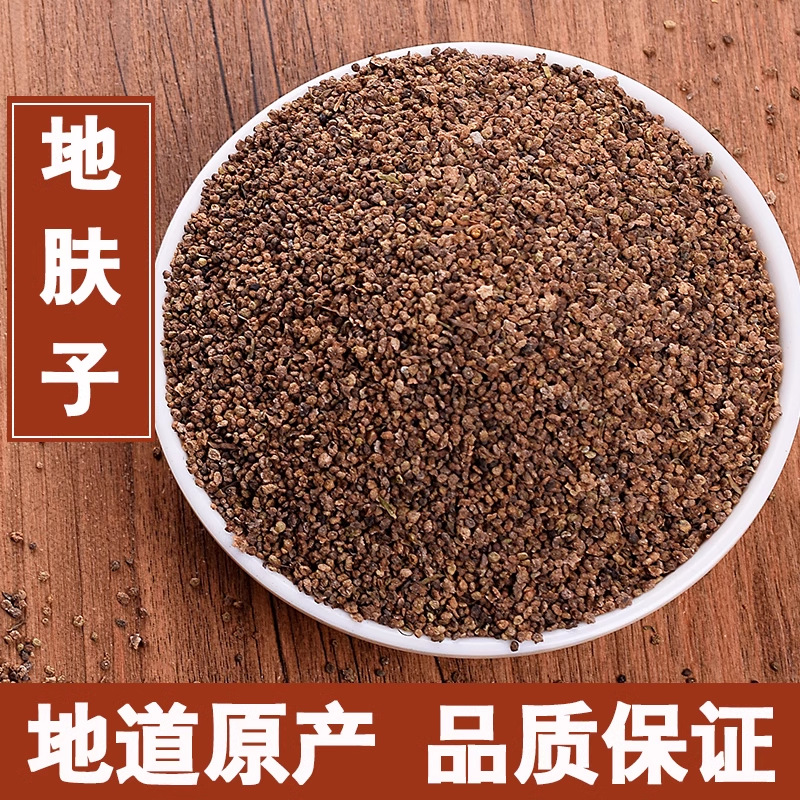
Dried Kochia Fruit Di Fu Zi 500g Wild Harvested Herbal Tea Ingredient
Price range: $5.71 through $37.80
Description
Dried Kochia Fruit, known in TCM as Di Fu Zi (地肤子), from Kochia scoparia. This 500g batch of wild-harvested fruit is naturally sun-dried and sold as a food agricultural product. In TCM theory it is bitter and cold, entering the Kidney and Bladder channels, and is traditionally used in decoctions and herbal teas. It can also be ground into powder for convenient preparation.

Key Selling Points
- Identified as Di Fu Zi (地肤子), the dried ripe fruit of Kochia scoparia
- Wild-harvested from Anhui, China and naturally sun-dried
- 500g loose dried fruit suitable for decoction or tea
- Can be ground into powder for flexible preparation
- Bitter, cold TCM nature associated with Kidney and Bladder channels
Quality & Sensory
The dried fruit is typically small, greenish-brown to dark brown, and slightly wrinkled with a faint herbal aroma. It has a mild, bitter taste that becomes more pronounced when decocted or steeped in hot water. Texture is dry and lightweight, softening slightly after brewing.
Technical Specifications
| Product Type | Dried herbal fruit |
|---|---|
| Chinese Name | 地肤子 |
| Pinyin | Di Fu Zi |
| Botanical Name | Kochia scoparia |
| Plant Part | Ripe fruit |
| Net Weight | 500g |
Usage Scenarios
- Herbal decoction with other TCM herbs
- Daily herbal tea alone or in blends
- Ground into powder for teas or capsules
- Added to seasonal soup or congee recipes
Traditional Uses
In TCM theory, Di Fu Zi is traditionally used in decoctions for its bitter, cold properties and its association with the Kidney and Bladder channels. It is commonly paired with other herbs in formulas addressing damp-heat patterns. Folk practice also includes steeping it as a simple tea or adding it to congee for seasonal wellness support.
FAQ Q&A
Q: What is this product?
A: It is dried Kochia fruit, known in TCM as Di Fu Zi (地肤子), sold as a 500g loose herbal ingredient.
Q: What are its traditional characteristics?
A: In TCM theory it is considered bitter and cold, entering the Kidney and Bladder channels, and is traditionally used in decoctions and herbal teas.
Q: How is it commonly prepared?
A: It is typically decocted or steeped in hot water as a tea, and can also be ground into powder for convenient use.
Additional information
| Weight | N/A |
|---|---|
| Dimensions | N/A |
| Model | 地肤子250克, 地肤子500克, 地肤子1000克, 地肤子10公斤 |
Related products
-
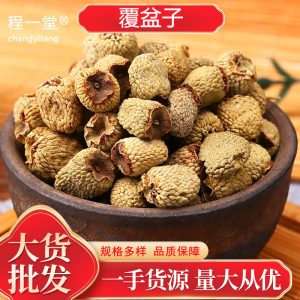
Dried Raspberry Fruit Fu Pen Zi 500g Whole Berries for Herbal Tea and Wine Infusion
Price range: $14.00 through $16.44 -
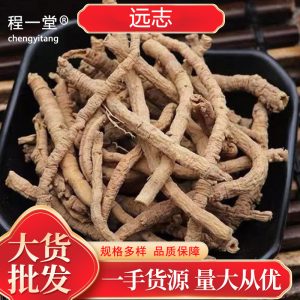
Dried Polygala Root Yuan Zhi 500g Traditional Chinese Herb for Decoction
Price range: $18.87 through $24.54 -
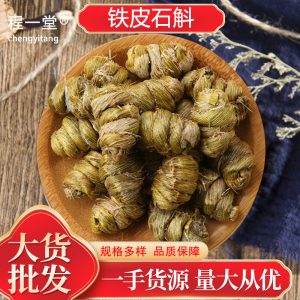
Tie Pi Shi Hu Dried Dendrobium Stems 500g Huoshan Fengdou for Soup and Tea
Price range: $35.88 through $108.80 -

Fritillaria Bulb Chuan Bei Mu Dried Chinese Herbal Bulbs for Decoction and Traditional Use 500g
Price range: $18.06 through $94.21
Reviews
There are no reviews yet.