
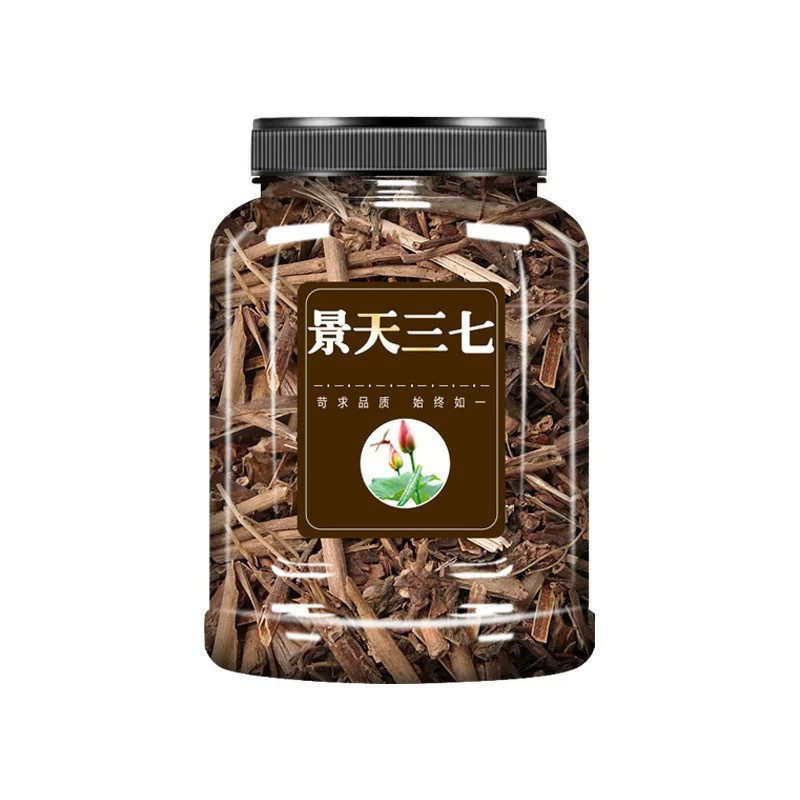
Dried Jing Tian San Qi Herb Sedum Aizoon Natural Sun Dried for Herbal Tea and Decoction
Description
Dried Jing Tian San Qi (景天三七), also known as Sedum aizoon, is a naturally sun-dried herb from Hebei, China. In TCM theory, it is traditionally associated with the heart and liver channels, with a sweet and slightly sour nature. It is commonly prepared as a simple herbal tea or added to decoctions. This food-grade agricultural product is stored in a cool, dry place and is intended for everyday home herbal use.
Key Selling Points
- Identified as Jing Tian San Qi (景天三七), the dried herb Sedum aizoon
- Naturally sun-dried to preserve traditional character
- Sourced from Hebei, China
- Food-grade agricultural product for home herbal preparation
- Commonly used as a simple herbal tea or in decoctions
Quality & Sensory
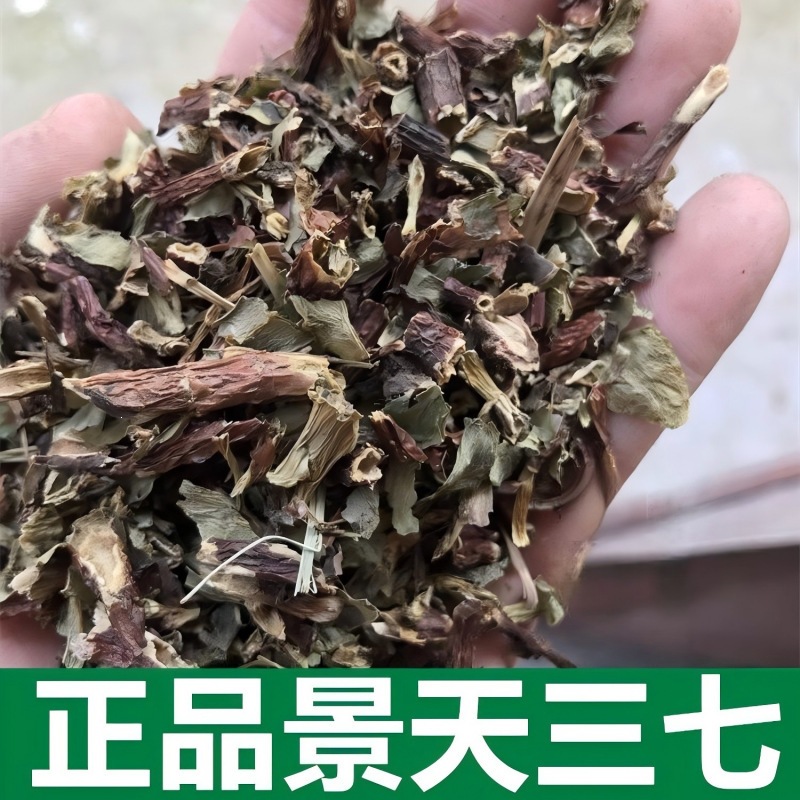
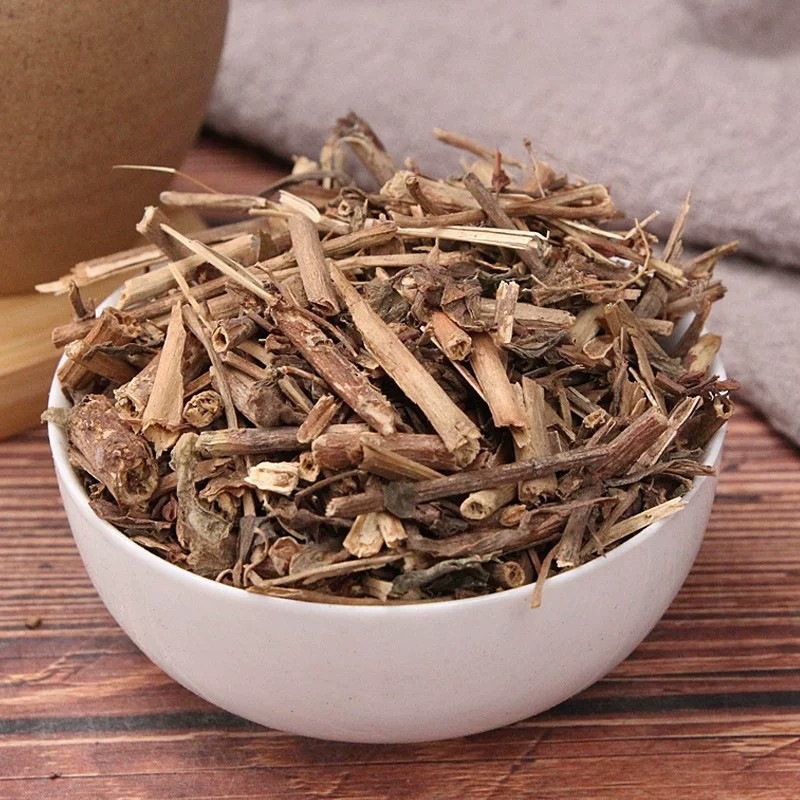
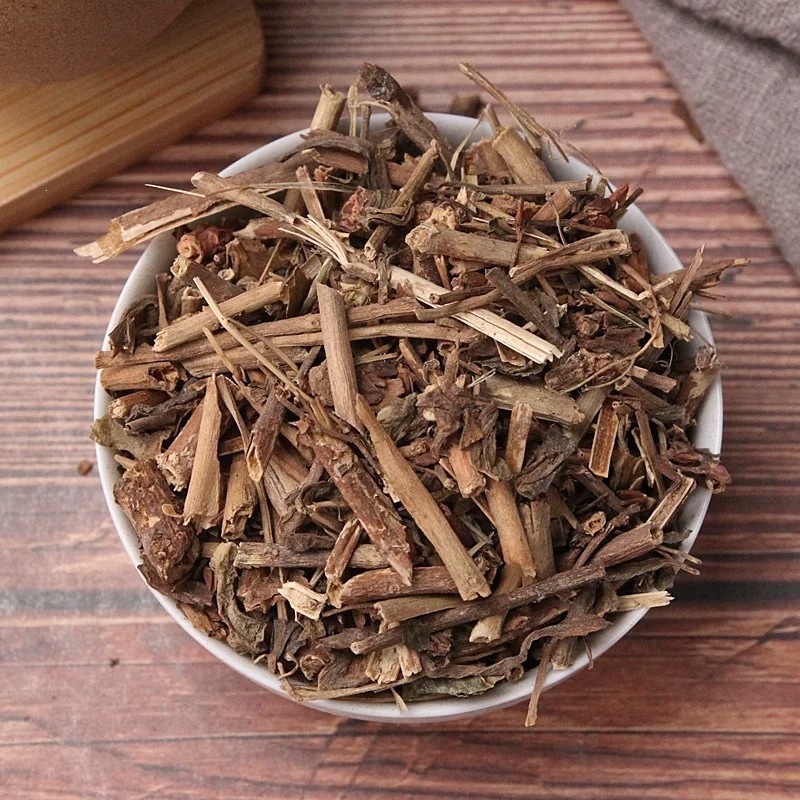
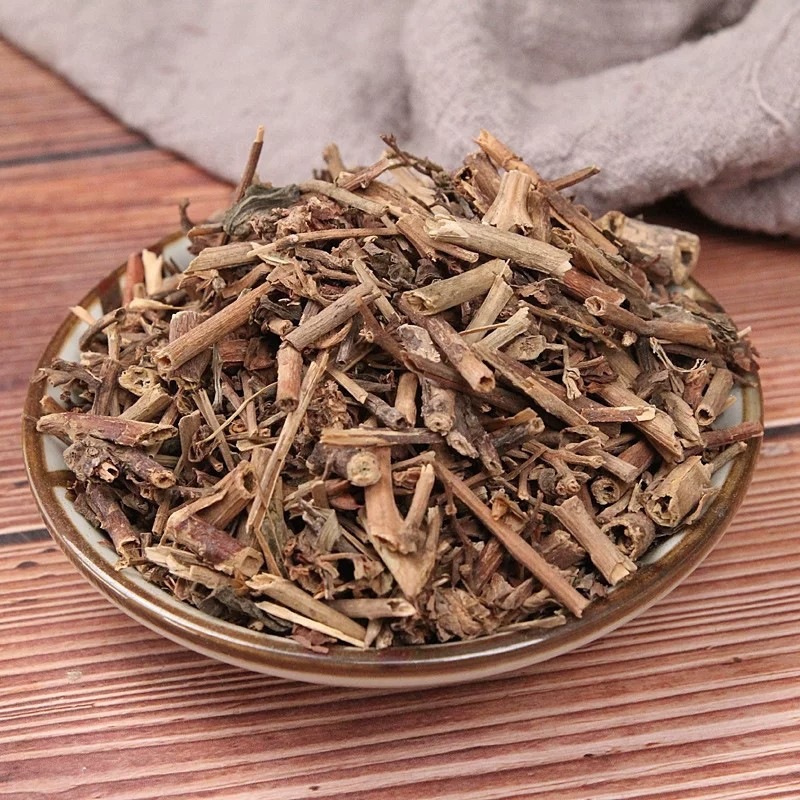
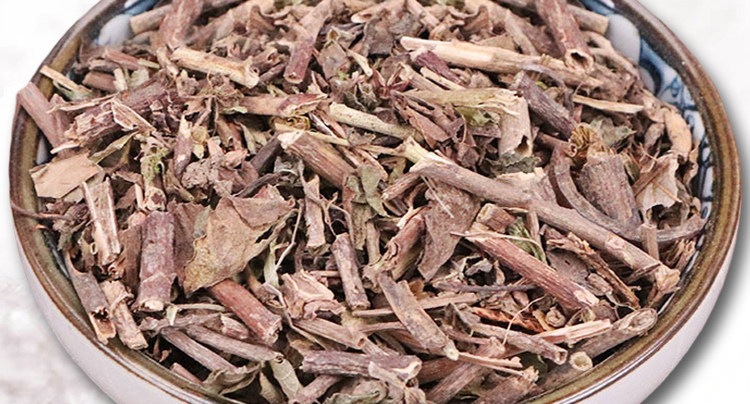
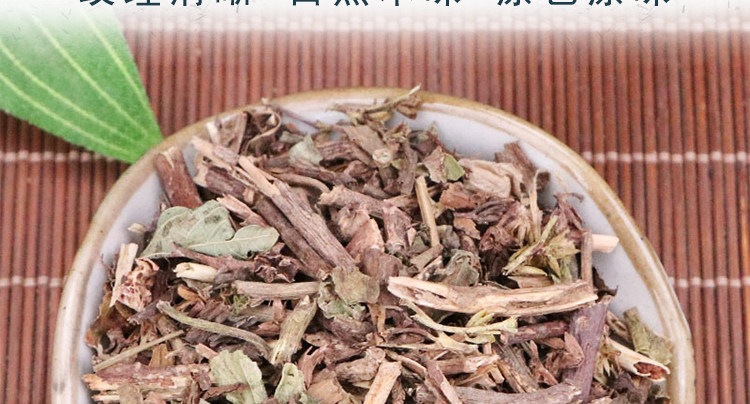
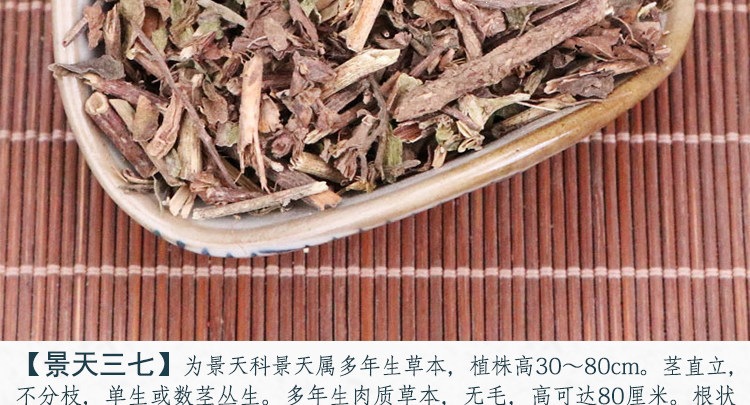
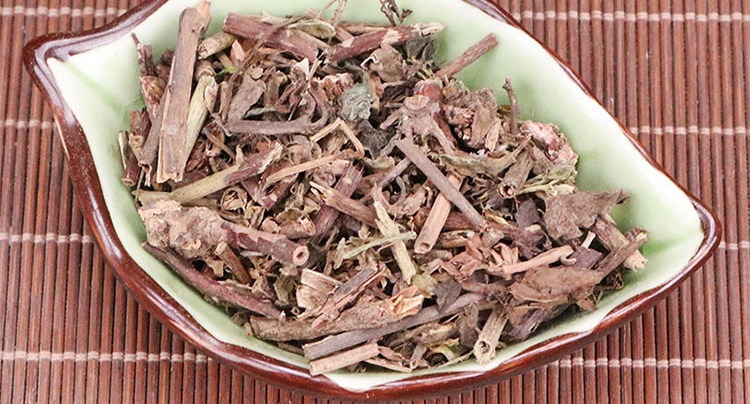
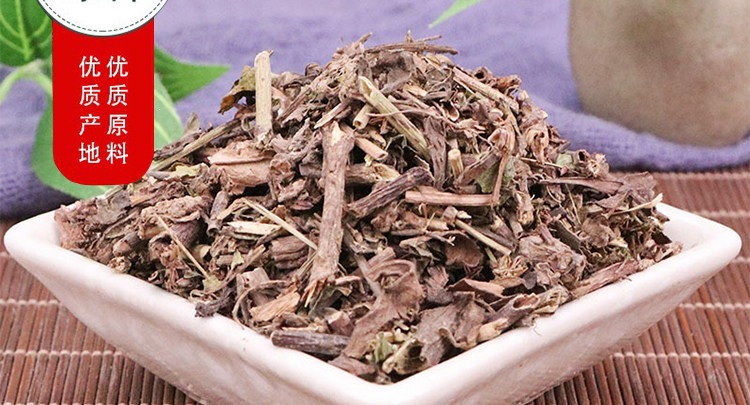
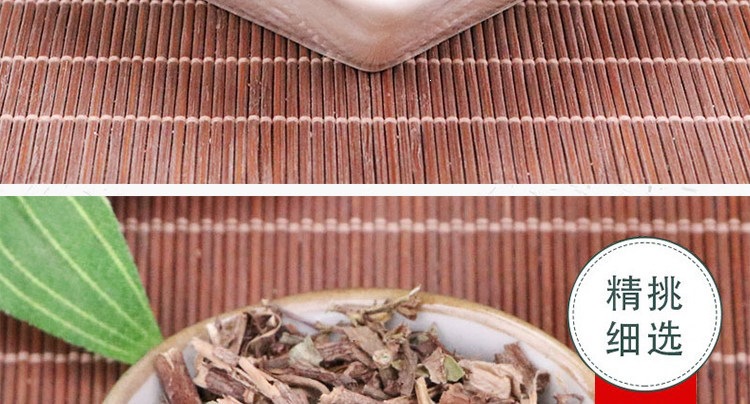
The dried herb typically shows a green to brownish-green color with a dry, brittle texture and a mild, earthy herbal aroma. When brewed, it produces a light golden infusion with a subtle, slightly sour and grassy taste. These are general botanical characteristics and may vary by batch.
Technical Specifications
| Product Type | Dried Herbal Botanical |
|---|---|
| Chinese Name | 景天三七 |
| Pinyin | Jing Tian San Qi |
| Botanical Name | Sedum aizoon |
| Plant Part | Whole Herb |
| Processing | Natural Sun Dried |
Usage Scenarios
- Brewed as a simple herbal tea
- Added to herbal decoctions
- Used in traditional herbal soups
- Incorporated into congee
- Seasonal home herbal preparation
Traditional Uses
In TCM theory, Jing Tian San Qi is traditionally used in decoctions and teas, often paired with other herbs. It is also added to soups and congee in folk practice. Traditionally associated with the heart and liver channels, it is valued for its sweet and slightly sour nature. It is commonly prepared by steeping in hot water or simmering in water.
FAQ Q&A
Q: What is this product?
A: It is dried Jing Tian San Qi (景天三七), the herb Sedum aizoon, naturally sun-dried and sourced from Hebei, China.
Q: What is its traditional value?
A: In TCM theory, it is traditionally associated with the heart and liver channels and is valued for its sweet and slightly sour nature.
Q: How is it commonly prepared?
A: It is commonly brewed as a simple herbal tea or simmered in water as part of a decoction.
Additional information
| Model | 新货景天三七40克 1罐, 新货景天三七40克 2罐, 新货景天三七40克 3罐, 新货景天三七40克 4罐, 新货景天三七40克 5罐 |
|---|
Related products
-
Dried Raspberry Fruit Fu Pen Zi 500g Whole Berries for Herbal Tea and Wine Infusion
Price range: $14.00 through $16.44 -
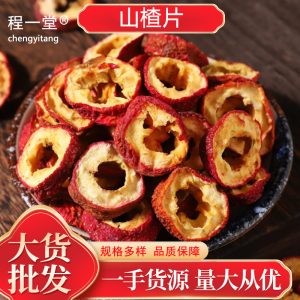
Dried Hawthorn Slices Shan Zha 500g Seedless Hollow Rings Freeze Dried Hawthorn for Tea and Culinary Use
Price range: $4.44 through $7.04 -

Dried Huang Jing Slices Polygonatum Rhizome Chicken Head Huang Jing 500g Bulk Herbal Tea and Soup Ingredient
Price range: $9.14 through $18.87 -

Cabinda Bark Dried Herb 500g Traditional Herbal Infusion Ingredient
Price range: $12.38 through $37.50
Reviews
There are no reviews yet.