
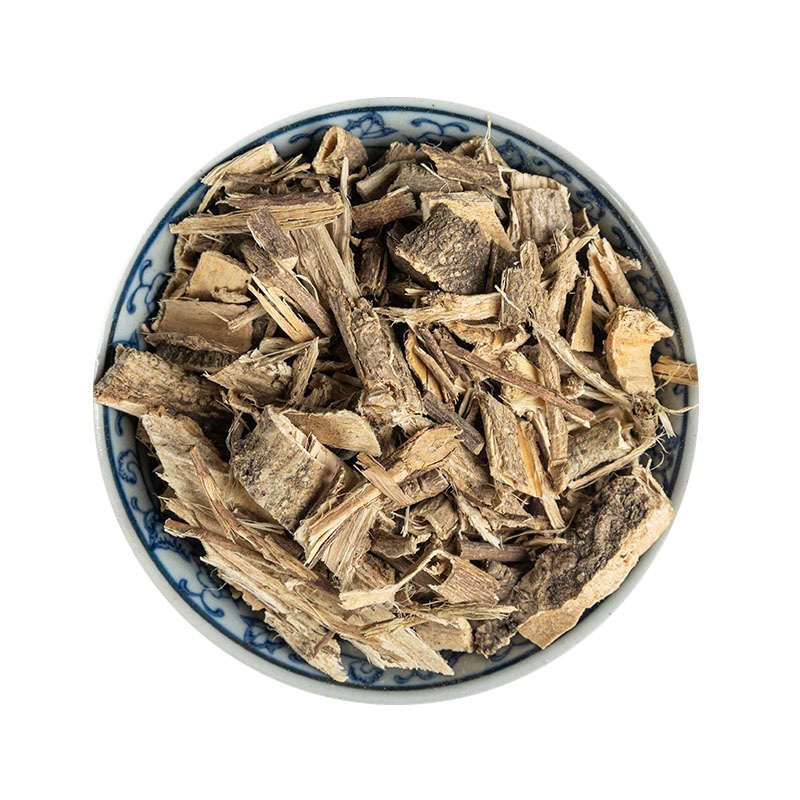
Dried Hibiscus Bark Jin Pi Mu Jin Pi Natural Sun Dried for Cooking and Grinding 250g x 2 Jars
Description
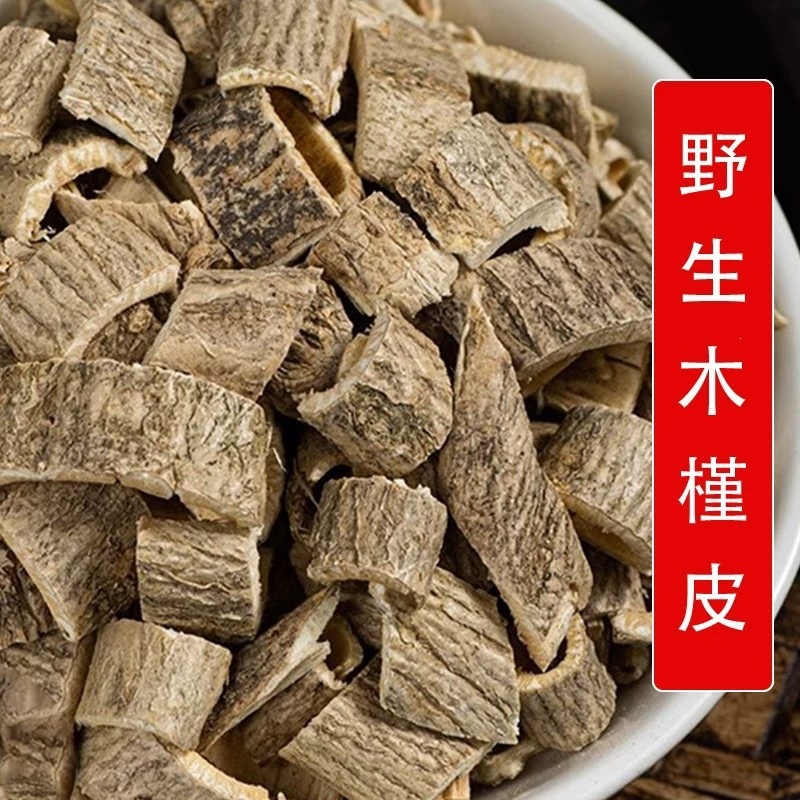
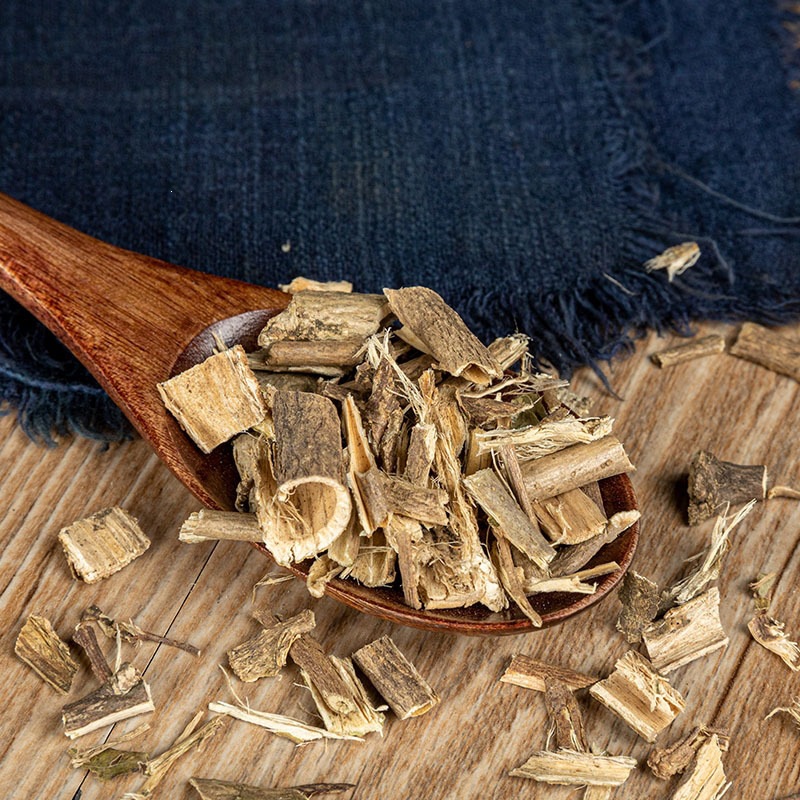
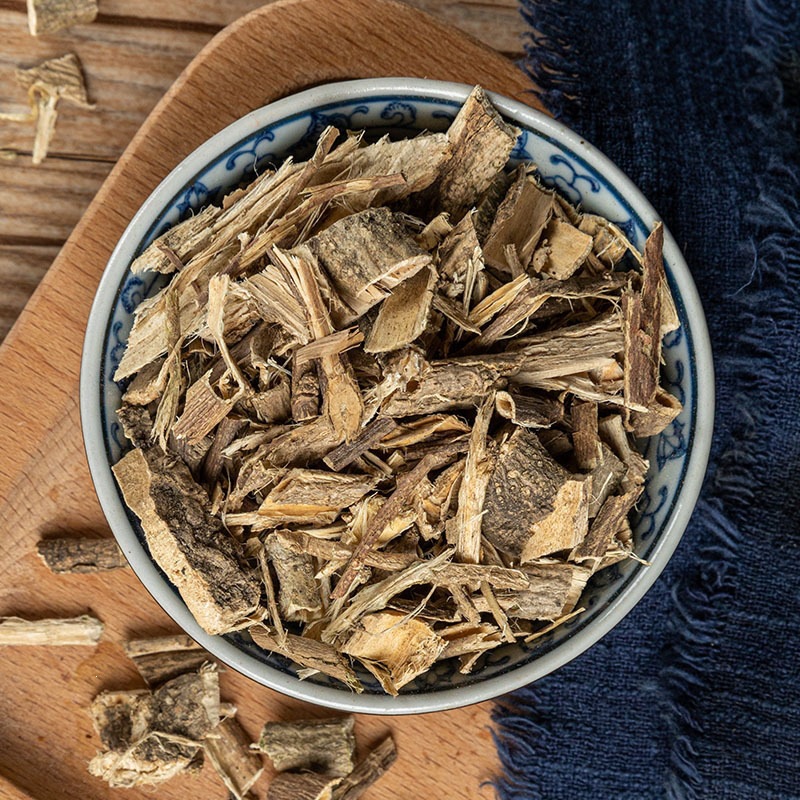
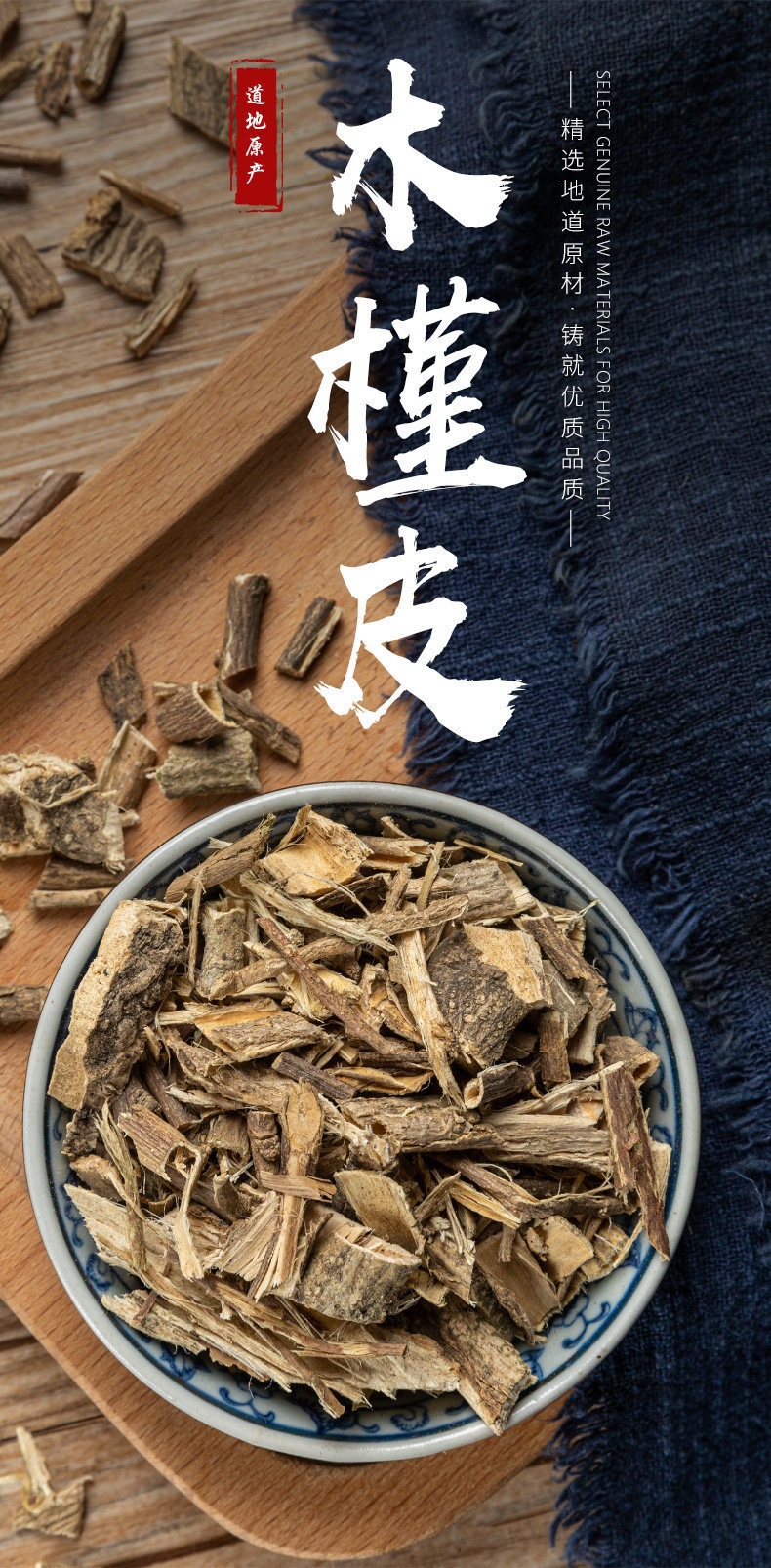
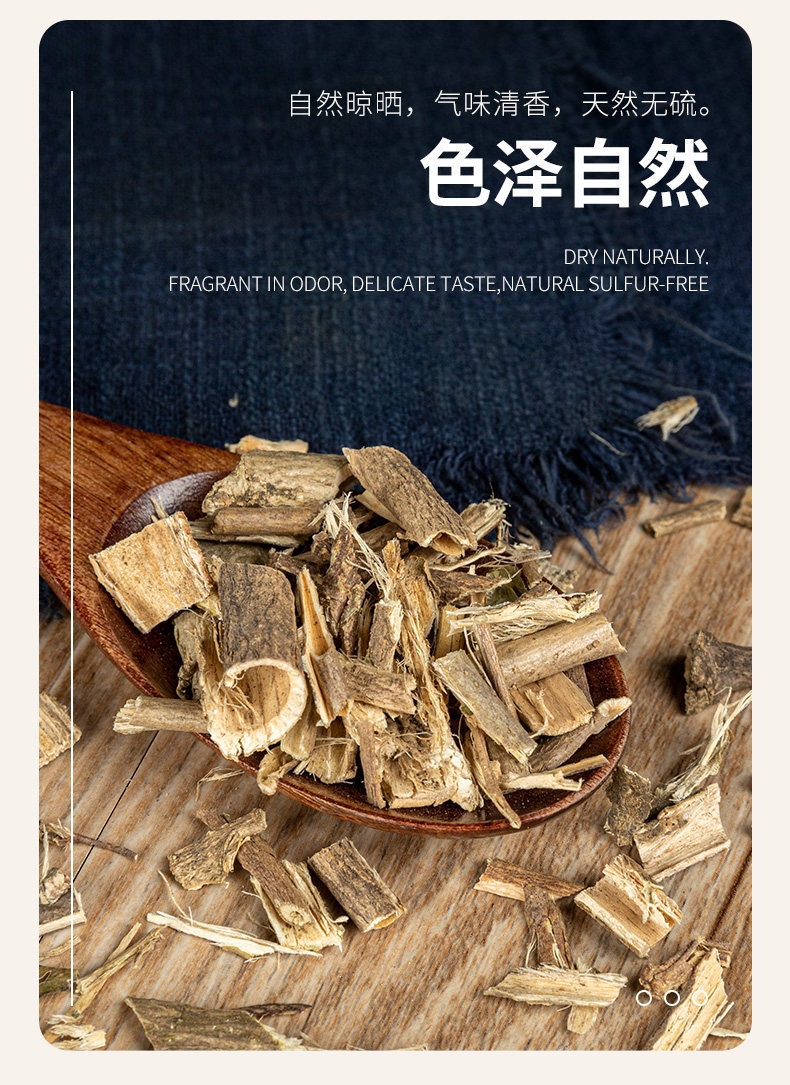
Dried Hibiscus Bark, known in TCM as Mu Jin Pi (木槿皮) or Bai Jin Pi (白槿皮), from Hibiscus syriacus. This natural sun-dried bark is supplied in whole pieces and can be ground into fine powder at home. In TCM theory it is traditionally associated with a cool nature and use in external washes and decoctions. Store sealed in a cool dry place and keep away from pregnant or nursing women.
Key Selling Points
- Identified in TCM as Mu Jin Pi (木槿皮) and Bai Jin Pi (白槿皮)
- Botanical source Hibiscus syriacus bark
- Natural sun-dried whole pieces with no organic or green food certification
- Can be ground into fine powder at home for flexible preparation
- Packed as 250g x 2 jars for a total of 500g
Quality & Sensory
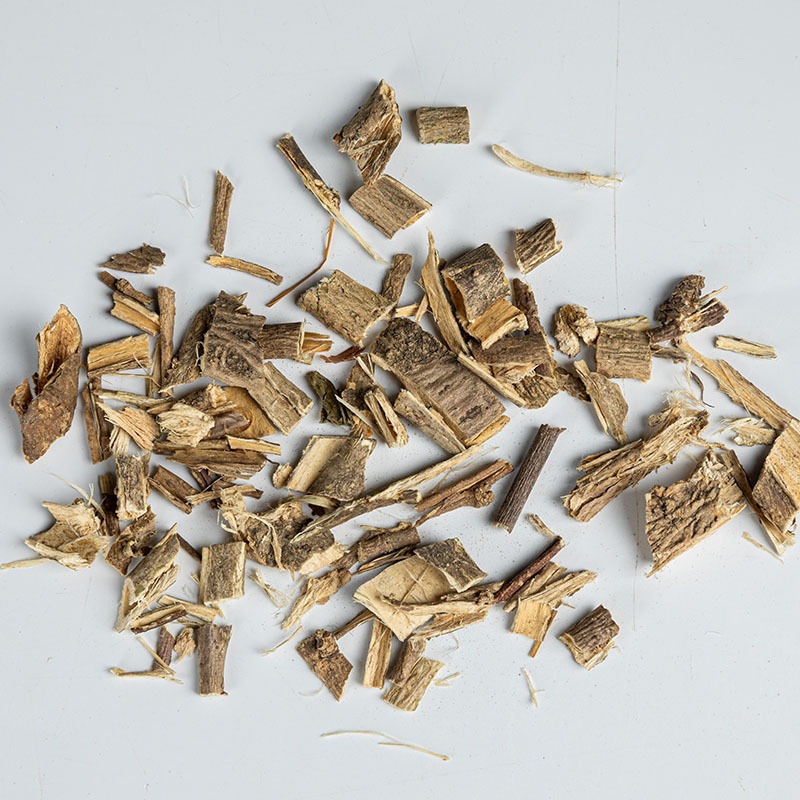
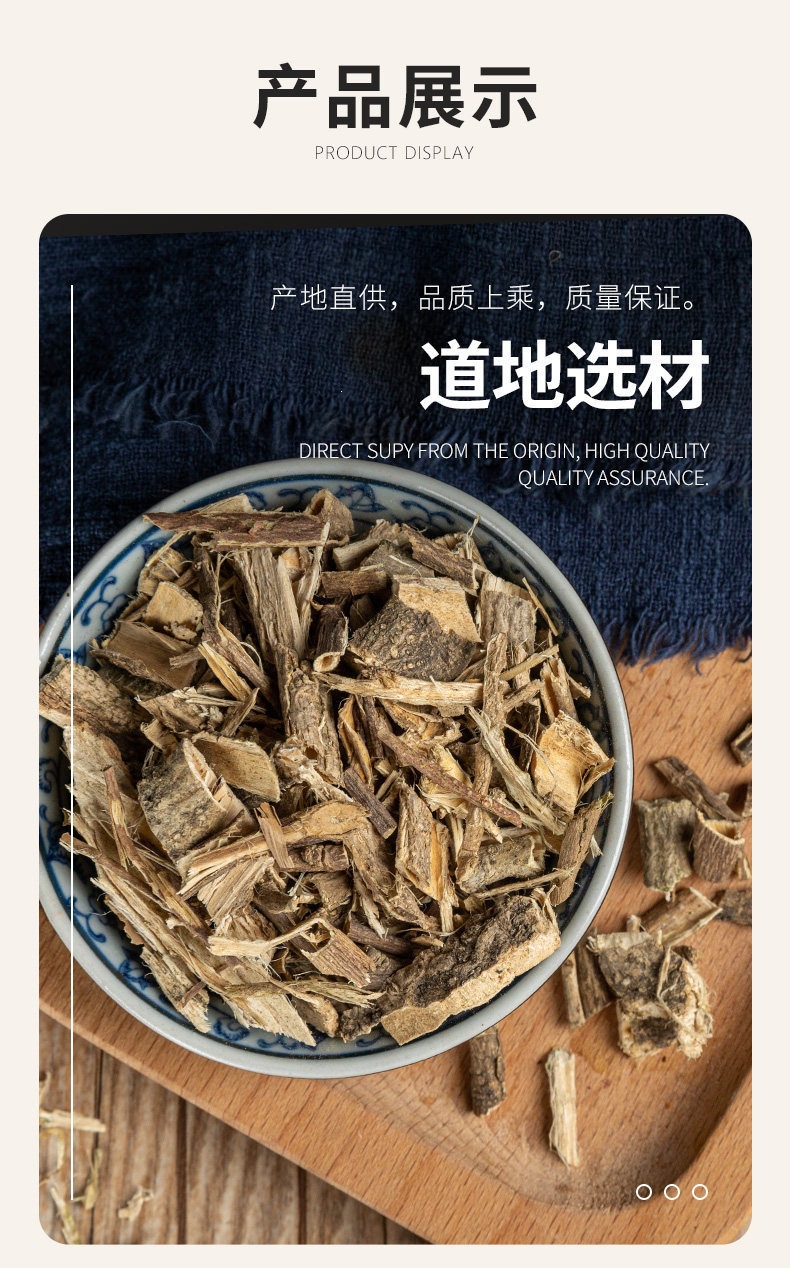
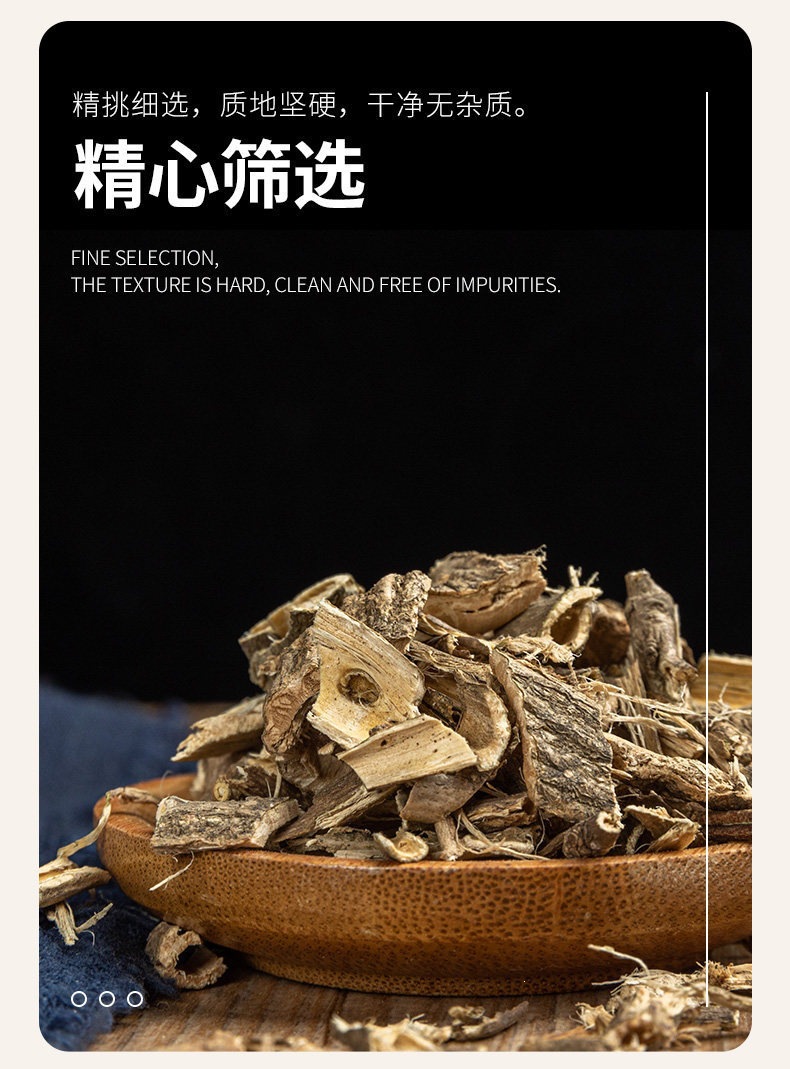
The bark pieces are typically light brown to greyish-brown with a fibrous, slightly rough texture. They have a mild, earthy, woody aroma. When decocted or simmered, the liquid is typically pale amber with a subtle bitter and astringent taste.
Technical Specifications
| Product Type | Dried bark pieces |
|---|---|
| Chinese Name | 木槿皮 / 白槿皮 |
| Pinyin | Mu Jin Pi / Bai Jin Pi |
| Botanical Name | Hibiscus syriacus |
| Plant Part | Bark |
| Net Weight | 250g x 2 jars |
Usage Scenarios
- Simmered as a decoction for traditional herbal preparations
- Added to soups or culinary broths according to traditional practice
- Ground into fine powder for custom herbal blends
- Used in external wash or foot soak preparations following traditional methods
Traditional Uses
In TCM and folk herbal practice, Mu Jin Pi is traditionally used in decoctions and external washes. It is often simmered alone or paired with other herbs for seasonal preparations. The bark may also be ground and added to topical pastes or foot soaks. Traditional texts associate it with cooling and astringent properties.
FAQ Q&A
Q: What is this product?
A: It is dried Hibiscus syriacus bark, known in TCM as Mu Jin Pi (木槿皮) or Bai Jin Pi (白槿皮), supplied as whole pieces.
Q: What is its traditional value?
A: In TCM theory it is considered cool in nature and is traditionally used in decoctions and external washes.
Q: How is it commonly prepared?
A: It is typically simmered as a decoction, added to soups, or ground into powder for custom blends and external preparations.
Additional information
| Model | 木槿皮65g 1罐, 木槿皮65g 2罐, 木槿皮250g 1罐, 木槿皮250g 2罐 |
|---|
Related products
-

Ningxia Goji Berries Gou Qi Zi 500g Dried Red Wolfberry for Tea Soup and Snacking
Price range: $7.20 through $16.44 -
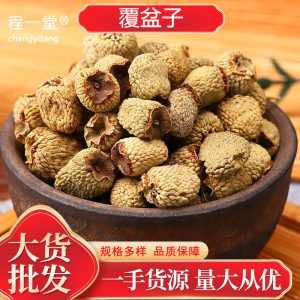
Dried Raspberry Fruit Fu Pen Zi Whole Berries for Herbal Tea and Wine Infusion 500g
Price range: $15.63 through $18.06 -
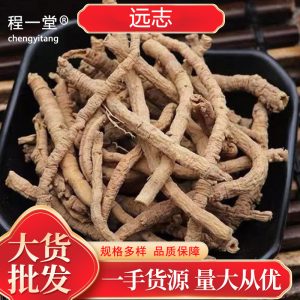
Dried Polygala Root Yuan Zhi 500g Traditional Chinese Herb for Decoction
Price range: $18.87 through $24.54 -
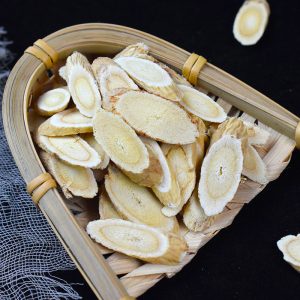
Astragalus Root Slices Huang Qi 500g Dried Herb for Soups and Teas
Price range: $7.36 through $22.11
Reviews
There are no reviews yet.