
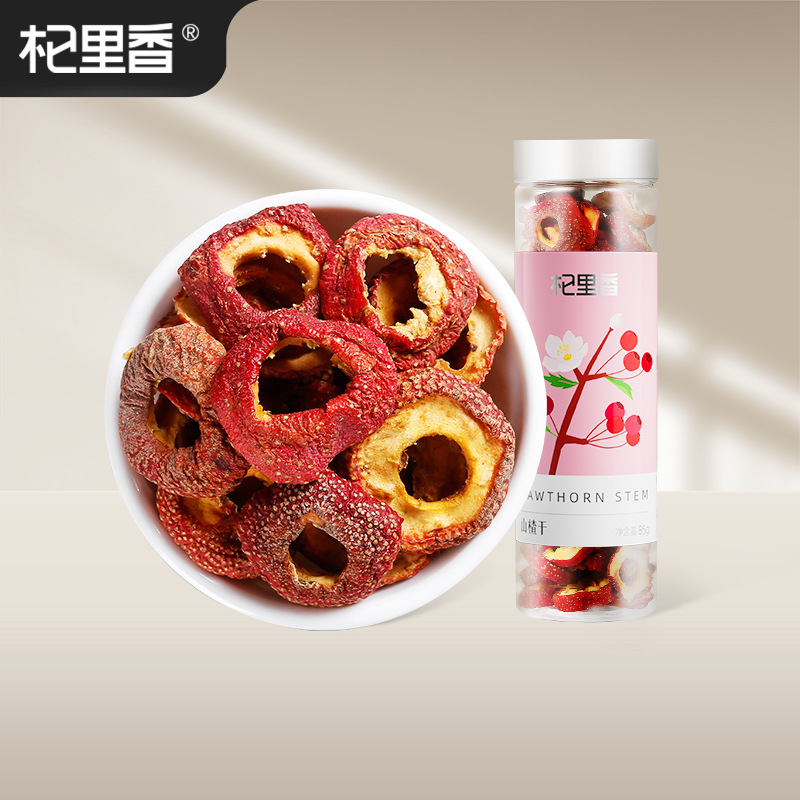
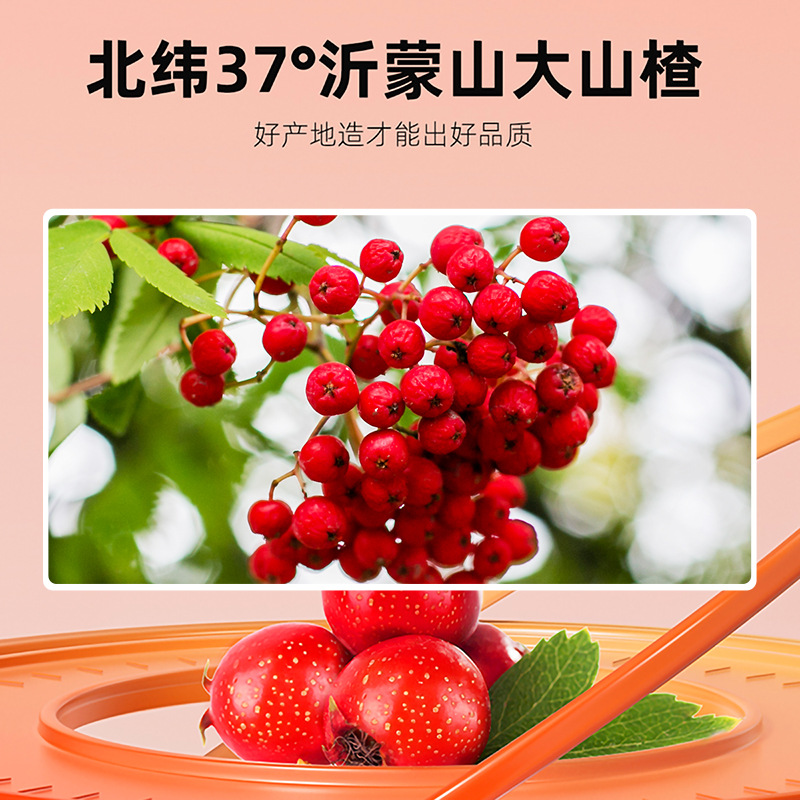
Dried Hawthorn Slices Seedless Pitted Hawthorn Fruit for Tea and Water Infusion 85g
$6.13
5333 in stock
Description
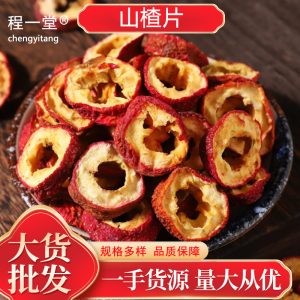
Dried Hawthorn Slices, known in TCM as Shan Zha (山楂), from Crataegus pinnatifida. These seedless, pitted hawthorn fruit slices are low-temperature slow-dried to preserve their natural color and mild tart flavor. In TCM theory, hawthorn is sour and sweet in flavor and slightly warm in nature, traditionally associated with the spleen and stomach channels. Commonly steeped in hot water as a daily tea or added to soups and congee for traditional digestive support.


Key Selling Points
- Identified in TCM as Shan Zha (山楂), the dried fruit of Crataegus pinnatifida
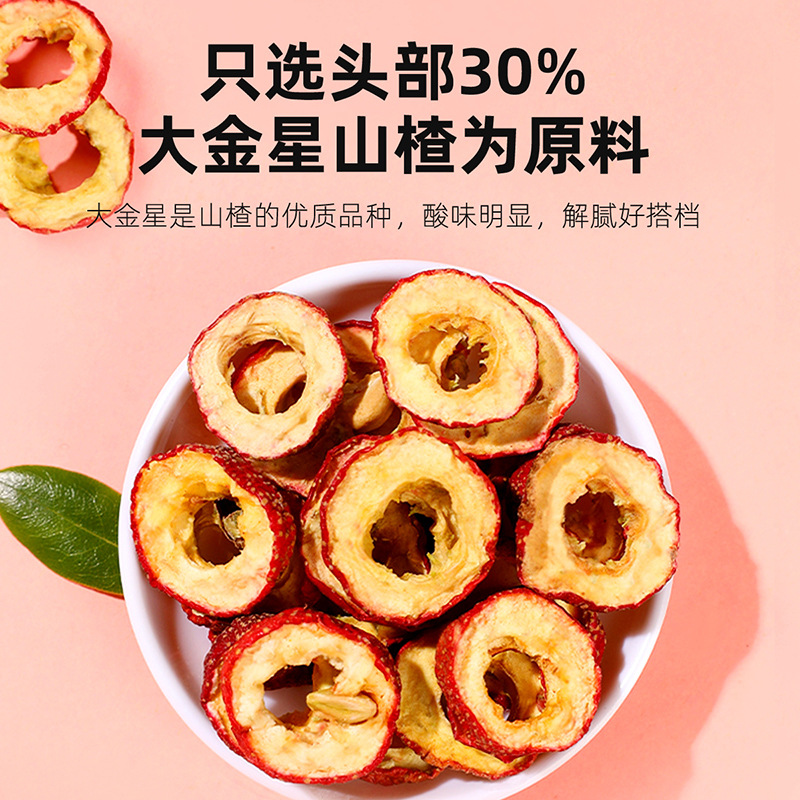
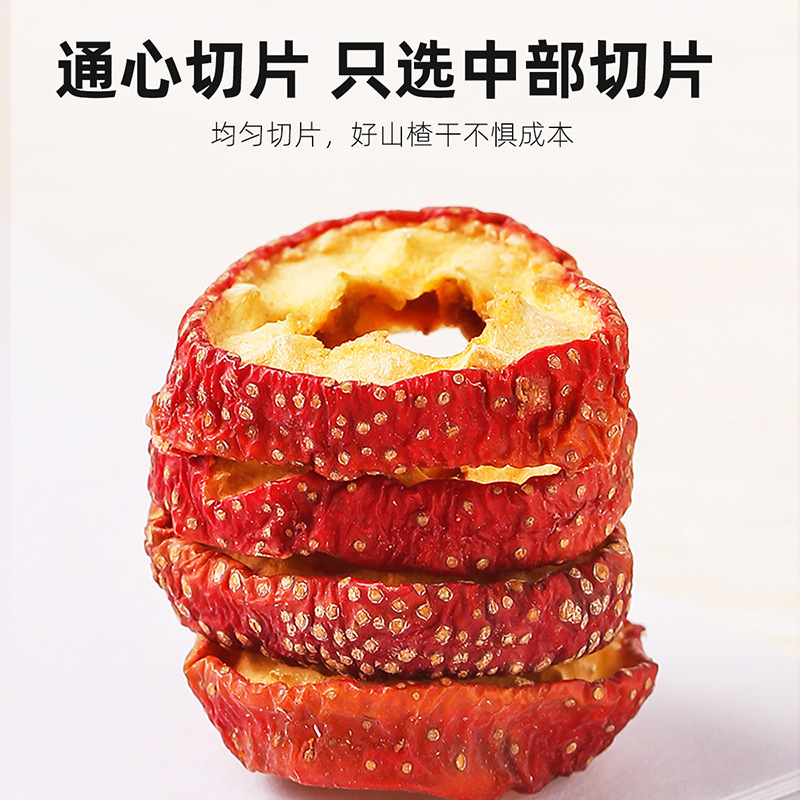
- Seedless and pitted hollow-ring slices for convenient direct use
- Low-temperature slow drying helps retain natural color and tart taste
- Traditionally used in TCM for digestive support and food stagnation
- Versatile for tea, soup, congee, and culinary applications


Quality & Sensory
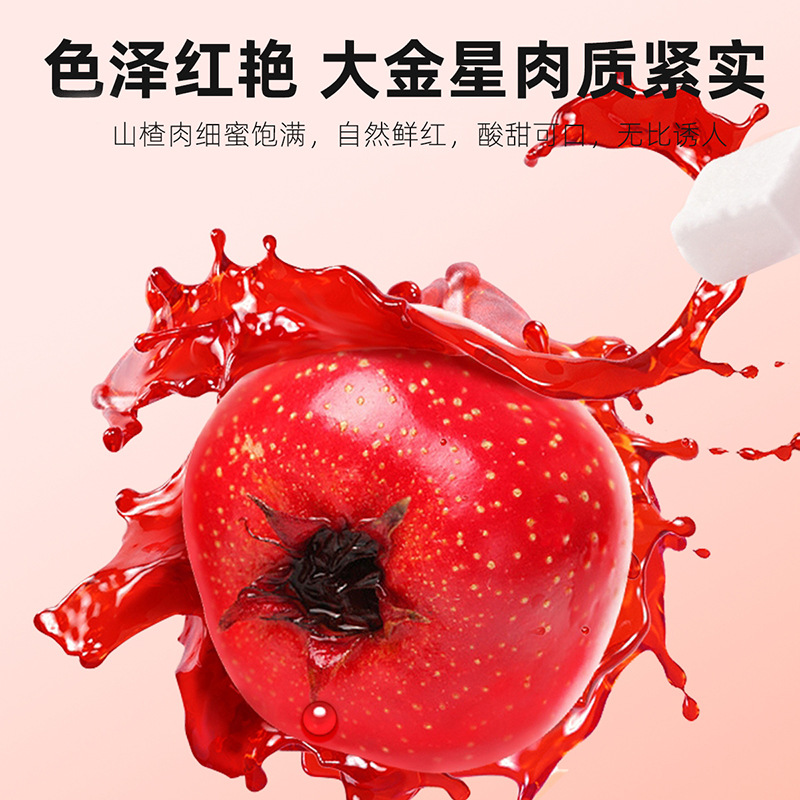
The slices typically show a deep red to brownish-red color with a firm, slightly leathery texture and a mild fruity aroma. When steeped or decocted, the liquid is typically tart and slightly sweet with a clean, refreshing finish.


Technical Specifications
| Product Type | Dried fruit slices |
|---|---|
| Chinese Name | 山楂 |
| Pinyin | Shan Zha |
| Botanical Name | Crataegus pinnatifida |
| Plant Part | Fruit |
| Net Weight | 85g |


Usage Scenarios
- Steeped as a daily herbal tea
- Added to soups and broths
- Cooked into congee
- Used in culinary dishes for tartness


Traditional Uses
In TCM theory, Shan Zha is traditionally used to support digestion and address food stagnation. It is commonly prepared as a decoction or tea, often paired with other herbs such as Chen Pi or Mai Ya. Folk practice includes adding it to soups and congee to aid digestion, especially after heavy meals.

FAQ Q&A
Q: What is this product?
A: It is dried, seedless, pitted hawthorn fruit slices, known in TCM as Shan Zha (山楂), from Crataegus pinnatifida.
Q: What is its traditional value?
A: In TCM theory, hawthorn is traditionally associated with supporting digestion and resolving food stagnation.
Q: How is it commonly prepared?
A: It is commonly steeped in hot water as a tea, decocted with other herbs, or added to soups and congee.
Additional information
| Weight | 0.15 kg |
|---|---|
| Dimensions | 15 × 10 × 5 cm |
Related products
-
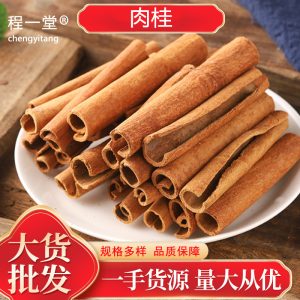
Dried Cinnamon Bark Rou Gui 500g Whole Peeling Culinary Spice and Traditional Herbal Ingredient
Price range: $5.58 through $8.33 -
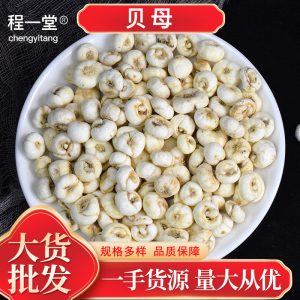
Fritillaria Bulb Chuan Bei Mu Dried Chinese Herbal Bulbs for Decoction and Traditional Use 500g
Price range: $18.06 through $94.21 -
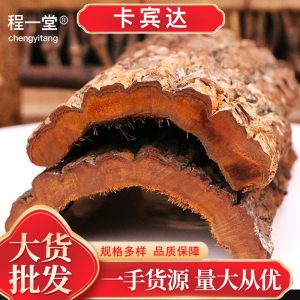
Cabinda Bark Dried Herb 500g Traditional Herbal Infusion Ingredient
Price range: $12.38 through $37.50 -
Dried Hawthorn Slices Shan Zha 500g Seedless Hollow Rings Freeze Dried Hawthorn for Tea and Culinary Use
Price range: $4.44 through $7.04
Reviews
There are no reviews yet.