
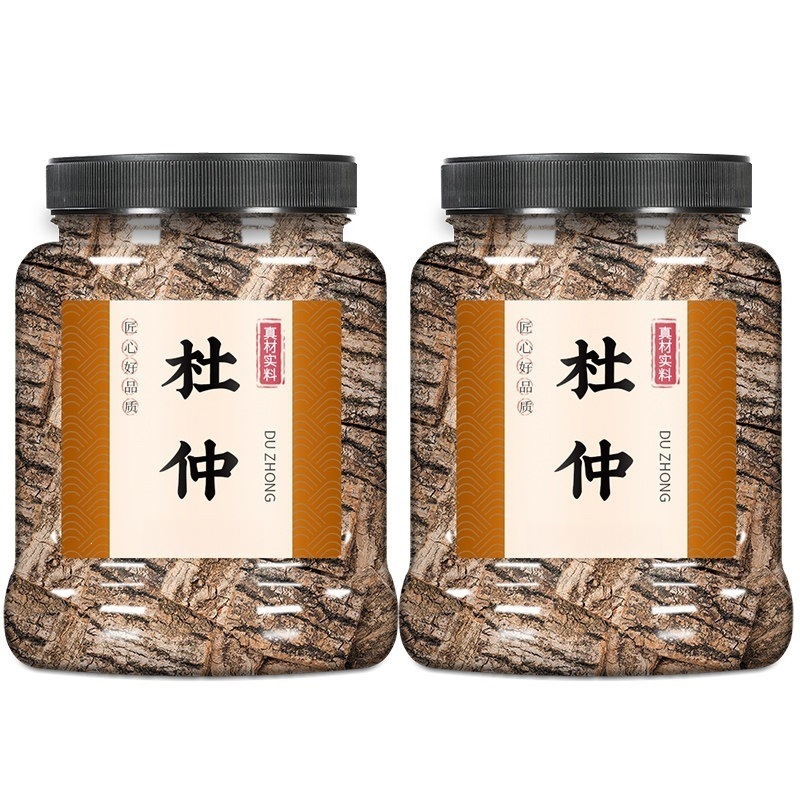
Dried Eucommia Bark Slices Traditional Herbal Decoction Ingredient for Daily Tea and Soup 75g
$5.82
Description
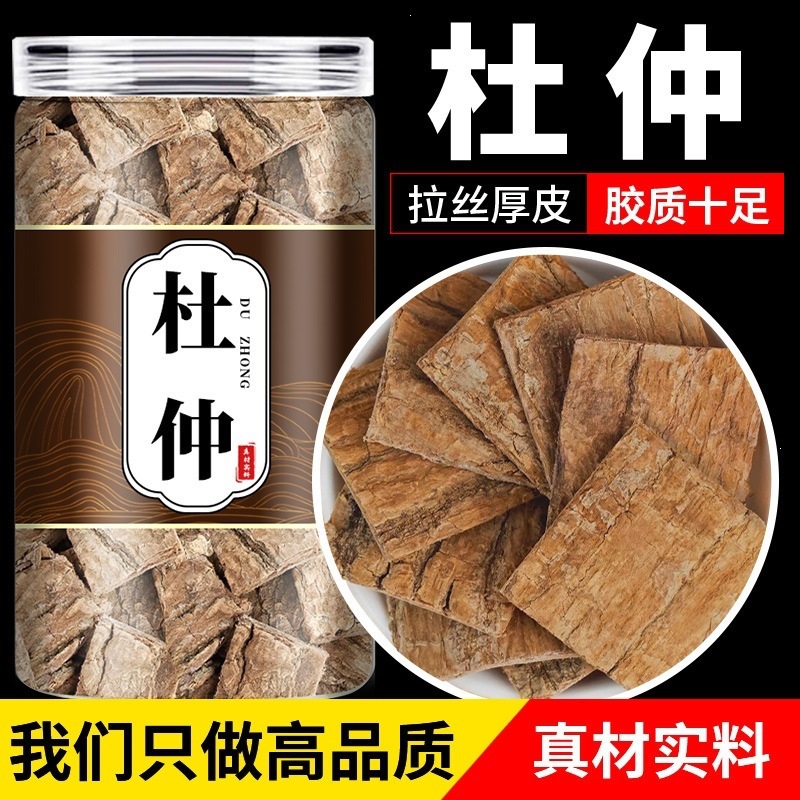
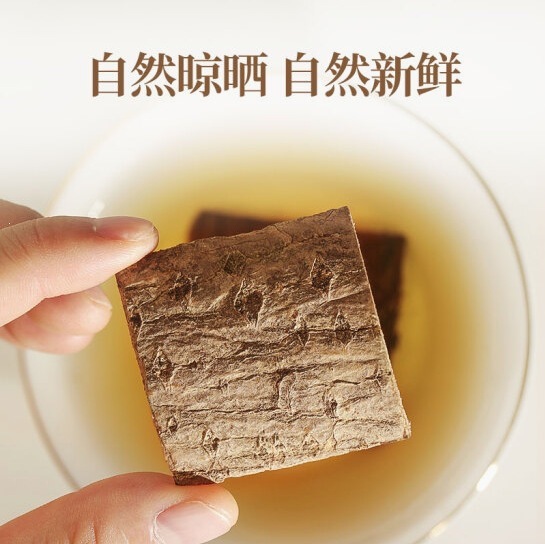
Dried Eucommia Bark, known in TCM as Du Zhong (杜仲), from Eucommia ulmoides. This traditional bark decoction piece is sun-dried and sold as a food agricultural product. In TCM theory it is associated with the liver and kidney channels, with a sweet and slightly warm nature. It is commonly simmered in water or added to soups as a daily herbal ingredient. This listing refers to the 75g pack; a separate bundle option combines Du Zhong with Fu Ling.
Key Selling Points
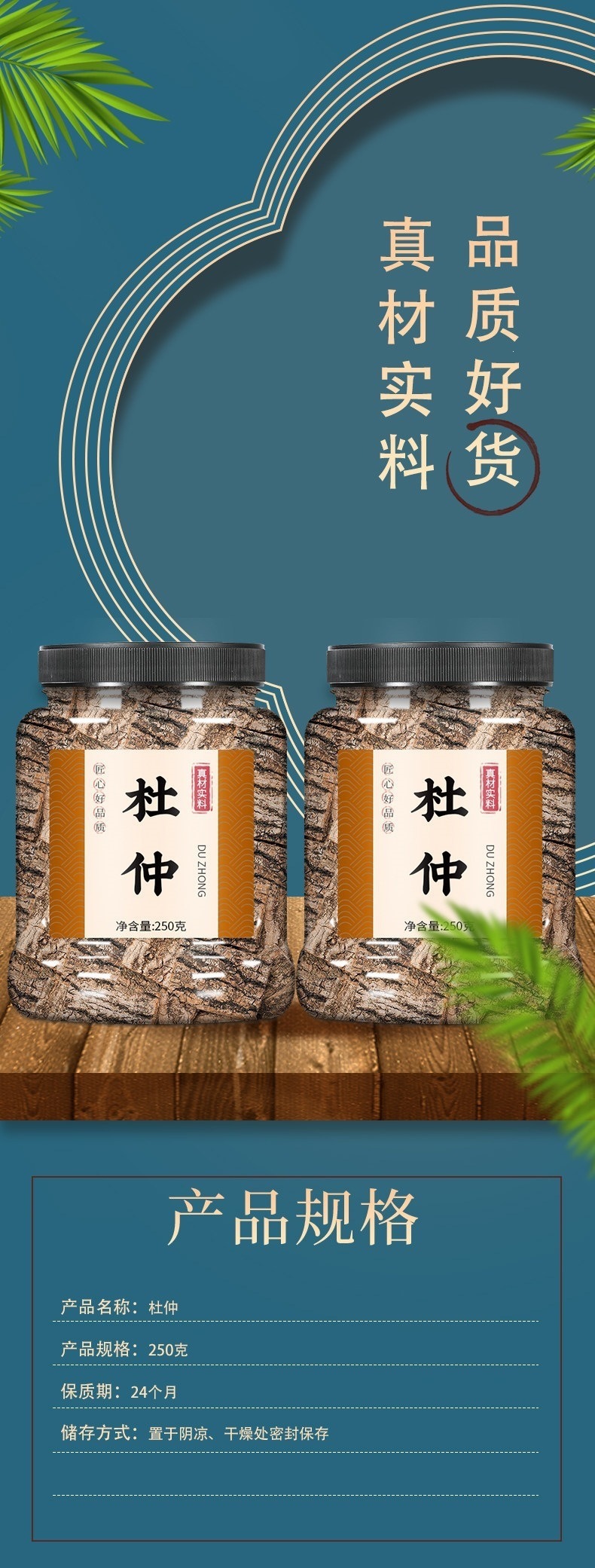
- Traditional Chinese herb Du Zhong (杜仲), Eucommia ulmoides bark
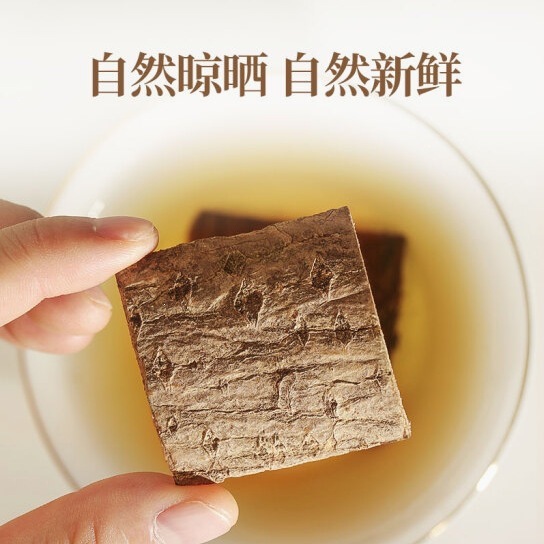
- Sun-dried decoction pieces with natural color and no added dye
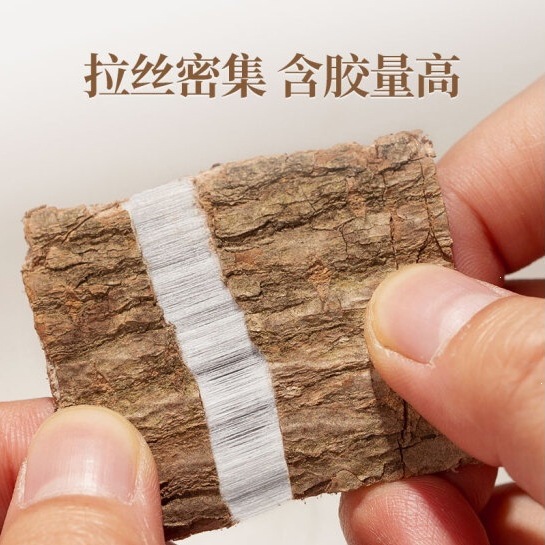
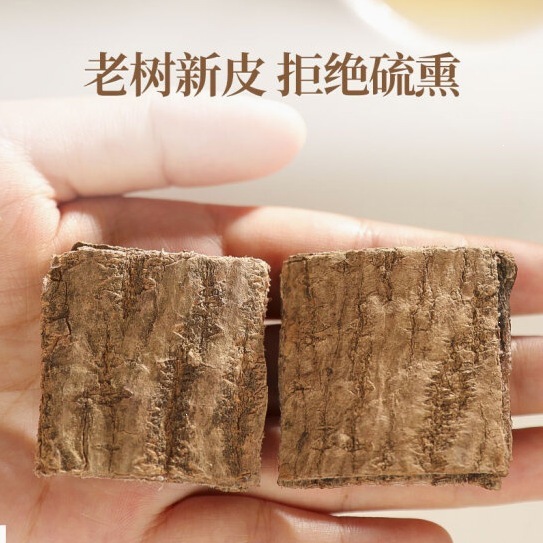
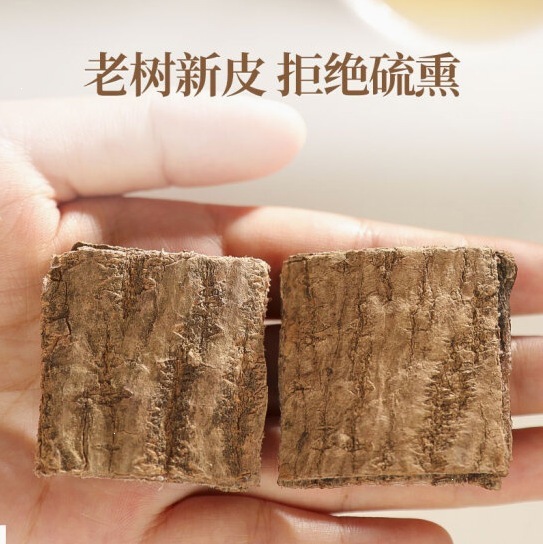
- Selected thick bark from older trees for a dense texture
- Suitable for simmering in water, soups, or congee
- Sold as a food agricultural product, not a health supplement
Quality & Sensory
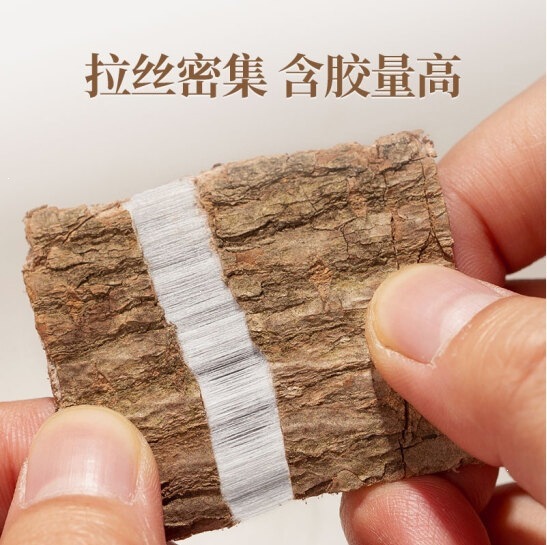
The bark pieces are typically brown to grey-brown with a rough outer surface and a firm, slightly rubbery texture. They have a mild, earthy, woody aroma. After simmering, the decoction is typically light brown with a subtle sweet and bland taste.
Technical Specifications
| Product Type | Dried bark decoction pieces |
|---|---|
| Chinese Name | 杜仲 |
| Pinyin | Du Zhong |
| Botanical Name | Eucommia ulmoides |
| Plant Part | Bark |
| Net Weight | 75g |
Usage Scenarios
- Simmered as a daily herbal tea or decoction
- Added to soups and stews
- Cooked into congee
- Combined with other herbs in traditional formulas
Traditional Uses
In TCM theory, Du Zhong is traditionally used in decoctions and soups, often paired with herbs such as Gou Ji and Niu Xi. It is commonly simmered for an extended time to extract its properties. Folk practice includes adding it to bone broth or congee for daily nourishment.
FAQ Q&A
Q: What is this product?
A: It is dried Eucommia ulmoides bark, known in TCM as Du Zhong (杜仲), sold as sun-dried decoction pieces.
Q: What is its traditional value?
A: In TCM theory, Du Zhong is associated with the liver and kidney channels and is traditionally used to support the lower back and knees.
Q: How is it commonly prepared?
A: It is typically simmered in water for a decoction or added to soups and congee. It is not usually eaten raw.
Additional information
| Weight | N/A |
|---|---|
| Dimensions | N/A |
| Model | 1罐 杜仲 75g 罐, 2罐 杜仲 75g 2罐, 1罐 杜仲 175g 1罐, 2罐 杜仲 175g 2罐, 1袋 杜仲 100g 1袋, 1袋 杜仲 250g 1袋, 1袋 杜仲 500g 1袋, 杜仲175g 1罐 五味子175g 1罐, 杜仲175g 1罐 茯苓175g 1罐 |
Related products
-

Yi Zhi Ren Dried Alpinia Oxyphylla Fruit 500g Traditional Herbal Tea and Decoction Ingredient
Price range: $11.74 through $13.36 -
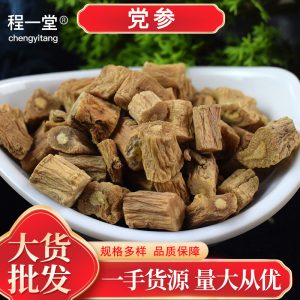
Dried Codonopsis Root Slices Dang Shen 500g Bulk Supply for Soups and Herbal Decoctions
Price range: $10.28 through $18.06 -

Dried Huang Jing Slices Polygonatum Rhizome Chicken Head Huang Jing 500g Bulk Herbal Tea and Soup Ingredient
Price range: $9.14 through $18.87 -
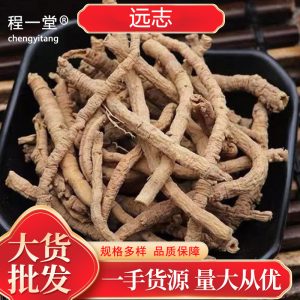
Dried Polygala Root Yuan Zhi 500g Traditional Chinese Herb for Decoction
Price range: $18.87 through $24.54
Reviews
There are no reviews yet.