
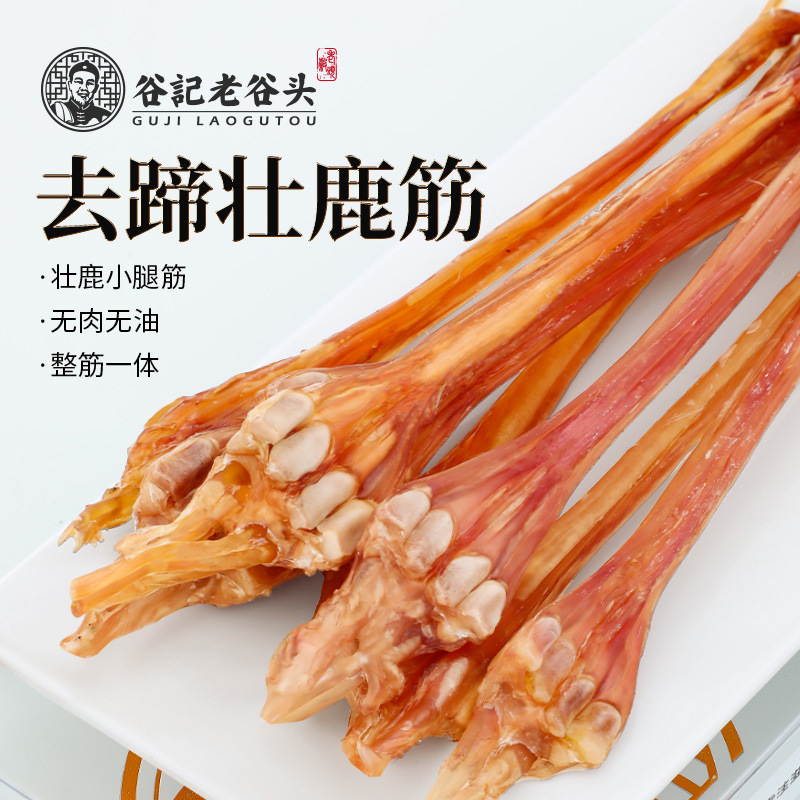
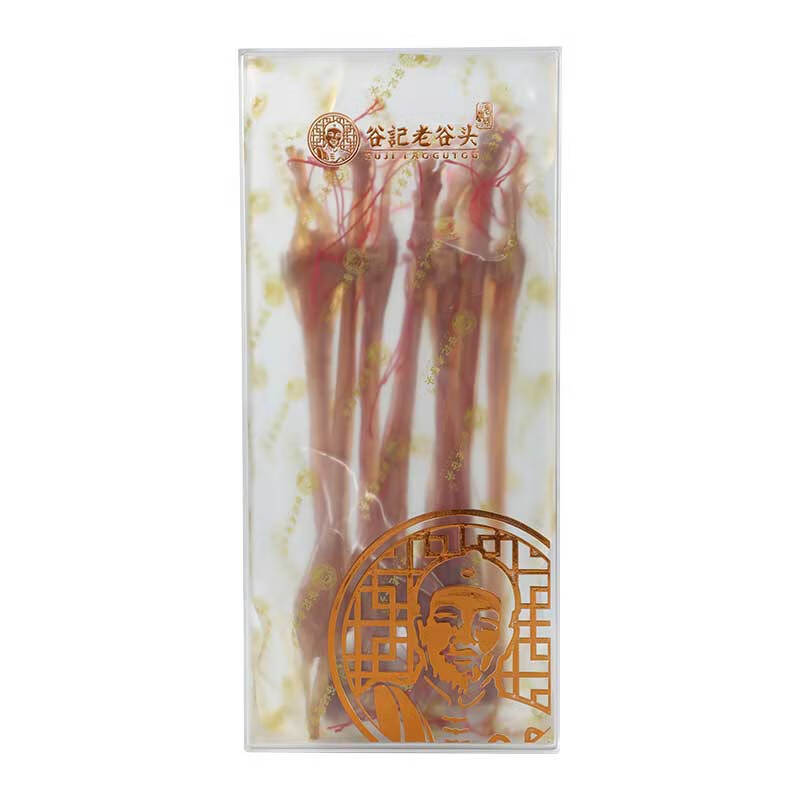
Dried Deer Sinew Whole Root Deer Tendon Nourishing Gift Box 230g
$95.71
100 in stock
Description
Dried Deer Sinew, known in TCM as Lu Jin (鹿筋), from Cervus nippon or Cervus elaphus, is the cleaned tendon and sinew of deer. In TCM theory it is considered sweet and warm, entering the Liver and Kidney channels, and is traditionally used to support the tendons and bones. This whole-root dried form is suited for long-simmered soups and decoctions. It is a food product and not a medicine.

Key Selling Points
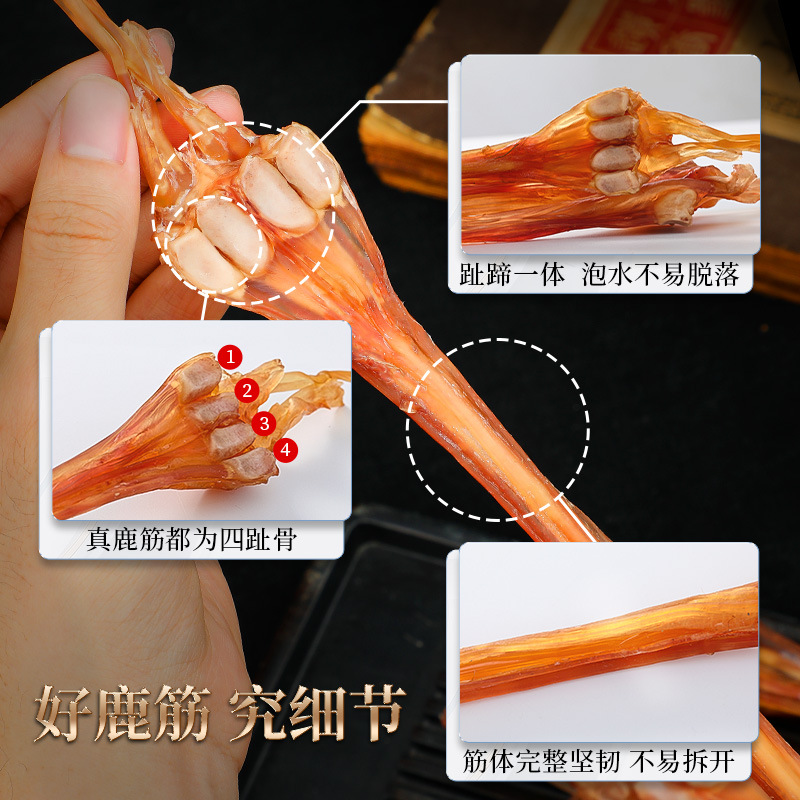
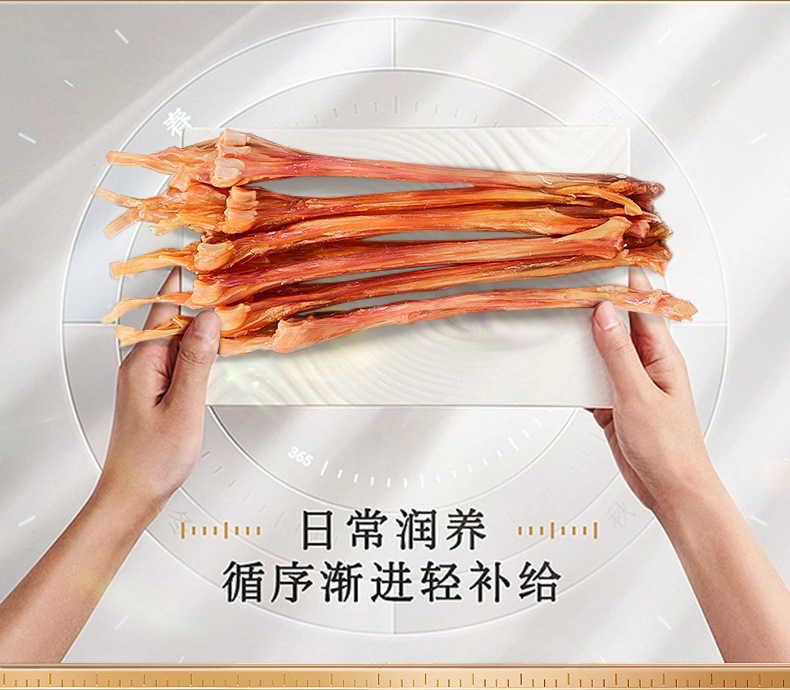
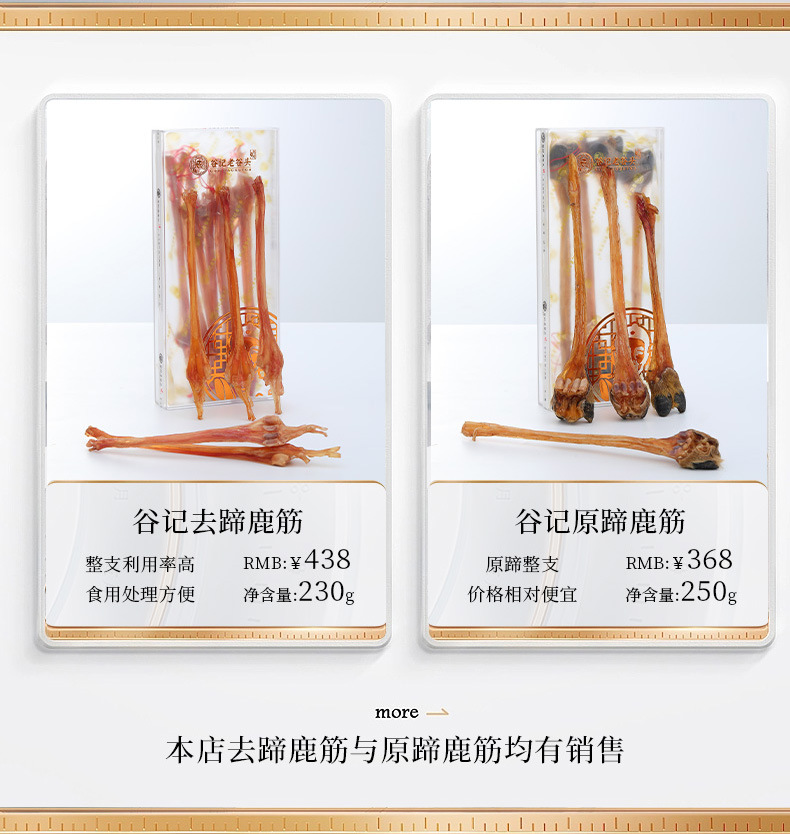
- Whole dried deer sinew with hooves removed and cleaned
- Known in TCM as Lu Jin (鹿筋), traditionally associated with tendon and bone support
- 230g net weight with bonus 4 bags of Niu Xi Gu (Achyranthes root)
- Frozen storage recommended to preserve texture and freshness
- Suited for slow-cooked soups and traditional nourishing broths
Quality & Sensory
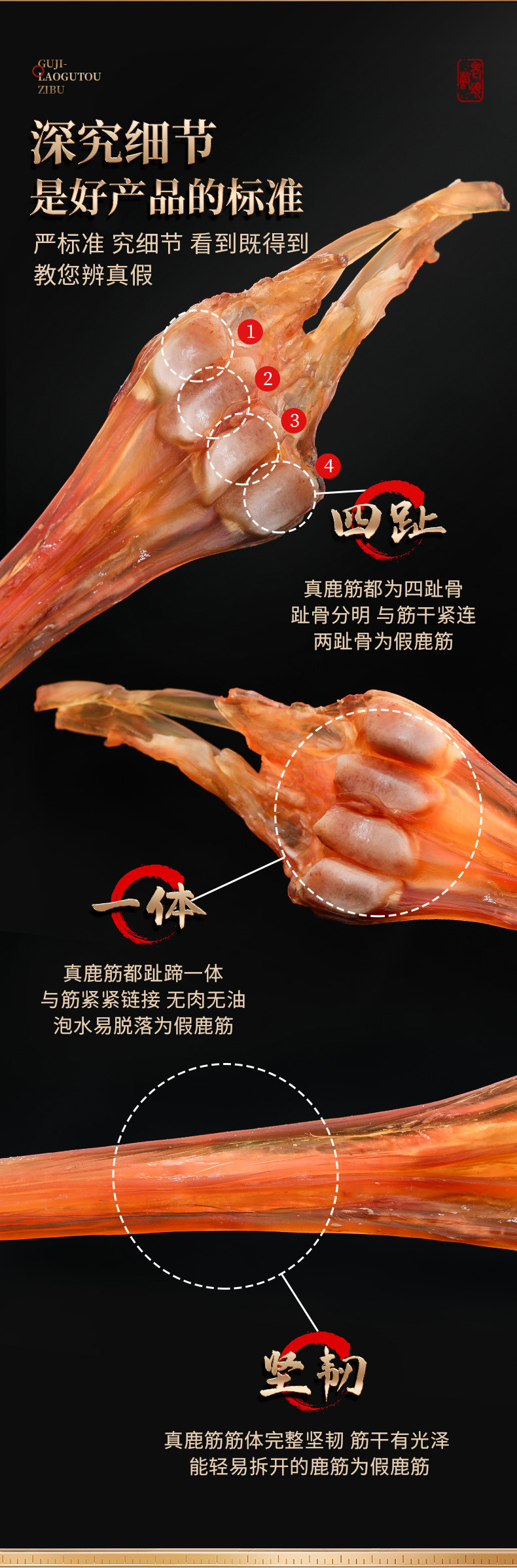
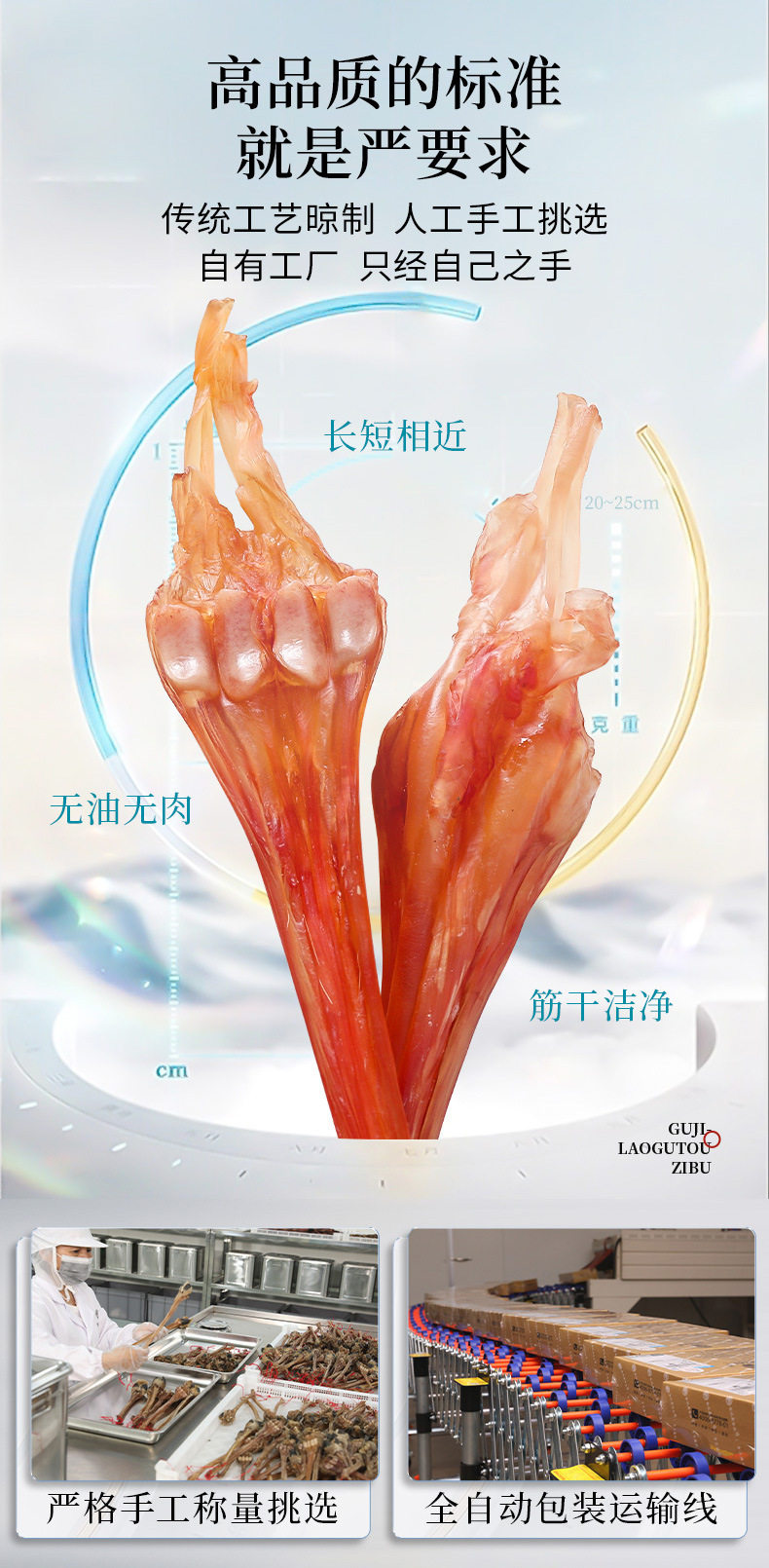
Dried deer sinew is typically amber to dark brown, firm and slightly translucent, with a mild savory aroma. After long simmering it becomes soft, gelatinous, and chewy, contributing a rich mouthfeel to soups. It has little taste on its own and absorbs the flavors of the broth.
Technical Specifications
| Product Type | Dried deer sinew |
|---|---|
| Chinese Name | 鹿筋 |
| Pinyin | Lu Jin |
| Botanical Name | Cervus nippon; Cervus elaphus |
| Plant Part | Tendon and sinew |
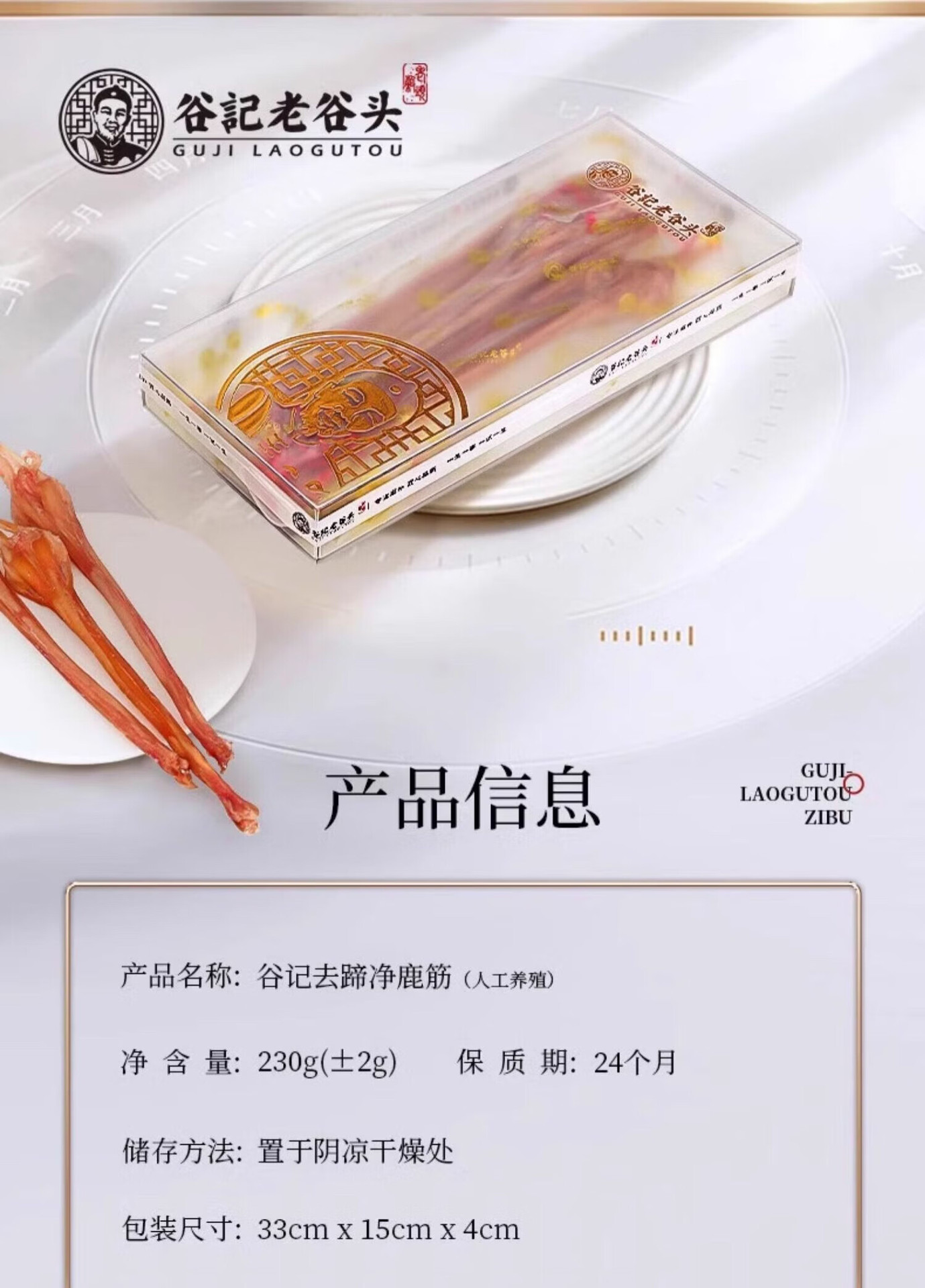
| Net Weight | 230g (±2g) |
Usage Scenarios
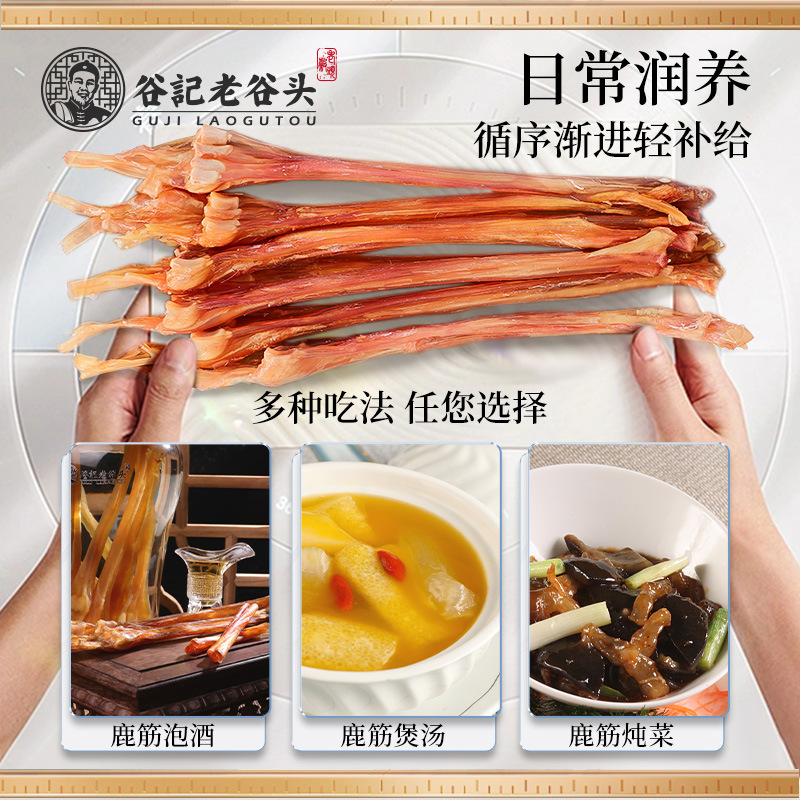
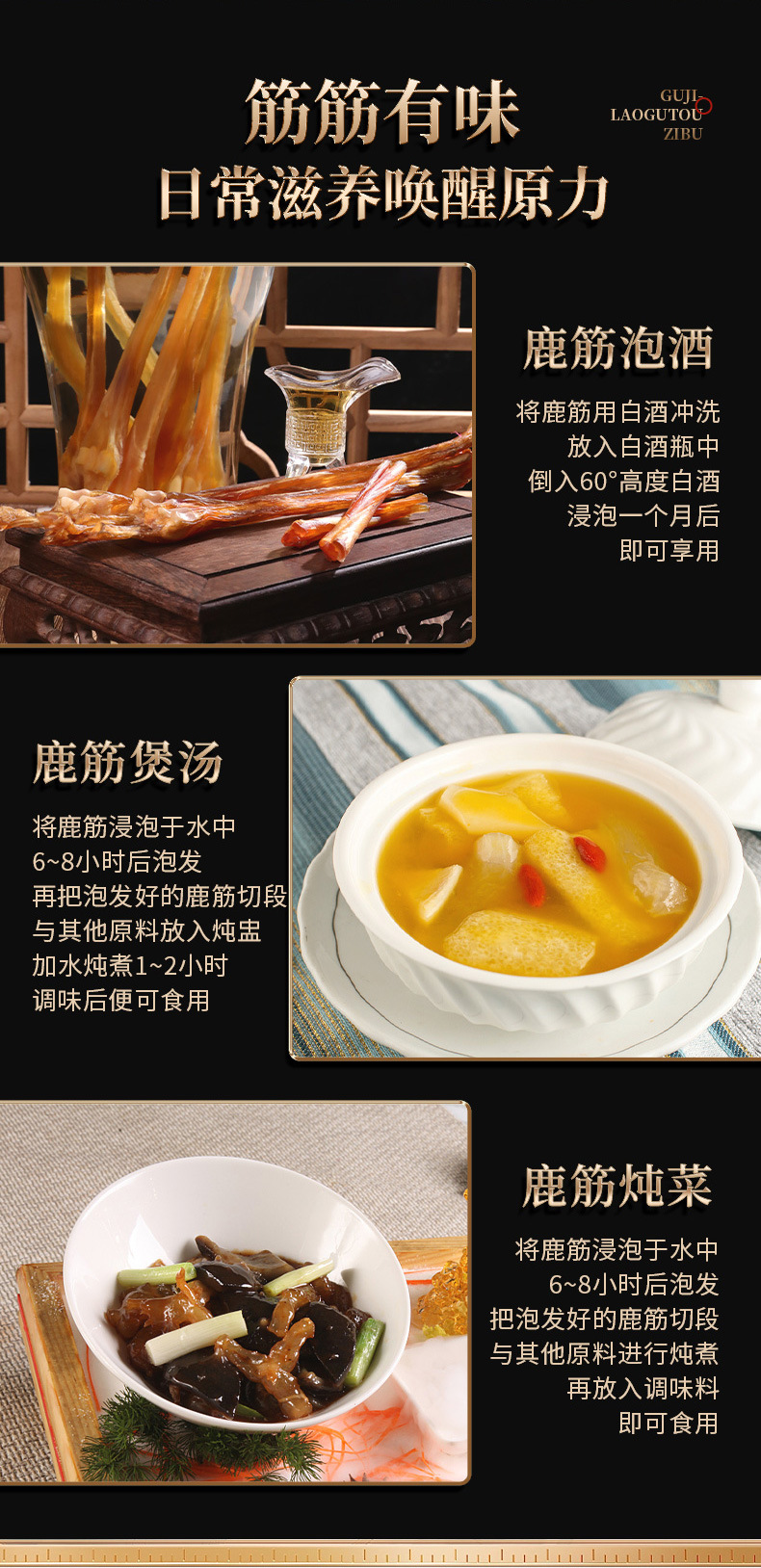
- Slow-simmered herbal soup
- Traditional decoction
- Nourishing congee
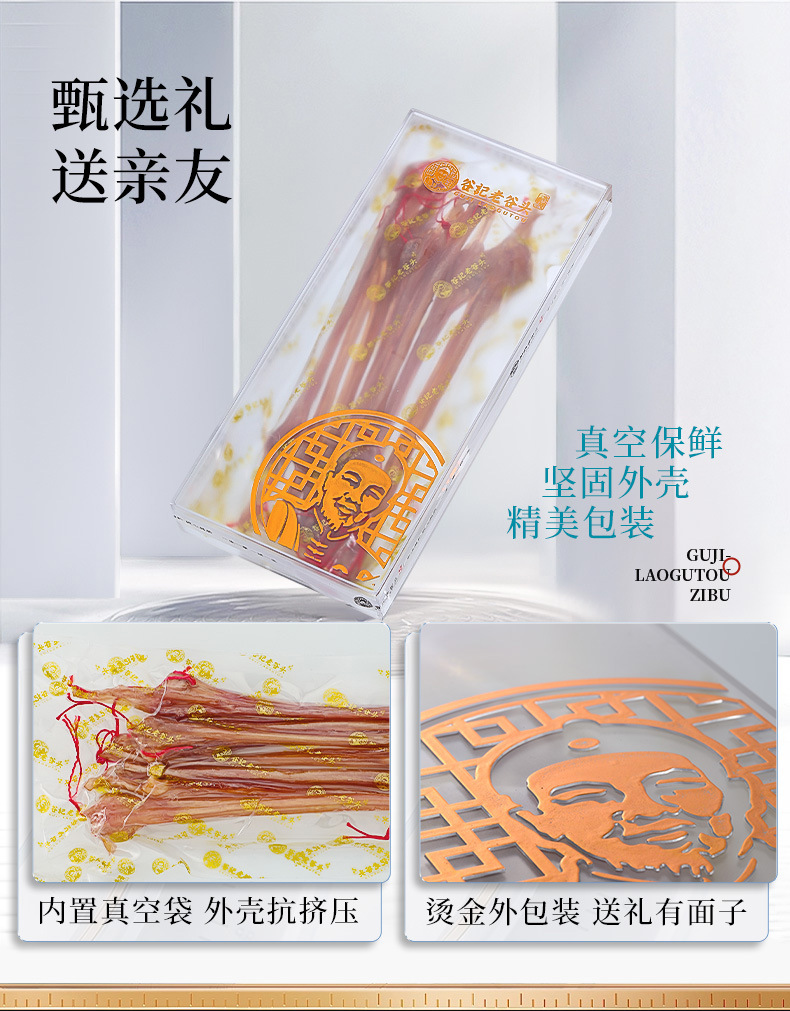
- Festive gift box for wellness
- Culinary broth base
Traditional Uses
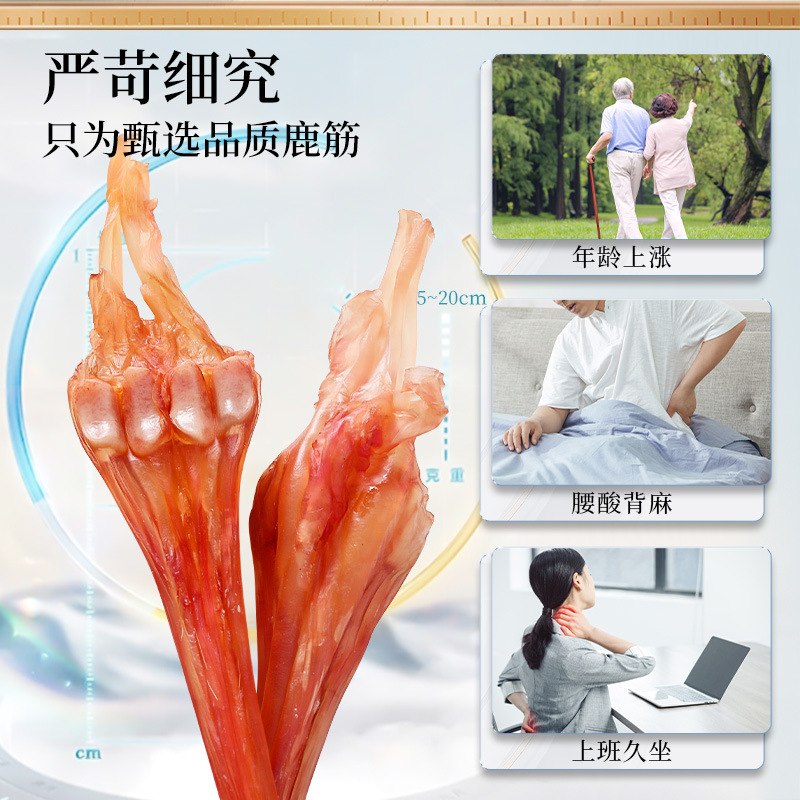
In TCM theory, deer sinew is traditionally used to nourish the Liver and Kidney, strengthen tendons and bones, and support joint comfort. It is commonly simmered with herbs such as Niu Xi Gu (Achyranthes root), Du Zhong, and Gou Qi Zi in long decoctions or soups. It is often prepared as a seasonal nourishing food for the elderly or those recovering from fatigue.
FAQ Q&A
Q: What is dried deer sinew?
A: It is the cleaned tendon and sinew of deer, known in TCM as Lu Jin (鹿筋), sold as a dried food product.
Q: What is its traditional value?
A: In TCM theory it is considered sweet and warm, entering the Liver and Kidney channels, and is traditionally associated with supporting tendons and bones.
Q: How is it commonly prepared?
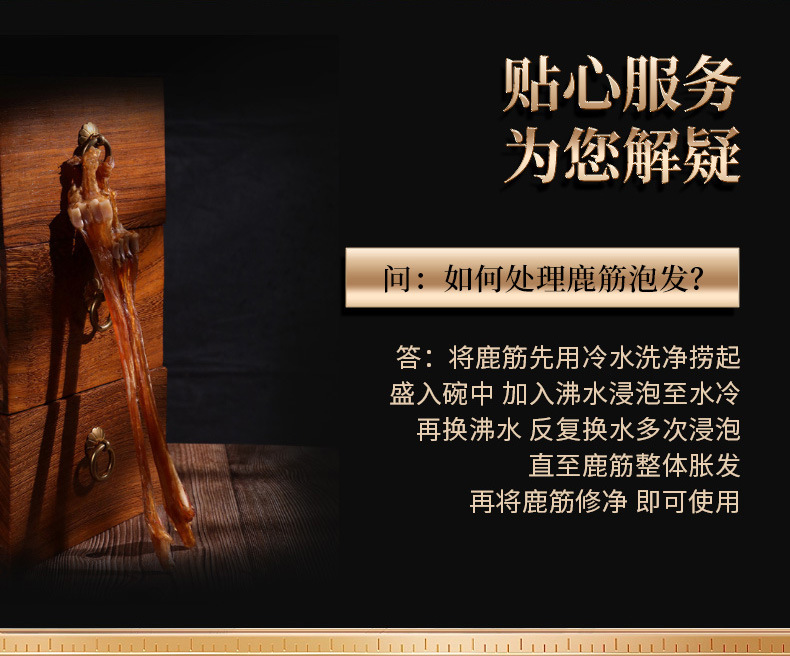
A: It is typically soaked, then slow-simmered in soups or decoctions with other herbs until soft and gelatinous.
Additional information
| Weight | 0.6 kg |
|---|---|
| Dimensions | 33 × 15 × 10 cm |
Related products
-
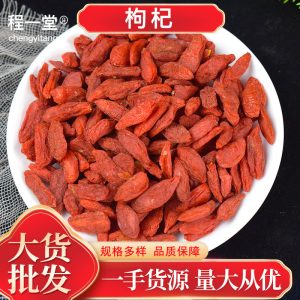
Ningxia Goji Berries Gou Qi Zi 500g Dried Red Wolfberry for Tea Soup and Snacking
Price range: $7.20 through $16.44 -
Dried Ginger Root Gan Jiang 500g Bulk Chinese Herb Zingiber officinale Rhizome for Decoction and Culinary Use
$5.90 -
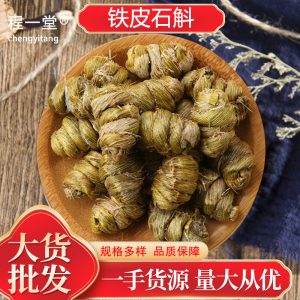
Tie Pi Shi Hu Dried Dendrobium Stems 500g Huoshan Fengdou for Soup and Tea
Price range: $35.88 through $108.80 -
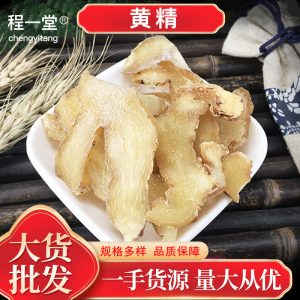
Dried Huang Jing Slices Polygonatum Rhizome Chicken Head Huang Jing 500g Bulk Herbal Tea and Soup Ingredient
Price range: $9.14 through $18.87
Reviews
There are no reviews yet.