
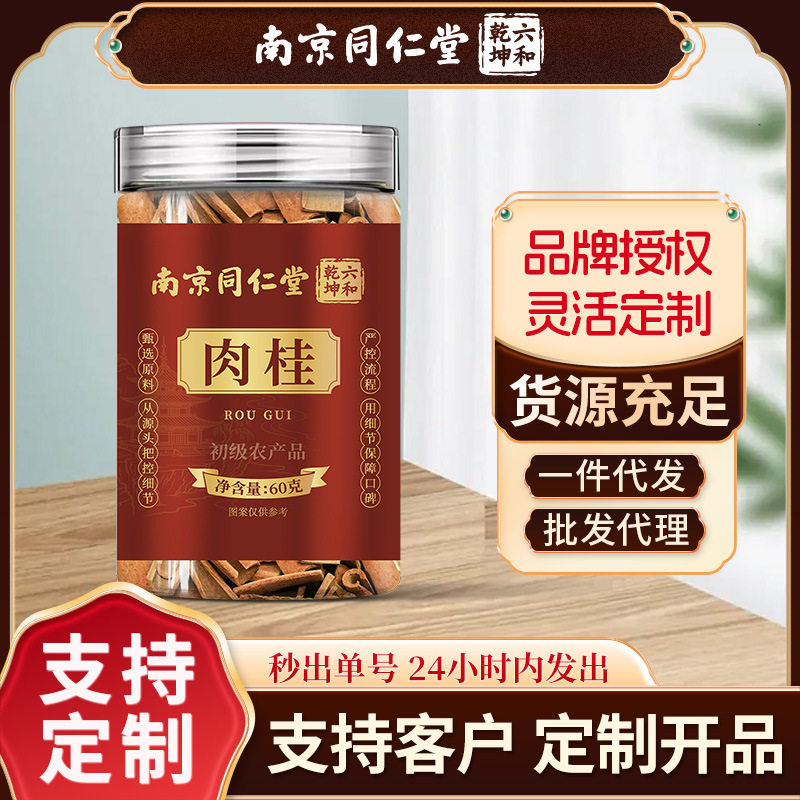
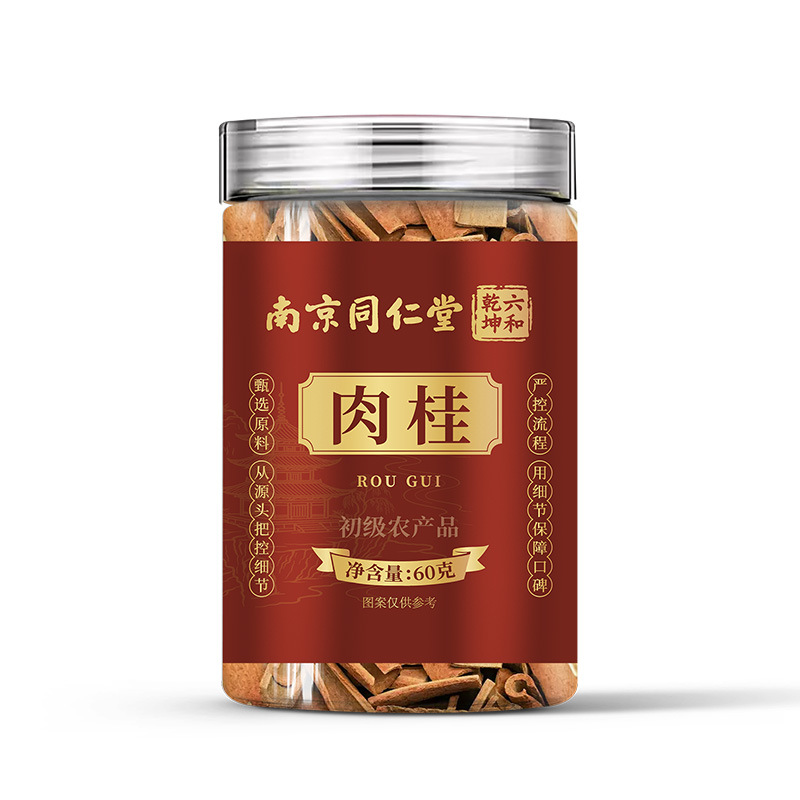
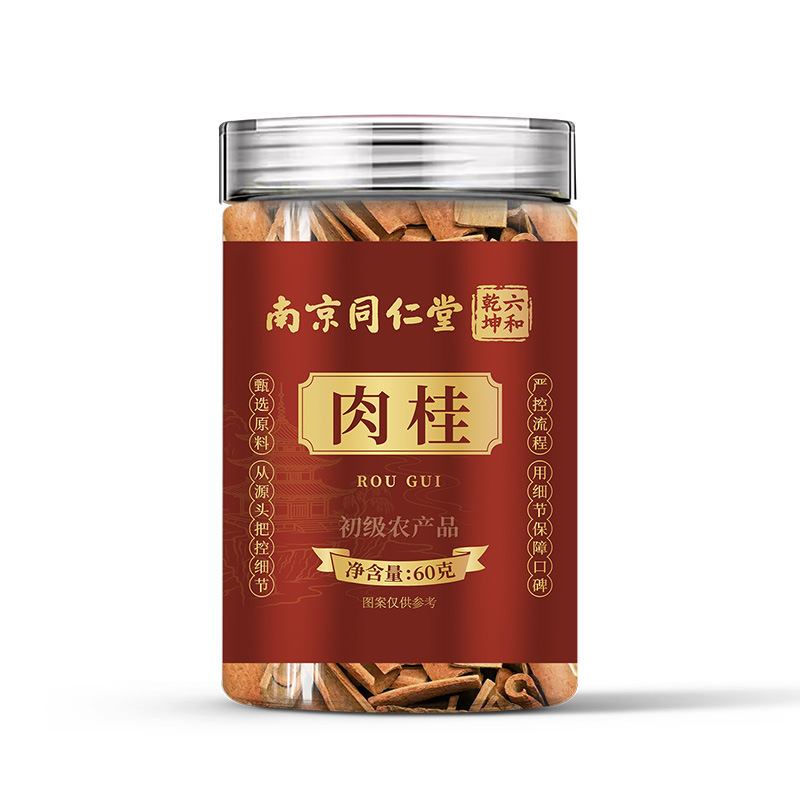
Dried Cinnamon Bark Rou Gui Chinese Herb Decoction Pieces for Cooking and Herbal Tea 60g Jar
$5.81
9999 in stock
Description
Dried Cinnamon Bark, known in TCM as Rou Gui (肉桂), from Cinnamomum cassia, is a sun-dried bark decoction piece. In TCM theory it is warm and pungent, associated with the Kidney, Spleen, Heart, and Liver channels. Traditionally used to warm the interior and support yang, it is commonly added to soups, congee, and herbal decoctions. This food-grade agricultural product is not a medicine and does not replace prescribed treatment.
Key Selling Points
- Identified as Rou Gui (肉桂), the dried bark of Cinnamomum cassia
- Sun-dried decoction pieces in whole bark form
- Warm and pungent in TCM nature and flavor
- Traditionally used in soups, congee, and warming decoctions
- Packed as 60g in a sealed jar for everyday kitchen use
Quality & Sensory
The bark pieces are typically reddish-brown to grey-brown with a rough, slightly curled texture. They have a warm, sweet-spicy aroma and a pungent, sweet taste that becomes more pronounced when simmered in soups or decoctions.
Technical Specifications
| Product Type | Dried bark decoction pieces |
|---|---|
| Chinese Name | 肉桂 |
| Pinyin | Rou Gui |
| Botanical Name | Cinnamomum cassia |
| Plant Part | Bark |
| Net Weight | 60g |
Usage Scenarios
- Added to soups and broths for warming flavor
- Simmered in congee
- Used in herbal decoctions
- Brewed as a simple warming tea
- Used in seasonal cooking
Traditional Uses
In TCM theory, Rou Gui is traditionally used to warm the interior, support yang, and dispel cold. It is commonly simmered in soups, congee, and decoctions, often paired with ginger or other warming herbs. Folk practice also uses it in small amounts for cold-season teas and culinary preparations.
FAQ Q&A
Q: What is this product?
A: It is dried Cinnamomum cassia bark, known in TCM as Rou Gui (肉桂), sold as sun-dried decoction pieces in a 60g jar.
Q: What is its traditional value?
A: In TCM theory it is warm and pungent, traditionally used to warm the interior and support yang. It is not a medicine and does not replace medical treatment.
Q: How is it commonly used?
A: It is typically added to soups, congee, or decoctions, or brewed as a warming tea. Use in small amounts according to your recipe or herbalist guidance.
Additional information
| Weight | 0.3 kg |
|---|---|
| Dimensions | 15 × 10 × 10 cm |
Related products
-

Cabinda Bark Dried Herb 500g Traditional Herbal Infusion Ingredient
Price range: $12.38 through $37.50 -
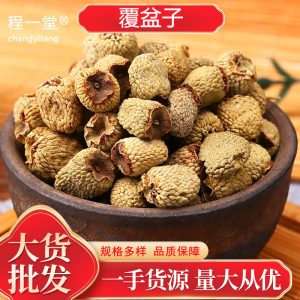
Dried Raspberry Fruit Fu Pen Zi 500g Whole Berries for Herbal Tea and Wine Infusion
Price range: $14.00 through $16.44 -

Yi Zhi Ren Dried Alpinia Oxyphylla Fruit 500g Traditional Herbal Tea and Decoction Ingredient
Price range: $11.74 through $13.36 -
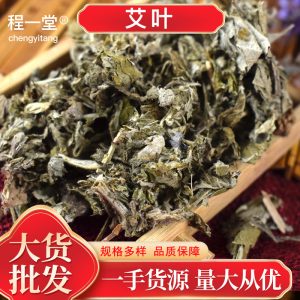
Dried Mugwort Leaf Ai Ye 500g Chinese Herbal Bath Foot Soak and Smoke Cleansing Herb
Price range: $4.77 through $5.25
Reviews
There are no reviews yet.