
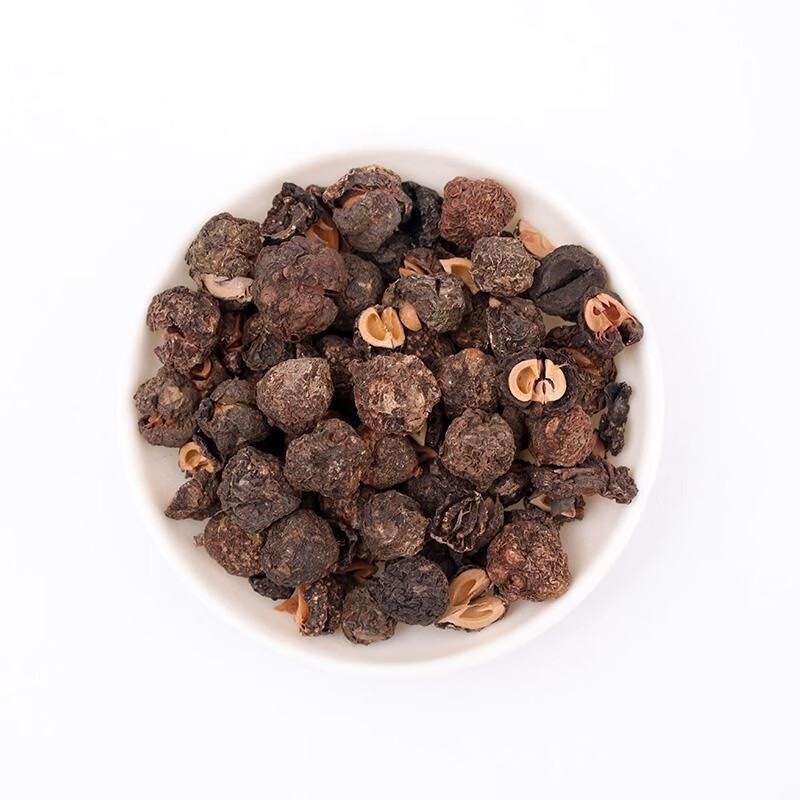
Dried Amla Fruit Yu Gan Zi 500g Whole Chinese Emblic Herbal Tea Ingredient
$9.24
99999 in stock
Description
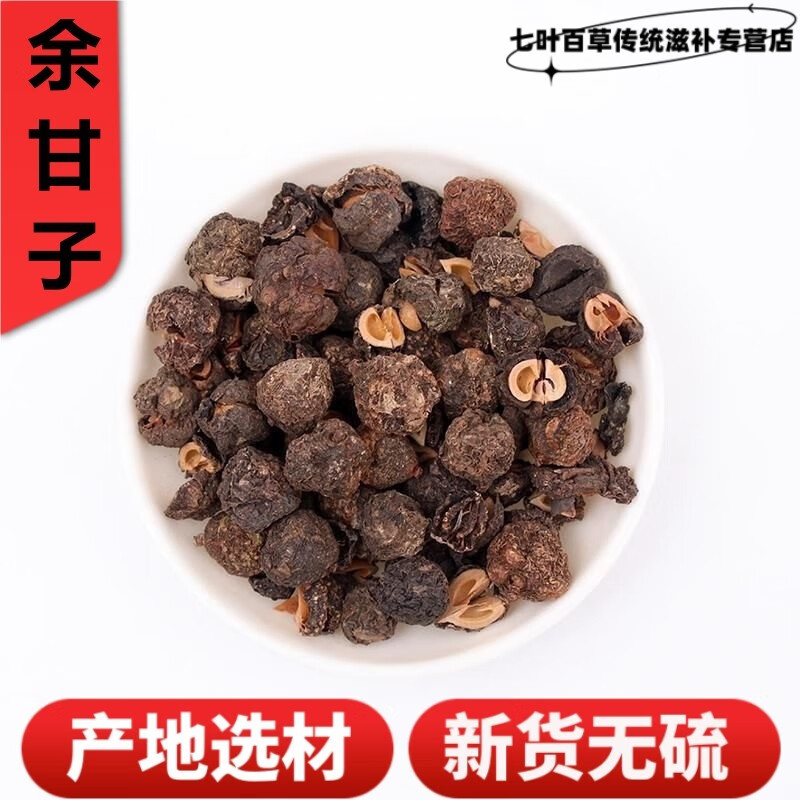
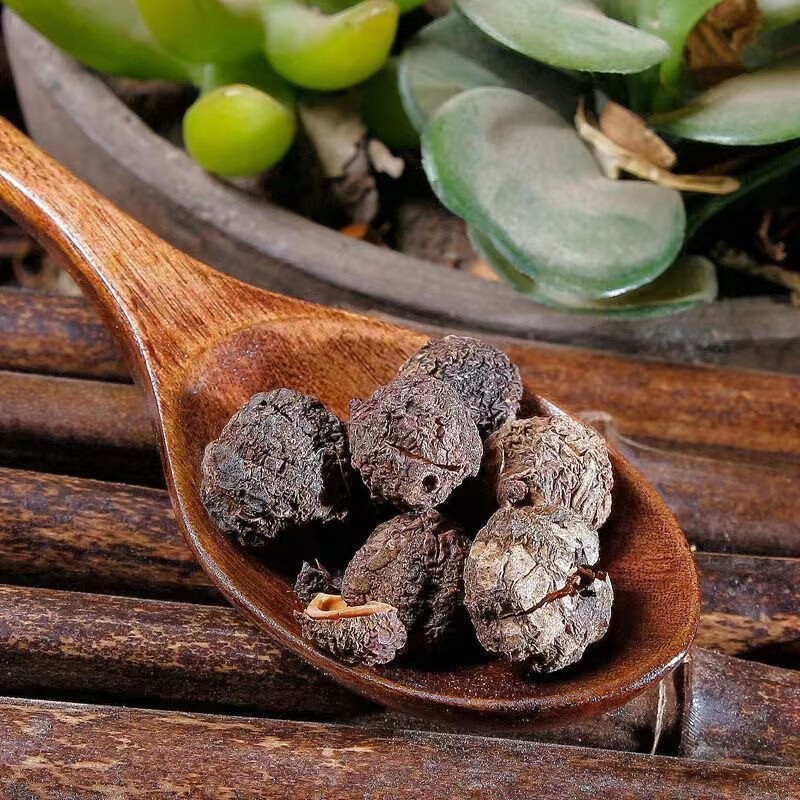
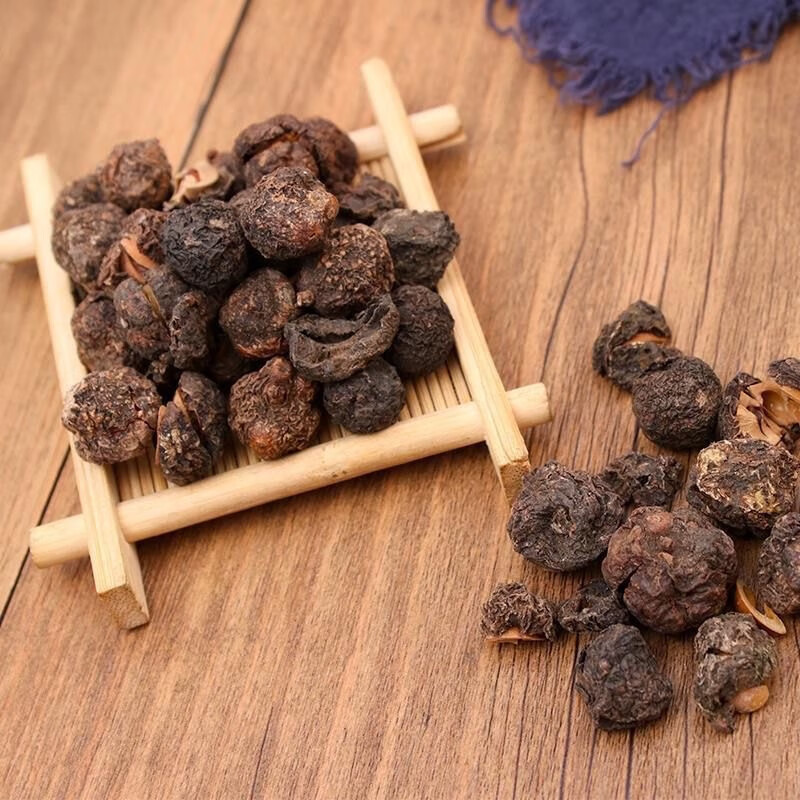
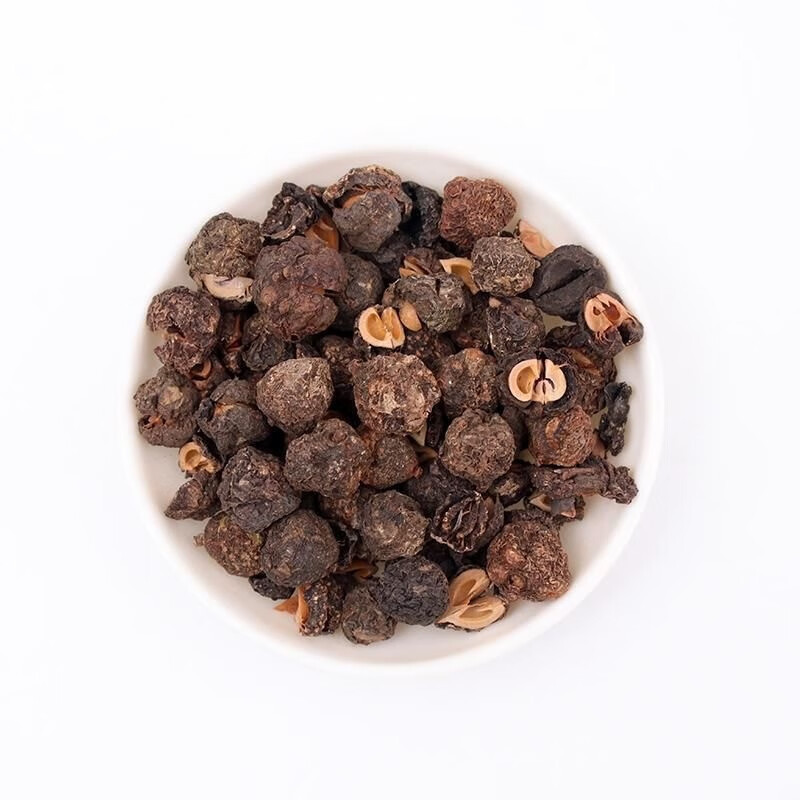
Dried Amla Fruit, known in TCM as Yu Gan Zi (余甘子), from Phyllanthus emblica, is the whole dried fruit of the emblic myrobalan tree. Also called An Mo Le, Niu Gan Zi, You Gan Zi, or Dian Olive, this new-crop herb is traditionally valued in TCM for its cooling nature and sour-sweet flavor. Commonly simmered as tea, decoction, or culinary ingredient. Store at room temperature in a dry place.
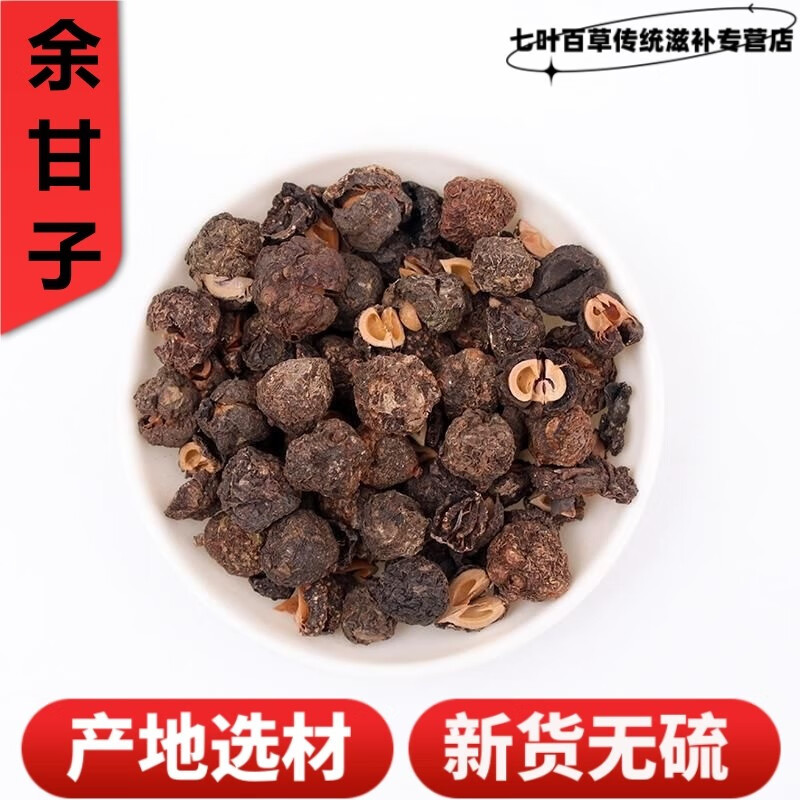
Key Selling Points
- Whole dried amla fruit supplied as edible agricultural produce
- Botanical source Phyllanthus emblica with Chinese name Yu Gan Zi
- Traditionally recognized in TCM for its cooling nature and sour-sweet taste
- New-crop whole fruit suitable for tea, decoction, and culinary use
- Sourced from Sichuan with a 36-month shelf life
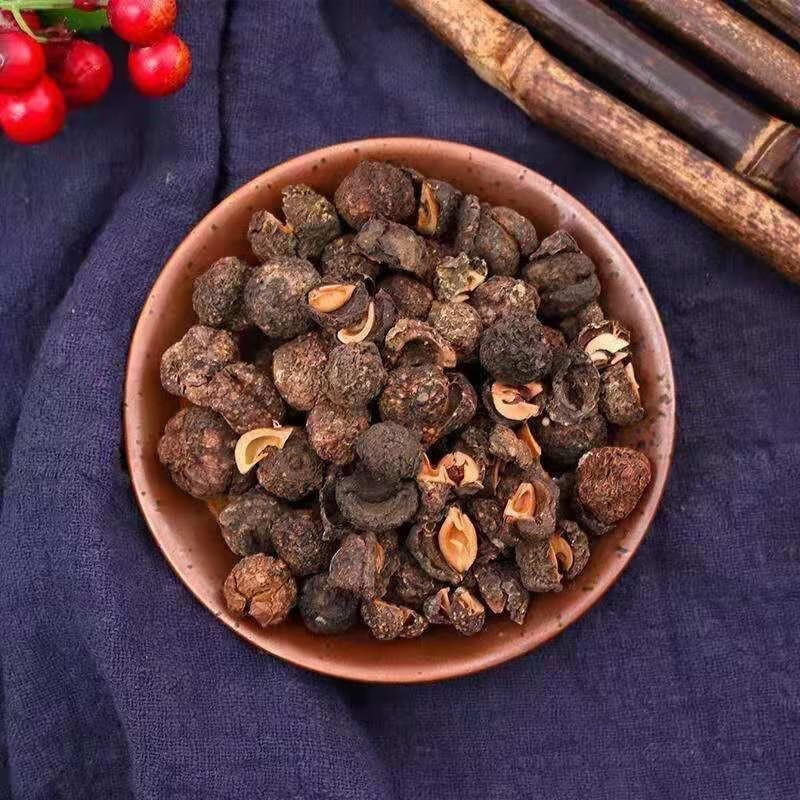
Quality & Sensory
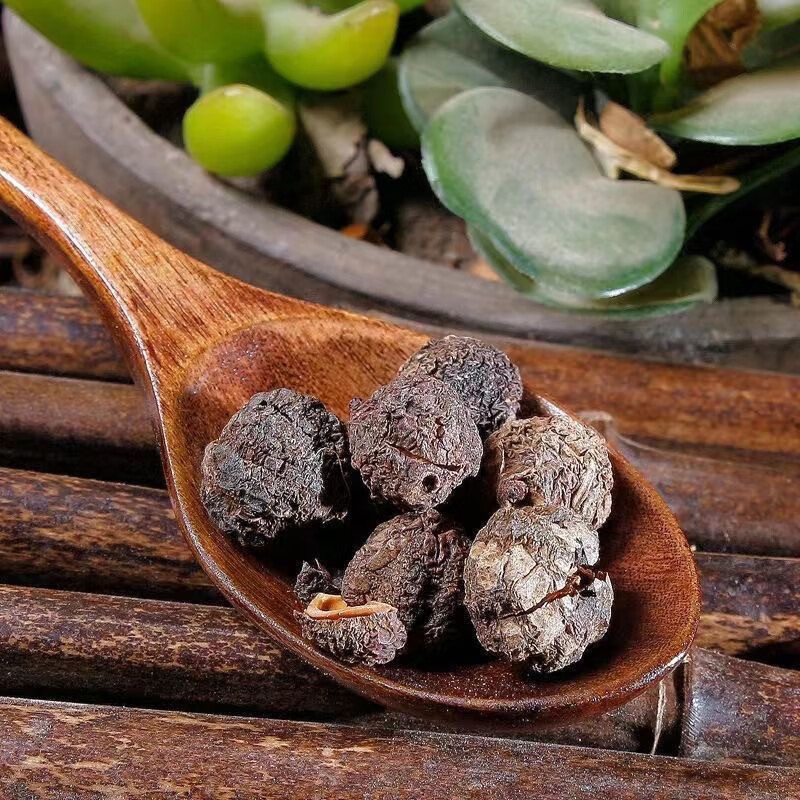
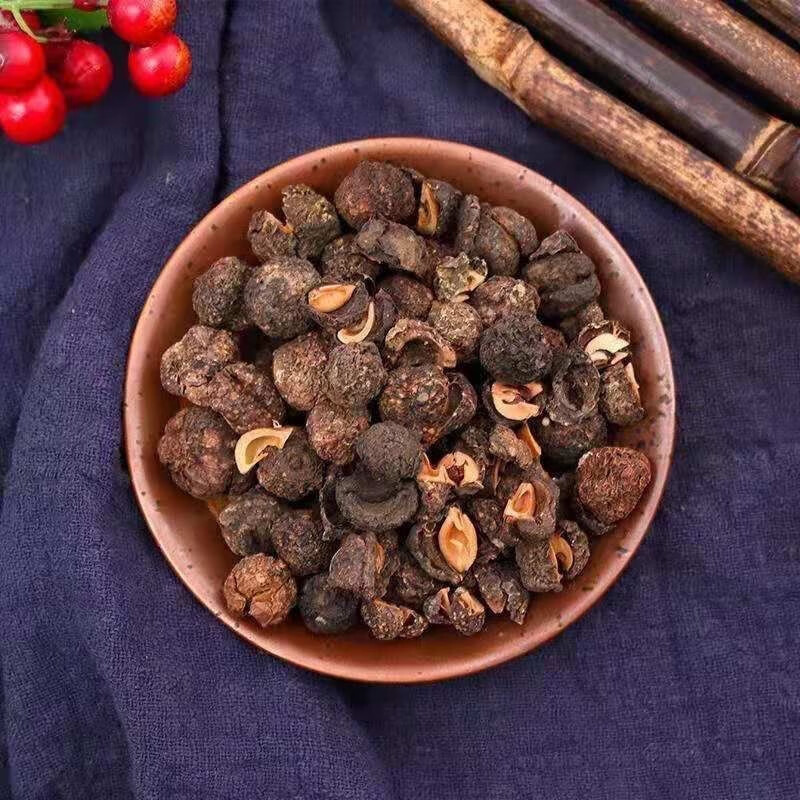
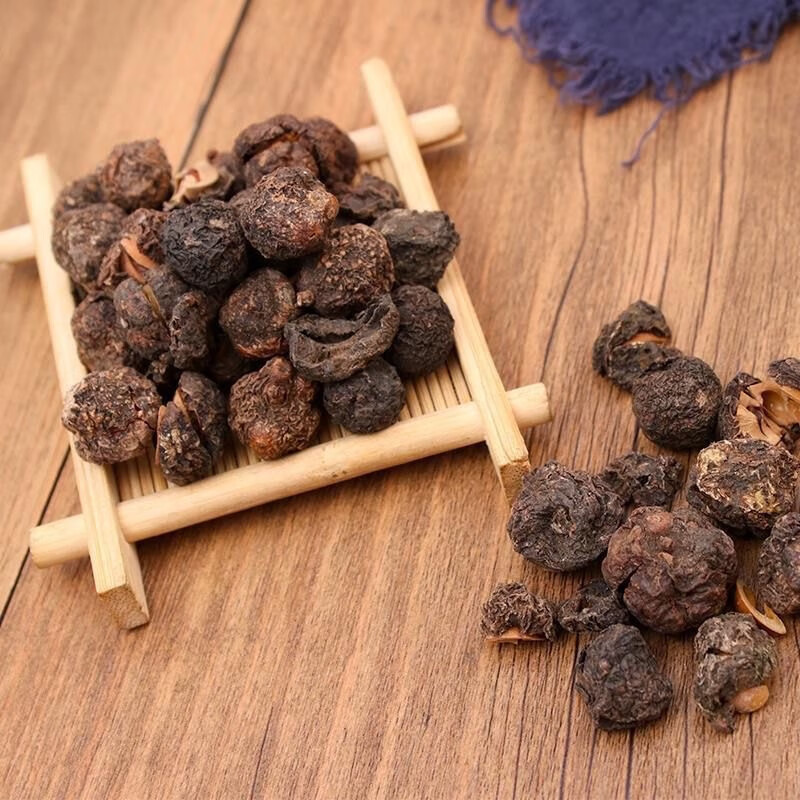
Whole dried fruits typically show a yellowish-green to brownish skin with a firm, slightly wrinkled texture. The aroma is mildly herbal and fruity, and simmered liquid typically carries a distinctly sour taste followed by a lingering sweet aftertaste.
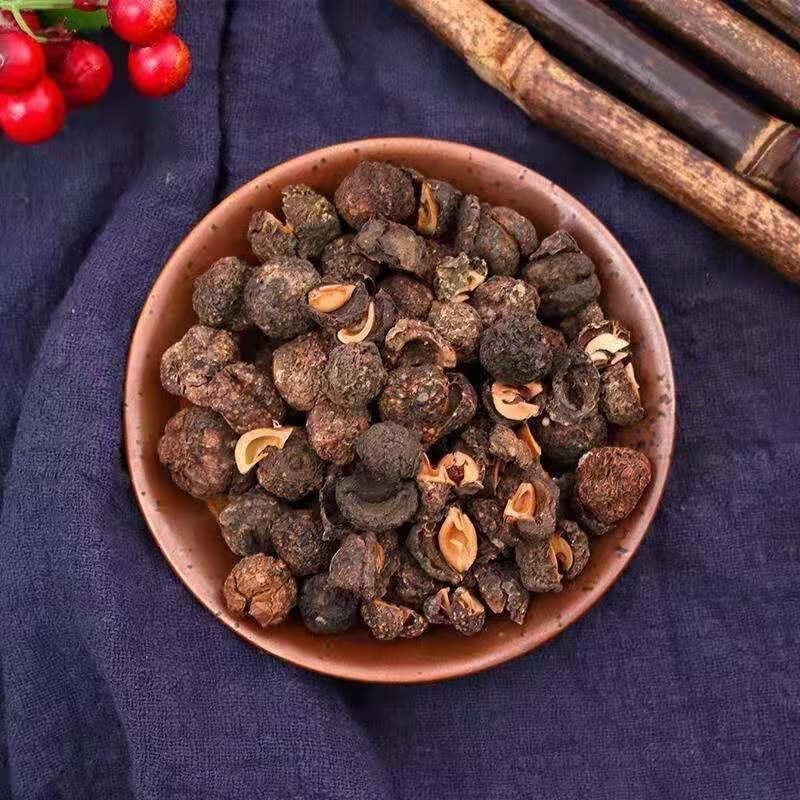
Technical Specifications
| Product Type | Dried whole fruit |
|---|---|
| Chinese Name | 余甘子 |
| Pinyin | Yu Gan Zi |
| Botanical Name | Phyllanthus emblica |
| Plant Part | Fruit |
| Net Weight | 500 g |
Usage Scenarios
- Simmered into a sour-sweet herbal tea
- Added to decoctions with other botanicals
- Used in culinary recipes and seasonal fruit drinks
- Steeped as a daily wellness infusion
Traditional Uses
In TCM theory, amla fruit is traditionally associated with clearing heat and supporting fluid production, and it is often prepared as a simmered tea or decoction. Folk practice commonly pairs it with other cooling herbs for seasonal drinks, and the fruit is also enjoyed in culinary preparations for its characteristic sour-sweet flavor.
FAQ Q&A
Q: What is this product?
A: It is whole dried amla fruit, known in TCM as Yu Gan Zi, from the Phyllanthus emblica tree, supplied as edible agricultural produce.
Q: What is its traditional value?
A: In TCM it is traditionally regarded as cooling in nature with a sour-sweet flavor, and it has long been used in herbal teas and decoctions.
Q: How is it commonly prepared?
A: The whole fruits are typically simmered or steeped to make a sour-sweet tea, or added to decoctions and culinary recipes.
Additional information
| Weight | 1 kg |
|---|---|
| Dimensions | 20 × 15 × 8 cm |
Related products
-
Cabinda Bark Dried Herb 500g Traditional Herbal Infusion Ingredient
Price range: $12.38 through $37.50 -
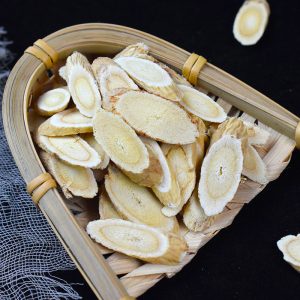
Astragalus Root Slices Huang Qi 500g Dried Herb for Soups and Teas
Price range: $7.36 through $22.11 -
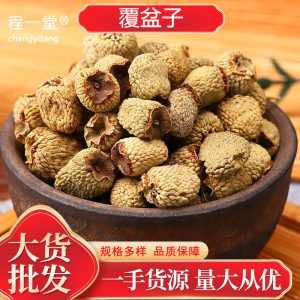
Dried Raspberry Fruit Fu Pen Zi Whole Berries for Herbal Tea and Wine Infusion 500g
Price range: $15.63 through $18.06 -
Dried Raspberry Fruit Fu Pen Zi 500g Whole Berries for Herbal Tea and Wine Infusion
Price range: $14.00 through $16.44
Reviews
There are no reviews yet.