
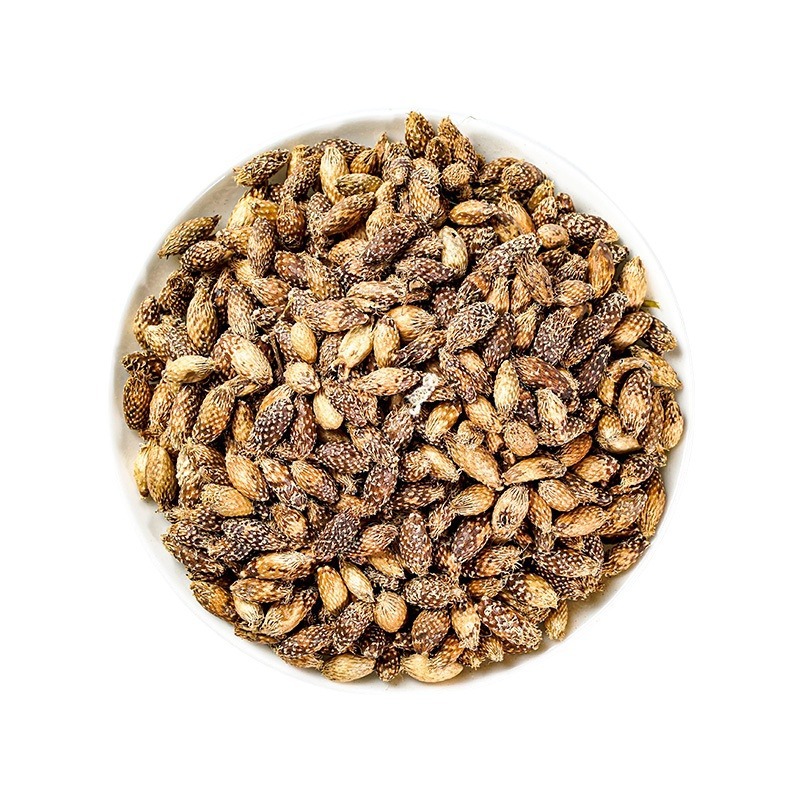
Cang Er Zi (Xanthium sibiricum) — Stir-Fried De-Spined Cocklebur Fruit, Dried Herb 500g
Price range: $5.25 through $5.74
Description
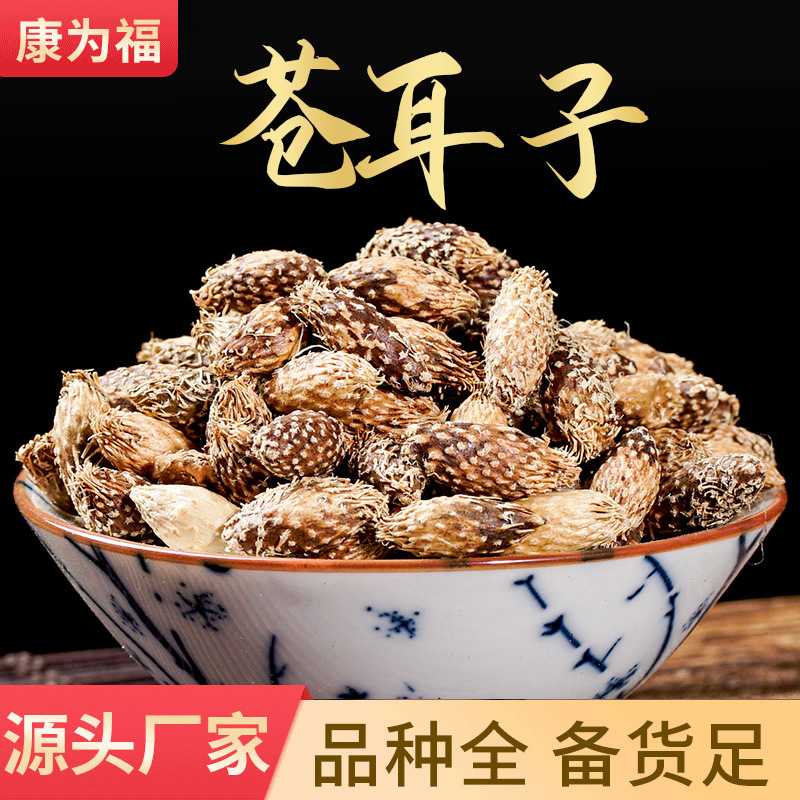
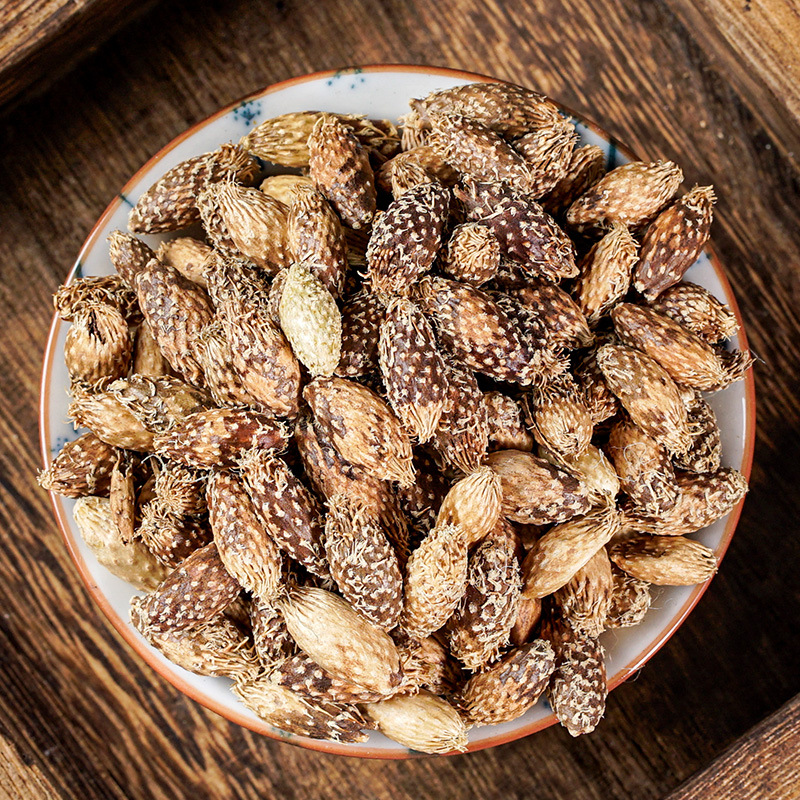
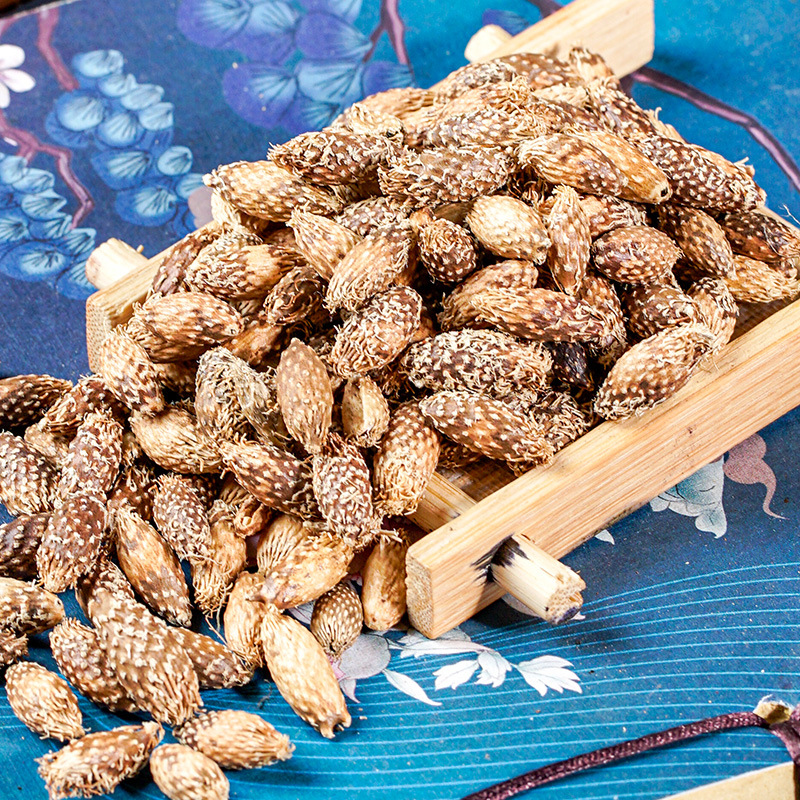
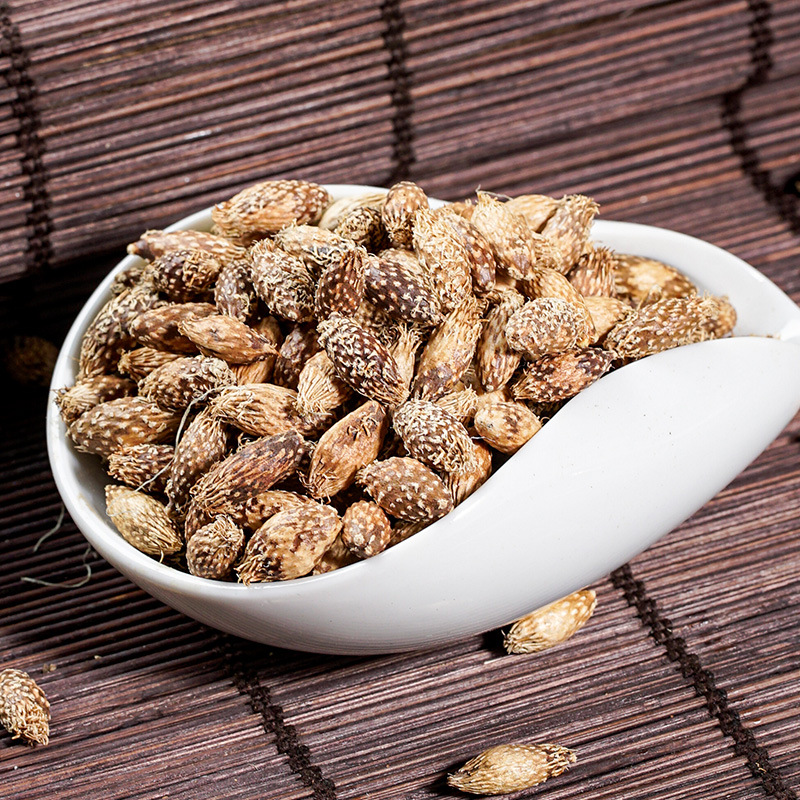
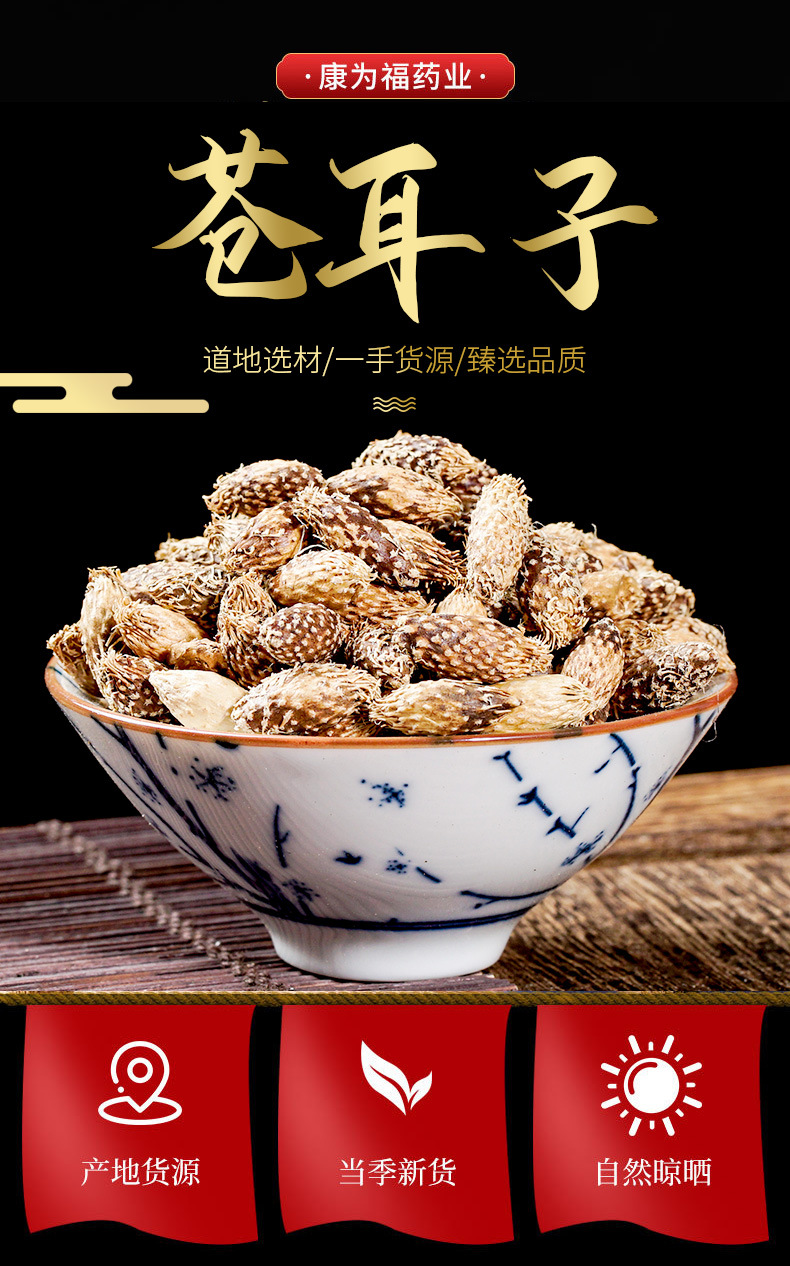
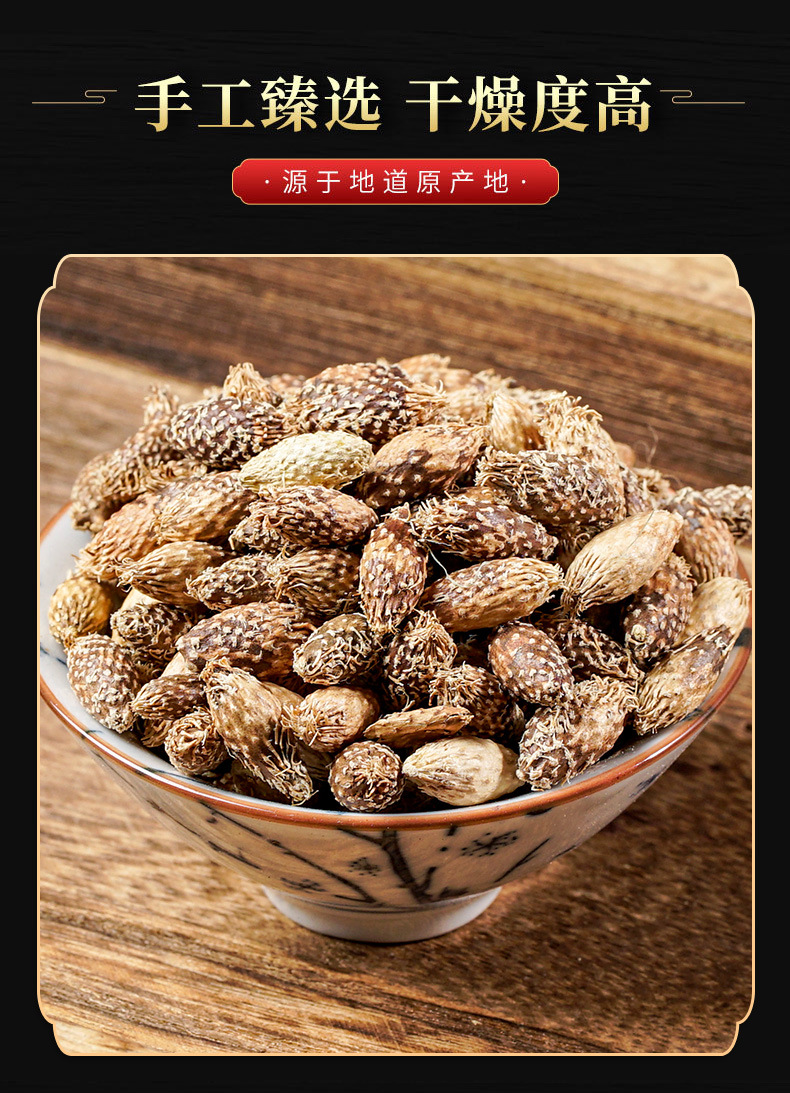
Cang Er Zi (Xanthium sibiricum), also known as Cocklebur Fruit or Niu Shi Zi (牛虱子), is the dried ripe fruit of a traditional herb long revered in Traditional Chinese Medicine (TCM). This listing offers stir-fried, de-spined Cang Er Zi (炒苍耳子 / 去刺苍耳子), carefully processed to remove the prickly spines while preserving the herb's classic character. Its nature is warm, sweet, and slightly bitter, with a mild toxicity in raw form that traditional stir-frying is believed to temper, making it a valued herb for dispersing wind, unblocking the nose, and easing dampness.


Key Selling Points
- Stir-fried and de-spined for traditional processing
- Xanthium sibiricum dried ripe fruit
- Known in TCM as Cang Er Zi / Niu Shi Zi
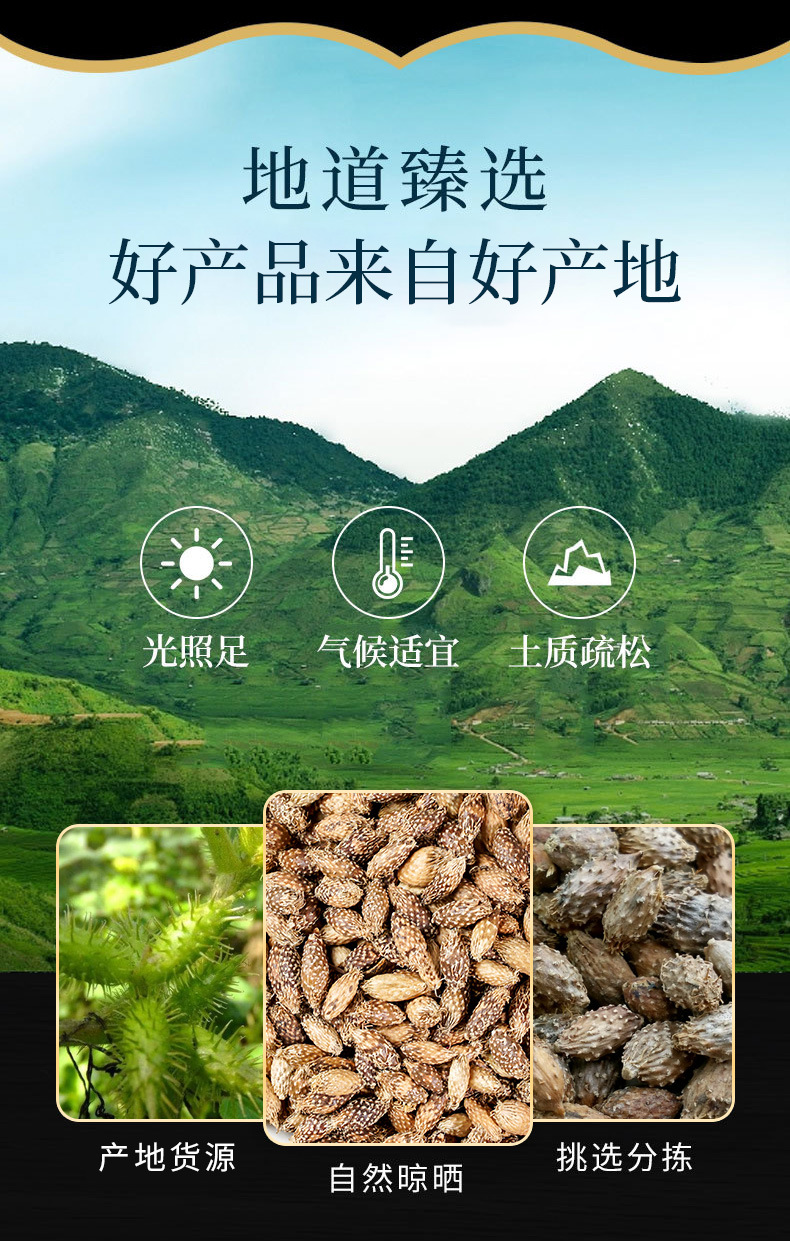
- Naturally sun-dried, 500g bulk pack
- Traditional herb for wind-damp and nasal support
Quality & Sensory
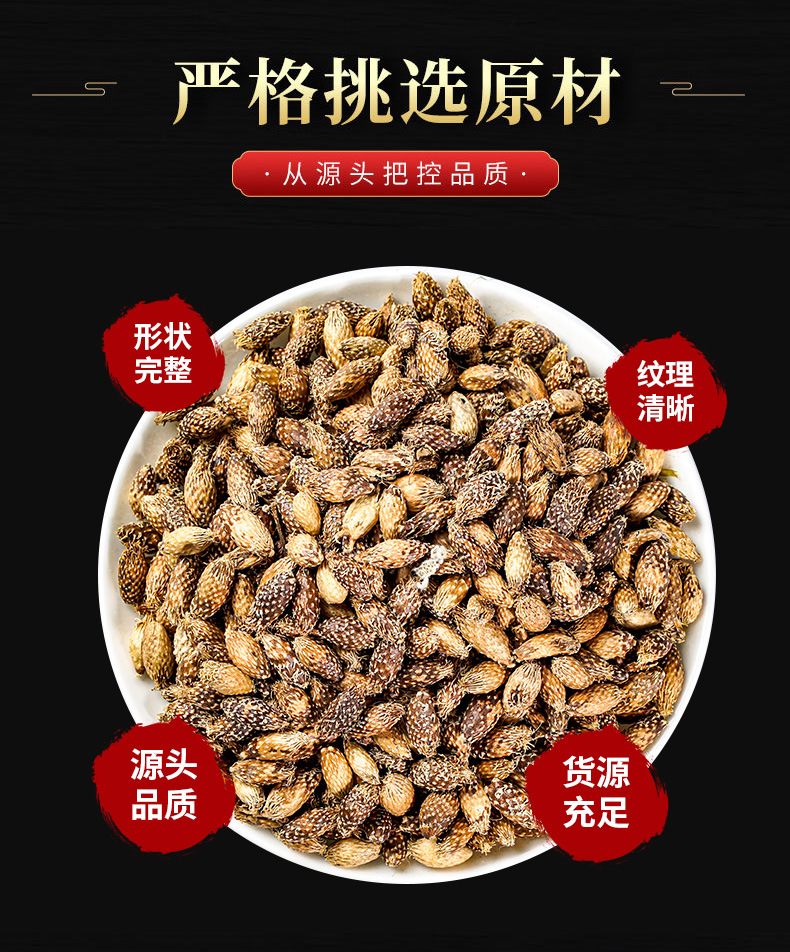
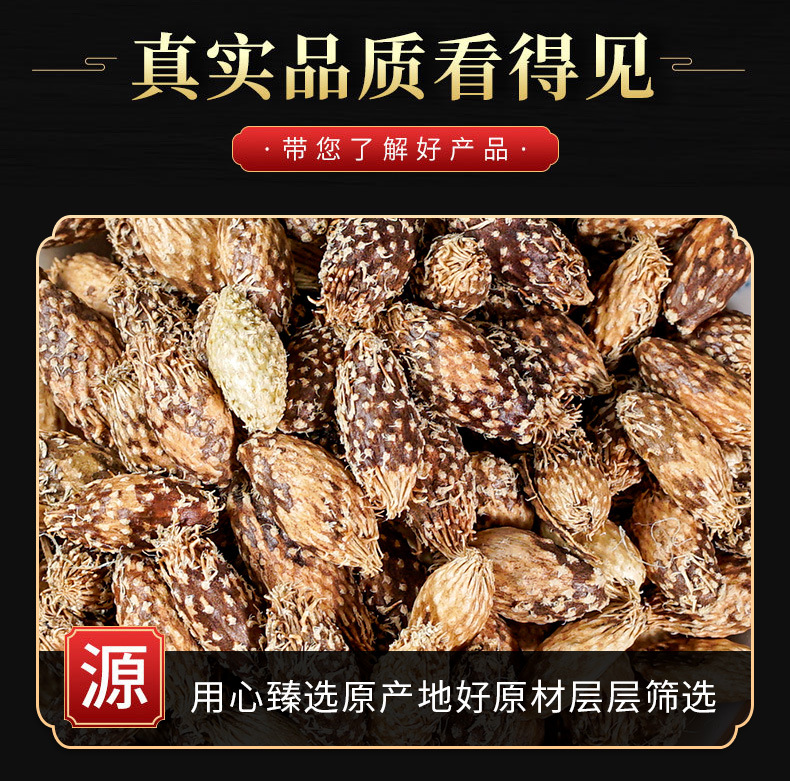
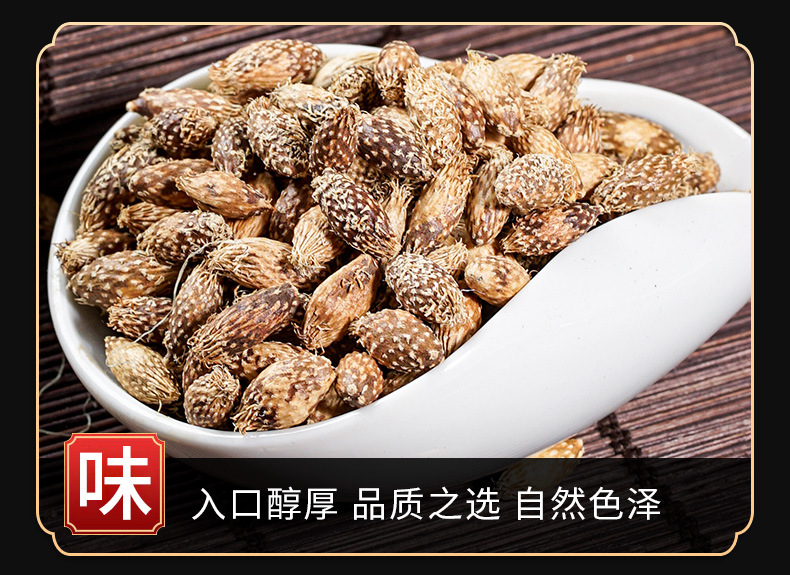
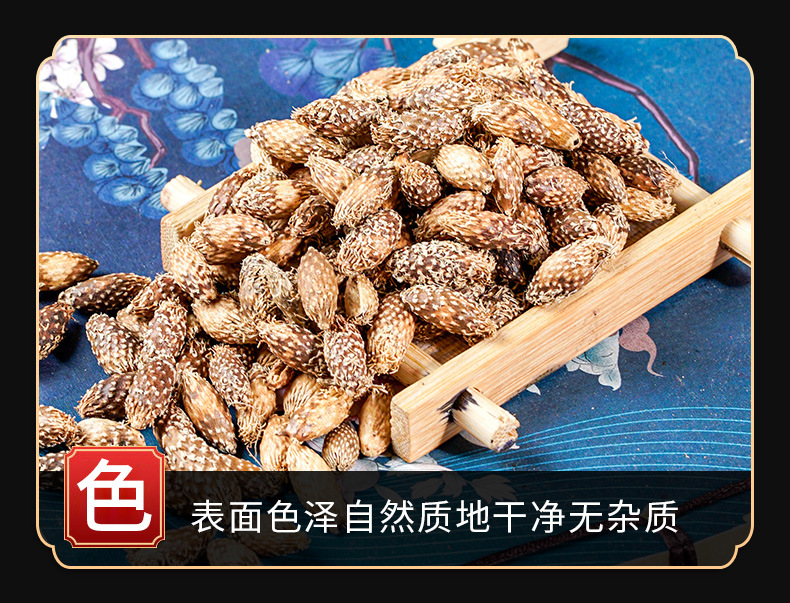
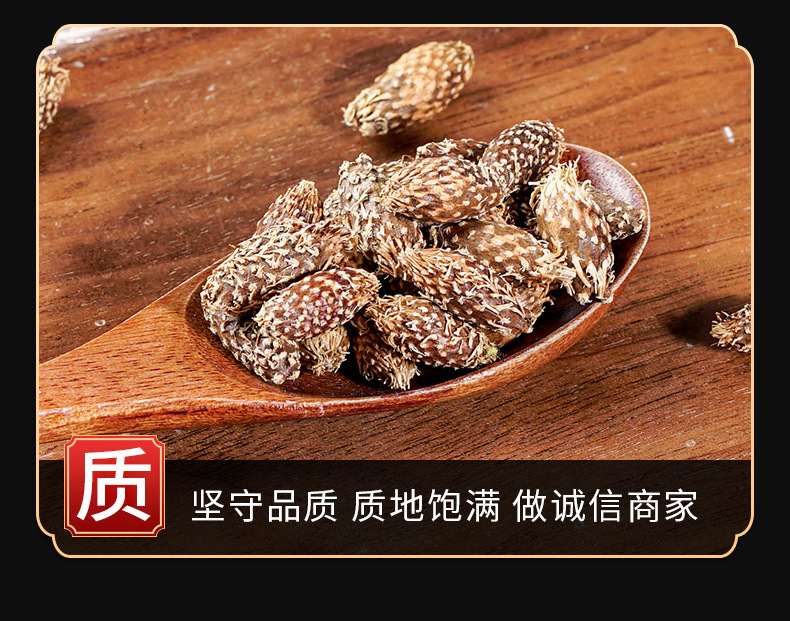
Each batch is naturally sun-dried and stir-fried to a deep brownish hue, with the outer spines carefully removed to leave a smooth, oval fruit body. The texture is firm and slightly brittle, and the aroma carries a warm, toasted, slightly nutty note from the stir-frying process. When decocted, it yields a mildly bitter, earthy infusion with a subtle warmth, characteristic of properly processed Cang Er Zi.

Technical Specifications
| Product Type | Dried Herb / Decoction Piece |
|---|---|
| Common Name | Cang Er Zi (Niu Shi Zi) |
| Botanical Name | Xanthium sibiricum |
| Form | Stir-Fried, De-Spined Dried Fruit |
| Net Weight | 500g |
| Processing | Natural Sun-Drying and Stir-Frying |


Usage Scenarios
- Traditional herbal decoctions
- Herbal tea blends for seasonal support
- Soup and medicinal food packs
- Foot soak and external herbal preparations
- Daily TCM wellness routines


Traditional Uses
In folk herbal practice, Cang Er Zi is decocted alone or in formulas to disperse wind, unblock the nasal passages, and ease dampness. It is a classic ingredient in traditional nasal-support formulas, often paired with herbs like Xin Yi Hua (magnolia flower), Bai Zhi (angelica dahurica), and Bo He (mint). Beyond internal decoctions, it also appears in external foot soak and compress preparations, where it is simmered and used warm for the limbs and joints. As a daily tea, it is brewed in small amounts with other gentle herbs for seasonal wind-damp support.



FAQ Q&A
Q: What is Cang Er Zi?
A: Cang Er Zi is the common Chinese name for the dried ripe fruit of Xanthium sibiricum, also called Cocklebur Fruit or Niu Shi Zi. It is a traditional herb used in TCM decoctions and formulas.
Q: Why is this Cang Er Zi stir-fried and de-spined?
A: Traditional processing removes the prickly outer spines and stir-fries the fruit to temper its raw character. This is a classic preparation method in TCM herbal practice.
Q: How is Cang Er Zi traditionally used?
A: It is typically decocted with other herbs in traditional formulas, or simmered for external foot soak preparations. Adjust usage according to your recipe and consult a qualified practitioner for guidance.
Additional information
| Weight | N/A |
|---|---|
| Dimensions | N/A |
| Packaging specifications | Uniform, Optional, Fried xanthium seeds, Xanthium seed powder |
Related products
-
Chen Pi Shreds (Citrus reticulata) — Aged Dried Tangerine Peel, Unsulfured, 500g
$4.93 -
Huai Shan Yao Dried Slices (Dioscorea opposita) — Iron Stick Yam from Jiaozuo, Henan
Price range: $4.61 through $9.14 -
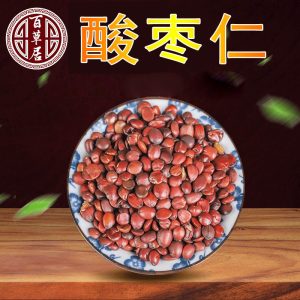
Suan Zao Ren (Ziziphus jujuba var. spinosa) — Hebei Stir-Fried & Raw Jujube Seed, 500g
Price range: $5.74 through $81.25 -
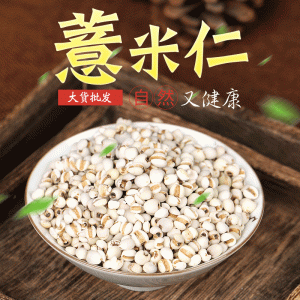
Yi Mi Ren (Coix Seed / Job’s Tears) — Guizhou Roasted Coix lacryma-jobi for Soup & Tea
Price range: $4.61 through $4.77
Reviews
There are no reviews yet.