
Peeled Yangchun Amomum Fruit Kernel Sha Ren Mi Dried Herb for Soup and Congee 500g
Price range: $9.67 through $187.80
Description
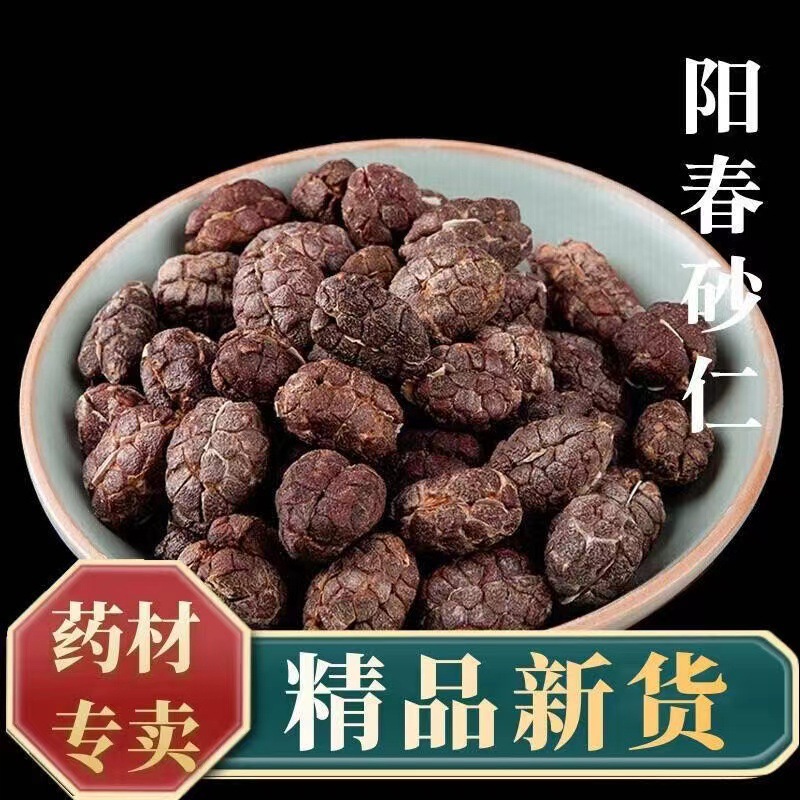
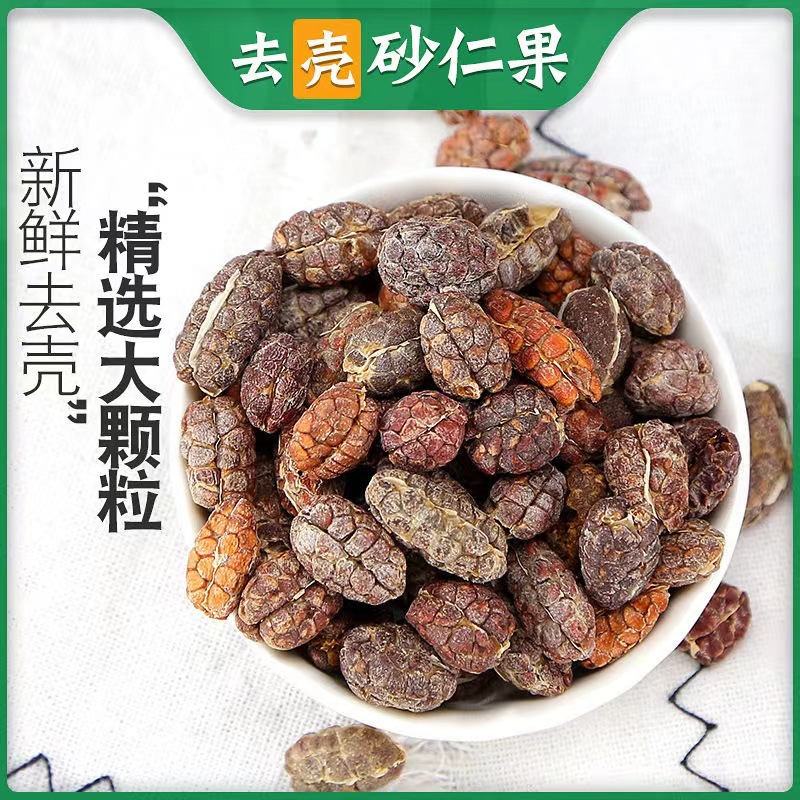
Peeled Yangchun Amomum Fruit Kernel, known in TCM as Sha Ren Mi (砂仁米), from Amomum villosum. This dried decoction piece consists of the seed kernel of the amomum fruit after removal of the outer shell. In TCM theory it is warm and pungent, associated with the Spleen and Stomach channels, and traditionally used to support digestive comfort. It is commonly added to soups, congee, and decoctions as a culinary and traditional herbal ingredient.

Key Selling Points
- Peeled seed kernel of Yangchun amomum fruit, sold as dried decoction pieces
- Known in TCM as Sha Ren Mi (砂仁米) from Amomum villosum
- Warm pungent nature associated with the Spleen and Stomach channels
- Traditionally used in soups, congee, and herbal decoctions
- 500g net weight of current-season dried herb
Quality & Sensory
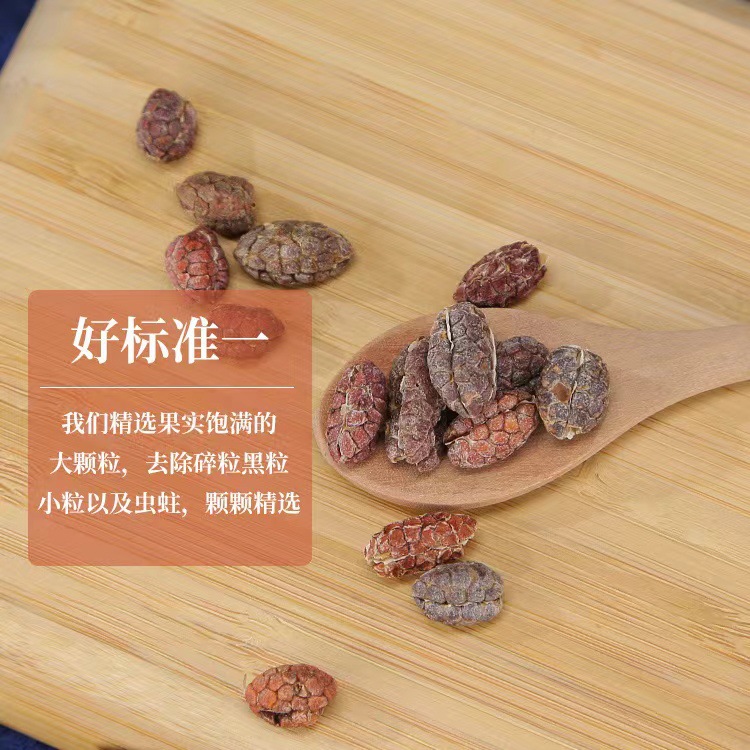
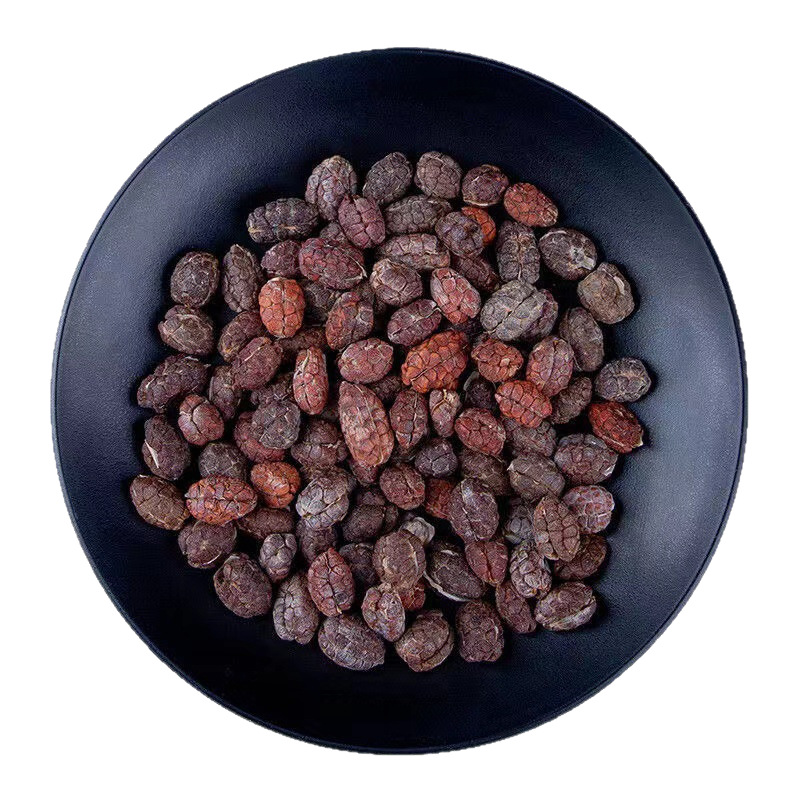
The kernels are typically small, firm, and brownish to dark brown in color. They have a characteristic warm, aromatic, slightly pungent aroma. When cooked in soup or decocted, they contribute a mild aromatic note and are usually removed before serving.
Technical Specifications
| Product Type | Dried herbal decoction pieces |
|---|---|
| Chinese Name | 砂仁米 |
| Pinyin | Sha Ren Mi |
| Botanical Name | Amomum villosum |
| Plant Part | Seed kernel |
| Net Weight | 500g |
Usage Scenarios
- Added to soups during cooking
- Cooked in congee
- Used in herbal decoctions
- Included in traditional culinary herb blends
Traditional Uses
In TCM theory, Sha Ren Mi is traditionally used to support digestive comfort and is often paired with ingredients such as Chen Pi or Bai Zhu. It is commonly added to soups, congee, and decoctions, and is typically removed before serving. Traditional practice associates it with warming the middle and harmonizing the Stomach.
FAQ Q&A
Q: What is this product?
A: It is the peeled seed kernel of Yangchun amomum fruit, known in TCM as Sha Ren Mi (砂仁米), from Amomum villosum.
Q: What is its traditional value?
A: In TCM theory it is warm and pungent, associated with the Spleen and Stomach channels, and traditionally used to support digestive comfort.
Q: How is it commonly used?
A: It is typically added to soups, congee, or decoctions during cooking and removed before serving.
Additional information
| Weight | N/A |
|---|---|
| Dimensions | N/A |
| Model | 砂仁米250克, 砂仁米500克, 砂仁米1000克, 砂仁米10公斤 |
Related products
-

Dried Huang Jing Slices Polygonatum Rhizome Chicken Head Huang Jing 500g Bulk Herbal Tea and Soup Ingredient
Price range: $9.14 through $18.87 -

Cabinda Bark Dried Herb 500g Traditional Herbal Infusion Ingredient
Price range: $12.38 through $37.50 -

Dried Raspberry Fruit Fu Pen Zi Whole Berries for Herbal Tea and Wine Infusion 500g
Price range: $15.63 through $18.06 -

Dried Raspberry Fruit Fu Pen Zi Whole Berries for Herbal Tea and Wine Infusion 500g
Price range: $15.63 through $18.06
Reviews
There are no reviews yet.