
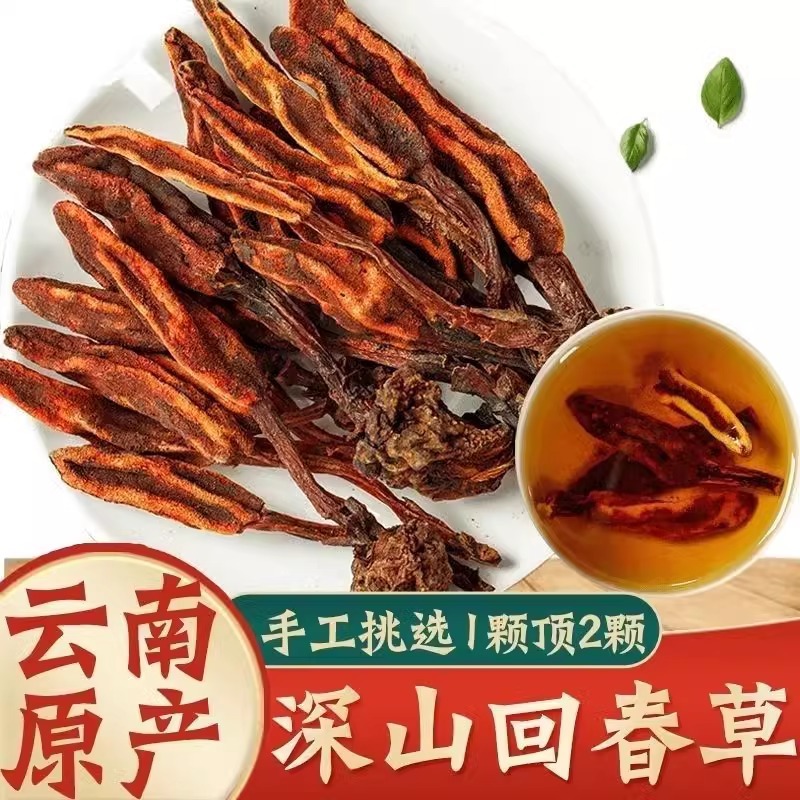
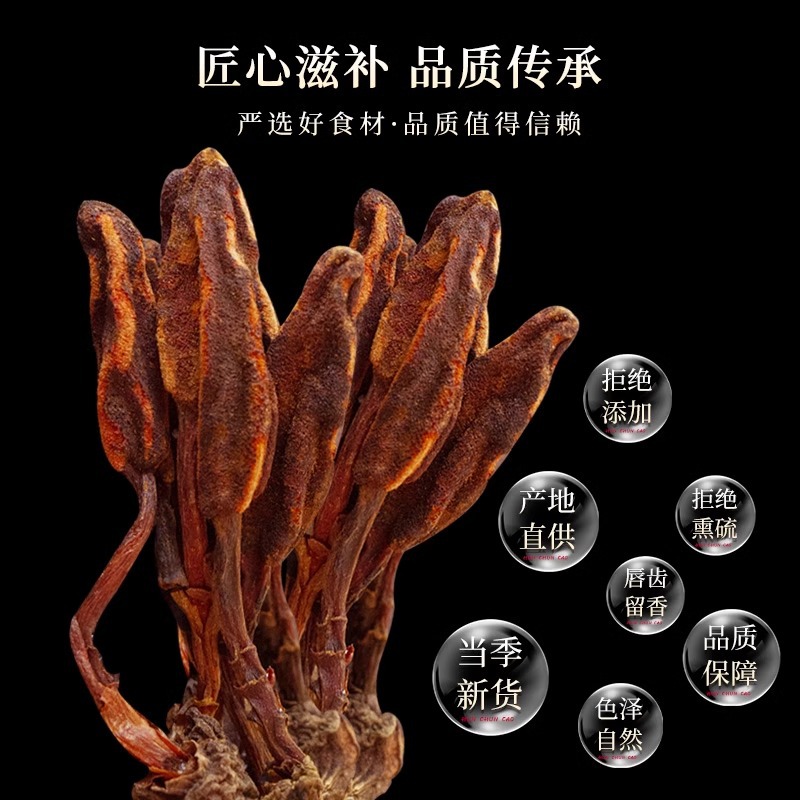
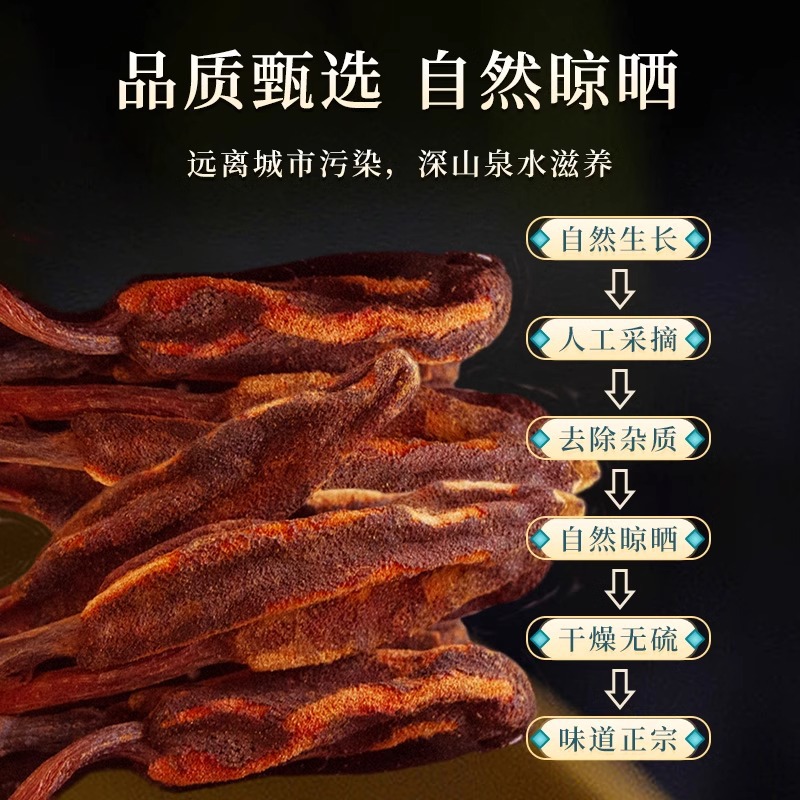
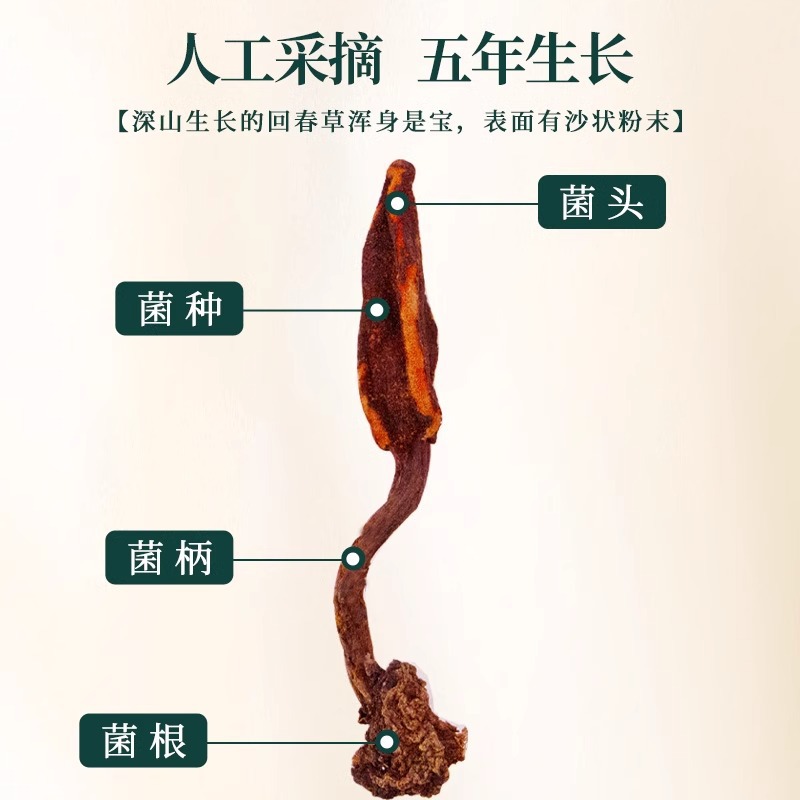
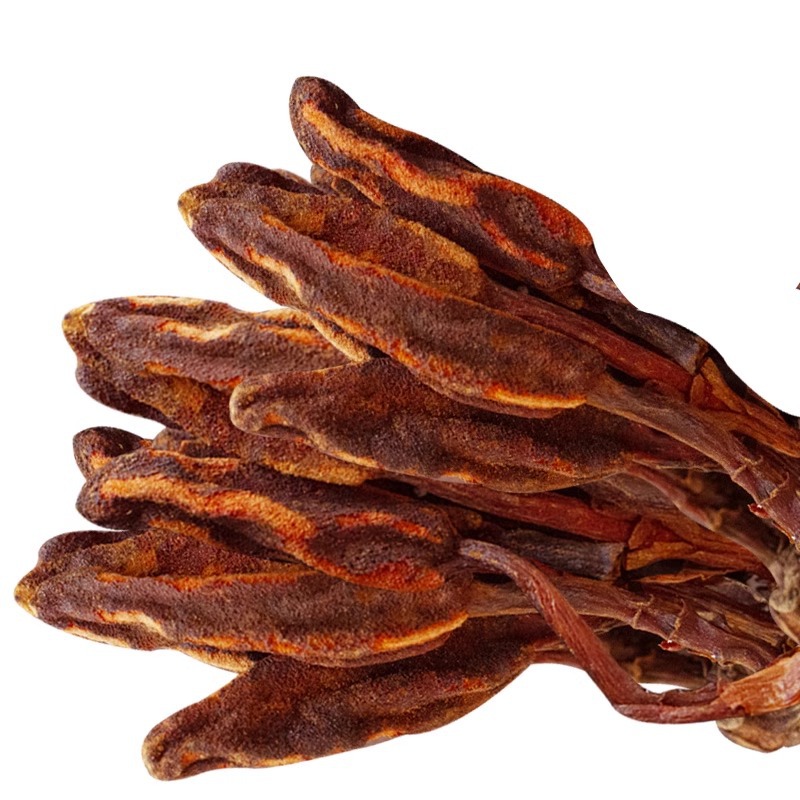
Huichun Cao Yunnan Wild Fresh Herbal Root for Wine Infusion and Traditional Male Tonic Use 100g
$5.71
89999441 in stock
Description
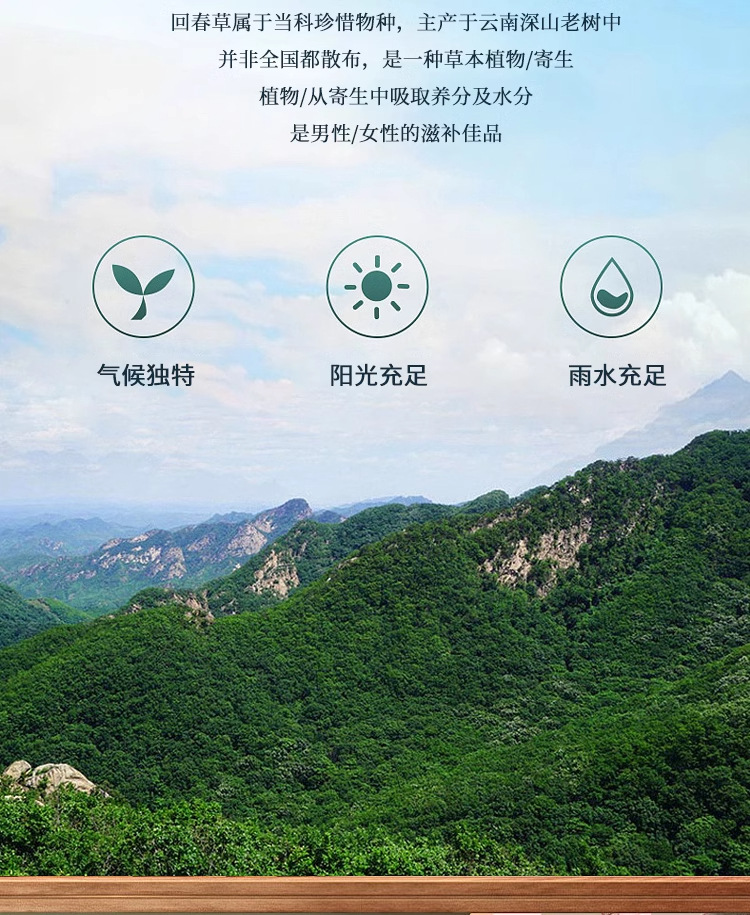
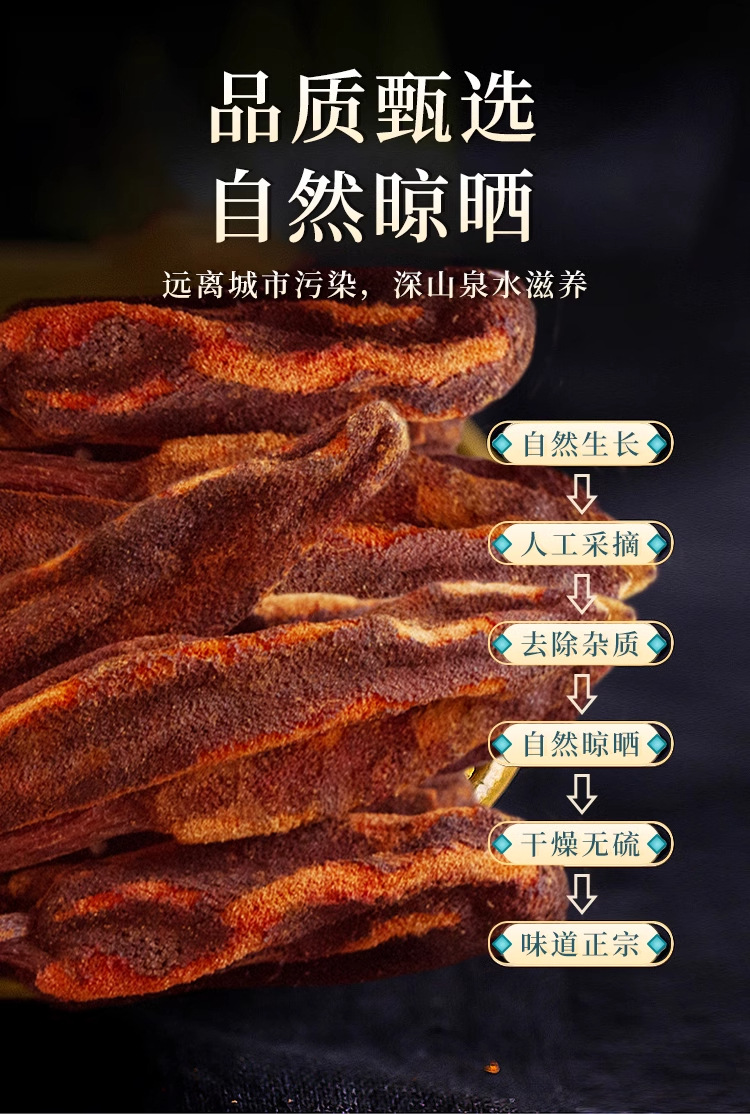
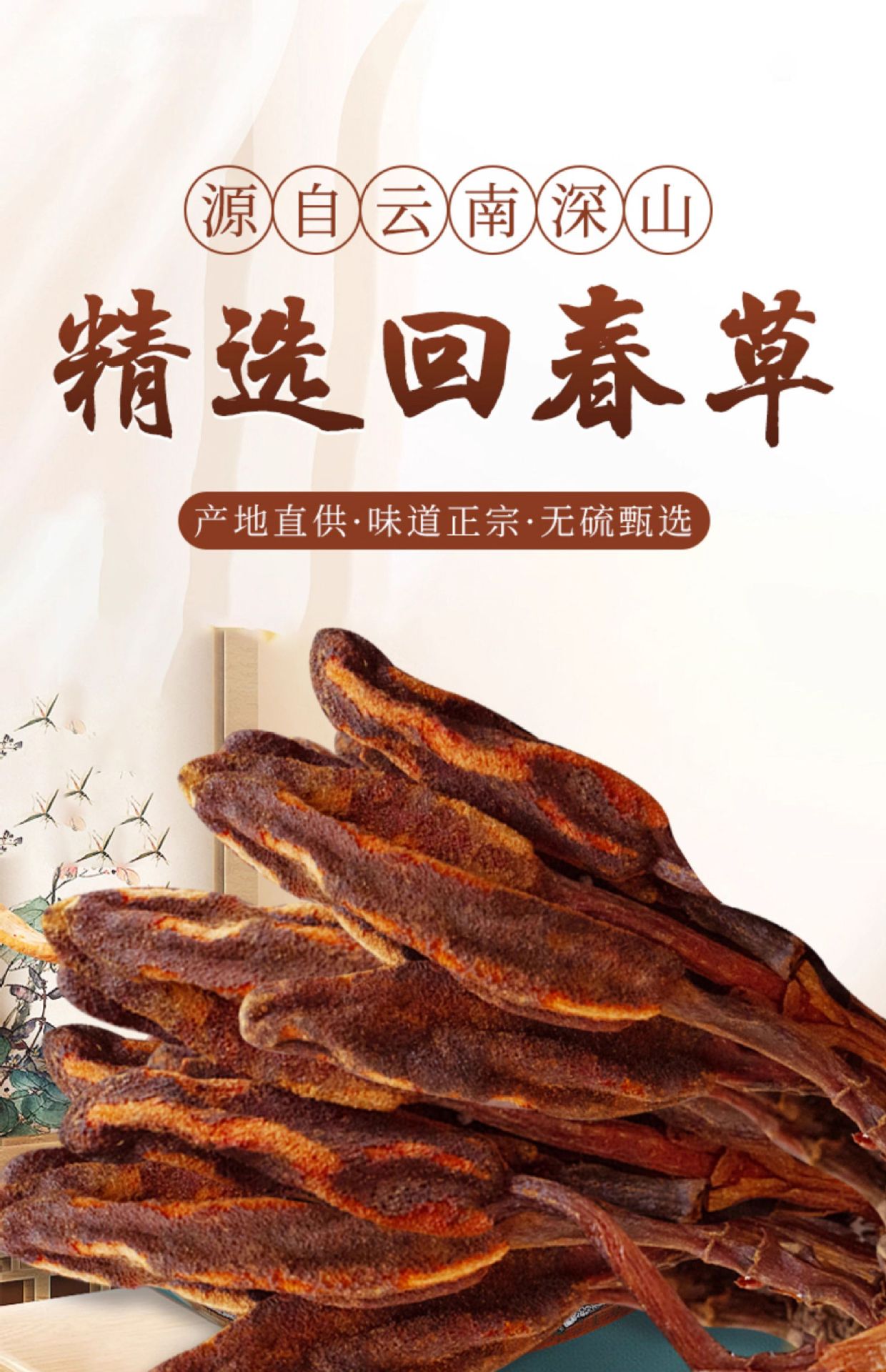
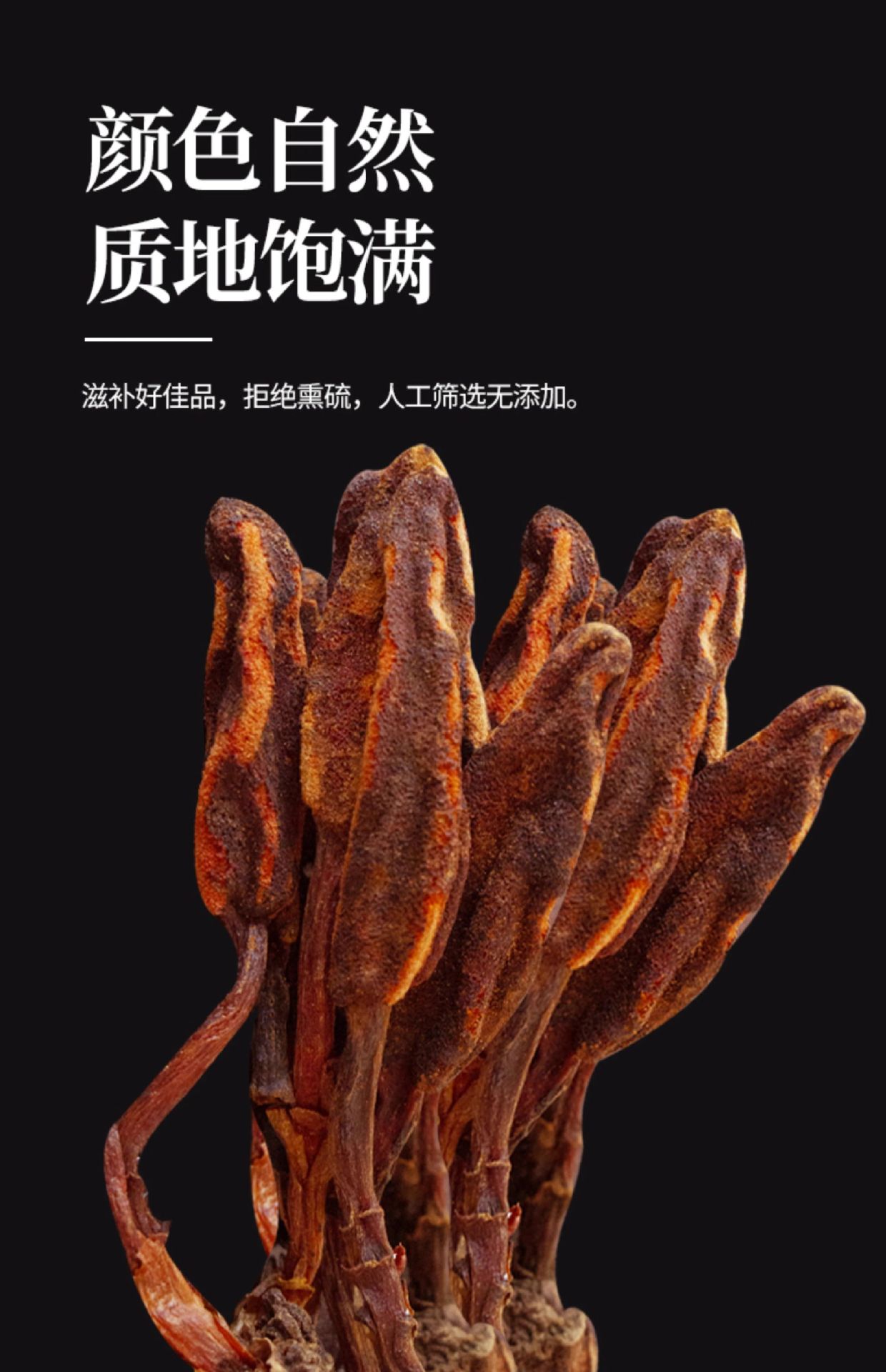
Huichun Cao (回春草), also known as Yunnan Bulao Cao, is a wild-harvested fresh herbal root from Yunnan, traditionally used in TCM as a warming tonic. In TCM theory it is associated with the kidney and liver channels, valued for supporting yang energy and vitality. It is commonly prepared as a wine infusion or decoction. This 100g fresh root is sold as an edible agricultural product and should be stored frozen.

Key Selling Points
- Wild-harvested fresh root from Yunnan province
- Known in TCM as Huichun Cao (回春草) or Bulao Cao
- Traditionally used as a warming male tonic in TCM theory
- Commonly prepared as a wine infusion or herbal decoction
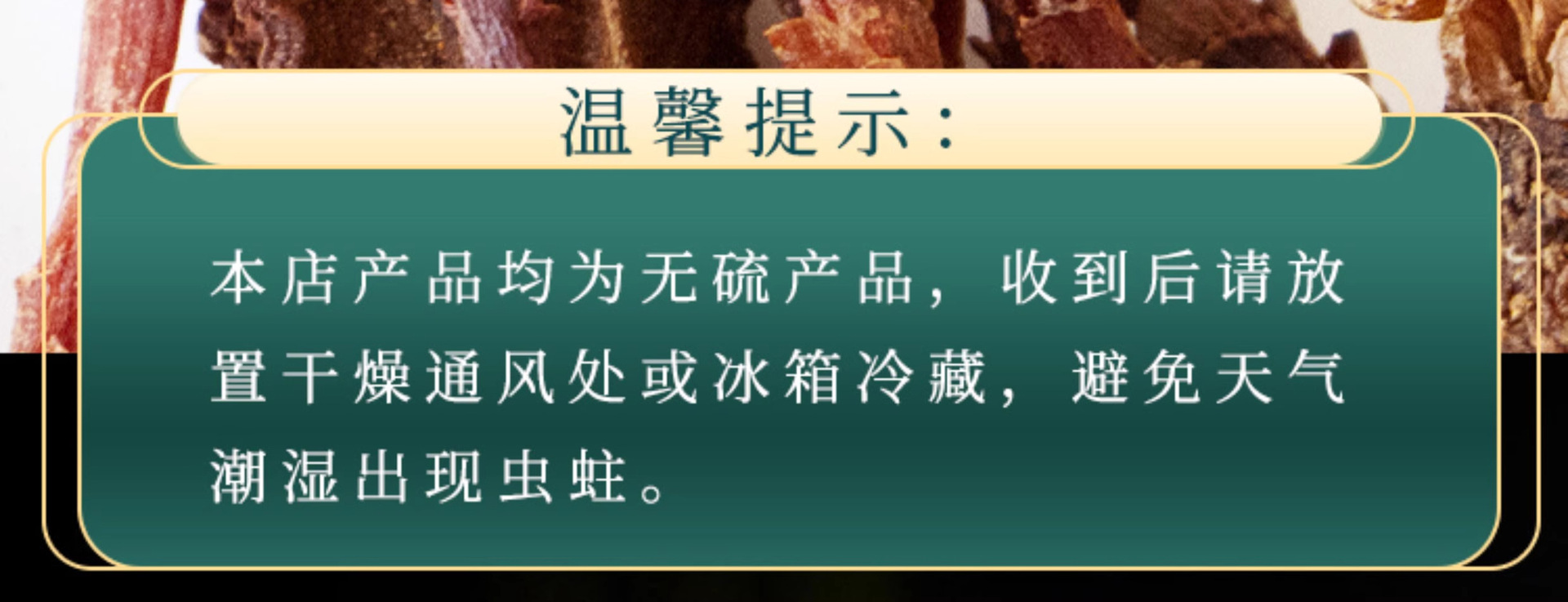
- 100g fresh root, frozen storage to preserve freshness
Quality & Sensory
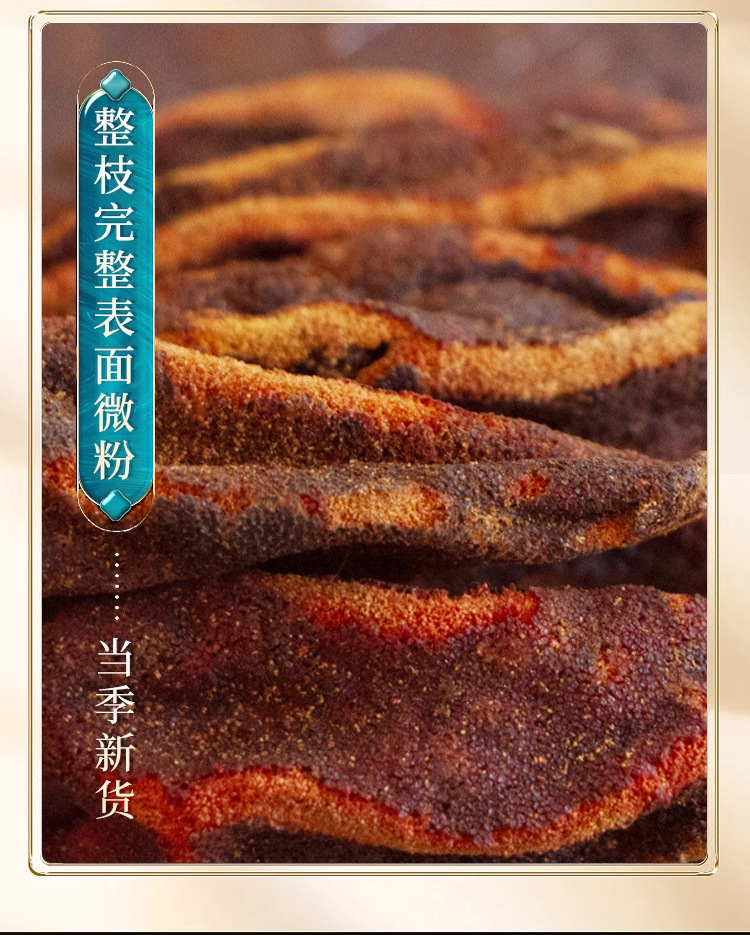
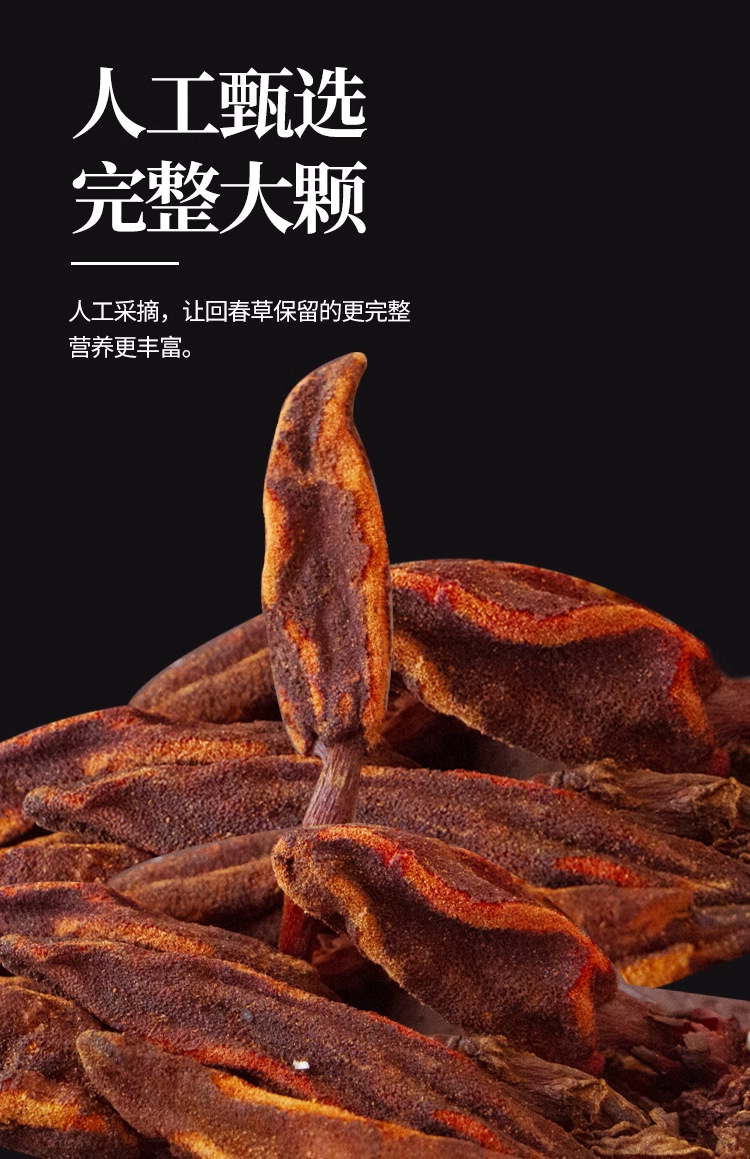
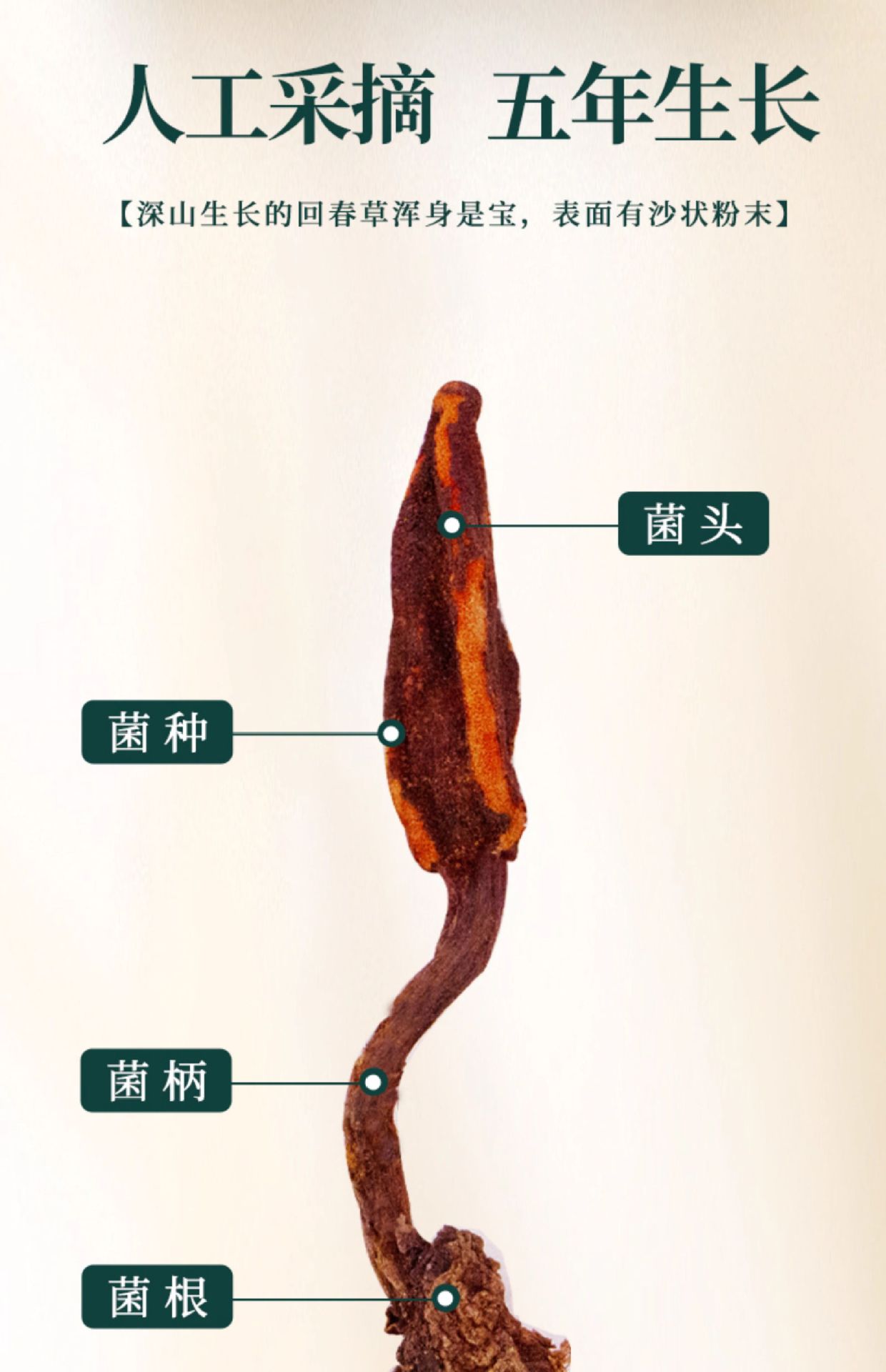
The fresh root is typically light brown to tan on the outside with a firm, moist texture. It has an earthy, slightly sweet aroma. When decocted or infused, it yields a mild, earthy taste with subtle bitterness. Color and texture may vary due to wild harvesting.

Technical Specifications
| Product Type | Fresh Herbal Root |
|---|---|
| Chinese Name | 回春草 |
| Pinyin | Huichun Cao |
| Plant Part | Root |
| Form | Fresh Whole Root |
| Net Weight | 100g |



Usage Scenarios
- Wine infusion
- Herbal decoction
- Soup
- Tea


Traditional Uses
In TCM theory, Huichun Cao is traditionally used as a warming tonic associated with the kidney and liver channels. It is commonly prepared by infusing the fresh root in wine or decocting it with other herbs. Folk practice often pairs it with herbs like goji berries or angelica root in tonic soups and teas, especially during colder seasons.
FAQ Q&A
Q: What is Huichun Cao?
A: Huichun Cao (回春草) is a wild-harvested fresh herbal root from Yunnan, traditionally used in TCM as a warming tonic.
Q: What is its traditional value?
A: In TCM theory, it is associated with the kidney and liver channels and is traditionally used to support yang energy and vitality.
Q: How is it commonly prepared?
A: It is often infused in wine or decocted with other herbs for soups and teas. Follow traditional recipes or consult a TCM practitioner.
Additional information
| Weight | 0.6 kg |
|---|---|
| Dimensions | 20 × 15 × 10 cm |
Related products
-

Cabinda Bark Dried Herb 500g Traditional Herbal Infusion Ingredient
Price range: $12.38 through $37.50 -
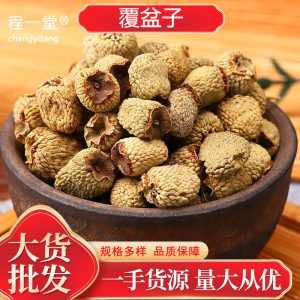
Dried Raspberry Fruit Fu Pen Zi Whole Berries for Herbal Tea and Wine Infusion 500g
Price range: $15.63 through $18.06 -
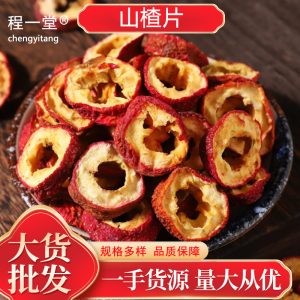
Dried Hawthorn Slices Shan Zha 500g Seedless Hollow Rings Freeze Dried Hawthorn for Tea and Culinary Use
Price range: $4.44 through $7.04 -
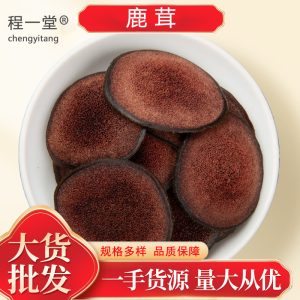
Deer Antler Slices Lu Rong 鹿茸片 Dried Slices for Wine Infusion and Soup 100g Wax Slices Pack
Price range: $68.29 through $92.59
Reviews
There are no reviews yet.