

Ningxia Goji Berries Gouqizi 500g Dried Red Wolfberry Fruit for Tea Soup and Cooking
Price range: $7.86 through $8.17
Description
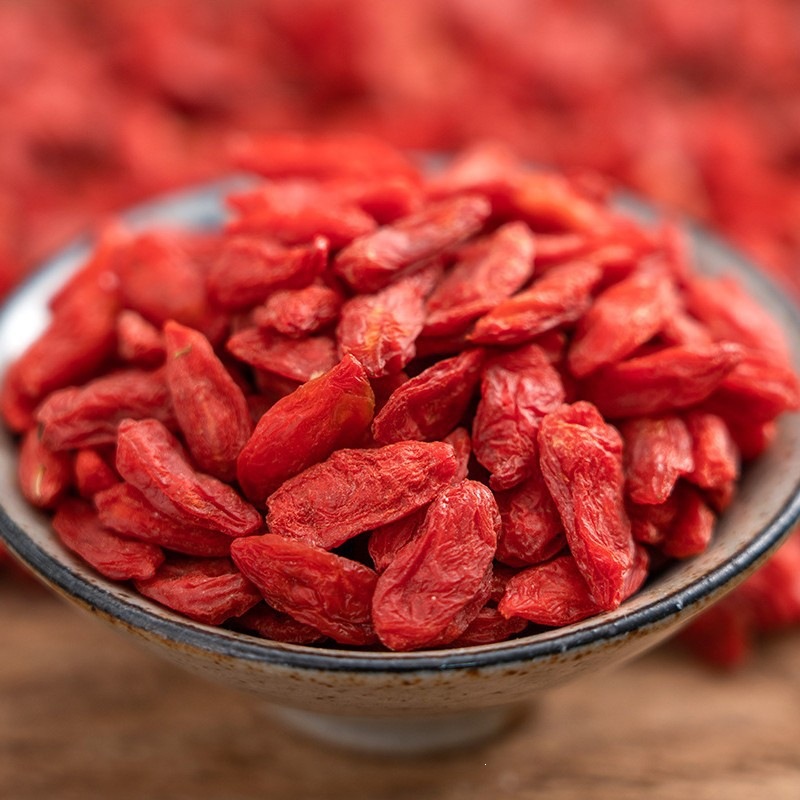
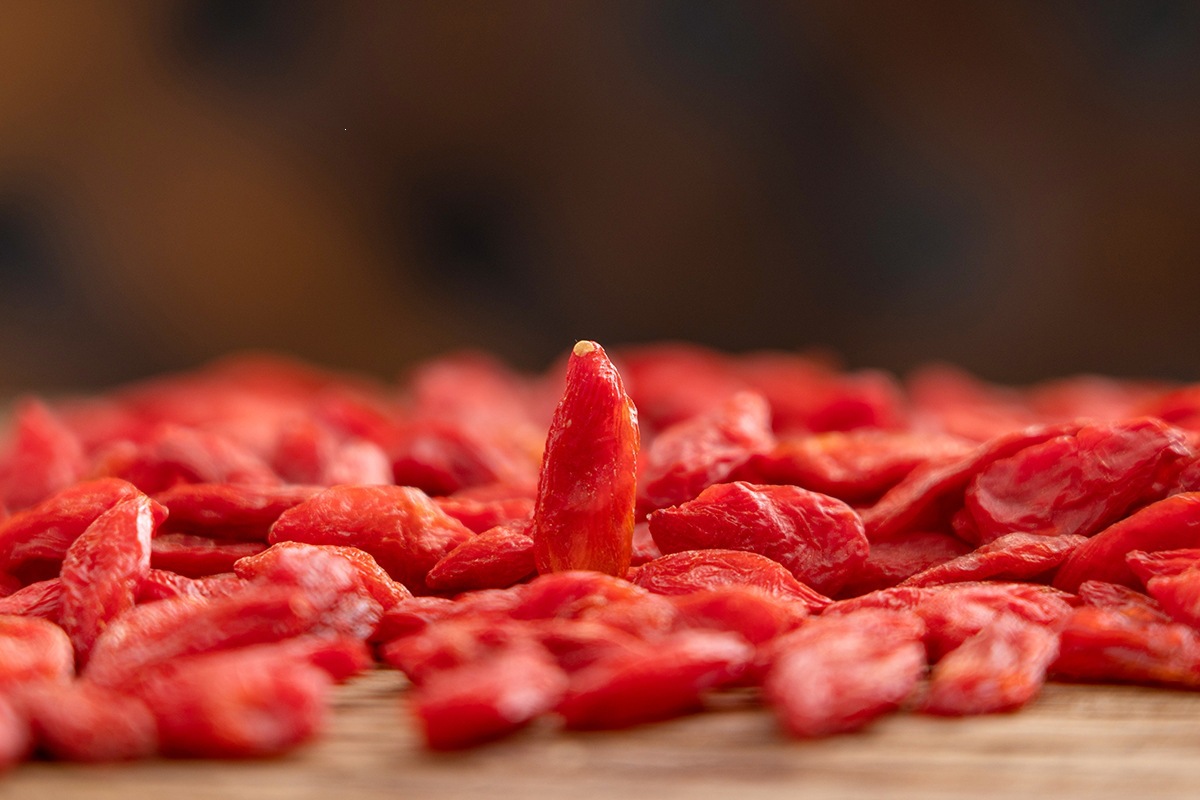
Ningxia Goji Berries, known in TCM as Gou Qi Zi (枸杞子), from Lycium barbarum. These dried red wolfberry fruits are a classic Chinese herbal food, traditionally associated with nourishing the liver and kidneys and benefiting the eyes. In TCM theory they are sweet in flavor and neutral in nature, entering the liver, kidney, and lung channels. Enjoy steeped in tea, simmered in soups, or added to congee and baking.
Key Selling Points
- Authentic Ningxia goji berries, a prized region for Chinese wolfberry cultivation
- Dried whole red berries sold as a raw herbal food, not a finished tea product
- Sulfur-free processing with no artificial dyeing
- Grade A quality with plump, uniform berries
- Versatile for teas, soups, congee, and everyday cooking
Quality & Sensory
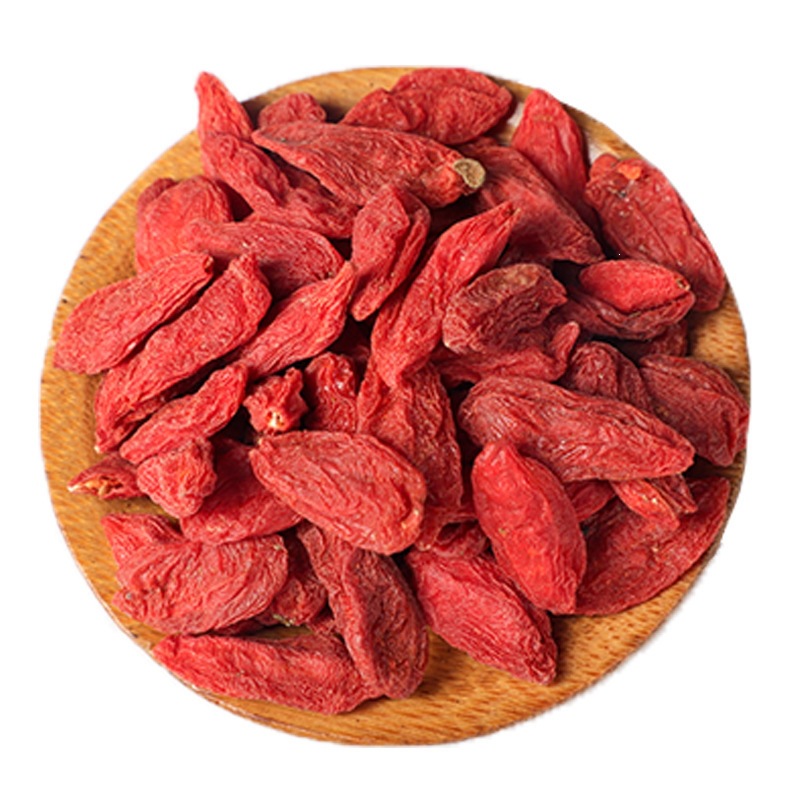
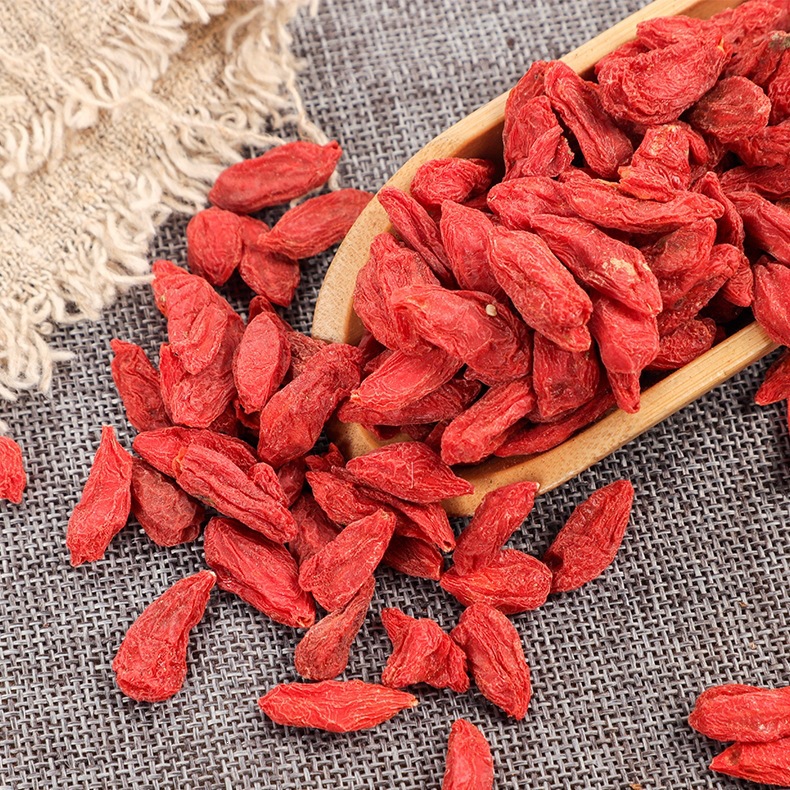
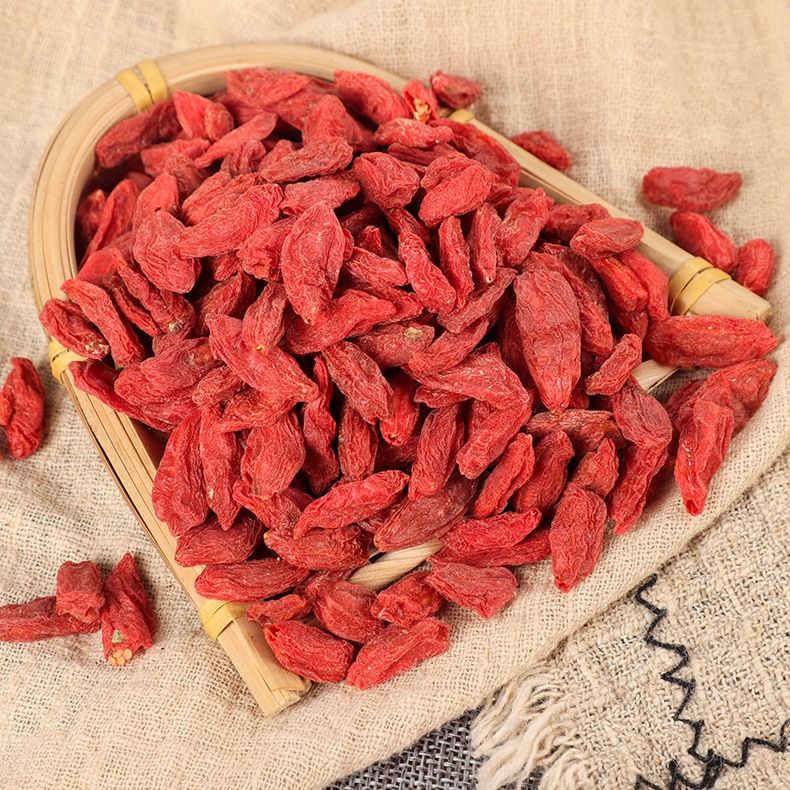
Typically deep red to orange-red with a slightly wrinkled, plump texture and a mild sweet aroma. When steeped or simmered, the berries typically soften and release a gentle sweetness with a faintly tart finish.
Technical Specifications
| Product Type | Dried goji berry fruit |
|---|---|
| Chinese Name | 枸杞子 |
| Pinyin | Gou Qi Zi |
| Botanical Name | Lycium barbarum |
| Plant Part | Fruit |
| Net Weight | 500 g |
Usage Scenarios
- Steep in hot water alone or with chrysanthemum for a daily herbal tea
- Add to chicken, pork, or vegetable soups during the last minutes of simmering
- Stir into congee, oatmeal, or rice porridge
- Use in baking, trail mixes, or sprinkled over salads and yogurt
Traditional Uses
In TCM practice, goji berries are traditionally used to nourish liver and kidney yin and brighten the eyes. They are commonly paired with chrysanthemum flowers in tea, added to four-herb and eight-herb style soups, or simmered with congee. In folk custom they are a staple of daily wellness cooking, especially in autumn and winter tonics.
FAQ Q&A
Q: What is this product?
A: It is 500 g of dried Ningxia goji berries, the fruit of Lycium barbarum, known in TCM as Gou Qi Zi. They are sold as a raw herbal food for cooking and tea.
Q: What are the traditional characteristics of goji berries?
A: In TCM theory they are sweet and neutral, entering the liver, kidney, and lung channels, and are traditionally associated with nourishing yin and supporting the eyes.
Q: How are goji berries commonly prepared?
A: They are commonly steeped in tea, added to soups and congee, or eaten directly as a snack. There is no fixed dosage; use according to your recipe or preference.
Additional information
| Weight | N/A |
|---|---|
| Dimensions | N/A |
| Packaging specifications | Red goji berries 180 pieces 50 grams 175 grams, Red goji berries 150 pieces 50 grams 175 grams, Red goji berries 200 pieces 50 grams 175 grams |
Related products
-
Taizishen Dried Pseudostellaria Root TCM Herbal Tea and Soup Ingredient 500g Bulk Pack
Price range: $10.28 through $15.63 -
Dried Raspberry Fruit Fu Pen Zi Whole Berries for Herbal Tea and Wine Infusion 500g
Price range: $15.63 through $18.06 -
Dried Raspberry Fruit Fu Pen Zi 500g Whole Berries for Herbal Tea and Wine Infusion
Price range: $14.00 through $16.44 -
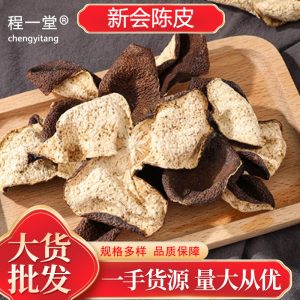
Xinhui Chenpi Dried Tangerine Peel 500g Sun Dried Aged Peel for Soup and Tea
Price range: $60.19 through $116.90
Reviews
There are no reviews yet.