
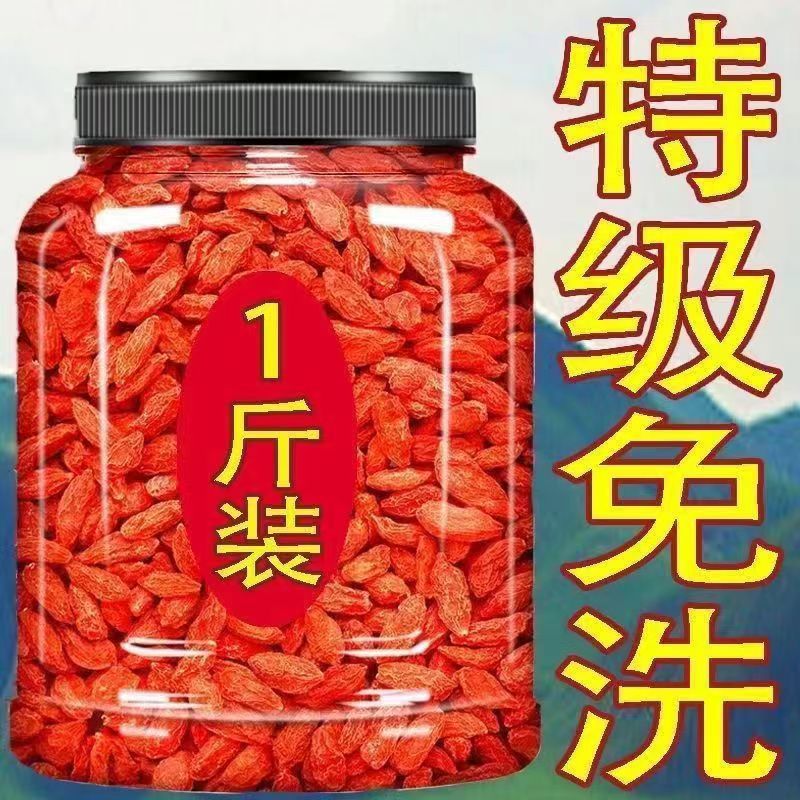
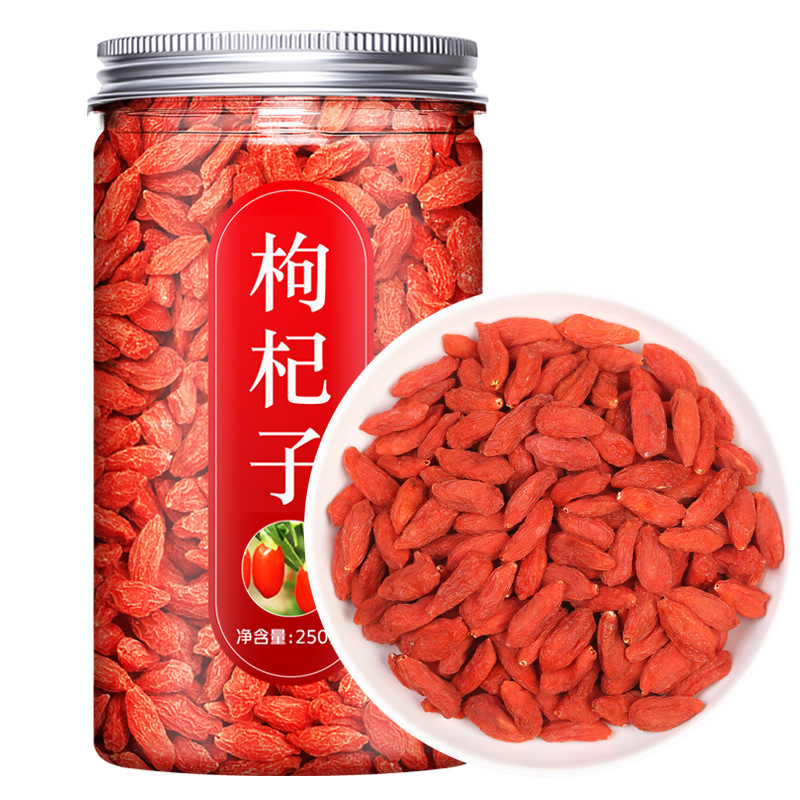
Ningxia Goji Berries Dried Wolfberry Fruit for Tea Soup and Congee 80g
Price range: $6.03 through $15.03
Description
Dried Ningxia Goji Berries, known in TCM as Gou Qi Zi (枸杞子), from Lycium barbarum. These sun-dried red wolfberry fruits are a classic Chinese herbal ingredient used in teas, soups, and congee. In TCM theory, goji berries are sweet in flavor and slightly warm in nature, traditionally associated with the Liver and Kidney channels. Enjoy them as a gentle daily herbal food in moderation.
Key Selling Points
- Identified as Gou Qi Zi (枸杞子), the dried ripe fruit of Lycium barbarum
- Sourced from Ningxia, a well-known goji berry growing region in China
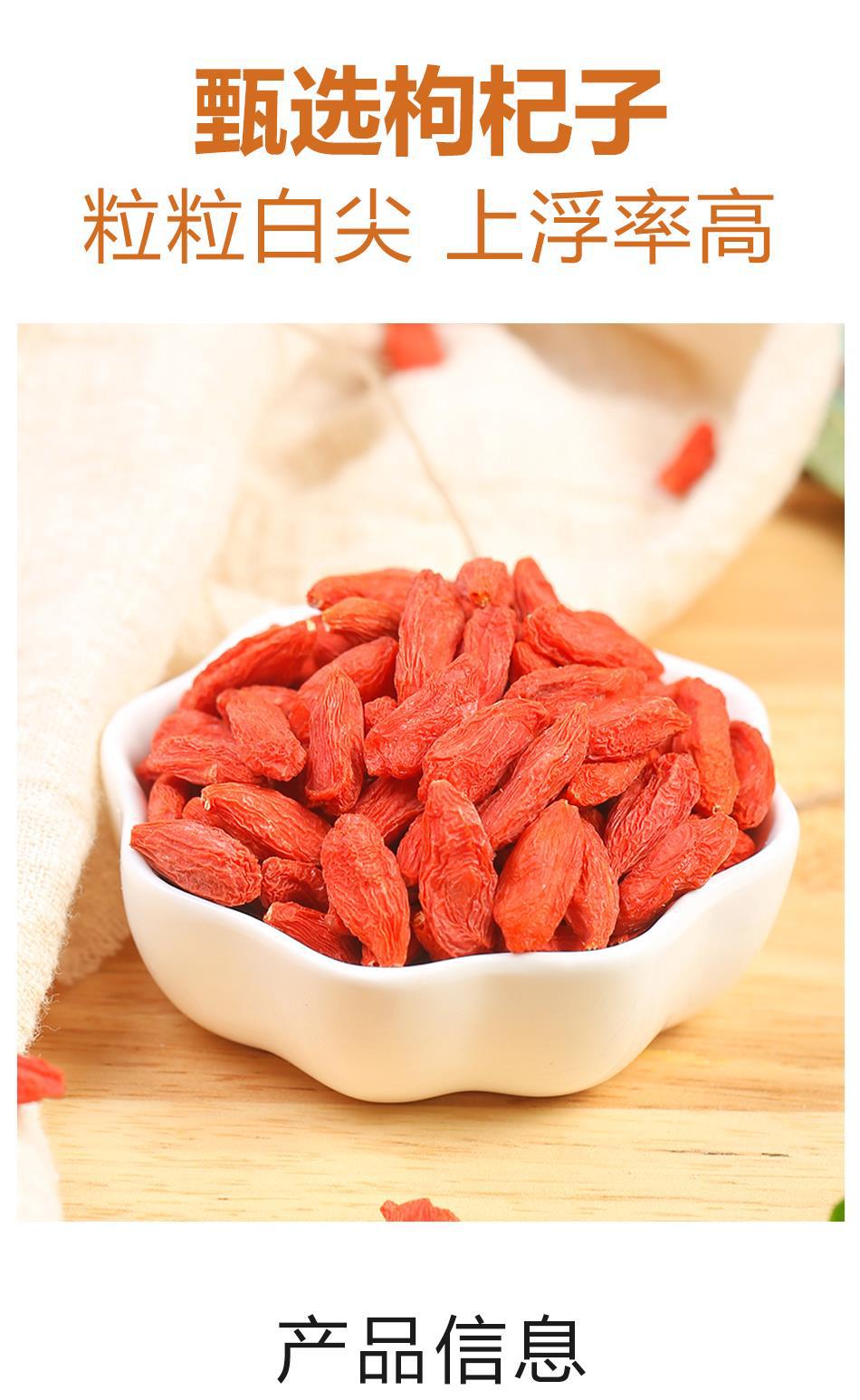
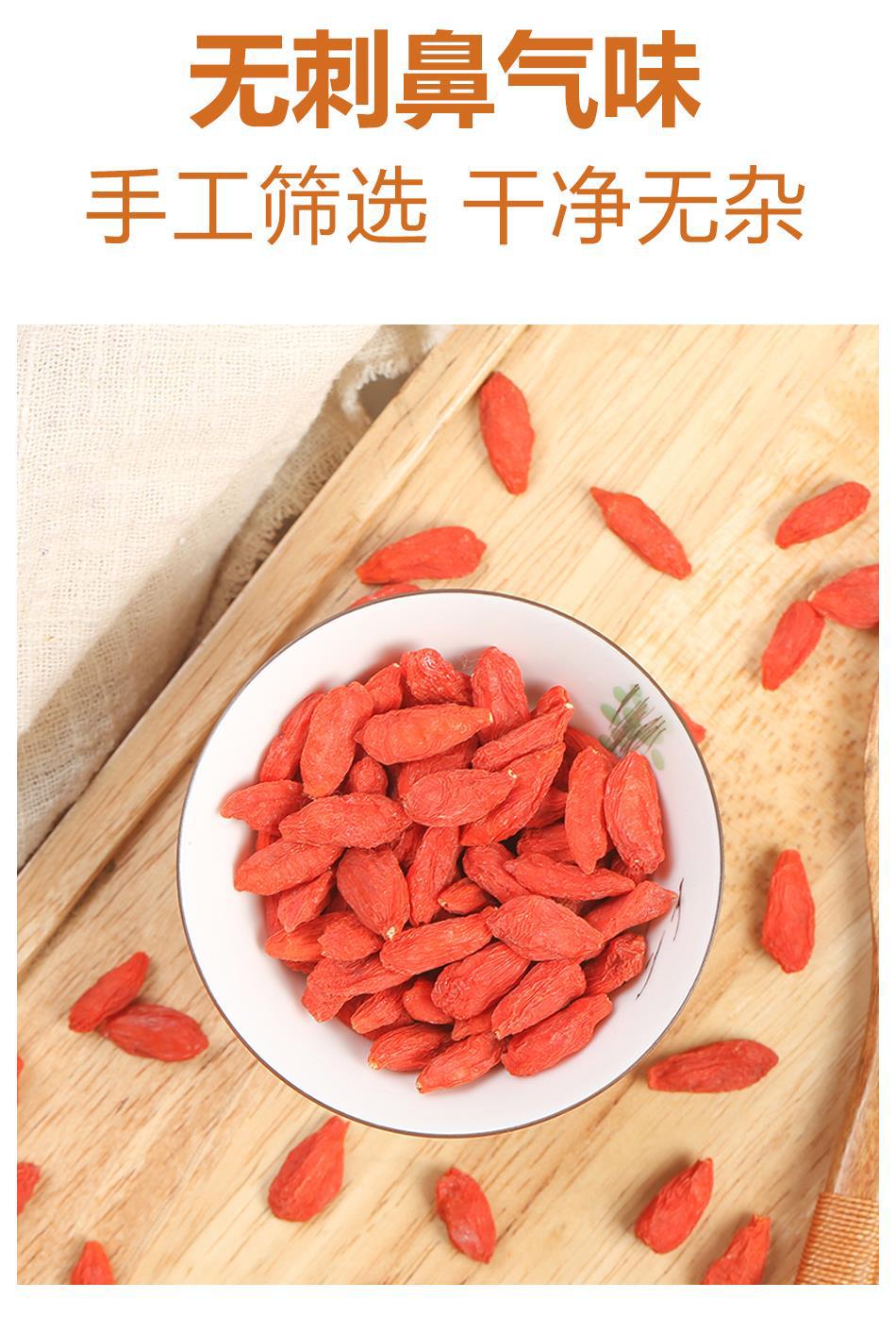
- Dried whole red berries with a naturally sweet mild flavor
- Traditional TCM herb associated with the Liver and Kidney channels
- Versatile ingredient for teas, soups, congee, and cooked dishes
Quality & Sensory
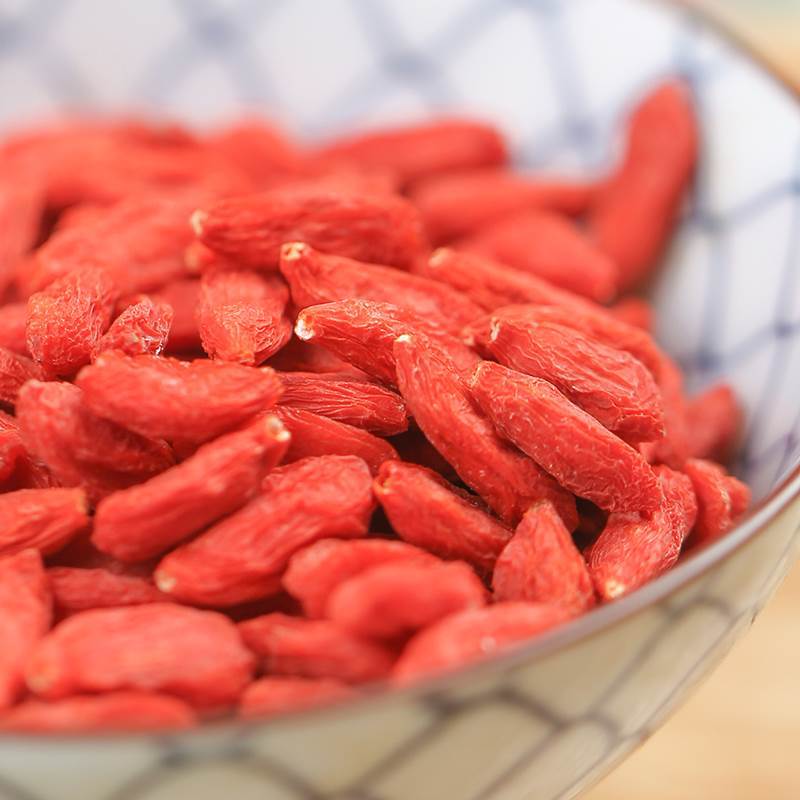
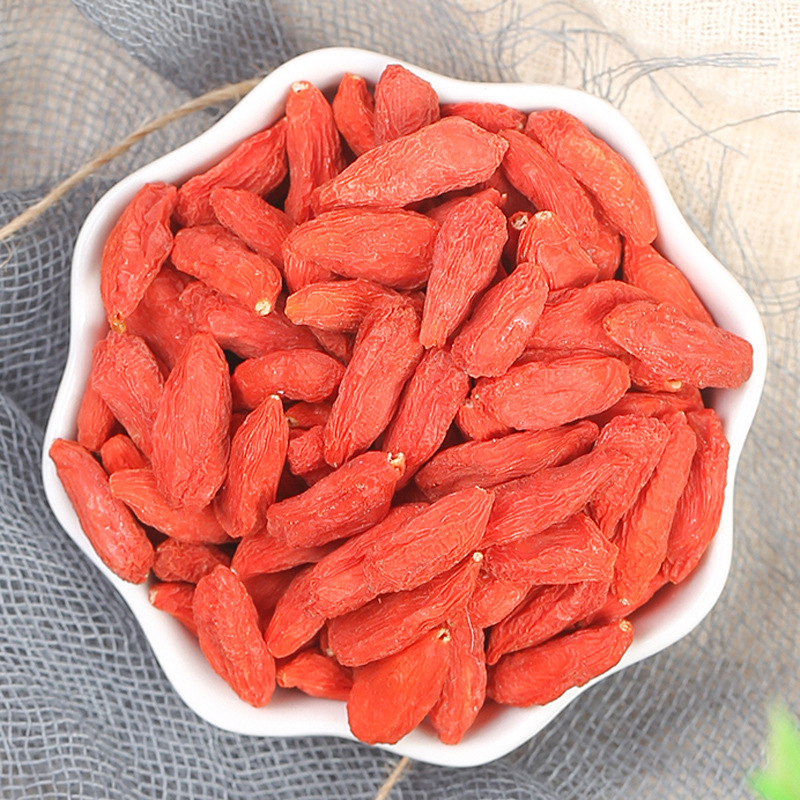
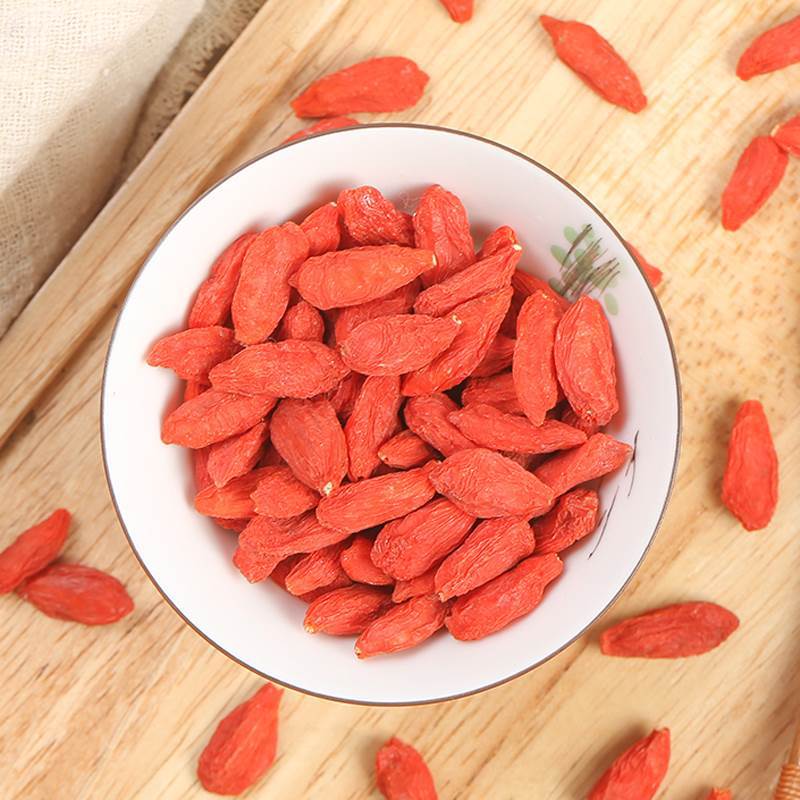
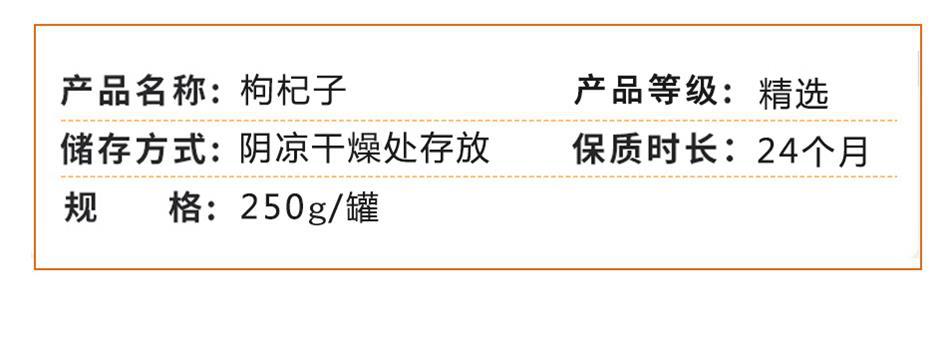
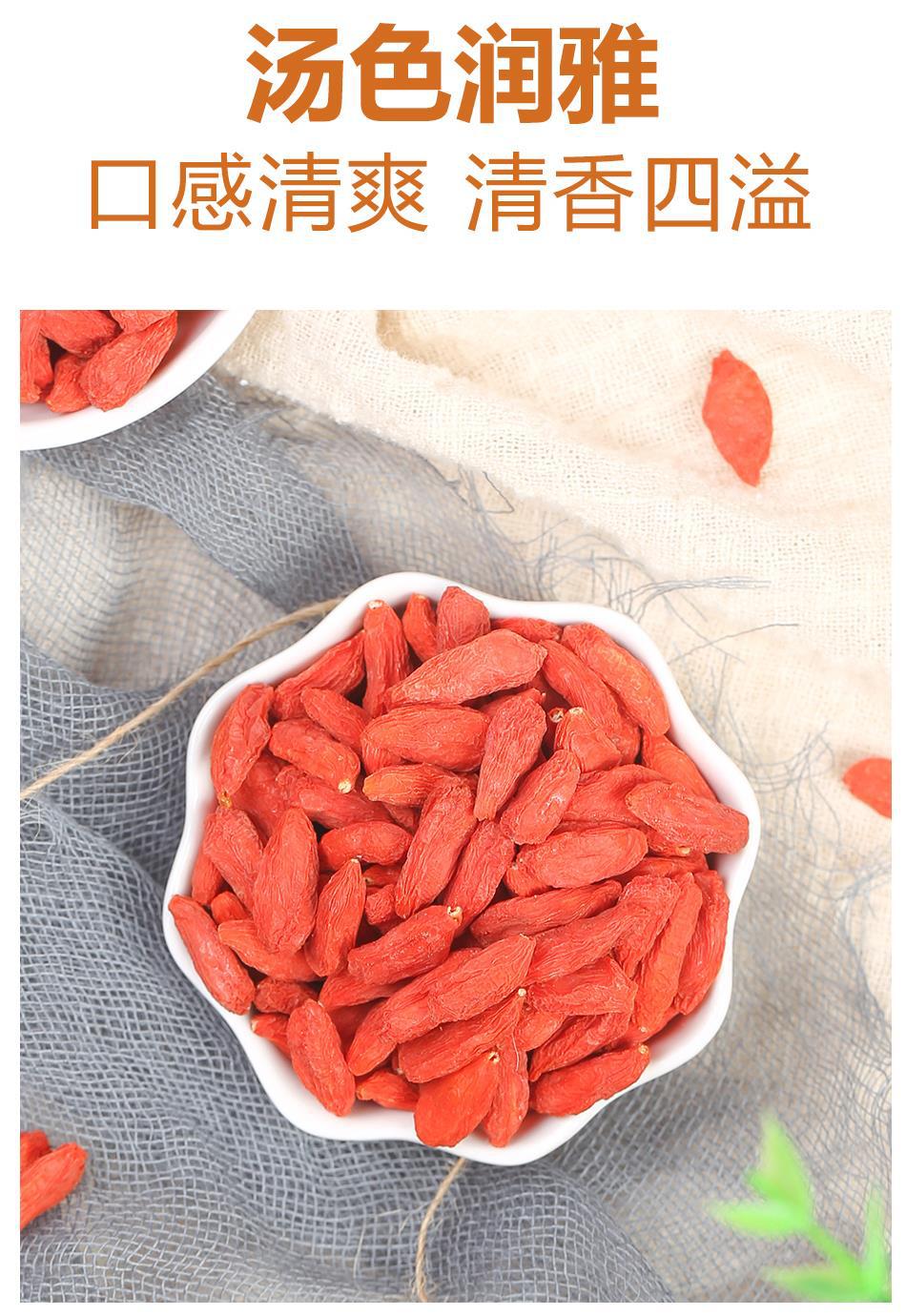
These dried goji berries are typically bright red to deep red in color with a slightly wrinkled surface and a soft, chewy texture. They have a mild, sweet, faintly fruity aroma. When brewed or cooked, they soften and impart a gentle natural sweetness to teas, soups, and congee.
Technical Specifications
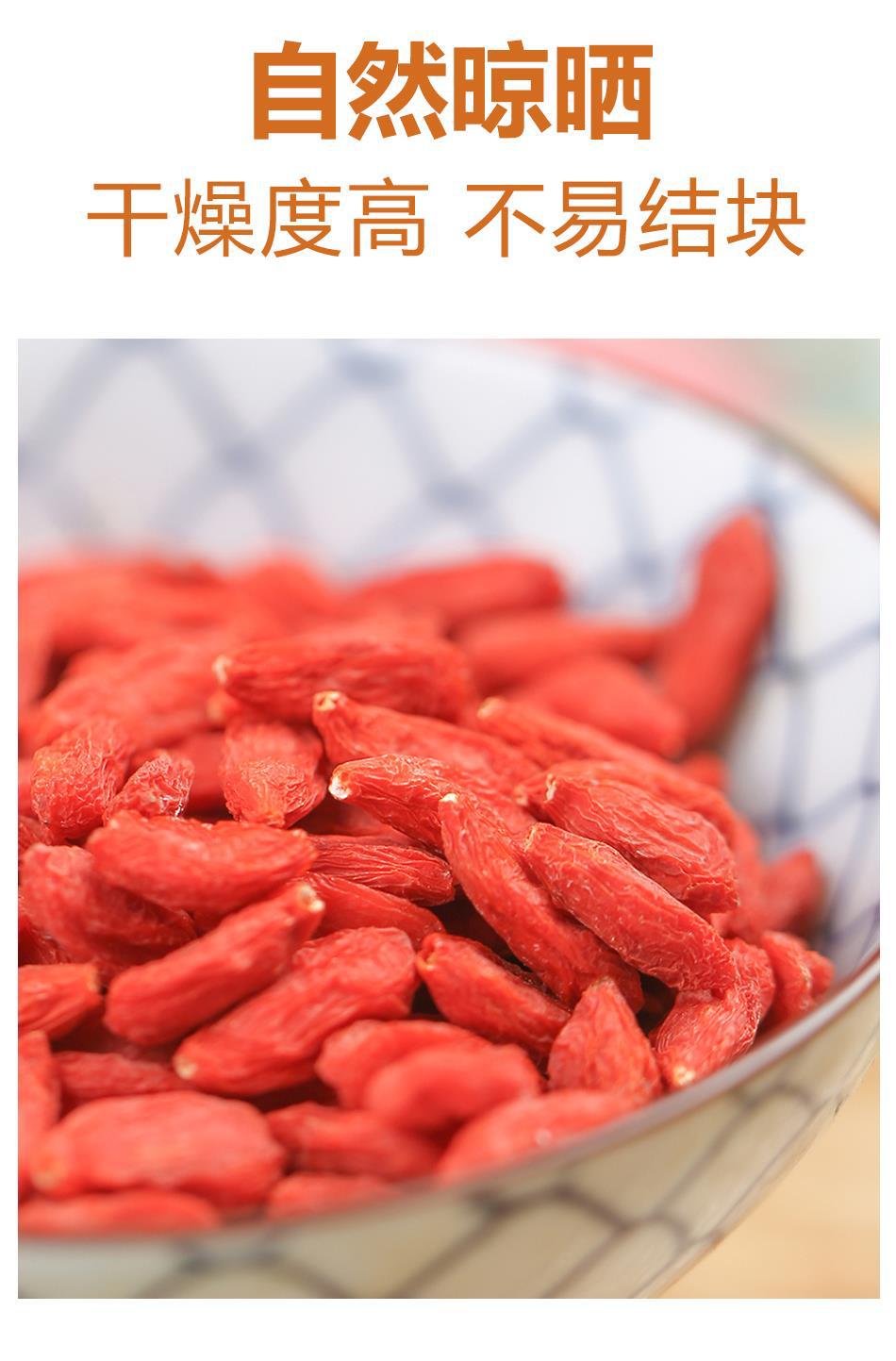
| Product Type | Dried goji berry fruit |
|---|---|
| Chinese Name | 枸杞子 |
| Pinyin | Gou Qi Zi |
| Botanical Name | Lycium barbarum |
| Plant Part | Ripe fruit |
| Form | Whole dried berries |
Usage Scenarios
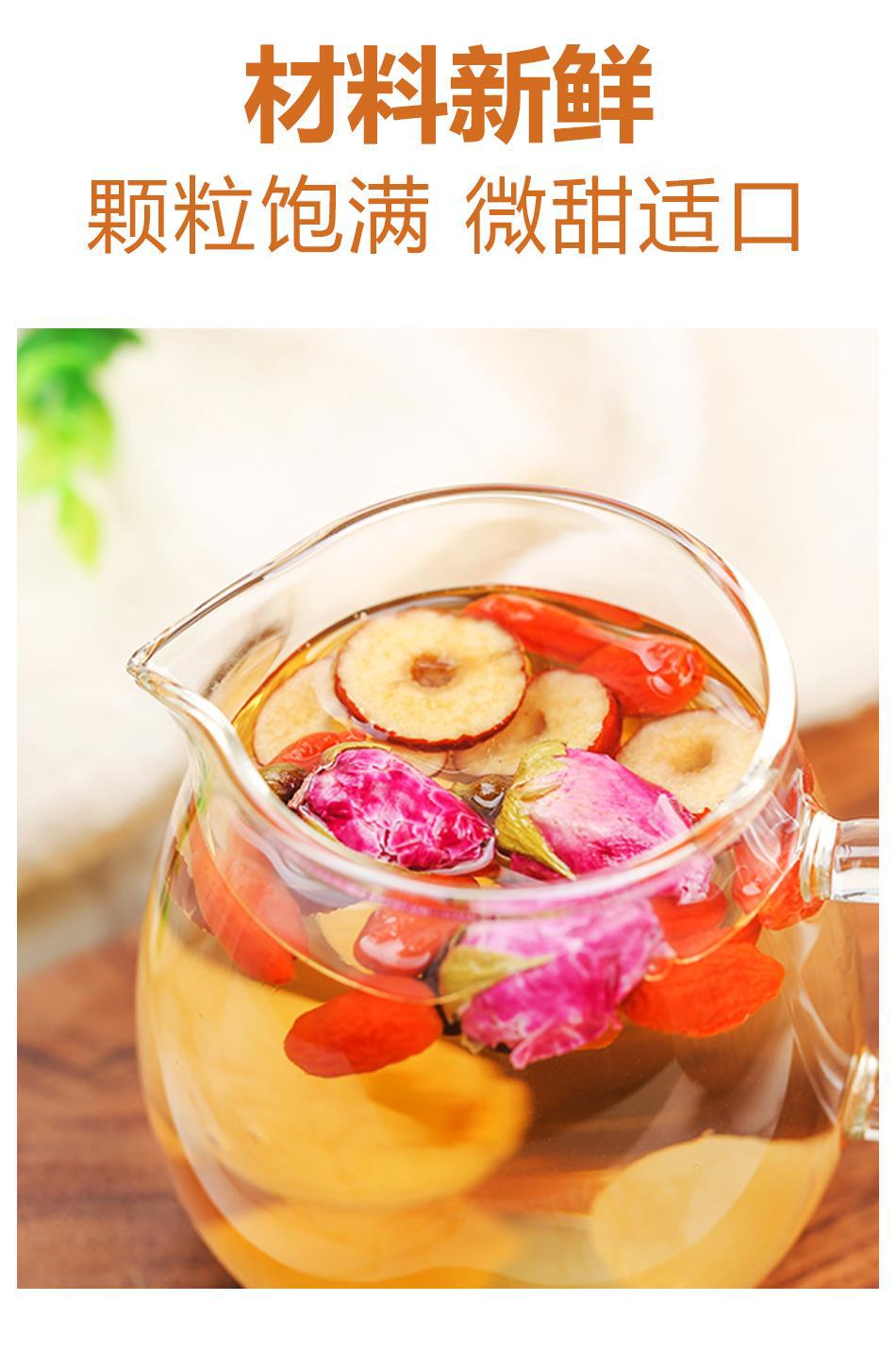
- Brewed as a simple herbal tea alone or with other herbs
- Added to soups and stews during cooking
- Cooked into congee or rice porridge
- Used as a mild sweetening ingredient in herbal decoctions
- Eaten as a ready-to-use dried fruit snack in moderation
Traditional Uses
In TCM theory, Gou Qi Zi is traditionally used in decoctions, teas, soups, and congee, often paired with herbs such as Ju Hua (chrysanthemum) or Shan Yao (Chinese yam). It is a common ingredient in traditional nourishing formulas and is often added to long-simmered soups and porridges for its sweet flavor and traditional wellness associations.
FAQ Q&A
Q: What are these goji berries?
A: They are dried ripe fruits of Lycium barbarum, known in TCM as Gou Qi Zi (枸杞子), sourced from Ningxia.
Q: What is their traditional value in TCM?
A: In TCM theory, goji berries are sweet and slightly warm, traditionally associated with the Liver and Kidney channels and used in nourishing herbal formulas.
Q: How are goji berries commonly used?
A: They are commonly brewed as tea, added to soups and stews, or cooked into congee. They can also be eaten directly as a dried fruit in moderation.

Additional information
| Weight | N/A |
|---|---|
| Dimensions | N/A |
| Model | 1罐 红枸杞 250g, 2罐 红枸杞 共500g, 3罐 红枸杞 共750g, 4罐 红枸杞 共2斤 主图款, 4罐 红枸杞 桂圆 桑葚 红枣, 4罐 红枸杞 桑葚 黑玛卡 红枣 男肾持久, 4罐 红枸杞 黑枸杞 桑葚 红枣, 4罐 红枸杞 黑枸杞 桑葚 胎菊, 3罐 红枸杞 黑枸杞 桑葚, 3罐 红枸杞 桂圆 红枣, 3罐 桑葚 黑枸杞 红枣, 3罐 红枸杞 黑枸杞 红枣, 3罐 红枸杞 红枣 玫瑰花, 3罐 红枸杞 胎菊 决明子, 2罐 红枸杞 桑葚, 尝新 红枸杞150g, 不推荐 红枸杞80g |
Related products
-
Dried Raspberry Fruit Fu Pen Zi Whole Berries for Herbal Tea and Wine Infusion 500g
Price range: $15.63 through $18.06 -
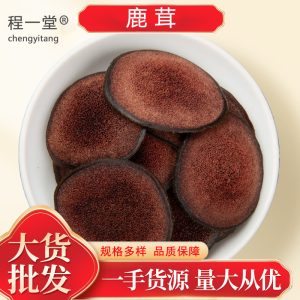
Deer Antler Slices Lu Rong 鹿茸片 Dried Slices for Wine Infusion and Soup 100g Wax Slices Pack
Price range: $68.29 through $92.59 -
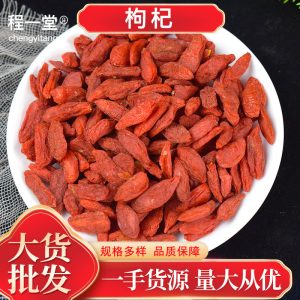
Ningxia Goji Berries Gou Qi Zi 500g Dried Red Wolfberry for Tea Soup and Snacking
Price range: $7.20 through $16.44 -
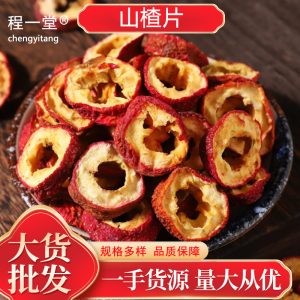
Dried Hawthorn Slices Shan Zha 500g Seedless Hollow Rings Freeze Dried Hawthorn for Tea and Culinary Use
Price range: $4.44 through $7.04
Reviews
There are no reviews yet.