
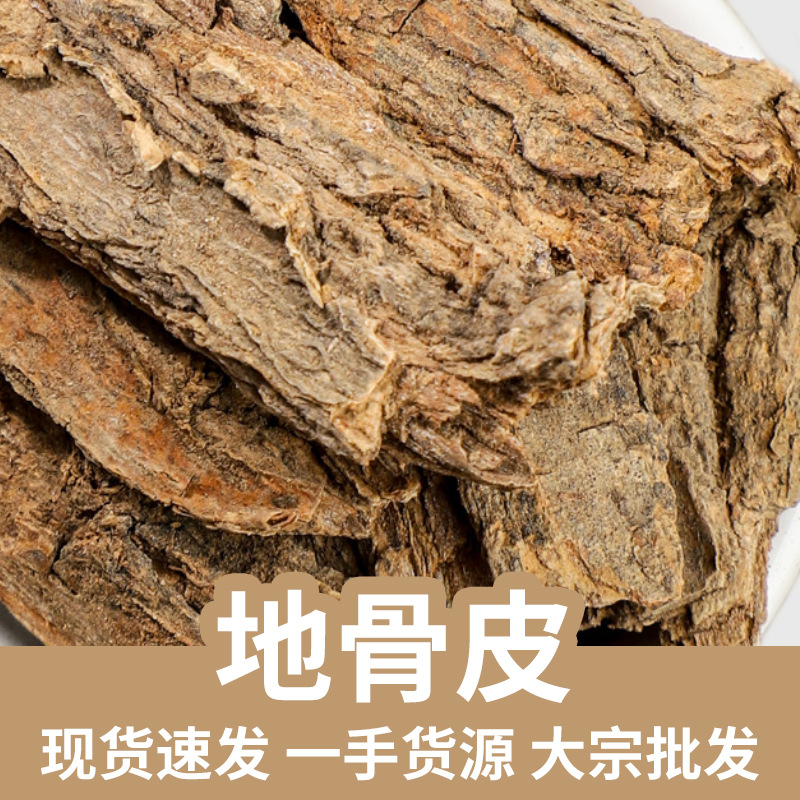
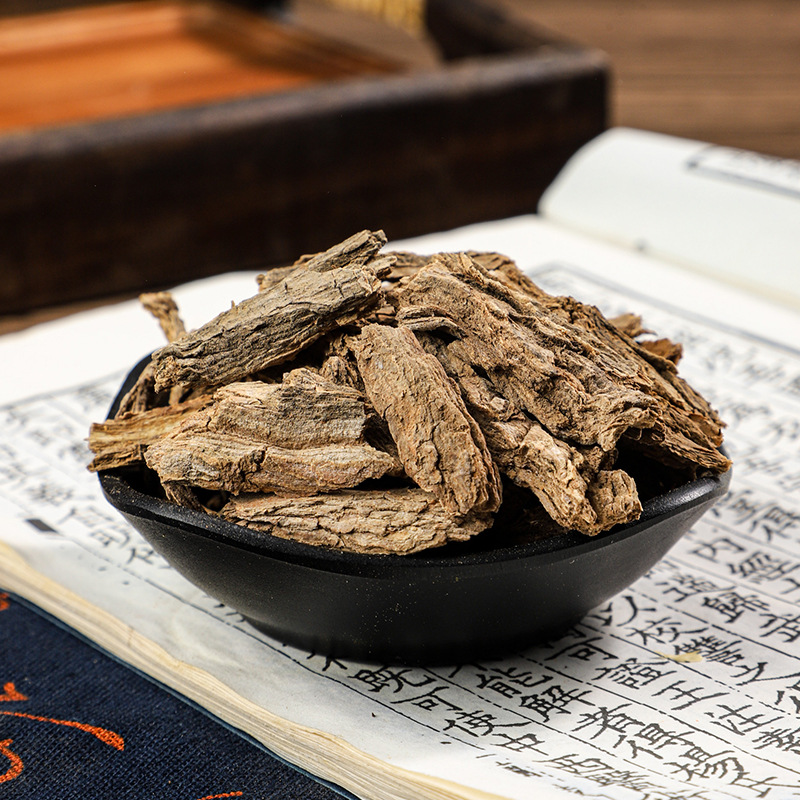
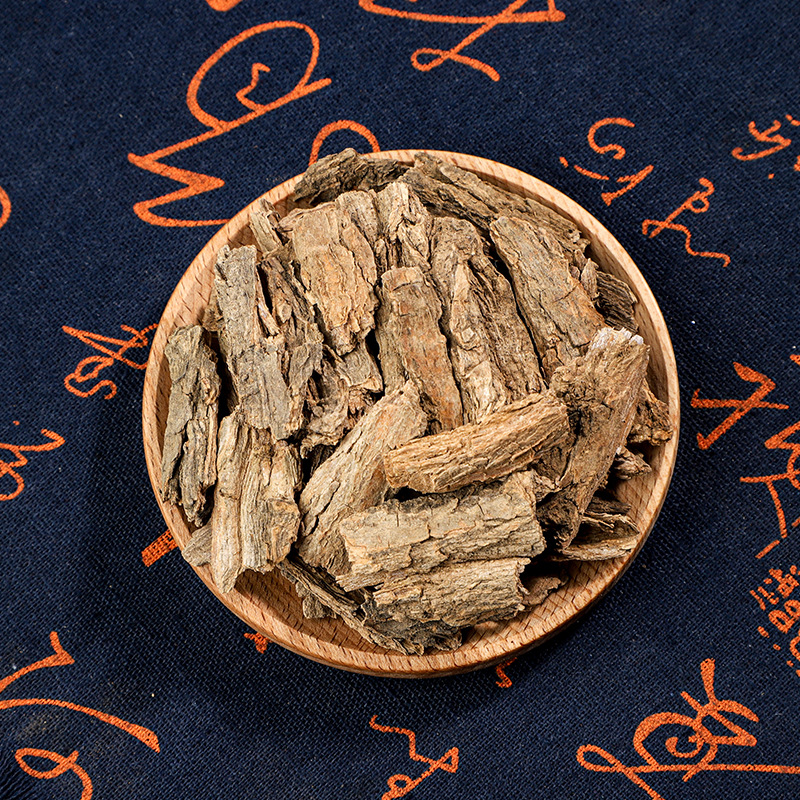


Dried Lycium Root Bark Di Huang Gu Pi 地骨皮 500g Traditional Herbal Tea Ingredient
Price range: $5.12 through $10.30
Description
Dried Lycium Root Bark, known in TCM as Di Gu Pi (地骨皮), from the root bark of Lycium chinense. This dried botanical is traditionally valued in Chinese herbal practice and is commonly used in decoctions and herbal teas. In TCM theory it is considered sweet and bland in flavor and cold in nature, traditionally associated with clearing heat. Store refrigerated and use as directed by a qualified herbal practitioner.

Key Selling Points
- Dried root bark of Lycium chinense supplied as loose raw herb
- Known in TCM as Di Gu Pi (地骨皮) with established traditional use
- Traditionally associated with clearing heat in classical Chinese herbal formulas
- Dried processing with 12-month shelf life and refrigerated storage
- Suitable for decoctions, herbal teas, and blended wellness formulas
Quality & Sensory
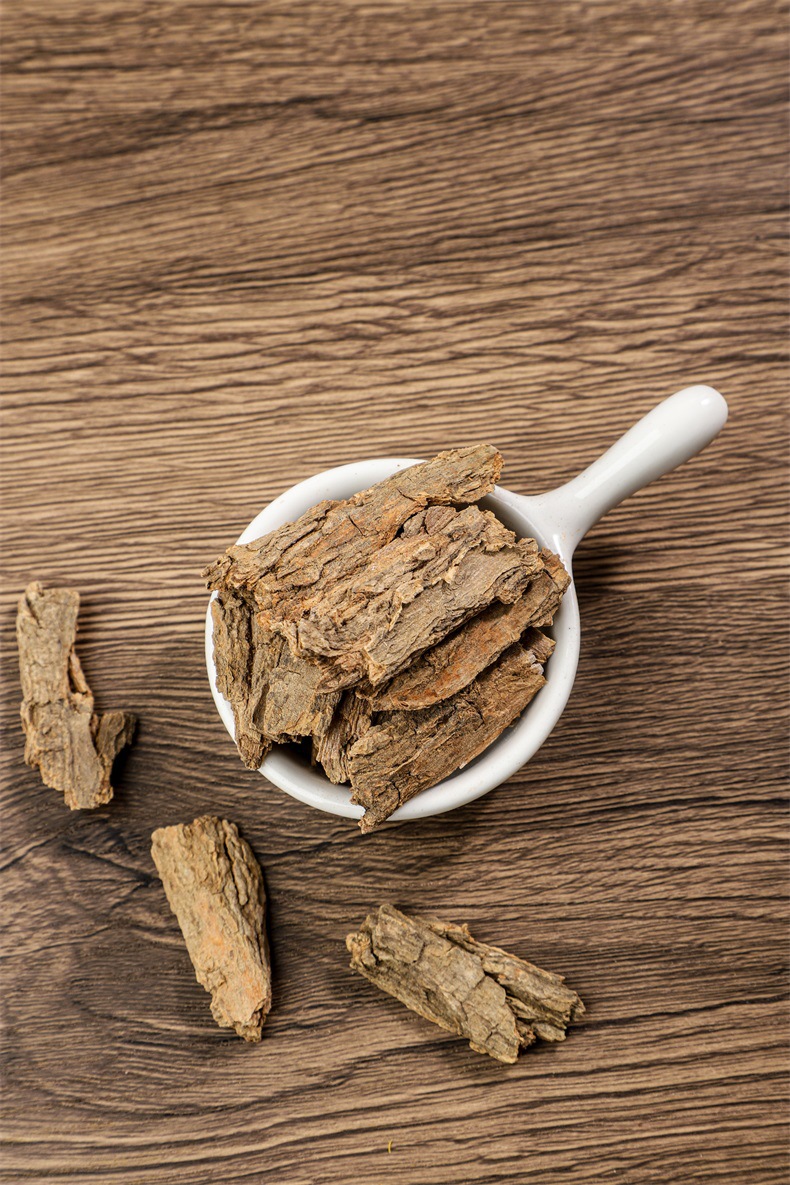
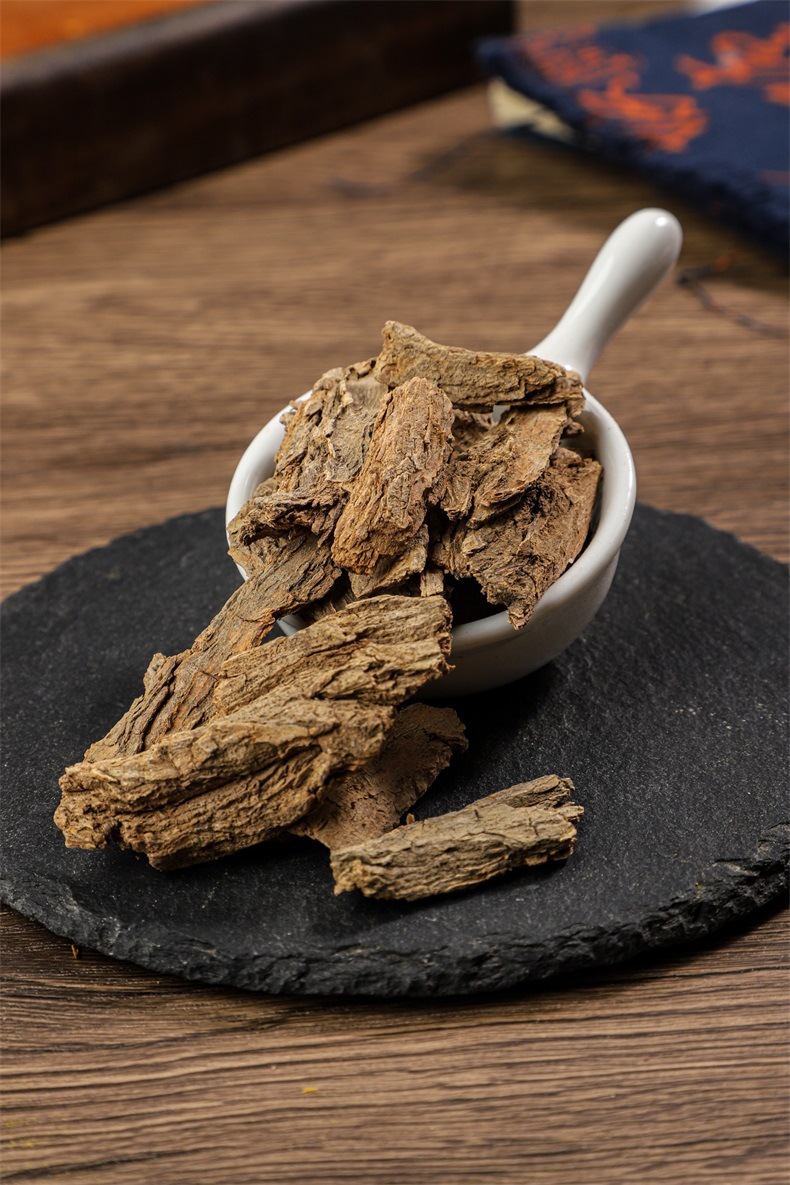
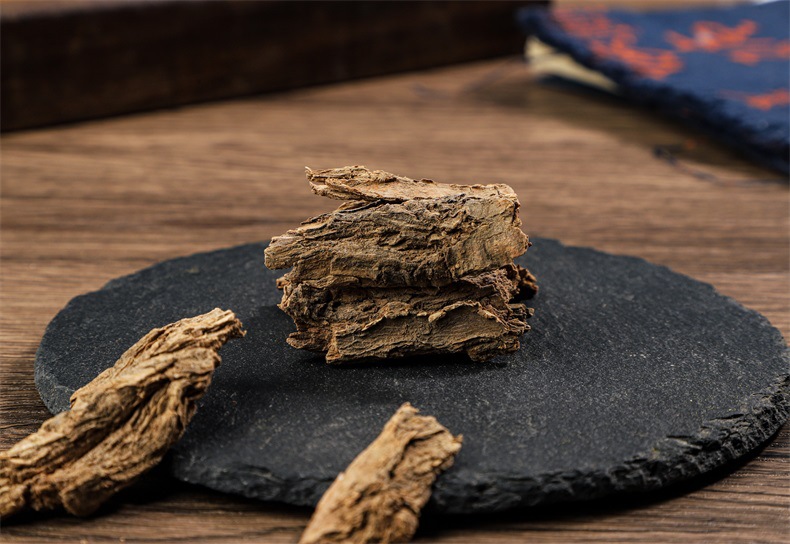
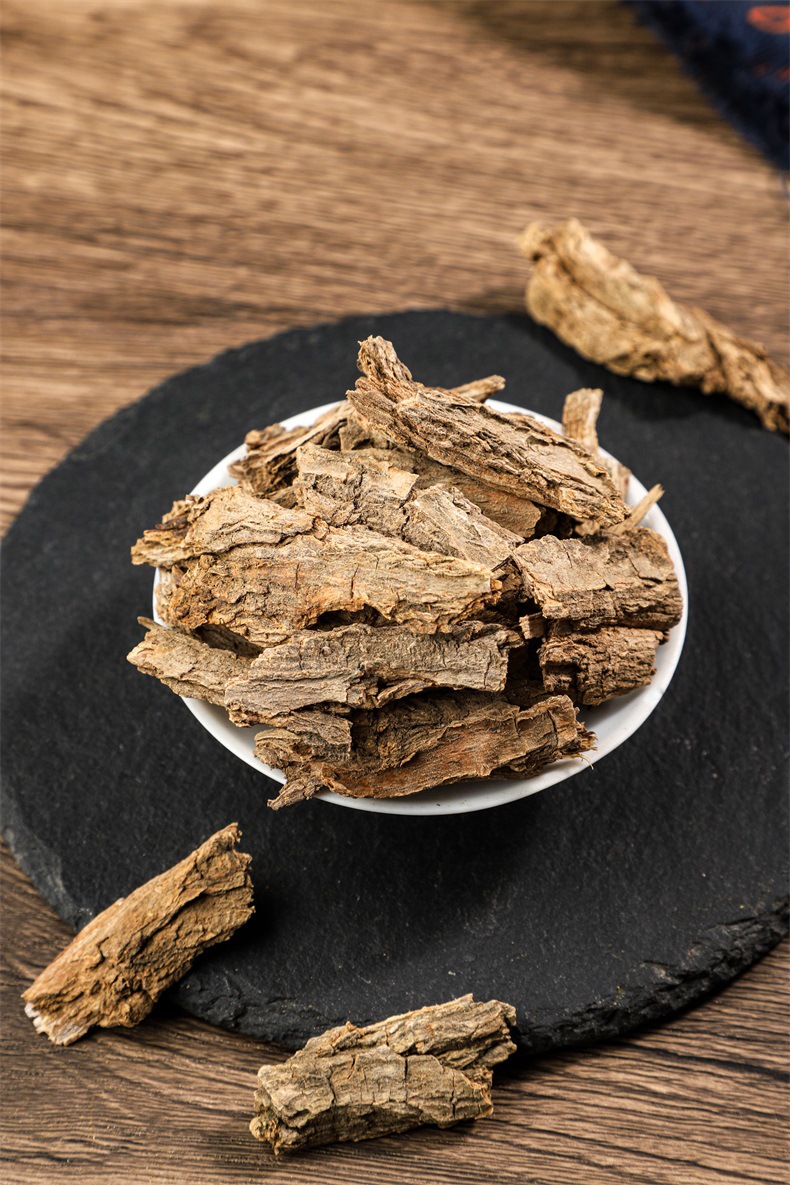
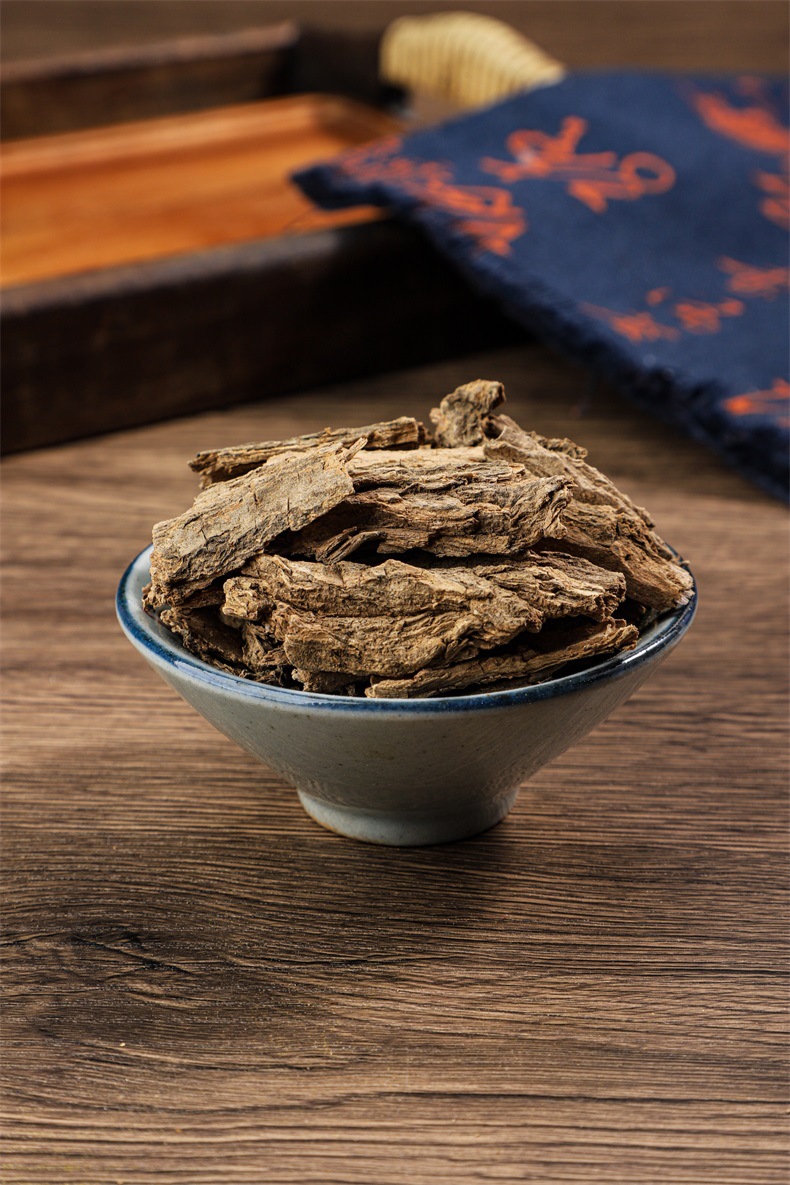
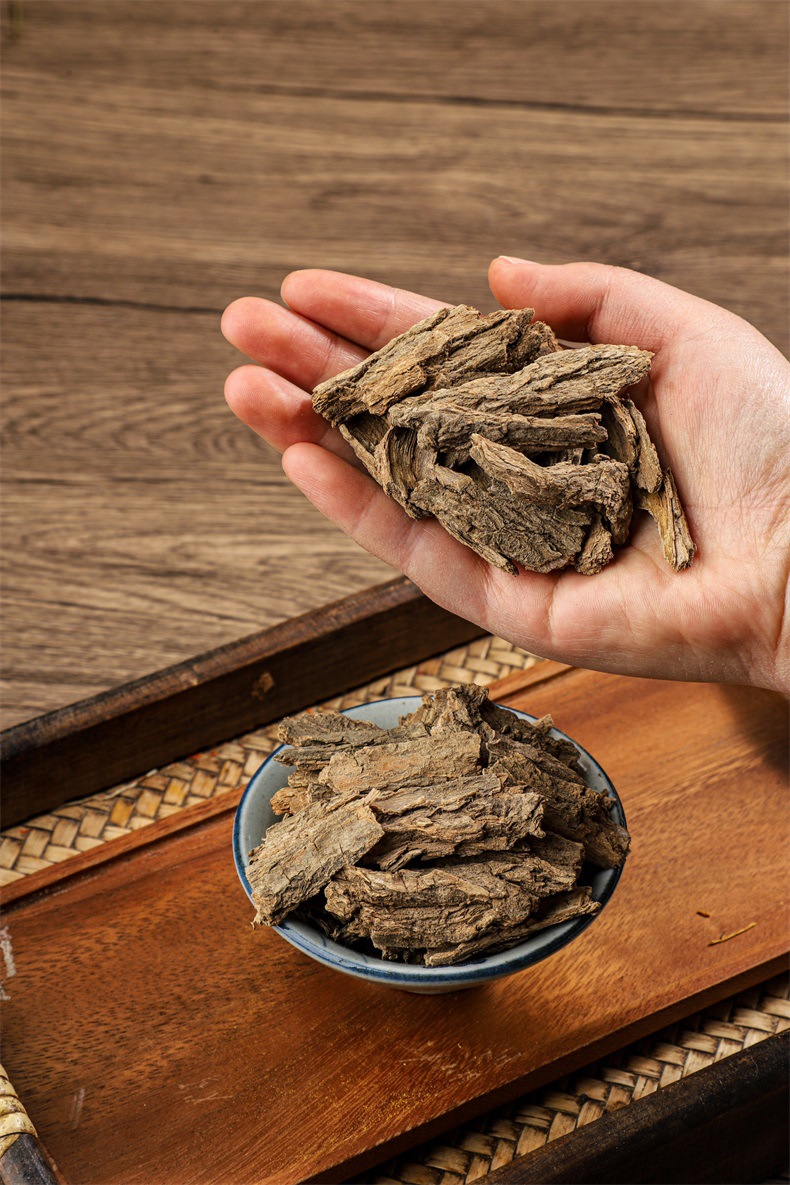
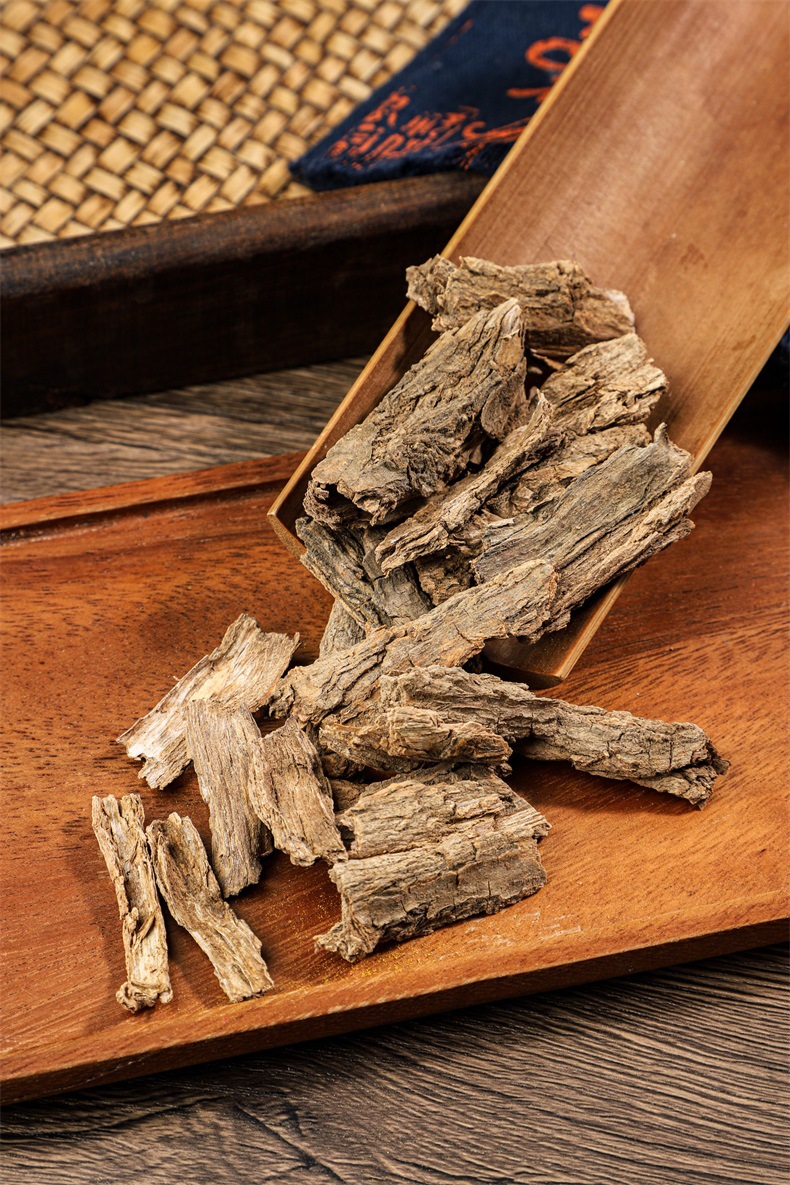
Typically light brown to yellowish-brown in color with a loose, papery, curled bark texture. The aroma is typically mild and slightly herbal, and when simmered the resulting liquid usually carries a faintly sweet, bland taste.
Technical Specifications
| Product Type | Raw Herb |
|---|---|
| Chinese Name | 地骨皮 |
| Pinyin | Di Gu Pi |
| Botanical Name | Lycium chinense |
| Plant Part | Root Bark |
| Net Weight | 500g |
Usage Scenarios
- Simmered into traditional herbal decoctions
- Brewed as a mild herbal tea ingredient
- Combined with other botanicals in wellness soup packs
- Used in seasonal herbal blends prepared at home
Traditional Uses
In TCM practice, Di Gu Pi has long been used in decoctions and cooling herbal teas, often paired with herbs such as Sang Bai Pi or Yin Chai Hu in classical formulas. It is traditionally associated with clearing heat and is sometimes included in daily wellness drinks during warm seasons. Preparation typically involves simmering the bark in water before straining.
FAQ Q&A
Q: What is this product?
A: It is dried root bark of Lycium chinense, known in TCM as Di Gu Pi (地骨皮), supplied as a loose raw herb.
Q: What is its traditional value?
A: In TCM theory it is sweet and bland in flavor and cold in nature, traditionally associated with clearing heat.
Q: How is it commonly prepared?
A: It is typically simmered in water for decoctions or steeped as part of herbal tea blends, following guidance from a qualified practitioner.
Additional information
| Weight | N/A |
|---|---|
| Dimensions | N/A |
| Packaging specifications | Diguopi 500g, Hawthorn bark 250g, Hawthorn bark 100g, Hawthorn bark 50g |
Related products
-
Dried Raspberry Fruit Fu Pen Zi Whole Berries for Herbal Tea and Wine Infusion 500g
Price range: $15.63 through $18.06 -
Dried Polygala Root Yuan Zhi 500g Traditional Chinese Herb for Decoction
Price range: $18.87 through $24.54 -
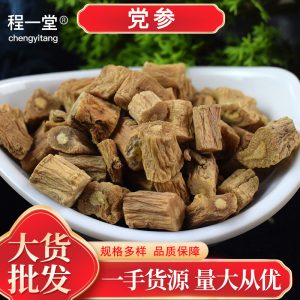
Dried Codonopsis Root Slices Dang Shen 500g Bulk Supply for Soups and Herbal Decoctions
Price range: $10.28 through $18.06 -
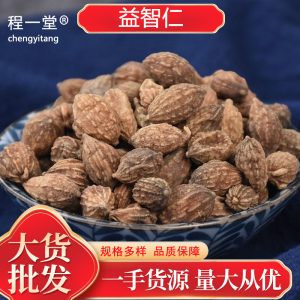
Yi Zhi Ren Dried Alpinia Oxyphylla Fruit 500g Traditional Herbal Tea and Decoction Ingredient
Price range: $11.74 through $13.36
Reviews
There are no reviews yet.