
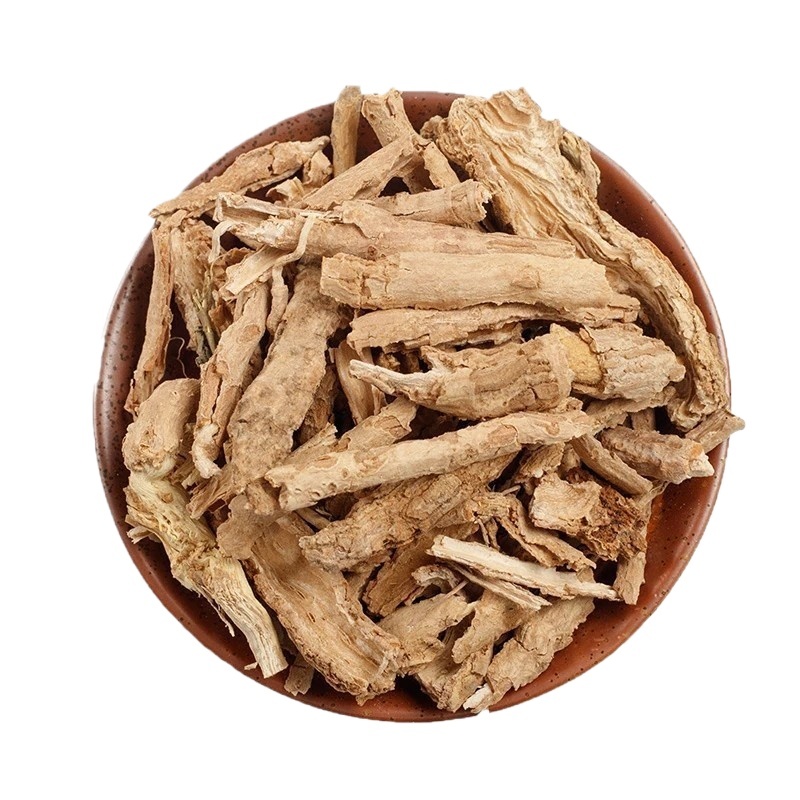
Di Gu Pi Dried Lycium Root Bark 500g Traditional Chinese Herb for Decoction and Herbal Tea
Price range: $6.33 through $15.31
Description
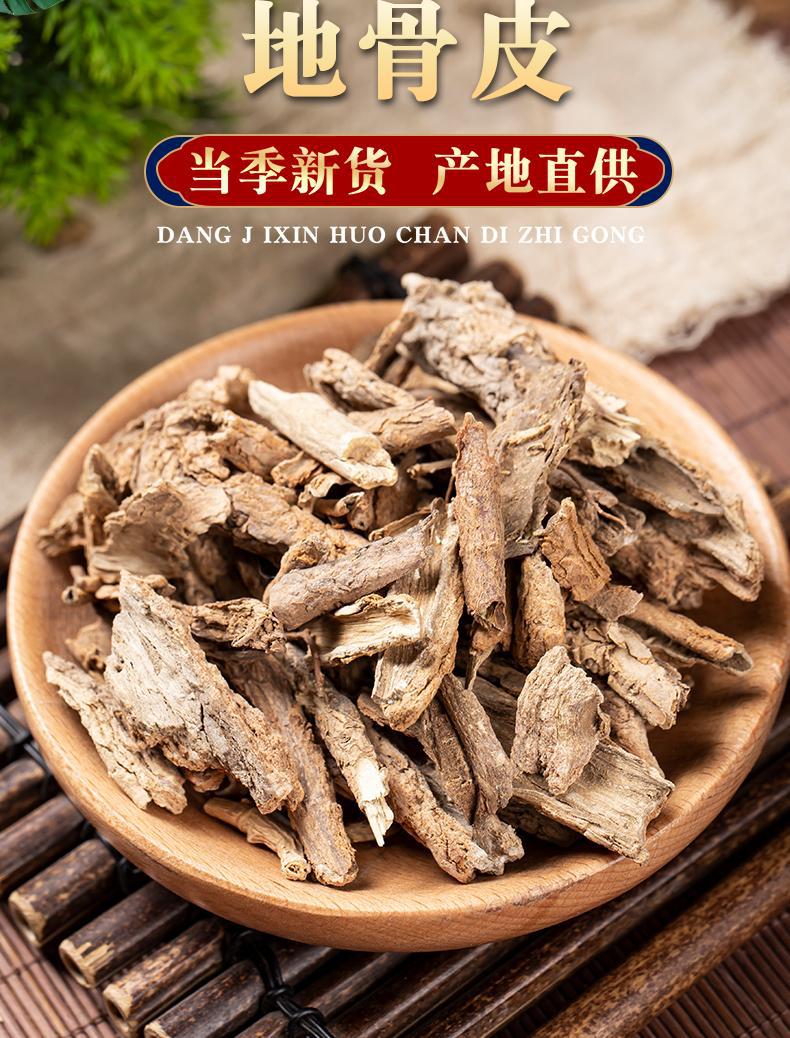
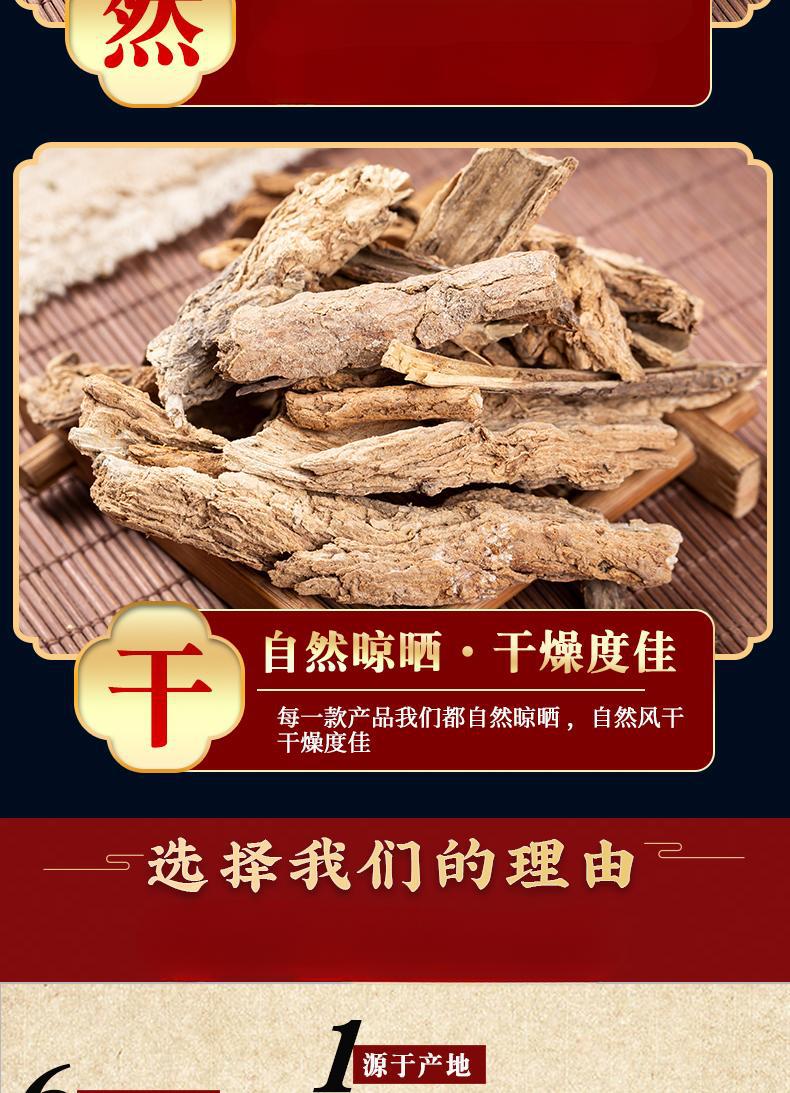
Di Gu Pi (地骨皮) is the dried root bark of Lycium chinense or Lycium barbarum, the goji plant, offered here as loose cut bark pieces. In TCM theory it is sweet and bland in flavor and cold in nature, traditionally associated with the lung, liver, and kidney channels. Traditionally used in decoctions and herbal teas, it is a staple raw herb for home herbal practice. Store in a cool dry place.
Key Selling Points
- Dried root bark of the goji plant, known in TCM as Di Gu Pi (地骨皮)
- Botanical source Lycium chinense or Lycium barbarum, supplied as loose bark pieces
- Traditionally associated with clearing deficiency heat in classical Chinese herbal formulas
- Naturally sun-dried processing with no further treatment
- Suitable for decoctions, herbal teas, and soup preparations
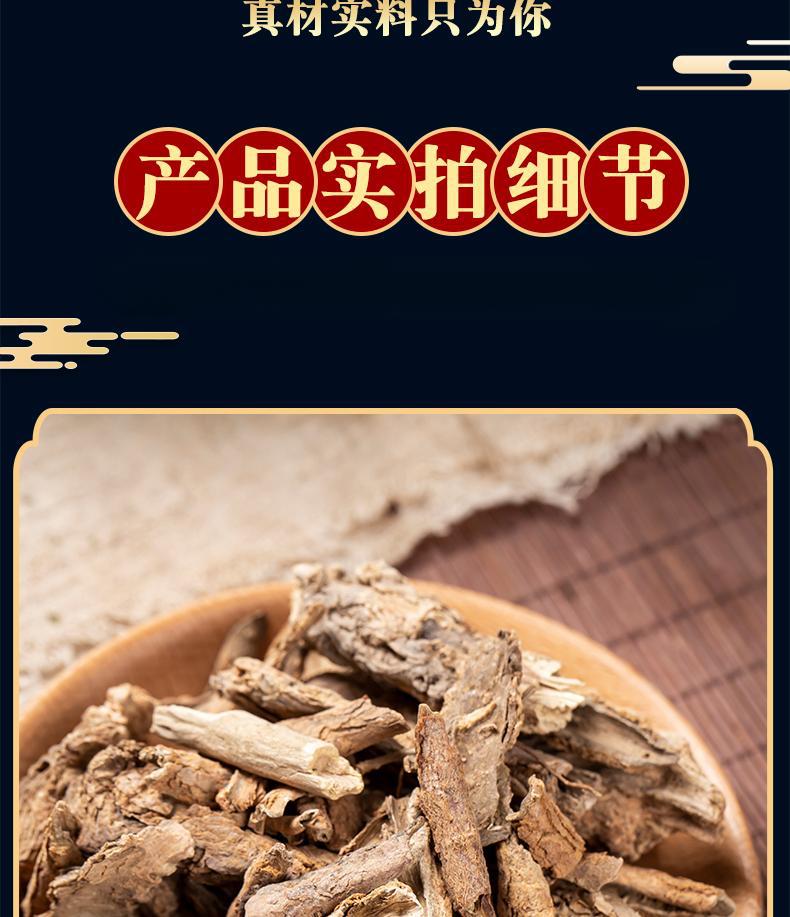
Quality & Sensory
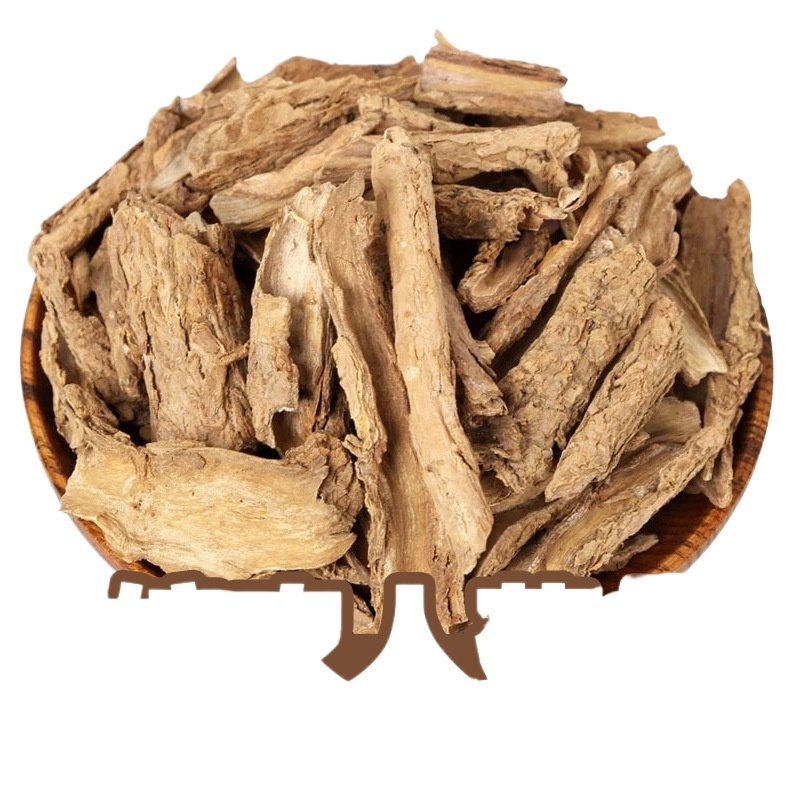
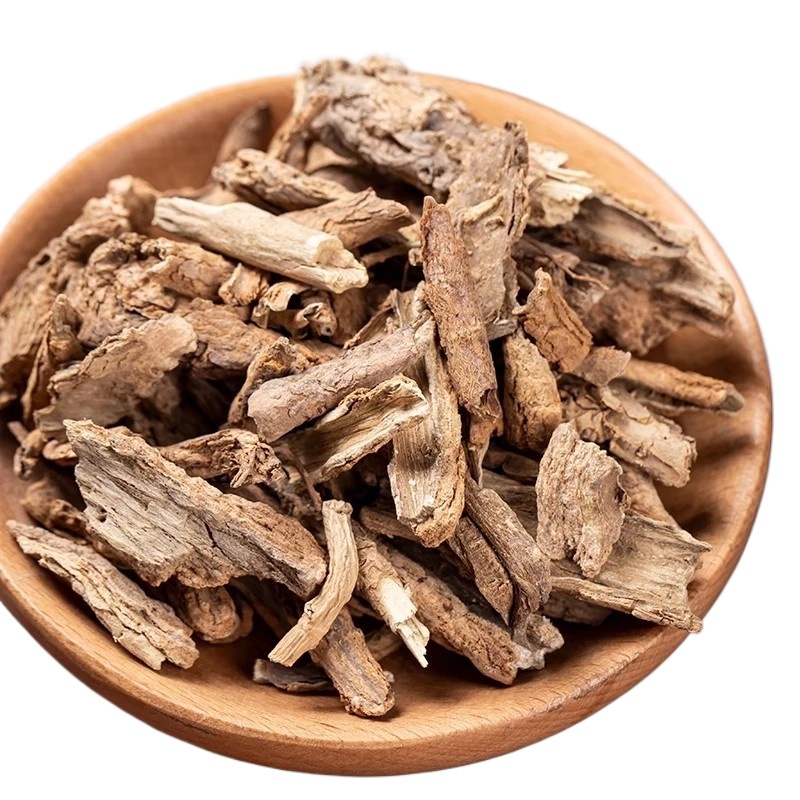
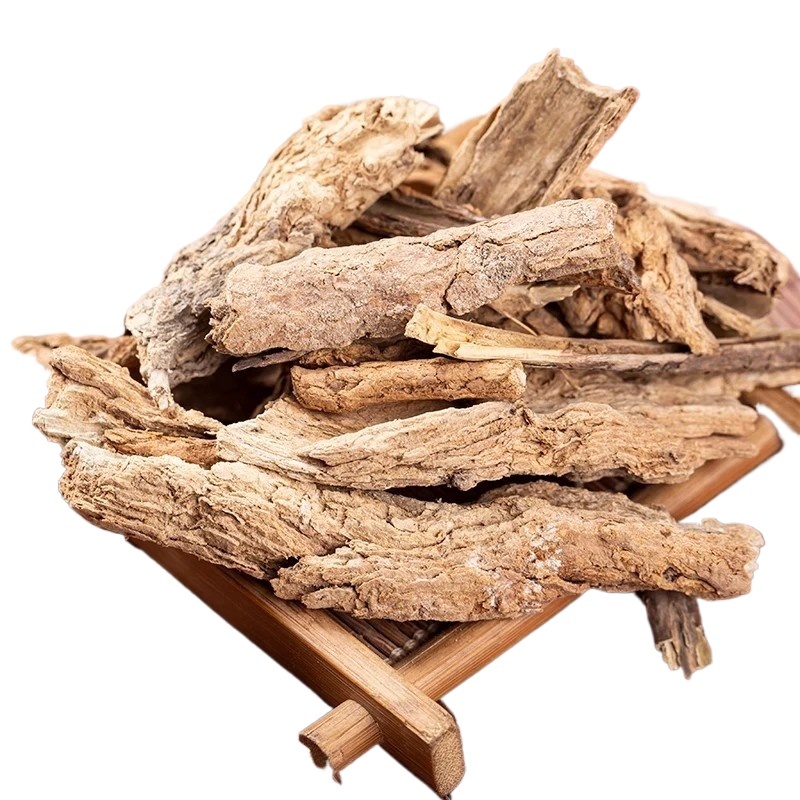
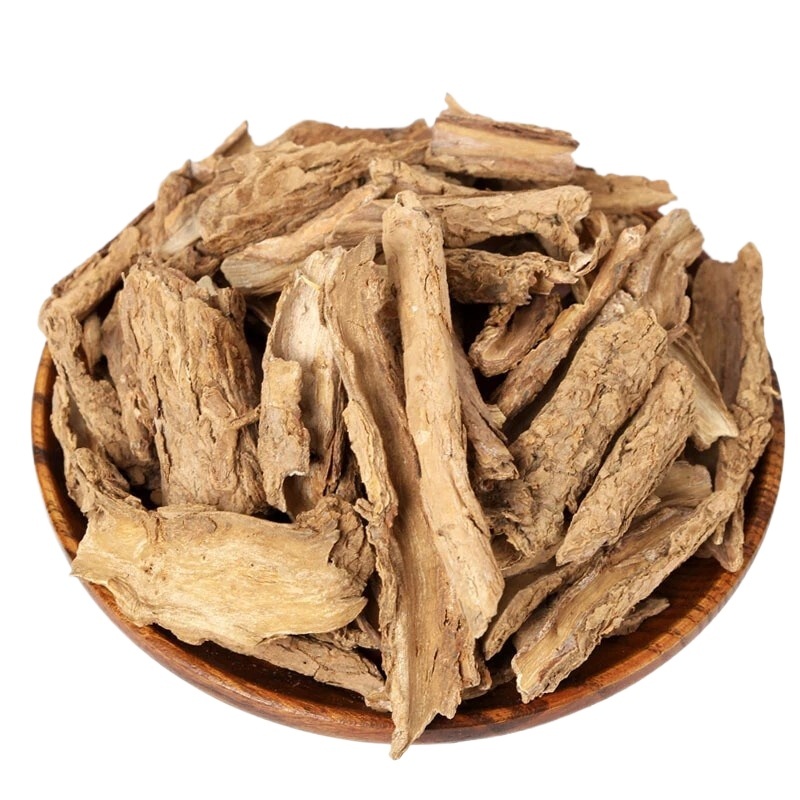
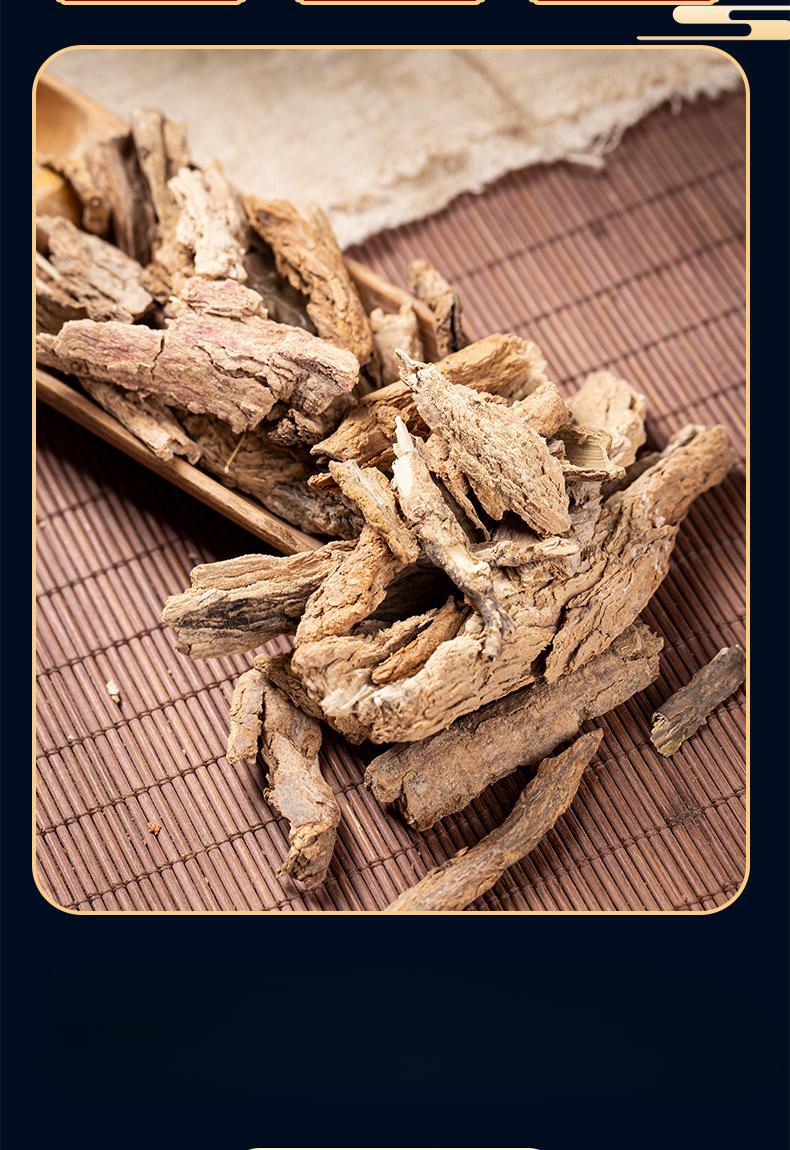
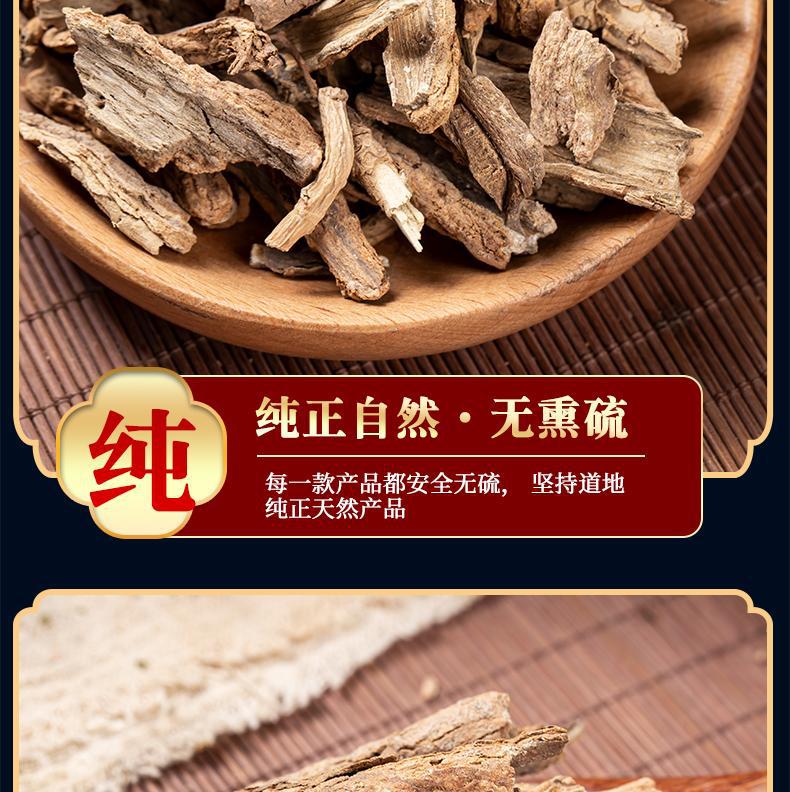
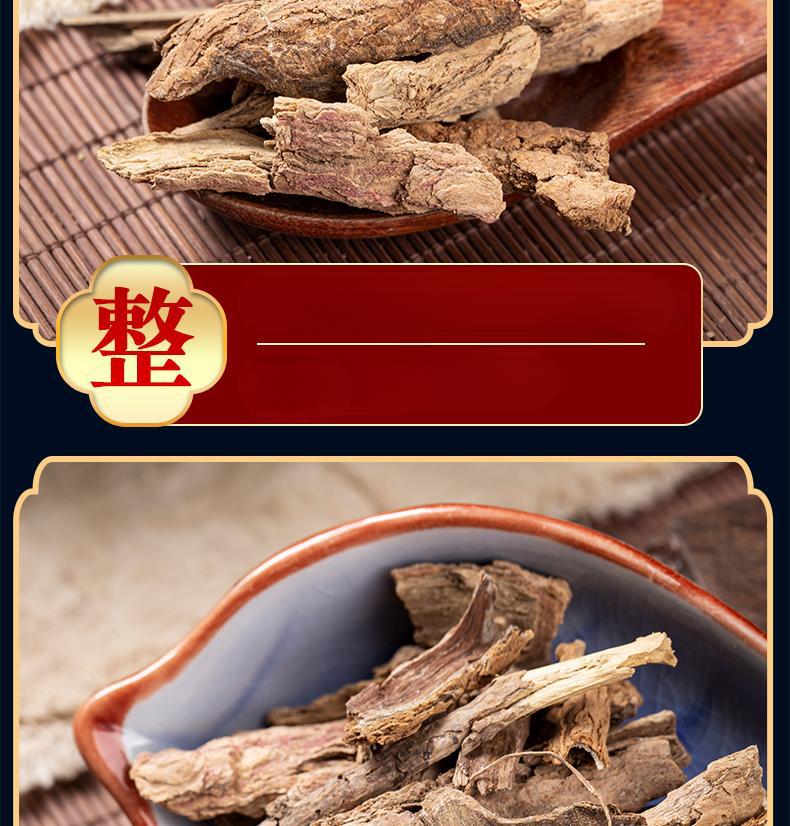
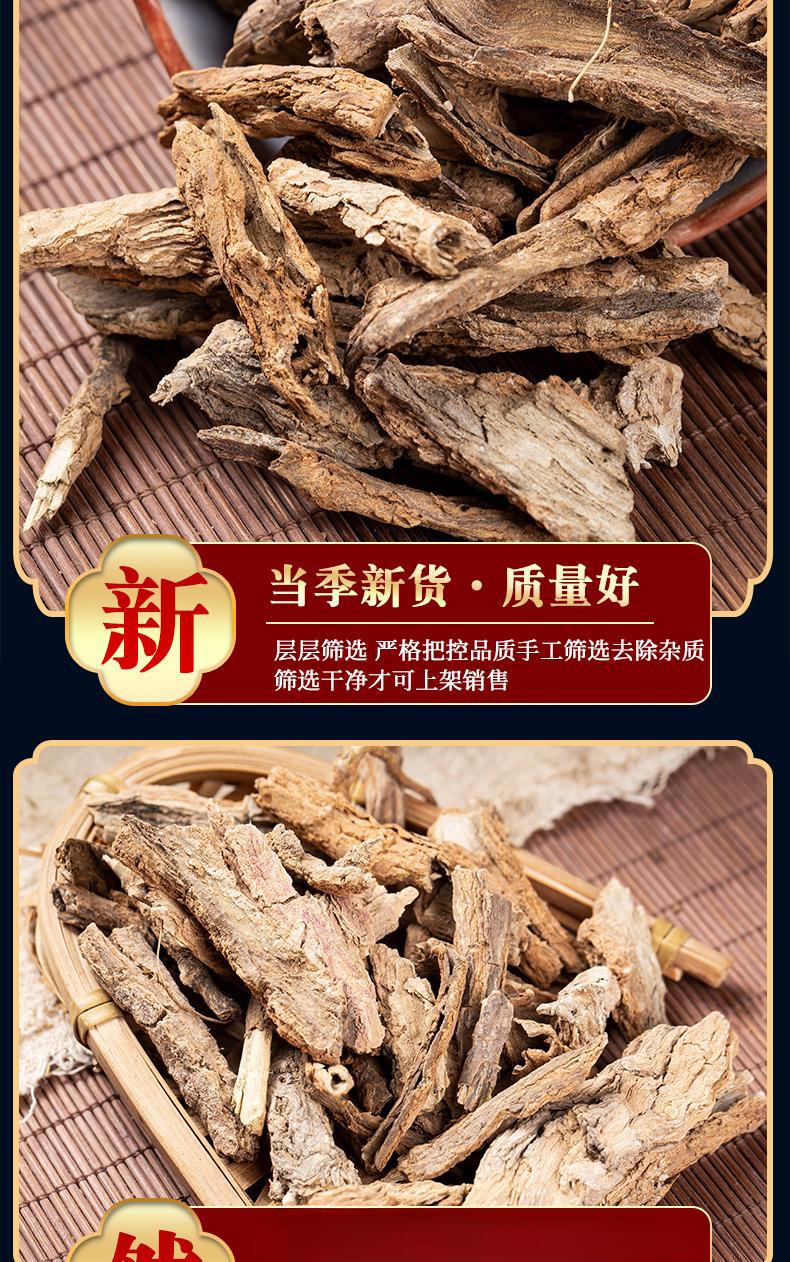
Typically the bark pieces are pale yellowish-brown to grayish-brown with a loose, light, slightly flaky texture. The aroma is mild and faintly herbal, and a simmered decoction typically tastes gently bitter with a subtle sweet aftertaste.
Technical Specifications
| Product Type | Raw Chinese herb |
|---|---|
| Chinese Name | 地骨皮 |
| Pinyin | Di Gu Pi |
| Botanical Name | Lycium chinense / Lycium barbarum |
| Plant Part | Dried root bark |
| Processing | Naturally sun-dried |
Usage Scenarios
- Simmer into a traditional herbal decoction
- Brew as a light herbal tea, often paired with other herbs
- Add to herbal soup preparations
- Use in seasonal wellness recipes at home

Traditional Uses
In TCM practice, Di Gu Pi is traditionally used to clear deficiency heat, cool the blood, and support lung comfort, appearing in classical formulas such as Di Gu Pi San. It is commonly simmered with herbs like Sang Bai Pi or combined in decoctions and cooling teas. Folk practice also uses it in soups and seasonal drinks during warm months.
FAQ Q&A
Q: What is this product?
A: It is dried goji root bark, known in TCM as Di Gu Pi (地骨皮), supplied as loose raw herb pieces.
Q: What is it traditionally used for?
A: In TCM theory it is cold in nature and traditionally associated with clearing deficiency heat and cooling the blood. It appears in classical decoctions and cooling herbal teas.
Q: How is it commonly prepared?
A: It is typically simmered in water for a decoction or added to herbal soups. Consult a qualified practitioner for guidance on amount and suitability.
Additional information
| Weight | N/A |
|---|---|
| Dimensions | N/A |
| Packaging specifications | 100 grams, 250 grams, 500 grams, 1000 grams |
Related products
-
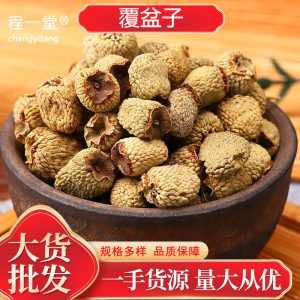
Dried Raspberry Fruit Fu Pen Zi Whole Berries for Herbal Tea and Wine Infusion 500g
Price range: $15.63 through $18.06 -
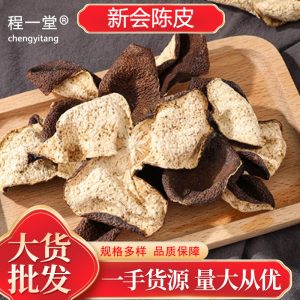
Xinhui Chenpi Dried Tangerine Peel 500g Sun Dried Aged Peel for Soup and Tea
Price range: $60.19 through $116.90 -
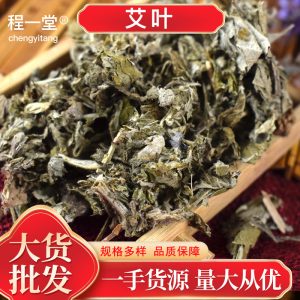
Dried Mugwort Leaf Ai Ye 500g Chinese Herbal Bath Foot Soak and Smoke Cleansing Herb
Price range: $4.77 through $5.25 -
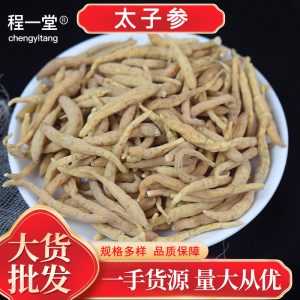
Taizishen Dried Pseudostellaria Root TCM Herbal Tea and Soup Ingredient 500g Bulk Pack
Price range: $10.28 through $15.63
Reviews
There are no reviews yet.