
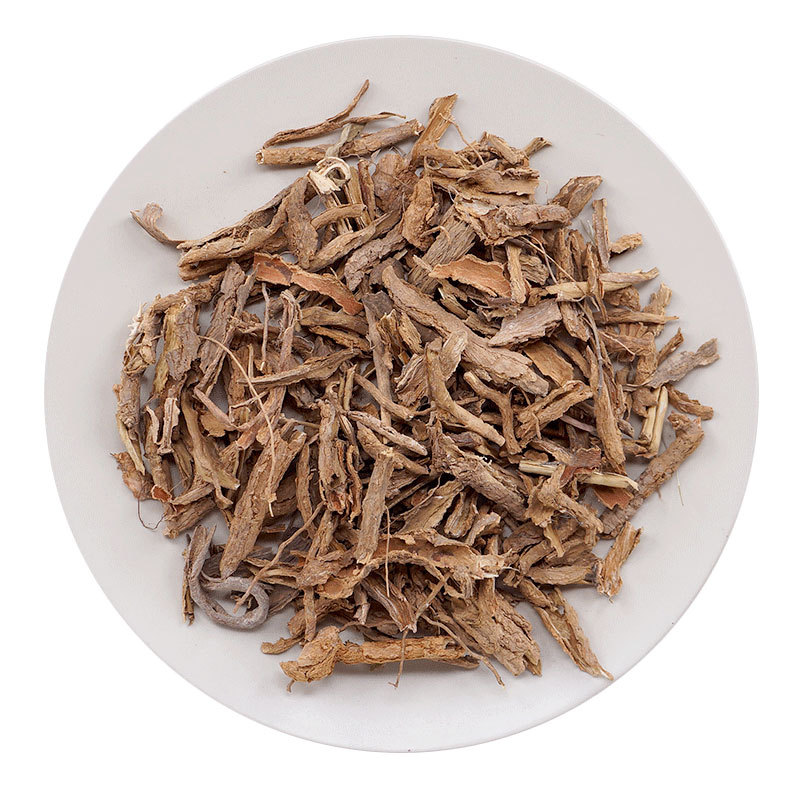
Dried Lycium Root Bark Di Gu Pi 500g Loose Chinese Herb for Decoction and Tea
$12.38
99999960 in stock
Description
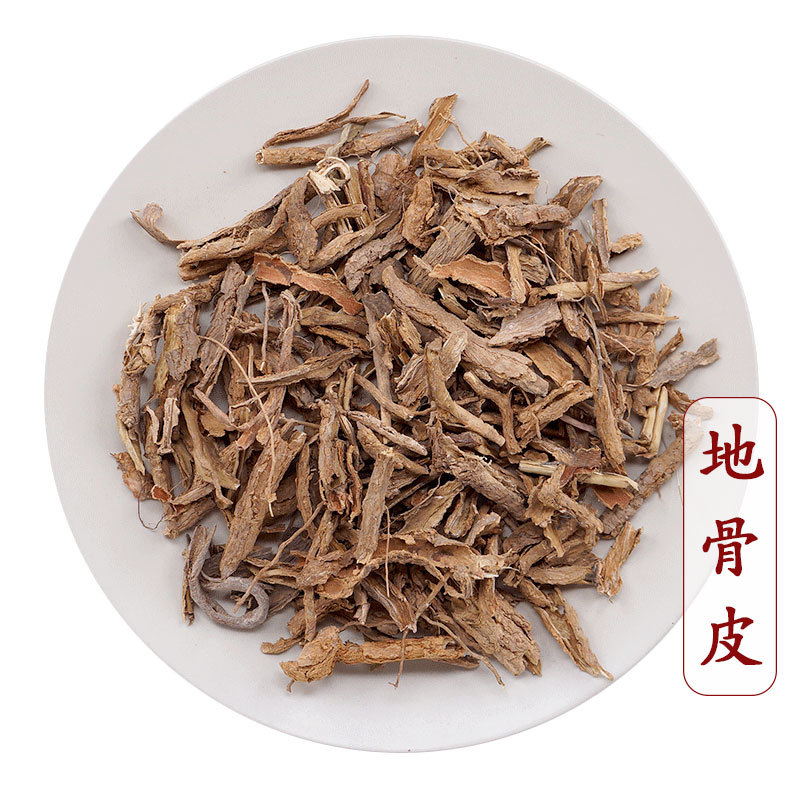
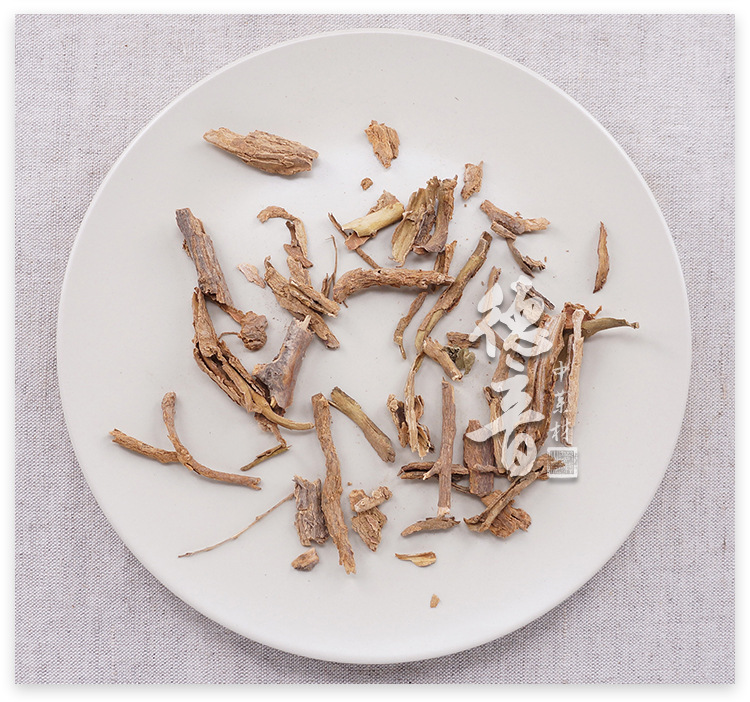
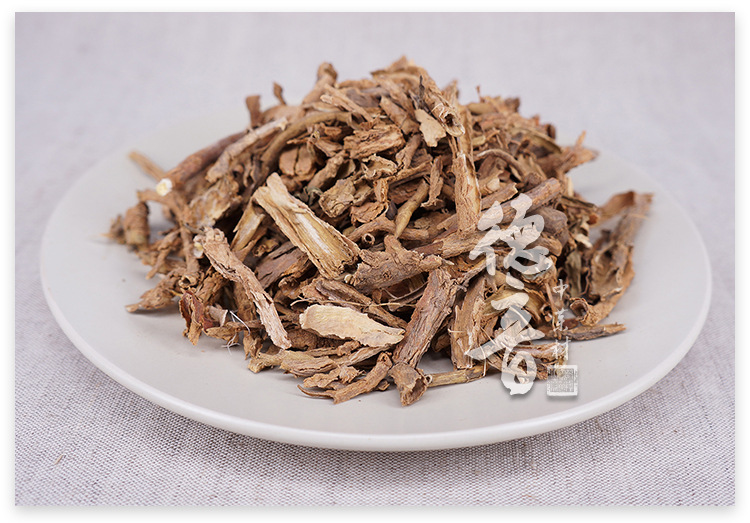
Dried Lycium Root Bark, known in TCM as Di Gu Pi (地骨皮), from Lycium chinense or Lycium barbarum root bark. This loose raw herb consists of dried root bark pieces traditionally valued in Chinese herbal practice. In TCM theory it is considered sweet and bland in flavor and cold in nature, traditionally associated with clearing deficiency heat. Suitable for decoction, tea, and culinary herbal use; not a substitute for medicine.

Key Selling Points
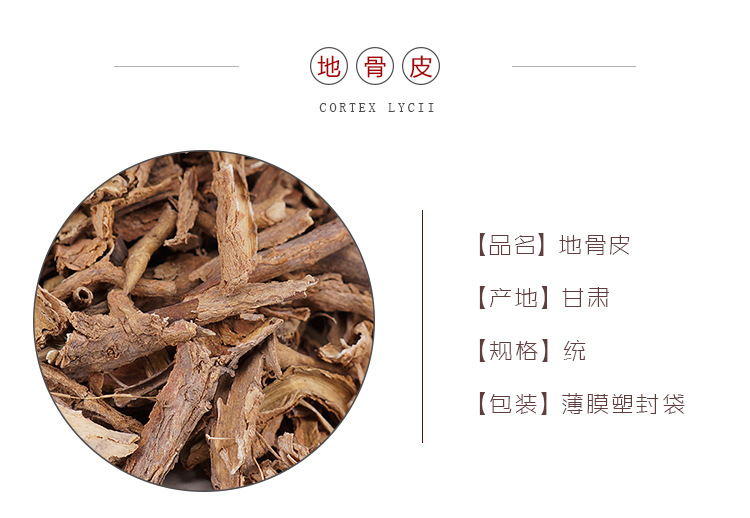
- Loose dried Di Gu Pi (地骨皮) root bark sold as a raw Chinese herb
- Botanical source is Lycium root bark, the bark of the goji plant
- Traditionally used in TCM decoctions for clearing deficiency heat
- Supplied in a resealable 500g self-sealing bag
- Sourced from Gansu province and stored in a cool dry place

Quality & Sensory
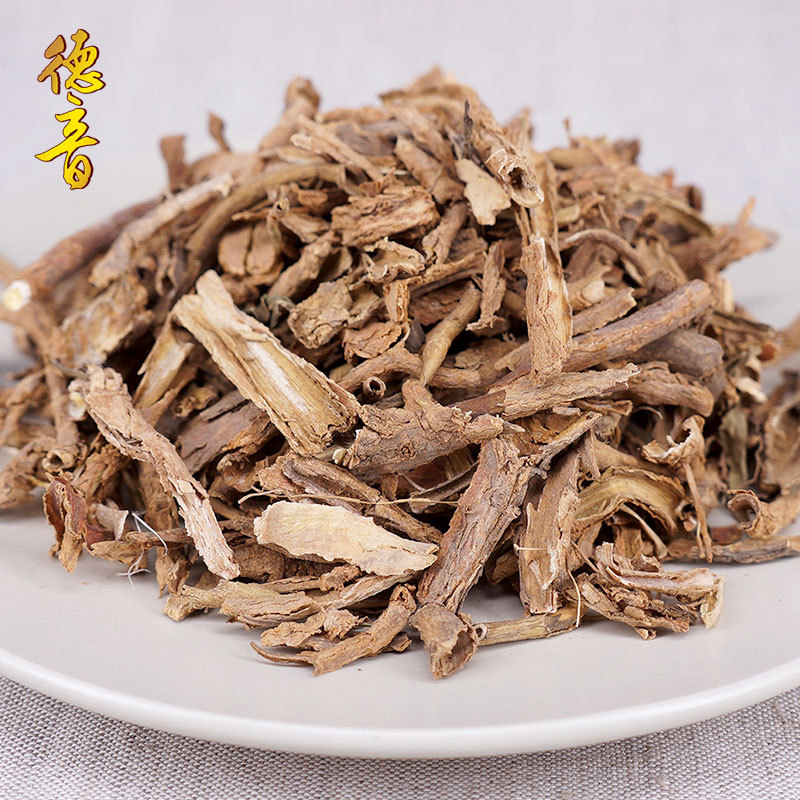
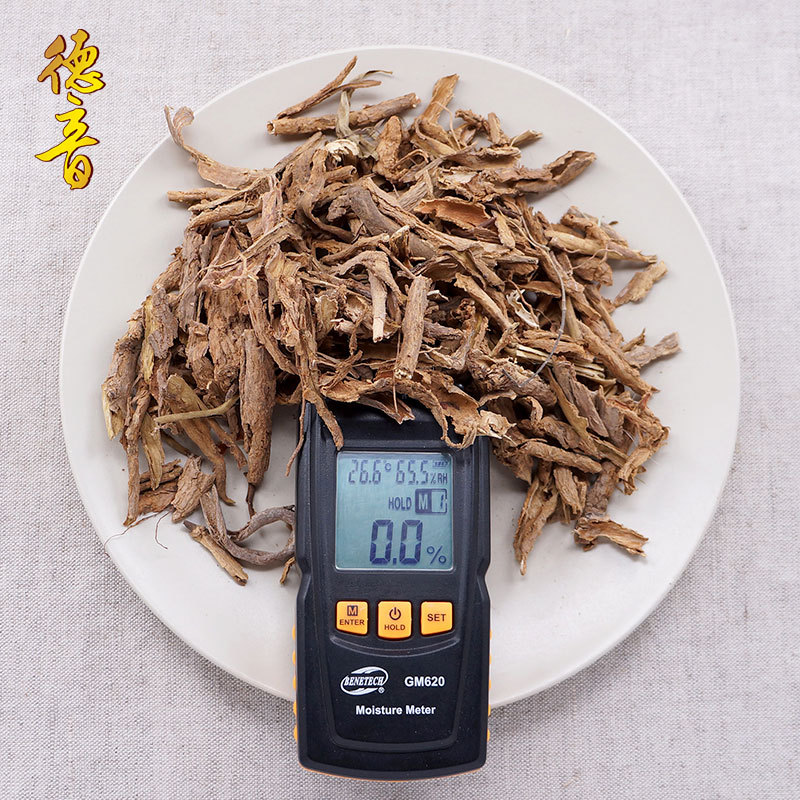
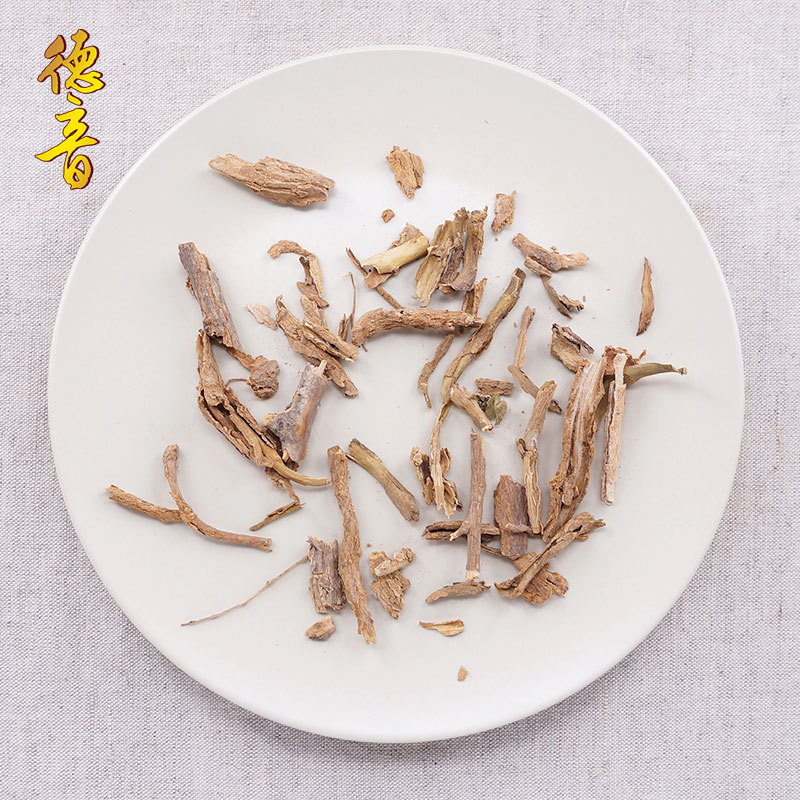
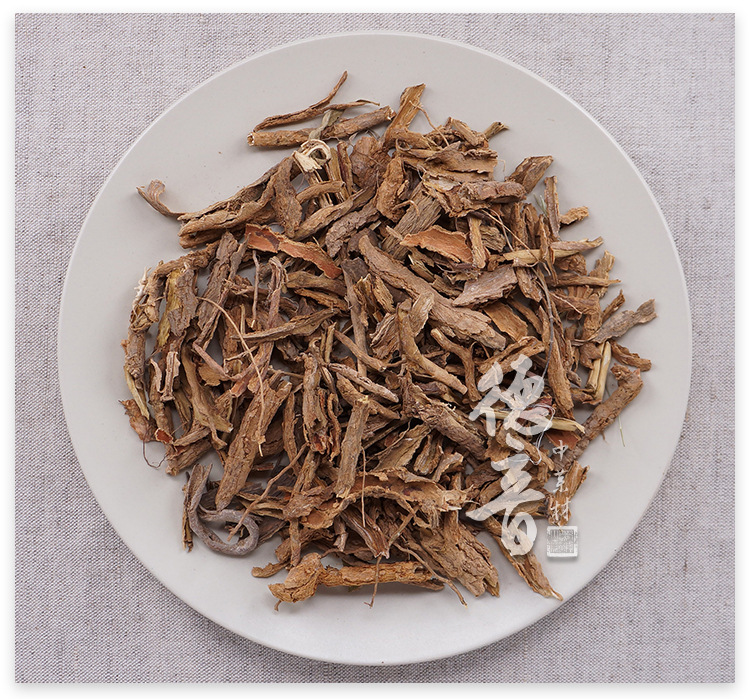
Typically pale yellowish-brown to grayish-brown bark pieces with a loose, papery or slightly curled texture. The aroma is mild and faintly herbal, and decocted liquid typically carries a light, slightly sweet and bland taste.
Technical Specifications
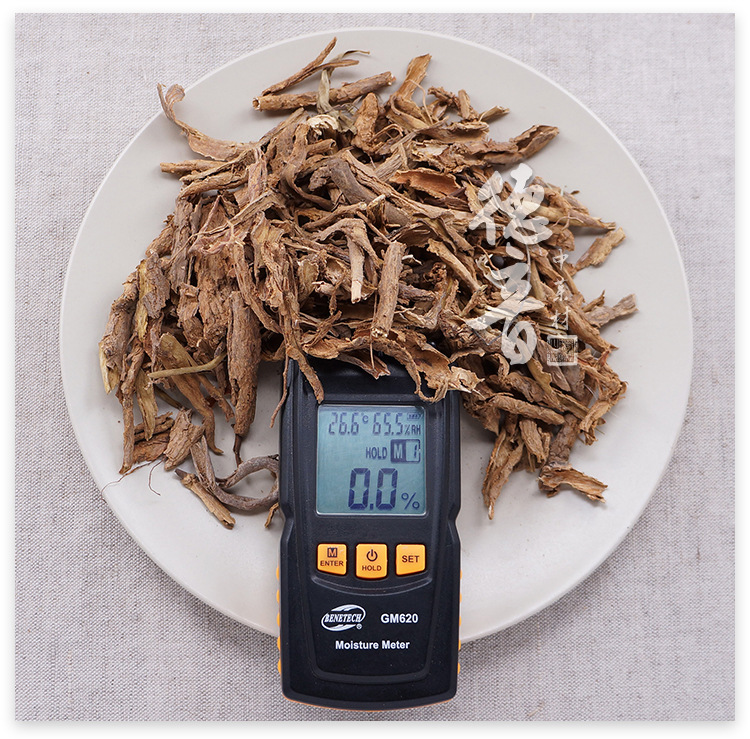
| Product Type | Raw Chinese herb |
|---|---|
| Chinese Name | 地骨皮 |
| Pinyin | Di Gu Pi |
| Botanical Name | Lycium chinense / Lycium barbarum |
| Plant Part | Root bark |
| Net Weight | 500g |

Usage Scenarios
- Simmered into traditional herbal decoctions
- Brewed as a mild herbal tea with other herbs
- Added to soup or congee in small amounts for culinary herbal use
- Combined with goji berries or chrysanthemum in seasonal herbal drinks


Traditional Uses
In TCM practice, Di Gu Pi is traditionally associated with clearing deficiency heat and cooling the blood, and it appears in classic formulas such as Di Gu Pi San. It is commonly simmered with herbs like goji berry leaf, mulberry root bark, or silverflower stems, and is also used in folk preparations for seasonal cooling teas and broths.
FAQ Q&A
Q: What is this product?
A: It is 500g of loose dried Lycium root bark, known in TCM as Di Gu Pi (地骨皮), supplied in a self-sealing bag.
Q: What is its traditional value?
A: In TCM theory it is sweet and bland, cold in nature, and traditionally associated with clearing deficiency heat and cooling the blood.
Q: How is it commonly prepared?
A: It is typically simmered in decoctions, brewed as herbal tea, or added to soups and congee in small amounts.
Additional information
| Weight | 0.55 kg |
|---|---|
| Dimensions | 25 × 18 × 6 cm |
Related products
-
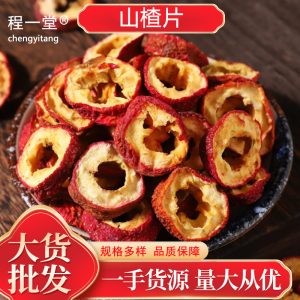
Dried Hawthorn Slices Shan Zha 500g Seedless Hollow Rings Freeze Dried Hawthorn for Tea and Culinary Use
Price range: $4.44 through $7.04 -
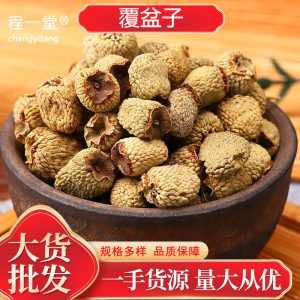
Dried Raspberry Fruit Fu Pen Zi Whole Berries for Herbal Tea and Wine Infusion 500g
Price range: $15.63 through $18.06 -
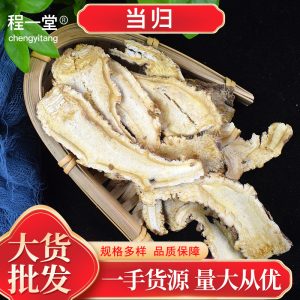
Dried Angelica Sinensis Slices Dang Gui 当归 500g Gansu Raw Herb for Decoction Soup and Tea
Price range: $16.44 through $35.88 -
Dried Ginger Root Gan Jiang 500g Bulk Chinese Herb Zingiber officinale Rhizome for Decoction and Culinary Use
$5.90
Reviews
There are no reviews yet.