
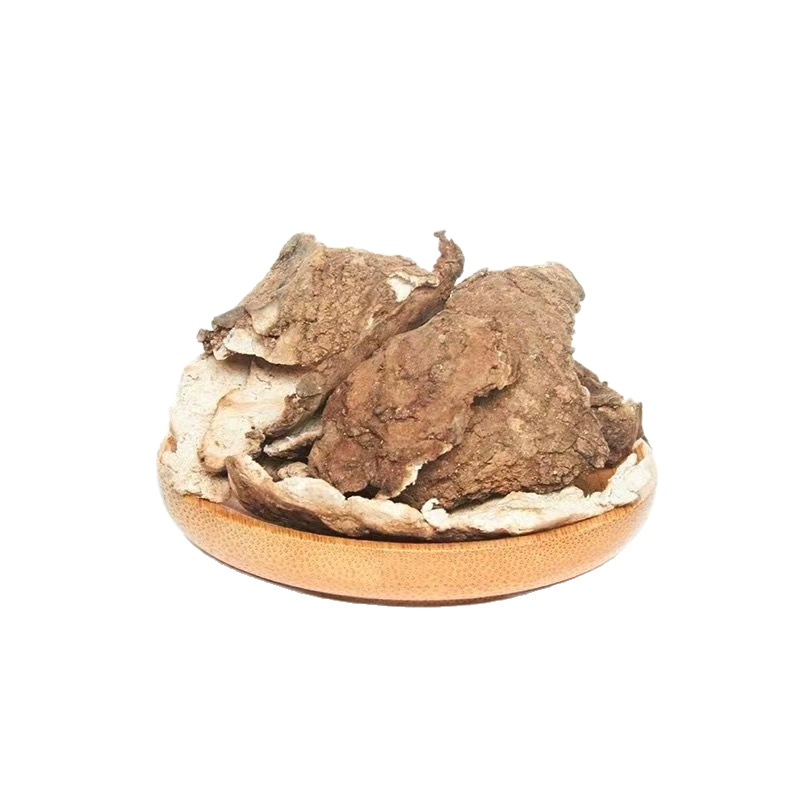
Fu Ling Pi (Poria cocos Peel) — Dried TCM Herb, Unsulfured, 500g
$4.44
9982 in stock
Description
Fu Ling Pi (Poria cocos) is the dried outer peel of the revered traditional herb known in Traditional Chinese Medicine (TCM) as Fú Líng Pí (茯苓皮), closely related to Fu Shen (茯神) and Yun Ling (云苓). For centuries, Fu Ling Pi has been prized as a gentle, water-regulating herb used to support fluid balance, ease swelling, and harmonize the Spleen. Its nature is sweet, neutral, and mildly draining, making it a soft yet effective herb for promoting the smooth movement of fluids and supporting the body's natural balance.
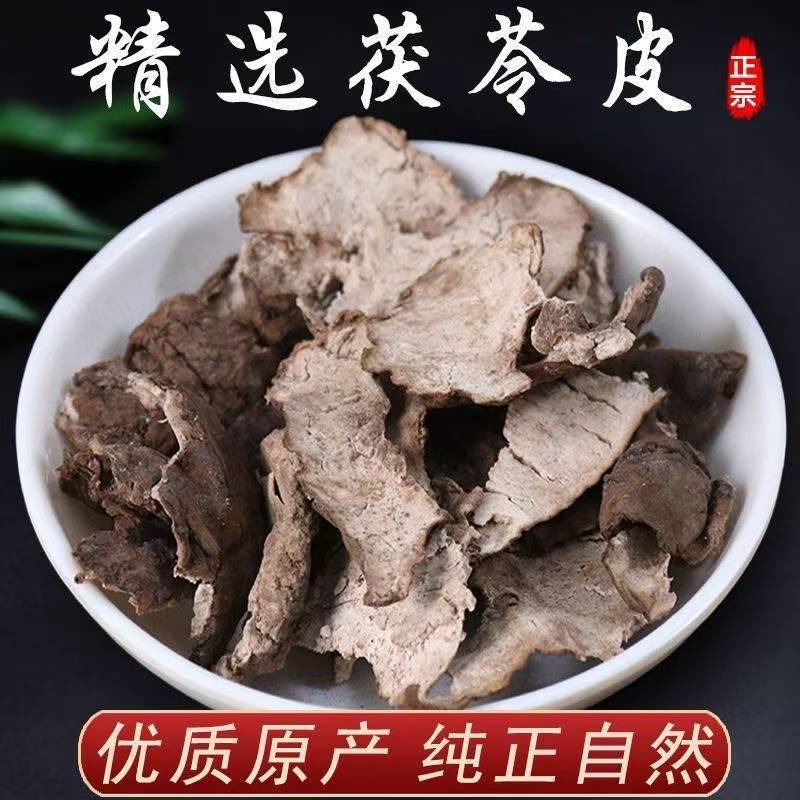
Key Selling Points
- Traditional water-regulating TCM herb
- Dried Poria cocos outer peel
- Unsulfured, naturally processed
- Sourced from Anhui, China
- 500g value pack for daily decoctions
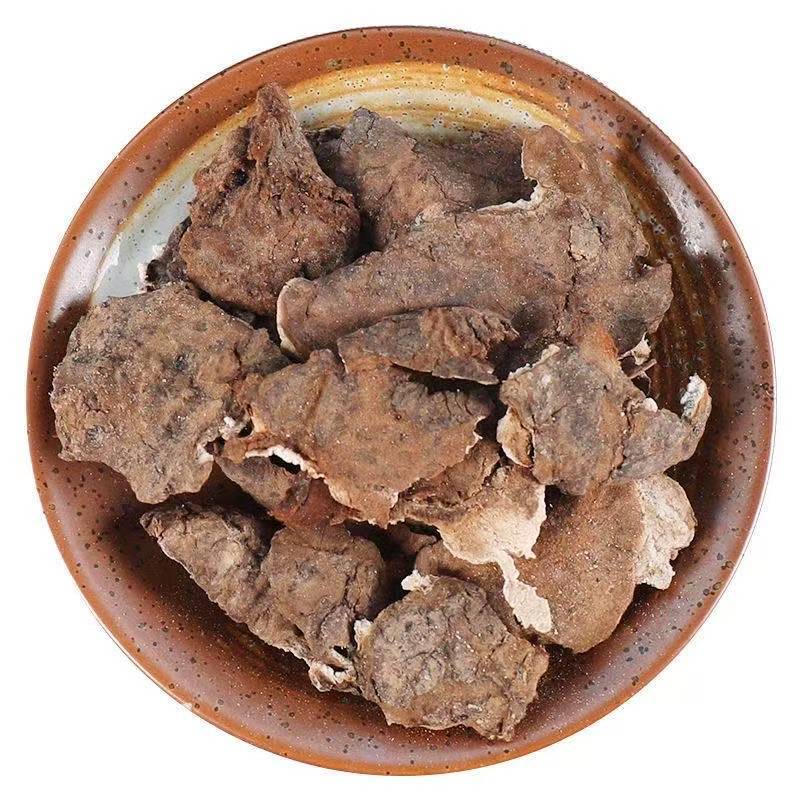
Quality & Sensory
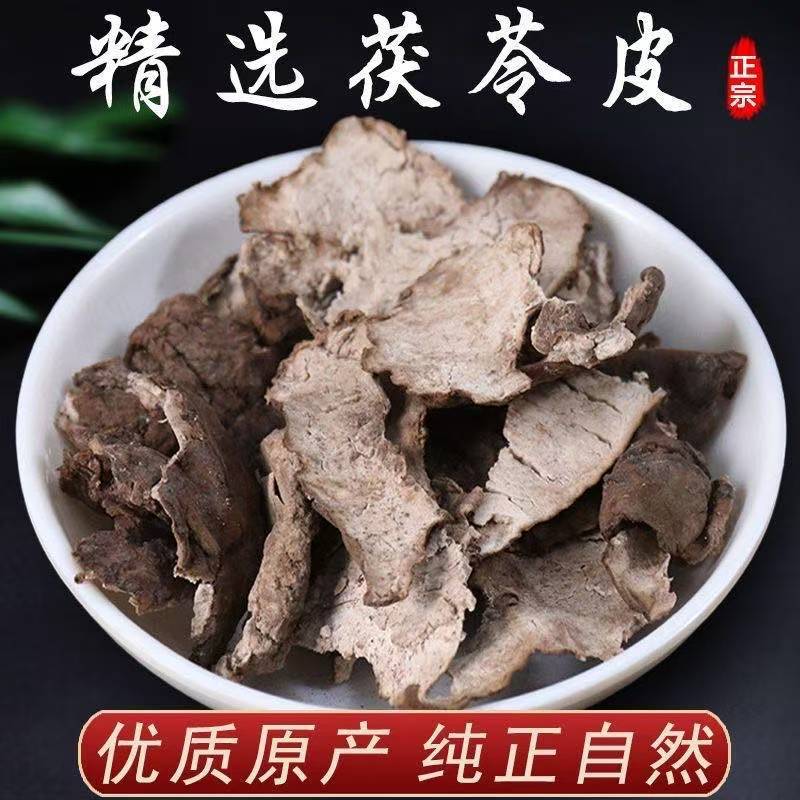
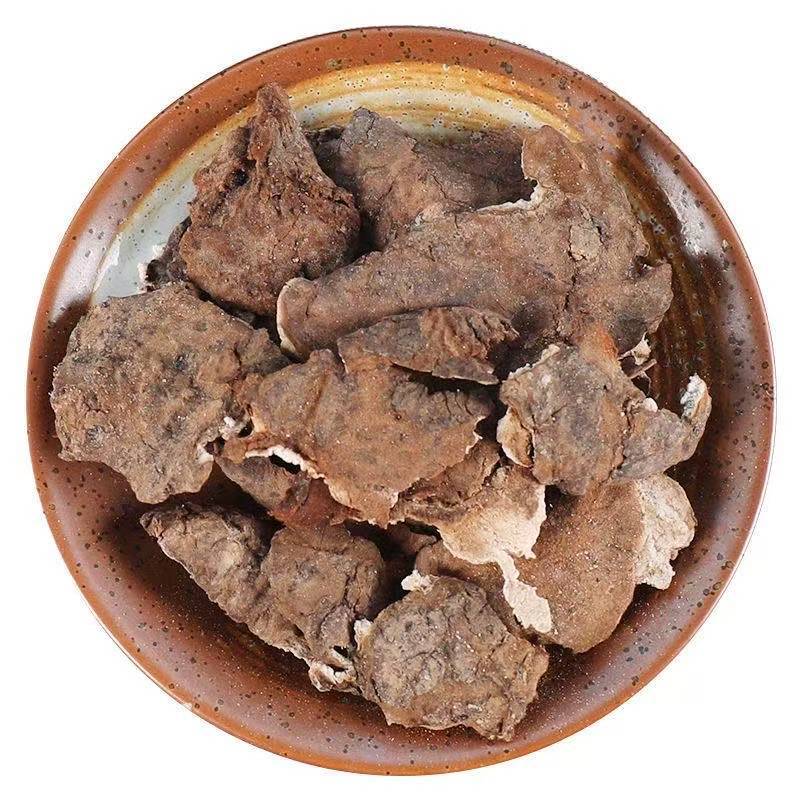
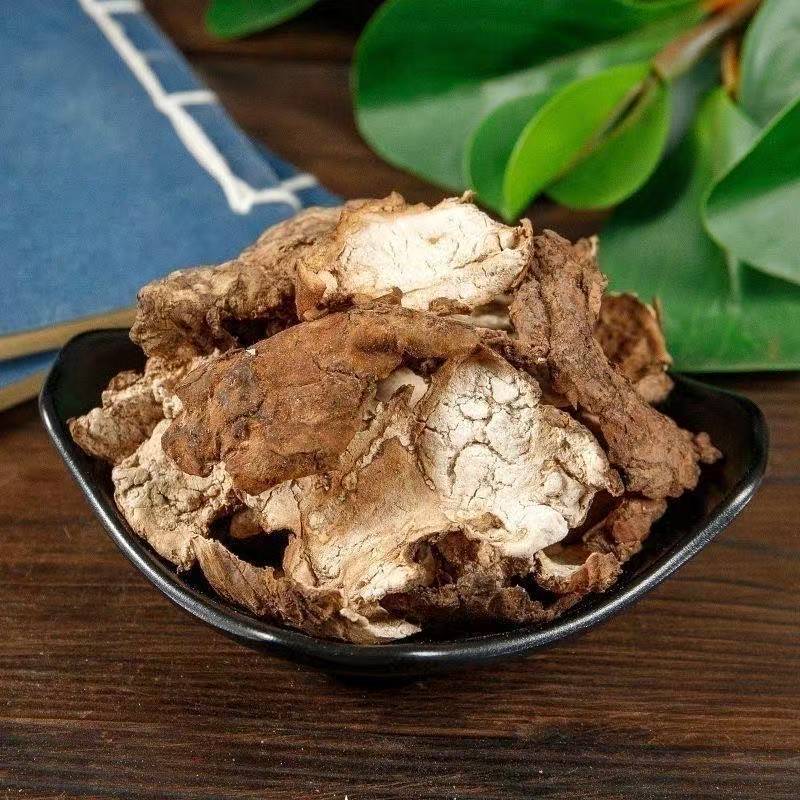
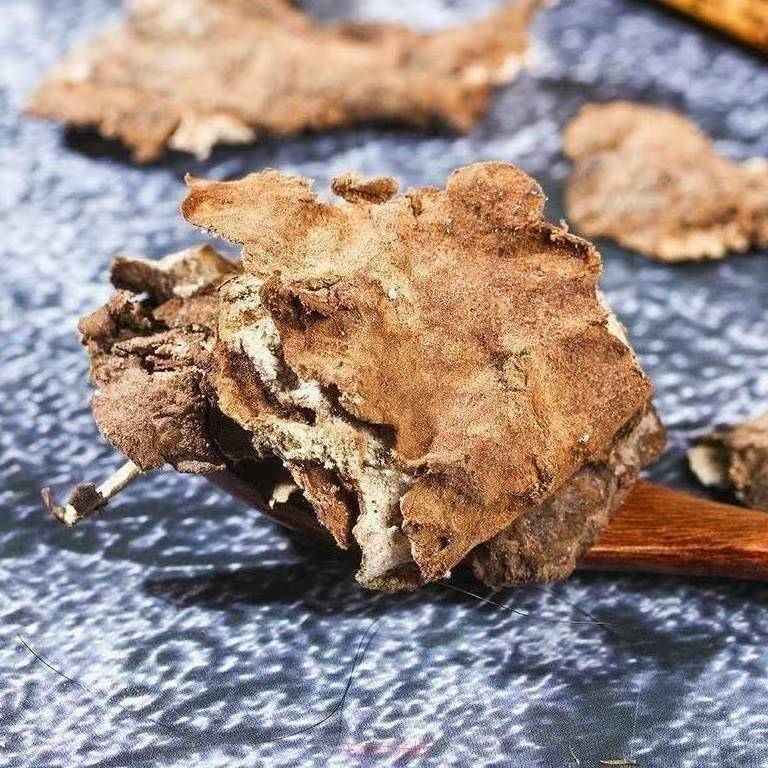
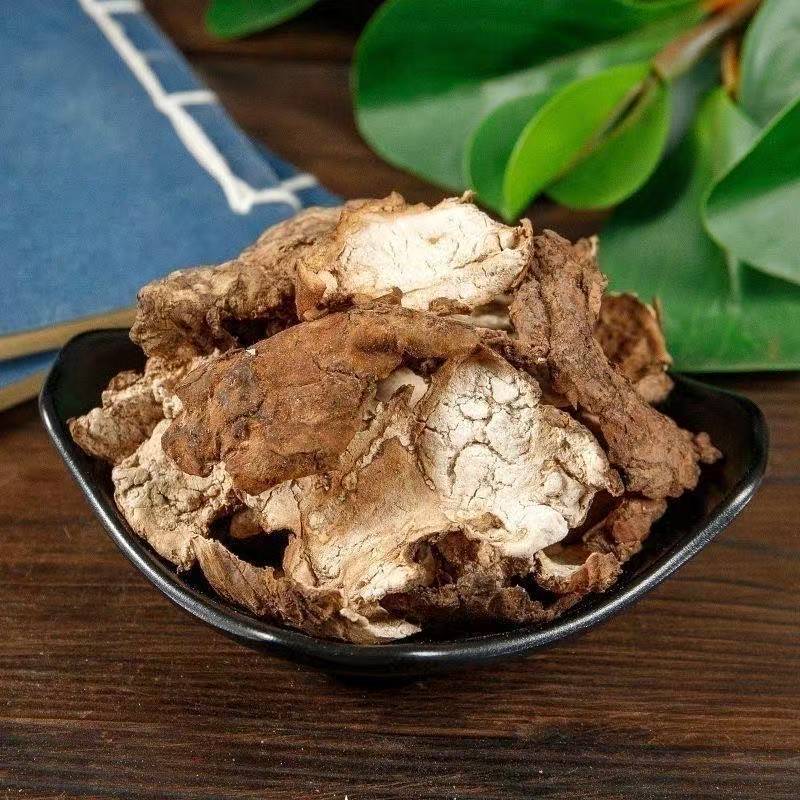
Each batch is naturally dried to preserve its pale tan to light brown color, thin flaky texture, and mild earthy aroma. When decocted, the peel yields a gentle, slightly sweet and neutral infusion with a clean, unobtrusive taste that blends well with other herbs in soups and teas.
Technical Specifications
| Product Type | Dried Herb Peel |
|---|---|
| Common Name | Fu Ling Pi |
| Botanical Name | Poria cocos |
| Origin | Anhui, China |
| Net Weight | 500g |
| Processing | Naturally Dried, Unsulfured |
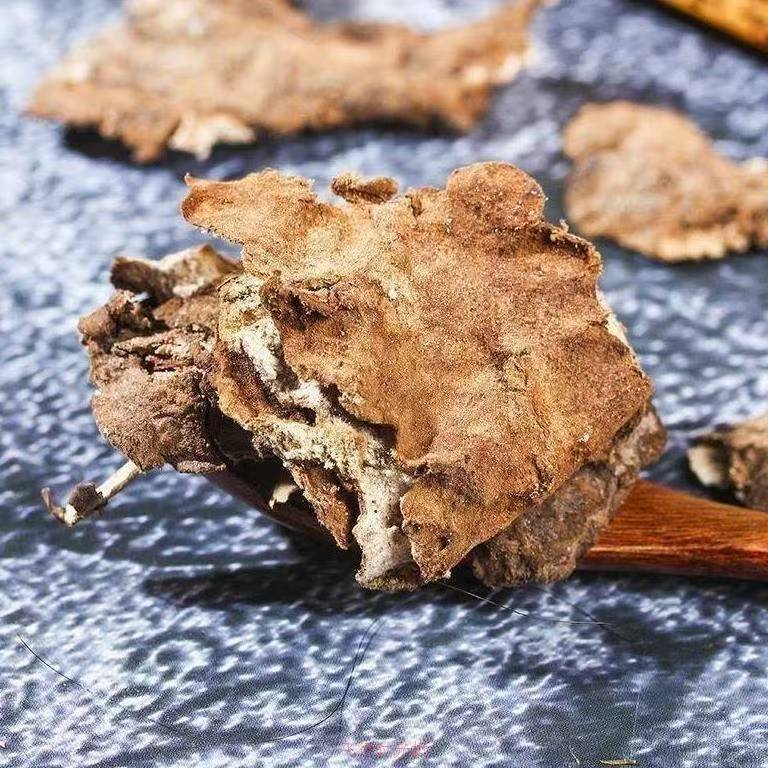
Usage Scenarios
- Traditional herbal decoctions
- Chinese-style soup and broth
- Herbal tea blends
- Seasonal damp-clearing formulas
- Daily wellness congee
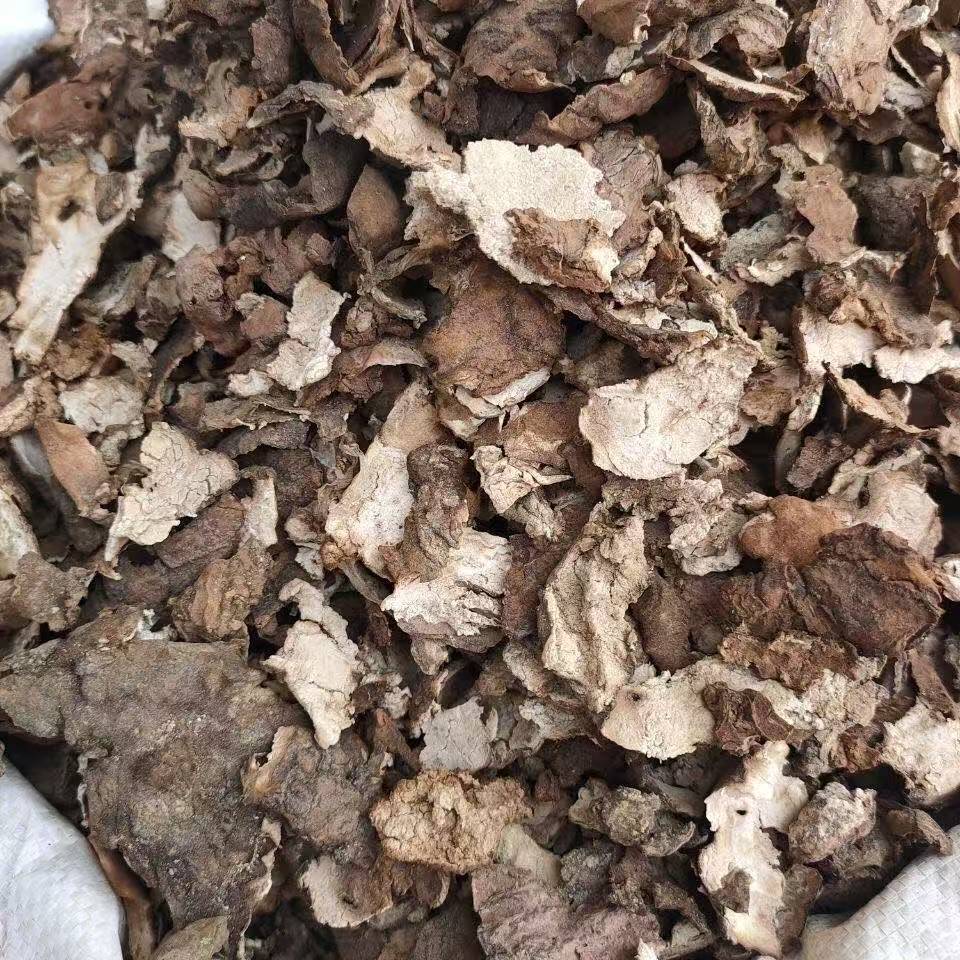
Traditional Uses
In folk herbal practice, Fu Ling Pi is decocted into soups, congee, and gentle tonics to support fluid balance and ease occasional puffiness. It is a common ingredient in damp-clearing soup packs, where it pairs with ingredients like Fu Ling, Bai Zhu, and Yi Yi Ren. As a tea, it is brewed alone or blended with other neutral herbs for a light, mildly sweet infusion that fits into daily seasonal nourishment.
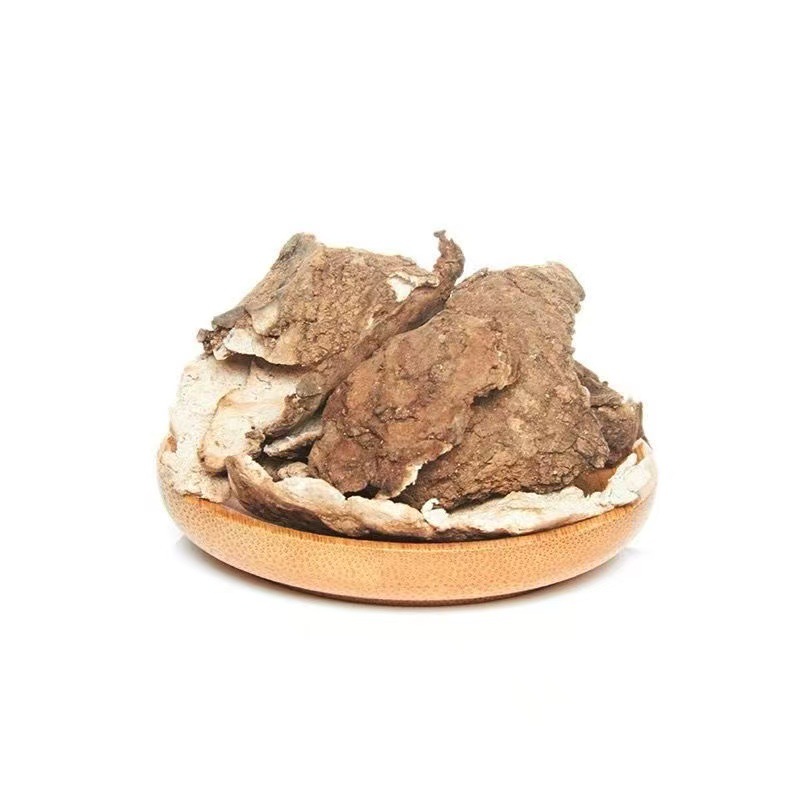
FAQ Q&A
Q: What is Fu Ling Pi?
A: Fu Ling Pi is the common Chinese name for the dried outer peel of Poria cocos, a traditional herb used in TCM. It is closely related to Fu Ling (the inner sclerotium) and Fu Shen (the portion around the pine root).
Q: What is the traditional wellness value of Fu Ling Pi?
A: In traditional Chinese food wellness culture, Fu Ling Pi is associated with promoting fluid balance, supporting the Spleen, and easing occasional dampness-related puffiness. It is often used in soups and decoctions for daily seasonal nourishment.
Q: How do I use dried Fu Ling Pi?
A: Rinse the peel and simmer it with soup ingredients or other herbs in a decoction. It can also be brewed in hot water as part of a tea blend. Adjust the quantity to your recipe and taste preference.
Additional information
| Weight | 1 kg |
|---|---|
| Dimensions | 25 × 18 × 8 cm |
Related products
-
Chen Pi Shreds (Citrus reticulata) — Aged Dried Tangerine Peel, Unsulfured, 500g
$4.93 -
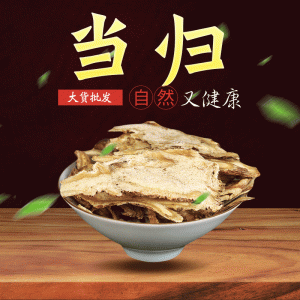
Dang Gui Slices (Angelica sinensis) — Gansu Minxian Dried Root Slices for Cooking & Tea
Price range: $4.44 through $20.49 -
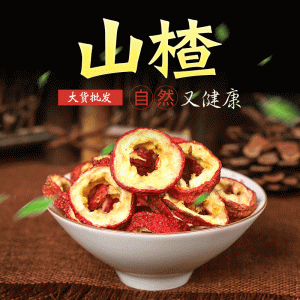
Shan Zha Slices (Crataegus pinnatifida) — Pitted Dried Hawthorn for Sour Plum Soup & Tea
Price range: $4.12 through $5.74 -
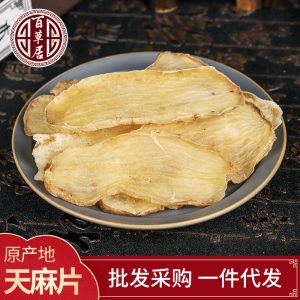
Tian Ma Slices (Gastrodia elata) — Yunnan Zhaotong Wu Tian Ma, 500g Dried Herb
Price range: $14.81 through $22.92
Reviews
There are no reviews yet.