
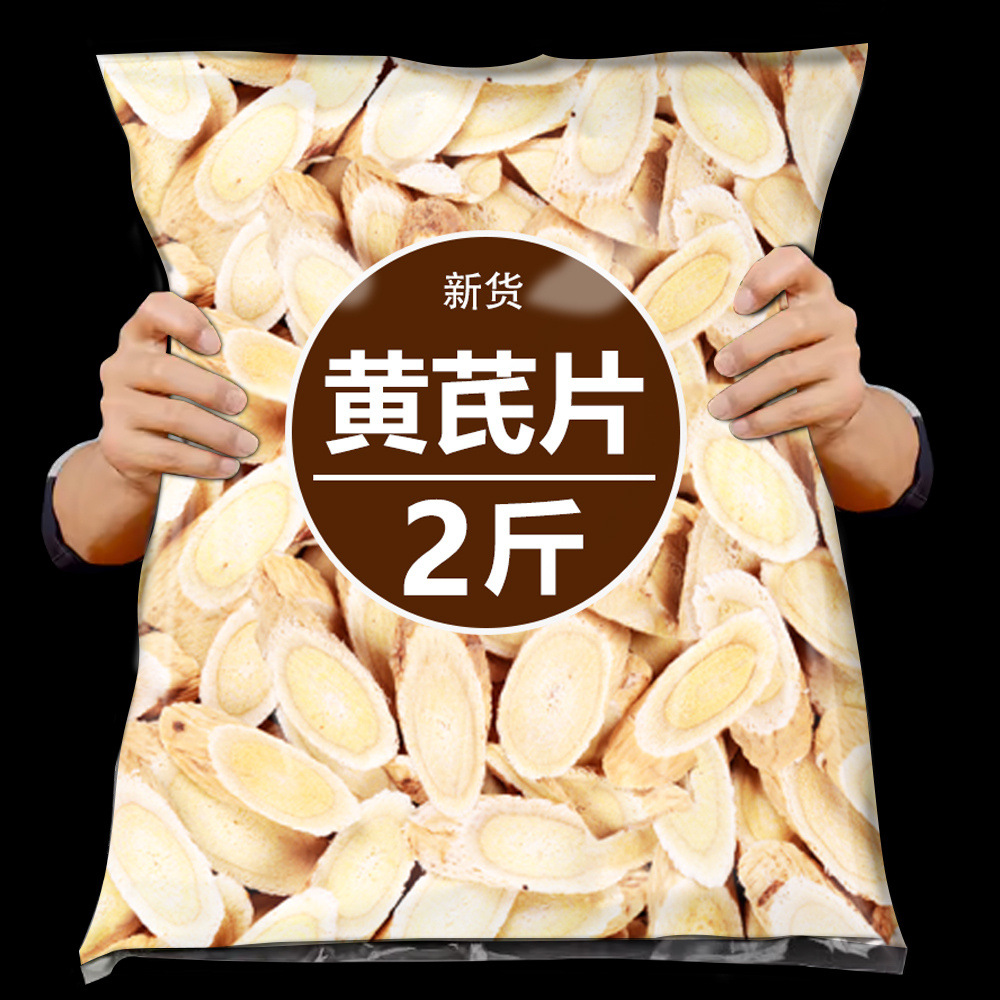
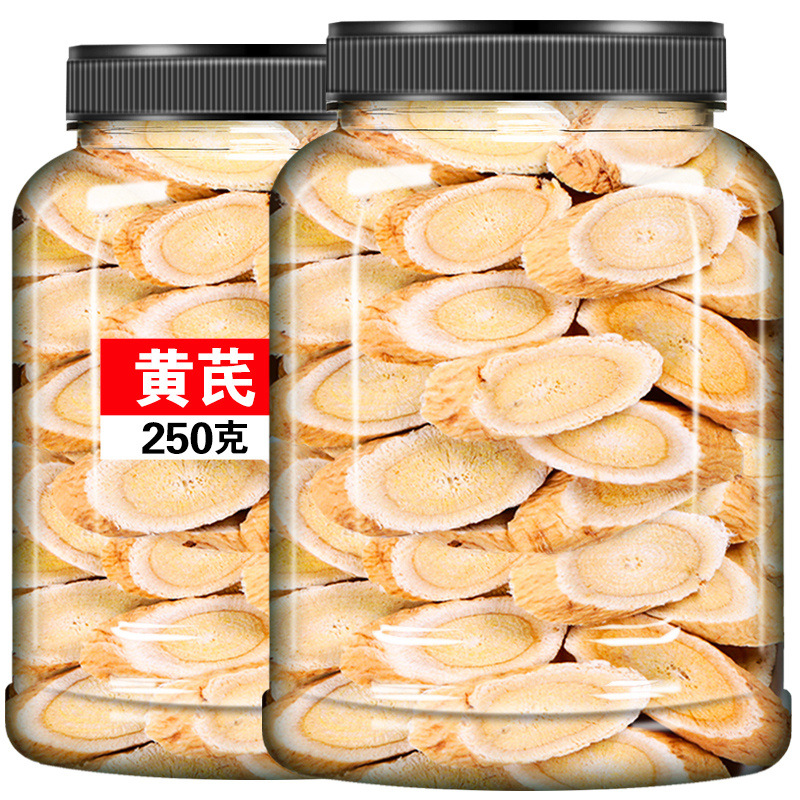
Dried Astragalus Root Slices Huang Qi Premium Grade for Tea and Soup
Price range: $5.96 through $17.51
Description
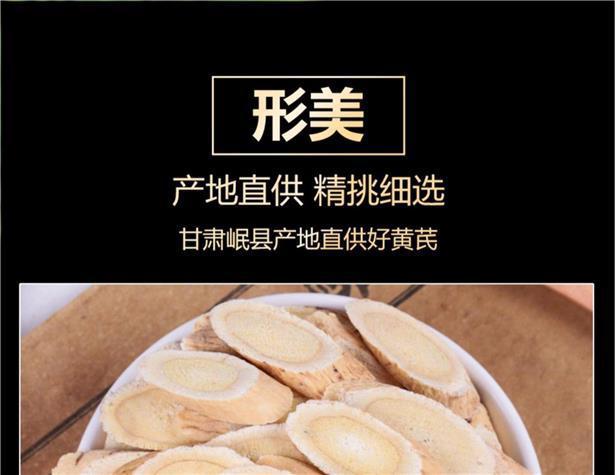
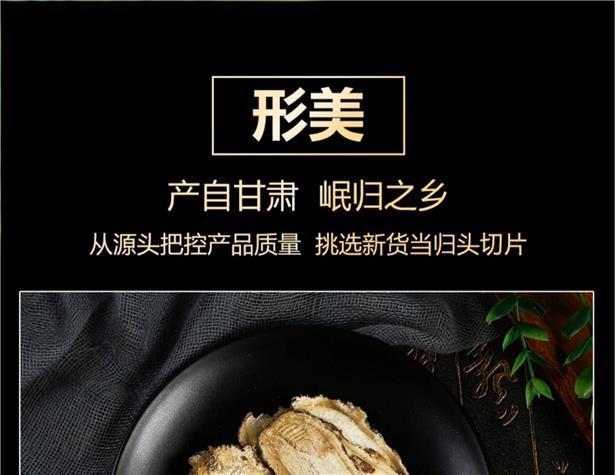
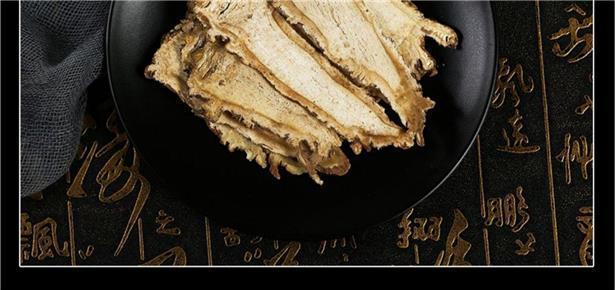
Dried Astragalus Root Slices, known in TCM as Huang Qi (黄芪), from Astragalus membranaceus. These premium-grade root slices originate from Minxian, Gansu, a classic growing region for Bei Qi. In TCM theory, Huang Qi is sweet in flavor and slightly warm in nature, traditionally associated with the Spleen and Lung channels. Commonly prepared as a daily tea, decoction, or soup addition, it is a staple of traditional Chinese herbal wellness practice.
Key Selling Points
- Premium-grade Astragalus root slices from Minxian, Gansu
- Known in TCM as Huang Qi (黄芪), a classic Qi-tonifying herb
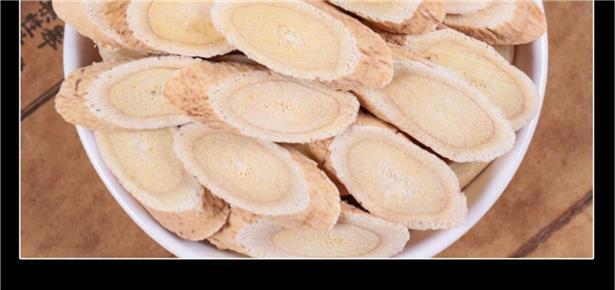
- Dried root slices suitable for tea, decoction, or soup
- Sweet, slightly warm nature associated with Spleen and Lung channels
- Available in multiple jar sizes to suit different needs

Quality & Sensory
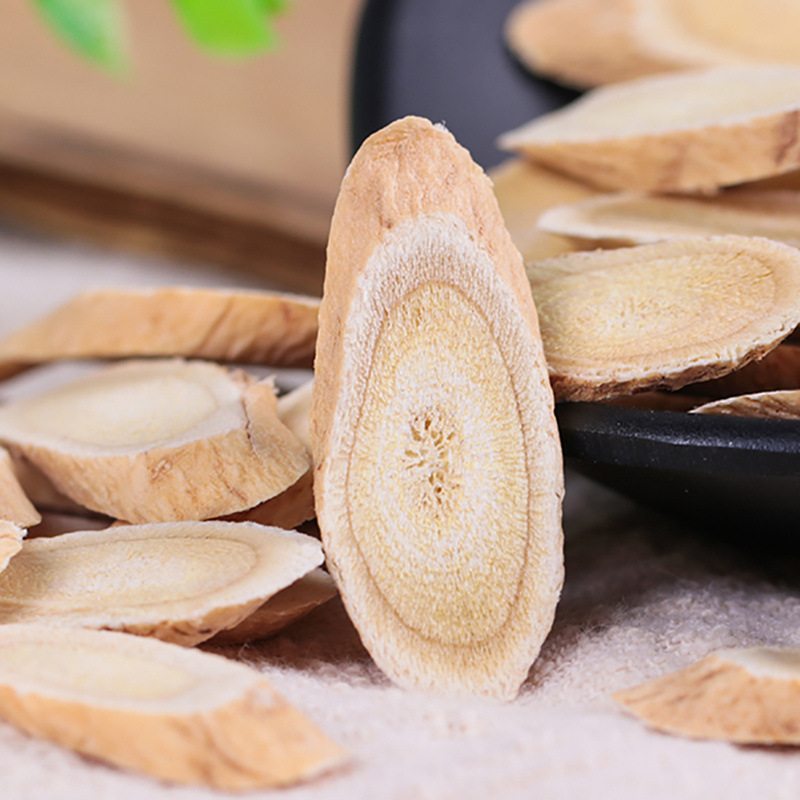
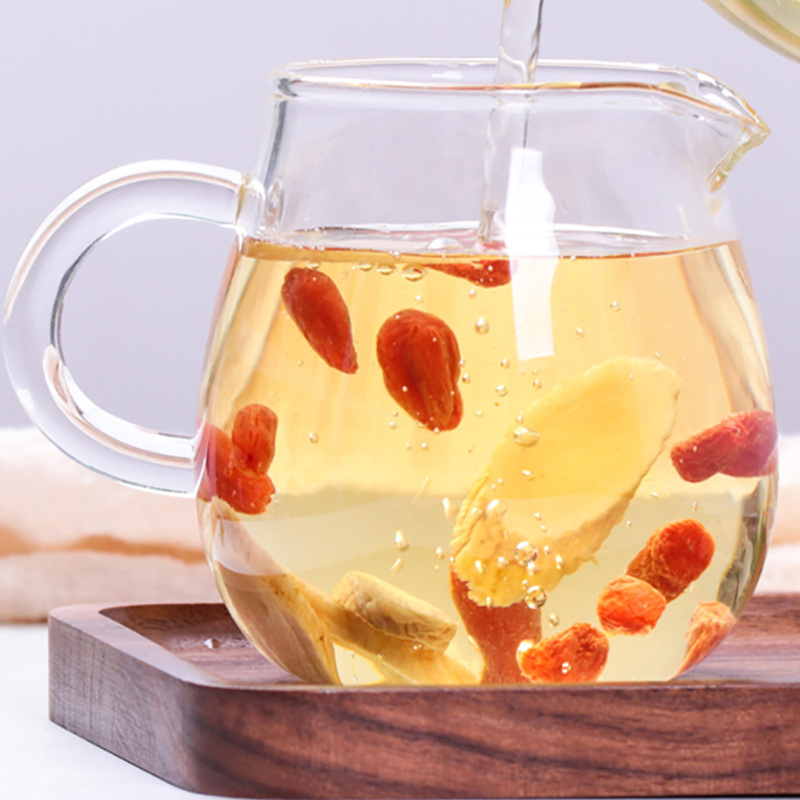
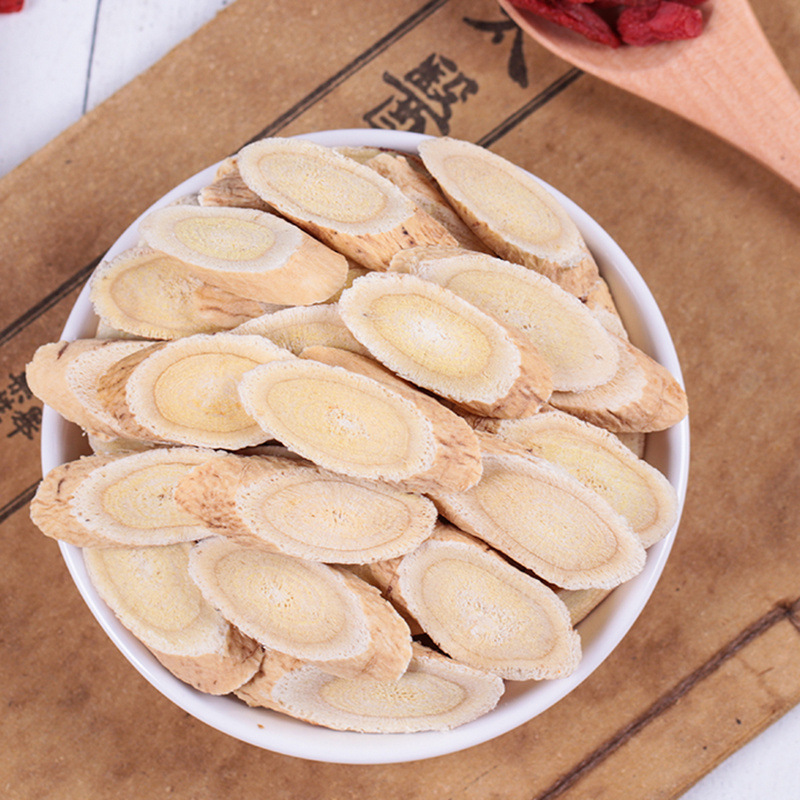
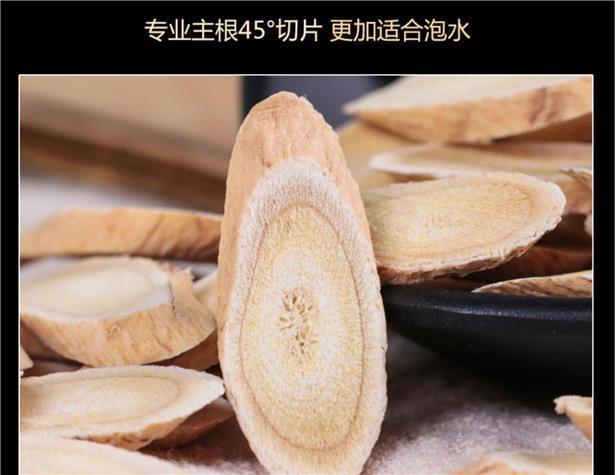
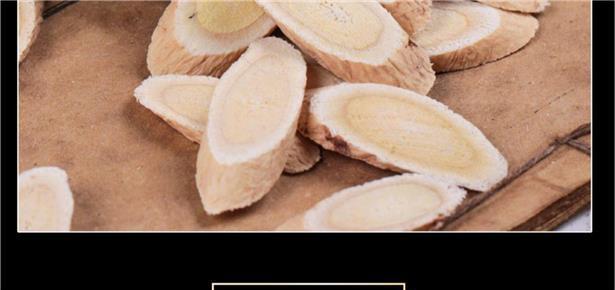
The slices are typically pale yellow to light brown with a firm, woody texture and a faint earthy aroma. When brewed or decocted, the liquid is typically light golden with a mild sweet and earthy taste. Actual batch appearance may vary slightly.


Technical Specifications
| Product Type | Dried herbal root slices |
|---|---|
| Chinese Name | 黄芪 |
| Pinyin | Huang Qi |
| Botanical Name | Astragalus membranaceus |
| Plant Part | Root |
| Origin | Minxian, Gansu, China |
Usage Scenarios
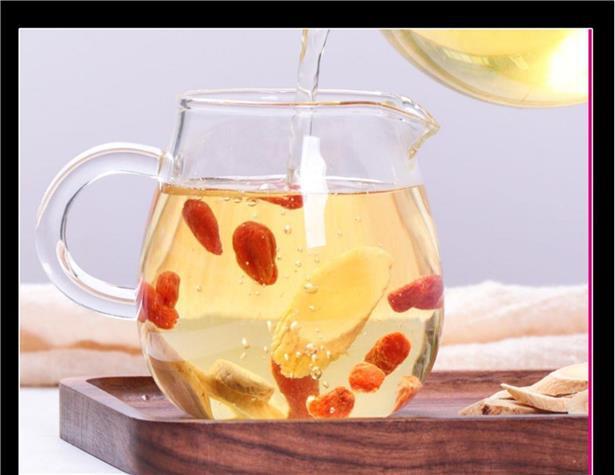
- Brewed as a daily herbal tea
- Simmered in decoctions with other herbs
- Added to soups and stews
- Cooked into congee
- Used in seasonal tonic food preparations

Traditional Uses
In TCM theory, Huang Qi is traditionally used in decoctions and soups to support Qi and vitality. It is commonly paired with Dang Gui, Dang Shen, or Gou Qi Zi in classic tonic formulas. Folk practice often simmers the slices for 20 to 30 minutes and drinks the liquid, or adds them to congee and broths for daily wellness support.
FAQ Q&A
Q: What is this product?
A: It is dried Astragalus root slices, known in TCM as Huang Qi (黄芪), sourced from Minxian, Gansu.
Q: What is Huang Qi traditionally used for?
A: In TCM theory, it is traditionally associated with supporting Qi and is classified as sweet and slightly warm, entering the Spleen and Lung channels.
Q: How is it commonly prepared?
A: It is typically brewed as a tea, simmered in decoctions, or added to soups and congee.
Additional information
| Weight | N/A |
|---|---|
| Dimensions | N/A |
| Model | 1罐 黄芪 125g, 1罐 黄芪 250g, 2罐 黄芪 共500g, 3罐 黄芪 共750g, 4罐 黄芪 共1000g, 2罐 黄芪250g 当归250g, 3罐 黄芪125g 当归80g 党参180g, 3罐 黄芪250g 当归250g 党参250 |
Related products
-
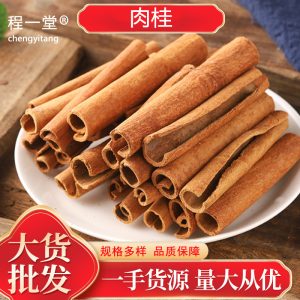
Dried Cinnamon Bark Rou Gui 500g Whole Peeling Culinary Spice and Traditional Herbal Ingredient
Price range: $5.58 through $8.33 -
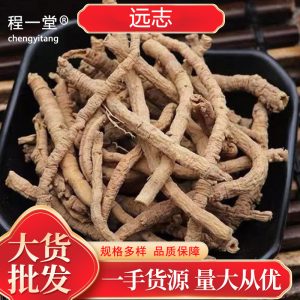
Dried Polygala Root Yuan Zhi 500g Traditional Chinese Herb for Decoction
Price range: $18.87 through $24.54 -
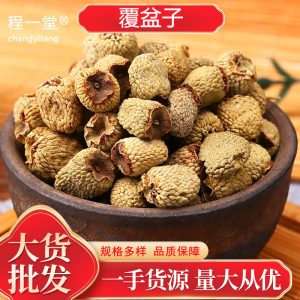
Dried Raspberry Fruit Fu Pen Zi 500g Whole Berries for Herbal Tea and Wine Infusion
Price range: $14.00 through $16.44 -
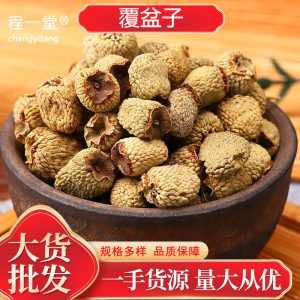
Dried Raspberry Fruit Fu Pen Zi Whole Berries for Herbal Tea and Wine Infusion 500g
Price range: $15.63 through $18.06
Reviews
There are no reviews yet.