
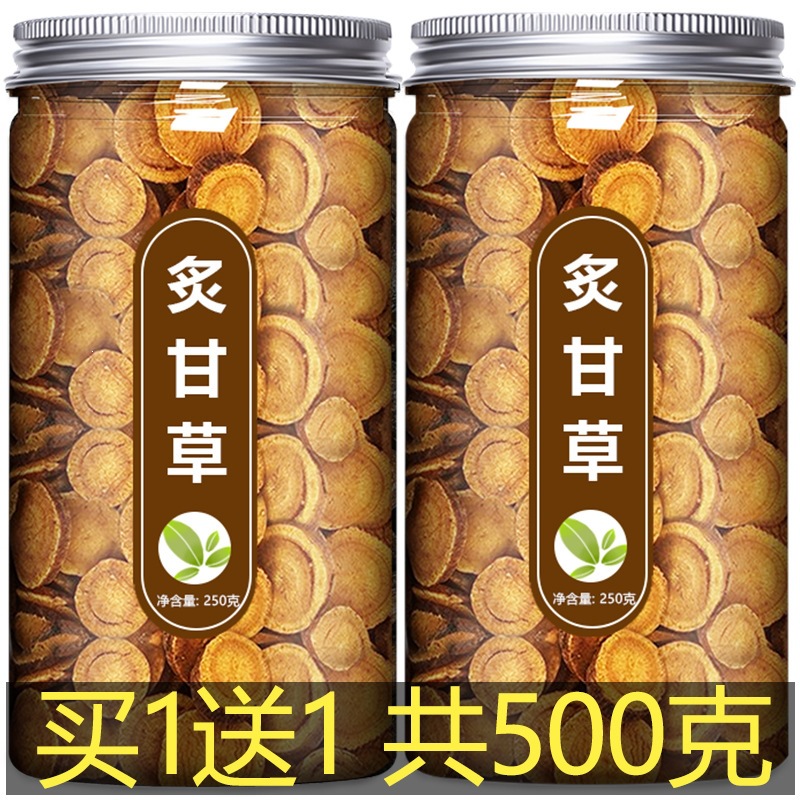
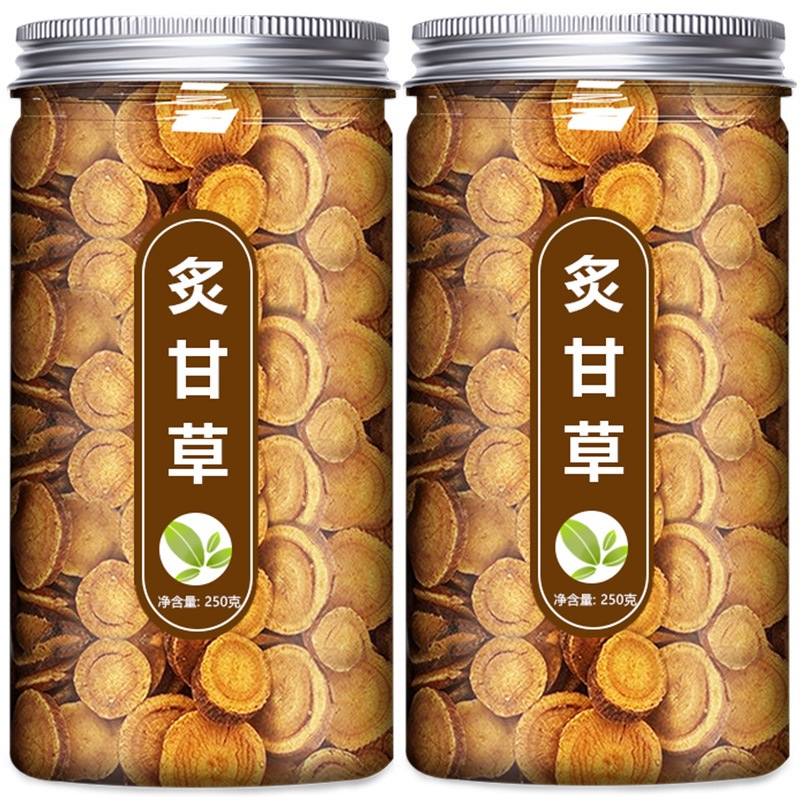
Honey-Fried Licorice Root Slices Zhi Gan Cao for Herbal Tea and Soup
Price range: $6.57 through $10.82
Description
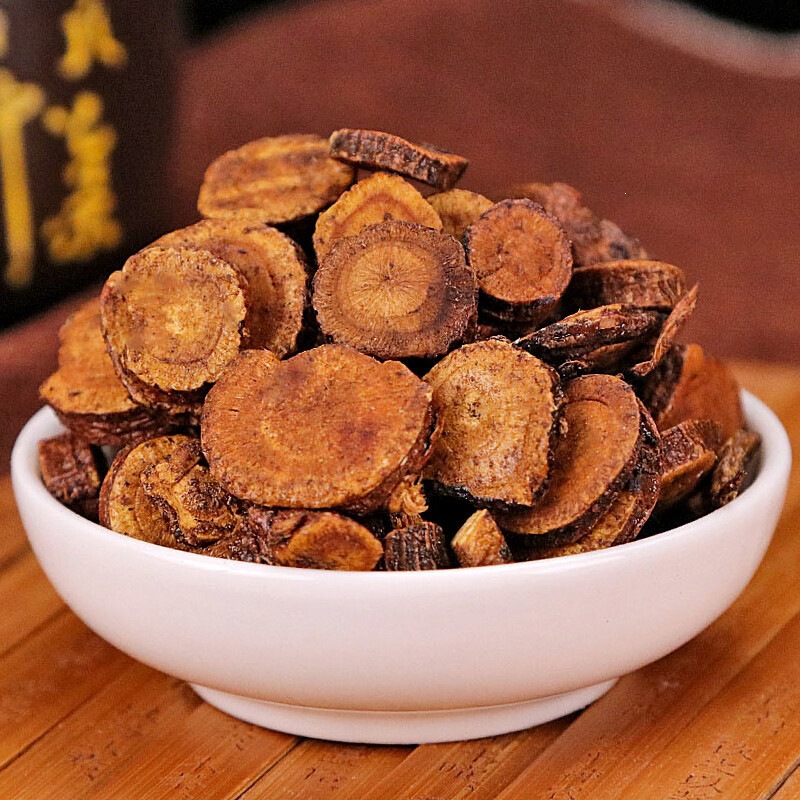
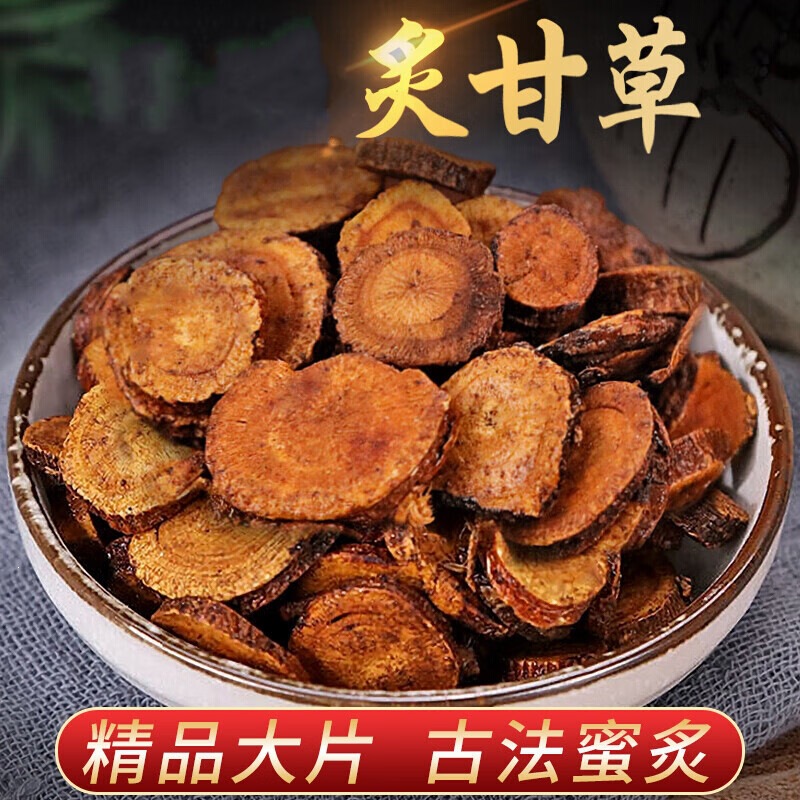
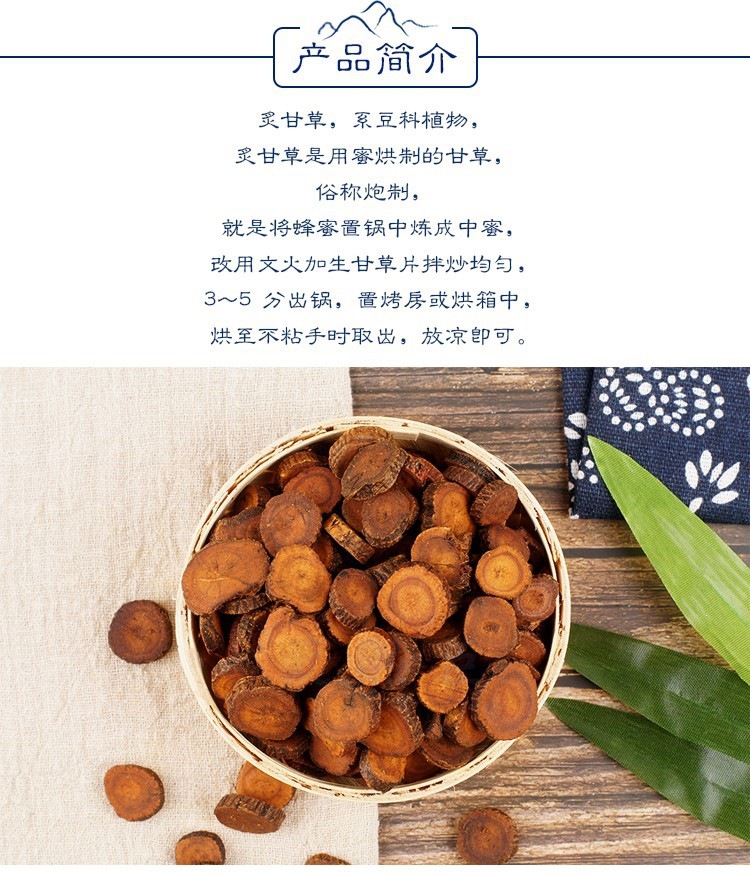
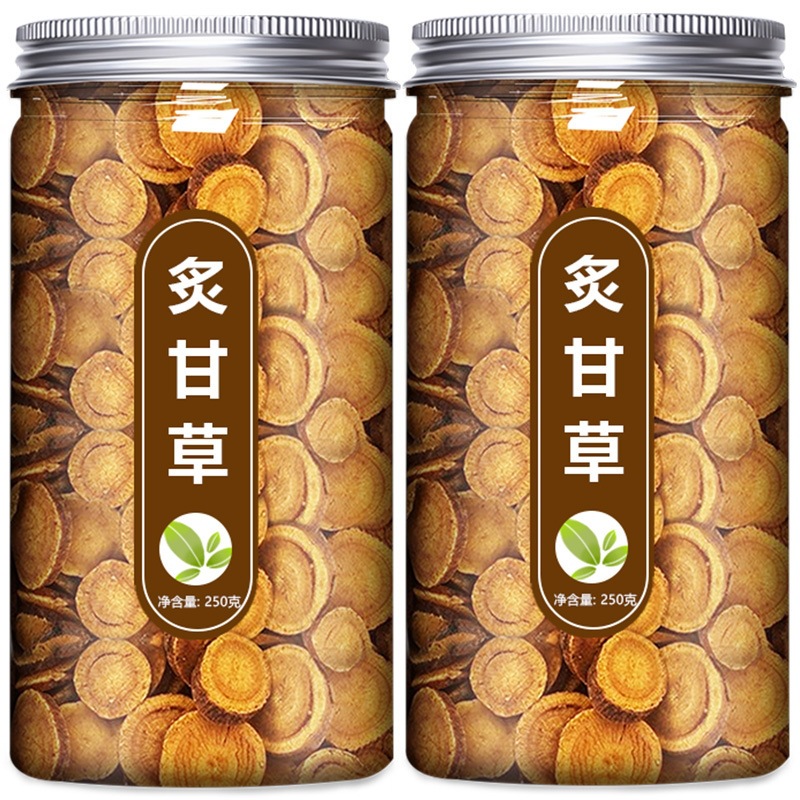
Honey-fried licorice root slices, known in TCM as Zhi Gan Cao (炙甘草), from Glycyrrhiza uralensis. This prepared decoction piece is licorice root processed with honey, a classic form used in Traditional Chinese Medicine. In TCM theory it is sweet in flavor and neutral in nature, traditionally associated with the spleen, stomach, heart, and lung channels. It is commonly simmered in decoctions, added to soups, or brewed as a simple herbal tea.
Key Selling Points
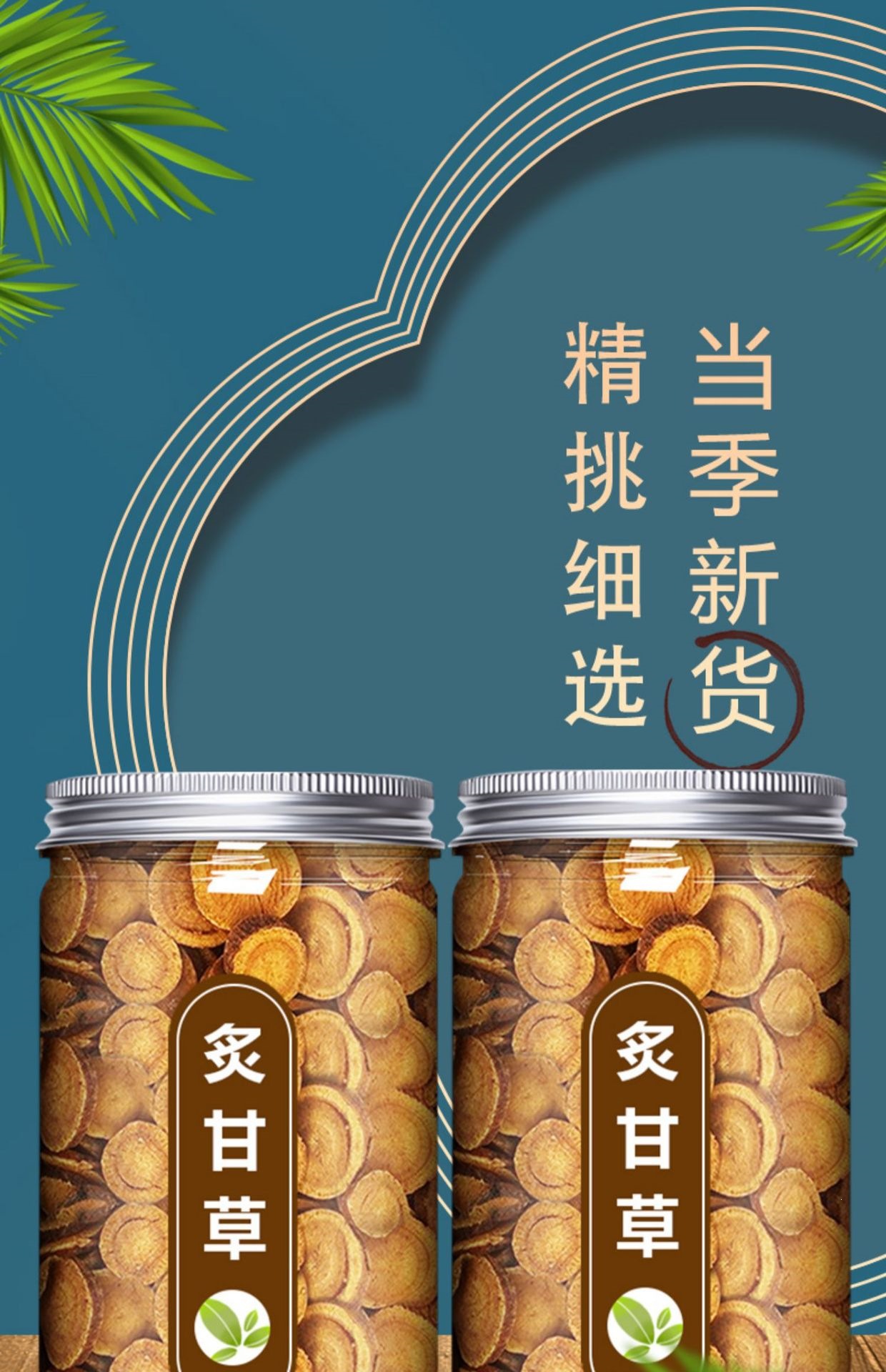
- Prepared licorice root slices processed with honey
- Known in TCM as Zhi Gan Cao (炙甘草)
- Botanical source Glycyrrhiza uralensis
- Traditional sweet neutral herb used in decoctions
- Suitable for herbal tea, soup, and congee
Quality & Sensory
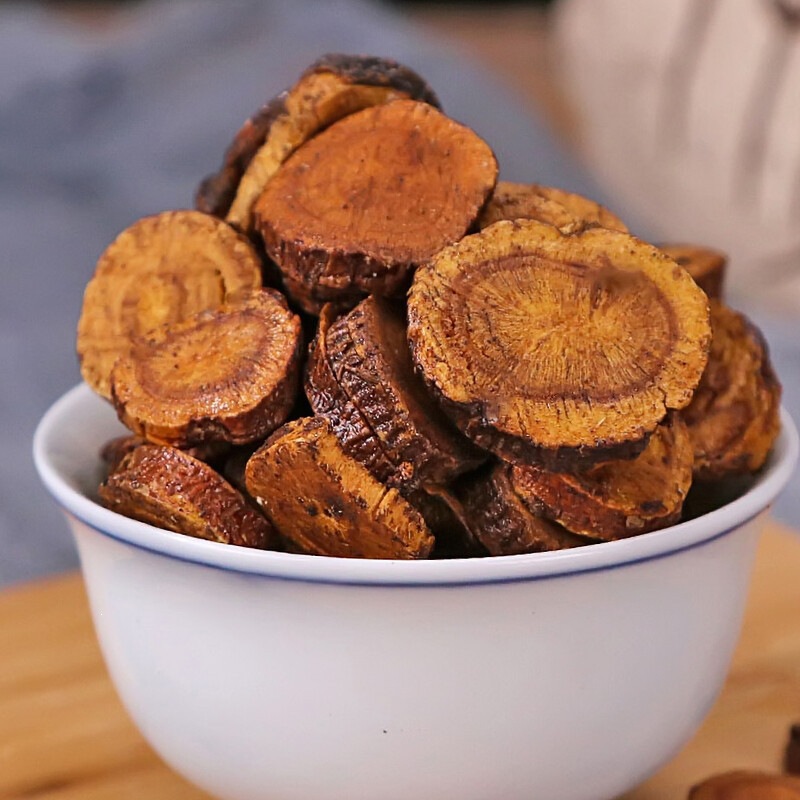
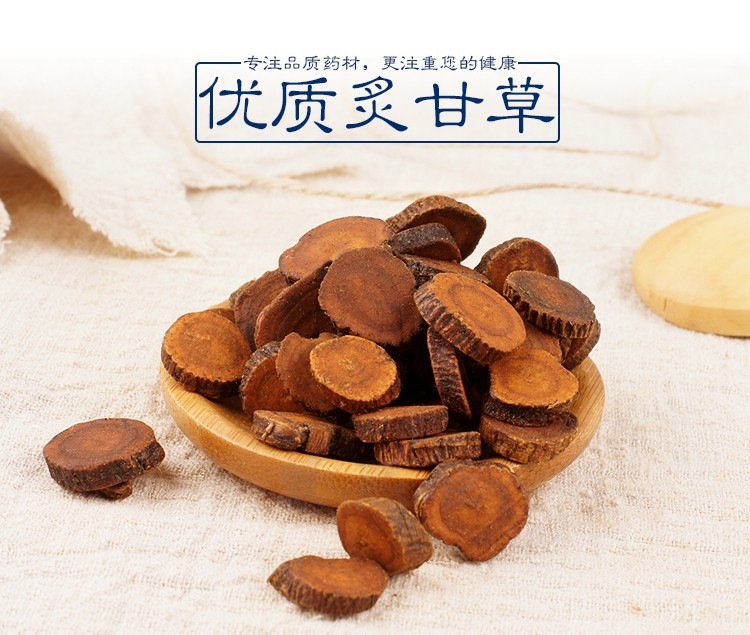
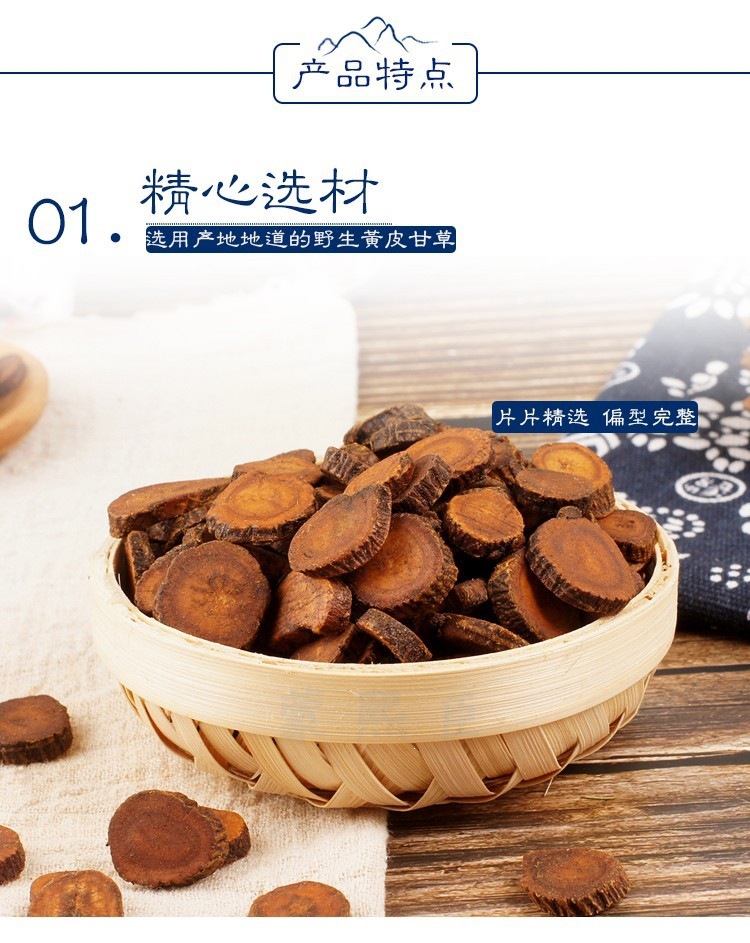
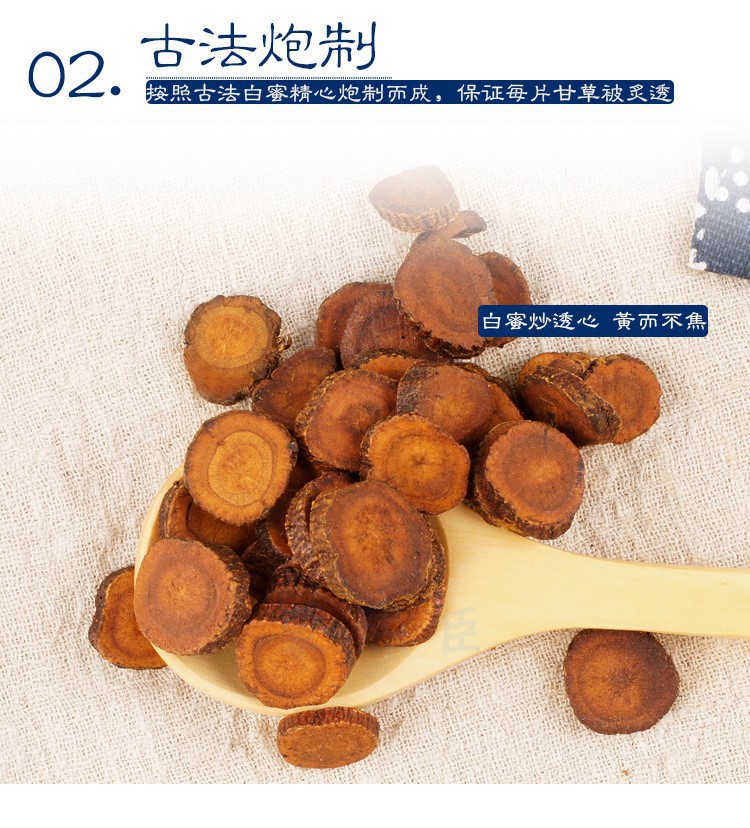
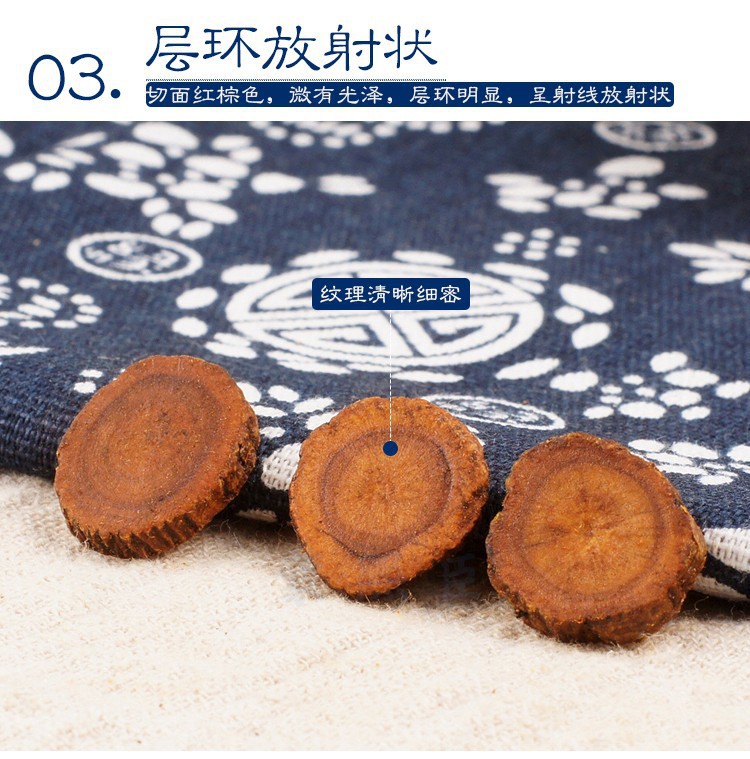
The slices are typically yellowish-brown to amber with a slightly sticky honey-coated surface. Texture is firm and fibrous, becoming soft after simmering. Aroma is sweet and mildly herbal. The brewed liquid is typically sweet with a gentle licorice note and a smooth, rounded finish.
Technical Specifications
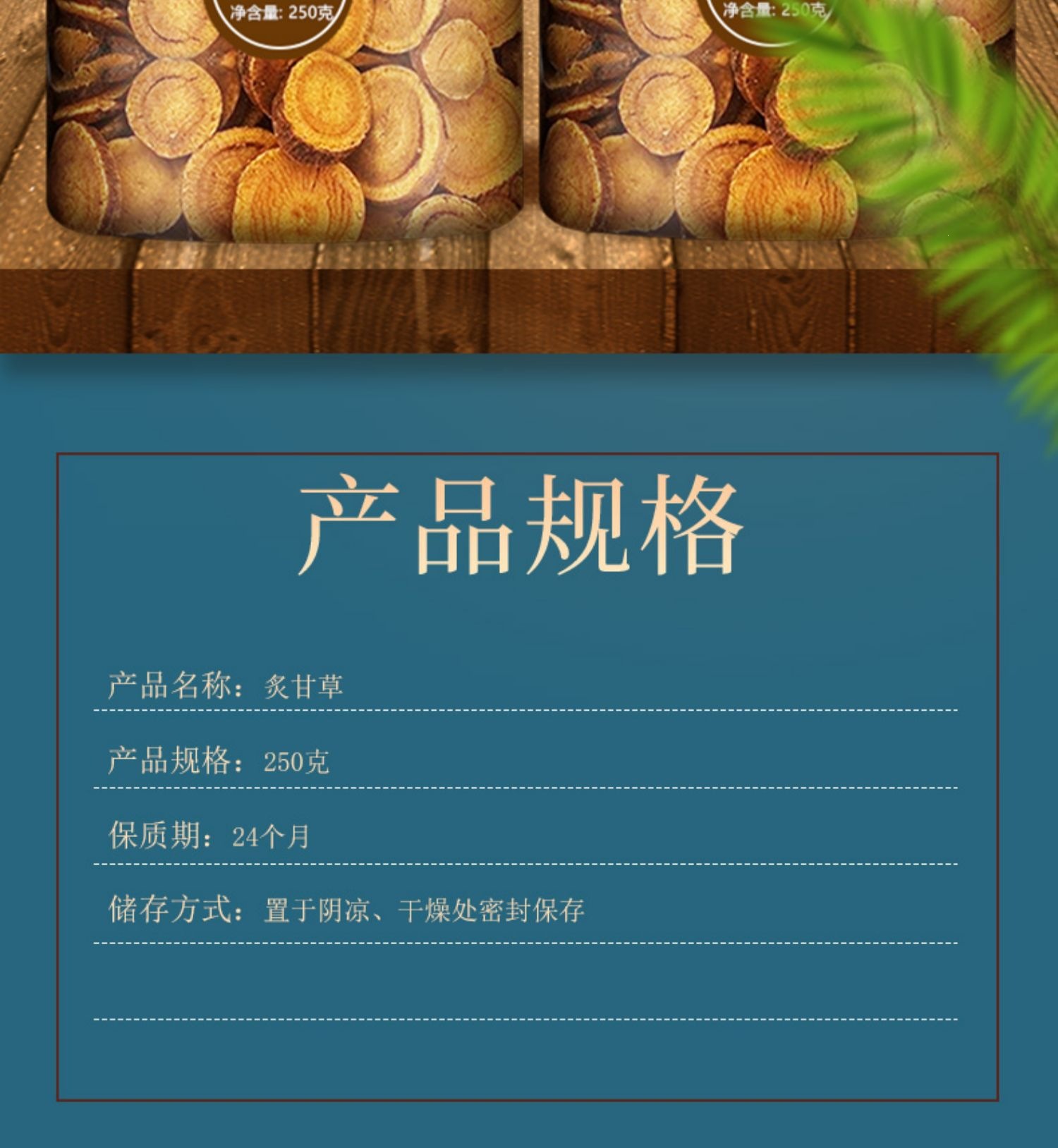
| Product Type | Honey-fried licorice root decoction pieces |
|---|---|
| Chinese Name | 炙甘草 |
| Pinyin | Zhi Gan Cao |
| Botanical Name | Glycyrrhiza uralensis |
| Plant Part | Root |
| Processing | Honey-fried |
Usage Scenarios
- Simmered in herbal decoctions
- Brewed as a simple daily herbal tea
- Added to soups and broths
- Cooked into congee
- Combined with other herbs in seasonal formulas
Traditional Uses
In TCM theory, Zhi Gan Cao is traditionally used to harmonize formulas and support the middle burner. It is often paired with ginger, jujube, or other herbs in decoctions. Folk practice includes simmering the slices in water for tea, adding them to soups, or cooking them with rice in congee for gentle daily support.
FAQ Q&A
Q: What is this product?
A: It is honey-fried licorice root slices, known in TCM as Zhi Gan Cao (炙甘草), from Glycyrrhiza uralensis.
Q: What is its traditional value?
A: In TCM theory it is sweet and neutral, traditionally associated with the spleen, stomach, heart, and lung channels, and often used to harmonize herbal formulas.
Q: How is it commonly prepared?
A: It is typically simmered in water for decoctions or teas, and can also be added to soups or congee.
Additional information
| Weight | N/A |
|---|---|
| Dimensions | N/A |
| Model | 大罐 1罐 炙甘草250g, 买1送1 共2罐 炙甘草250g 2, 买1送1 共2罐 炙甘草250g 干姜片250g, 买1送1 共2罐 甘草250g 金桔干250g, 买1送1 共2罐 炙甘草250g 陈皮丝250g, 大罐 3罐 炙甘草250g 干姜片250g 红枣片500g, 通 3罐 炙甘草125g 3, 通 2罐 炙甘草 |
Related products
-
Dried Raspberry Fruit Fu Pen Zi Whole Berries for Herbal Tea and Wine Infusion 500g
Price range: $15.63 through $18.06 -
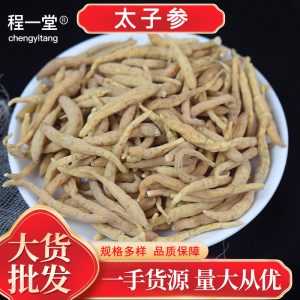
Taizishen Dried Pseudostellaria Root TCM Herbal Tea and Soup Ingredient 500g Bulk Pack
Price range: $10.28 through $15.63 -

Fritillaria Bulb Chuan Bei Mu Dried Chinese Herbal Bulbs for Decoction and Traditional Use 500g
Price range: $18.06 through $94.21 -
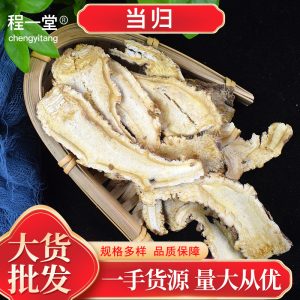
Dried Angelica Sinensis Slices Dang Gui 当归 500g Gansu Raw Herb for Decoction Soup and Tea
Price range: $16.44 through $35.88
Reviews
There are no reviews yet.