
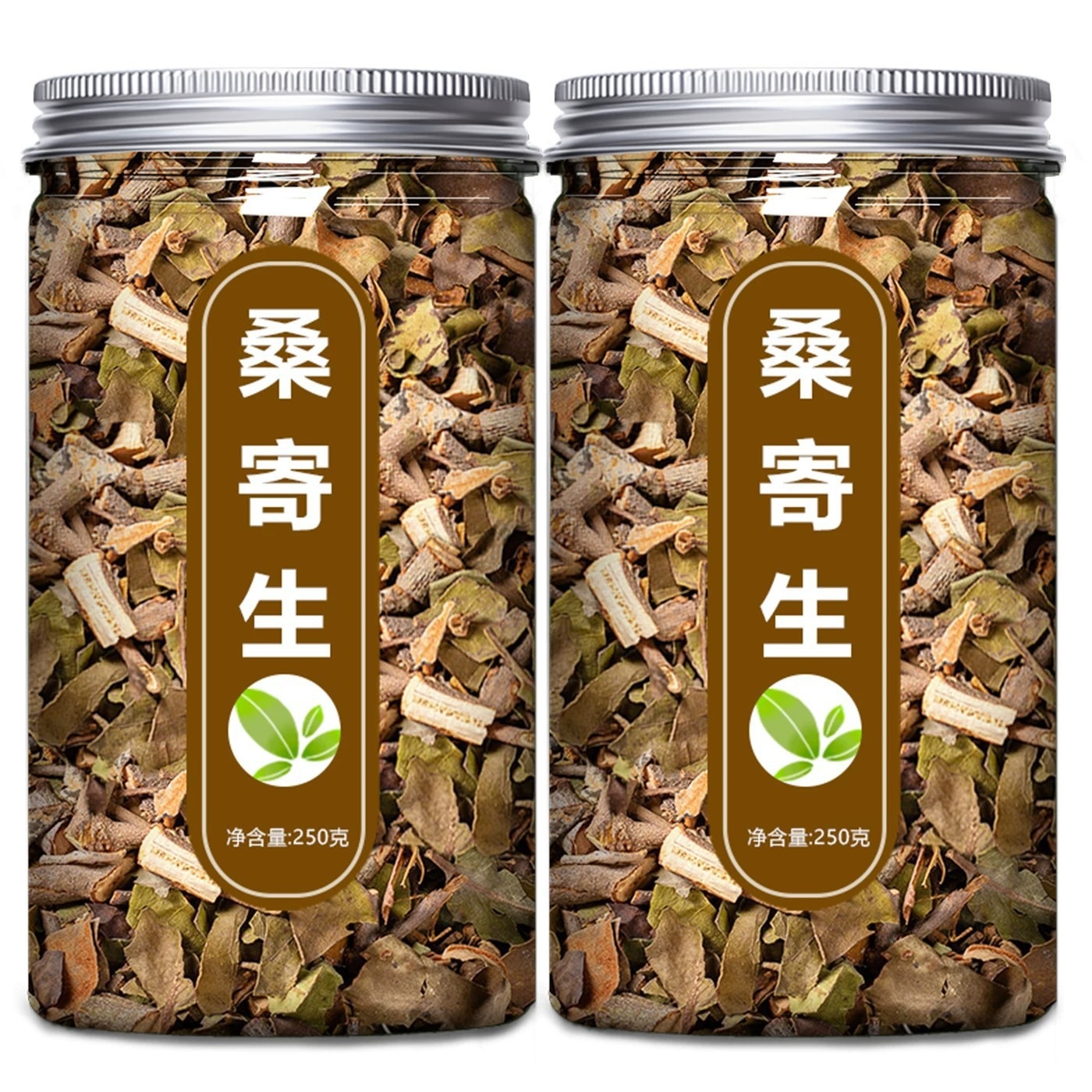
Dried Mulberry Mistletoe with Leaves Sang Ji Sheng Herbal Tea Ingredient 250g
Description
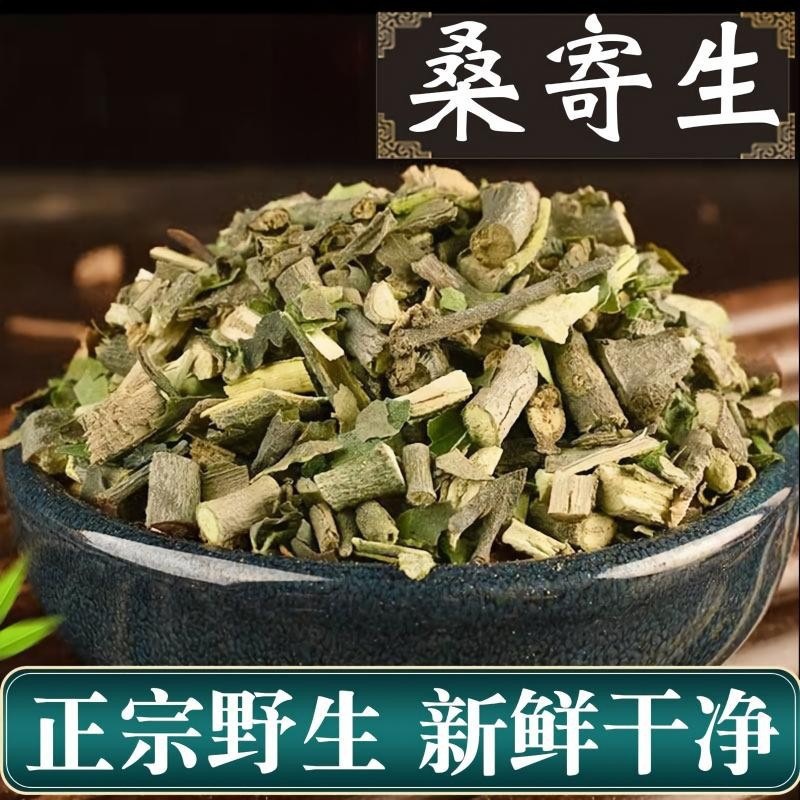
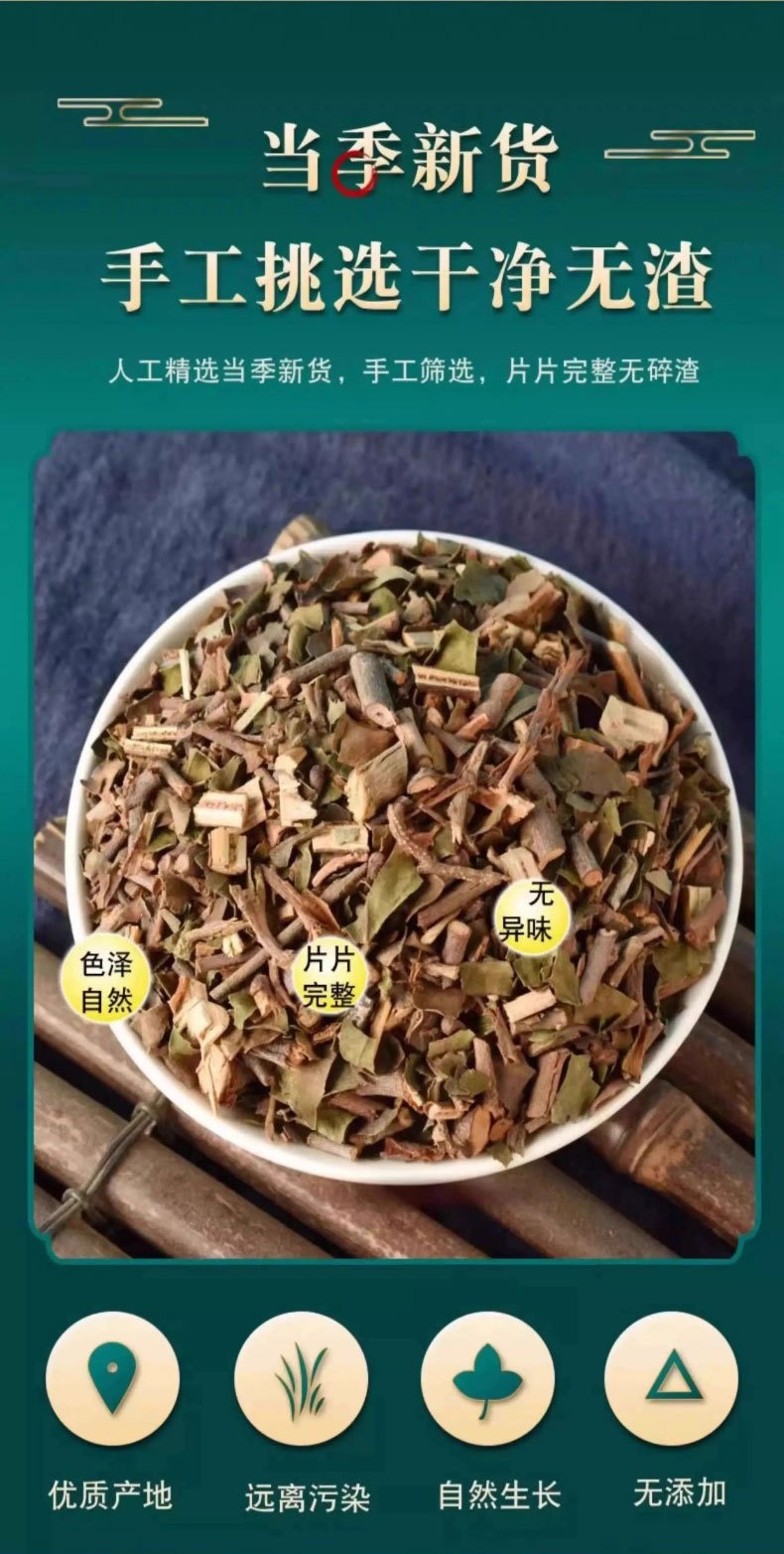
Dried Mulberry Mistletoe with Leaves, known in TCM as Sang Ji Sheng (桑寄生), from Taxillus chinensis. This raw herb is harvested with leaves intact and sold as whole decoction pieces. In TCM theory it is traditionally associated with the Liver and Kidney channels, with a neutral nature and bitter-sweet flavor. Traditionally used in decoctions and herbal teas, often paired with Hu Ji Sheng or Du Huo. Store sealed in a cool dry place.
Key Selling Points
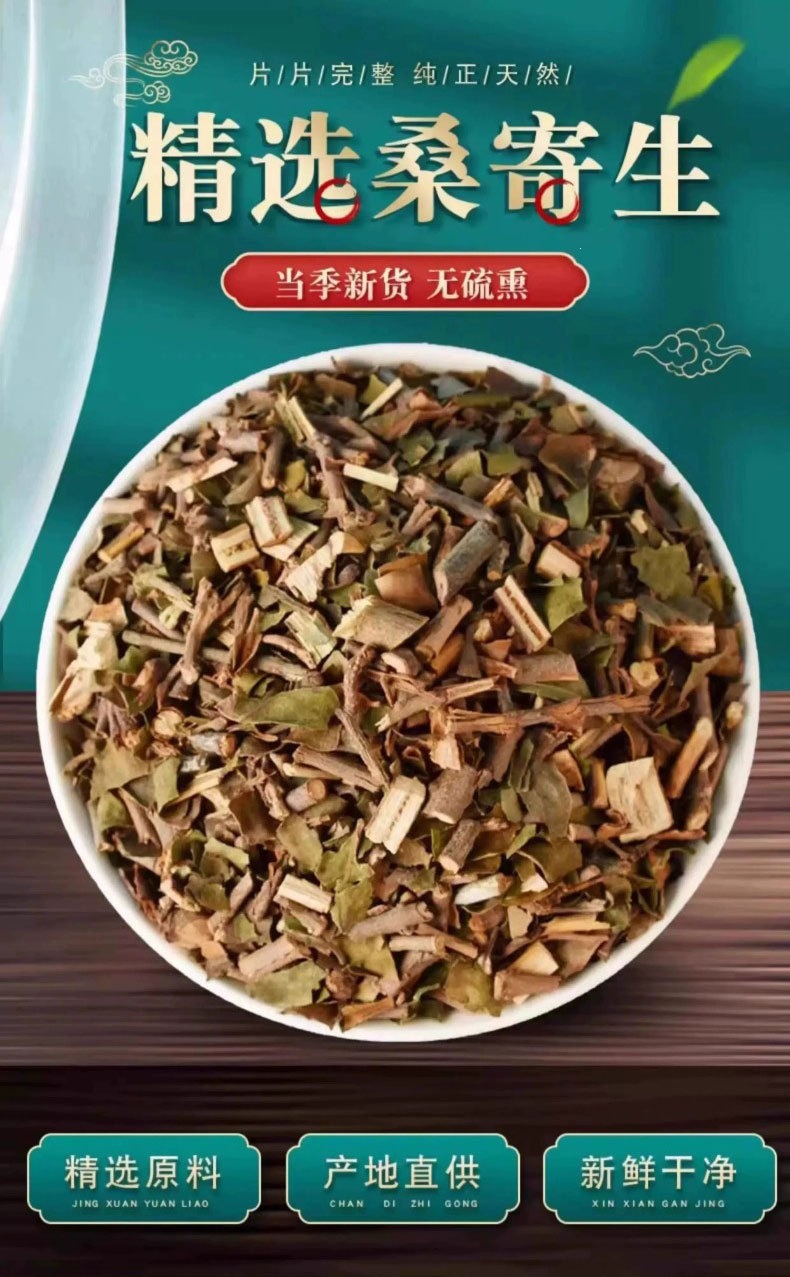
- Identified in TCM as Sang Ji Sheng (桑寄生), Mulberry Mistletoe
- Raw herb with leaves intact for traditional decoction
- Neutral nature with bitter-sweet flavor in TCM theory
- Traditionally paired with Hu Ji Sheng and Du Huo
- Sold as 250g per can in a four-can pack
Quality & Sensory
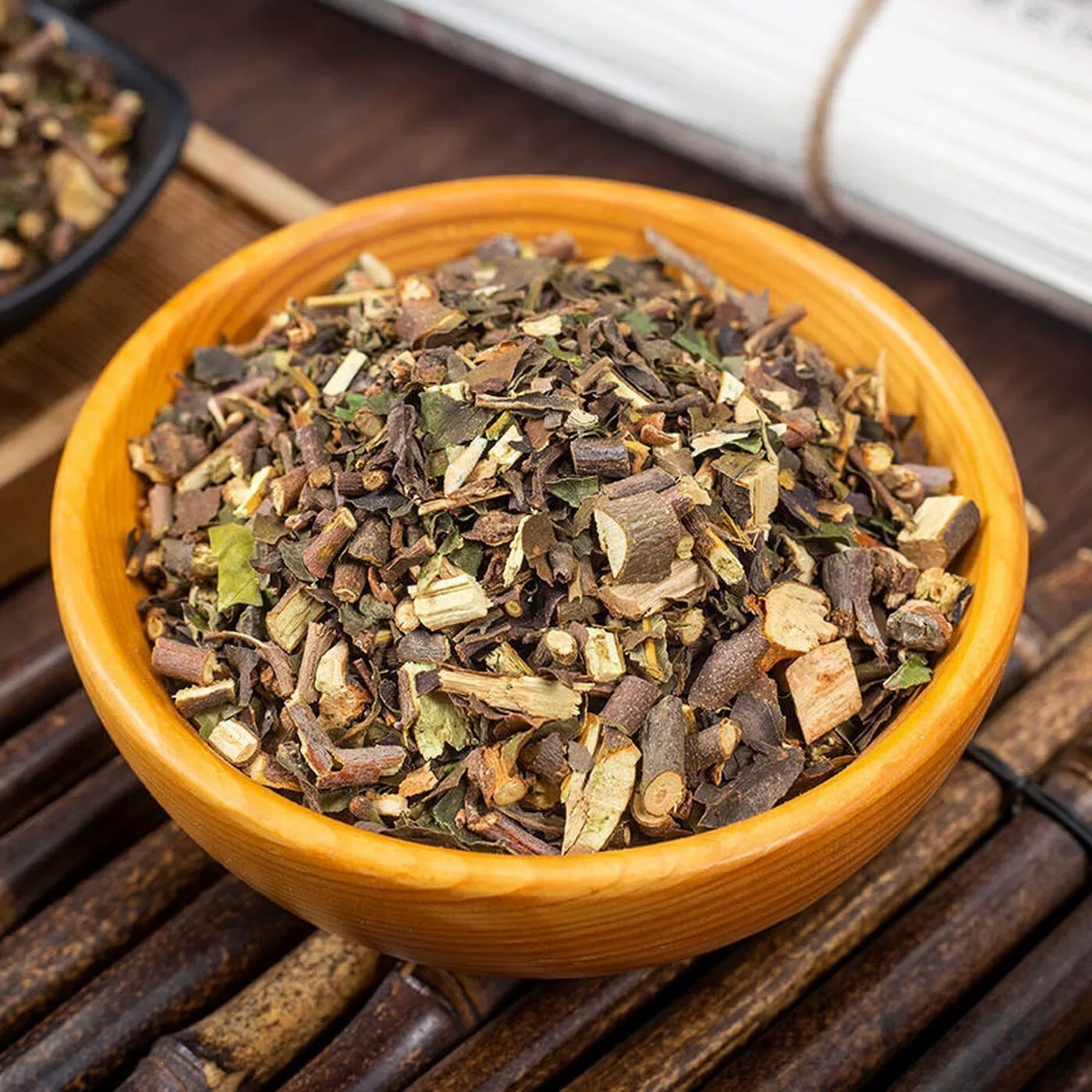
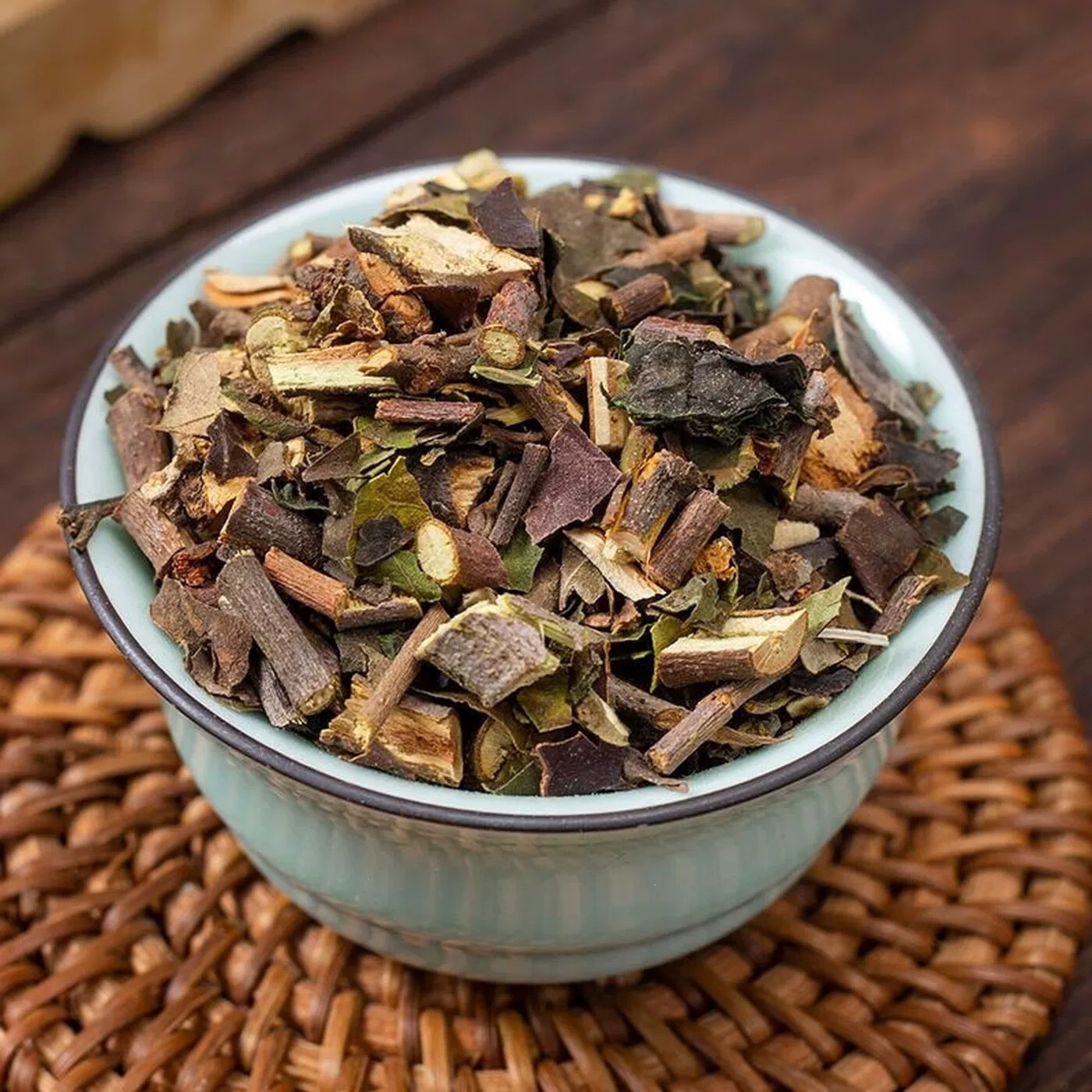
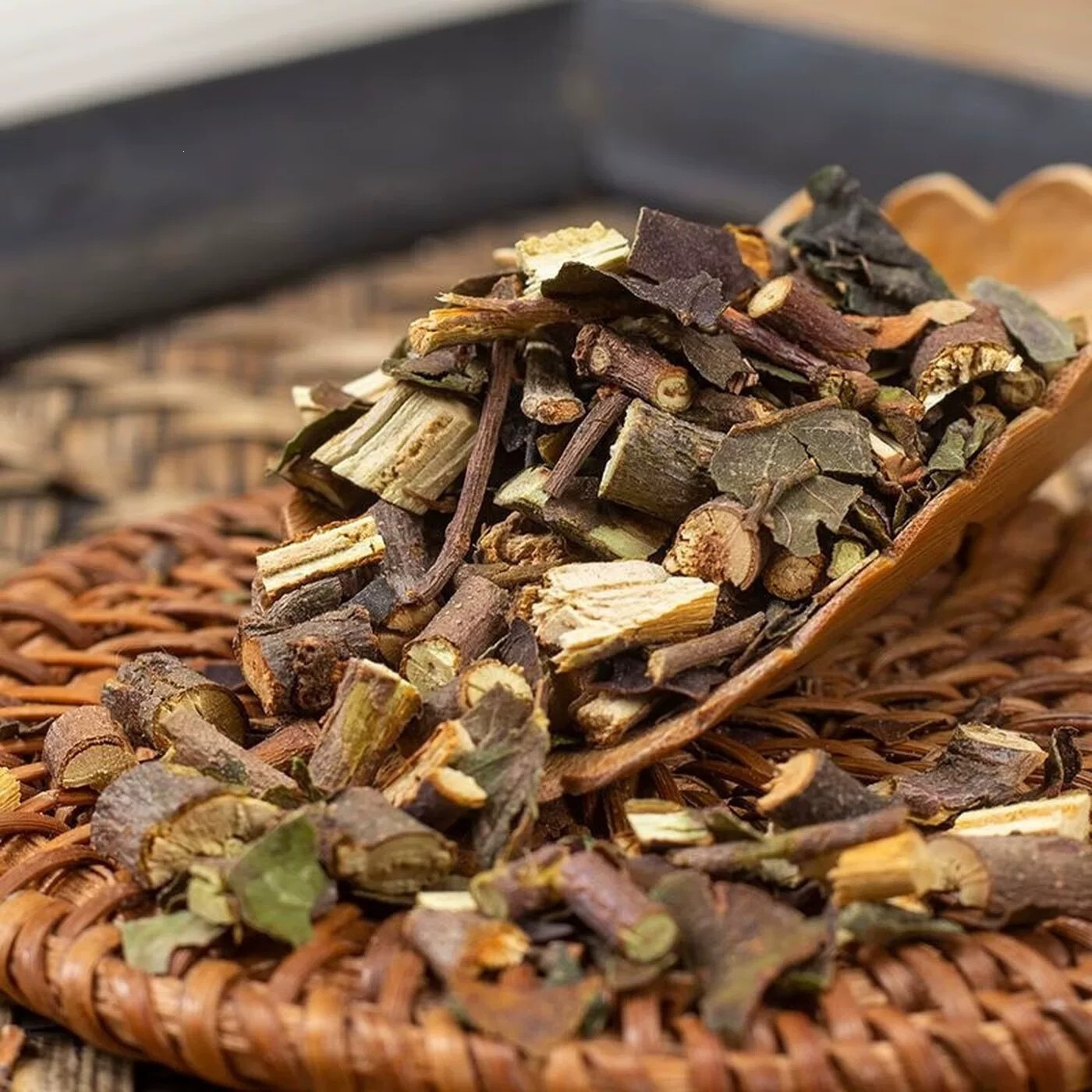
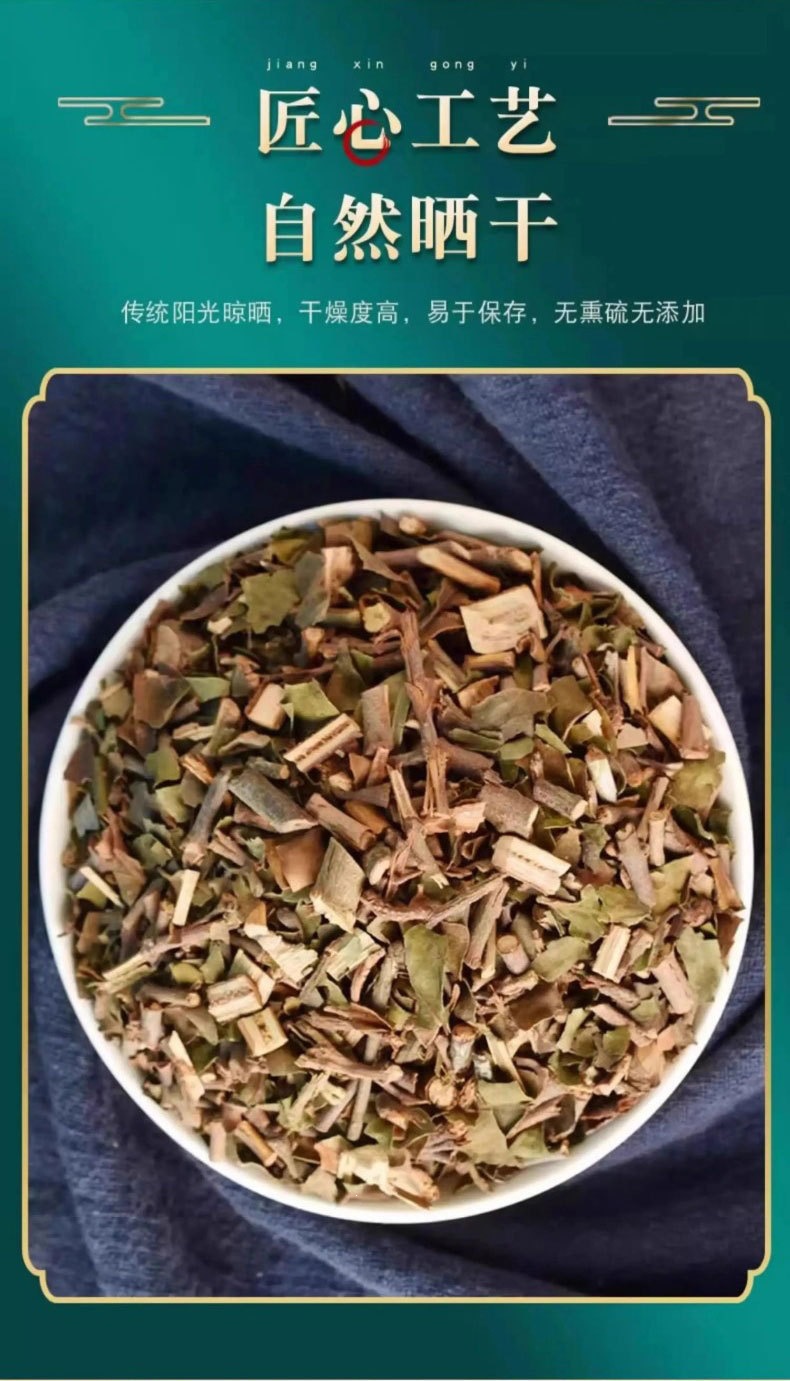
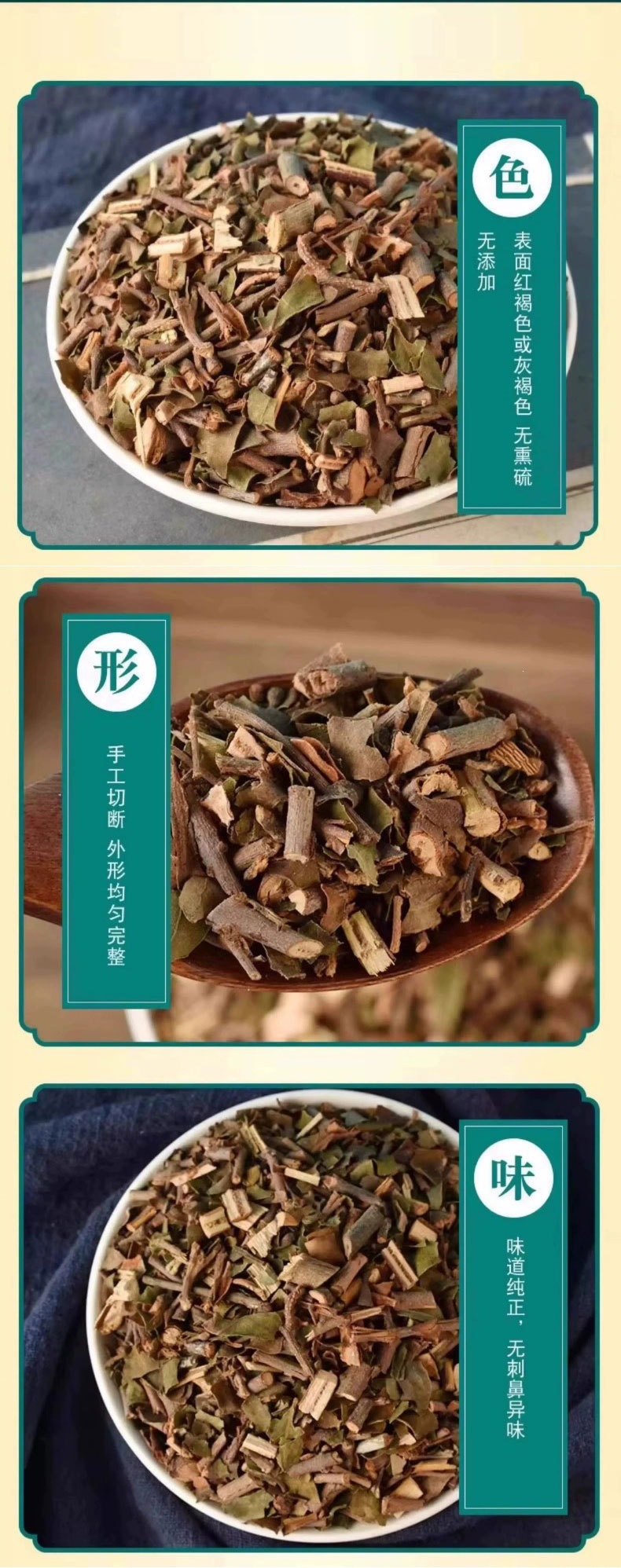
Typically reddish-brown to grayish-brown stems with green dried leaves. Texture is woody and fibrous with a mild earthy herbal aroma. After decoction the liquid is typically light amber with a subtle bitter-sweet taste. Characteristics may vary by batch.
Technical Specifications
| Product Type | Raw herb decoction pieces |
|---|---|
| Chinese Name | 桑寄生 |
| Pinyin | Sang Ji Sheng |
| Botanical Name | Taxillus chinensis |
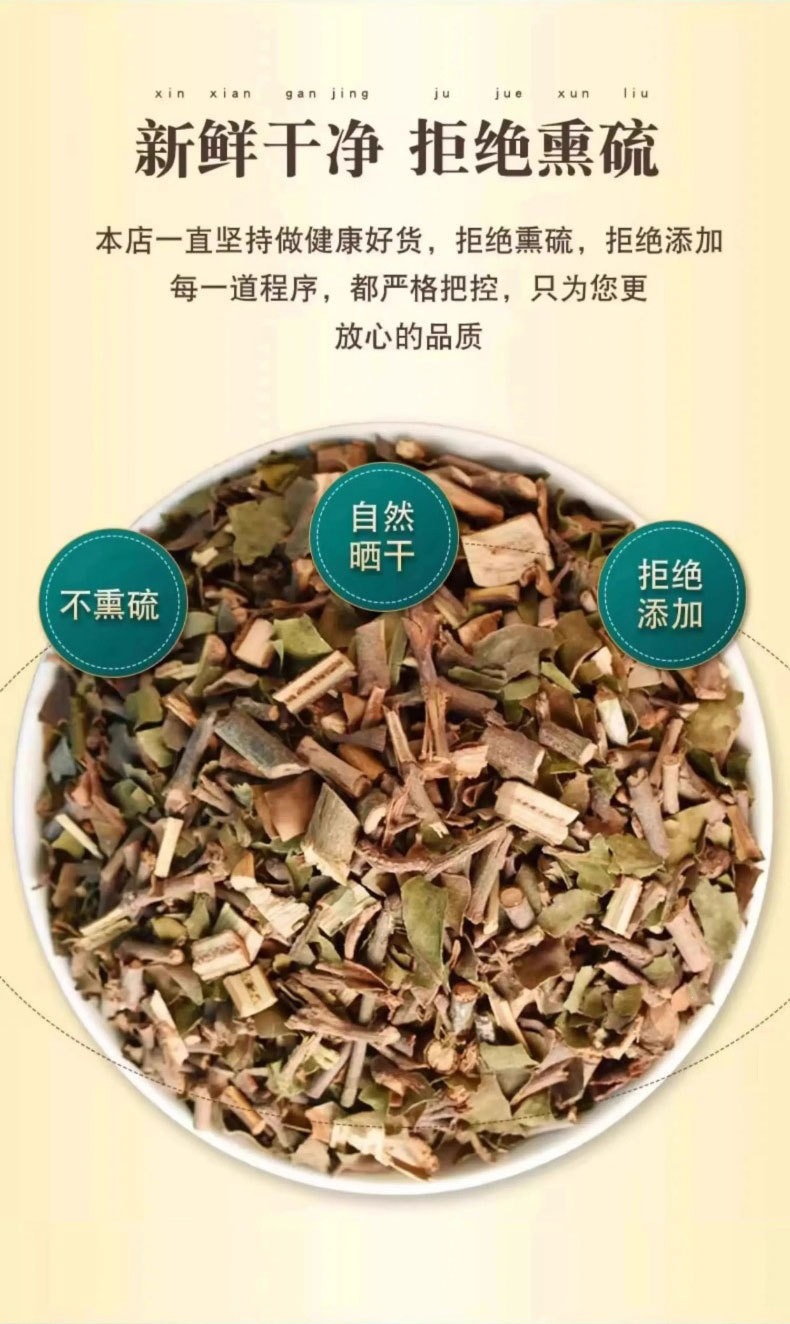
| Plant Part | Stems with leaves |
| Net Weight | 250g per can, 4 cans |
Usage Scenarios
- Simmered as a single-herb decoction
- Combined with Hu Ji Sheng and Du Huo in herbal tea
- Added to traditional soup recipes
- Used in congee preparations
- Included in seasonal herbal food blends
Traditional Uses
In TCM theory, Sang Ji Sheng is traditionally used in decoctions for its association with the Liver and Kidney channels. It is commonly simmered alone or paired with Hu Ji Sheng and Du Huo in herbal formulas. Folk practice includes adding it to soups and congee for seasonal nourishment. It is typically decocted for 20 to 30 minutes before serving.
FAQ Q&A
Q: What is this product?
A: It is dried Mulberry Mistletoe with leaves, known in TCM as Sang Ji Sheng (桑寄生), sold as raw decoction pieces.
Q: What is its traditional value?
A: In TCM theory it is associated with the Liver and Kidney channels and has a neutral nature with a bitter-sweet flavor.
Q: How is it commonly prepared?
A: It is typically simmered as a decoction or added to soups and congee, often paired with Hu Ji Sheng or Du Huo.
Additional information
| Model | 新货桑寄生100g 1罐, 新货桑寄生250g 1罐, 新货桑寄生250g 2罐, 新货桑寄生250g 3罐, 新货桑寄生250g 4罐 |
|---|
Related products
-
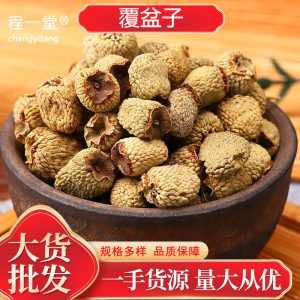
Dried Raspberry Fruit Fu Pen Zi Whole Berries for Herbal Tea and Wine Infusion 500g
Price range: $15.63 through $18.06 -
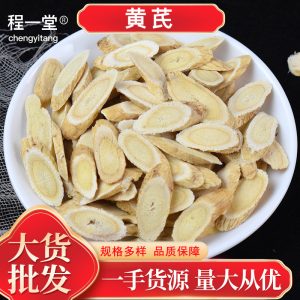
Astragalus Root Slices Huang Qi 斜片 Dried Herb for Decoction Soup and Tea 500g
Price range: $6.06 through $19.51 -
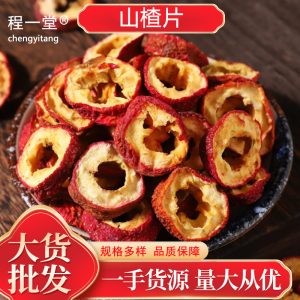
Dried Hawthorn Slices Shan Zha 500g Seedless Hollow Rings Freeze Dried Hawthorn for Tea and Culinary Use
Price range: $4.44 through $7.04 -

Fritillaria Bulb Chuan Bei Mu Dried Chinese Herbal Bulbs for Decoction and Traditional Use 500g
Price range: $18.06 through $94.21
Reviews
There are no reviews yet.