
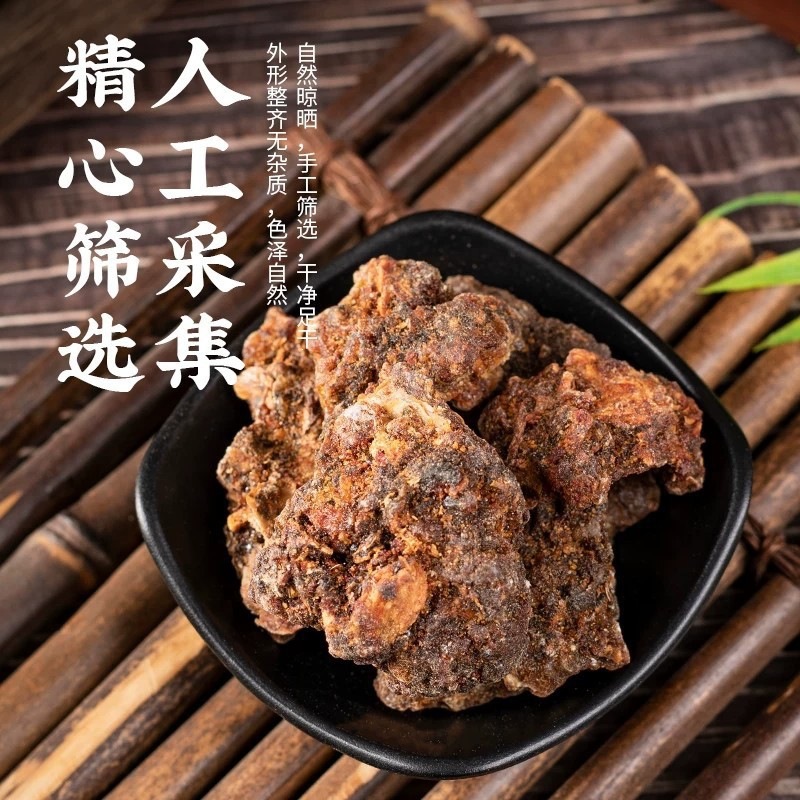
Myrrh Dried Resin Granules Mo Yao for Herbal Decoction and Daily Tea Use
Description
Dried Myrrh resin, known in TCM as Mo Yao (没药) and derived from Commiphora species, is a resinous herbal material traditionally used in Chinese medicine. In TCM theory it is associated with bitter and neutral properties and the liver and heart channels. It is commonly prepared in decoctions or teas and is often paired with frankincense (Ru Xiang).
Key Selling Points
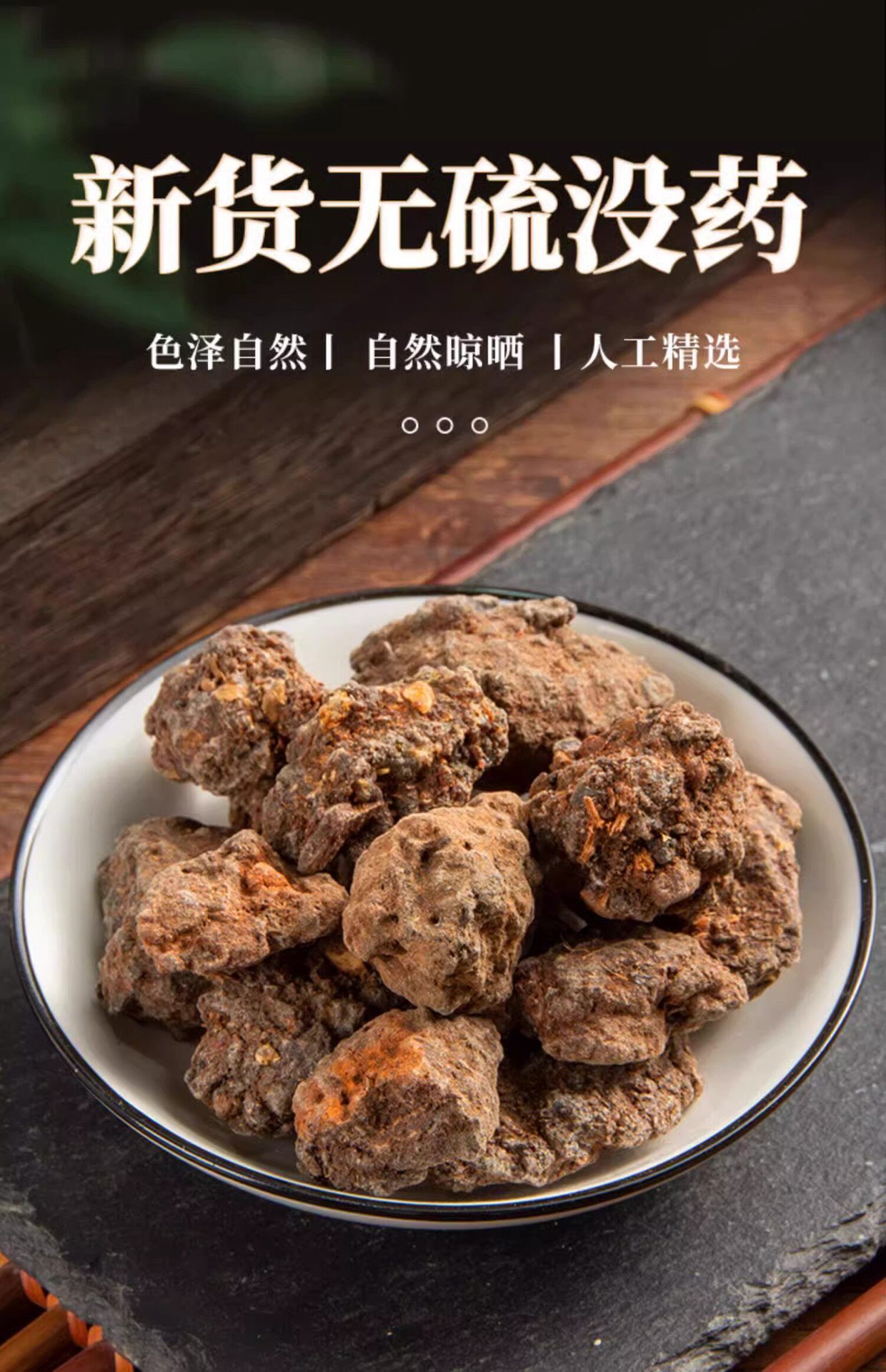
- Dried myrrh resin in granule form for herbal preparation
- Known in TCM as Mo Yao (没药) and traditionally paired with Ru Xiang
- Sourced from Hebei and sun-dried for a clean resinous texture
- Suitable for decoctions, teas, and traditional herbal formulas
- 100 g net weight per pack with 12-month shelf life
Quality & Sensory
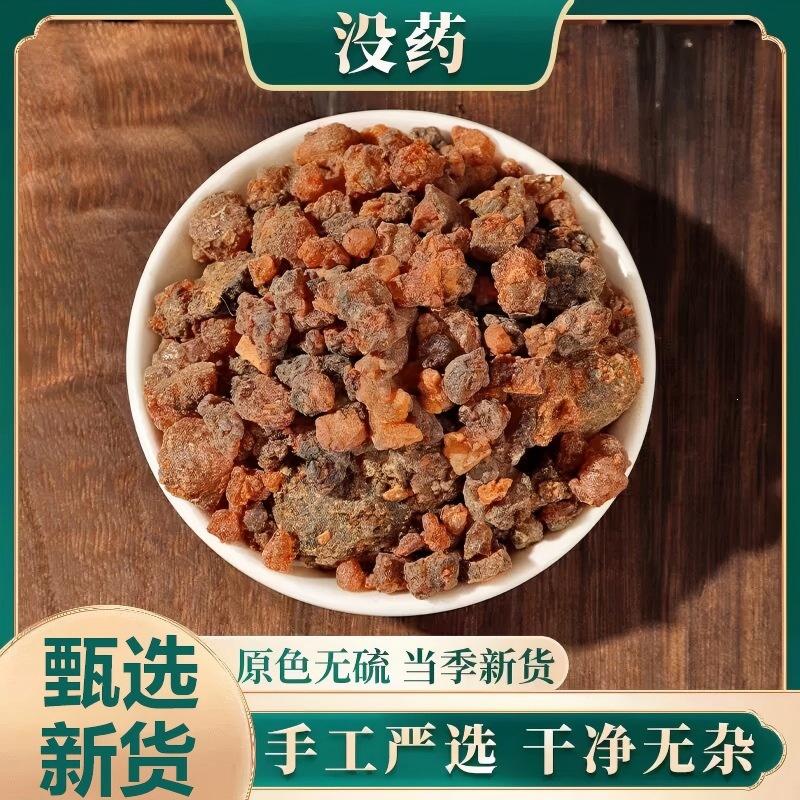
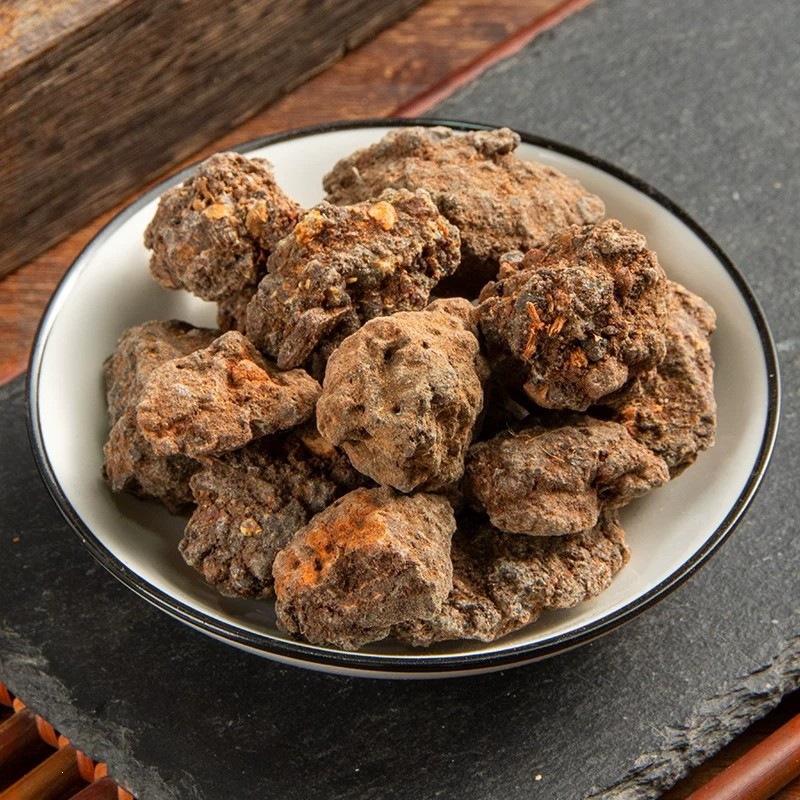
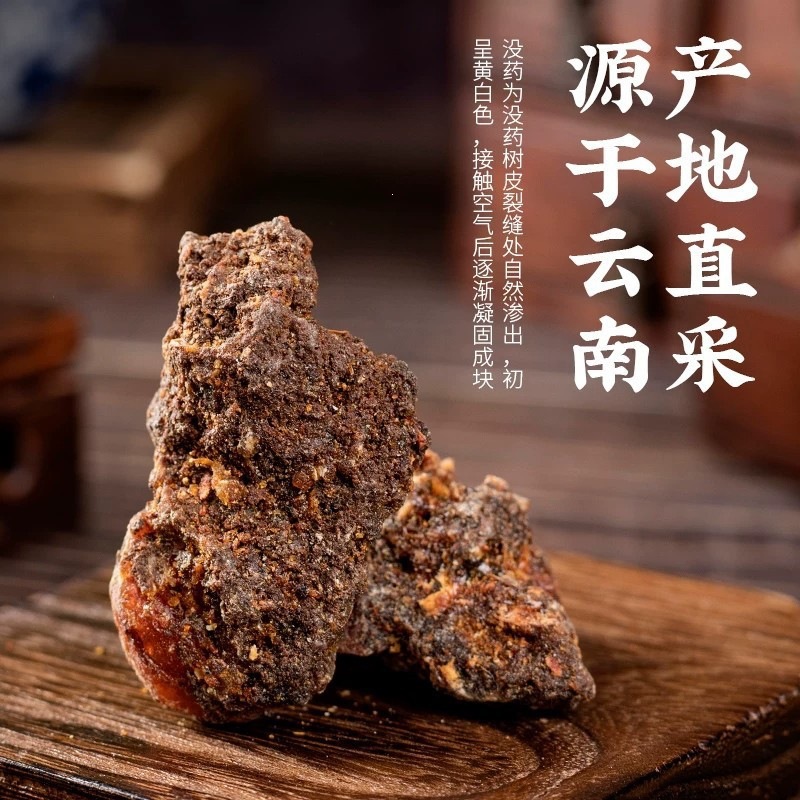
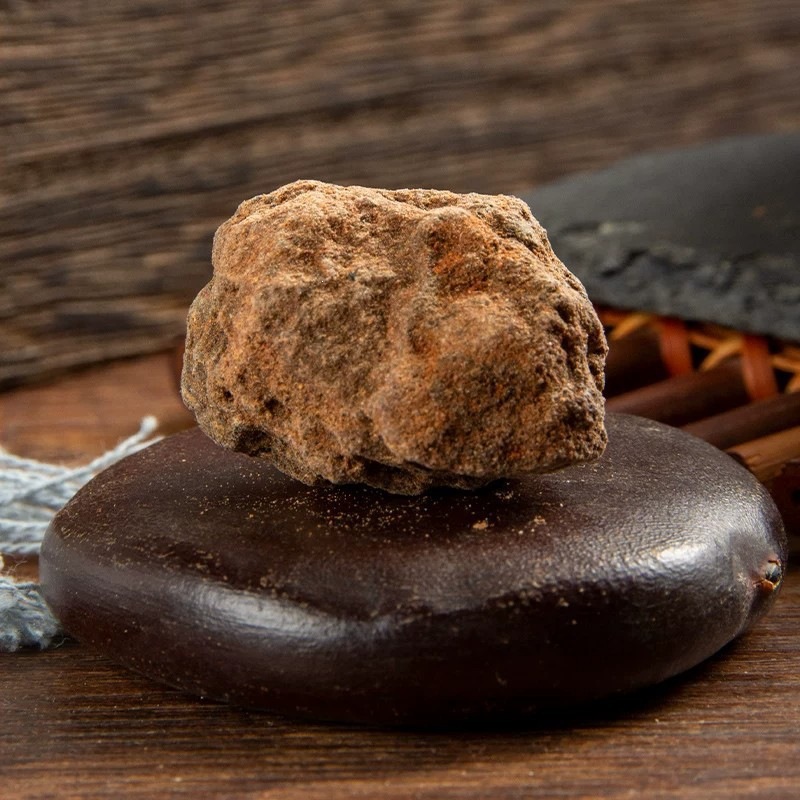
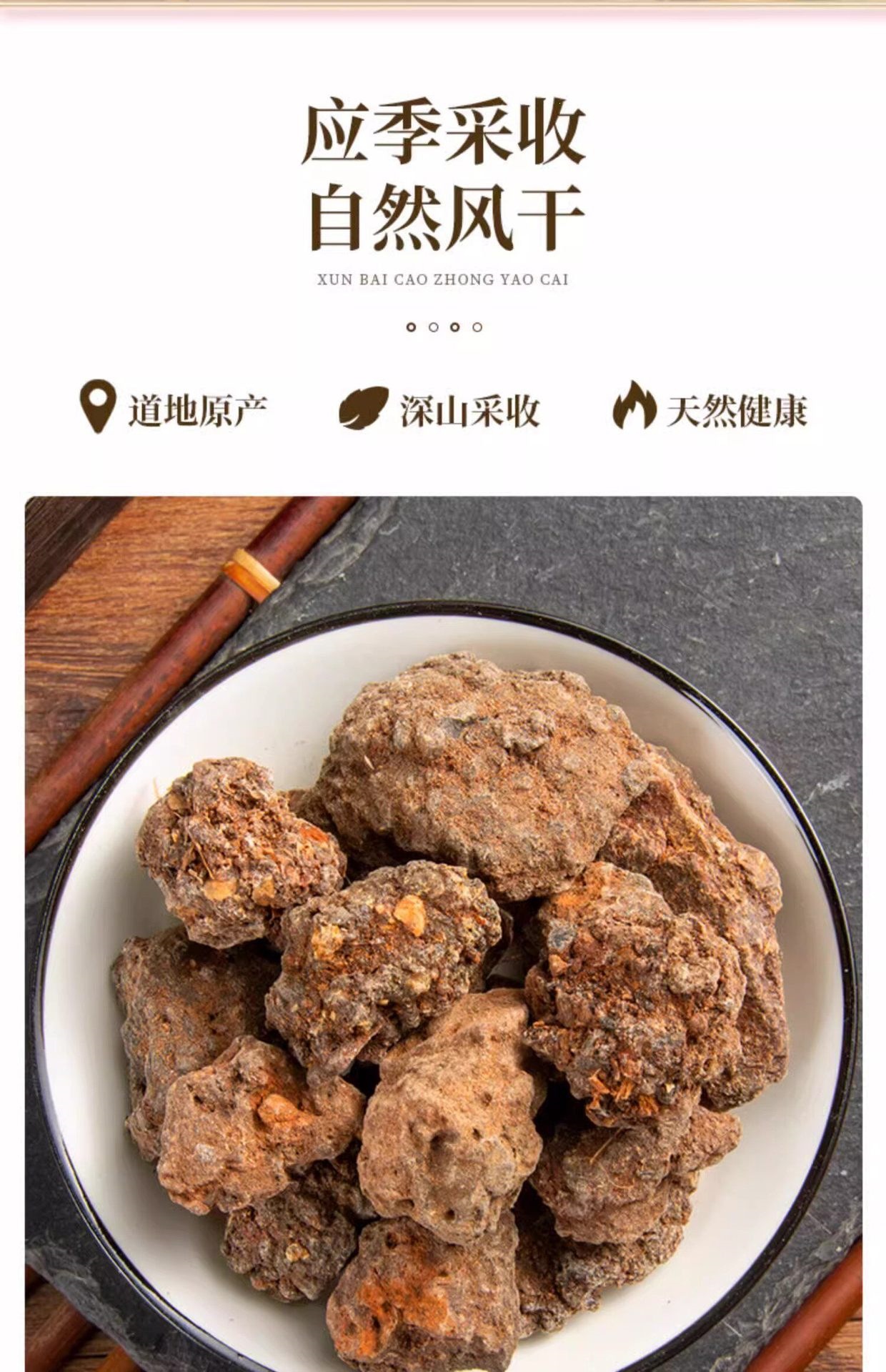
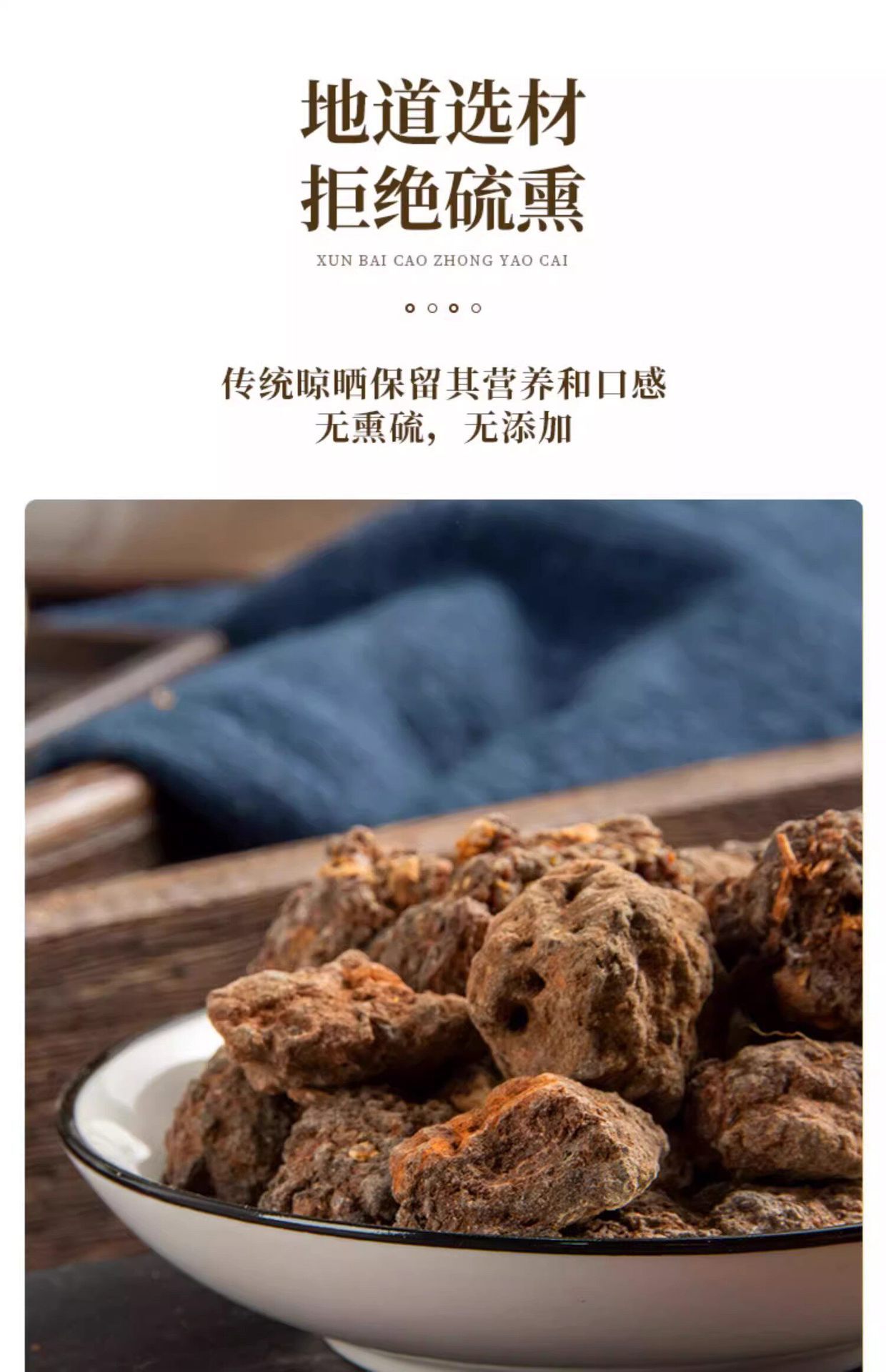
Myrrh resin typically appears as irregular amber to dark brown granules with a hard, brittle texture and a warm, resinous, slightly balsamic aroma. When decocted or steeped, it yields a bitter, aromatic brew with a lingering resinous note. Color and texture may vary slightly between batches.
Technical Specifications
| Product Type | Dried resin herb |
|---|---|
| Chinese Name | 没药 |
| Pinyin | Mo Yao |
| Botanical Name | Commiphora species |
| Plant Part | Resin |
| Net Weight | 100 g |
Usage Scenarios
- Herbal decoction with other TCM herbs
- Daily tea or infusion
- Traditional soup or congee addition
- Paired with frankincense in herbal formulas
Traditional Uses
In TCM theory, Mo Yao is traditionally used in formulas that address blood stasis and qi stagnation, often paired with Ru Xiang (frankincense). It is commonly prepared in decoctions or steeped as a tea and may be added to soups or congee in small amounts. Traditional texts associate it with the liver and heart channels and a bitter, neutral nature.
FAQ Q&A
Q: What is this product?
A: It is dried myrrh resin, known in TCM as Mo Yao (没药), sold as granules for herbal preparation.
Q: What is myrrh traditionally used for in TCM?
A: In TCM theory it is traditionally associated with blood stasis and qi stagnation and is often paired with frankincense.
Q: How is myrrh commonly prepared?
A: It is typically decocted with other herbs or steeped as a tea, and may also be added to soups or congee.
Additional information
| Model | 没药100克 1罐, 没药250克 1罐, 没药500克 1罐, 没药500克 2罐, 没药500克 3罐, 没药500克 4罐 |
|---|
Related products
-

Dried Raspberry Fruit Fu Pen Zi Whole Berries for Herbal Tea and Wine Infusion 500g
Price range: $15.63 through $18.06 -

Cabinda Bark Dried Herb 500g Traditional Herbal Infusion Ingredient
Price range: $12.38 through $37.50 -
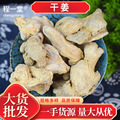
Dried Ginger Root Gan Jiang 500g Bulk Chinese Herb Zingiber officinale Rhizome for Decoction and Culinary Use
$5.90 -
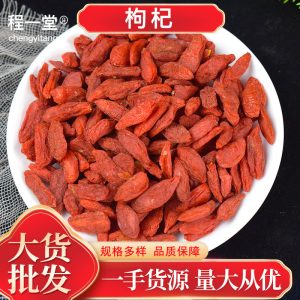
Ningxia Goji Berries Gou Qi Zi 500g Dried Red Wolfberry for Tea Soup and Snacking
Price range: $7.20 through $16.44
Reviews
There are no reviews yet.