
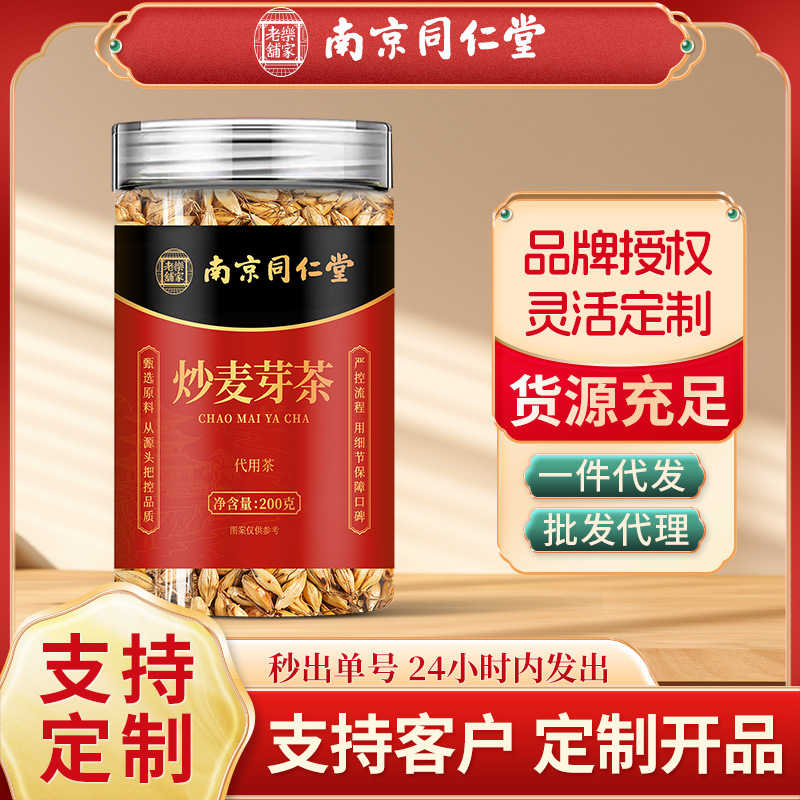
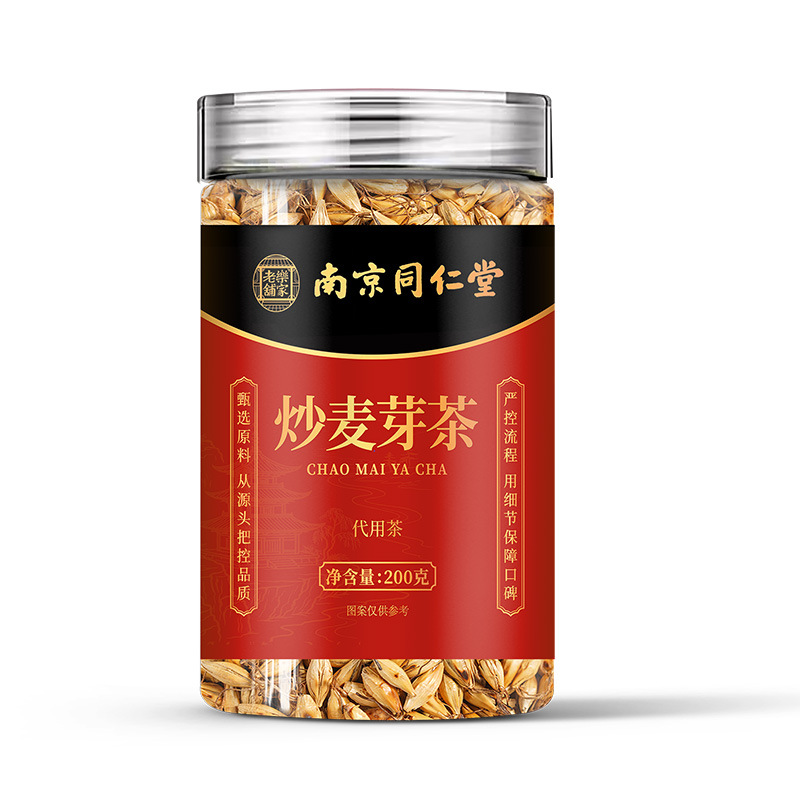
Roasted Malt Barley Sprout Tea Mai Ya 200g Jar Traditional Herbal Drink
$5.60
9999 in stock
Description
Roasted Malt (炒麦芽, Mai Ya), from Hordeum vulgare germinated barley grain, is a traditional Chinese herbal decoction piece. In TCM theory it is sweet and neutral, entering the spleen and stomach channels. Traditionally used to support digestion and soothe occasional fullness after meals. The roasted form is gently warming and commonly steeped as a daily herbal tea or added to soups and congee.
Key Selling Points
- Single-ingredient roasted malt from germinated barley grain
- Known in TCM as Mai Ya (炒麦芽) with sweet neutral nature
- Roasted processing gives a warm toasted aroma and mild taste
- Sold as a 200g resealable jar for convenient daily use
- Traditionally taken as a tea after meals or added to soups
Quality & Sensory
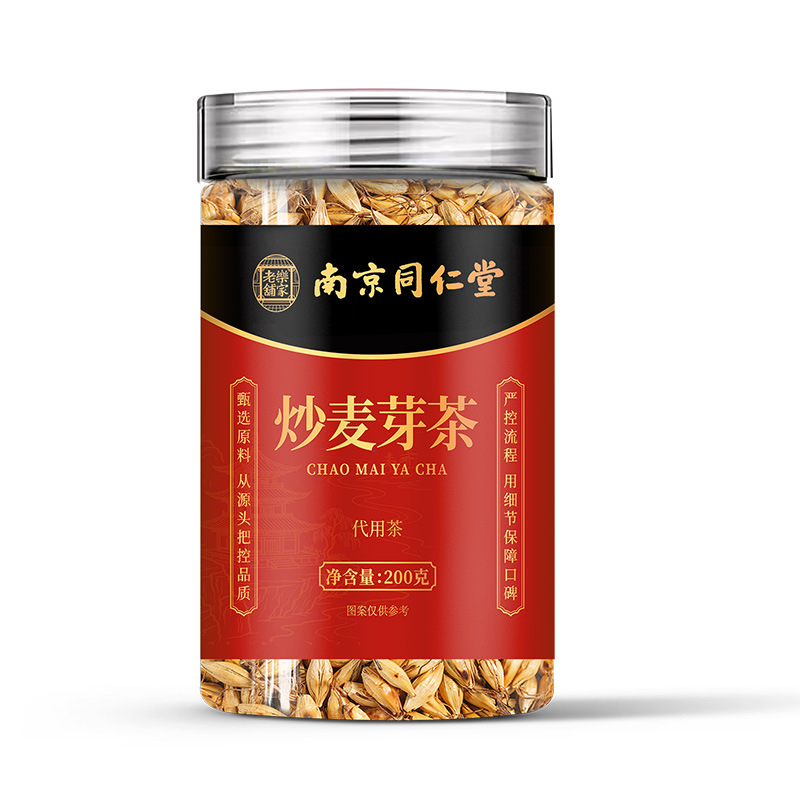
The roasted grains are typically golden to light brown with a dry crisp texture and a warm toasted cereal aroma. When steeped, the liquor is typically pale amber with a mild sweet malty taste and no strong bitterness.
Technical Specifications
| Product Type | Roasted herbal decoction pieces |
|---|---|
| Chinese Name | 炒麦芽 |
| Pinyin | Mai Ya |
| Botanical Name | Hordeum vulgare |
| Plant Part | Germinated barley grain |
| Net Weight | 200g |
Usage Scenarios
- Steeped as a daily herbal tea
- Added to soups and broths
- Cooked into congee
- Used in traditional decoctions
Traditional Uses
In TCM theory, roasted Mai Ya is traditionally used to support digestion and address occasional food stagnation, especially after heavy meals. It is commonly steeped alone as a tea or combined with hawthorn and tangerine peel in decoctions. Folk practice also adds it to congee and soups for gentle daily digestive support.
FAQ Q&A
Q: What is this product?
A: It is roasted malt made from germinated barley grain, known in TCM as Mai Ya (炒麦芽), sold as a 200g jar of dried decoction pieces.
Q: What is its traditional value?
A: In TCM theory it is sweet and neutral, entering the spleen and stomach channels, and is traditionally associated with supporting digestion and easing occasional fullness.
Q: How is it commonly prepared?
A: It is typically steeped in hot water as a tea, simmered in decoctions, or added to soups and congee. Follow package or practitioner guidance for amounts.
Additional information
| Weight | 0.43 kg |
|---|---|
| Dimensions | 12 × 12 × 15 cm |
Related products
-

Dried Raspberry Fruit Fu Pen Zi Whole Berries for Herbal Tea and Wine Infusion 500g
Price range: $15.63 through $18.06 -
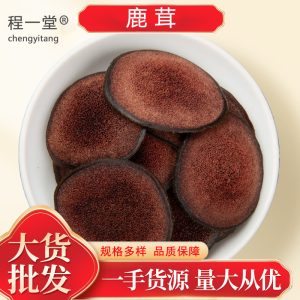
Deer Antler Slices Lu Rong 鹿茸片 Dried Slices for Wine Infusion and Soup 100g Wax Slices Pack
Price range: $68.29 through $92.59 -
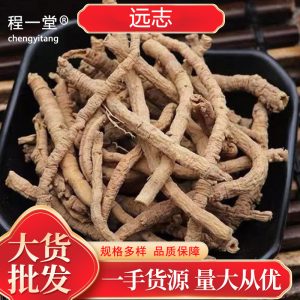
Dried Polygala Root Yuan Zhi 500g Traditional Chinese Herb for Decoction
Price range: $18.87 through $24.54 -
Dried Ginger Root Gan Jiang 500g Bulk Chinese Herb Zingiber officinale Rhizome for Decoction and Culinary Use
$5.90
Reviews
There are no reviews yet.