
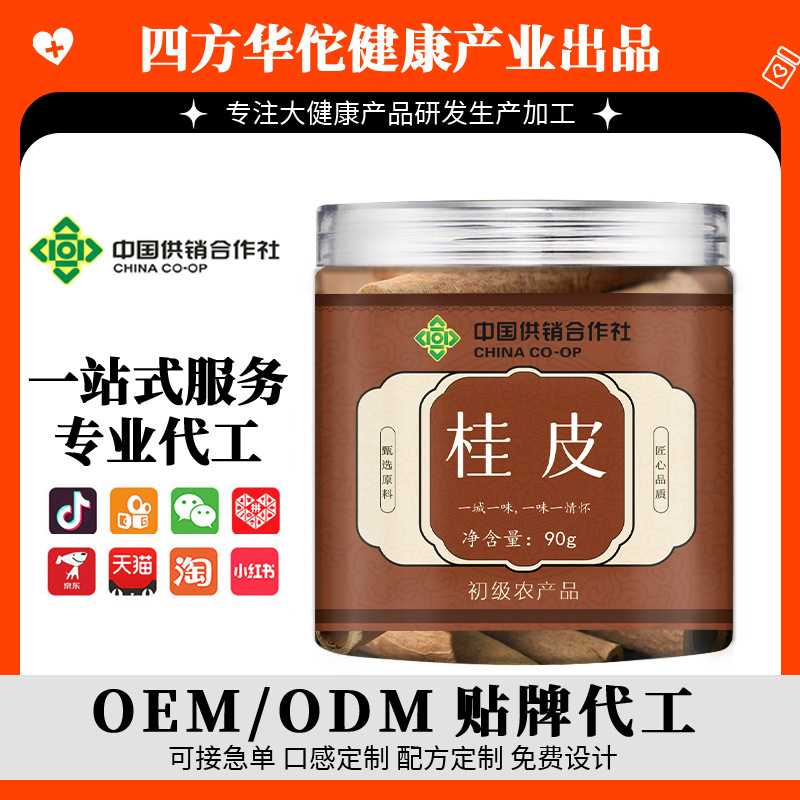

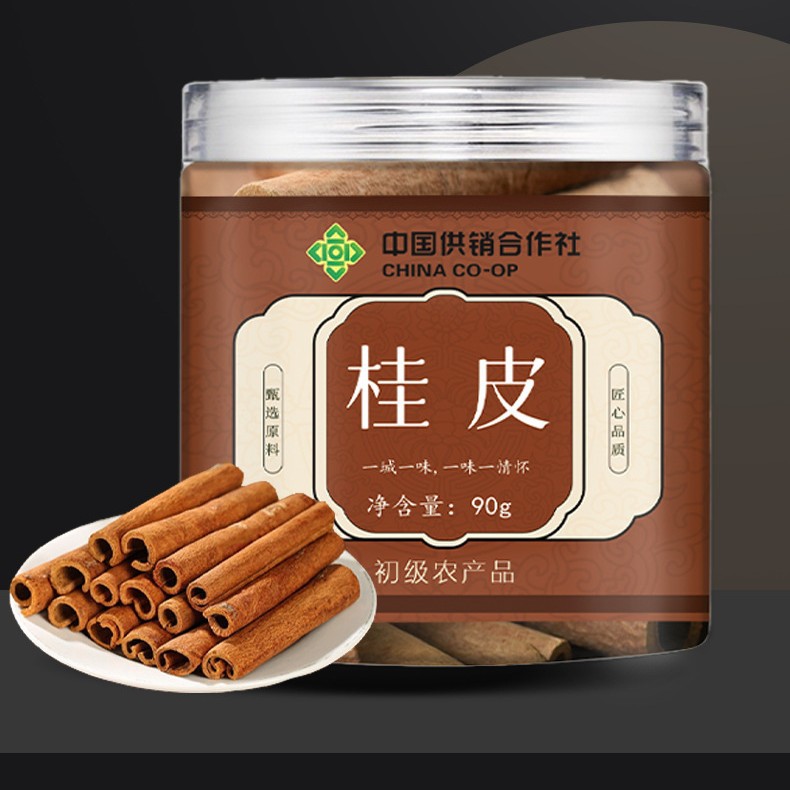
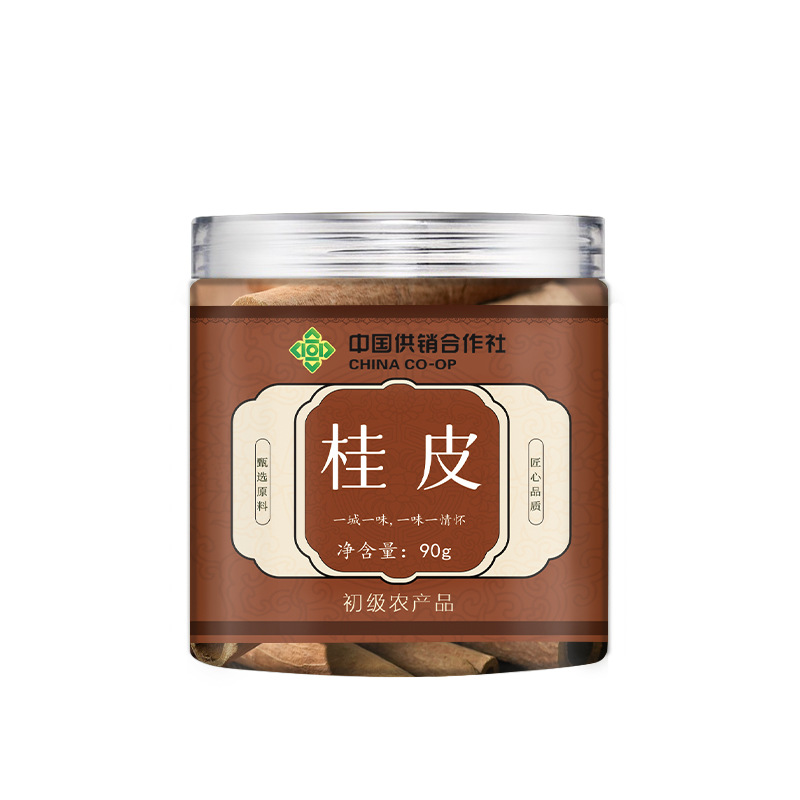
Chinese Cinnamon Bark Gui Pi 90g Jar Dried Spice for Braising and Herbal Cooking
$5.71
88886 in stock
Description
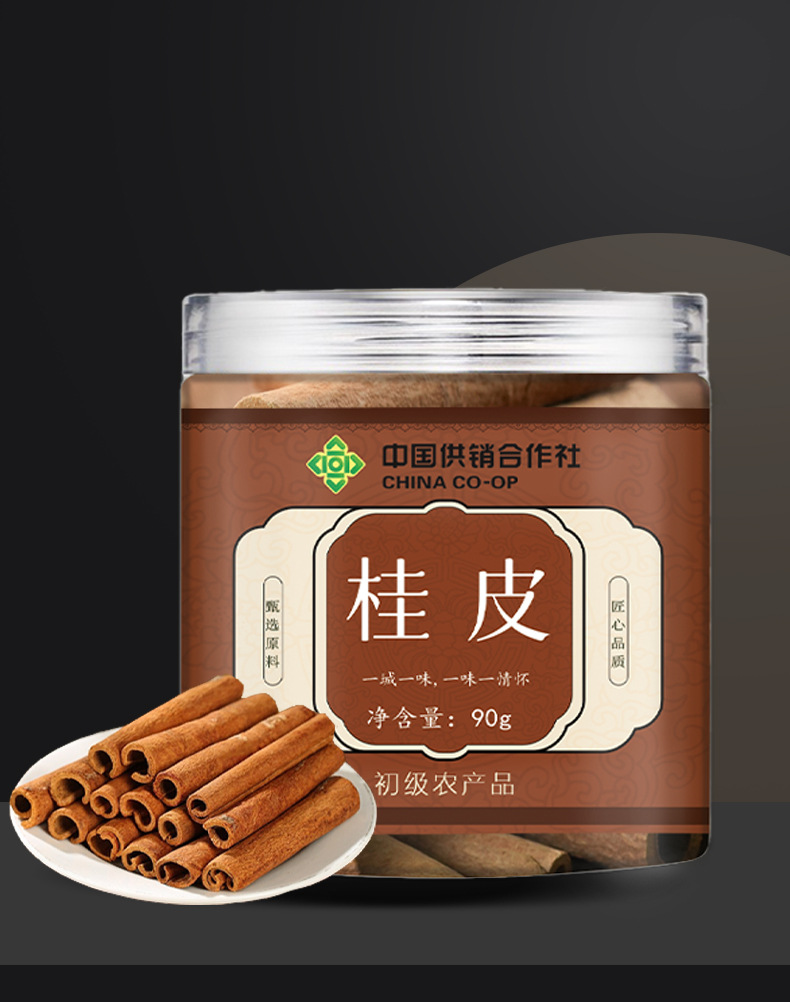
Dried Chinese Cinnamon Bark, known in TCM as Gui Pi (桂皮), from Cinnamomum cassia, sold as sun-dried bark pieces in a 90g jar. In TCM theory it is warm and pungent, associated with the Spleen, Stomach, Kidney, and Liver channels. Traditionally used to warm the middle, support digestion, and add depth to braised dishes, soups, and decoctions. Store at room temperature and use as a culinary or traditional herbal ingredient.
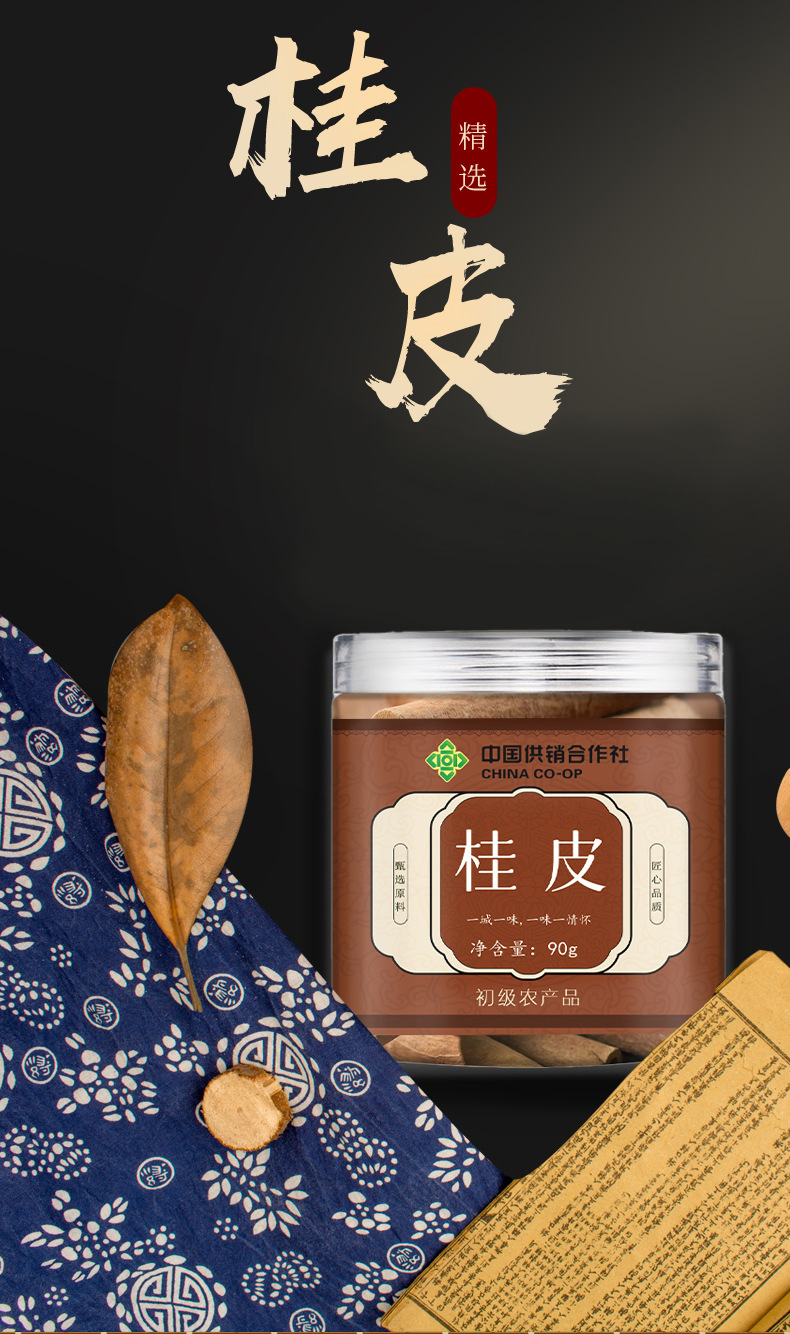
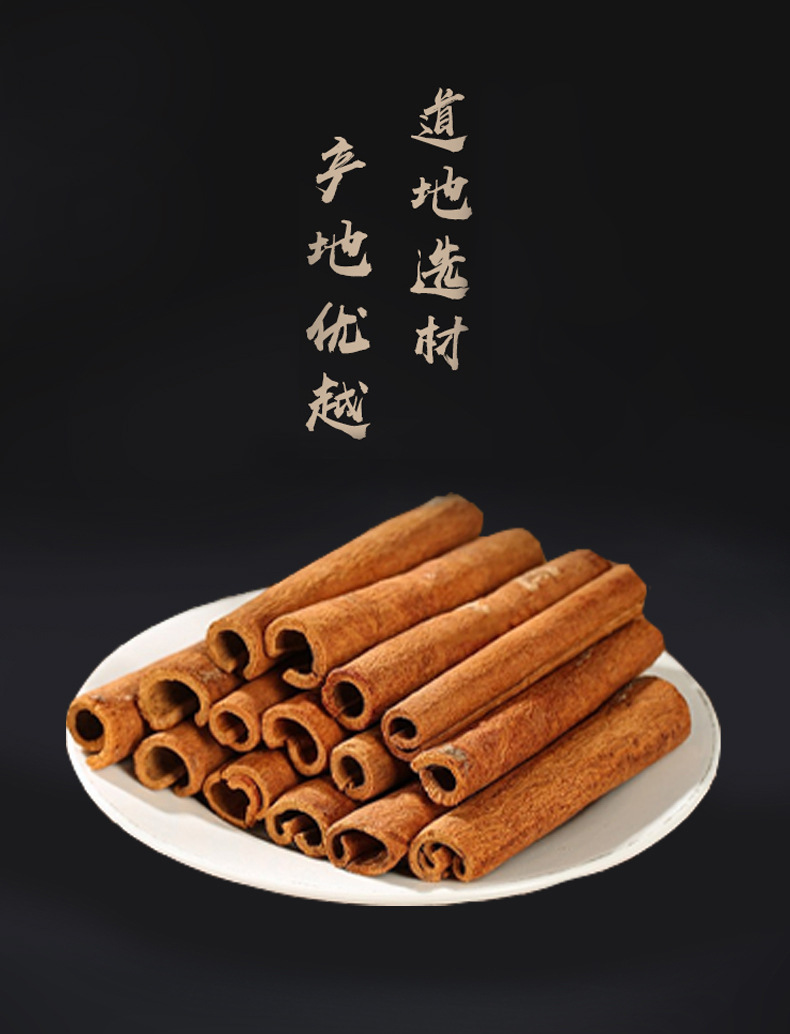
Key Selling Points
- Dried Chinese cinnamon bark pieces from Cinnamomum cassia
- Known in TCM as Gui Pi (桂皮) with warm pungent nature
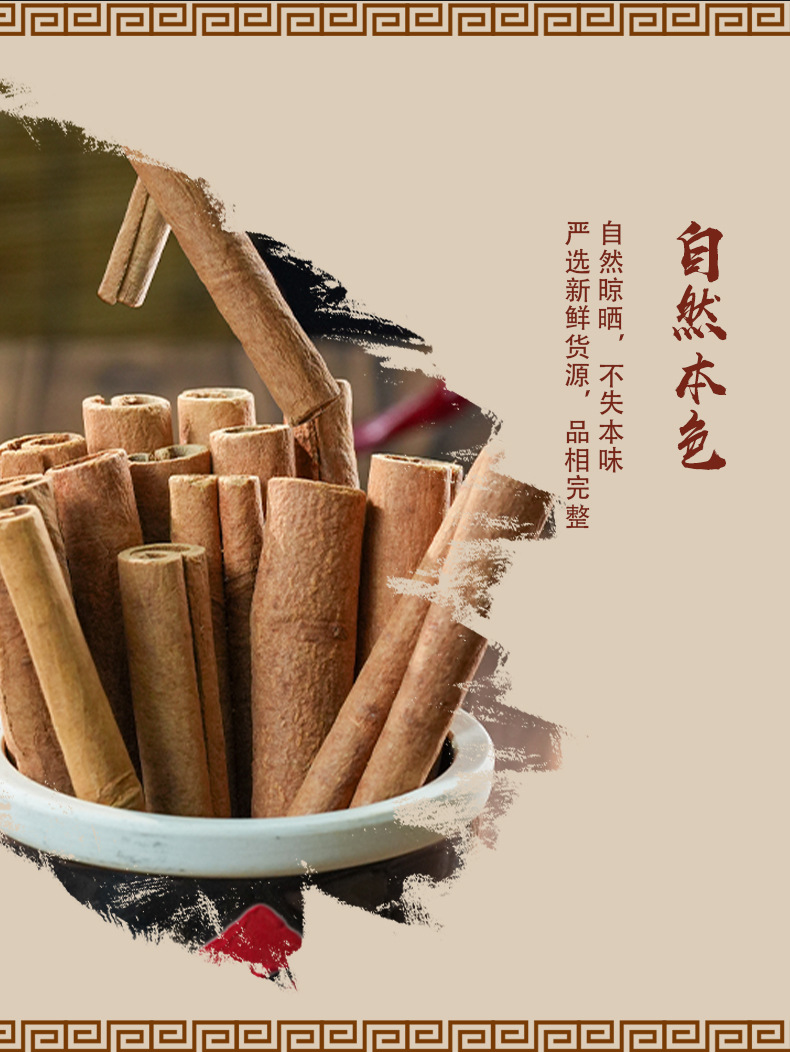
- Sun-dried processing for traditional culinary and herbal use
- 90g jar format suited to home kitchens and herbal preparations
- Commonly used in braising, soups, and warming decoctions
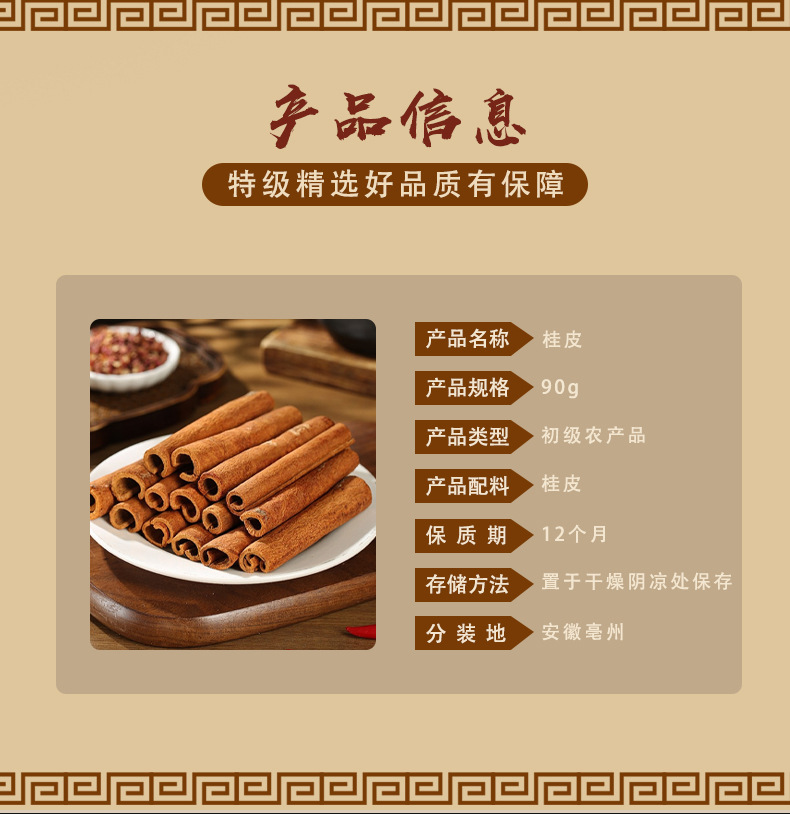
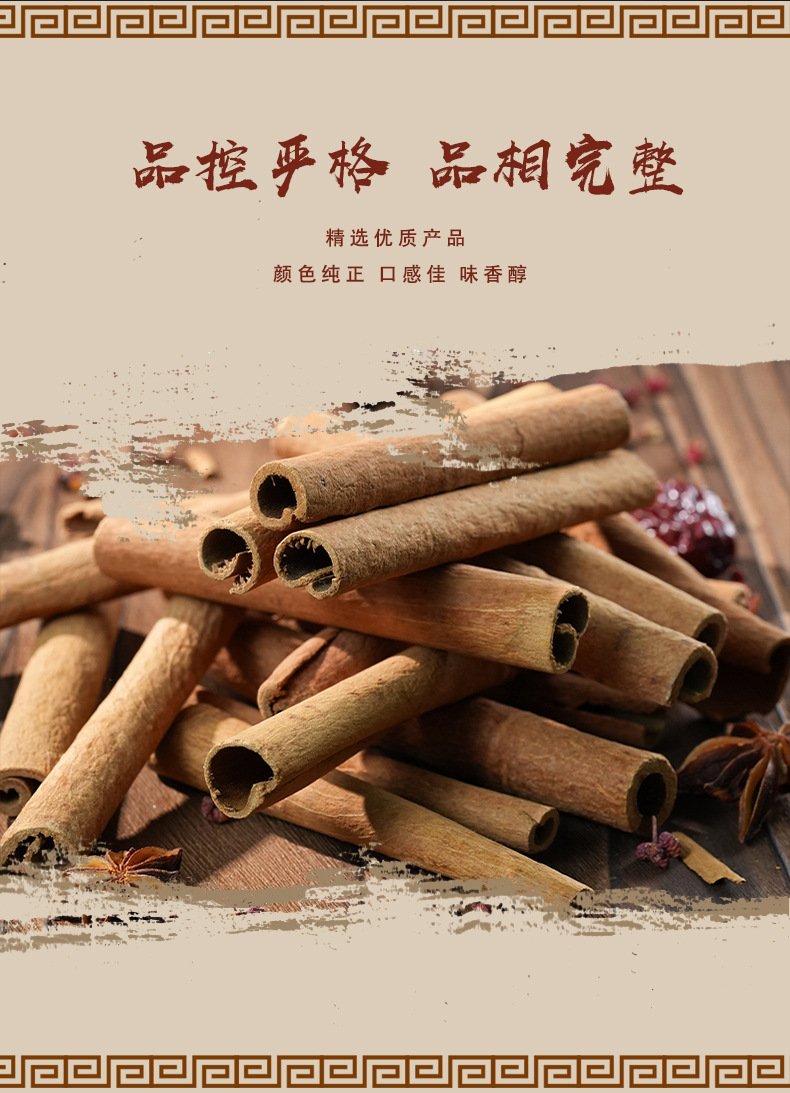
Quality & Sensory
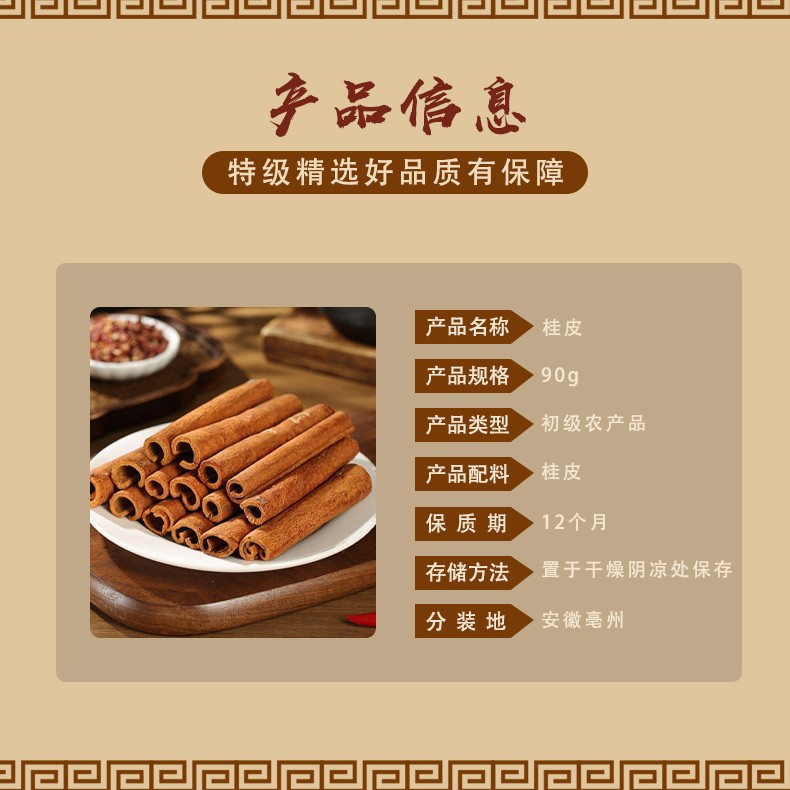
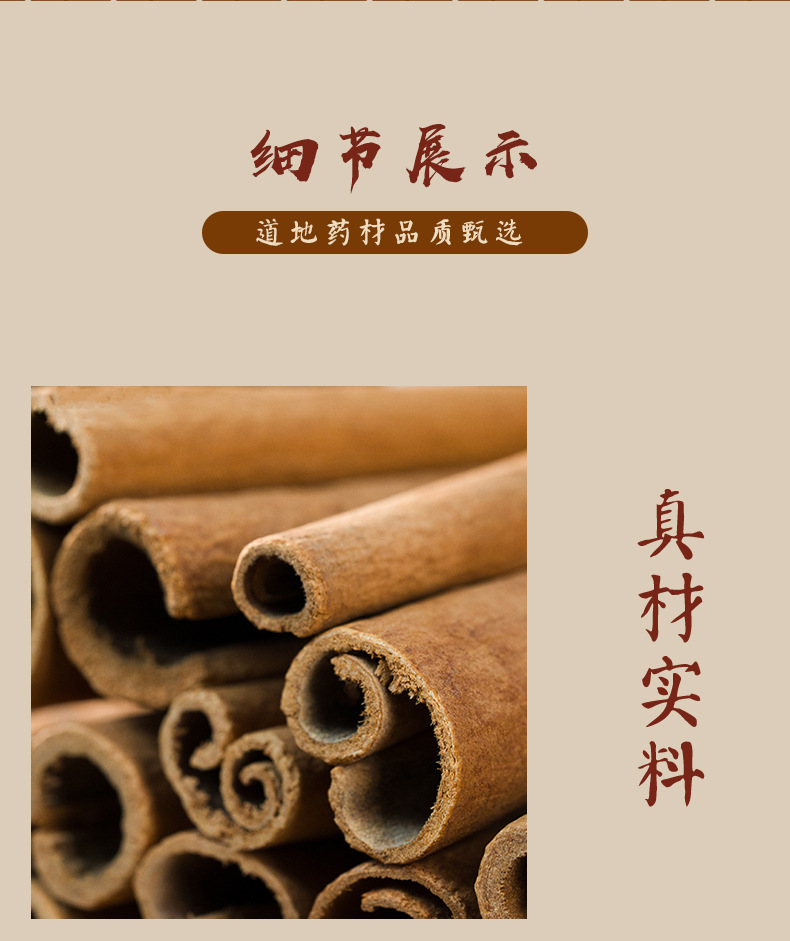
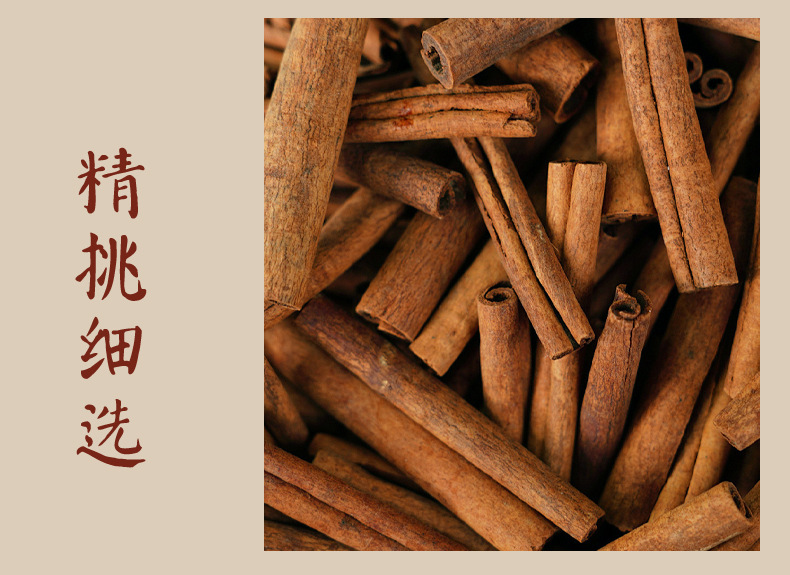
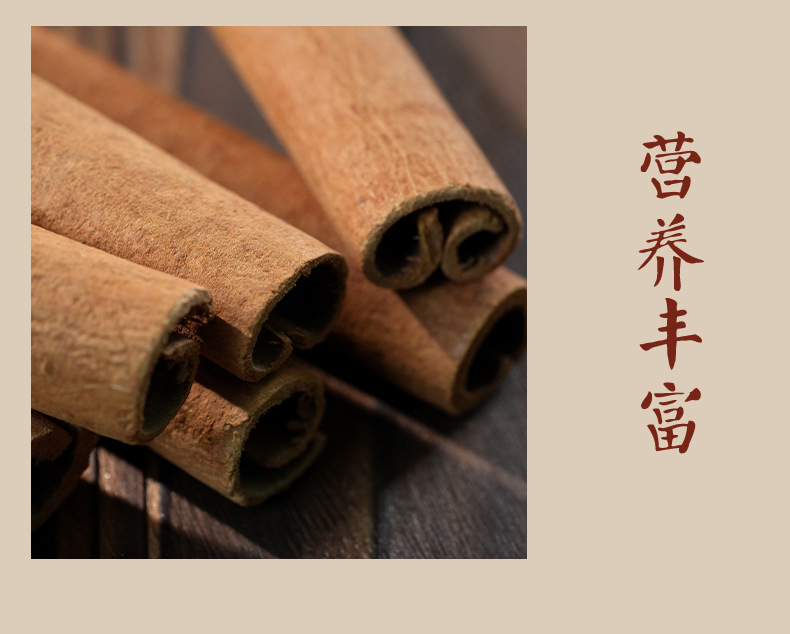
The bark pieces are typically reddish-brown to dark brown with a rough, layered texture. They have a warm, sweet-spicy aroma and a pungent, slightly sweet taste that deepens when simmered in soups or braising liquids.
Technical Specifications
| Product Type | Dried cinnamon bark spice |
|---|---|
| Chinese Name | 桂皮 |
| Pinyin | Gui Pi |
| Botanical Name | Cinnamomum cassia |
| Plant Part | Bark |
| Net Weight | 90g |
Usage Scenarios
- Braising meats and poultry
- Simmering in soups and broths
- Adding to traditional decoctions
- Flavoring congee or rice dishes
- Use in warming seasonal recipes
Traditional Uses
In TCM and folk practice, Gui Pi is traditionally used to warm the middle burner, support digestive comfort, and add a warming quality to soups and decoctions. It is commonly paired with star anise, fennel, or Sichuan pepper in braising blends and is often simmered in congee or broths during cooler seasons.
FAQ Q&A
Q: What is this product?
A: It is dried Chinese cinnamon bark, known in TCM as Gui Pi (桂皮), from Cinnamomum cassia, packaged in a 90g jar.
Q: What is its traditional value?
A: In TCM theory it is considered warm and pungent and is traditionally associated with warming the middle and supporting digestion.
Q: How is it commonly used?
A: It is typically simmered in braising liquids, soups, congee, or traditional decoctions to add warmth and flavor.
Additional information
| Weight | 0.24 kg |
|---|---|
| Dimensions | 10 × 10 × 12 cm |
Related products
-
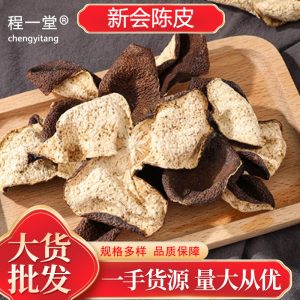
Xinhui Chenpi Dried Tangerine Peel 500g Sun Dried Aged Peel for Soup and Tea
Price range: $60.19 through $116.90 -
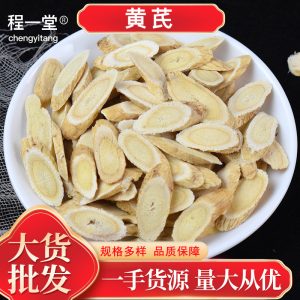
Astragalus Root Slices Huang Qi 斜片 Dried Herb for Decoction Soup and Tea 500g
Price range: $6.06 through $19.51 -

Cabinda Bark Dried Herb 500g Traditional Herbal Infusion Ingredient
Price range: $12.38 through $37.50 -
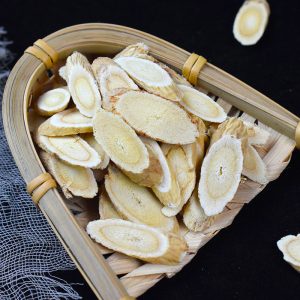
Astragalus Root Slices Huang Qi 500g Dried Herb for Soups and Teas
Price range: $7.36 through $22.11
Reviews
There are no reviews yet.