
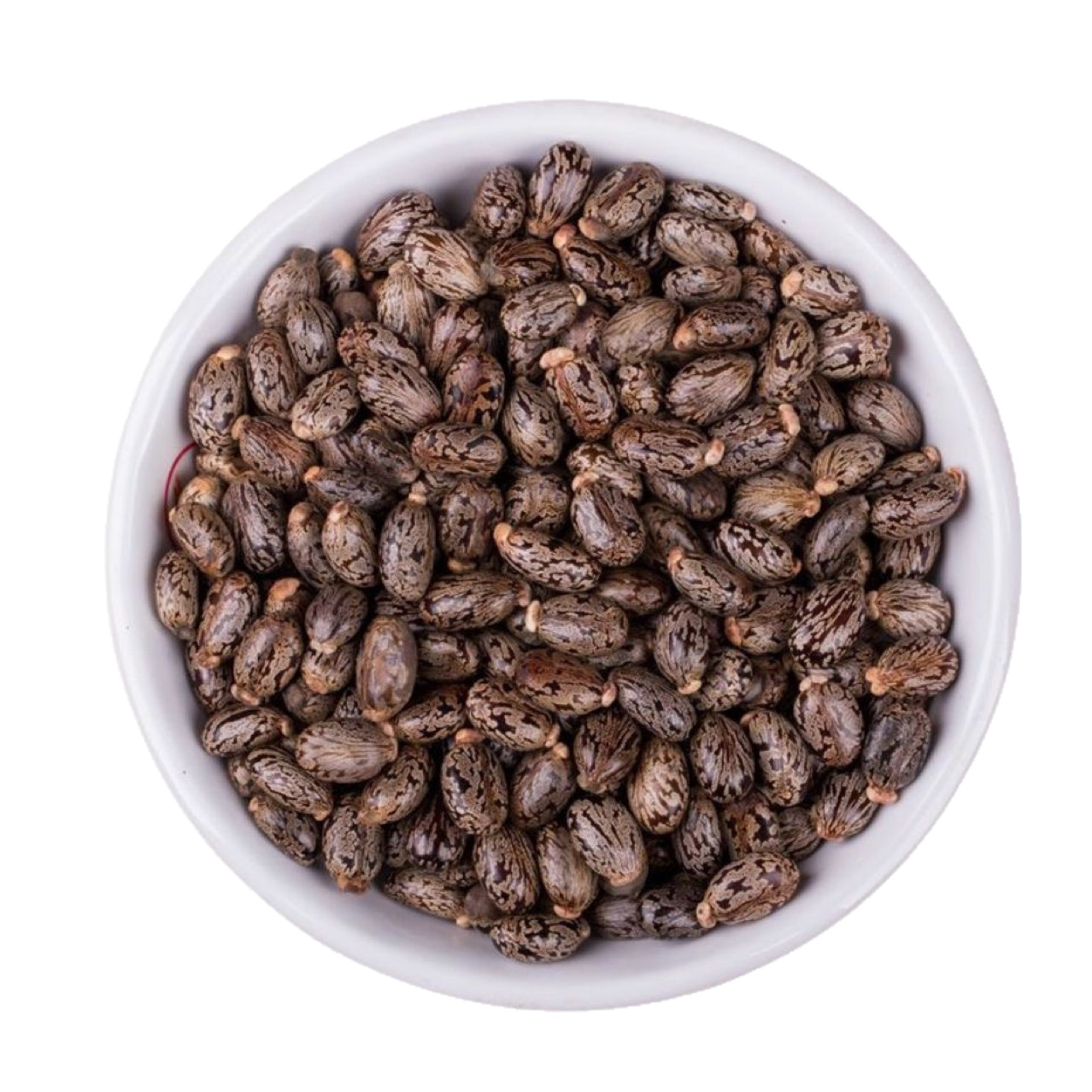
Dried Castor Bean Seeds Bi Ma Zi 500g New Crop Chinese Herbal Raw Botanical
Price range: $5.71 through $35.71
Description
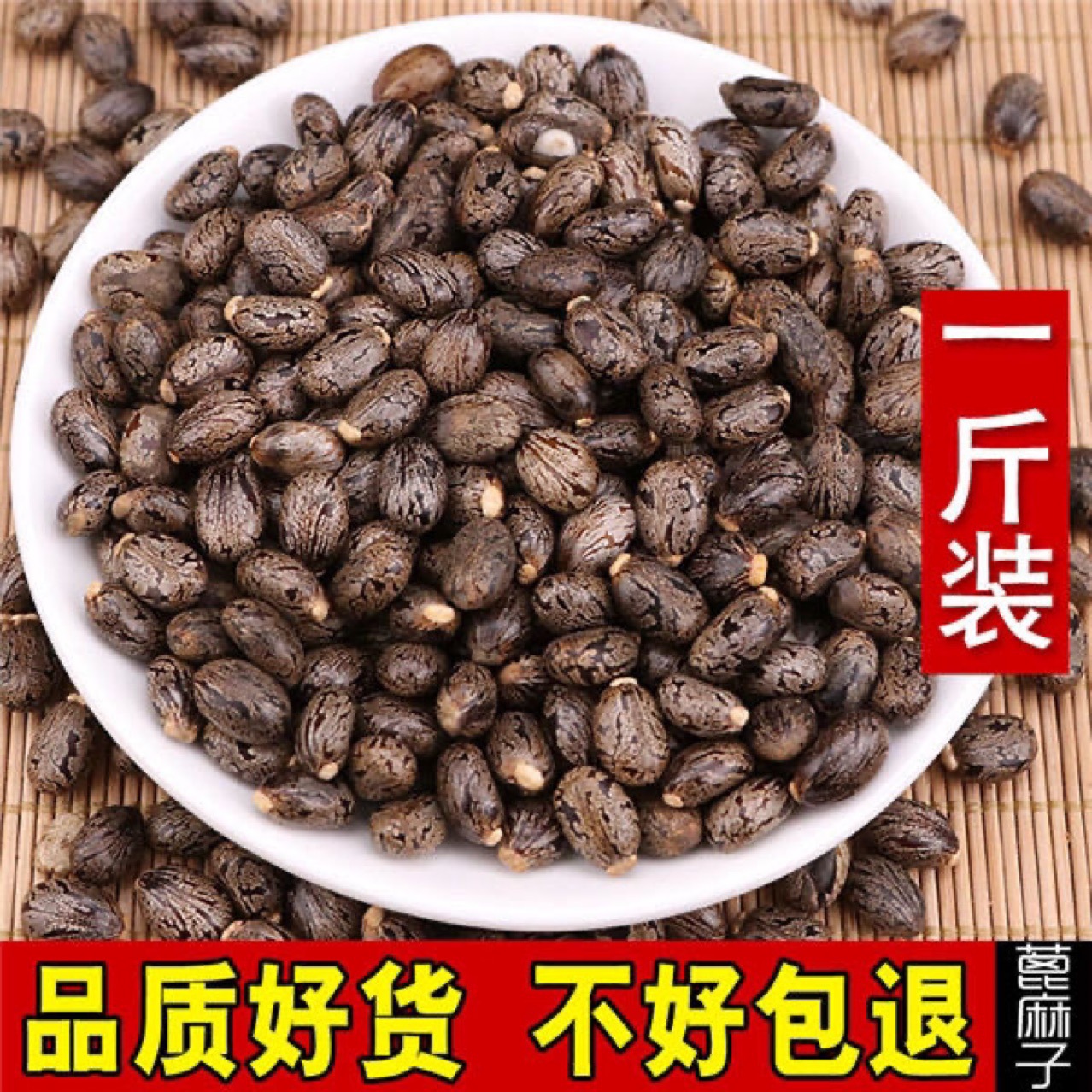
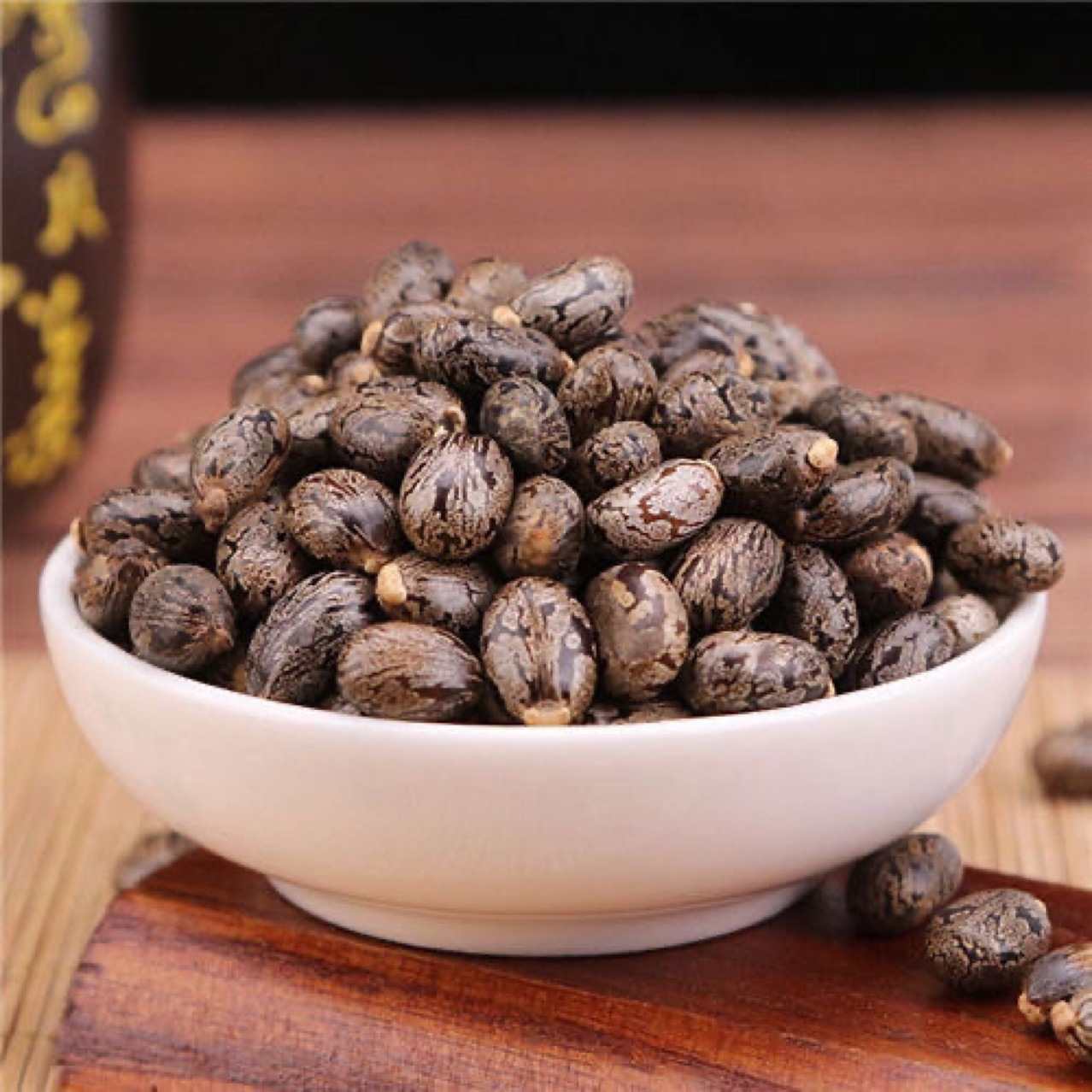
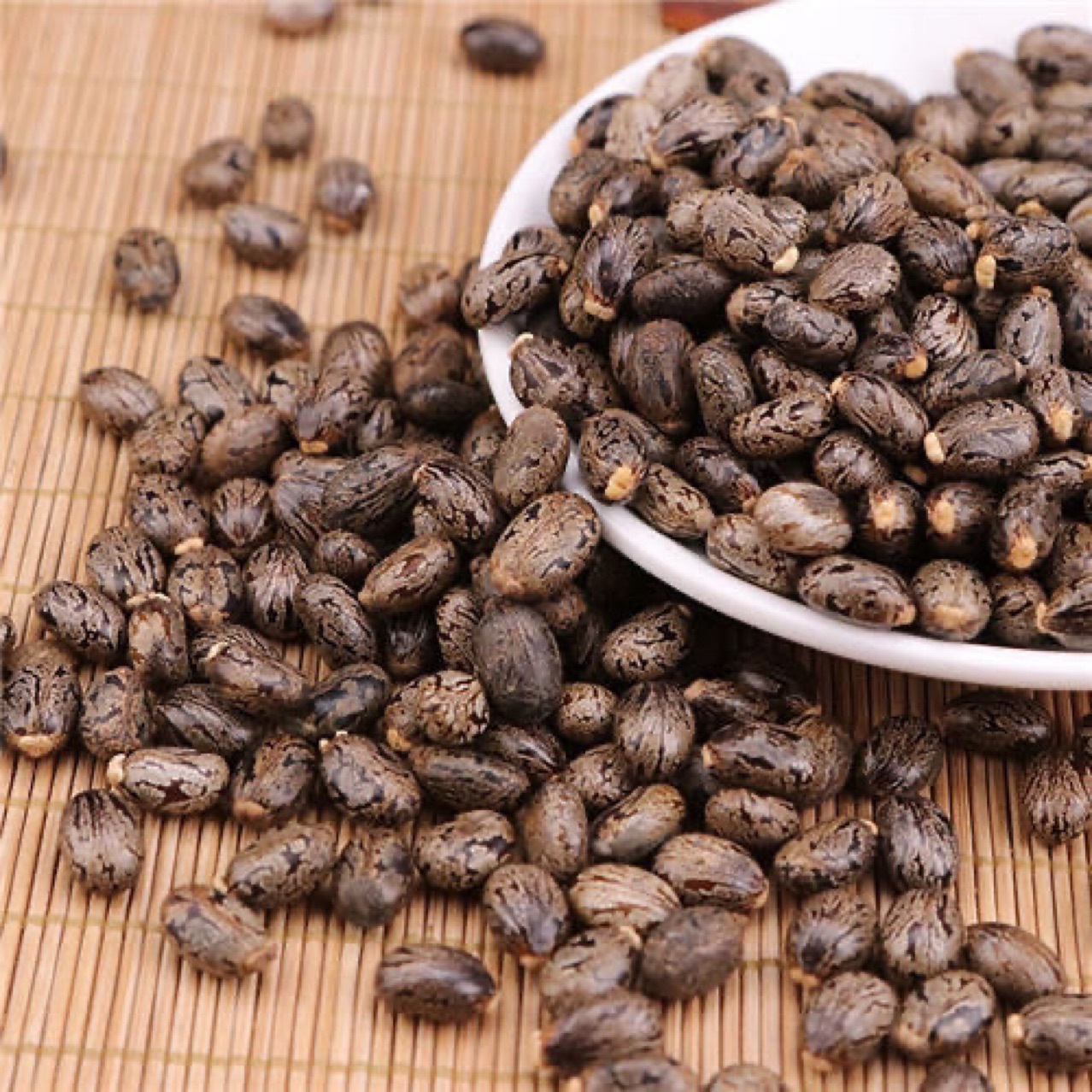
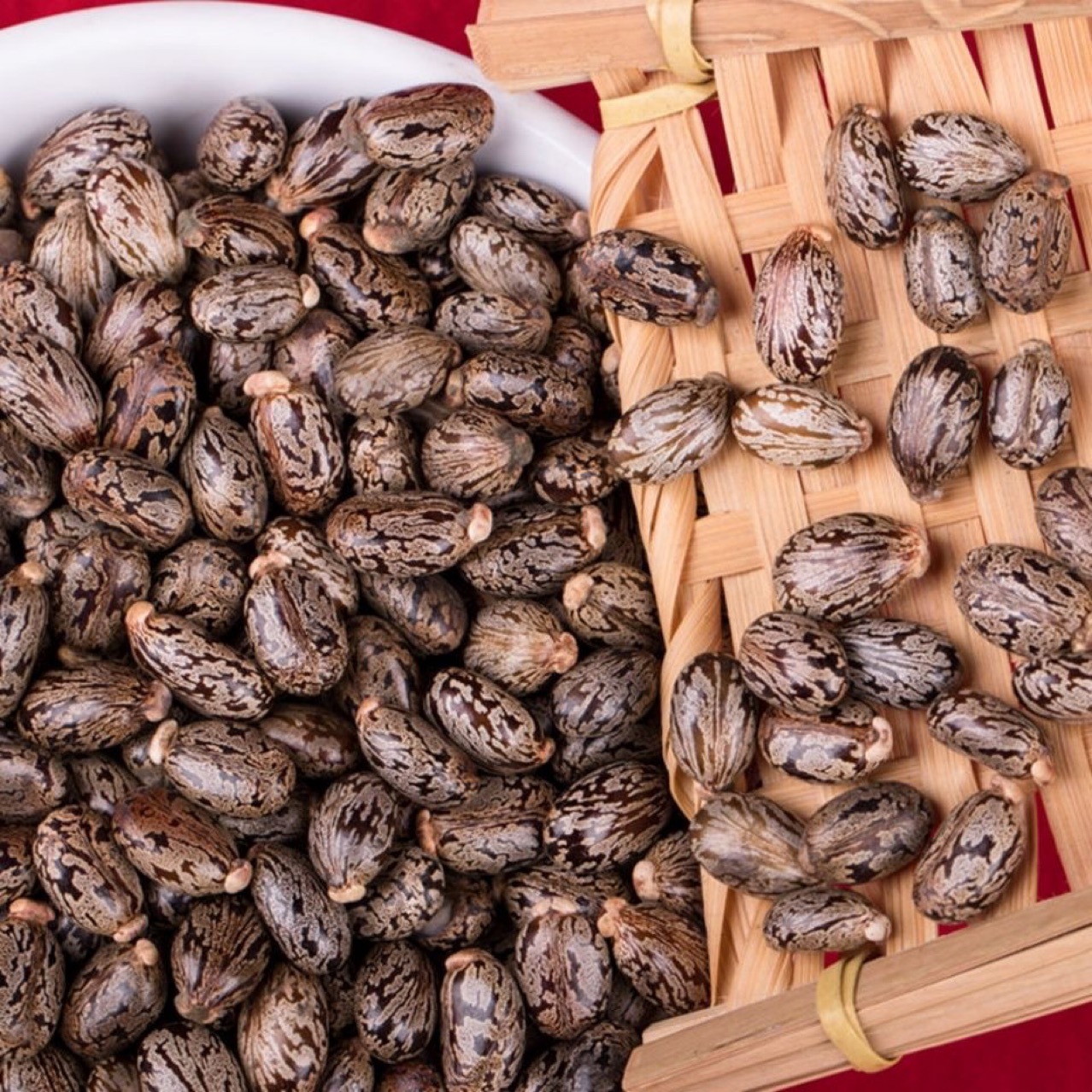
Dried Castor Bean Seeds, known in TCM as Bi Ma Zi (蓖麻子), from Ricinus communis. These whole dried seeds are a traditional Chinese herbal botanical supplied as a raw agricultural product. In TCM theory, Bi Ma Zi is considered acrid, sweet, and neutral, traditionally associated with the Large Intestine and Lung channels. It is used in traditional preparations under professional guidance. Store in a cool, dry place and keep away from children.
Key Selling Points
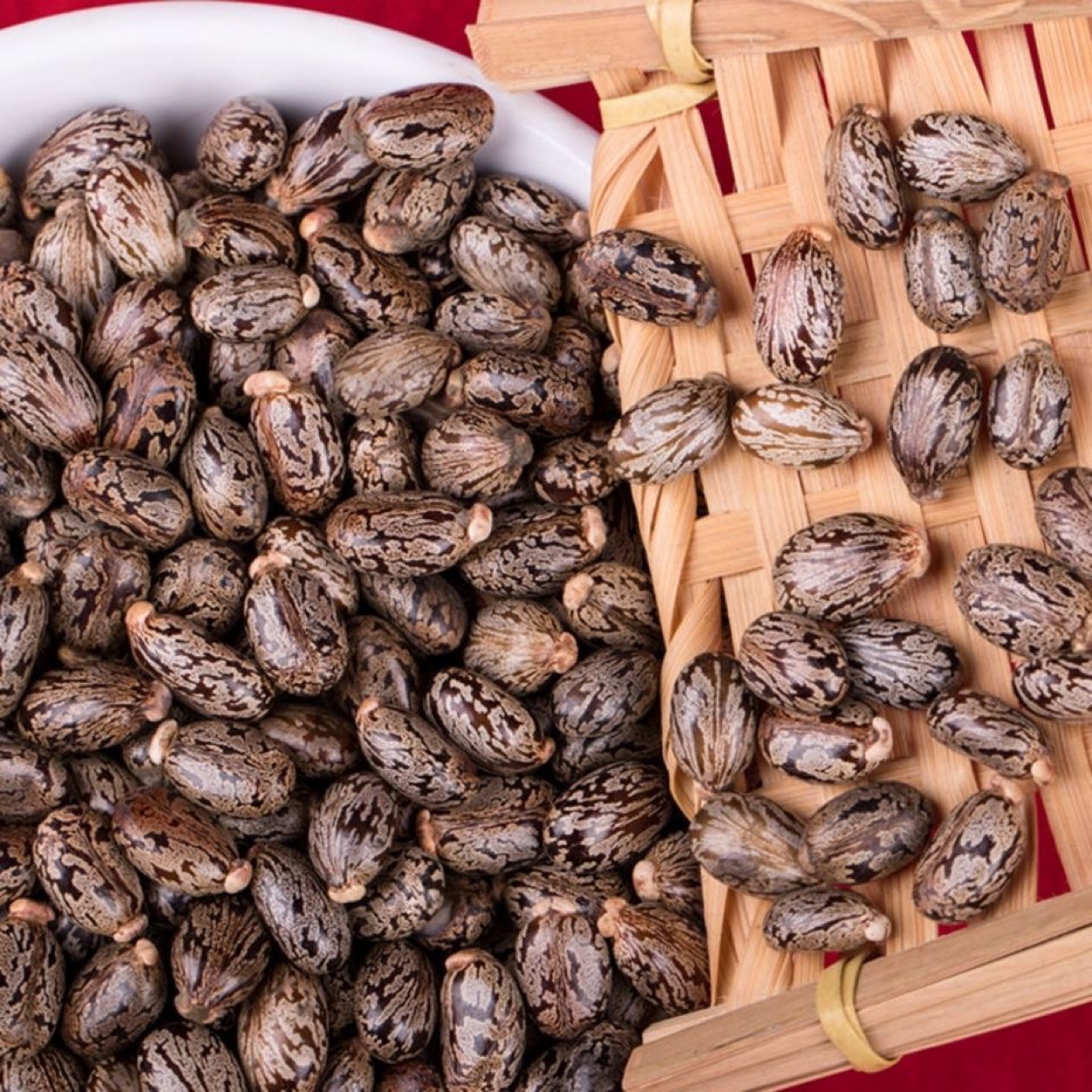
- Identified in TCM as Bi Ma Zi (蓖麻子), the seed of Ricinus communis
- Whole dried castor bean seeds supplied as a raw botanical
- New crop sourced from Anhui, China
- Dried processing with a 12-month shelf life
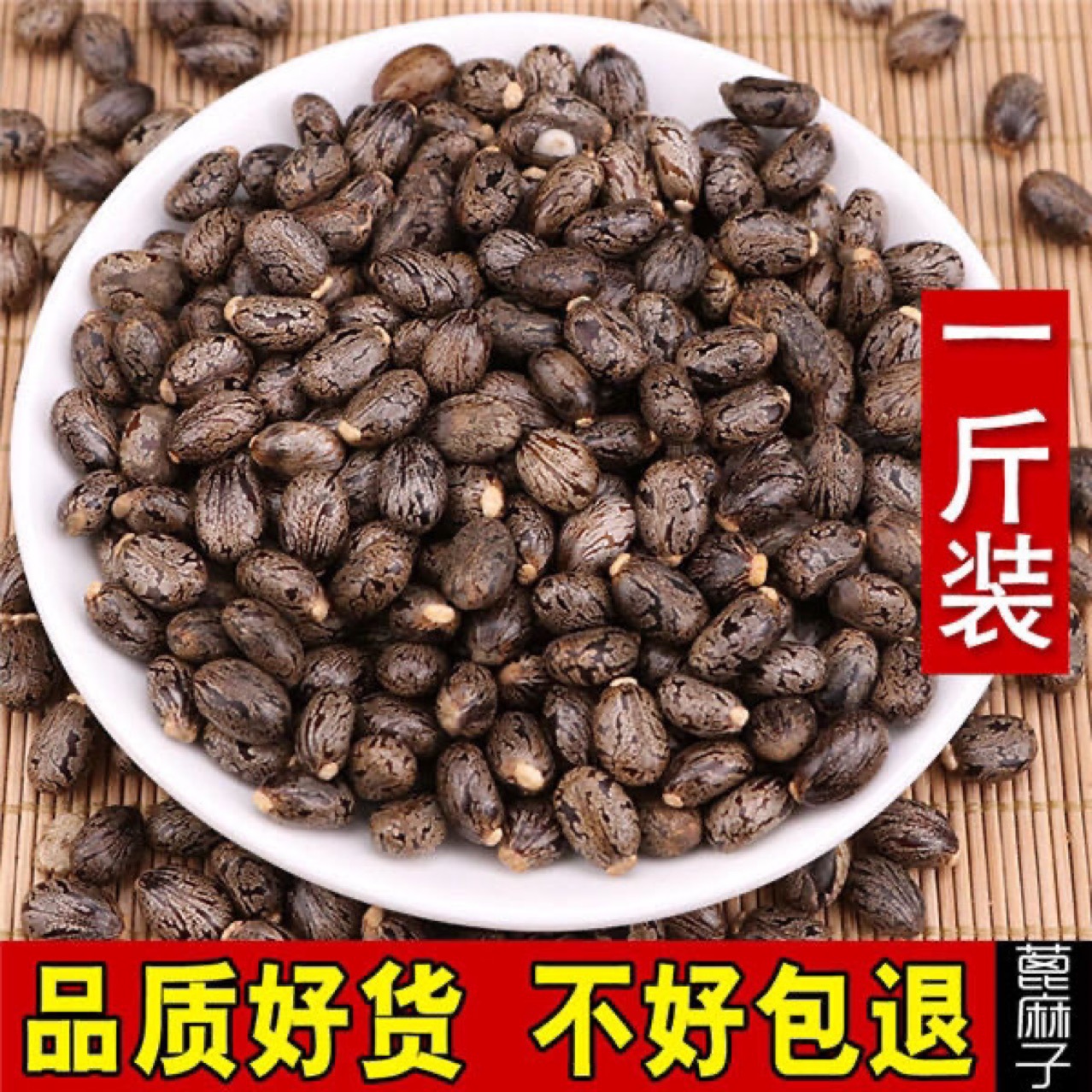
- Available in 500g and 10kg packaging options
Quality & Sensory
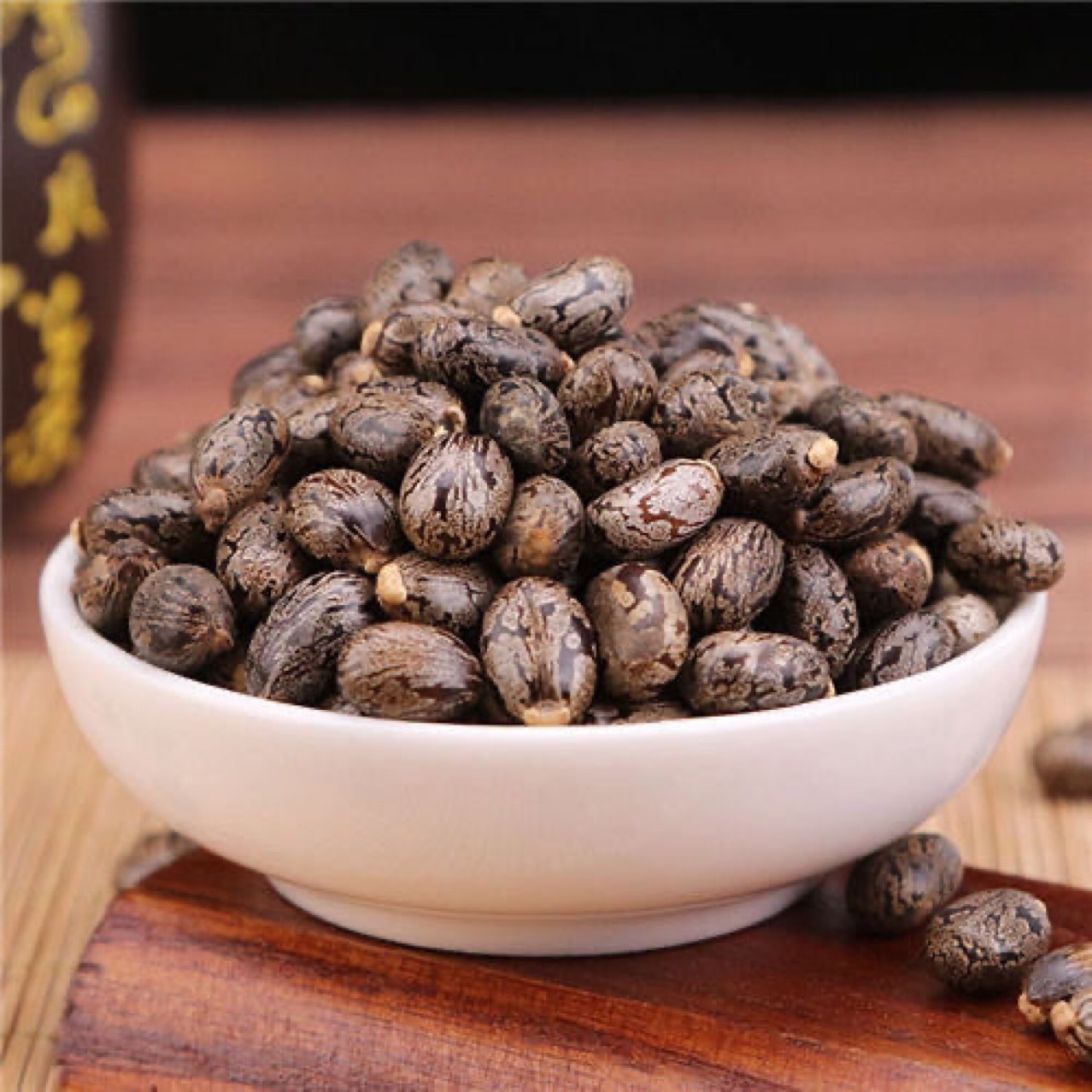
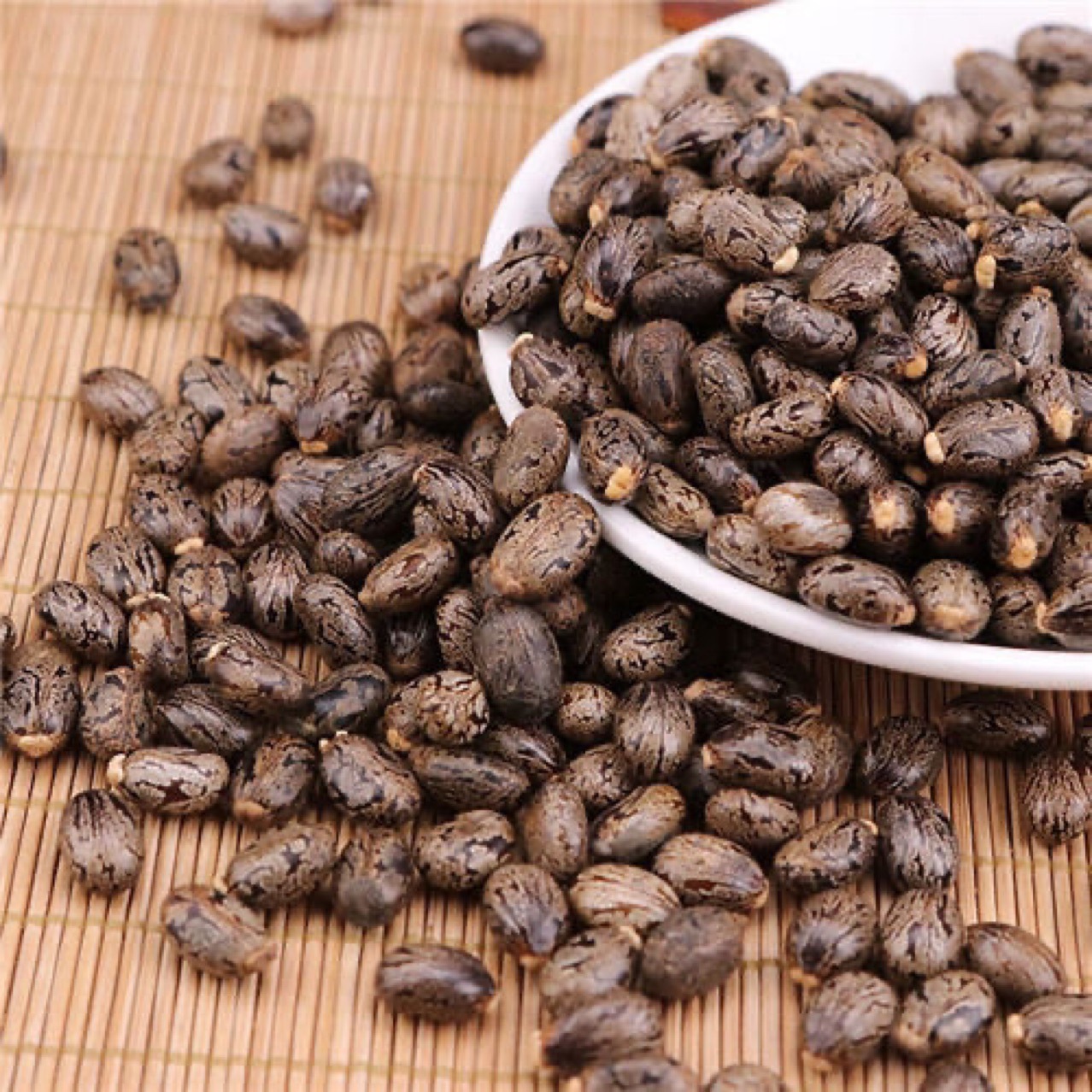
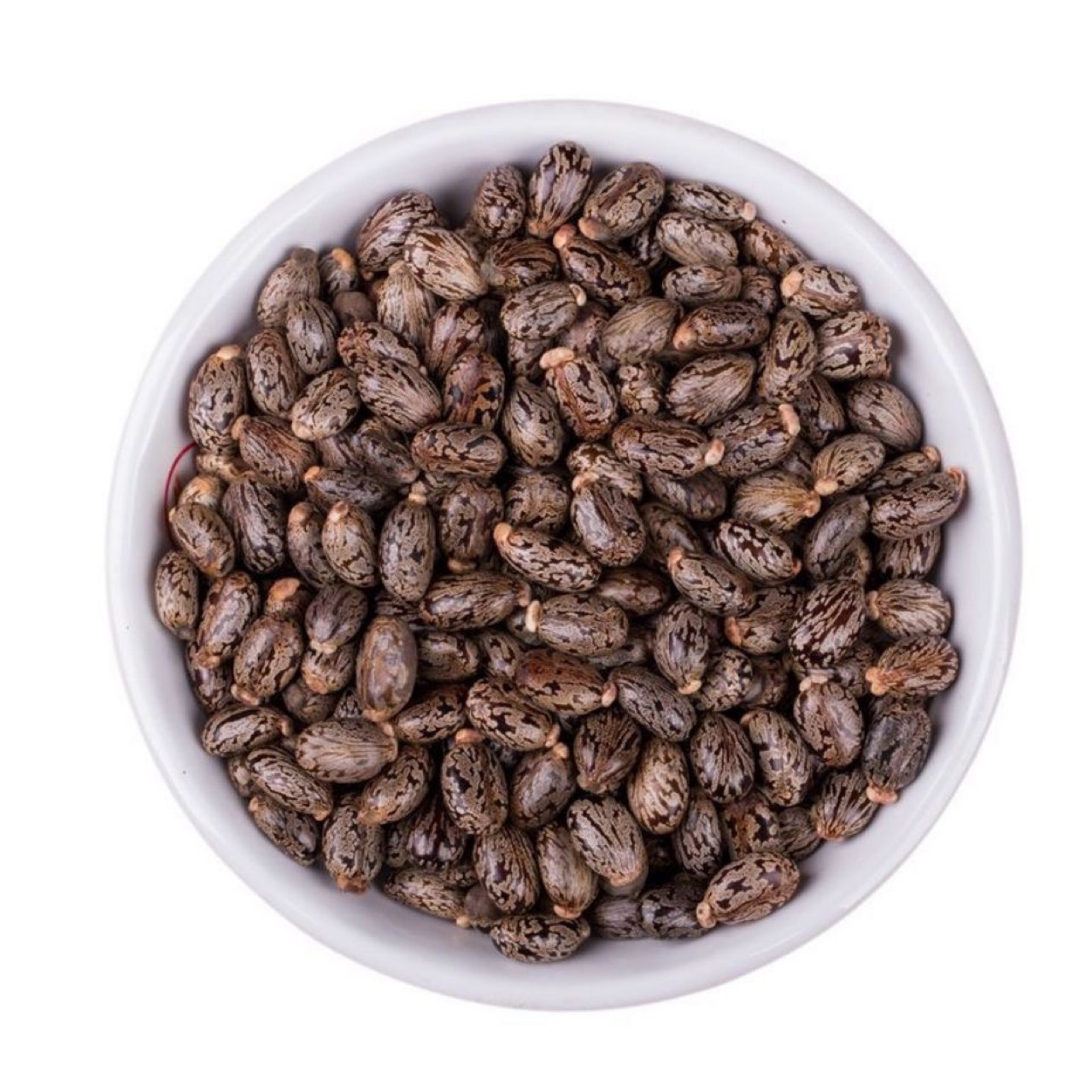
These dried castor bean seeds are typically oval, smooth, and mottled grey-brown with darker speckling. The texture is hard and firm, with a mild, neutral aroma and no pronounced scent. They are not intended for direct tasting or eating and are traditionally processed before any herbal preparation.
Technical Specifications
| Product Type | Dried raw herb |
|---|---|
| Chinese Name | 蓖麻子 |
| Pinyin | Bi Ma Zi |
| Botanical Name | Ricinus communis |
| Plant Part | Seed |
| Origin | Anhui, China |
Usage Scenarios
- Traditional herbal decoction preparation under professional guidance
- External poultice or compress in traditional folk practice
- Inclusion in custom herbal formulas by qualified practitioners
Traditional Uses
In TCM theory, Bi Ma Zi is traditionally used in external poultices and topical preparations, and occasionally in carefully guided internal formulas. Traditional folk practice sometimes pairs it with other herbs for external applications. It is not a casual culinary or tea herb, and traditional use emphasizes proper processing and professional supervision.
FAQ Q&A
Q: What is this product?
A: It is dried castor bean seed, known in TCM as Bi Ma Zi (蓖麻子), from the plant Ricinus communis.
Q: What is its traditional value?
A: In TCM theory, Bi Ma Zi is traditionally associated with the Large Intestine and Lung channels and is used in external and guided internal preparations.
Q: How is it commonly prepared?
A: It is traditionally processed for external poultices or included in professional herbal formulas, not used as a simple tea.
Additional information
| Weight | N/A |
|---|---|
| Dimensions | N/A |
| Model | 蓖麻子新货250克, 蓖麻子新货500克, 蓖麻子新货1000克, 蓖麻子10公斤 |
Related products
-

Fritillaria Bulb Chuan Bei Mu Dried Chinese Herbal Bulbs for Decoction and Traditional Use 500g
Price range: $18.06 through $94.21 -

Yi Zhi Ren Dried Alpinia Oxyphylla Fruit 500g Traditional Herbal Tea and Decoction Ingredient
Price range: $11.74 through $13.36 -
Dried Dodder Seed Tu Si Zi Whole Herb 500g Bulk Chinese Herbal Ingredient
Price range: $7.04 through $7.52 -

Dried Huang Jing Slices Polygonatum Rhizome Chicken Head Huang Jing 500g Bulk Herbal Tea and Soup Ingredient
Price range: $9.14 through $18.87
Reviews
There are no reviews yet.