
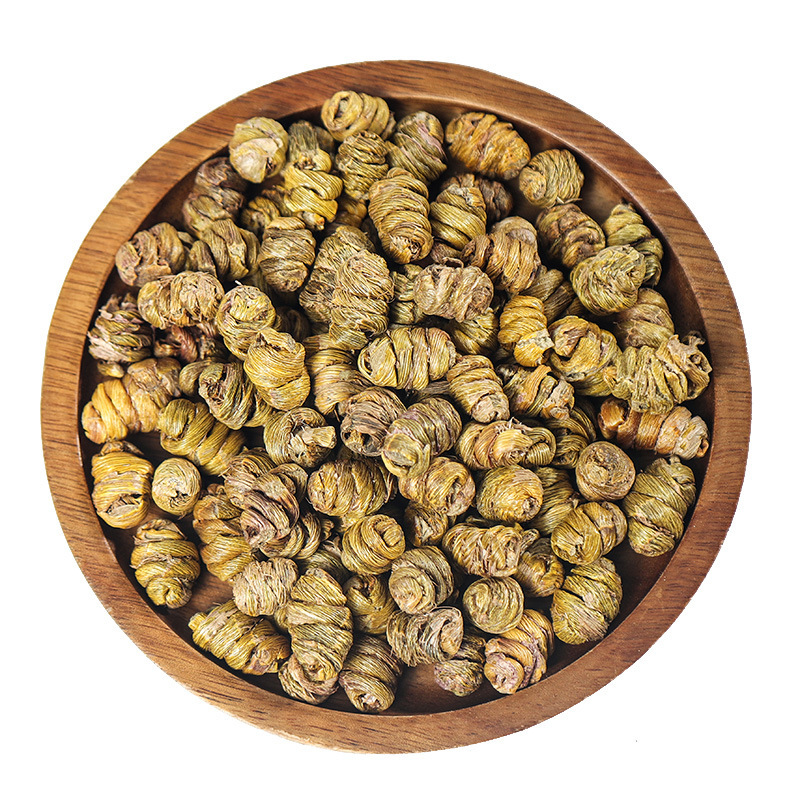
Dried Tiepi Shihu Dendrobium Stem Pieces Huoshan Origin 1g Sample for Decoction and Soup
Price range: $4.78 through $8.63
Description
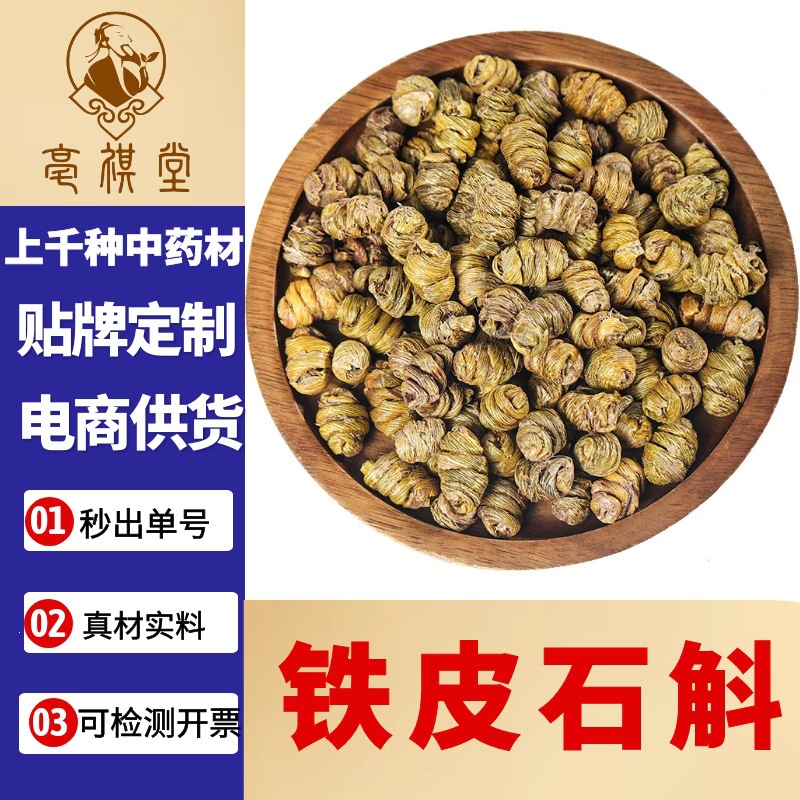
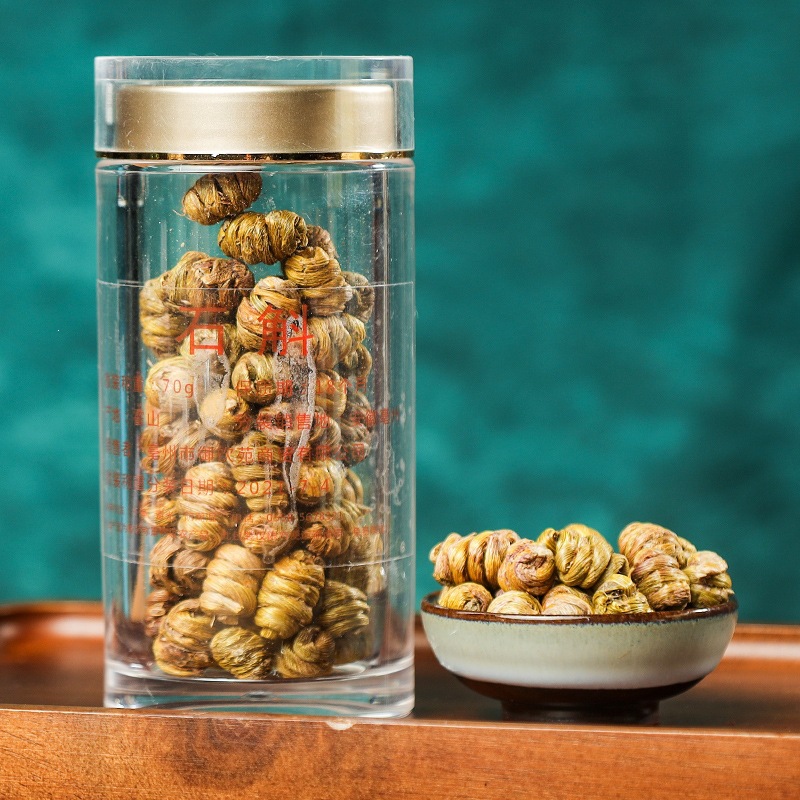
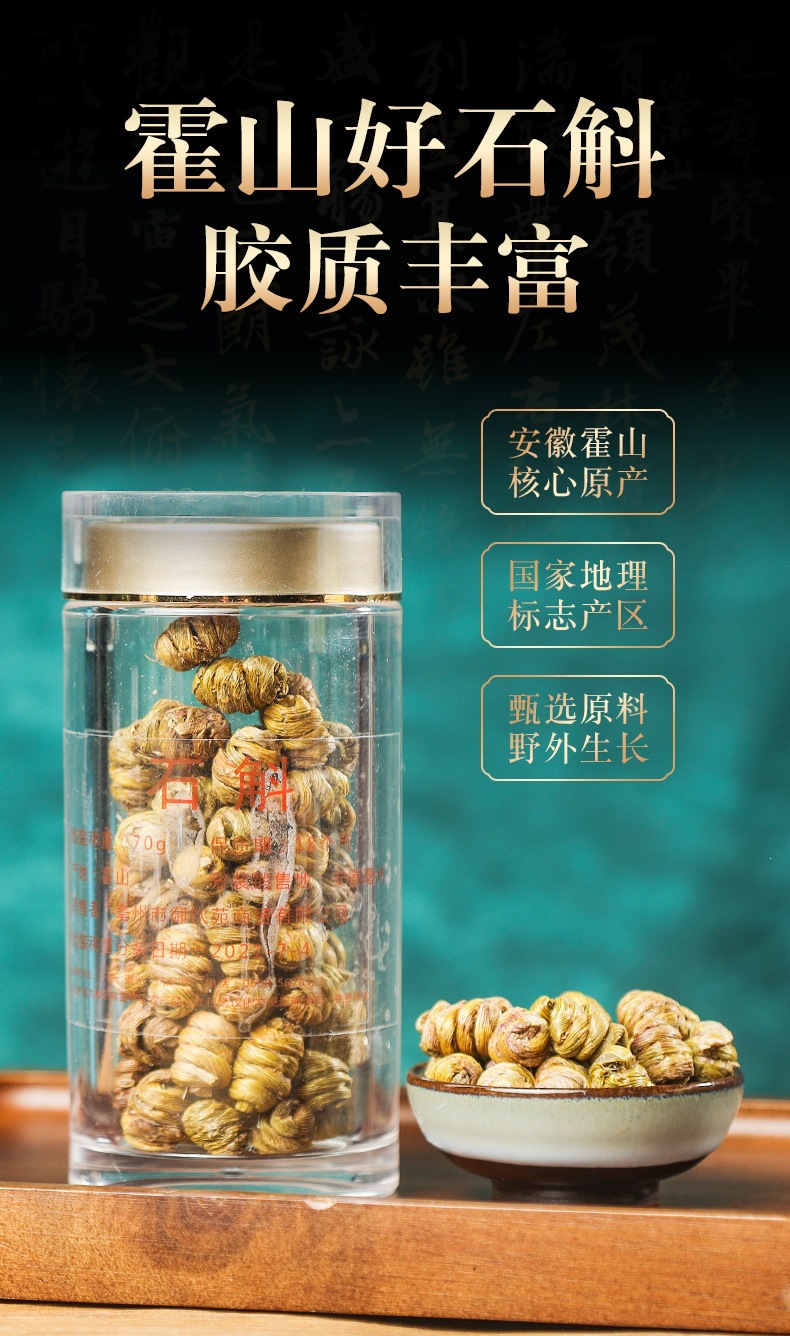
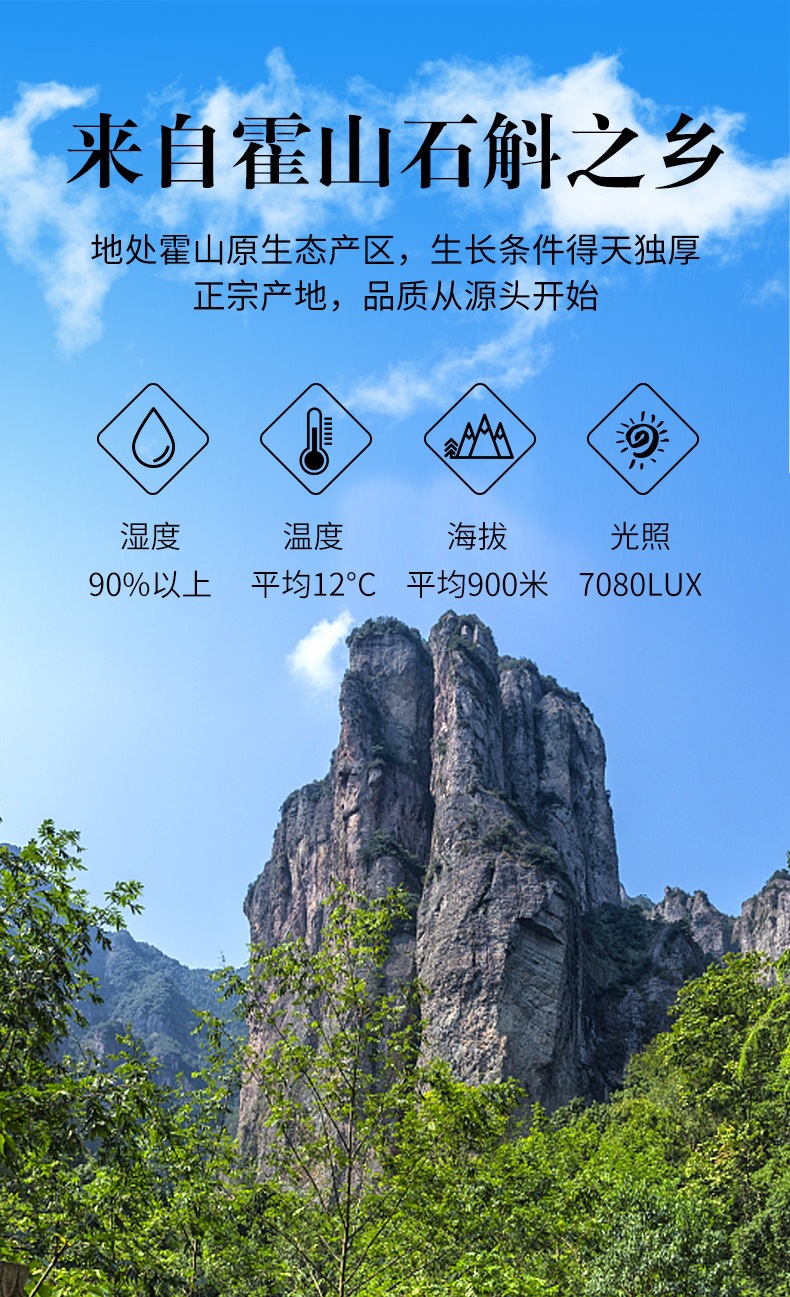
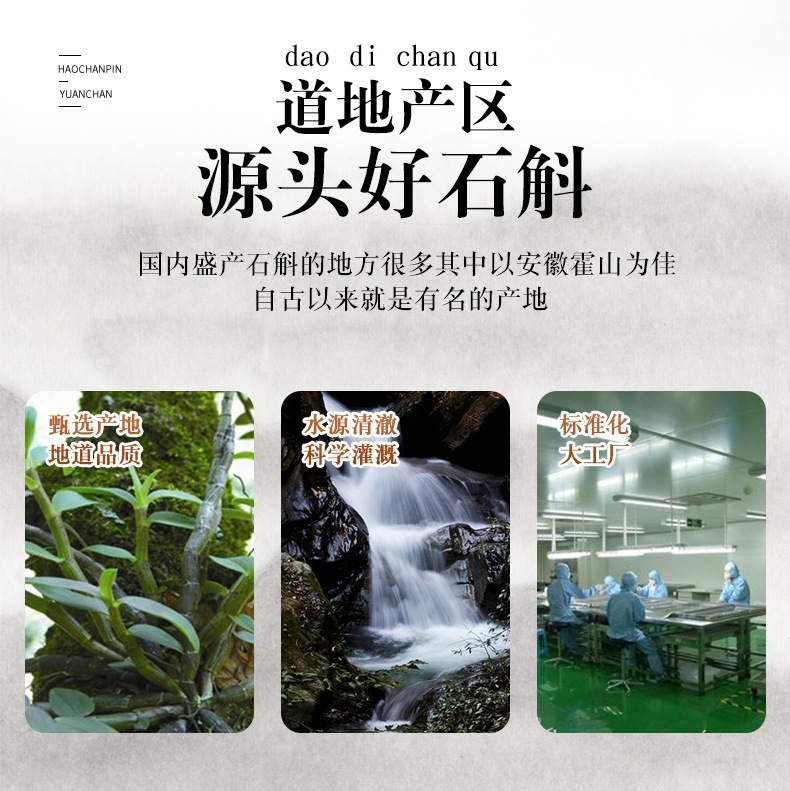
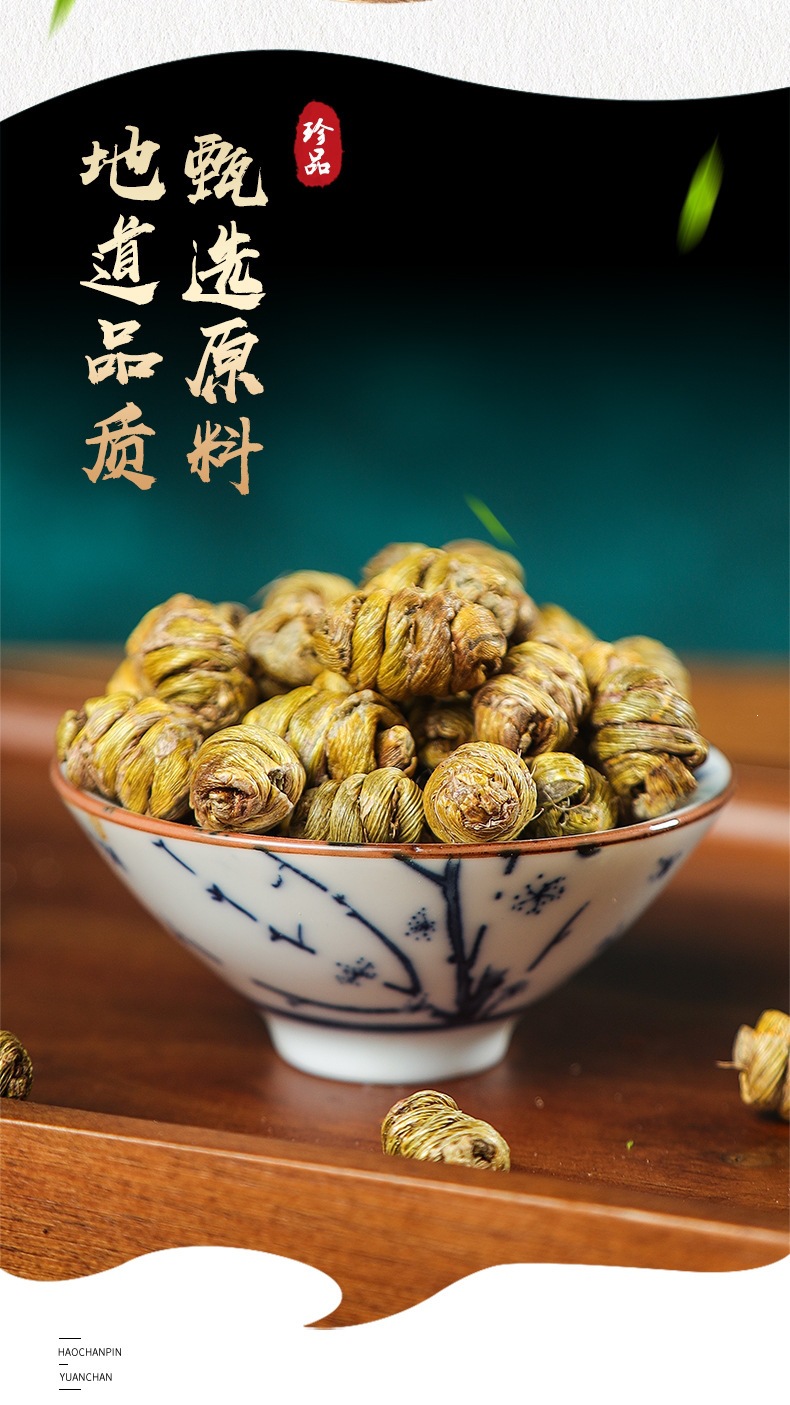
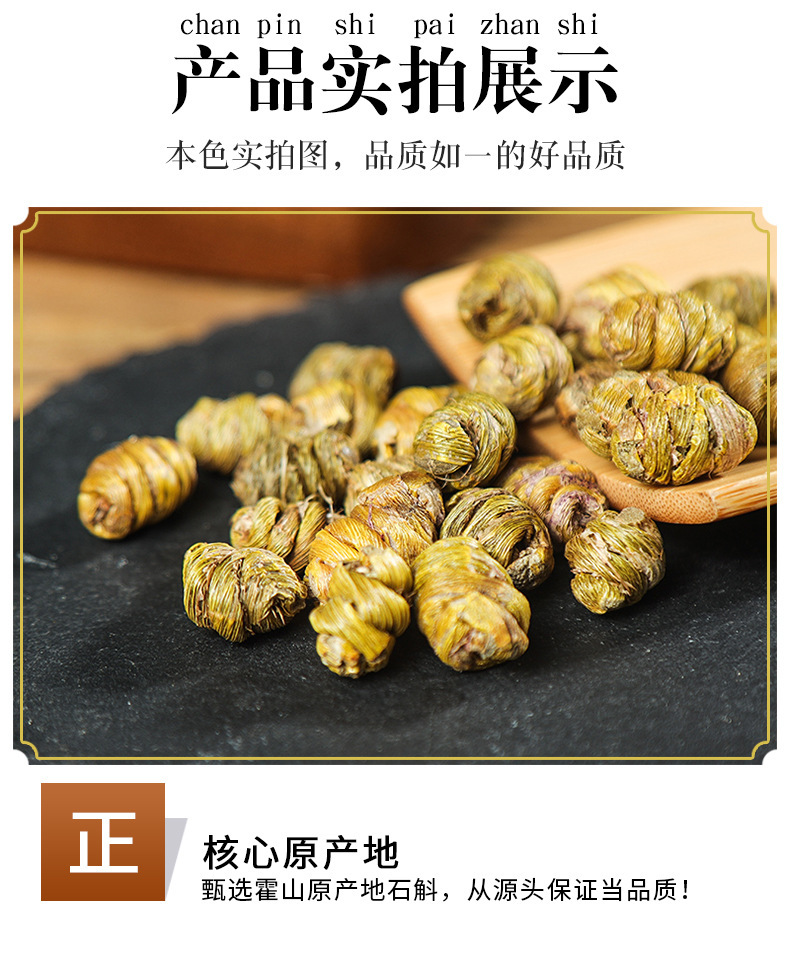
Dried Tiepi Shihu (铁皮石斛), pinyin Tie Pi Shi Hu, from Dendrobium officinale, is a stem product from Huoshan, Anhui. In TCM theory it is traditionally associated with a sweet, slightly cold nature and Stomach and Kidney channel entry. This listing is a 1g sample of stem pieces and edge pieces, sold as an edible agricultural product for cooking and decoction. It is not a medicine and not a substitute for drugs.
Key Selling Points
- Identified as Tiepi Shihu (铁皮石斛), Dendrobium officinale stem
- Sourced from Huoshan, Anhui, a well-known Dendrobium growing area
- Sold as edible agricultural product for culinary and decoction use
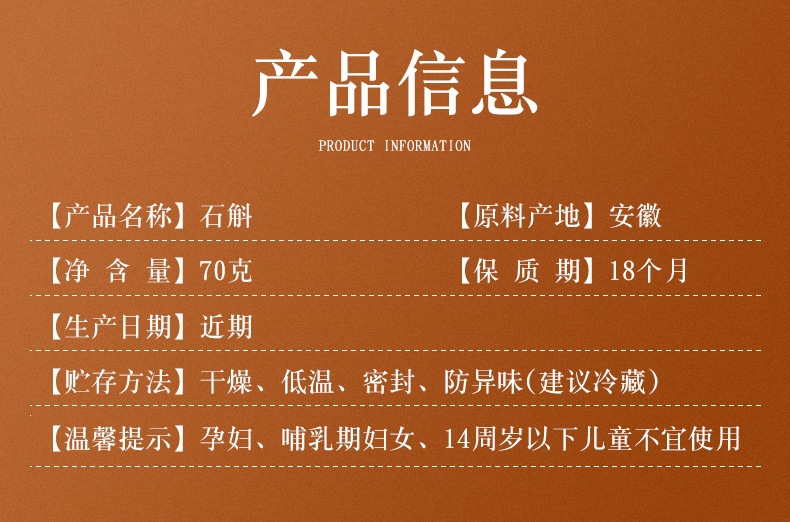
- 1g sample size of stem pieces and edge pieces
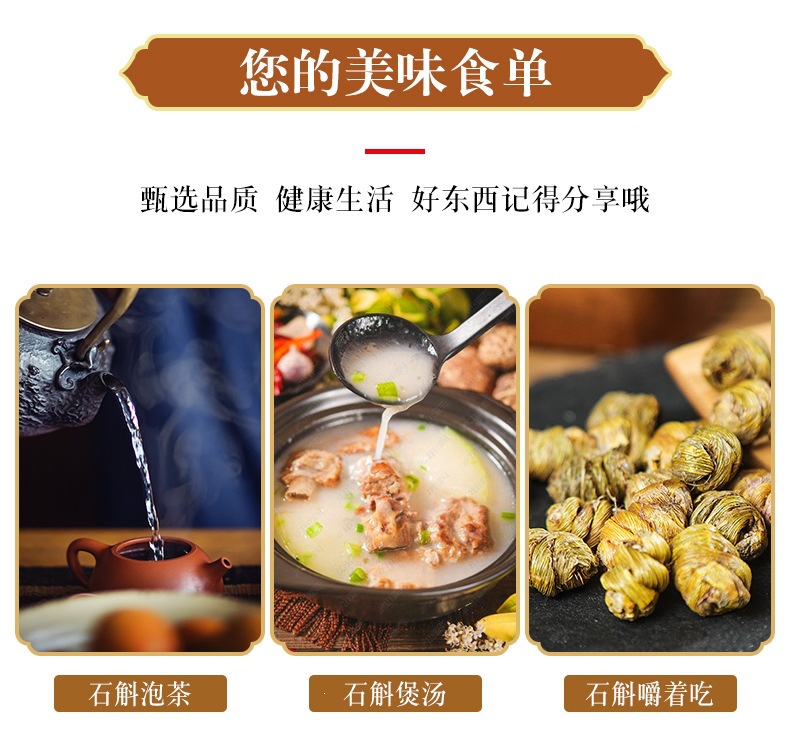
- Traditionally used in TCM-style soups, teas, and congee
Quality & Sensory
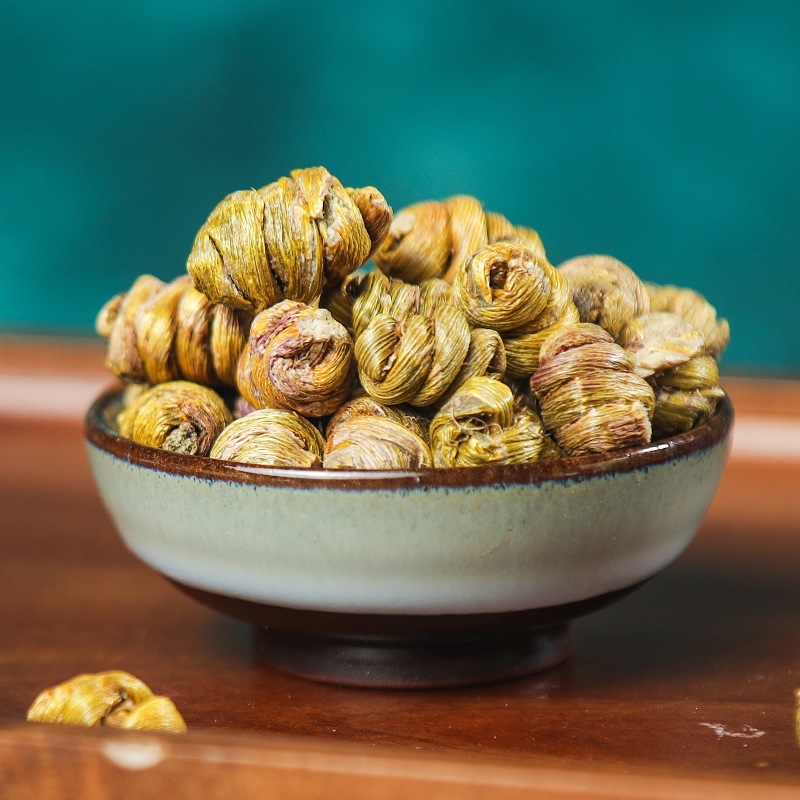
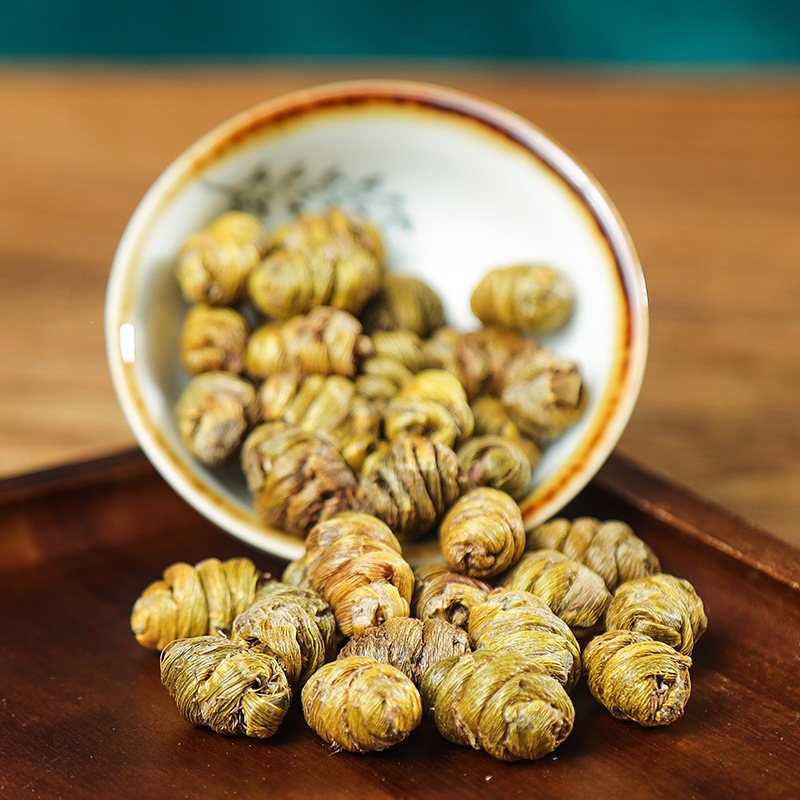
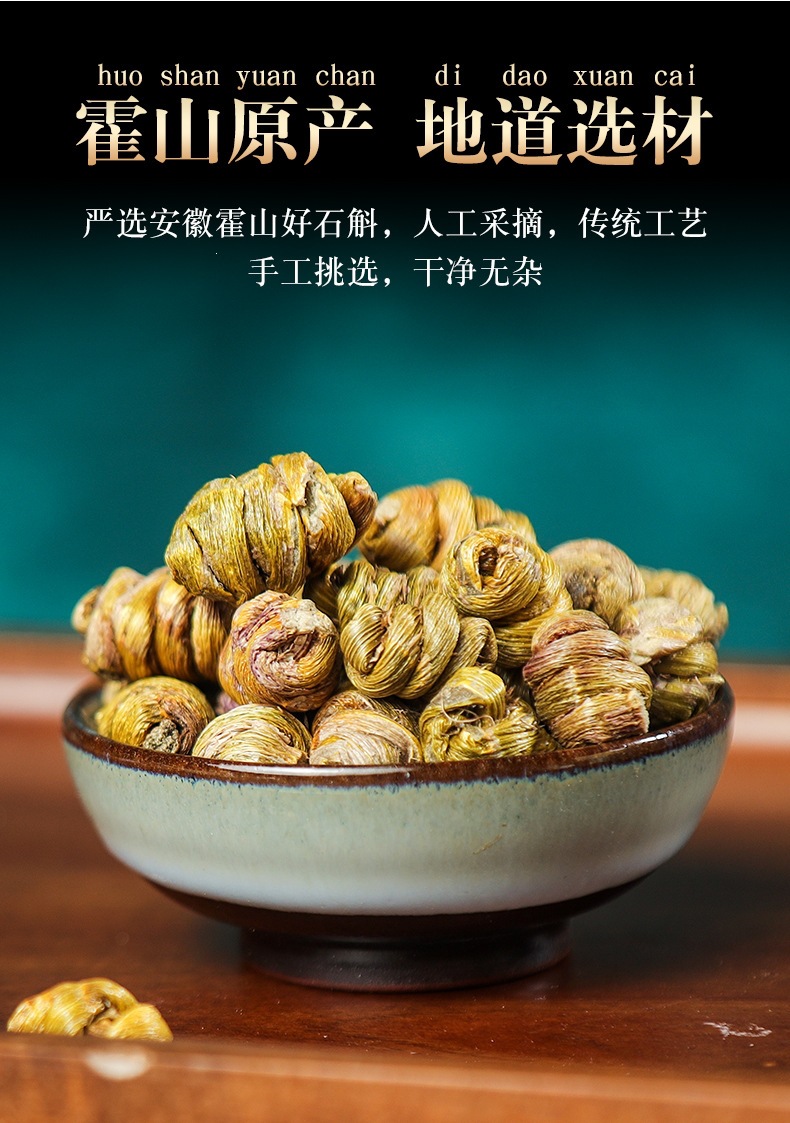
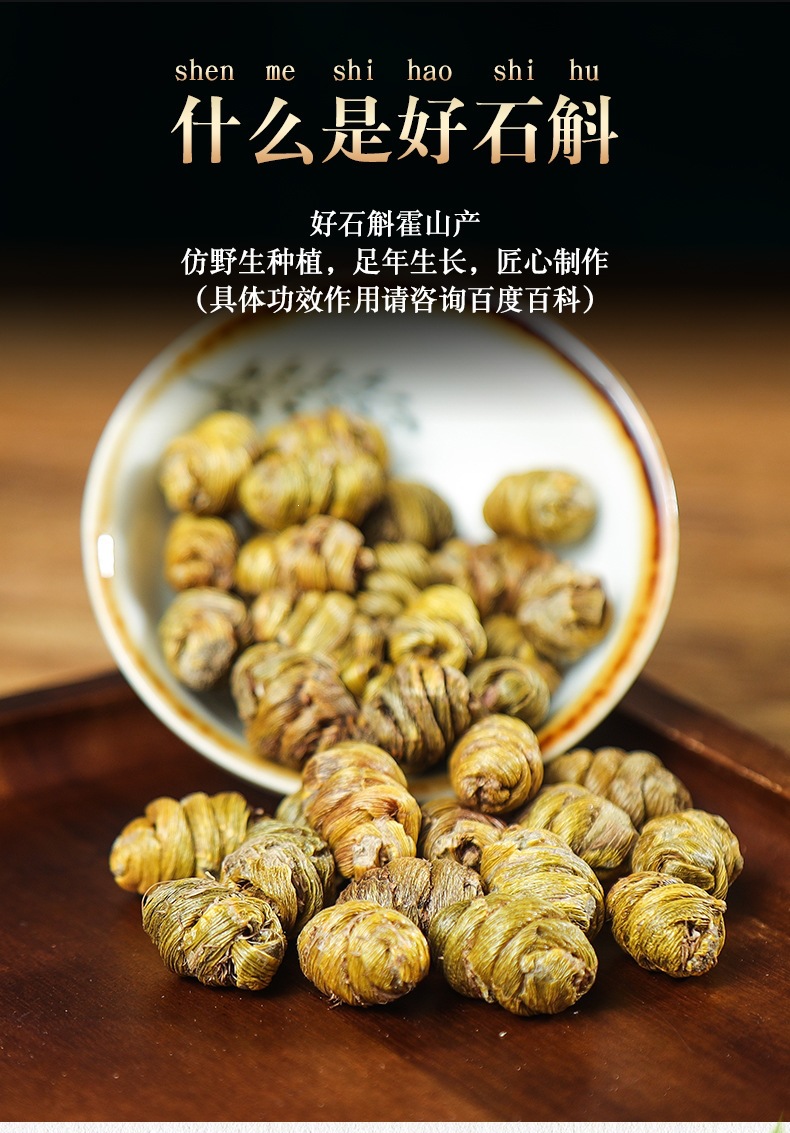
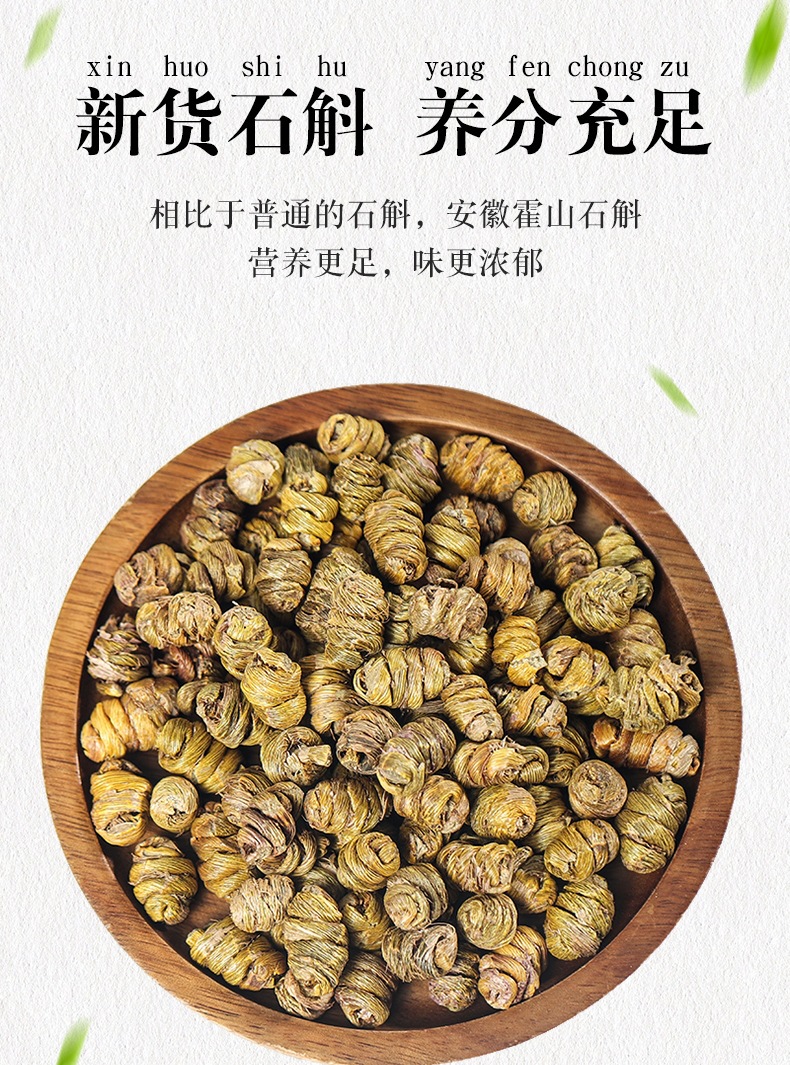
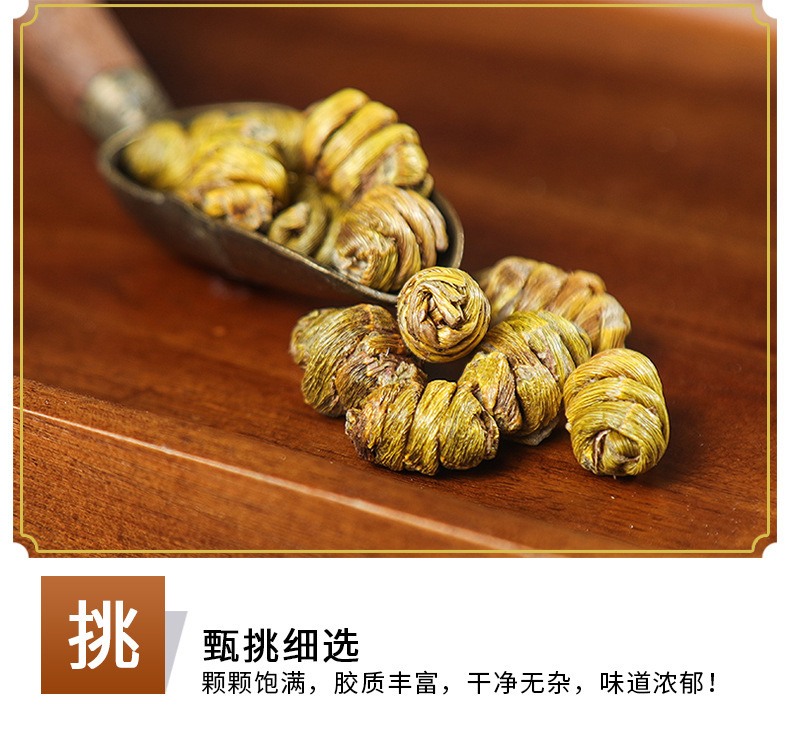
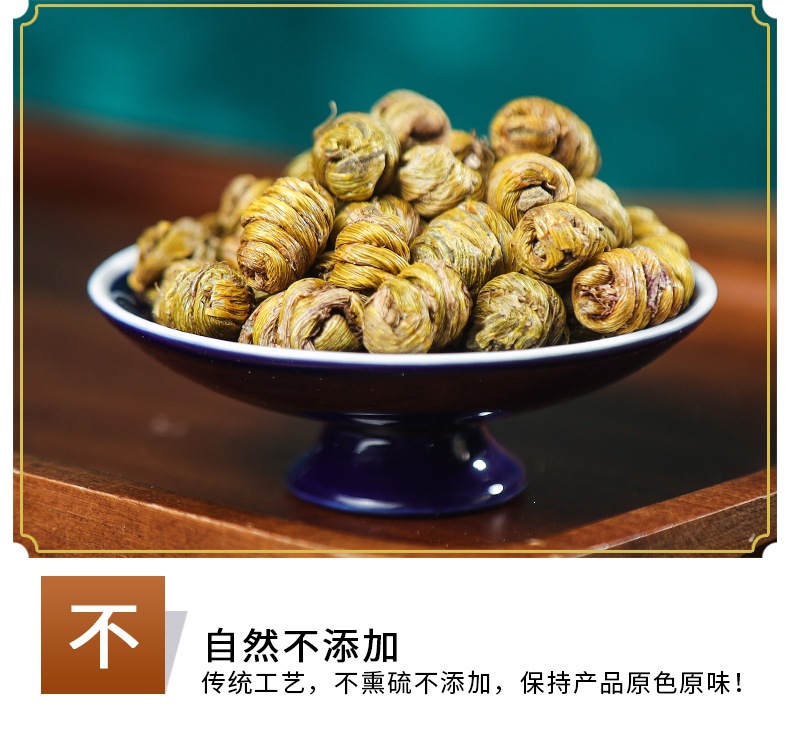
Dendrobium stem pieces typically appear yellow-green to golden-brown, with a firm, fibrous texture and mild grassy-sweet aroma. After simmering, the pieces soften and the liquid is typically lightly sweet and slightly viscous. Actual color, aroma, and taste may vary by batch and harvest.
Technical Specifications
| Product Type | Dried Dendrobium stem pieces and edge pieces |
|---|---|
| Chinese Name | 铁皮石斛 |
| Pinyin | Tie Pi Shi Hu |
| Botanical Name | Dendrobium officinale |
| Plant Part | Stem |
| Net Weight | 1g |
Usage Scenarios
- Simmered in herbal soups
- Boiled as a simple decoction
- Cooked into congee
- Brewed as a mild daily herbal tea
- Used in home culinary preparations
Traditional Uses
In TCM tradition, Tiepi Shihu is often simmered or decocted slowly and combined with ingredients such as goji berry, lily bulb, or lean meat in soups. It is also traditionally added to congee or brewed as a gentle daily tea. Traditional texts associate it with nourishing Yin and supporting body fluids, but this product is sold as food and not as a treatment.
FAQ Q&A
Q: What is this product?
A: It is a 1g sample of dried Tiepi Shihu (铁皮石斛) stem pieces and edge pieces from Dendrobium officinale, sourced from Huoshan, Anhui.
Q: What is its traditional value?
A: In TCM theory, Tiepi Shihu is traditionally associated with a sweet, slightly cold nature and Stomach and Kidney channel entry, often used in Yin-nourishing food preparations.
Q: How is it commonly prepared?
A: It is commonly simmered in soups or decoctions, cooked into congee, or brewed as a mild herbal tea. Follow a trusted recipe and avoid use for infants.
Additional information
| Weight | N/A |
|---|---|
| Dimensions | N/A |
| Model | 霍山铁皮石斛 1克, 石斛切片 1克, 石斛寸金 1克, 石斛超细纯粉 1克, 石斛花 1克, 石斛边角料 1克 |
Related products
-
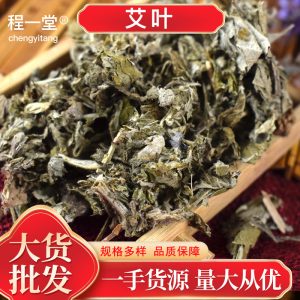
Dried Mugwort Leaf Ai Ye 500g Chinese Herbal Bath Foot Soak and Smoke Cleansing Herb
Price range: $4.77 through $5.25 -
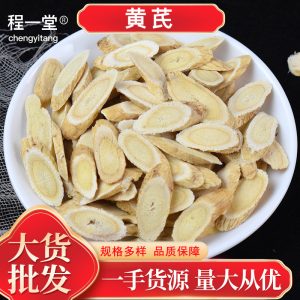
Astragalus Root Slices Huang Qi 斜片 Dried Herb for Decoction Soup and Tea 500g
Price range: $6.06 through $19.51 -
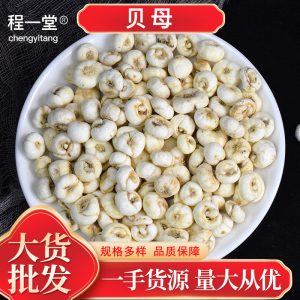
Fritillaria Bulb Chuan Bei Mu Dried Chinese Herbal Bulbs for Decoction and Traditional Use 500g
Price range: $18.06 through $94.21 -
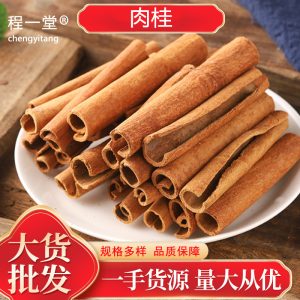
Dried Cinnamon Bark Rou Gui 500g Whole Peeling Culinary Spice and Traditional Herbal Ingredient
Price range: $5.58 through $8.33
Reviews
There are no reviews yet.