
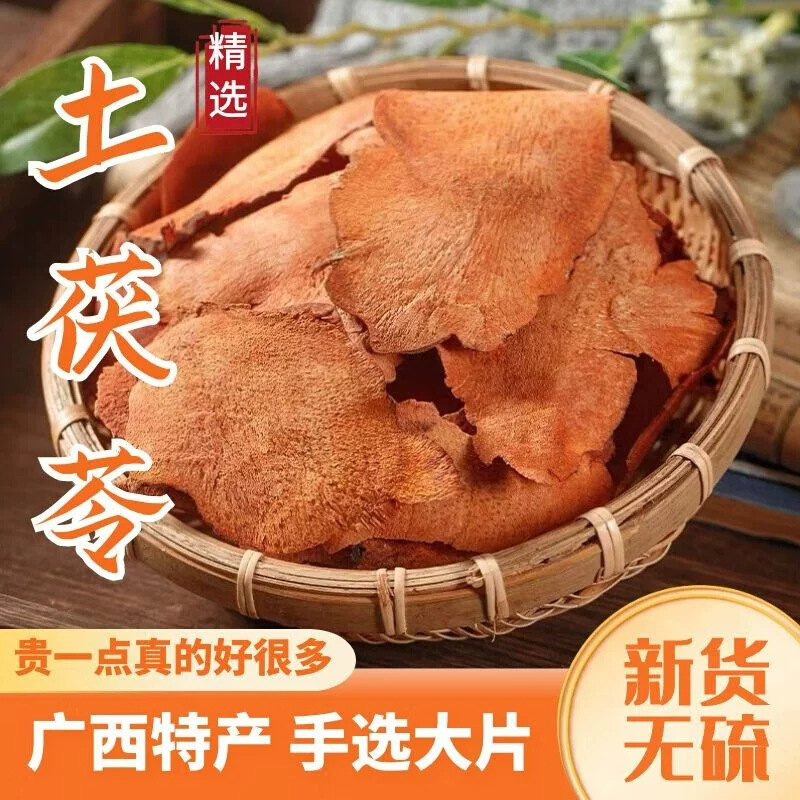
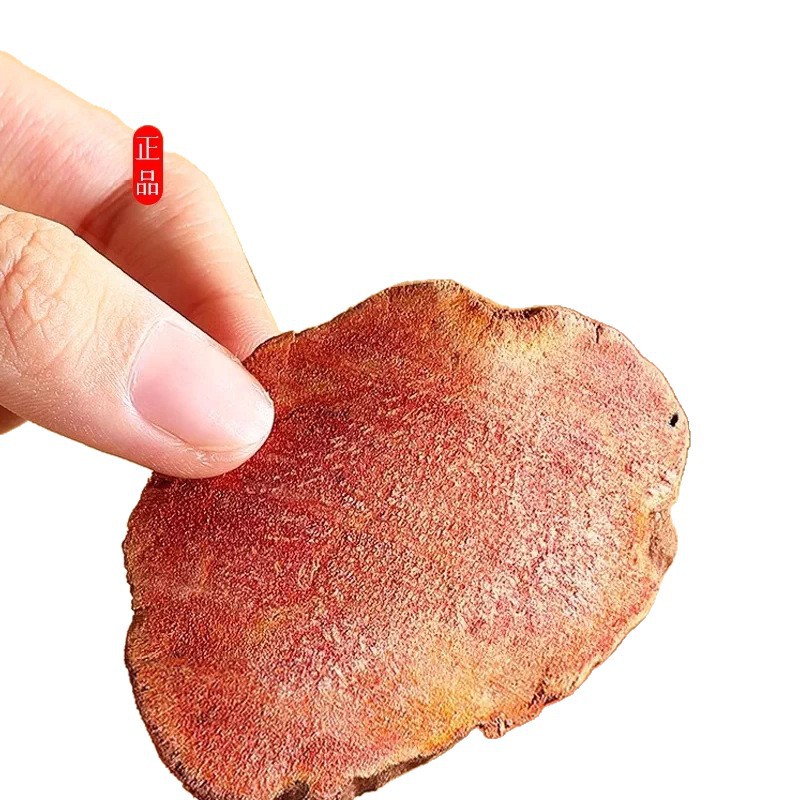
Dried Tu Fu Ling Slices 500g Smilax Glabra Root for Herbal Soups and Decoctions
Price range: $5.13 through $10.71
Description
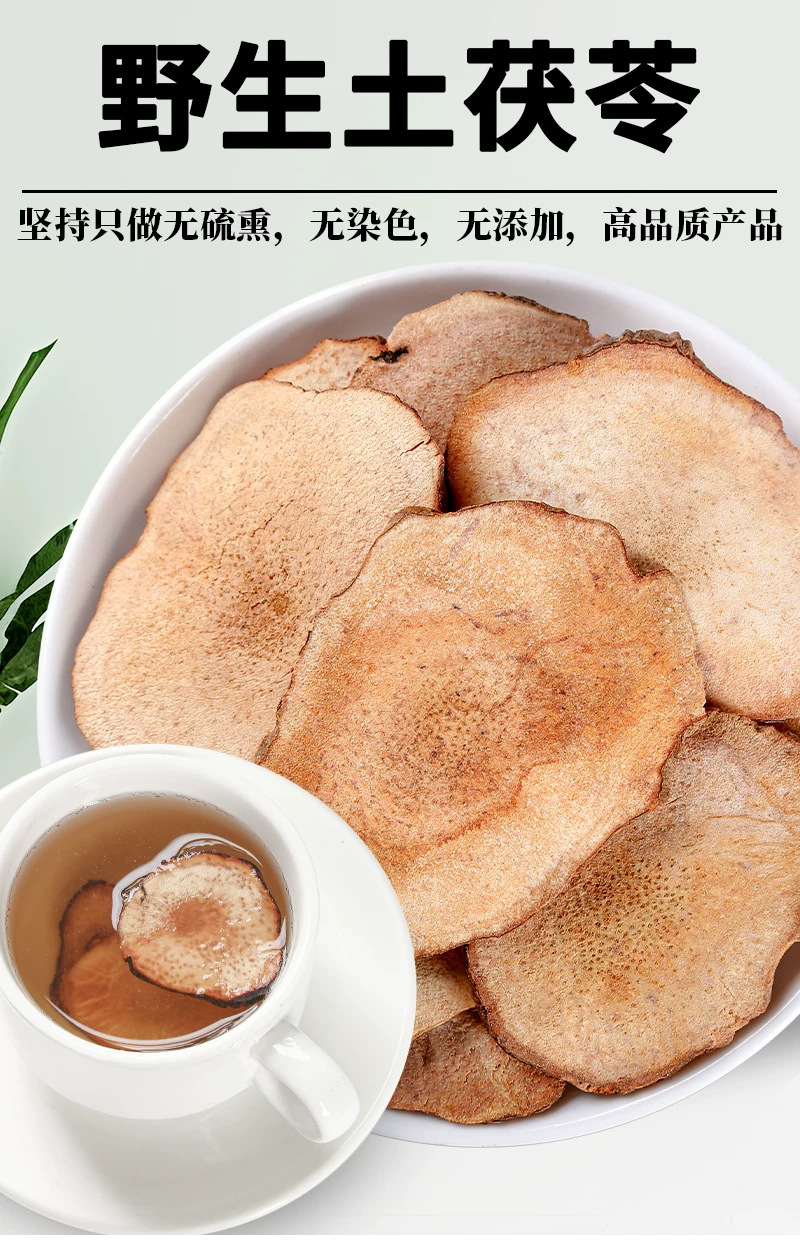
Dried Tu Fu Ling slices, known in TCM as Tu Fu Ling (土茯苓) and botanically as Smilax glabra, are the dried rhizome of the Smilax plant. Traditionally used in Chinese herbal practice, this neutral, sweet and bland herb is associated with the Liver and Stomach channels. In TCM theory it is traditionally used to support dampness clearance and wellness. These naturally sun-dried slices are suitable for simmering in soups, decoctions, or daily herbal teas.

Key Selling Points
- Identified in TCM as Tu Fu Ling (土茯苓), the dried rhizome of Smilax glabra
- Naturally sun-dried slices with no added processing
- Neutral, sweet and bland in TCM nature and flavor
- Traditionally associated with the Liver and Stomach channels
- Suitable for simmering in soups, decoctions, and herbal teas

Quality & Sensory
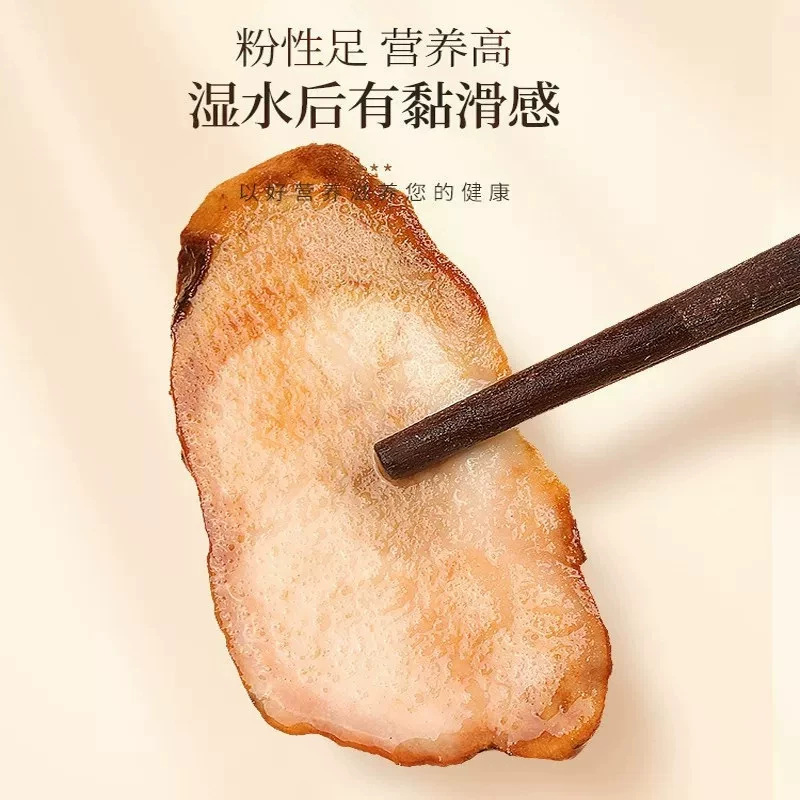
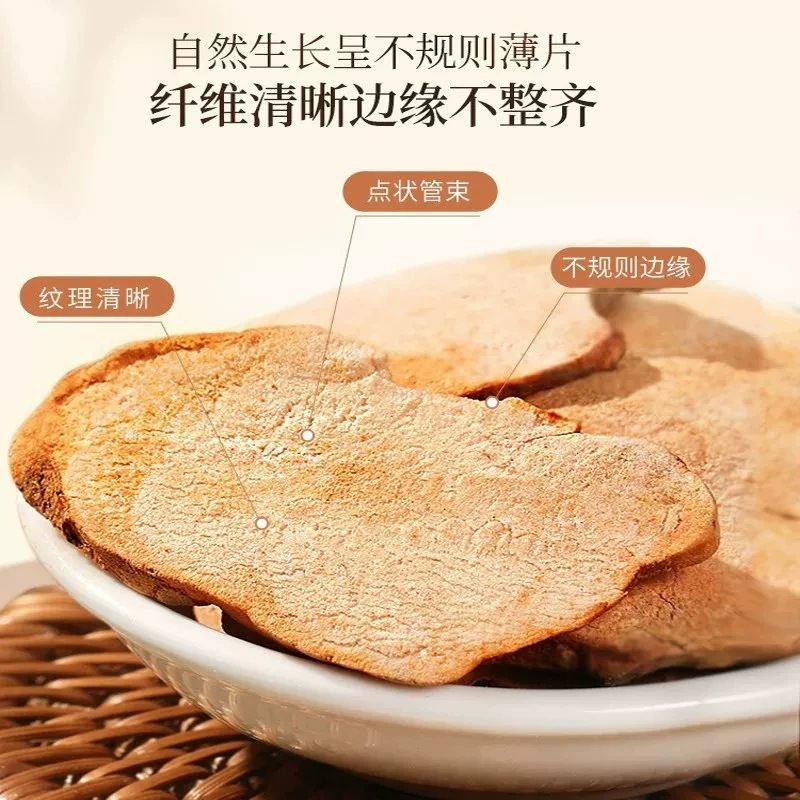
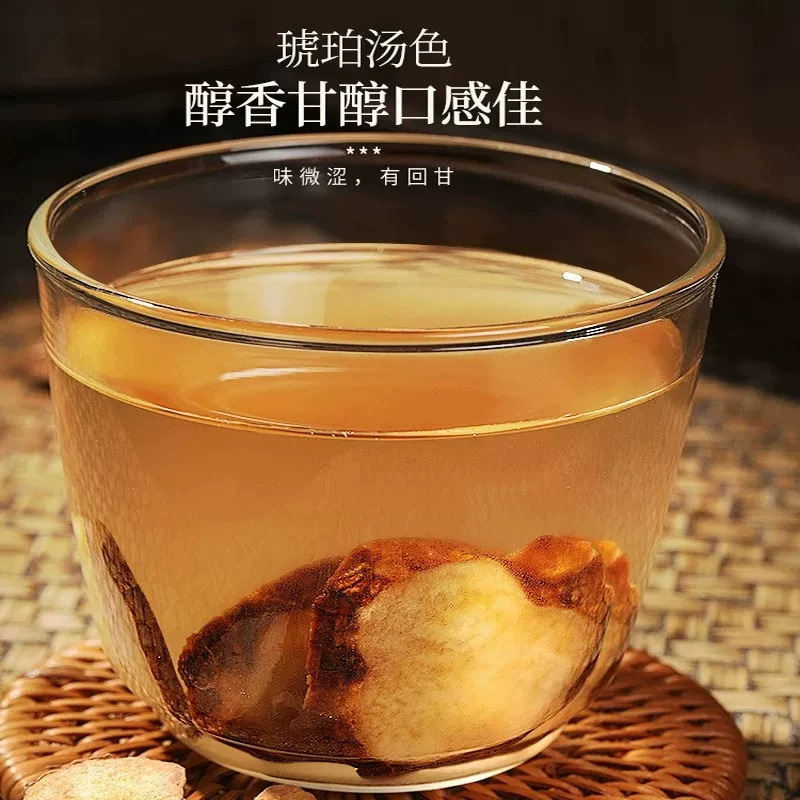
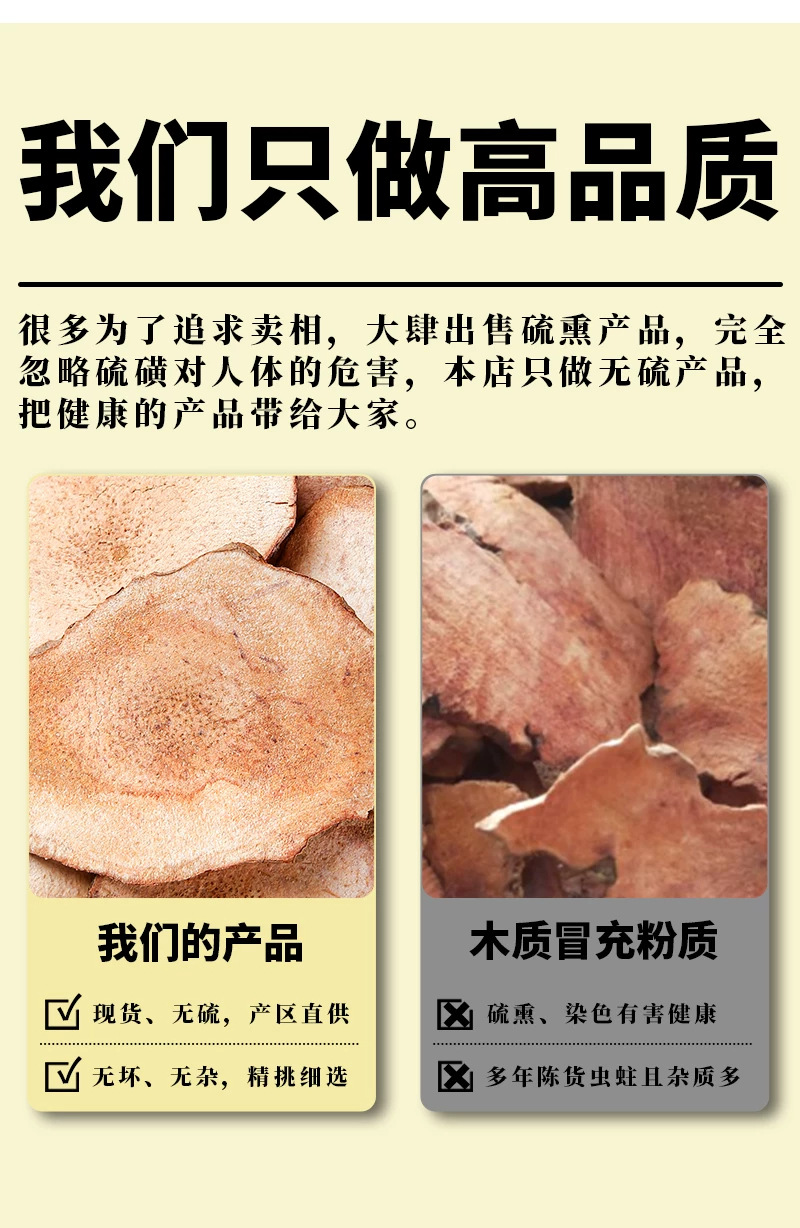
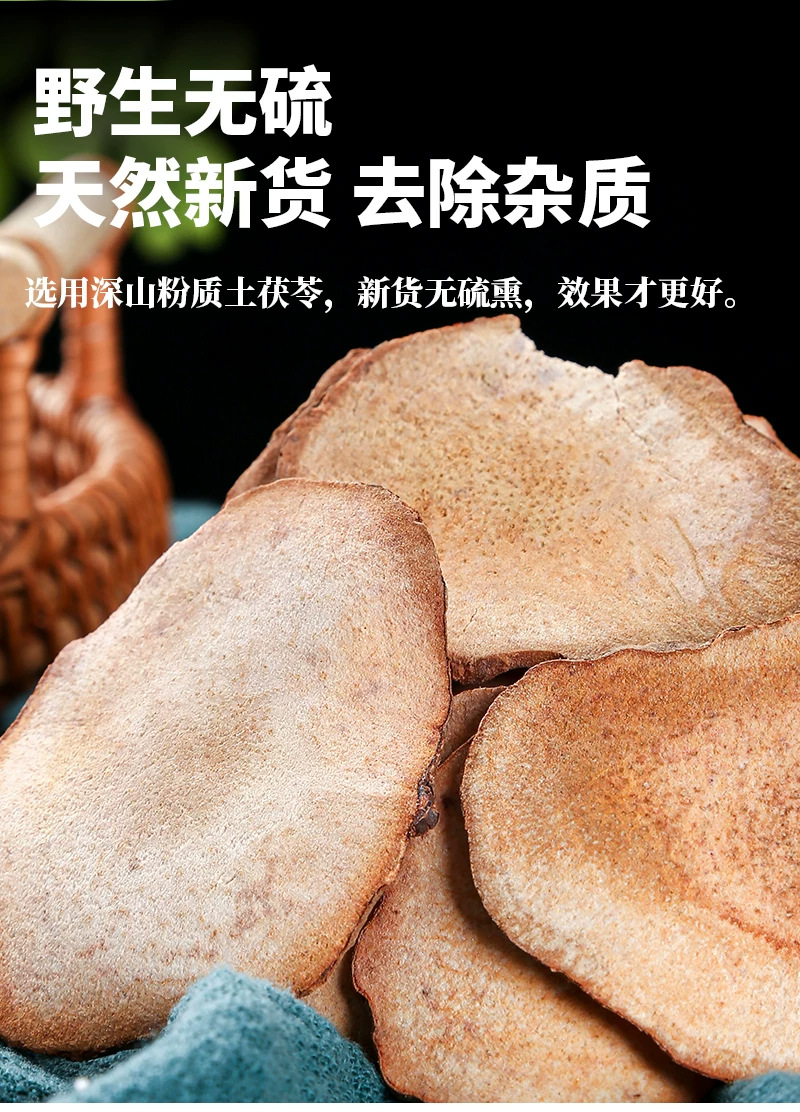
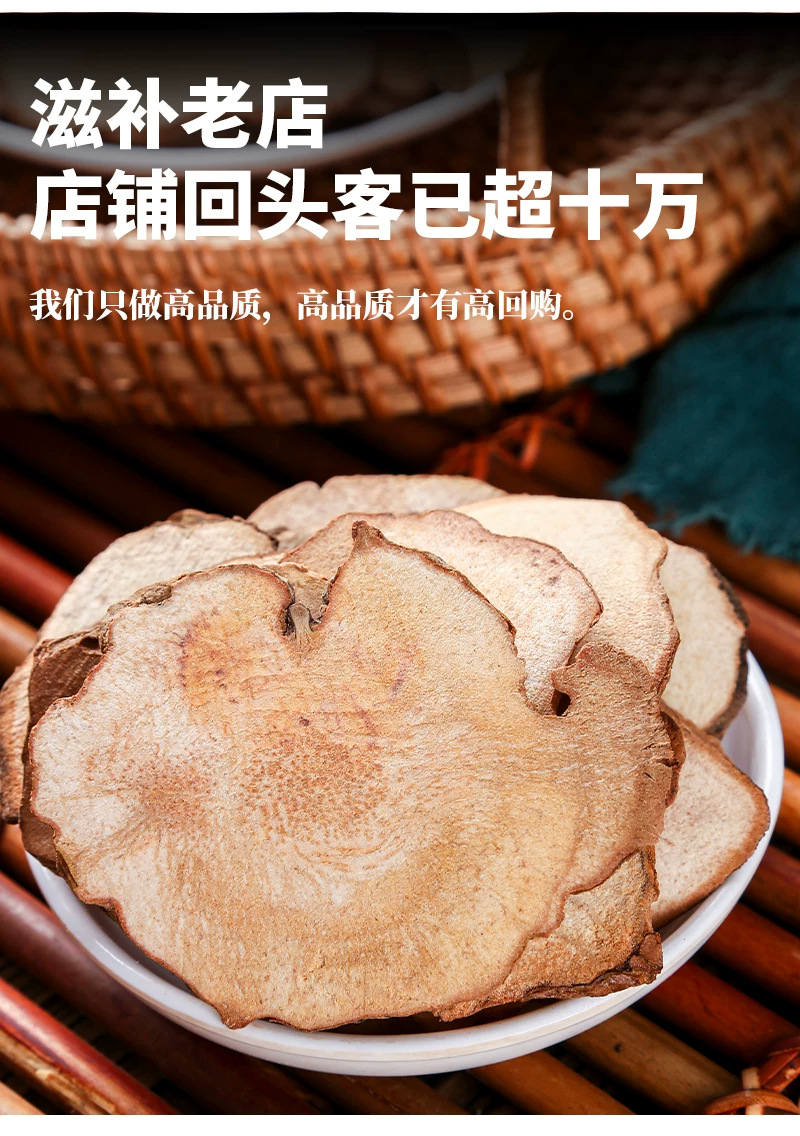
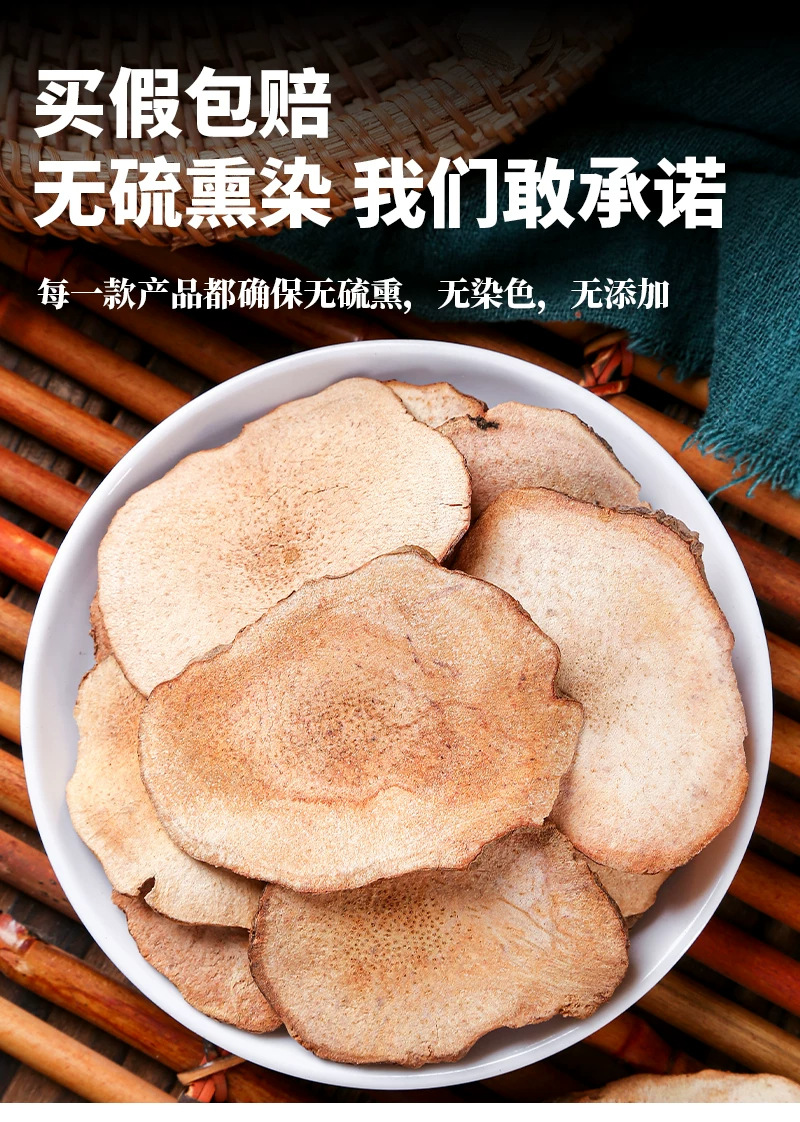
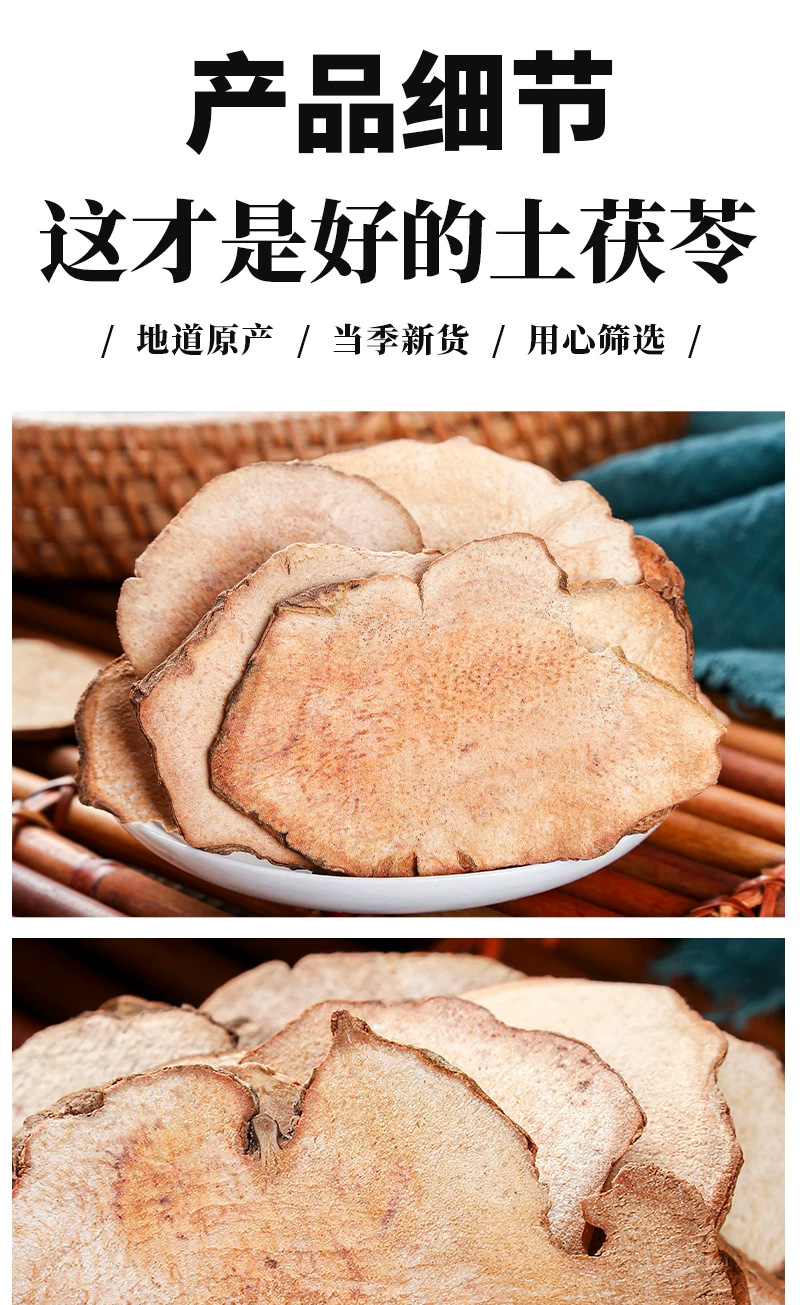
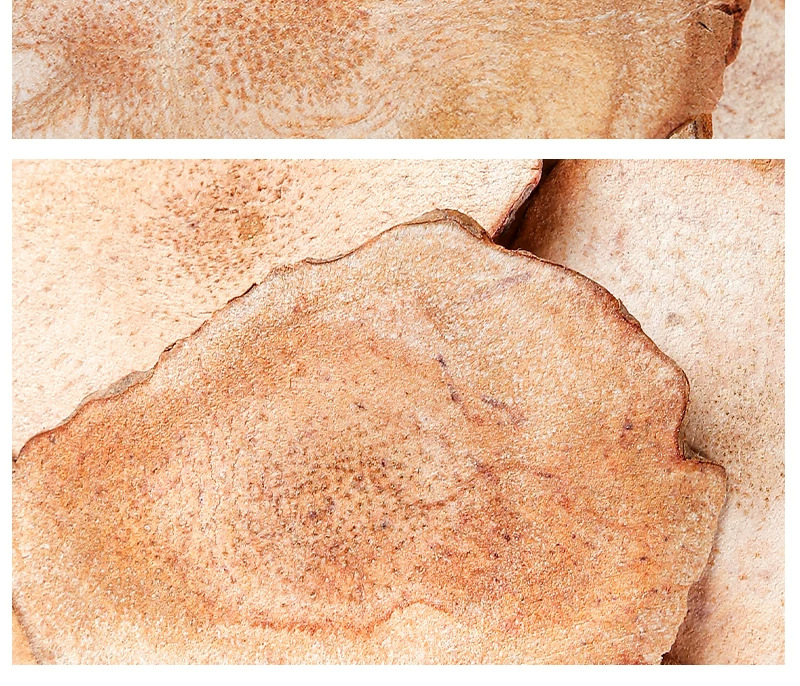
The slices are typically off-white to light beige with a firm, slightly fibrous texture. They have a mild, earthy aroma and a subtle, bland taste after decocting. Color and texture may vary slightly between batches due to natural sun-drying.
Technical Specifications
| Product Type | Dried herbal rhizome slices |
|---|---|
| Chinese Name | 土茯苓 |
| Pinyin | Tu Fu Ling |
| Botanical Name | Smilax glabra |
| Plant Part | Rhizome |
| Net Weight | 500g |
Usage Scenarios
- Simmered in herbal soups with other ingredients
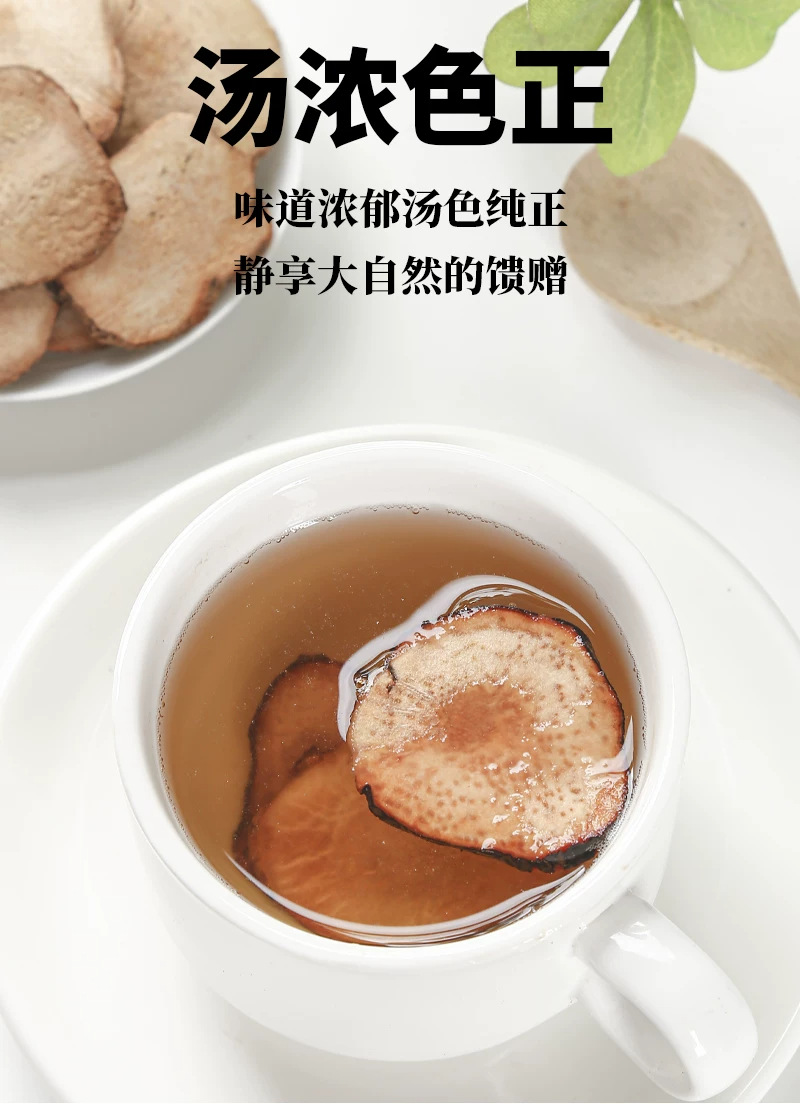
- Decocted as a single-herb tea
- Added to congee during cooking
- Used in seasonal damp-clearing soup recipes
Traditional Uses
In TCM theory, Tu Fu Ling is traditionally used to clear dampness and support wellness. It is commonly simmered in soups with ingredients such as Job's Tears or Poria, or decocted alone as a daily tea. Folk practice often pairs it with other herbs in seasonal damp-weather recipes.
FAQ Q&A
Q: What is Tu Fu Ling?
A: Tu Fu Ling (土茯苓) is the dried rhizome of Smilax glabra, a herb used in Traditional Chinese Medicine.
Q: What is its traditional value?
A: In TCM theory it is neutral, sweet and bland, associated with the Liver and Stomach channels, and traditionally used to clear dampness.
Q: How is it commonly prepared?
A: It is typically simmered in soups or decocted as a tea. It can also be added to congee.
Additional information
| Weight | N/A |
|---|---|
| Dimensions | N/A |
| Model | 白土茯苓片50克 野生正品, 白土茯苓片250克 野生正品, 白土茯苓片500克 野生正品, 白土茯苓片1000克 野生正品, 红土茯苓片50克 野生正品, 红土茯苓片250克 野生正品, 红土茯苓片500克 野生正品, 红土茯苓片1000克 野生正品 |
Related products
-
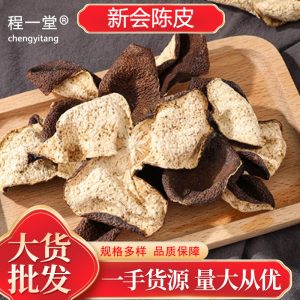
Xinhui Chenpi Dried Tangerine Peel 500g Sun Dried Aged Peel for Soup and Tea
Price range: $60.19 through $116.90 -
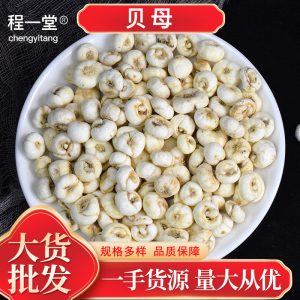
Fritillaria Bulb Chuan Bei Mu Dried Chinese Herbal Bulbs for Decoction and Traditional Use 500g
Price range: $18.06 through $94.21 -
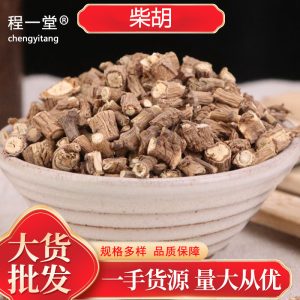
Chai Hu Bupleurum Root Dried Herb 500g Traditional TCM Decoction Herb
Price range: $9.14 through $16.44 -
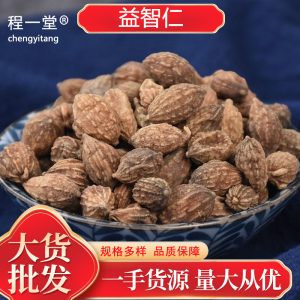
Yi Zhi Ren Dried Alpinia Oxyphylla Fruit 500g Traditional Herbal Tea and Decoction Ingredient
Price range: $11.74 through $13.36
Reviews
There are no reviews yet.