
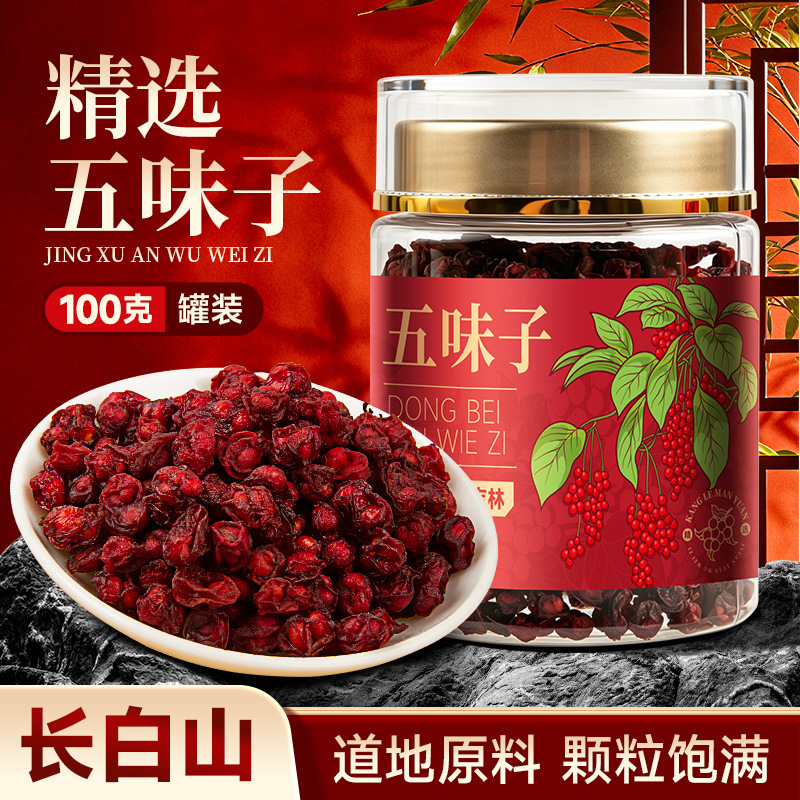
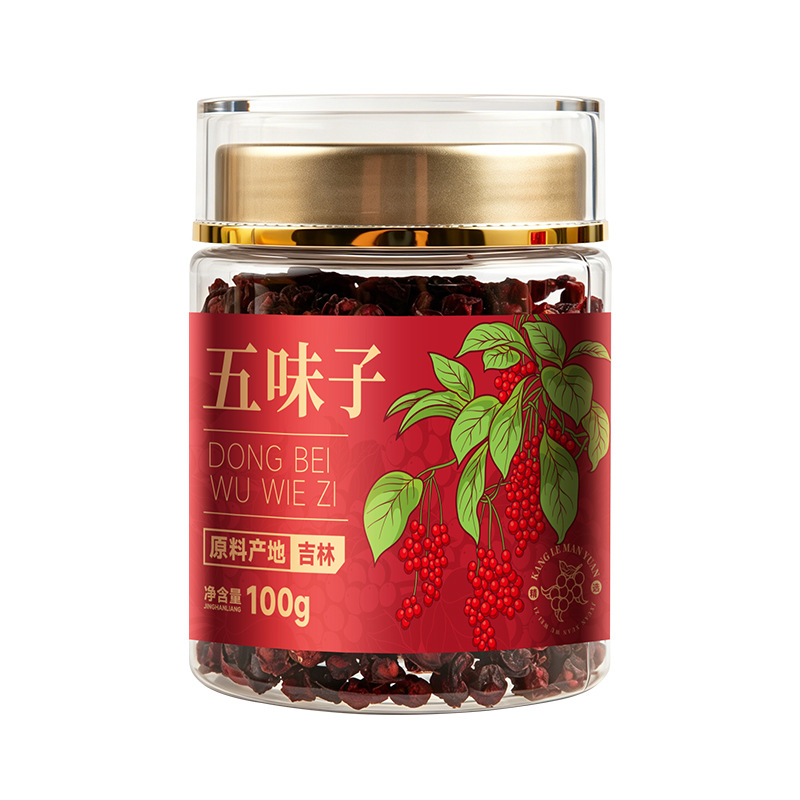
Dried Schisandra Berry Wu Wei Zi 100g Bottle Northeast China Herbal Tea Ingredient
$6.96
9986 in stock
Description
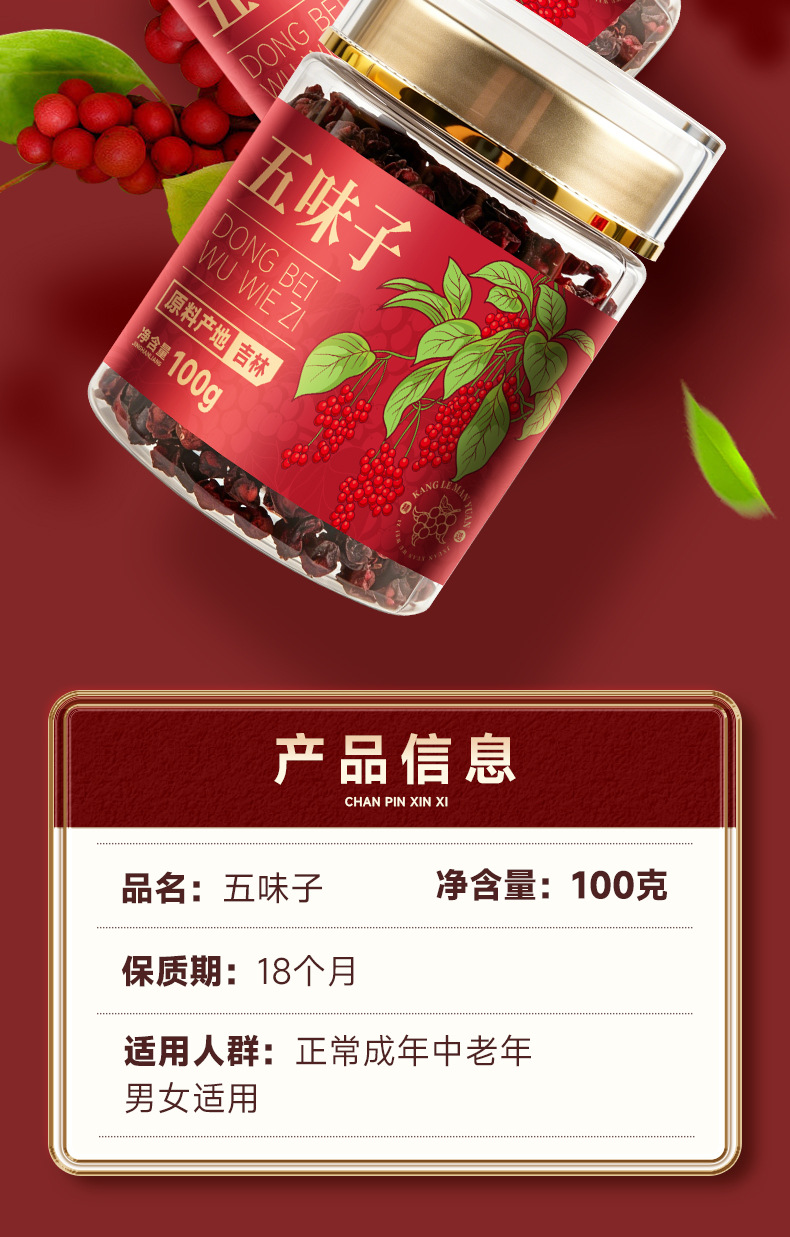
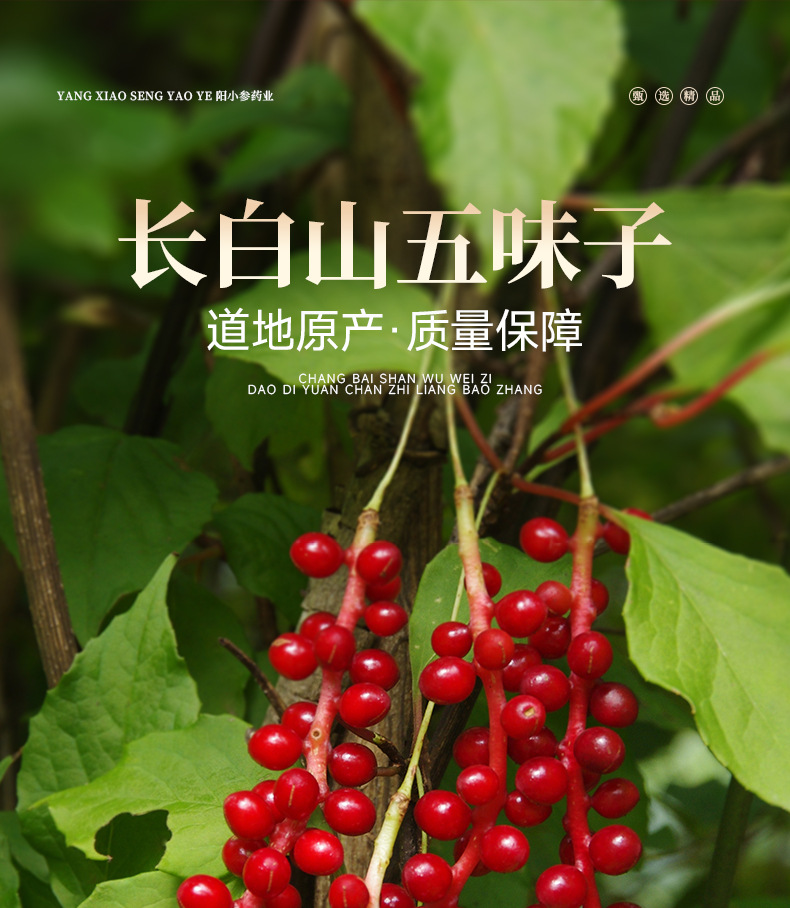
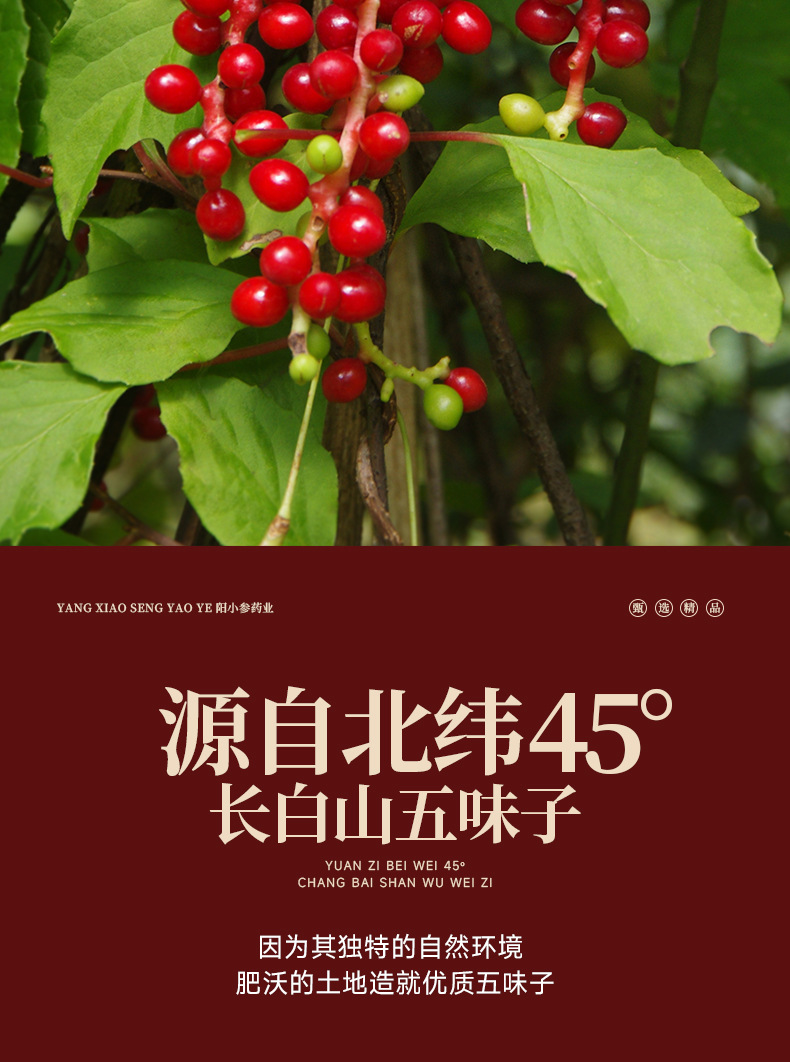
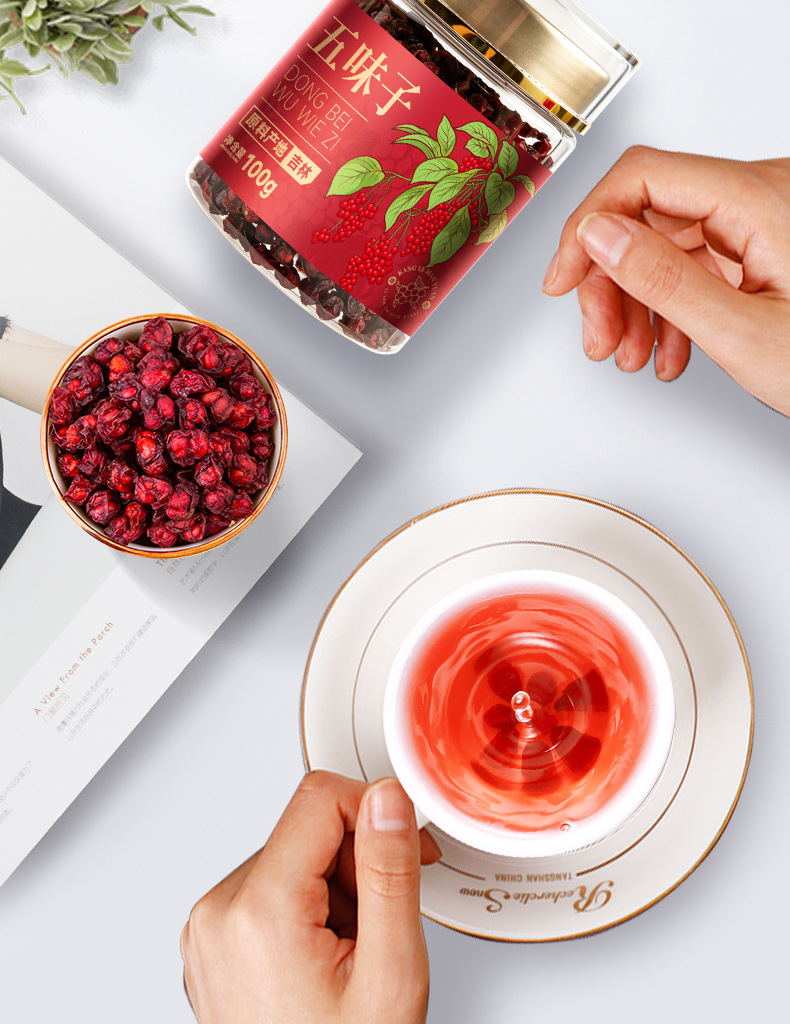
Dried Schisandra berries, known in TCM as Wu Wei Zi (五味子) and botanically as Schisandra chinensis, are whole dried fruit from Northeast China. In TCM theory, this herb is sour and sweet in flavor, warm in nature, and traditionally associated with the Lung, Heart, and Kidney channels. It is commonly used as a daily herbal tea ingredient or in decoctions and soups.
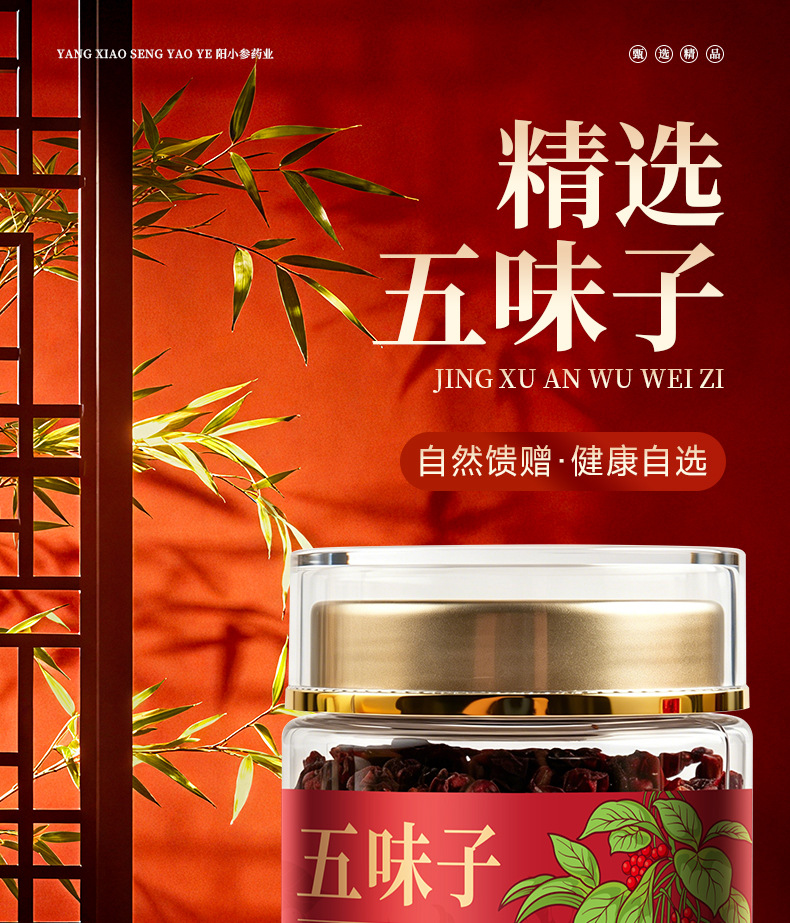
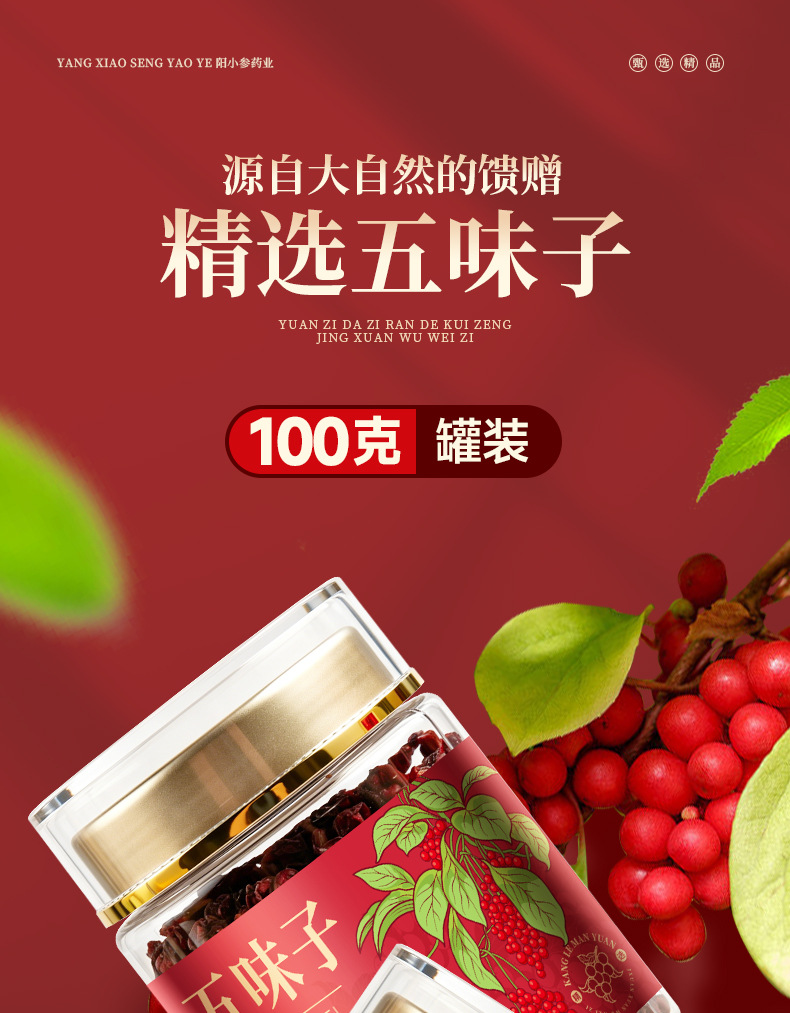
Key Selling Points
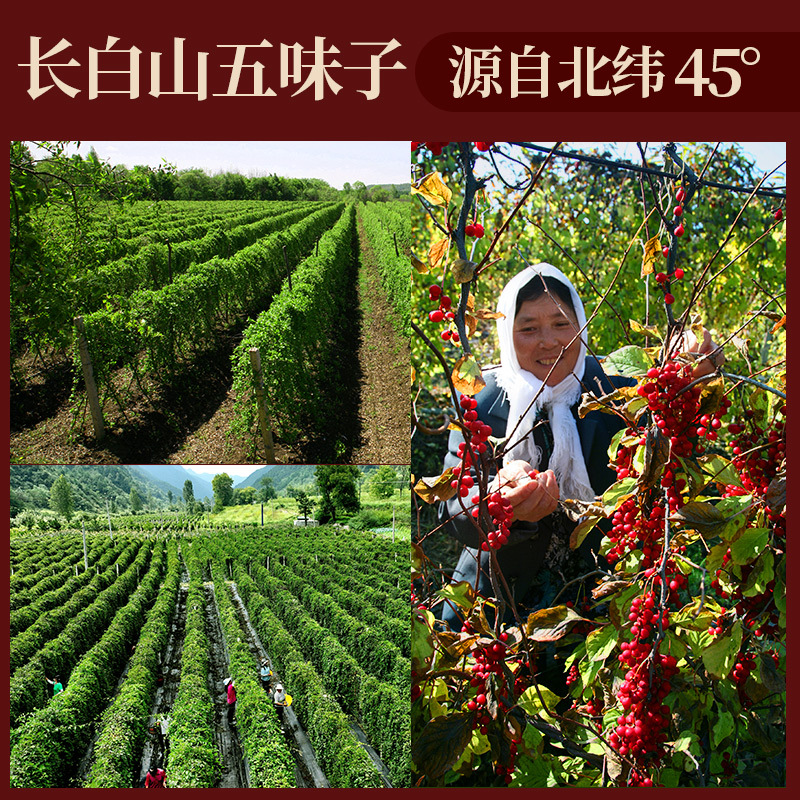
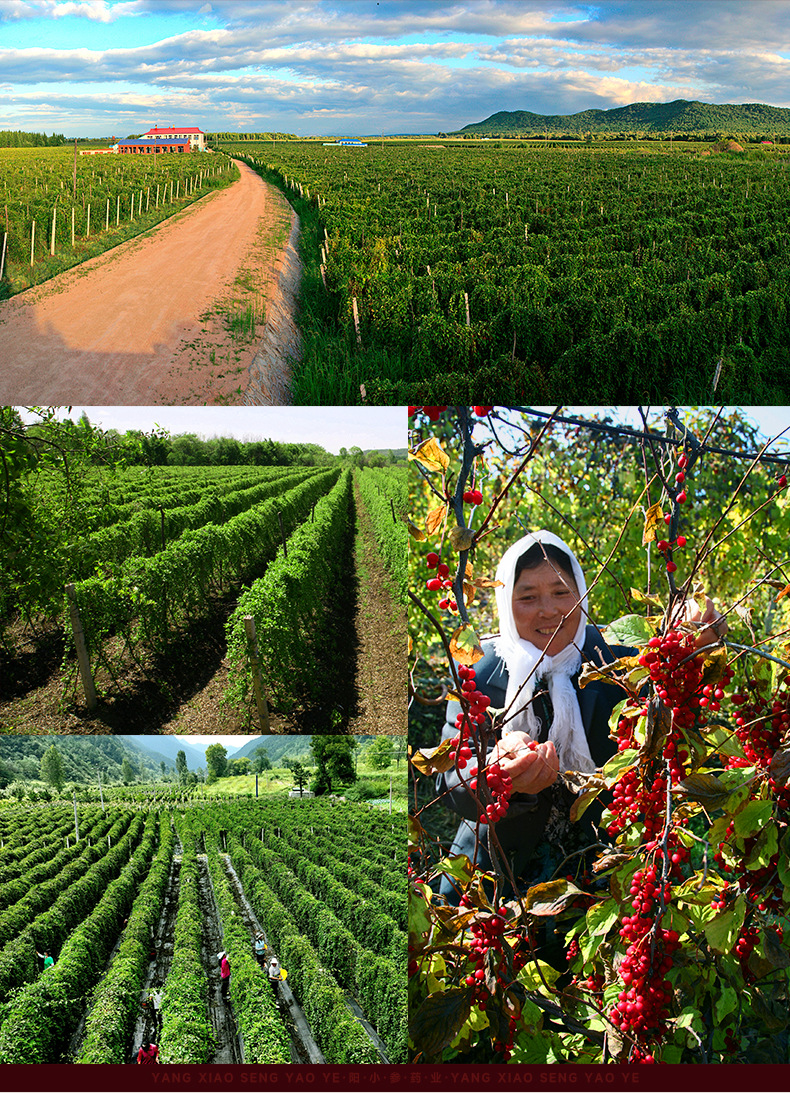
- Whole dried Schisandra chinensis fruit from Jilin, Northeast China
- Known in TCM as Wu Wei Zi (五味子), a classic five-flavor herb
- Sour and sweet flavor, warm nature, enters Lung Heart and Kidney channels
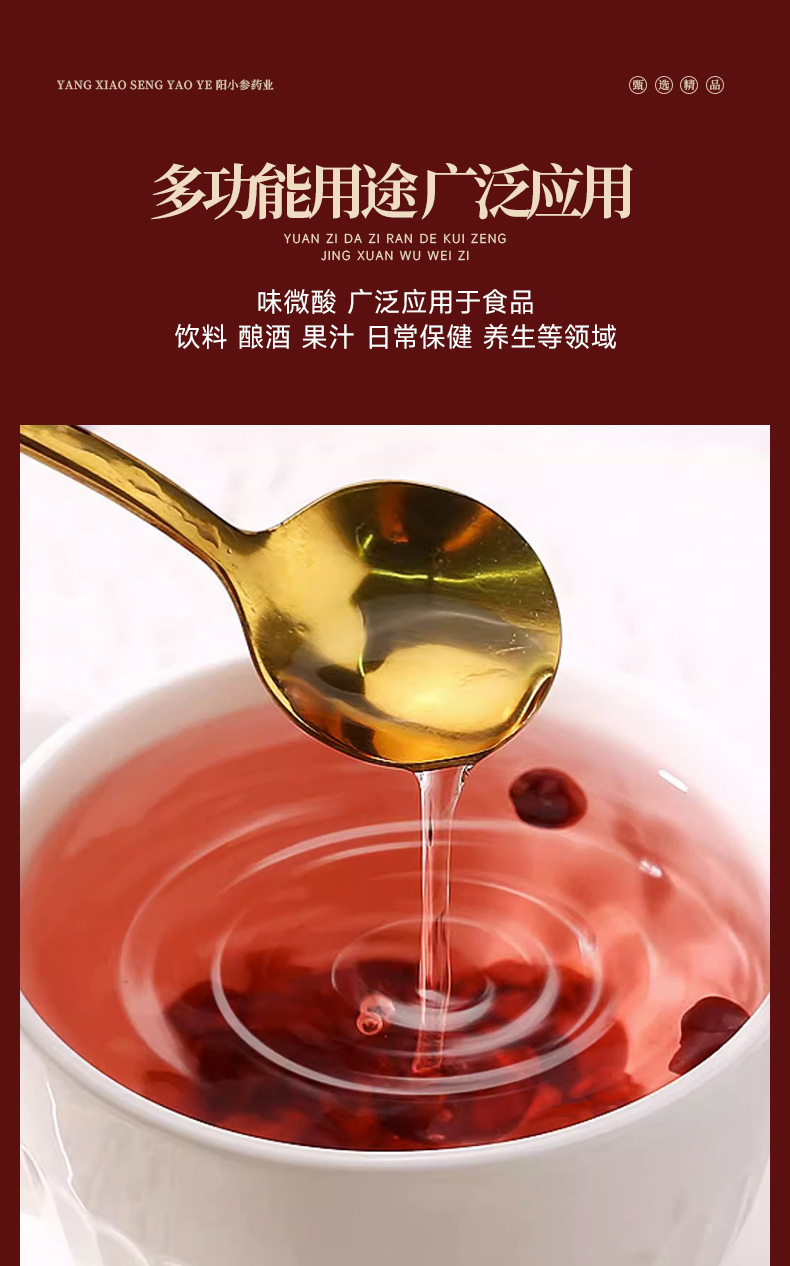
- Suitable for tea, decoction, soup, and congee preparation
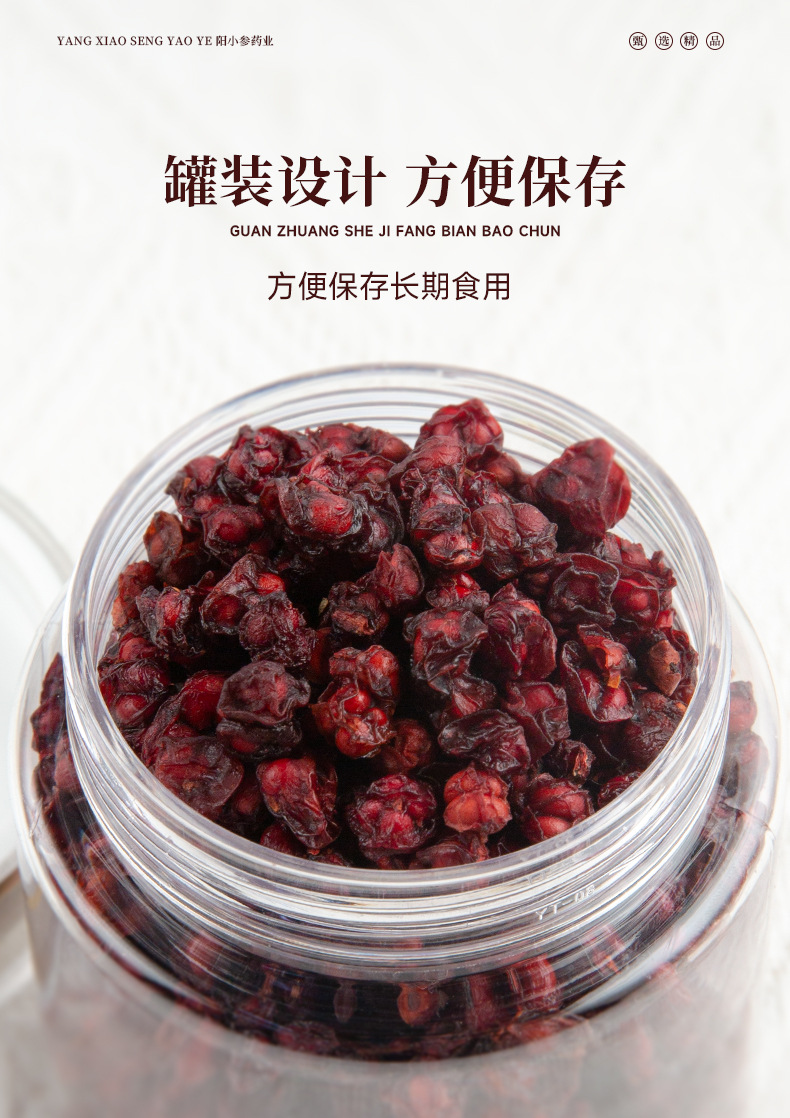
- 100g bottled pack with 12-month shelf life when stored cool and dry
Quality & Sensory
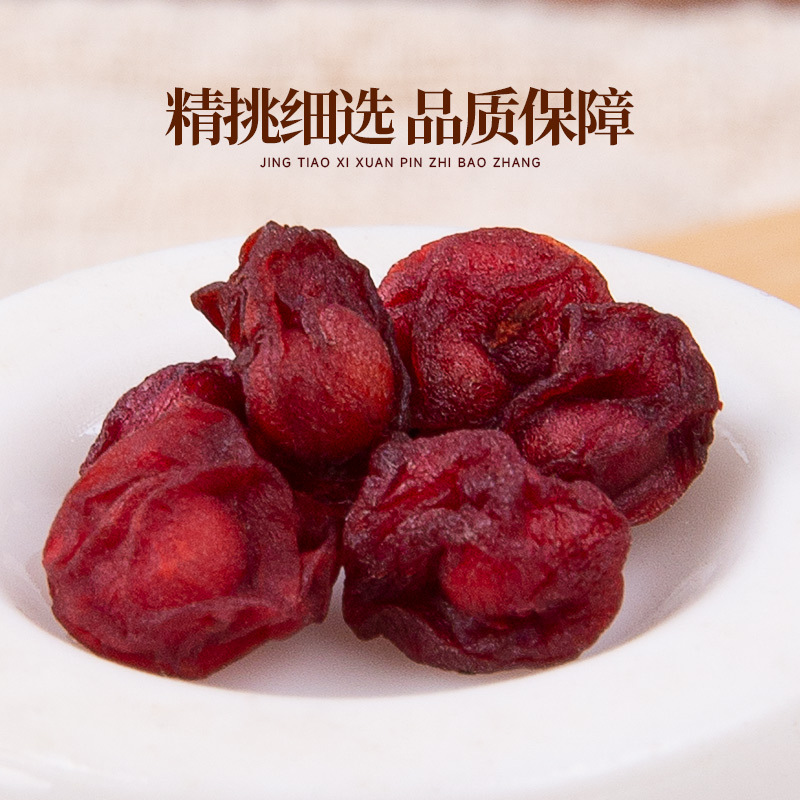
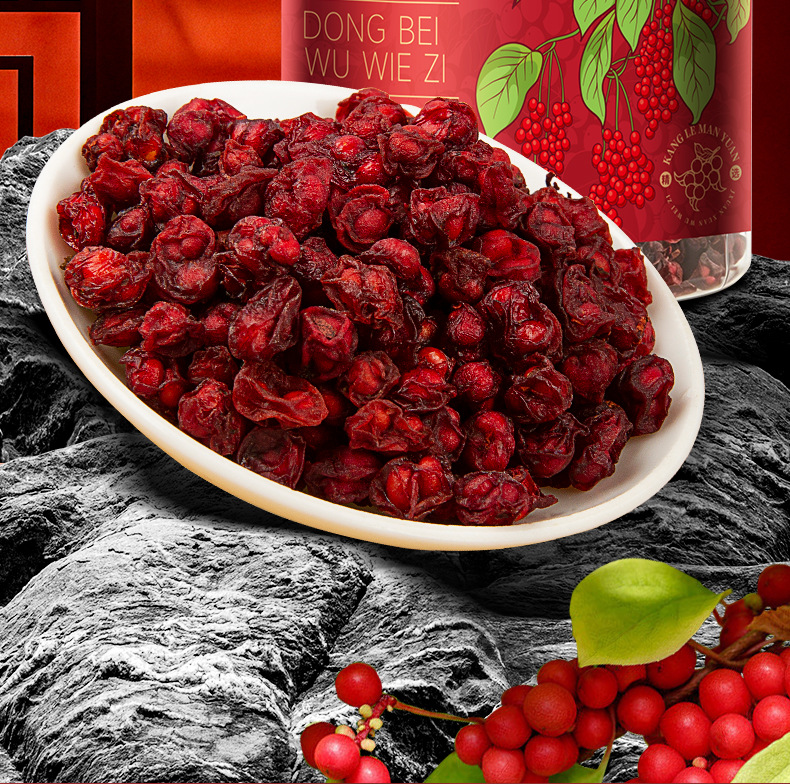
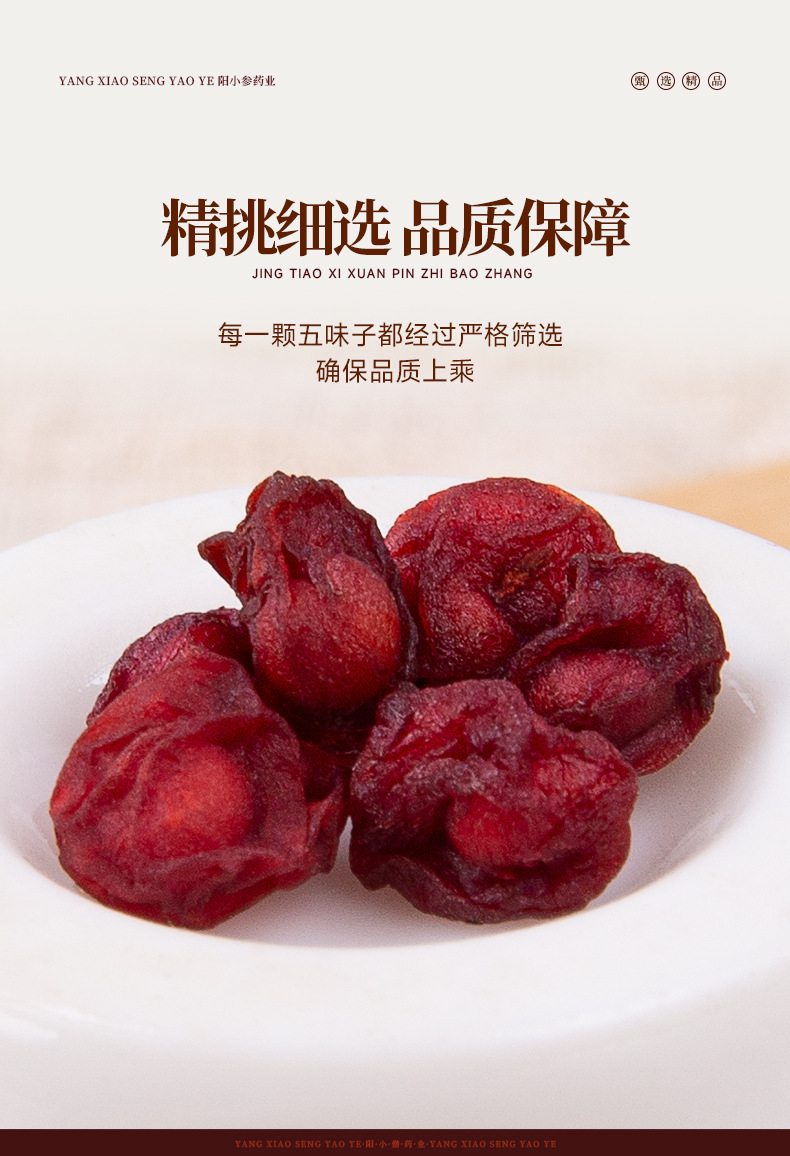
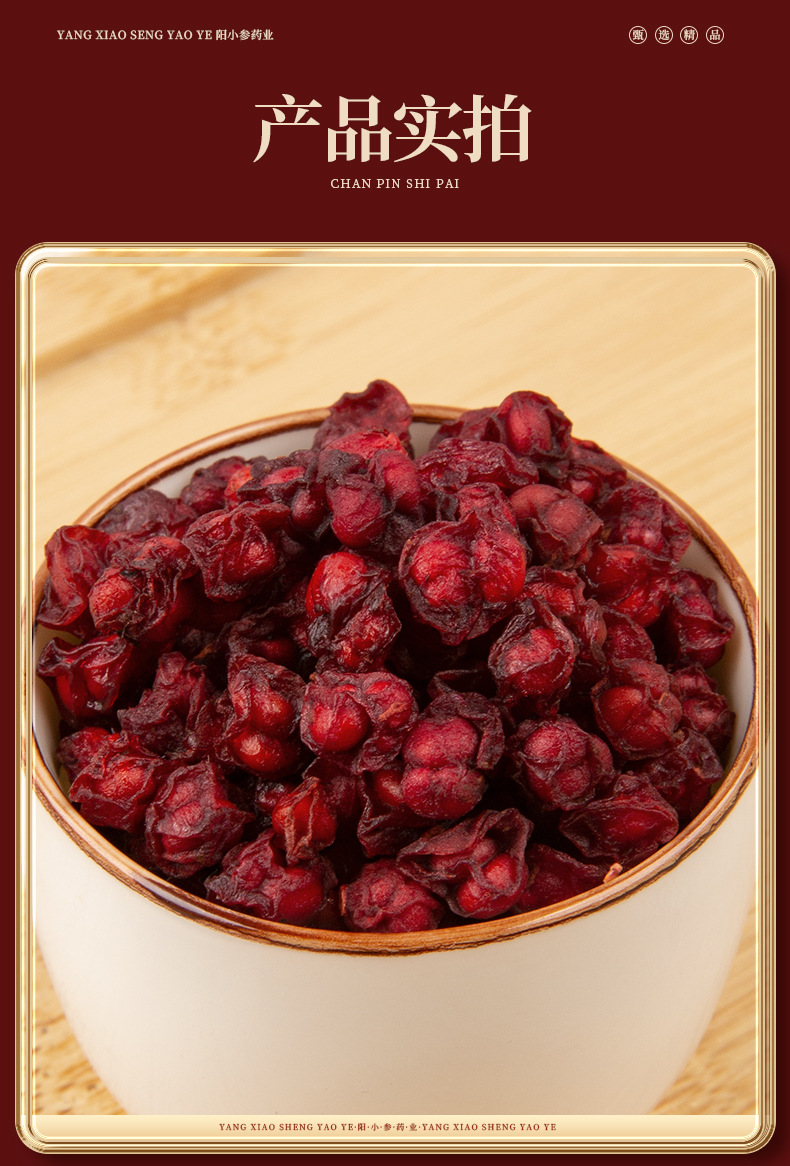
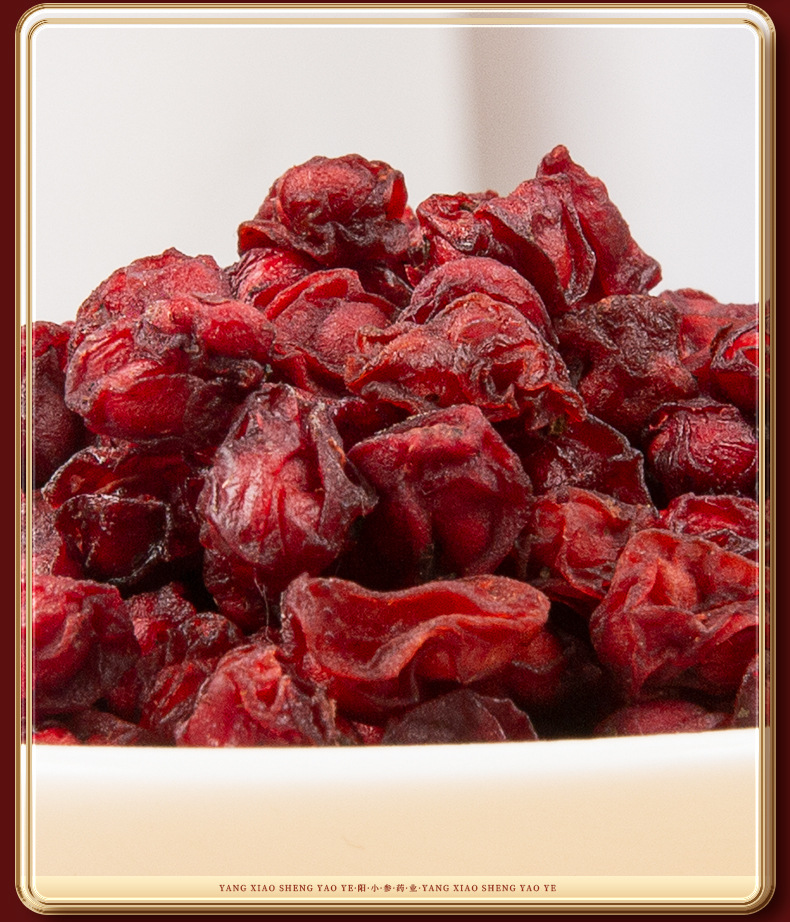
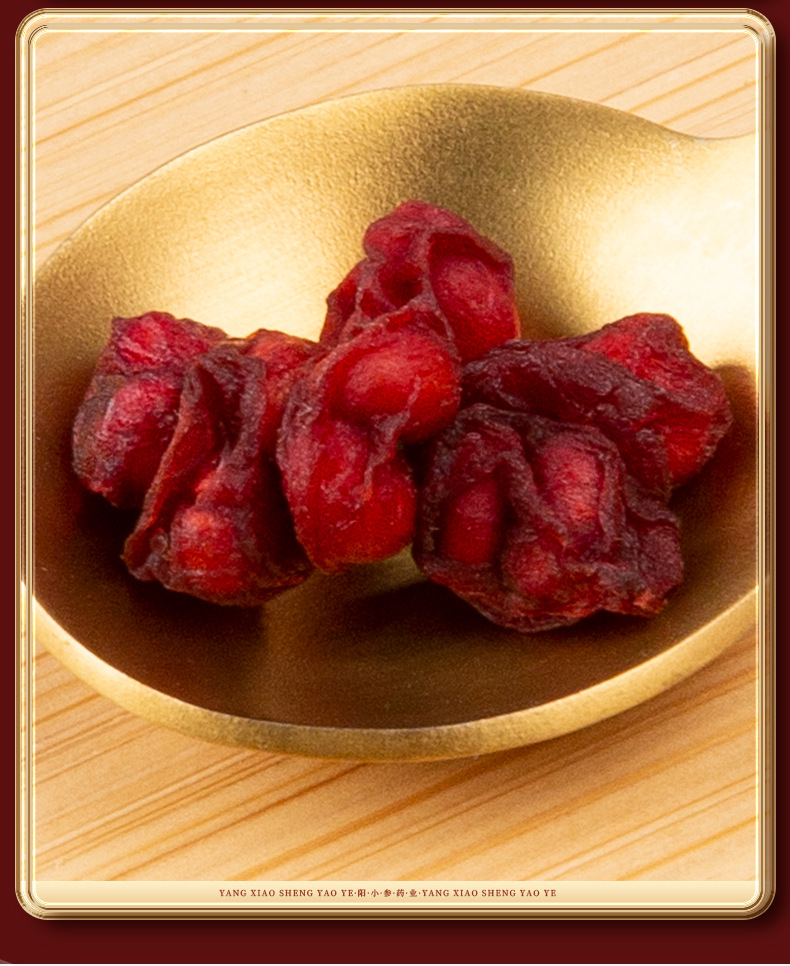
The dried berries are typically deep red to dark purple with a wrinkled surface and a firm, slightly leathery texture. They have a mild fruity aroma and a distinctly sour, slightly sweet taste that softens when brewed or decocted.
Technical Specifications
| Product Type | Dried whole fruit |
|---|---|
| Chinese Name | 五味子 |
| Pinyin | Wu Wei Zi |
| Botanical Name | Schisandra chinensis |
| Plant Part | Fruit |
| Net Weight | 100g |
Usage Scenarios
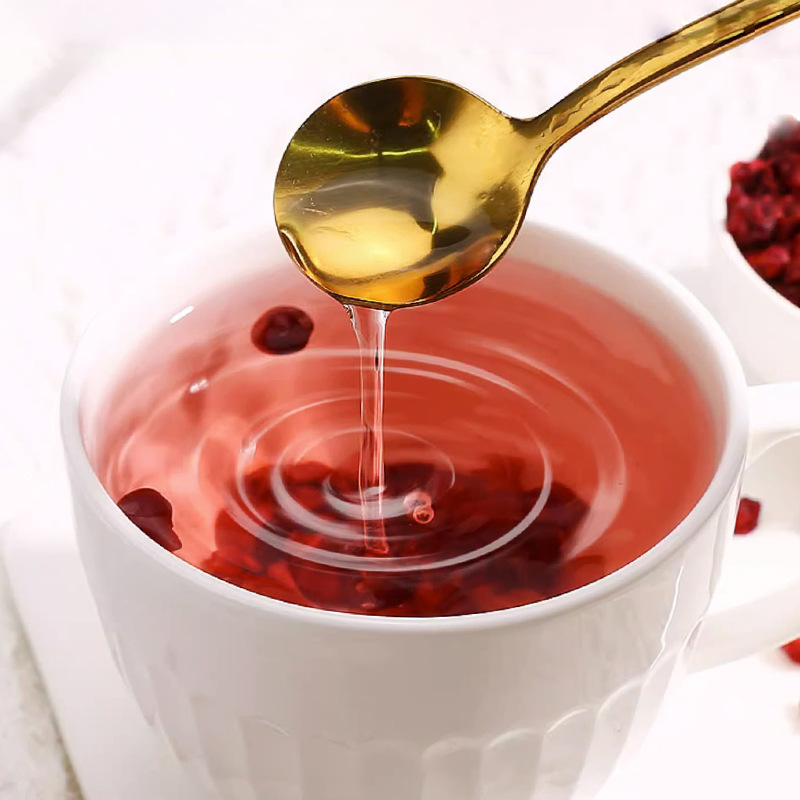
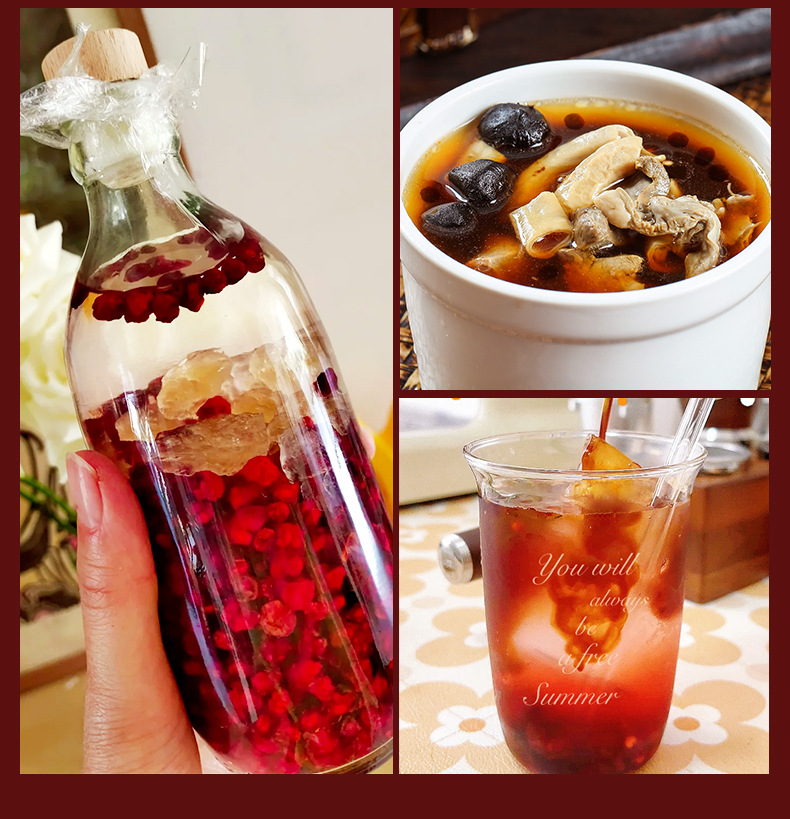
- Brewed as a daily herbal tea
- Simmered in traditional decoctions
- Added to soups or congee
- Used in seasonal tonic food preparations
Traditional Uses
In TCM theory, Wu Wei Zi is traditionally used in decoctions and teas, often paired with herbs such as wolfberry or jujube. It is also added to soups and congee for seasonal nourishment. Traditional texts describe it as a herb that astringes and nourishes, and it is commonly included in daily wellness routines.
FAQ Q&A
Q: What is this product?
A: It is dried whole Schisandra chinensis fruit, known in TCM as Wu Wei Zi (五味子), sourced from Jilin, Northeast China.
Q: What are its traditional characteristics?
A: In TCM theory, it is sour and sweet in flavor, warm in nature, and associated with the Lung, Heart, and Kidney channels.
Q: How is it commonly prepared?
A: It is typically brewed as a tea, simmered in decoctions, or added to soups and congee.
Additional information
| Weight | 0.3 kg |
|---|---|
| Dimensions | 15 × 10 × 10 cm |
Related products
-
Cabinda Bark Dried Herb 500g Traditional Herbal Infusion Ingredient
Price range: $12.38 through $37.50 -
Ningxia Goji Berries Gou Qi Zi 500g Dried Red Wolfberry for Tea Soup and Snacking
Price range: $7.20 through $16.44 -
Fritillaria Bulb Chuan Bei Mu Dried Chinese Herbal Bulbs for Decoction and Traditional Use 500g
Price range: $18.06 through $94.21 -
Dried Ginger Root Gan Jiang 500g Bulk Chinese Herb Zingiber officinale Rhizome for Decoction and Culinary Use
$5.90
Reviews
There are no reviews yet.