
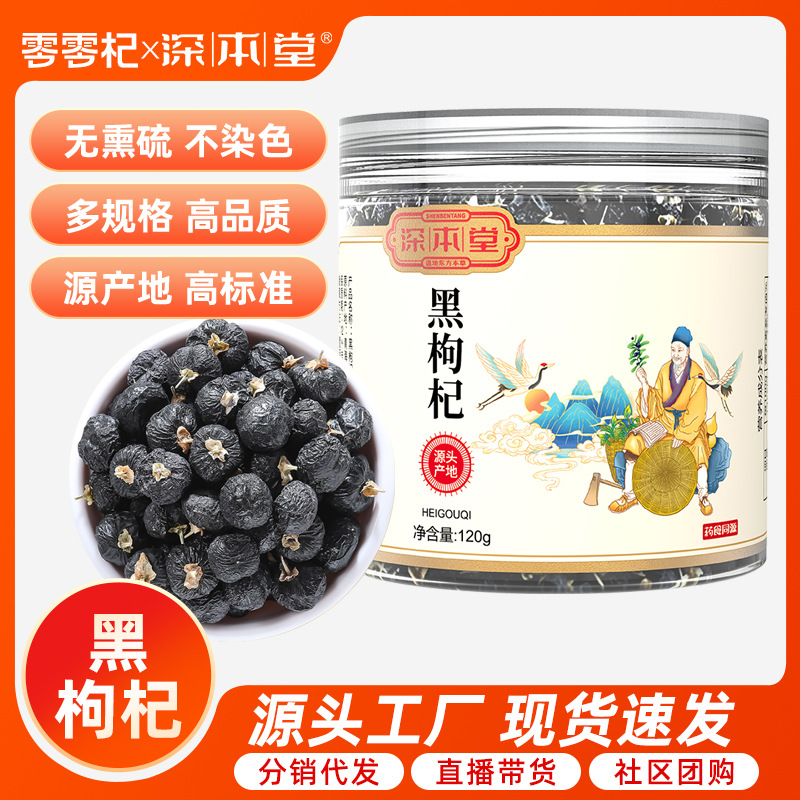
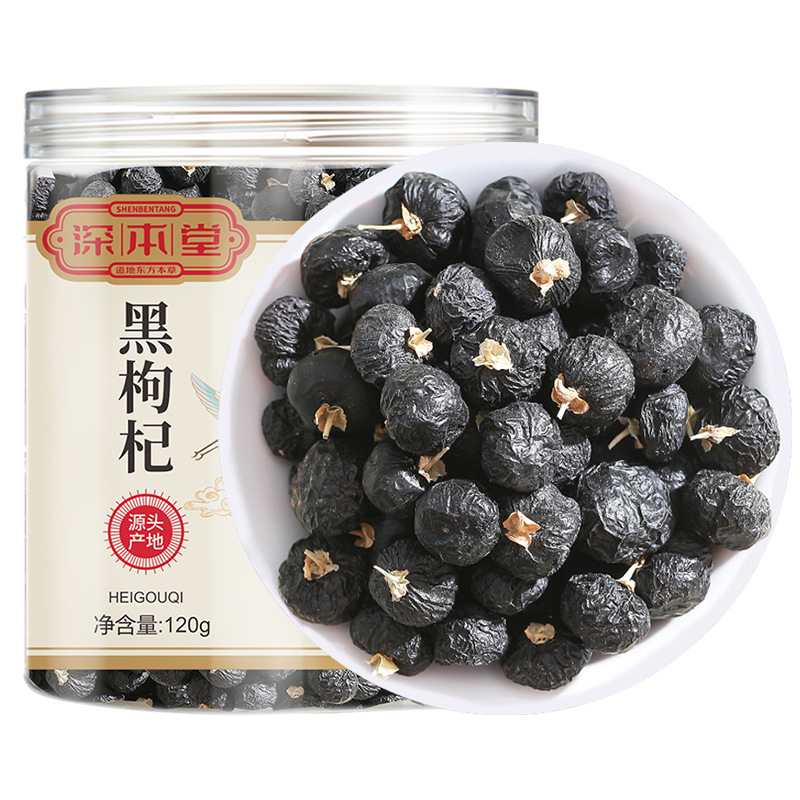
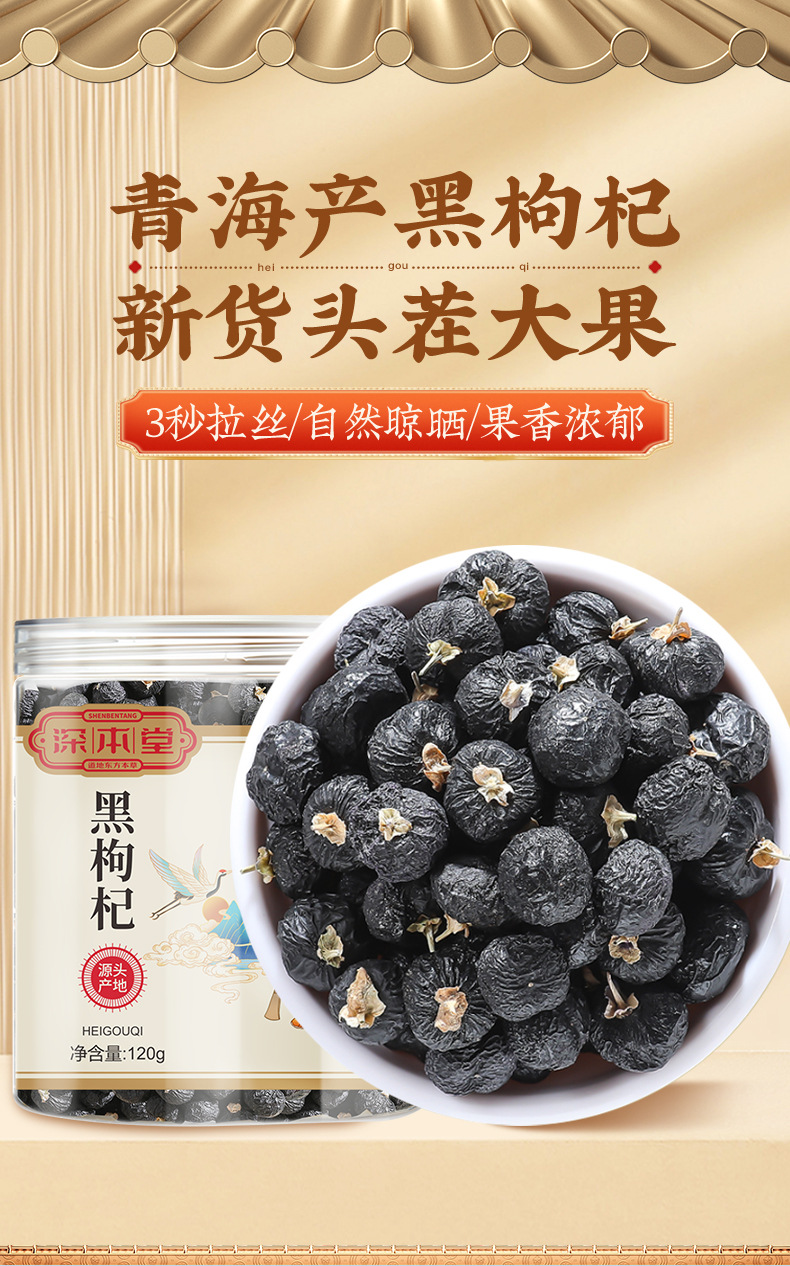
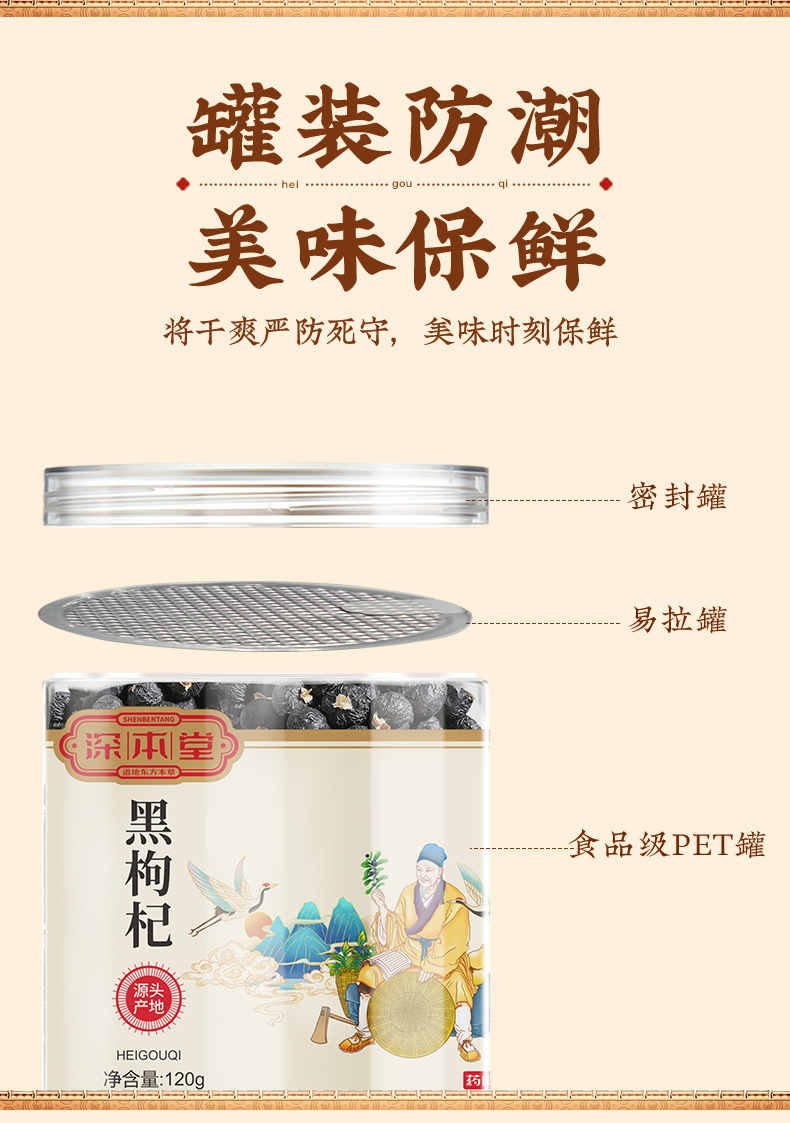
Dried Black Goji Berries 120g Jar Qinghai Black Wolfberry Fruit Ready to Eat
$9.21
822 in stock
Description
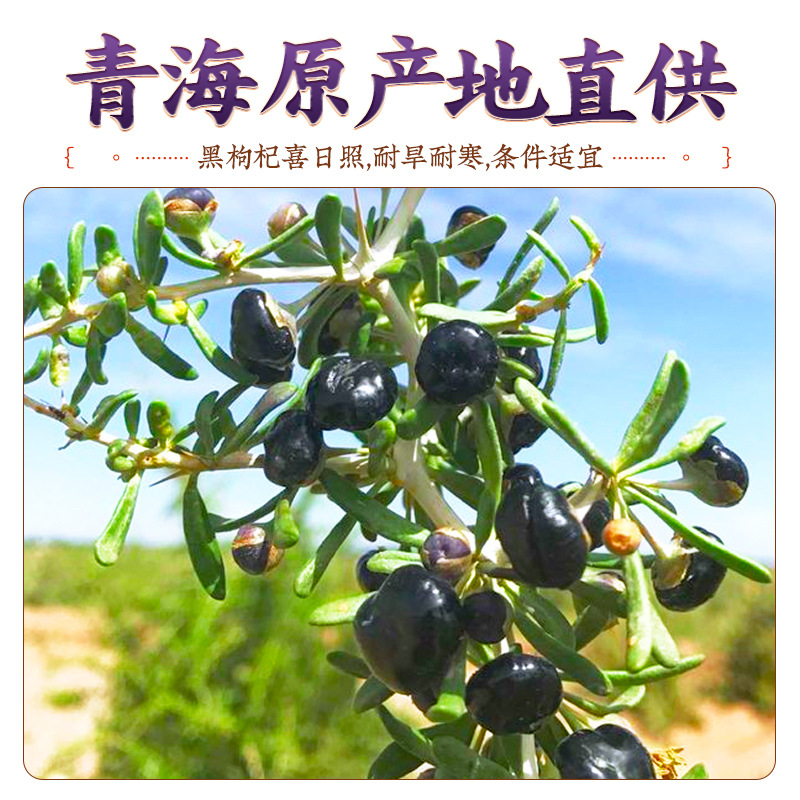
Dried Black Goji Berries, known in TCM as Hei Gou Qi Zi (黑枸杞子), from Lycium ruthenicum Murr. These sun-dried berries from Qinghai are a food-grade botanical traditionally associated with sweet, neutral, kidney and liver channel nourishment. In TCM theory they are used to support essence and eye health. Ready to eat or steep in warm water.
Key Selling Points
- Identified as Hei Gou Qi Zi (黑枸杞子), the fruit of Lycium ruthenicum
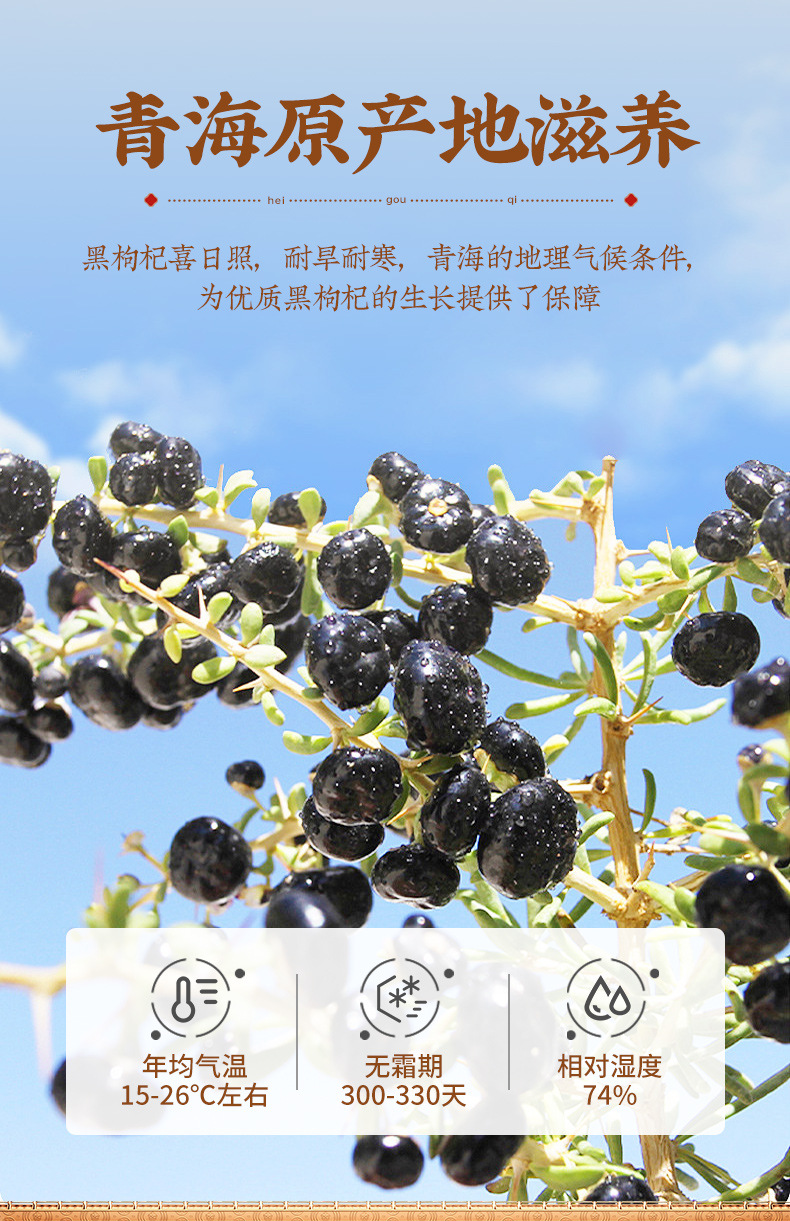
- Sourced from Qinghai and sun-dried for a natural, food-grade product
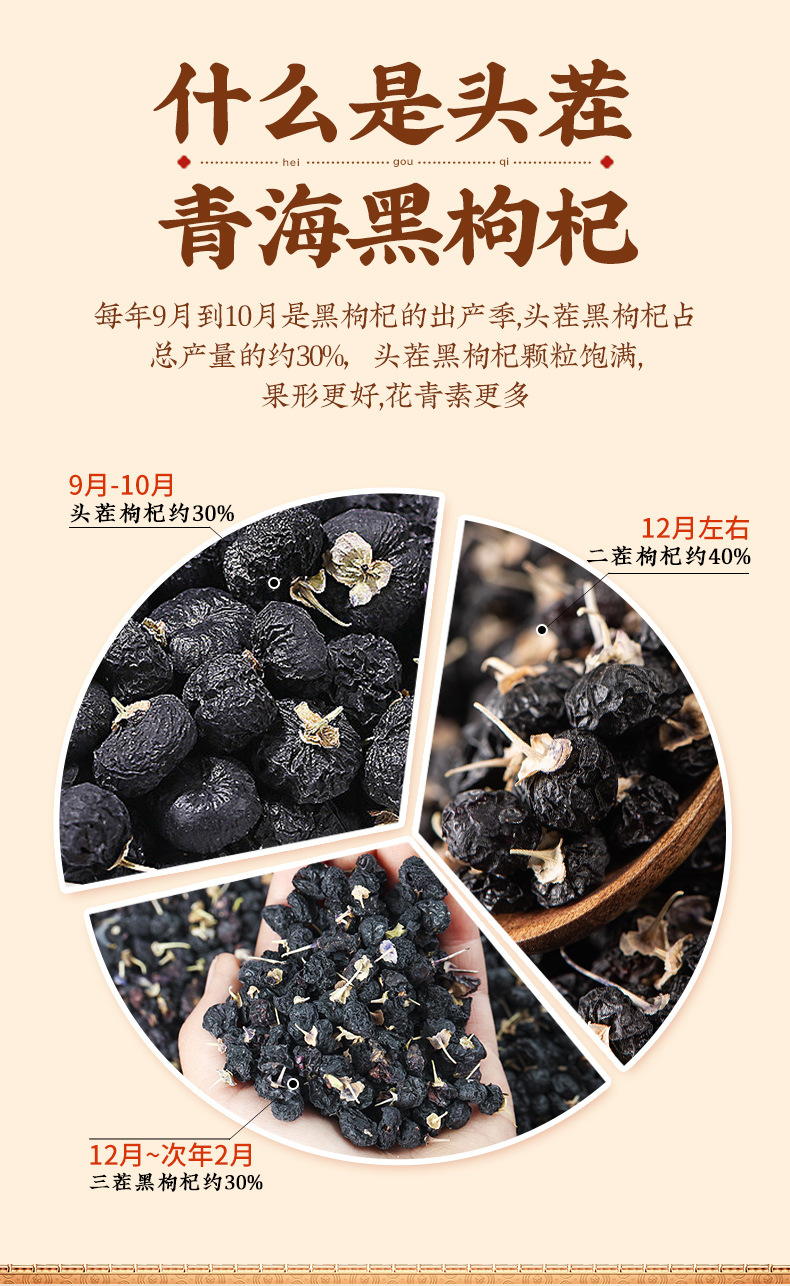
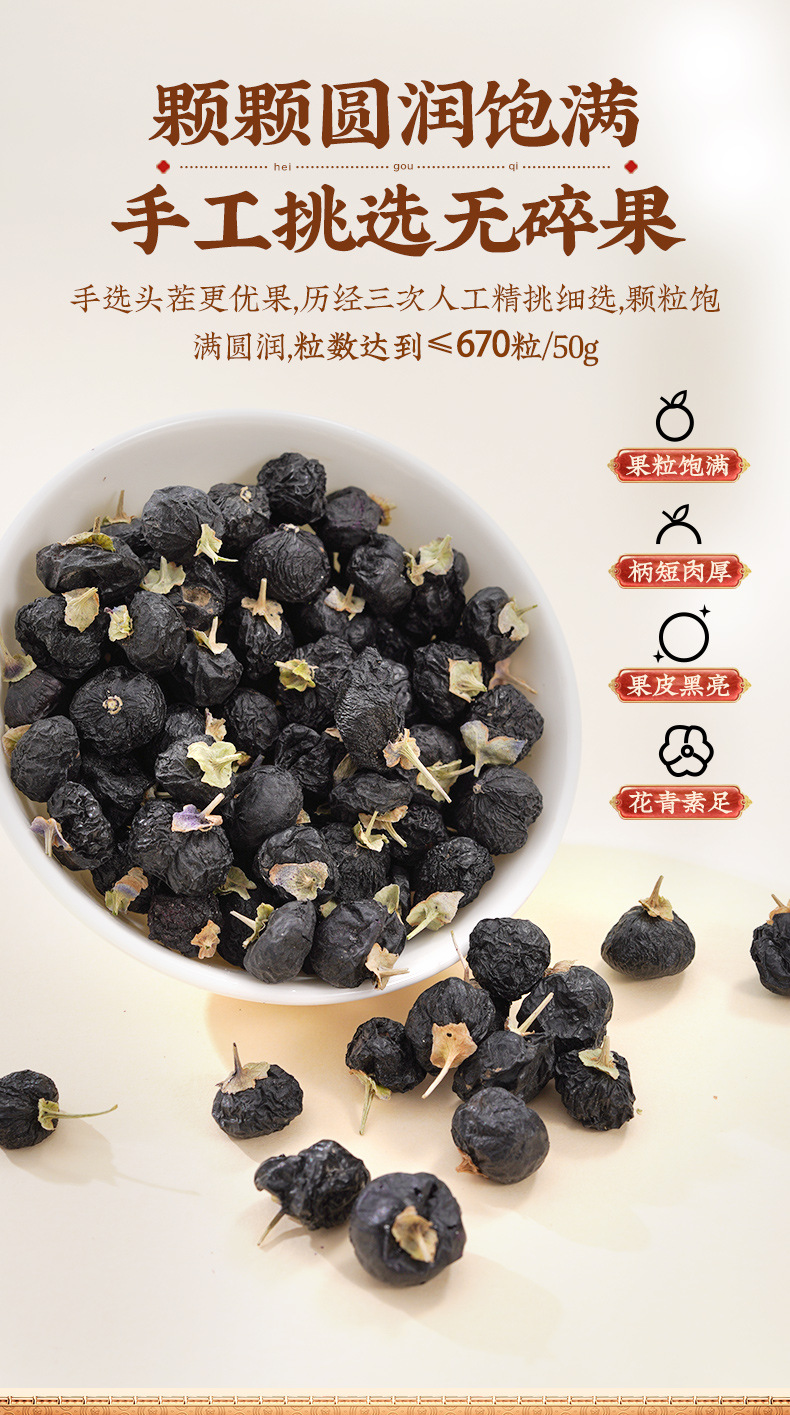
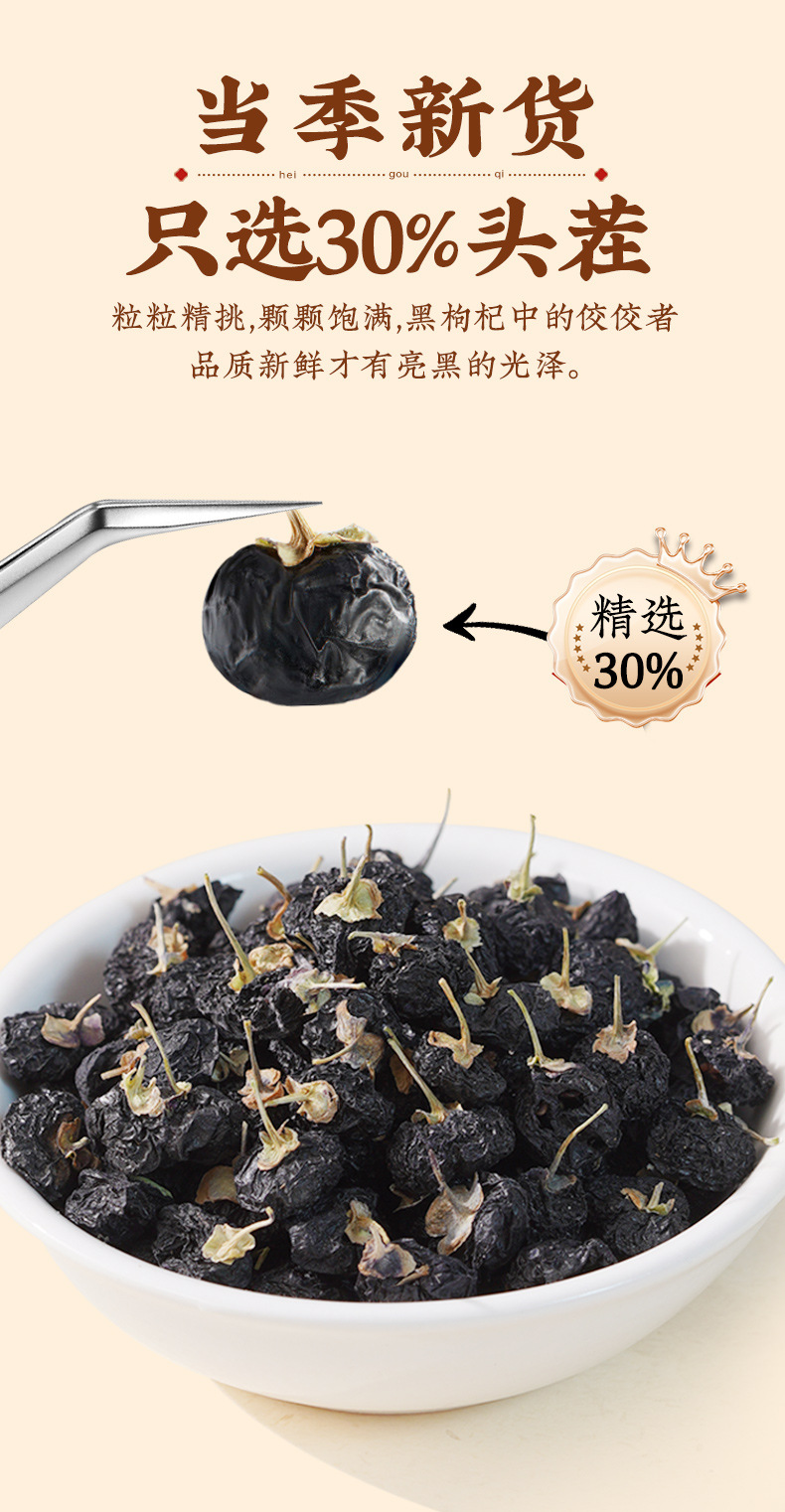
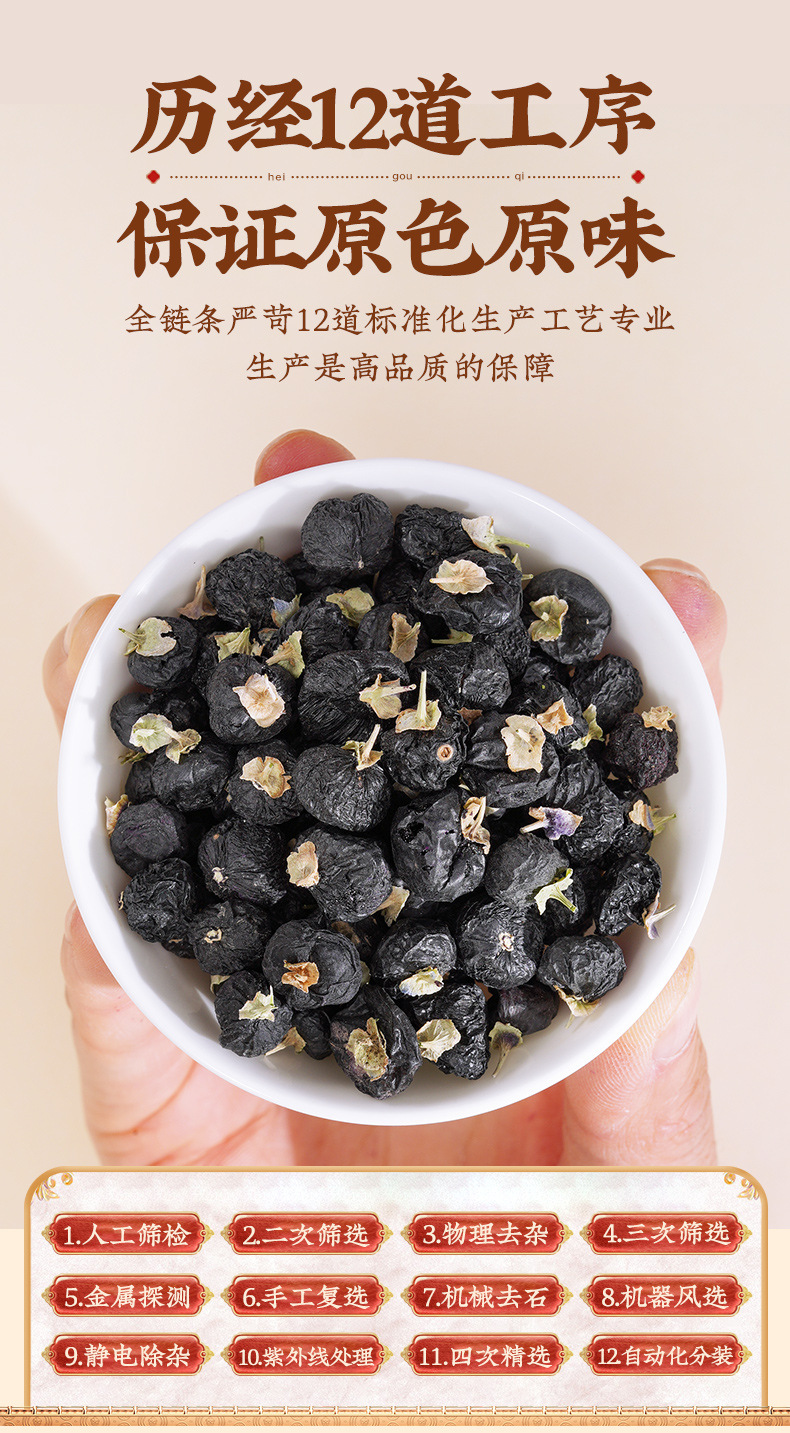
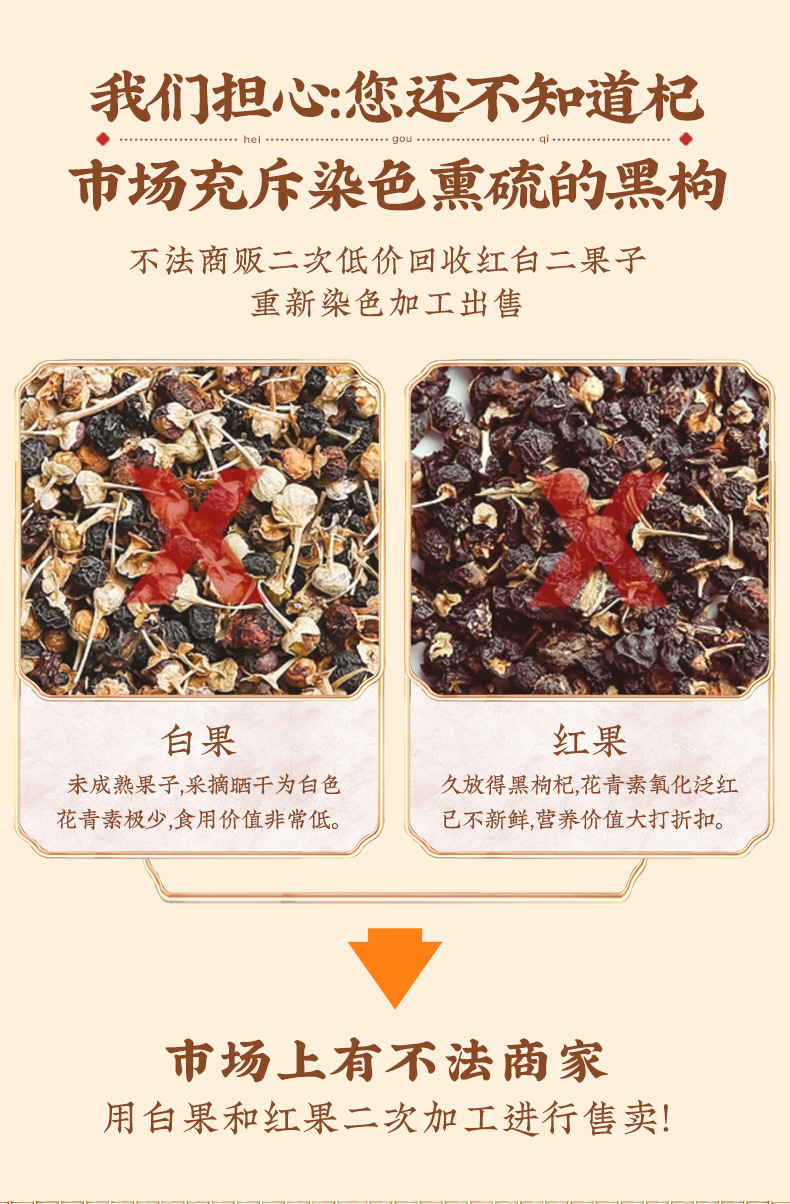
- Large-grade berries with a deep purple-black color
- Traditionally used in TCM to nourish kidney and liver channels
- Ready to eat directly or brewed as a warm herbal infusion
Quality & Sensory
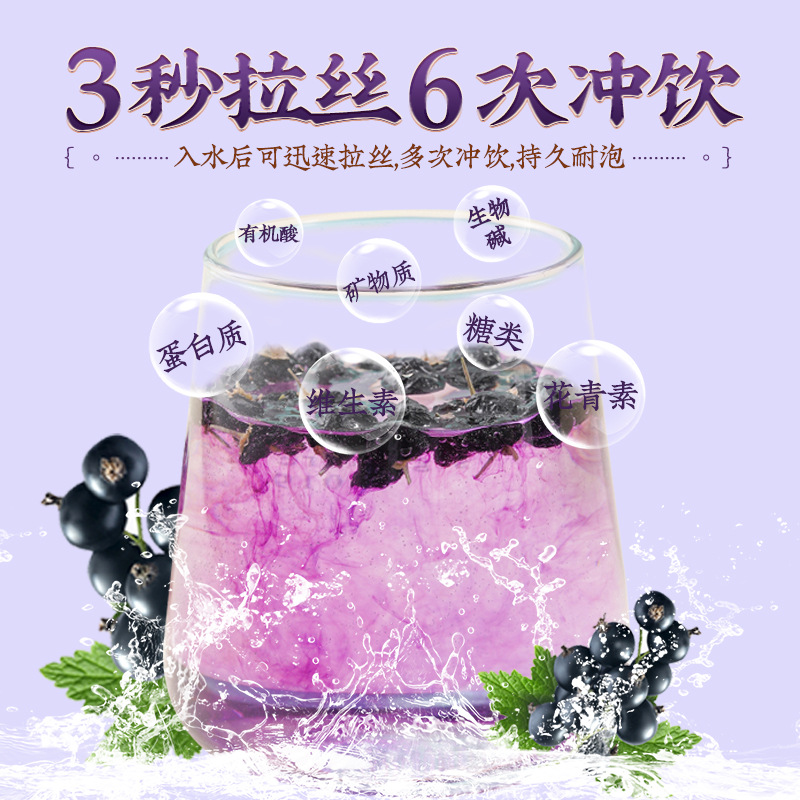
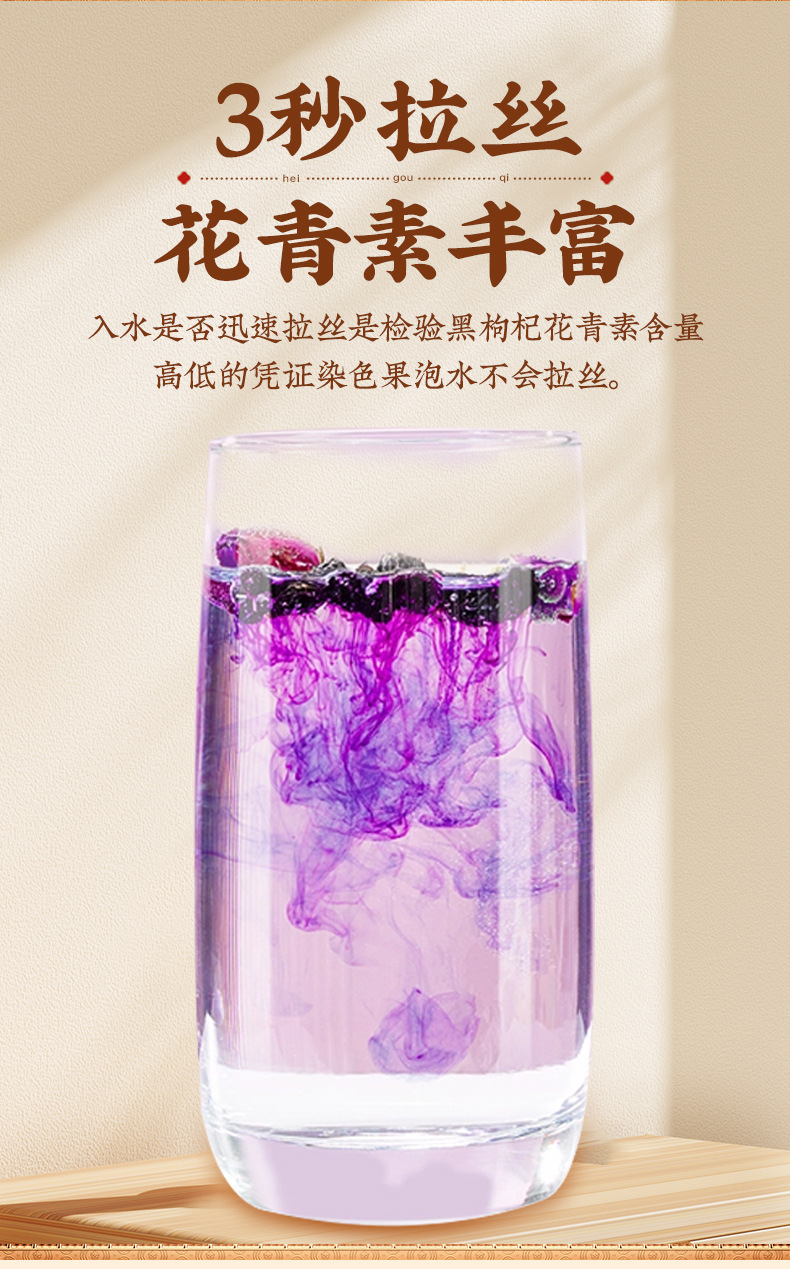
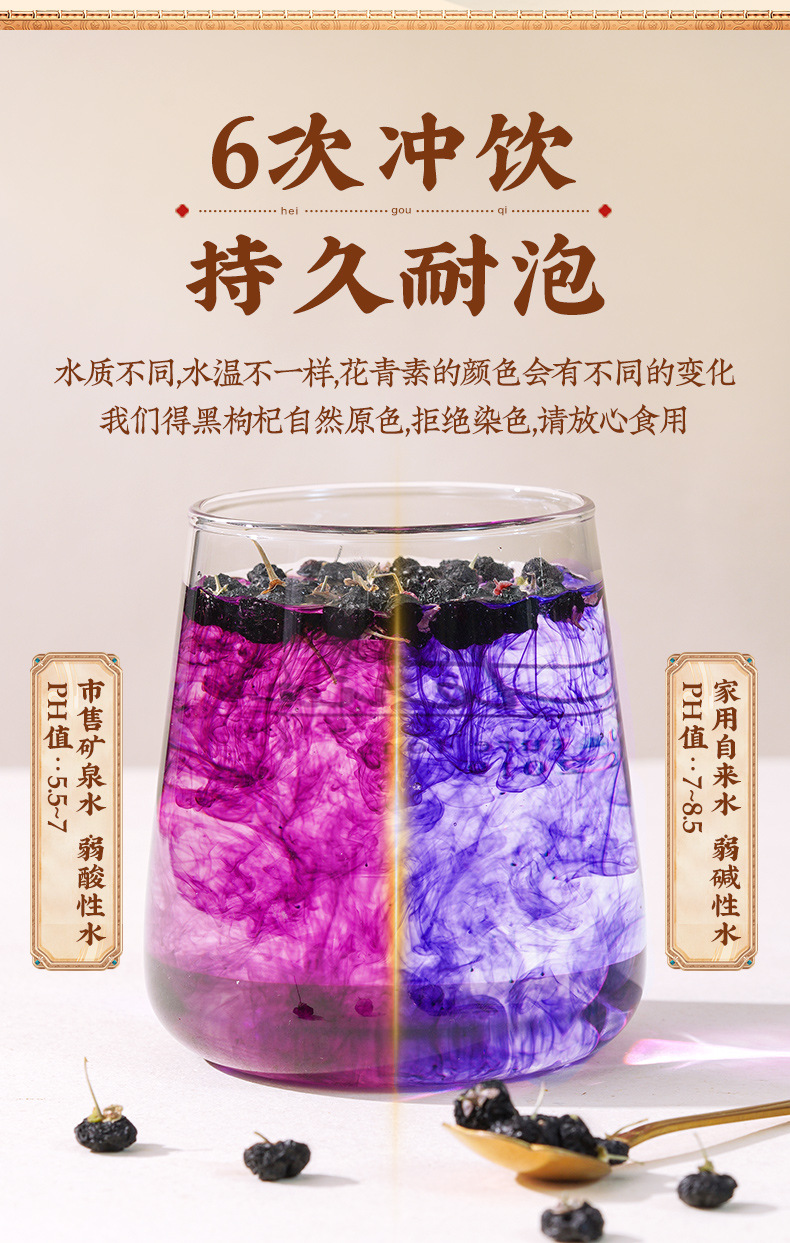
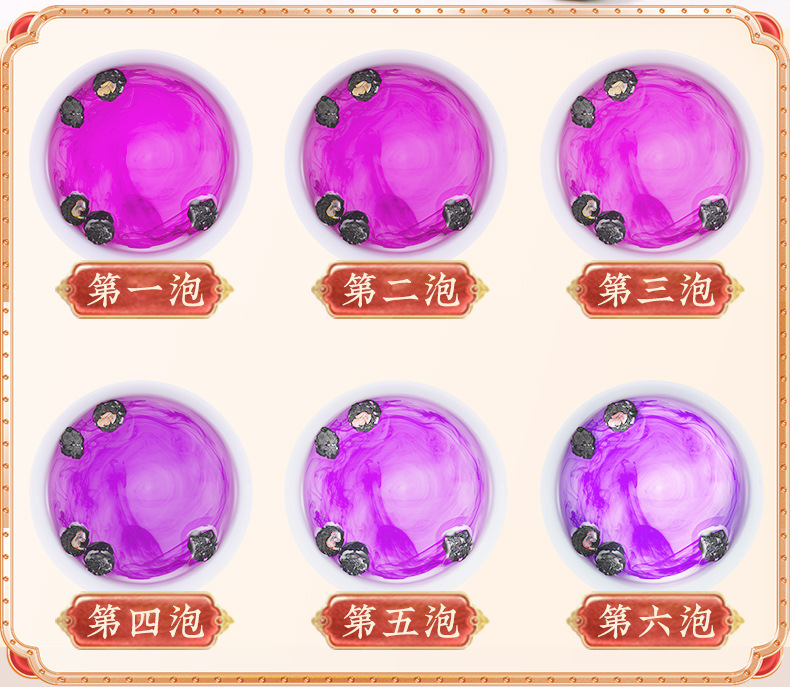
The berries are typically deep purple-black with a firm, slightly chewy texture and a mild, sweet-tart aroma. When steeped in warm water they release a blue-purple hue and taste lightly sweet with subtle tartness. Color and flavor may vary slightly by batch.
Technical Specifications
| Product Type | Dried fruit |
|---|---|
| Chinese Name | 黑枸杞子 |
| Pinyin | Hei Gou Qi Zi |
| Botanical Name | Lycium ruthenicum |
| Plant Part | Fruit |
| Net Weight | 120g |
Usage Scenarios
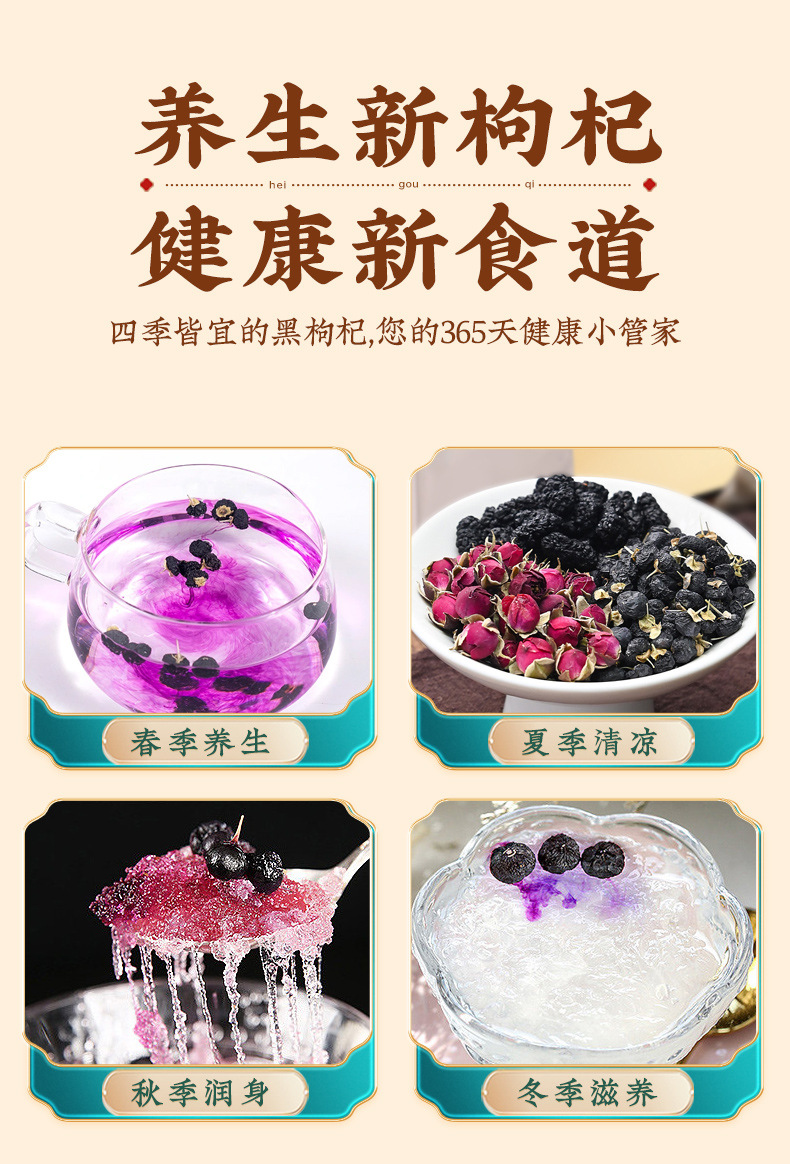
- Steep in warm water as a daily herbal tea
- Add to congee or soup before serving
- Eat directly as a ready-to-eat snack
- Blend into smoothies or yogurt
Traditional Uses
In TCM theory, Hei Gou Qi Zi is traditionally used to nourish the kidney and liver, support essence, and benefit the eyes. It is commonly steeped alone in warm water or combined with chrysanthemum and red goji berries in daily teas. Folk practice also adds the berries to congee, soups, and tonic decoctions for seasonal nourishment.
FAQ Q&A
Q: What are black goji berries?
A: They are the dried fruit of Lycium ruthenicum, known in TCM as Hei Gou Qi Zi (黑枸杞子), distinct from the more common red goji berry.
Q: What is their traditional value?
A: In TCM theory they are associated with nourishing the kidney and liver channels and supporting eye health.
Q: How are they commonly used?
A: They can be eaten directly or steeped in warm water as a tea, and are sometimes added to congee or soup.
Additional information
| Weight | 0.3 kg |
|---|---|
| Dimensions | 10 × 10 × 12 cm |
Related products
-
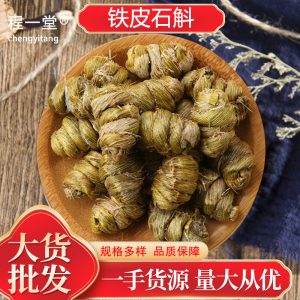
Tie Pi Shi Hu Dried Dendrobium Stems 500g Huoshan Fengdou for Soup and Tea
Price range: $35.88 through $108.80 -
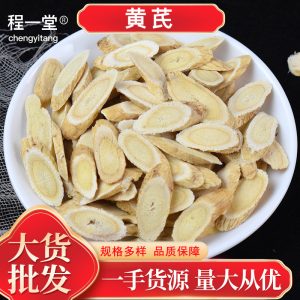
Astragalus Root Slices Huang Qi 斜片 Dried Herb for Decoction Soup and Tea 500g
Price range: $6.06 through $19.51 -
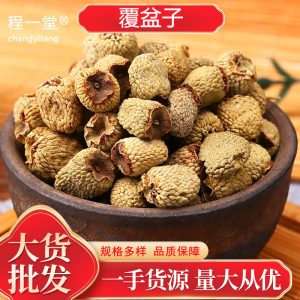
Dried Raspberry Fruit Fu Pen Zi 500g Whole Berries for Herbal Tea and Wine Infusion
Price range: $14.00 through $16.44 -
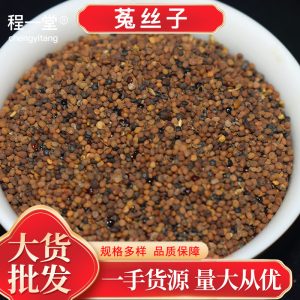
Dried Dodder Seed Tu Si Zi Whole Herb 500g Bulk Chinese Herbal Ingredient
Price range: $7.04 through $7.52
Reviews
There are no reviews yet.